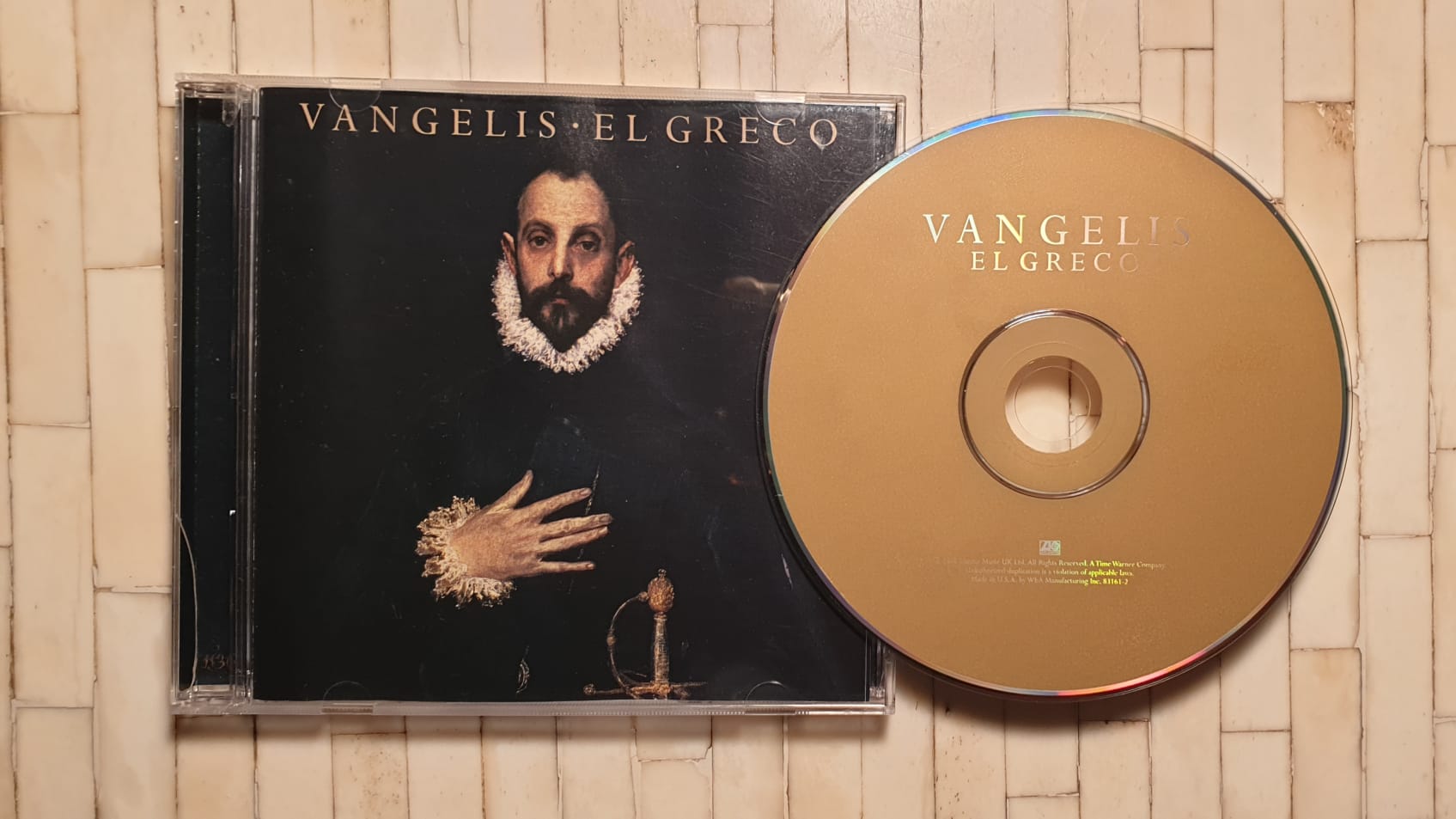


Vangelis – El Greco, and get ready to travel in time and space!

Yes, I enjoy listening to music beyond classical. I have written here about Gospel music and jazz, even pop. Every summer, I create a playlist of pop hits for my nephew and nieces, and I used to record a Jazz playlist for my dad every Christmas.

Occasionally, rarely, I will also listen to contemporary composers like Arvo Pärt. Thrifting the other day —one of my hobbies in this desolate suburbia— I found this CD by Vangelis. I had to give it a listen. While there are many electronic music composers, a few of them had their heyday in the 80s, like Jean Michelle Jarre, Kitaro, or Jean Luc Ponty, Vangelis is probably considered the most serious, possibly because he wrote the music for great films like Blade Runner, and of course, his most famous piece, the theme for Chariots of Fire.

In this record, Vangelis explores his fellow countryman, Domenikos Theotokopoulos, El Greco. Vangelis takes you back to Toledo during the transition from the Renaissance to the Baroque. With heavy, byzantine sounds, bells, and apparently simple layering, Vangelis manages to transport the listener to another city and another era, amazing!

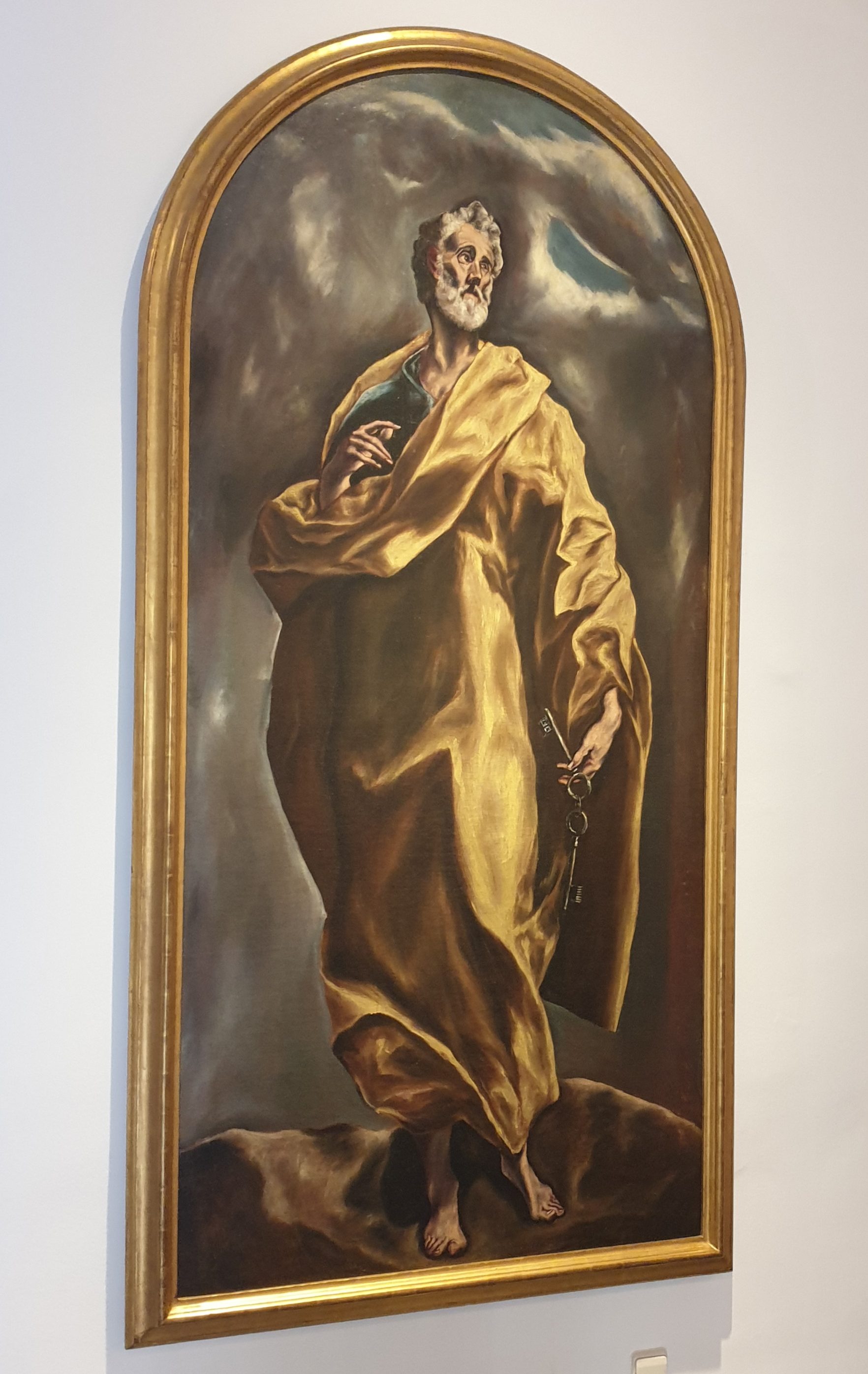
The beauty of this album lies precisely in the journey, the long notes, the reminiscence of old instruments and melodies. When paired with the paintings of El Greco or the ancient narrow streets of Toledo, you become transfixed. You might be in bleak South Florida, but your soul and your senses are in 16th-century Toledo.

The Streets of New Orleans, The New Orleans Gospel Stars, gospel music as a meditation.

It was love at first sight. The streets, the feel, the vibe, I stayed at a dingy little hotel in the French Quarter, the Andrew Jackson, my room stank of weed, every morning I had breakfast at the Clover Grill Diner before heading to work. In the mid-90s I went to New Orleans two years in a row for a conference. I do not remember much about the conferences, but New Orleans stayed in my heart. But I was not new to New Orleans, for years I had listened to its music, its magical, powerful, beautiful music which my dad loved and played constantly. As a result of this, I got hooked on the New Orleans sound, listening to Branford and Wynton Marsalis, Harry Connick Jr., Jon Batiste and so many more.

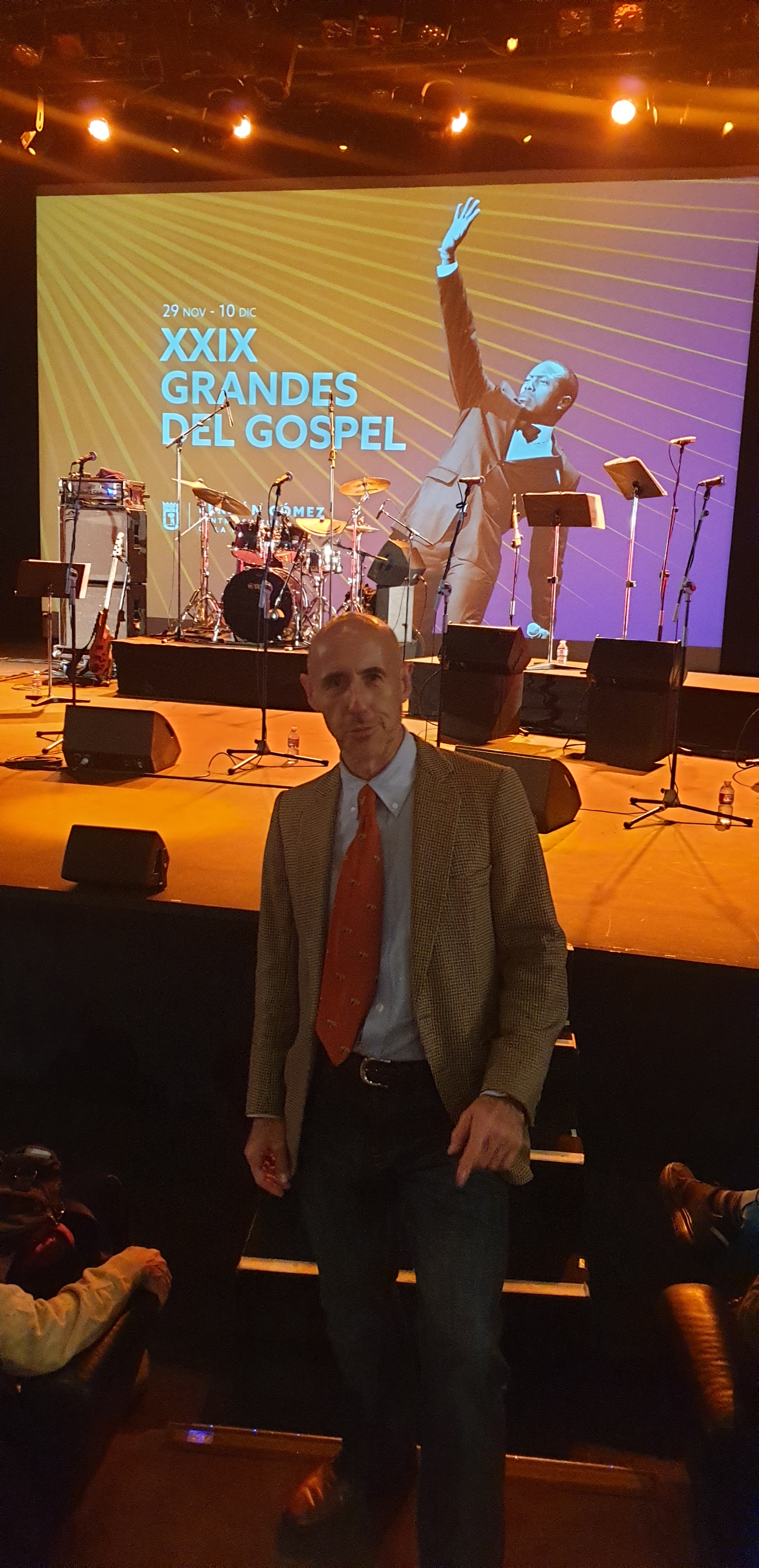
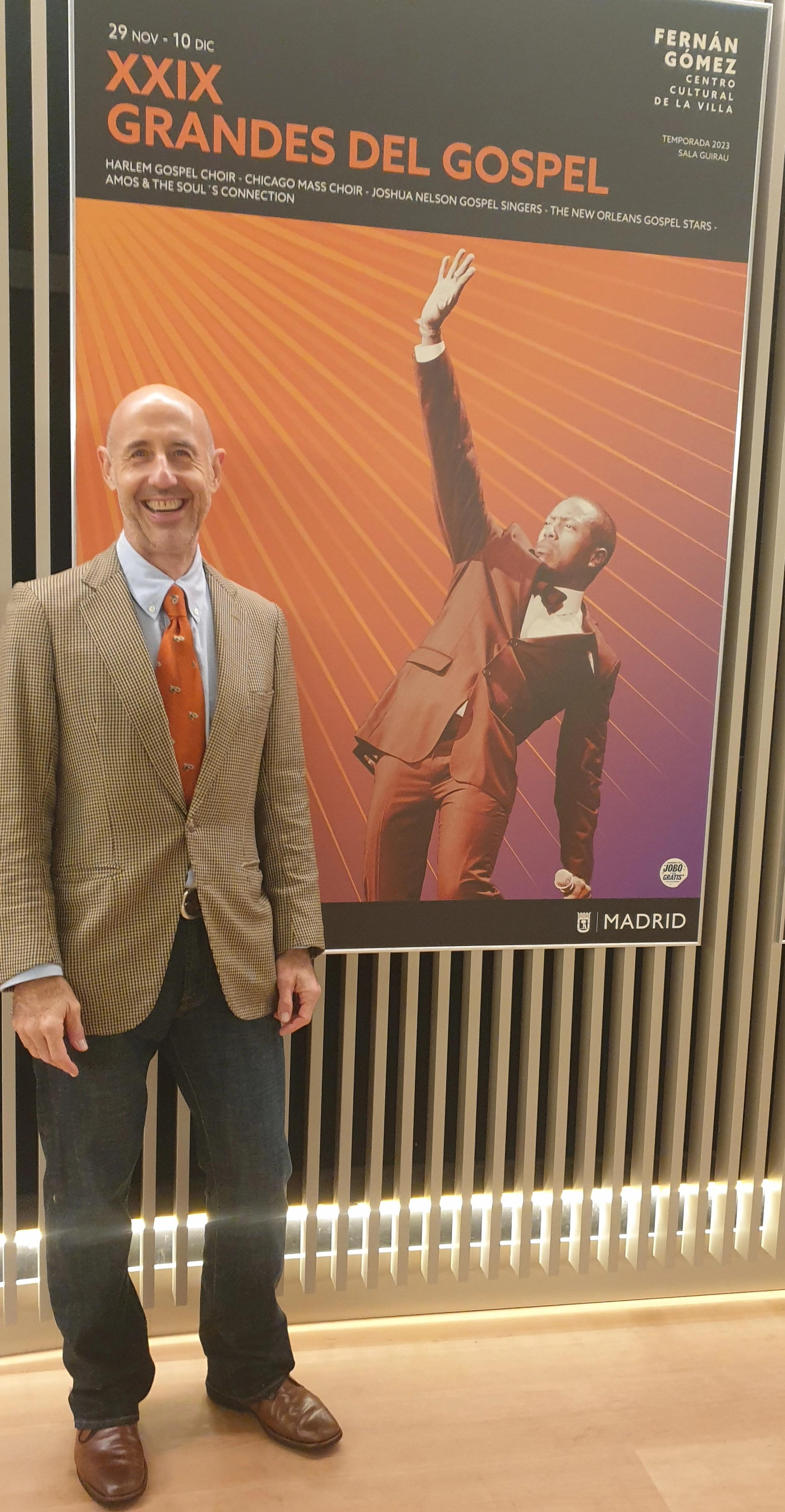
The other day I saw a poster for a Gospel Choir concert in Madrid, and Celia and I immediately invited my niece and my nephew to the concert.

It was a blast! The brass marched into the hall playing a beautiful version of “Just a Closer Walk with Thee” which I know and love from Van Morrison’s version, then the rest of the band walked in and ignited the crowd with their rhythm and energy. “What a Wonderful World” was nice, but nobody can come close to Louis Armstrong on that one. At the end we got the classic: “Oh Happy Day.” For the grand finale: “When the Saints Come Marching in.” The normally conservative Madrid crowd was all standing and dancing! What a show!

Richard Rohr writes in his daily reflection about this music:

worship in the Black church can create a communal contemplative experience

CAC faculty member Barbara Holmes

My niece and nephew enjoyed it. I loved traveling back to my dear New Orleans, as I had not been there since the start of this blog in 2011 (check it out here) when I applied for my PhD in Tulane.

Here is a clip of the amazing New Orleans Gospel Stars, enjoy:

A mystical experience on the Camino

The only good thing about the A Pociña de Muñíz albergue when I stopped for breakfast was that while they ripped me off with a 2 Euro filtered coffee when their real coffee machine sat idle right there, was that they recommended that I take the Soutomeride variant that goes through an ancient forest and by an equally ancient church instead of by the “main” Camino.

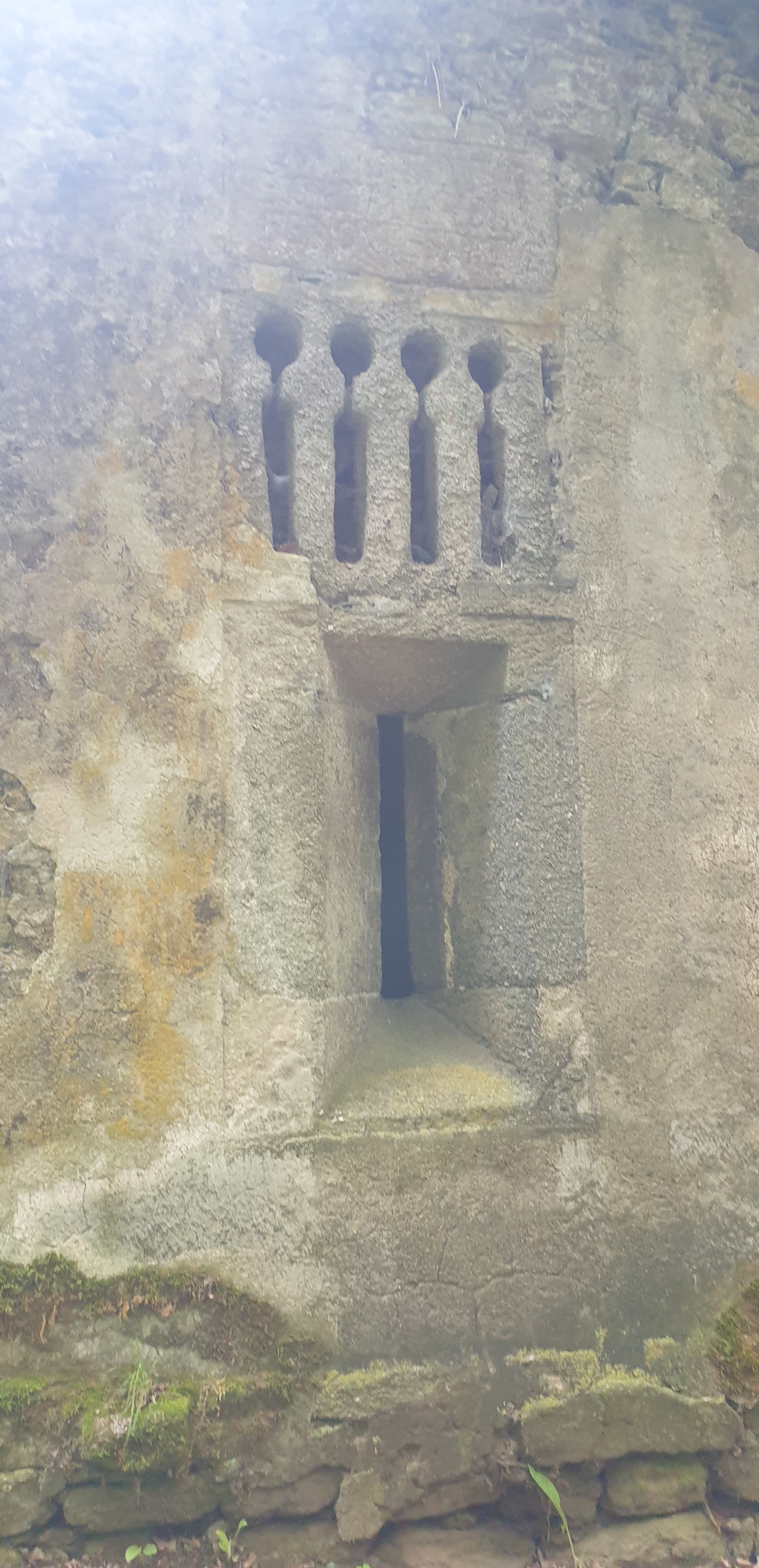
So there I was, still fairly early in the morning, walking and meditating as I entered this age-old forest with 350-year-old chestnuts, among long ago ruined buildings covered with every plant imaginable that I arrived at the back of the aforementioned church of San Salvador de Soutomerille. I was stopped in my tracks by the beauty of four pre-Romanesque horseshoe windows. Never had I seen such beautiful, old windows on a building, in what appeared a semi abandoned church in the middle of an enchanted forest.

But wait. At that moment as I approached the church taking a picture of the window, I heard an angelical voice coming from inside.

What is going on? How can this old church that probably does not even have electricity, in the middle of a forest have music? Do they have some sort of record player? Spotify? And the voice, it is angelical, and the music, sounds like Hildegard von Bingen. I am mystified, baffled, confused, and ecstatic all at the same time. The singing stops and I slowly walk around the tiny church. There, by the door is Ingrid, a German pilgrim and amateur singer who was singing through a broken panel on the door to check out the acoustics. A very human and perfectly reasonable occurrence, but for me it was a mystical experience.

You do not believe my story? Turn up the volume and watch the video below…

BTW if Ingrid or anybody that knows German pilgrim, amateur singer Ingrid reads this please leave a comment below!

Spanish teaching hack #752: using songs to memorize verbs

Most of what I know about teaching Spanish I learnt from Tracy years ago, and I am eternally grateful for that. One of those things is the importance of music in the classroom as a teaching tool. Sure, we learn songs and watch YouTube videos, but a lesser-known quality of music is as a mnemonic tool.

It is a well-known fact that irregular verbs in any language are difficult to memorize; there are so many! They are so hard! So, one way of helping to learn and memorize them is with songs, even if they are silly, basic melodies.

Here are a couple of examples of using basic melodies to help memorize irregular verbs: one is for the past tense preterit, and the other one for affirmative “tú” commands. Enjoy.

A much-needed return to music, and on the importance of mentoring

As I have mentioned ad nauseam, I learned how to be a mentor to old students from my professor Aaron Nurick, who has been keeping an eye on me for over thirty years, which at this point makes him more of a friend than a mentor.

Bill is one of my old students who invited me to Film Club (you can read about that here), and who as an accomplished violist, invited me to his recent concert in Miami. I would like to think that I am a bit of a mentor to him.

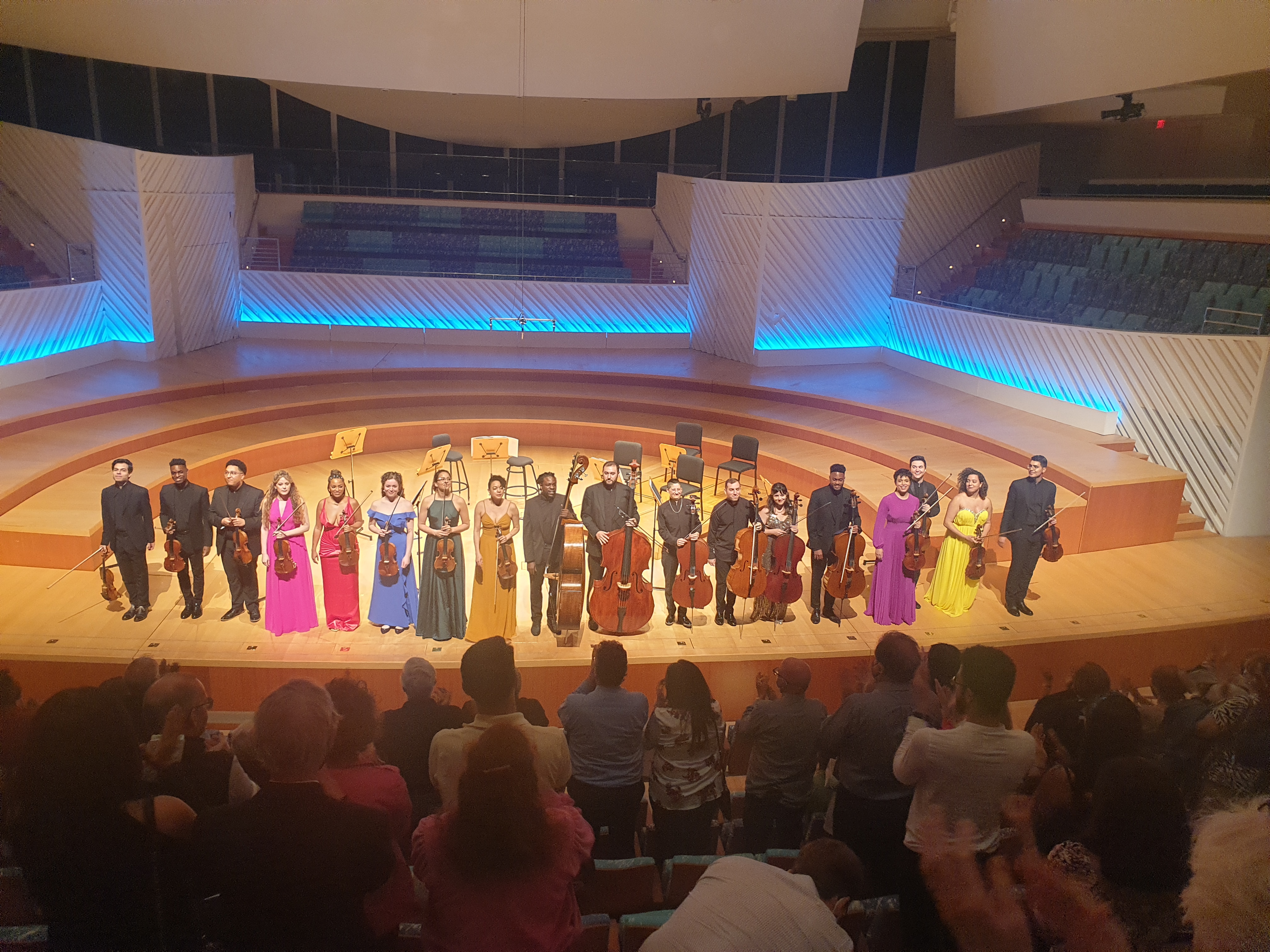
The Sphinx Virtuosi is an orchestra formed by minority Black and Latino musicians. Their concert equally featuring Black and Latino composers was glorious. Granted, I had not been to a live concert since before Covid, over two years ago, but it was still divine.

Driving to Miami is an odious experience, there is always traffic no matter what time you go. And if there is no traffic, there is construction, which inevitably leads to traffic, so there is no avoiding the frustration of sitting in a car at standstill.

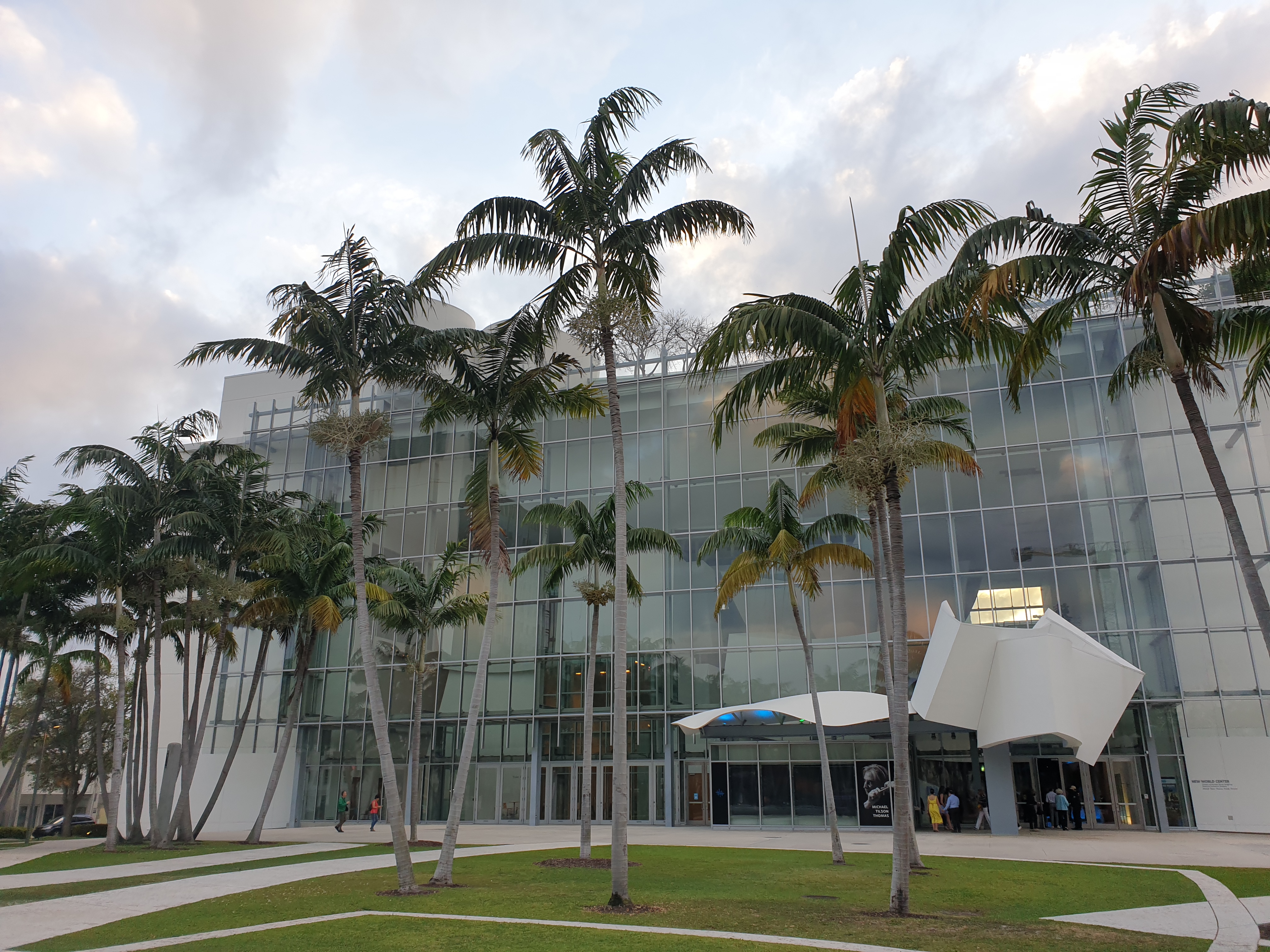
But once I parked and I was walking around, all my tension washed away. The concert was at the Frank Gehry designed New World Center in Miami Beach, which, while not as whimsical as say, the Guggenheim in Bilbao, it is still very cool and has a breathtaking rooftop garden.

The concert itself was a refreshing mix of melodic Latin tunes like Alberto Ginastera’s Concerto for Strings and the haunting Andrea Casarrubios’ SEVEN in honor of the fallen first responders during the first Covid outbreak in New York City (SEVEN references the time folks would clap from their windows to celebrate the first responders). This was a mournful concerto for solo cello played beautifully by Tommy Mesa -another old student at Walnut Hill! (See clip below).

After the concert we walked to a great Peruvian restaurant where we had a long chat over excellent food and beers. I cannot wait for my next concert, nor to see more of my old students!

Bach, Johann Sebastian Bach

My only music post on this blog was published in 2014 about Van Morrison. Well, it is time to add to that. Basically the only thing I listen to nowadays is Bach, as in Johann Sebastian Bach.

Of course we are all familiar more or less with his oeuvre, but I must confess that my first conscious contact with Bach was quite late. After college I got a job in Boston’s Financial District. I moved into an tiny attic apartment on Commonwealth Ave.  in the Back Bay. Walking around I found out that Emmanuel Church on Newbury st. performed the Bach Cantatas on Sundays’ mass, so I started going religiously (sorry, bad pun). I missed the Catholic ritual, but the music more than made up for it!

Fast forward to 2013 in North Carolina when I saw András Schiff  perform the Goldberg Variations and it all came flooding back, and I was hooked. As soon as I could I went to the used record store and got Glenn Gould’s original 1955 recording -yes, the one where you can hear Gould humming the tune in the background! I stuck it in my car’s CD player and it stayed there until the car was sold in 2018. That’s five years of listening to the record over and over. Call me obsessive if you want.

The next step for me was the Cello suites. The progression was simple, although it involved a step back. A step back because I had been surrounded by these pieces when I worked at the Walnut Hill School for the Arts, eventually observing and participating in Über-conductor Benjamin Zander’s Master Classes at the school. Now I have Yo-Yo Ma’s 2015 Royal Albert Hall performance of the complete Cello Suites on a loop (see video below).

Occasionally, if I want to mix it up a bit I might listen to some of his organ music or, the Passions, or some of his other orchestral and chamber pieces (sonatas and partitas). There are many of these because back in the day (1685 – 1750) the only serious musicians worked for the king or the church. Bach falls in the latter, so he had to produce music basically for every Sunday! In case you had not noticed, I am not a musician -much to my regret- but this music has everything I need musically and spiritually speaking.

You are welcome.