Yes, I might have a mildly obsessive personality. One such obsession is the 18th Century, I rather flourish with everything to do Enlightenment, Neoclassical, late Baroque, early Romantic, you get my drift.
When I found out there was a Mengs exhibit at the Prado, I did not go once; I went twice (and I might go again) —Advantage of being an “Amigo del Prado,” I get in for free 😊
Mengs is the consummate 18th-century, Enlightenment painter. Although he worked for a lot of European nobility, most of his work was for King Carlos III in Madrid; in fact, most of Mengs’ work I have seen was at the Palacio Real in Madrid.
My main scholarly project at the moment (sorry, I cannot disclose too many details) involves a Francisco de Isla book that was in the library of the Spanish-Italian Cardinal Zelada. What was my surprise when reading the description of a portrait at the exhibit, that it was Cardenal Zelada, which normally lives at the Art Institute of Chicago, what a coincidence! (Check it out here).
The exhibit is phenomenally curated; it has hundreds of paintings gathered from around the world, divided into 10 huge areas grouping different stages and themes. It is worth the visit.
So if you are in Madrid before March 1st, 2026, go to the Prado and check out the Mengs exhibition. You are welcome.
Back in a previous lifetime, I used to collaborate with a polymer extrusion company (sexy, I know) located just outside Florence. For work purposes, of course, I used to visit them every year, spending a week in Florence. Because of this, I am quite familiar with the Florentine Renaissance and less so, I must admit, the Venetian Renaissance.
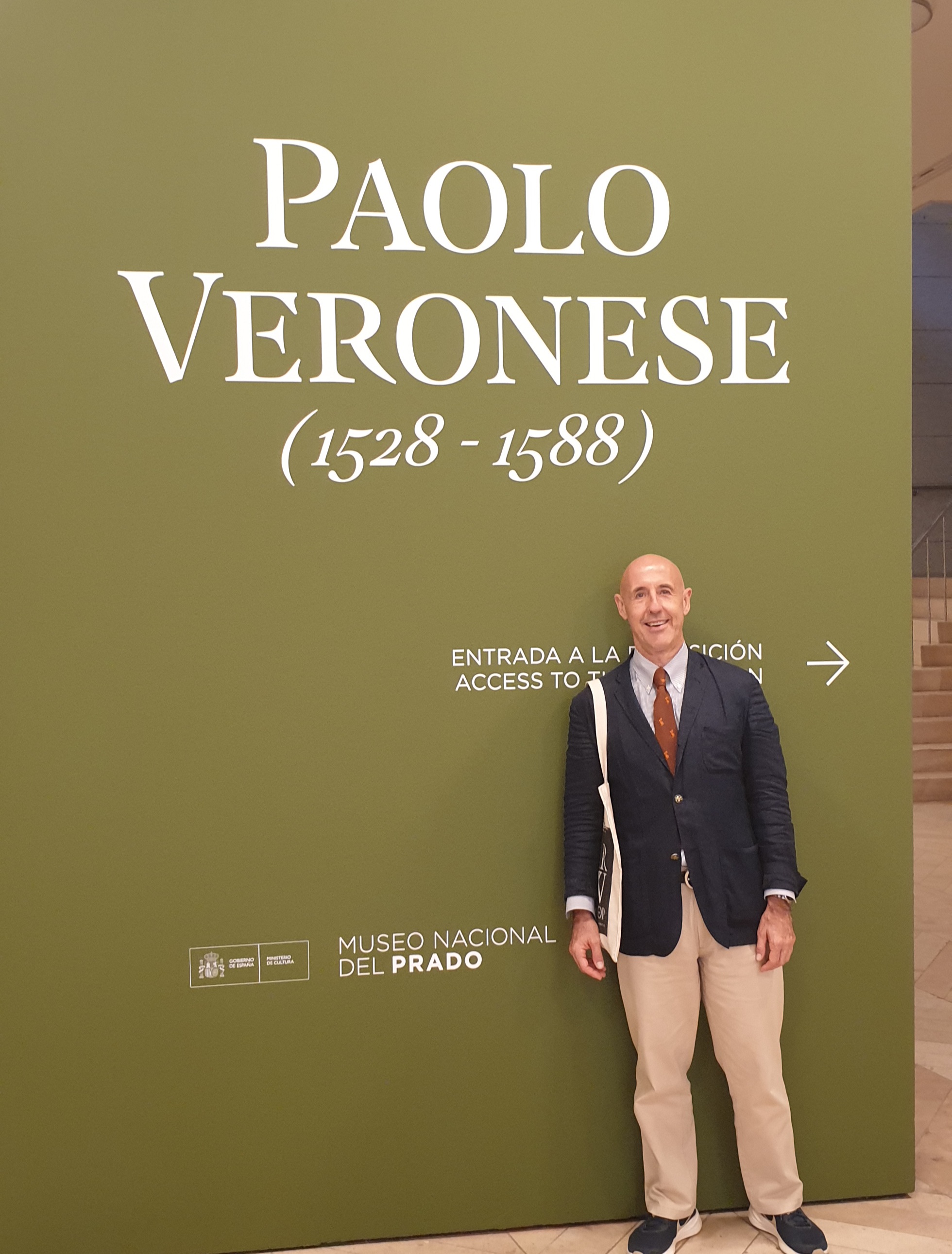
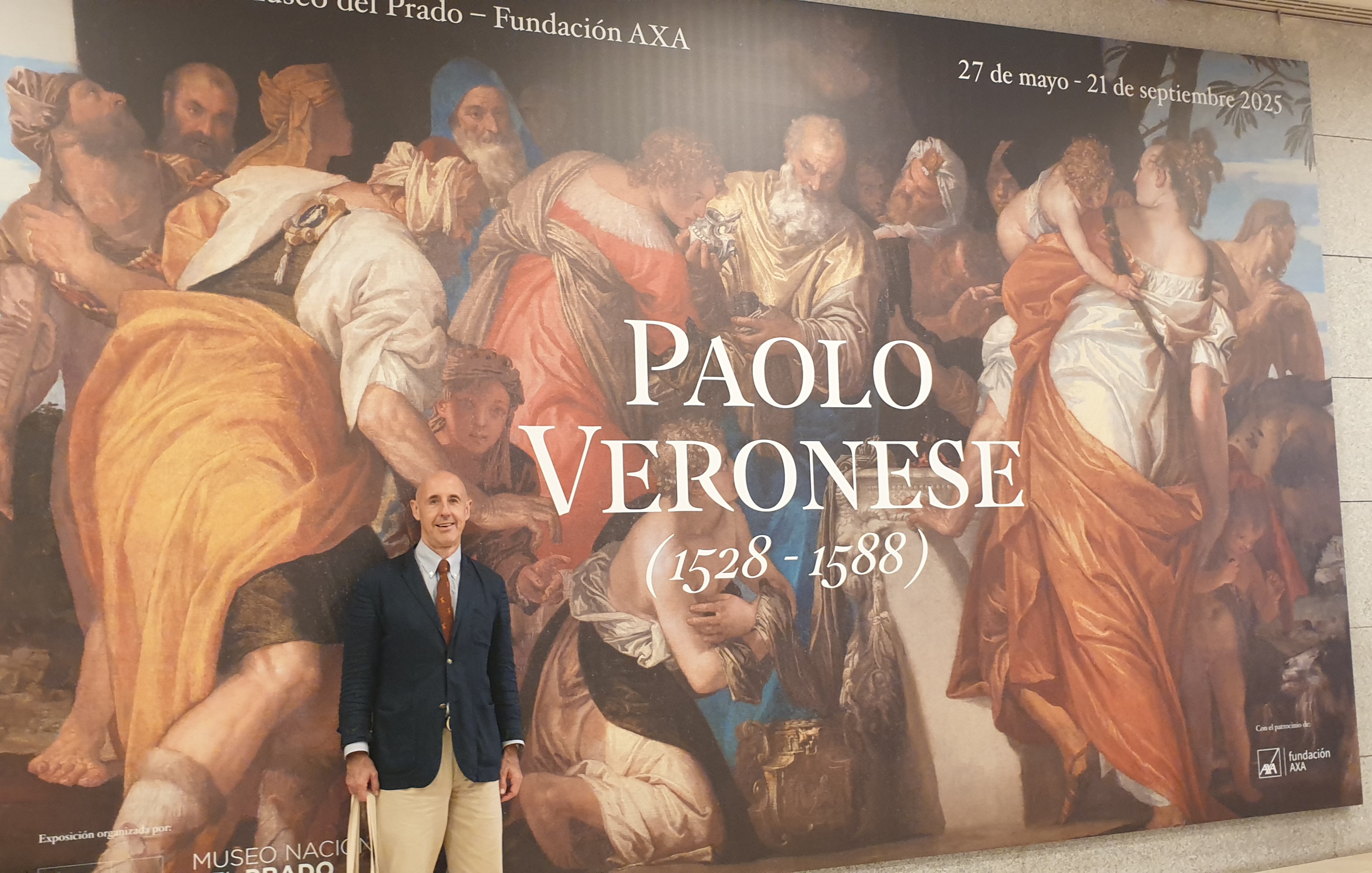
Fortunately, I recently had the opportunity to (partly) fix this by going with my sister to an amazing Paolo Veronese (1528-1588) exhibit at the Prado.
I was blown away!! There are over a hundred paintings from the Louvre, the Metropolitan Museum, the National Gallery in London, the Galleria degli Uffizi, the Kunsthistorisches Museum of Vienna, and, of course, the Prado.
When you mention the Renaissance, the first thing you think of, in painting, is perspective, depth; this is something Veronese has mastered. More importantly, I found the details, and even more importantly, the narrative capacity of the paintings —the ability to tell a story, really special. From a technical or art history perspective, the Renaissance started in Florence, giving them the edge, but Venice soon countered with brighter colors, as a young El Greco would learn. However, all this makes little difference, for a non-specialist like me, I just freaked out at the beauty.
This being the Renaissance, most paintings are of Biblical or Greek mythology stories, making it relatively easy to situate oneself.
So if you are in Madrid until September 29, see the Veronese exhibit at the Prado. You are welcome.
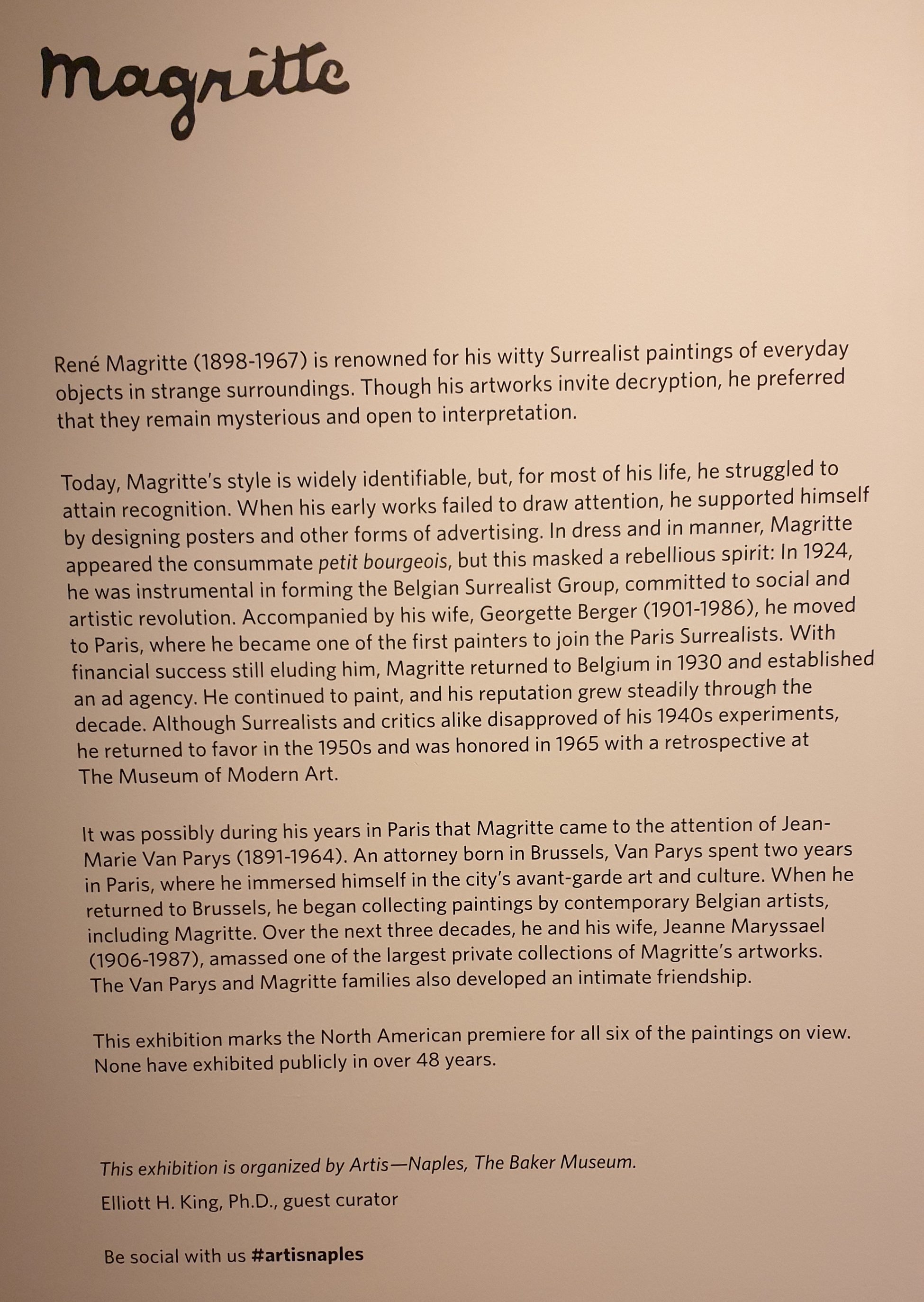
René Magritte might not be a household name, even though you might have his iconic Ceci n’est pas une pipe print hanging in your room or have seen his images many times.
Magritte (1898-1967) was a Belgian surrealist painter known for his amusing but ingenious surrealism, the body of a man in a suit with an apple for a head, the pipe painting, and so on.
On a recent trip to Naples (the Florida one), I had a bit of time in between meeting friends, so I snuck into the Baker Museum (which I write about here).
The Magritte exhibition was admittedly small, with just half a dozen paintings sandwiched inside a much bigger exhibition about the Everglades and its environment. But it was still worthwhile and beautiful to sit down for a while and contemplate these paintings that make you think about the metaphysical.
Magritte: Reflections of Another World comprises six paintings — five oils and one gouache — by Belgian artist René Magritte (1898-1967). Renowned for his witty Surrealist paintings of everyday objects in strange surroundings, Magritte preferred that his artworks remain mysterious and open to interpretation. These works are from the collection of Jean Van Parys, a collector of avant-garde art and a close friend of Magritte, and they are on a five-year loan to Artis—Naples, The Baker Museum from Van Parys’ daughter. The paintings have never previously been shown in North America, and none have exhibited publicly in over 48 years. Baker Museum
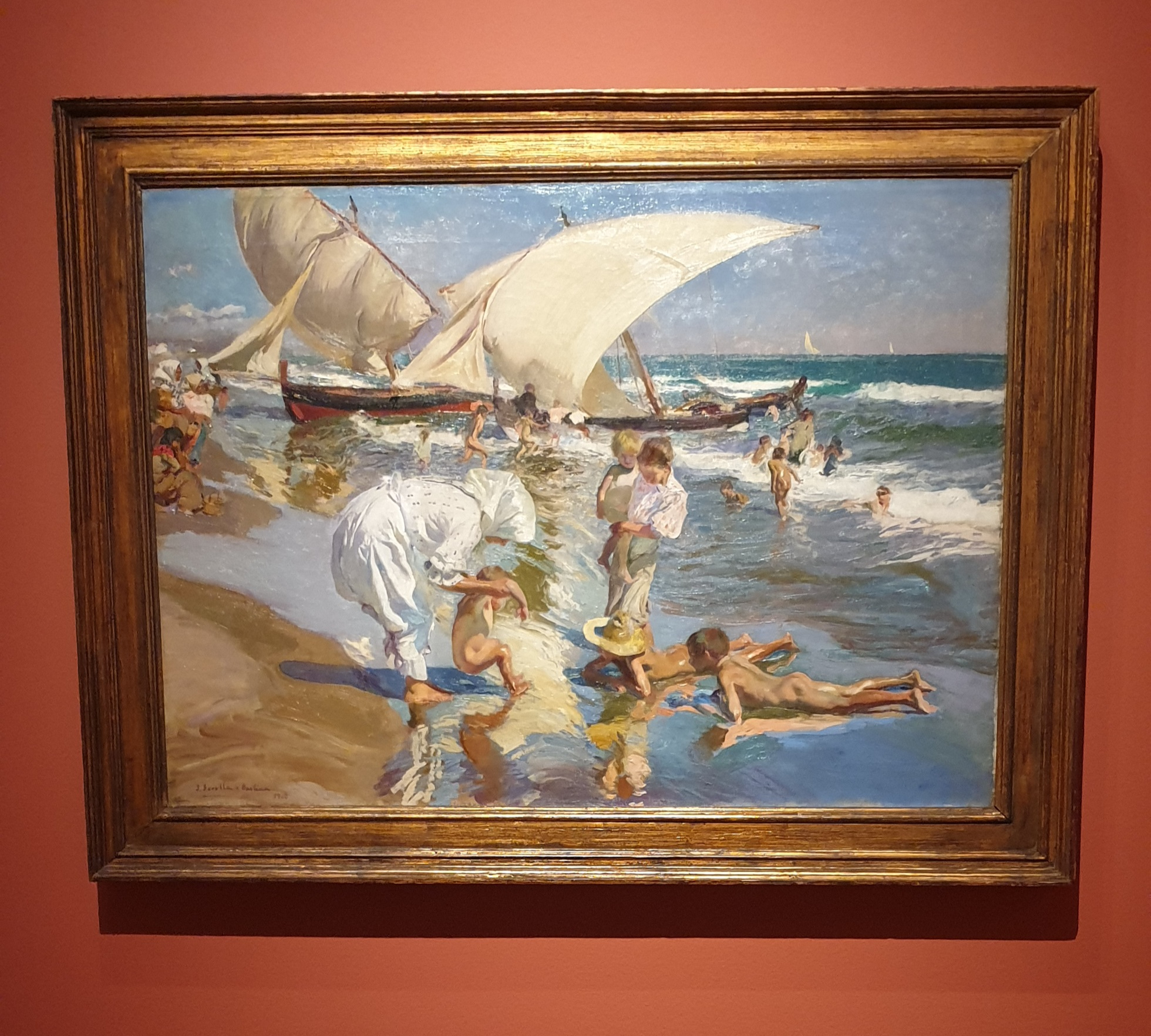
Maybe because the Joaquín Sorolla house and museum is around the corner from my family home in Madrid, Sorolla was the first painter I connected to. Maybe it was his Mediterranean scenes that took me to my own Summers in the Med. Whatever it might have been, Sorolla has a special place in my heart.
When I am in Madrid, I often sneak into the garden of the Sorolla house museum to read, and occasionally I will go inside to visit the paintings like old friends (you can read about that here).
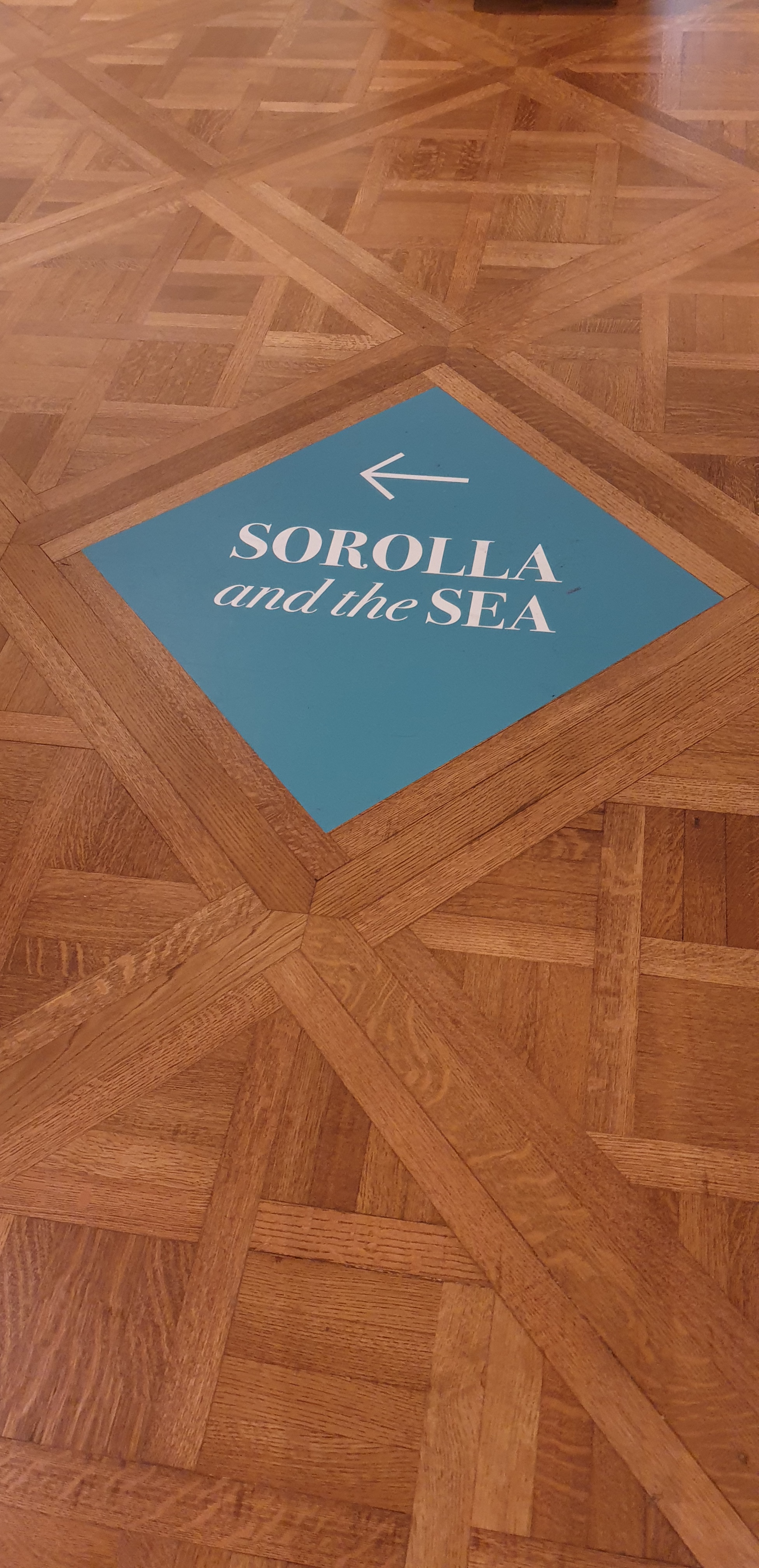
So when I learned the Norton Museum was hosting an exhibition to complement their existing (huge) Sorolla painting, I had to see it.
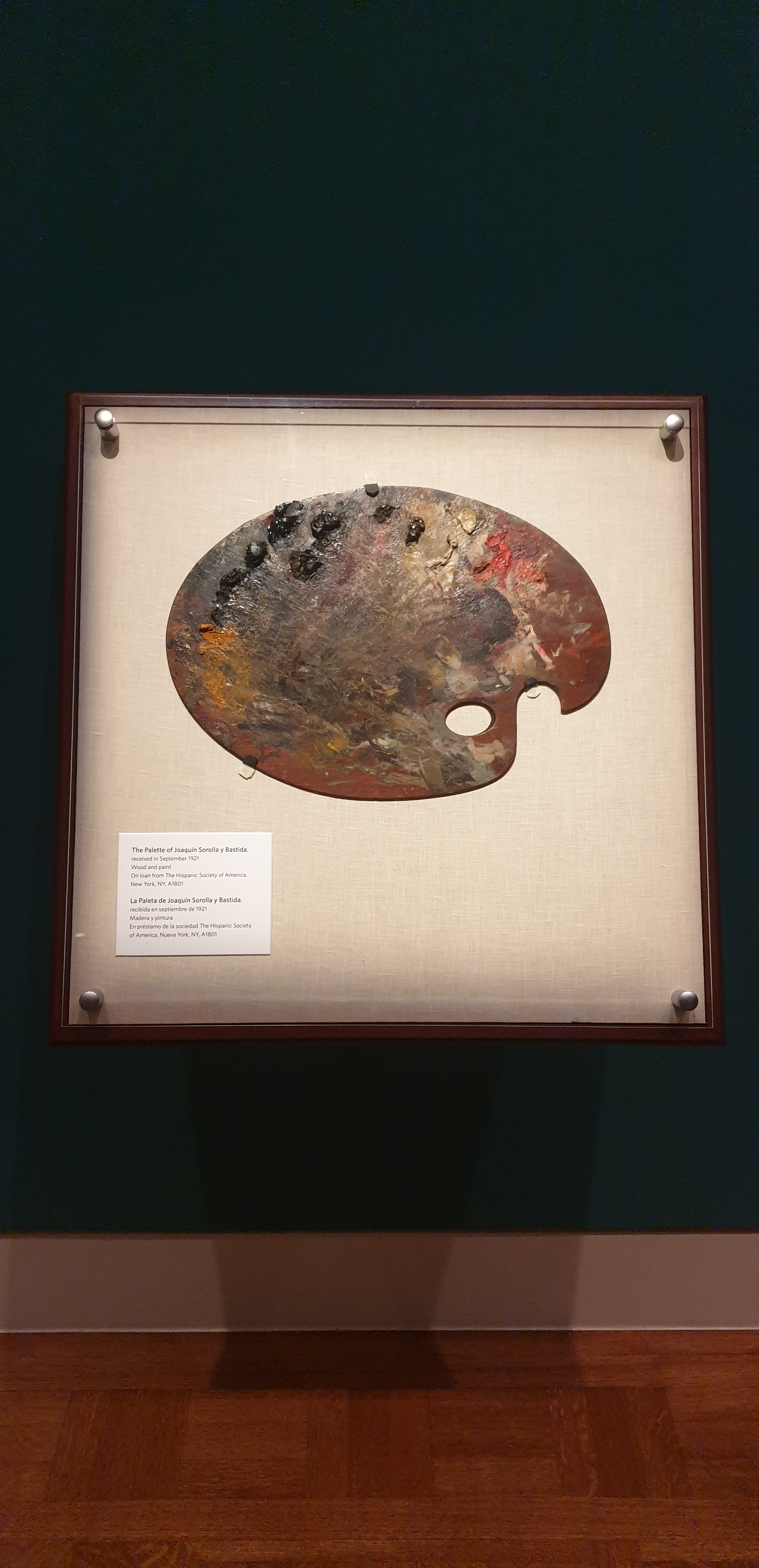
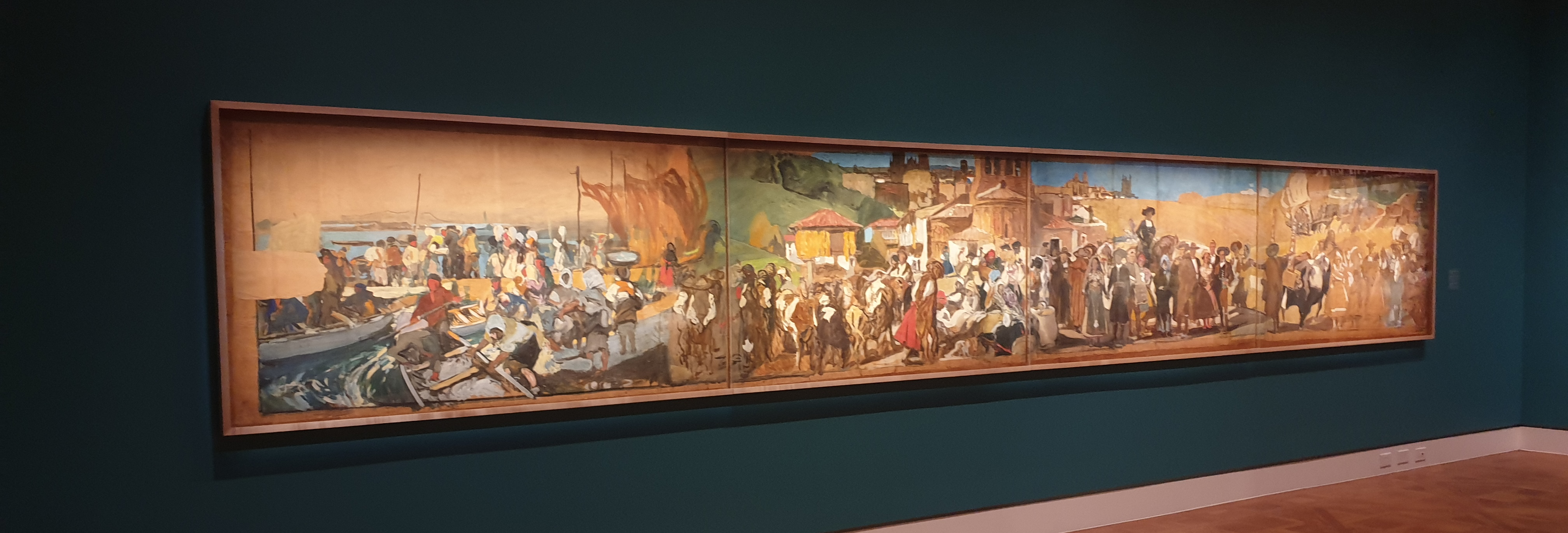
It did not disappoint. Most of the paintings are on loan from the Hispanic Society in New York City which commissioned many paintings from Sorolla. The exhibit includes some drafts of paintings, a bronze sculpture from his dear friend and paisano Benlliure -the marble one is in the garden in Sorolla’s house, even one of Sorolla’s palettes!
Sorolla is known as the painter of light, leaving behind the Impressionists, and creating a space of his own, beyond labels.
If you are in the Palm Beach area you should see it, you are welcome.
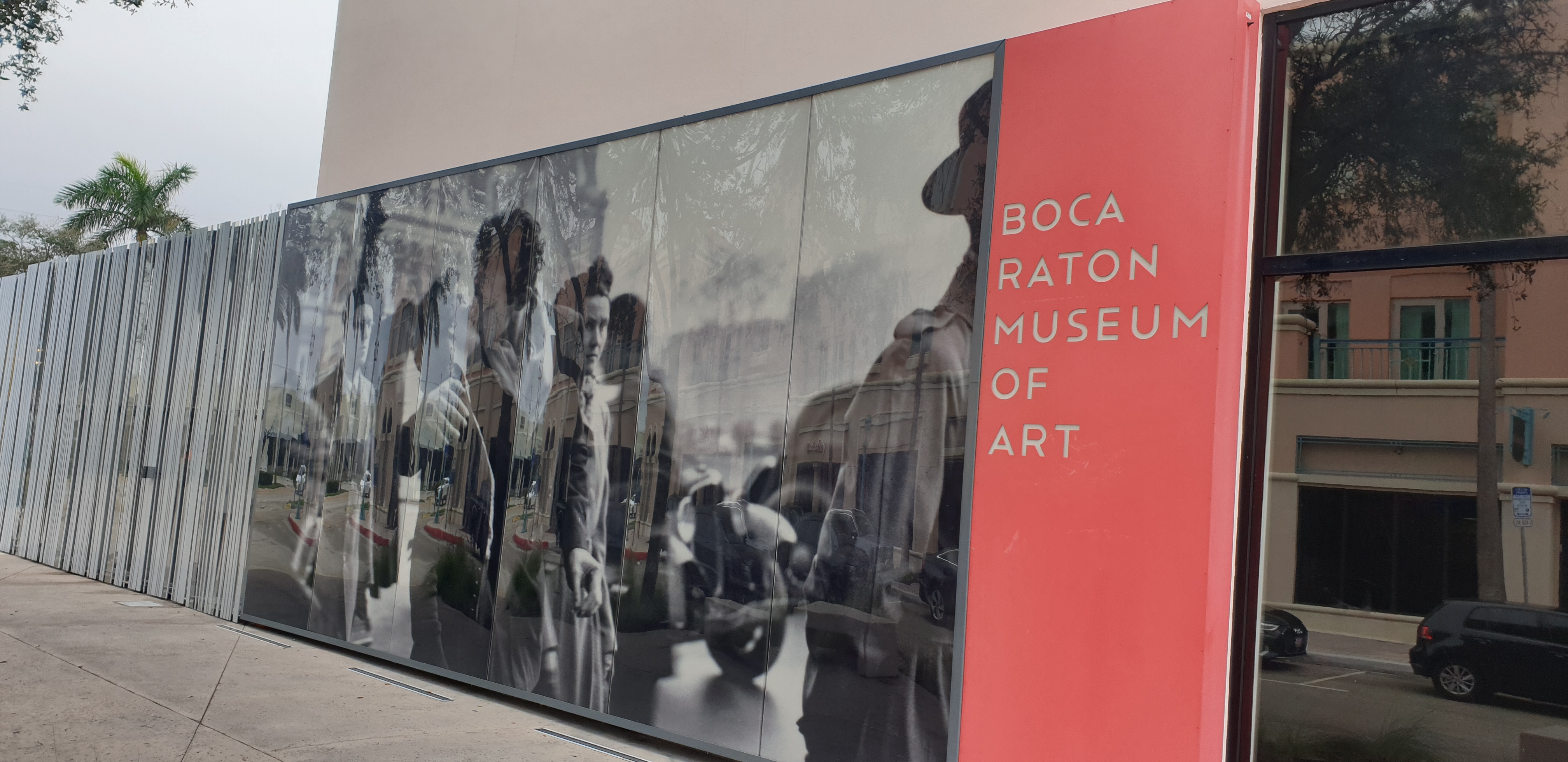
As soon as I found out that the Boca Raton Museum of Art had an exhibit about the Spanish Baroque, I booked a visit for my classes and then went to check it out for myself.
The paintings are courtesy of the Hispanic Society of America in New York, which has organized this exhibit, and which will then travel to a couple more cities.
Splendor and Passion: Baroque Spain and Its Empire is a small but very good-quality exhibit. You are welcomed by a local artist’s interpretation of Velazquez’s Meninas, and then you enter to discover paintings by the real Velazquez, Murillo, and el Greco (whom I would put more into late Renaissance than Baroque, but I am nitpicking). If you love the chiaroscuro, if you love Baroque art, this one is for you!
The Boca Raton is a fairly small museum, with most of the collection being 20th C art. But since you are already there, you might as well check it out.
So, if you are in this suburban wasteland that is South Florida, and you need a little injection of beauty, art, and culture, head over to the Boca Raton Museum of Art. You are welcome.
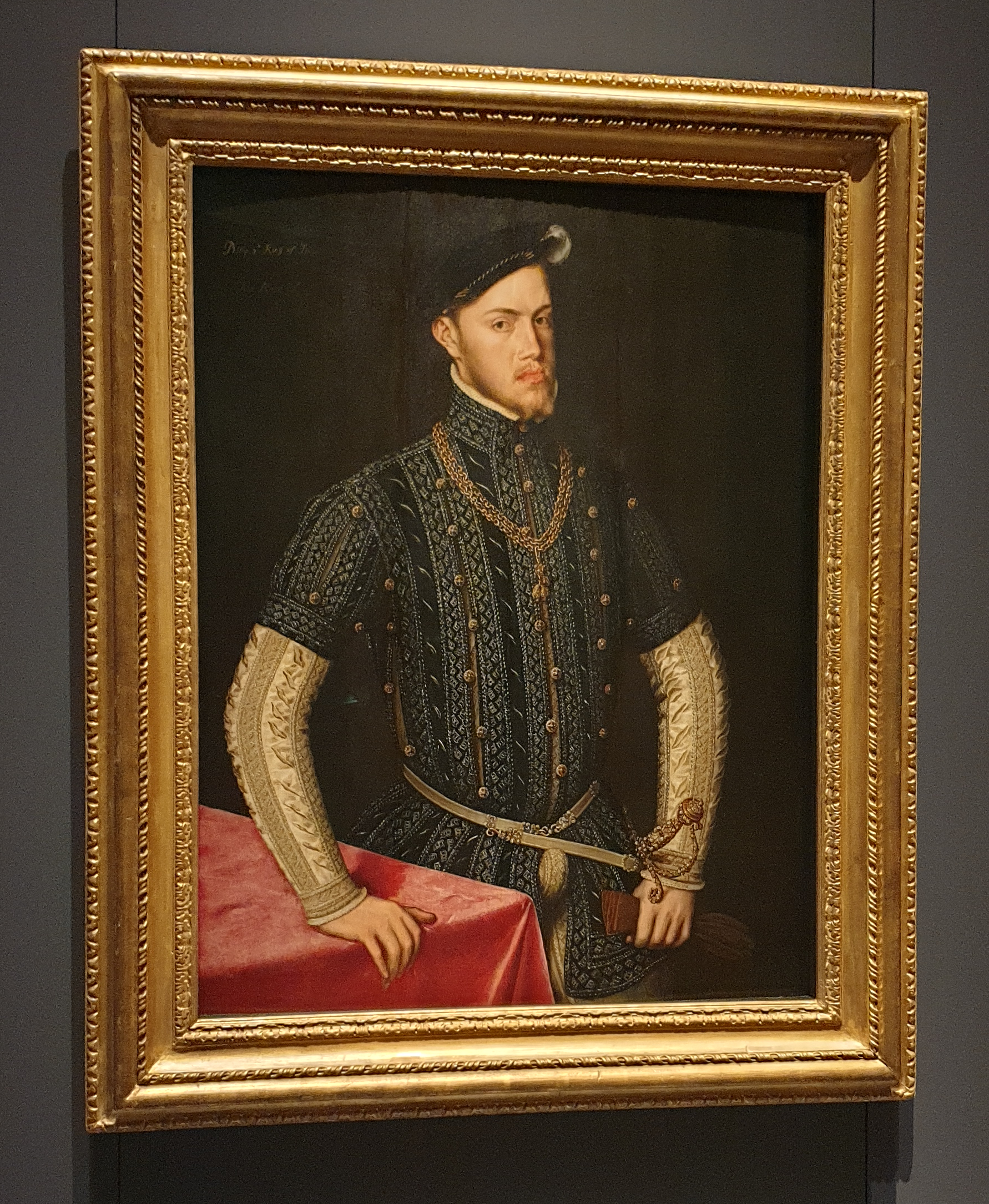
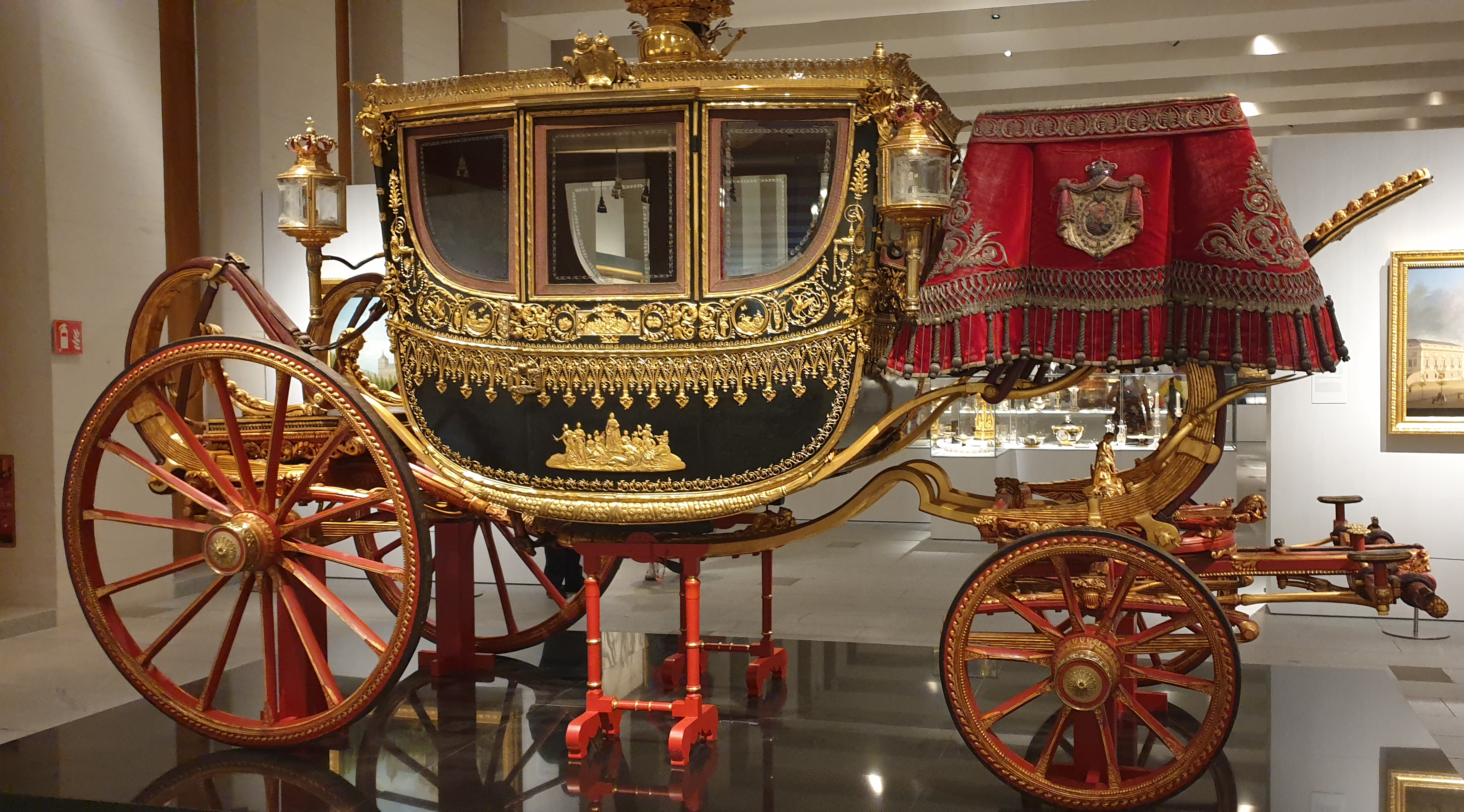
New museums are rare, most of the stuff worth seeing is already being shown. Another key issue is that for most modern museums the building is more interesting than what is inside -think of Guggenheim Bilbao, or even NY- It is rare to find a new museum where both the container and what it contains are both at the same level of excellence. One such exception is the massive collection of “stuff” the Spanish Royal family has -which technically belongs to all Spaniards, as it is part of the national heritage which is being shown in the brand new Colecciones Reales Museum in Madrid.
This museum has been pending since 1934 with the advent of the Second Republic, but it was finally constructed right above the Royal Palace gardens and next to the Cathedral. It opened in June of 2023. Celia and I finally got a chance to go, and it was free since the museum was celebrating the 10th anniversary of the crowning of King Felipe VI. I liked it so much, I returned the next day with my niece!
The museum is massive all in concrete and granite with some wooden accents, it is really cool. The collection has artifacts from the Trastámara dynasty, the Hapsburgs, and the Bourbons. The collection includes carriages and cars, a ton of tapestries, a fountain! some religious items, books, a set of Solomonic columns, dinning sets, and obviously a ton of paintings, including a huge Velazquez horse, and oh, a Caravaggio!
The museum includes the de rigueur coffee shop and gift shop, and it is worth the visit, even if it is not free when you go.
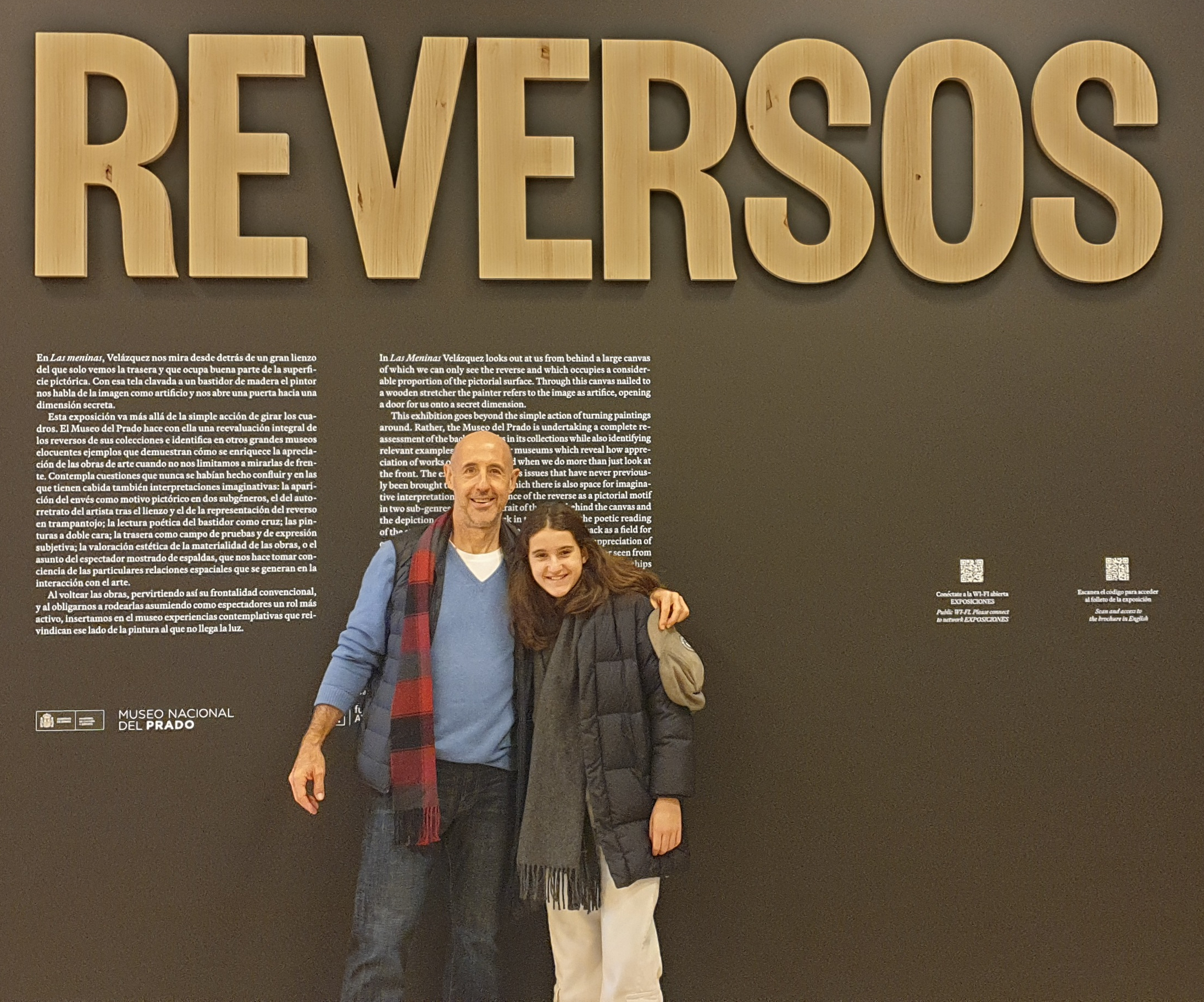
Have you ever thought about what is on the other side of a painting? Well, the Prado museum read your mind and has an exhibition just on that! The back sides of the painting “Reversos.”
So, I grabbed myAmigos del Museo del Prado card and invited my niece to come. How did you get a preteen to go to a museum with you? You might ask. Very easily; first she is a sport, and second, I went ice skating with her the day before!!
The exhibit is a real revelation. From plain dedications to the subjects and patrons on the back, to sketches and drafts, to “real” backsides of the painting -paintings with two sides! Some insightful and beautiful, some a bit spicy. Walking around this exhibition felt very private, the public was not “supposed” to see what was going on behind the paintings, it was all a bit secret.
If you are in Madrid until March 3rd, make sure you check out this exhibit. You are welcome!
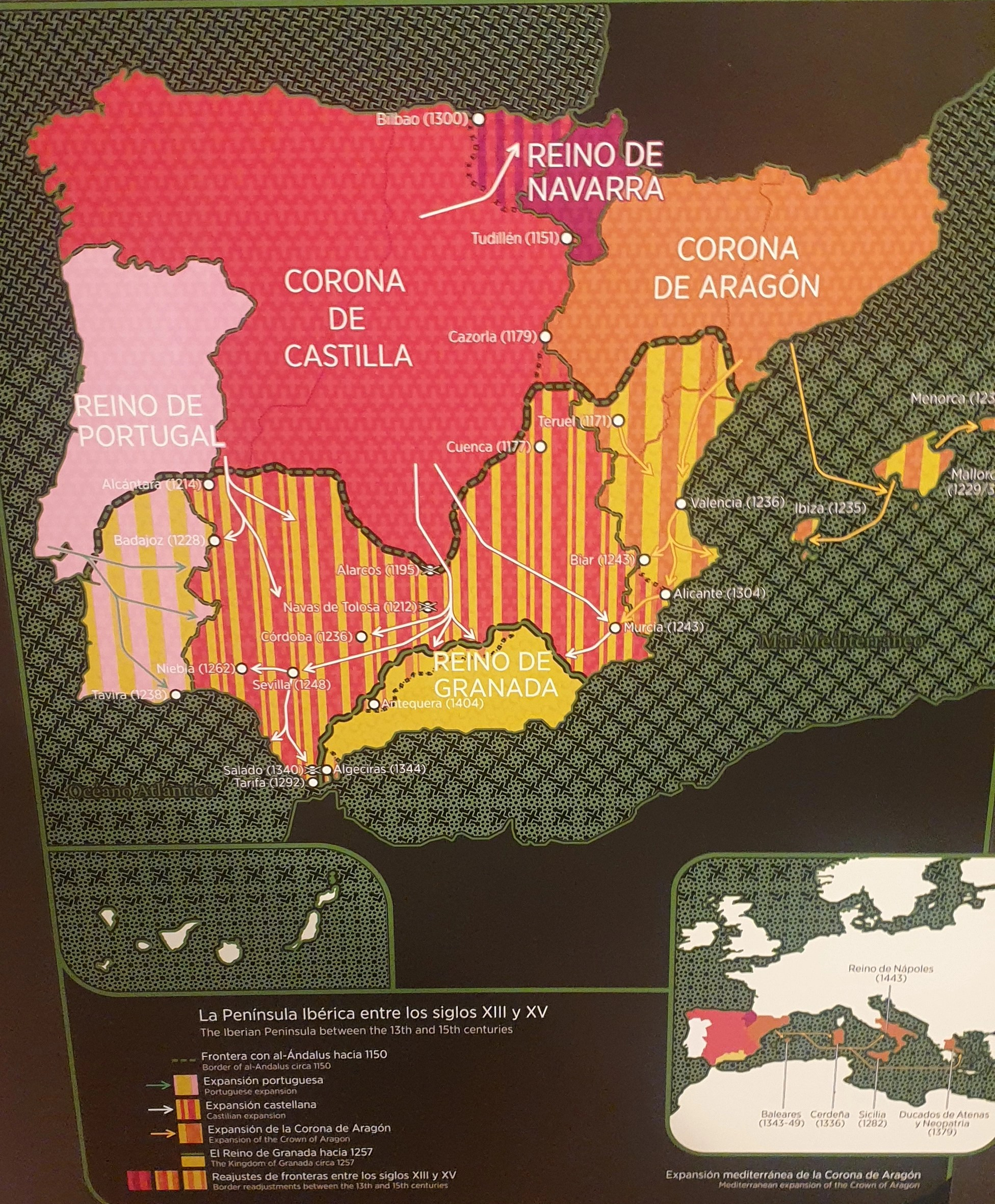
When one of your best friends is a noted fine antique art restorer and he invites you to walk around the Museo Arqueológico Nacional, something you had not done since you were a schoolboy, you drop everything and go!
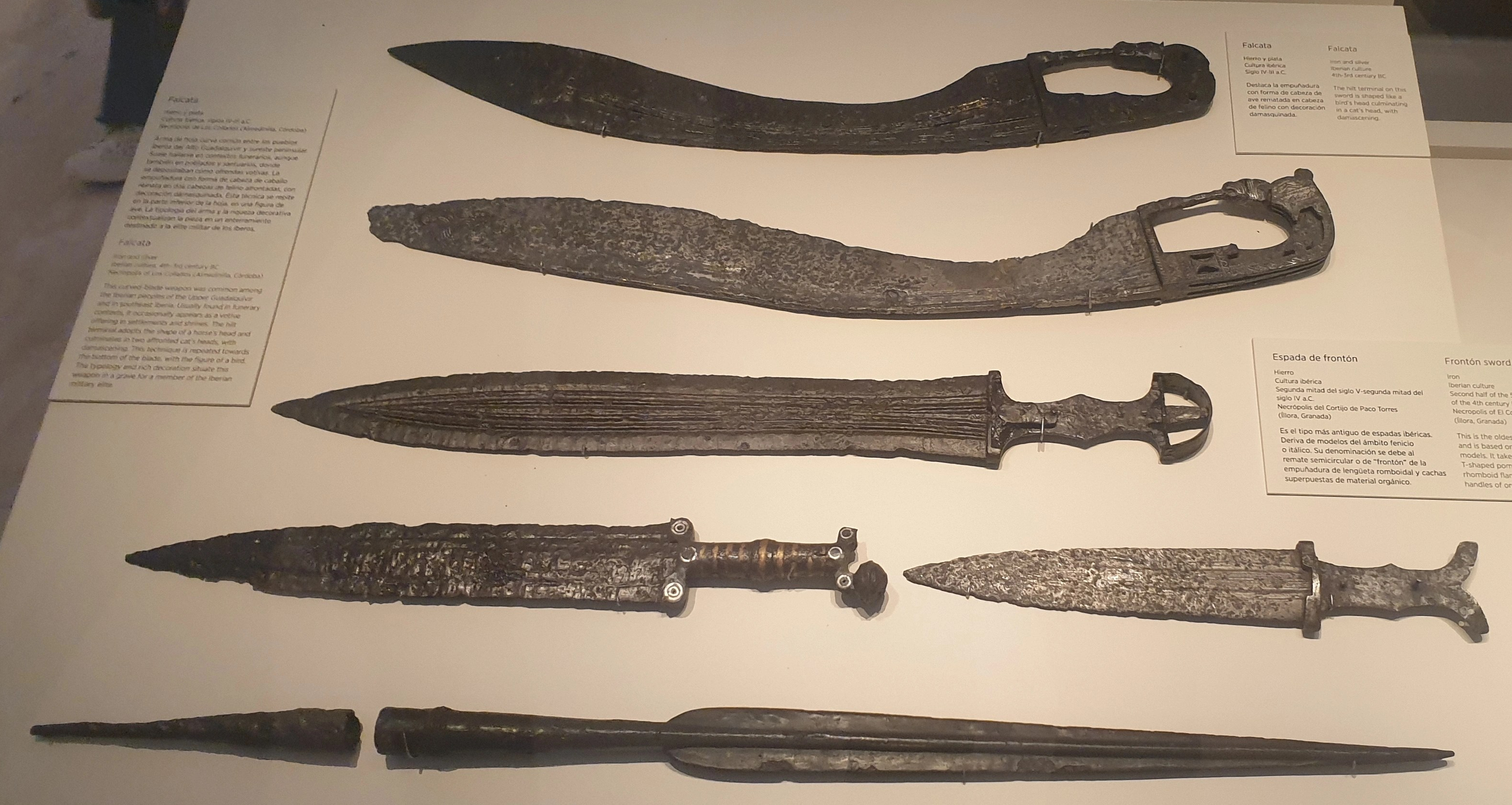
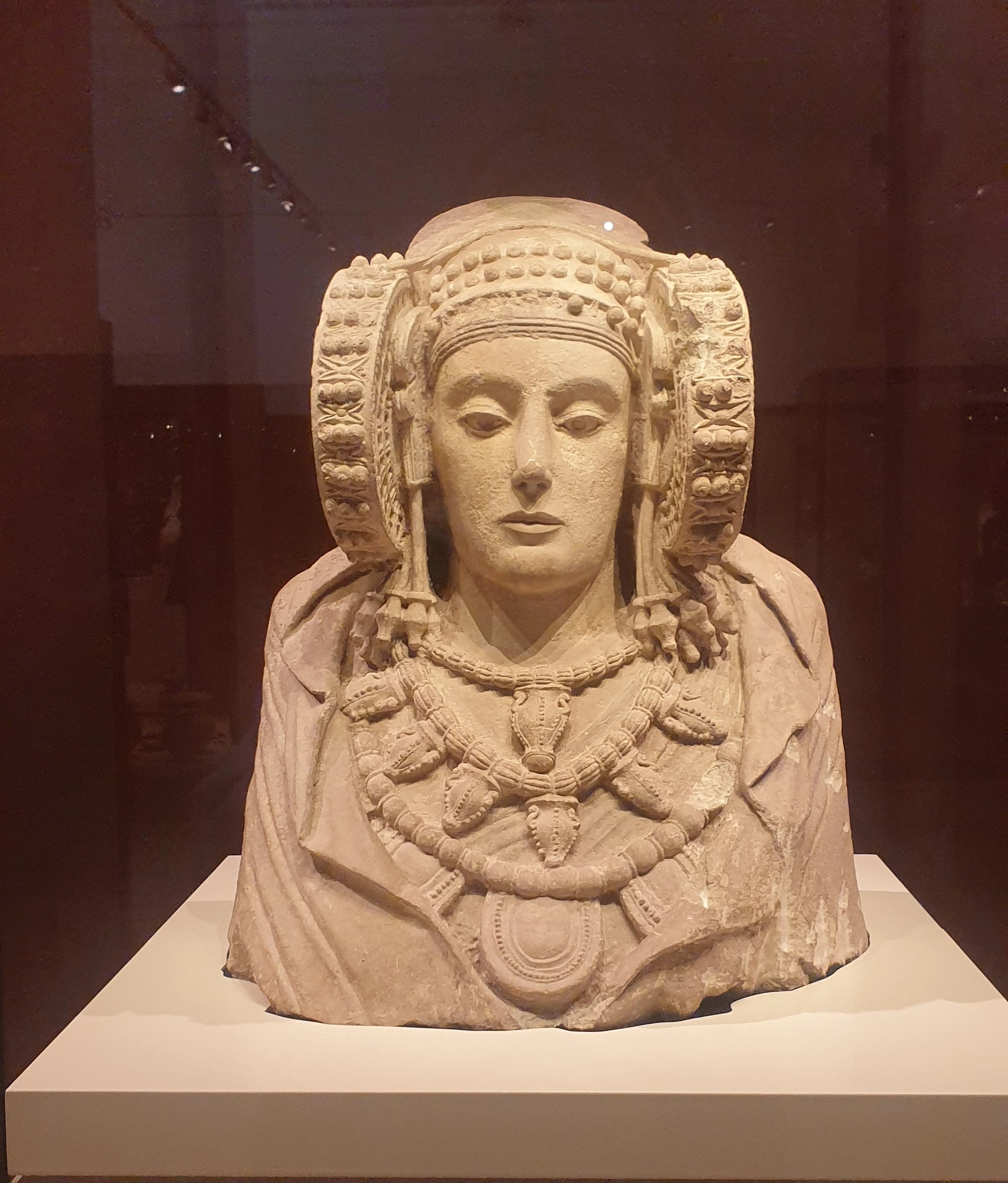
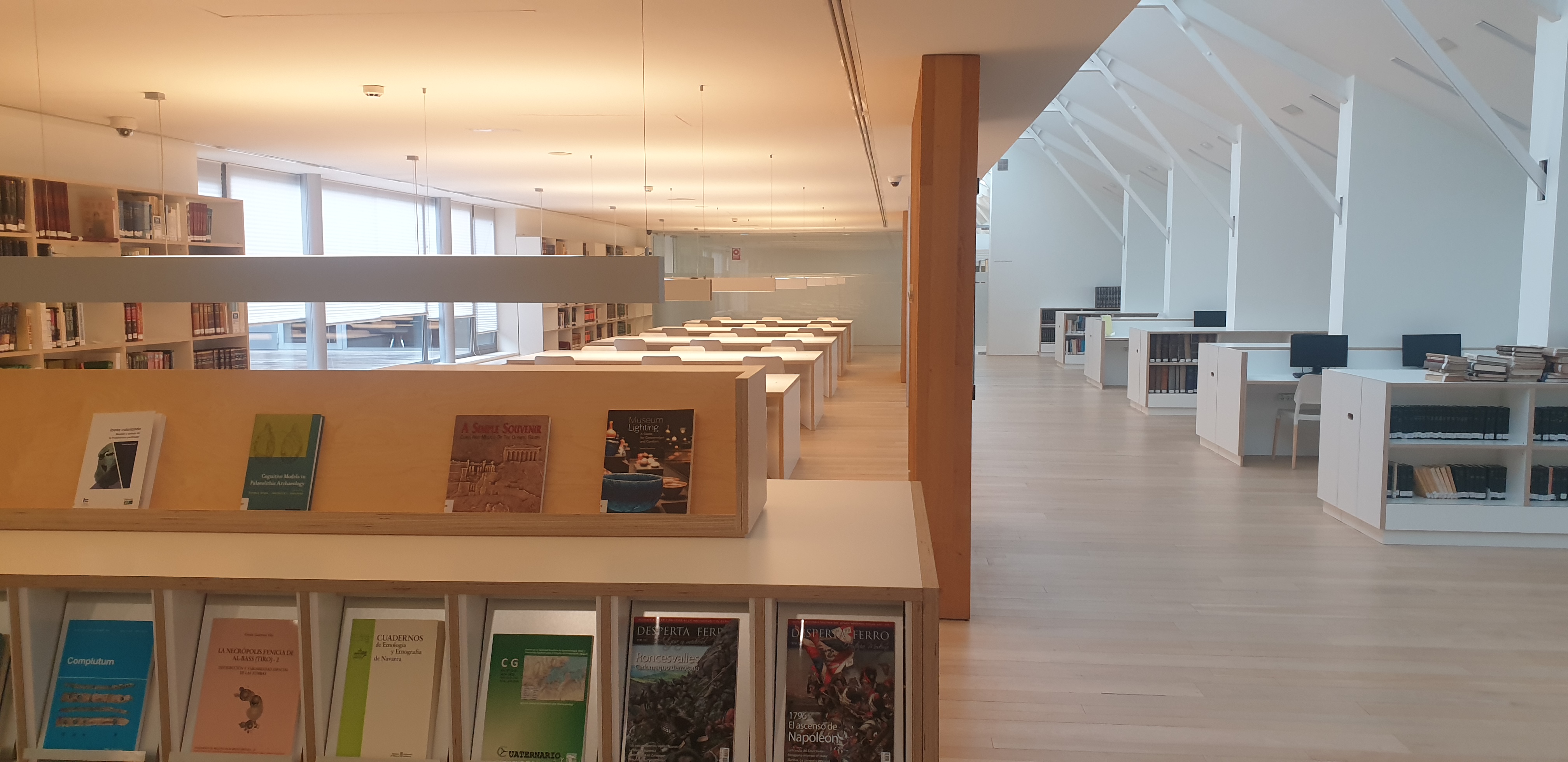
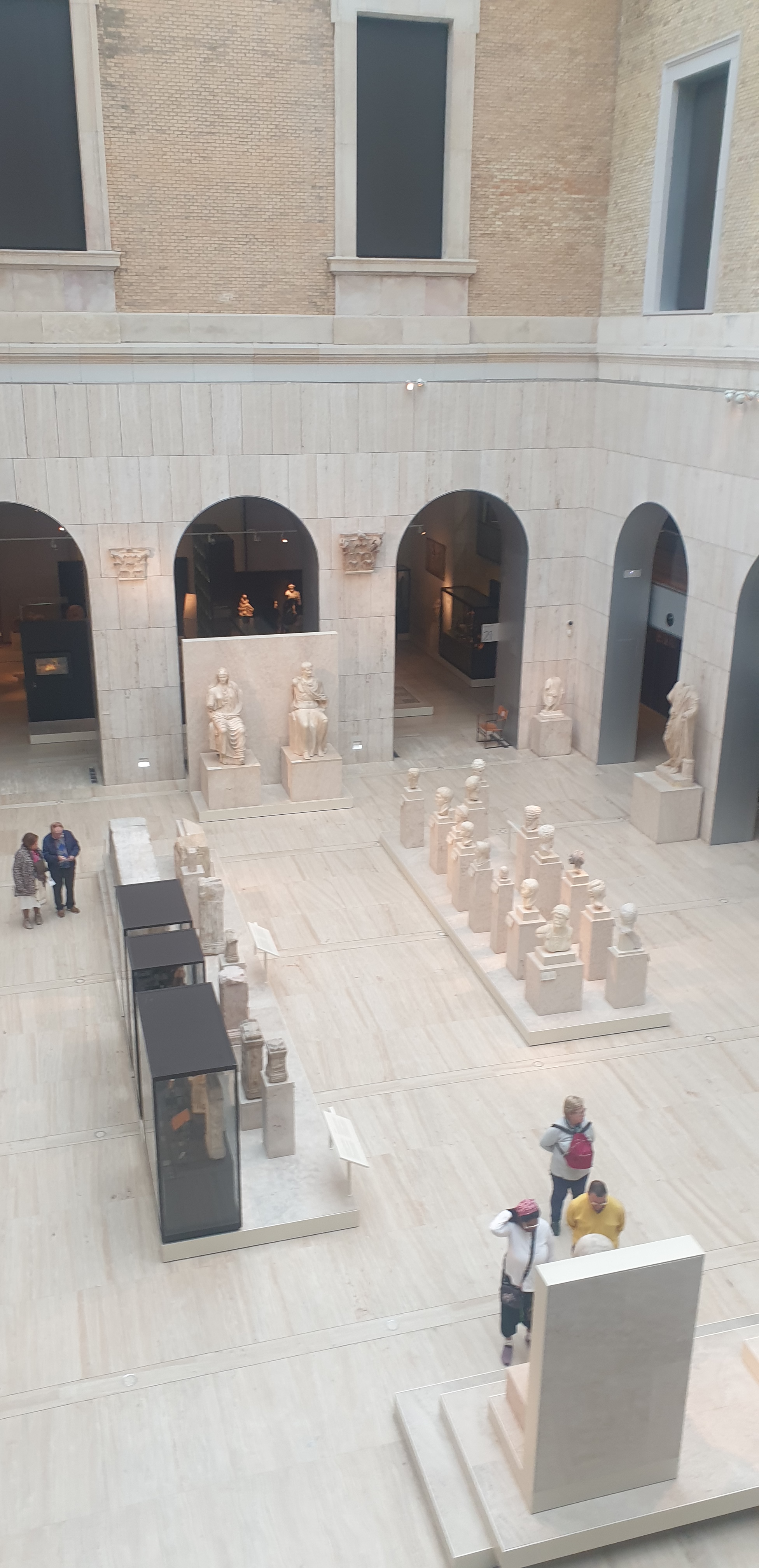
First, what a wonderful job they have done renovating it! The museum shares building with the National Library -One side Library, one side Museum. In it you will find everything from prehistoric bones to early 19th C artifacts. Of course, the main exhibits are from Spain’s first inhabitants, the íberos, with their rich sculptures, like the Dama de Elche -the museum’s undisputed jewel, and their falcata swords feared by the Romans… (Jaime restored a bunch of these curved swords and told me everything about them).
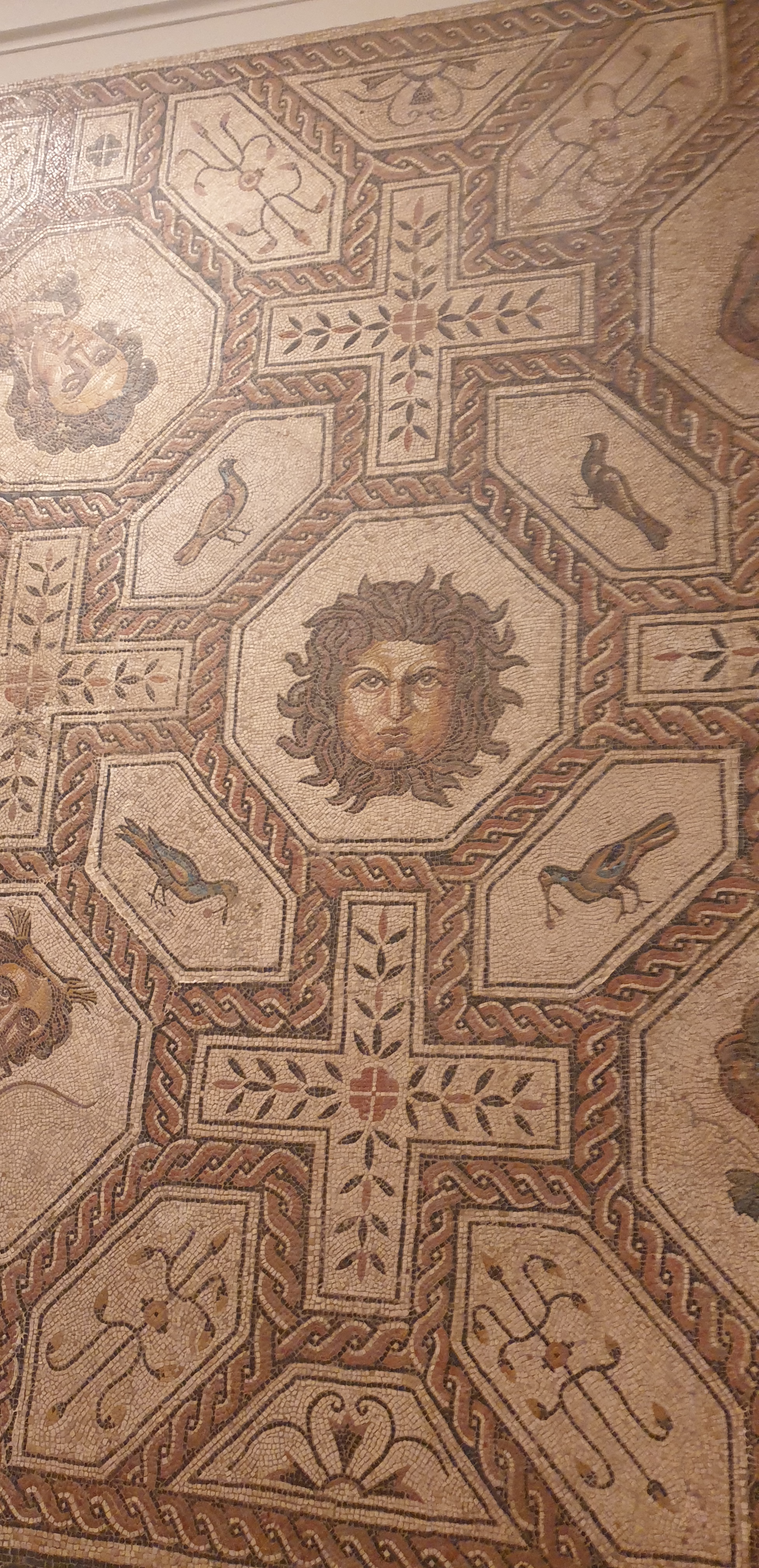
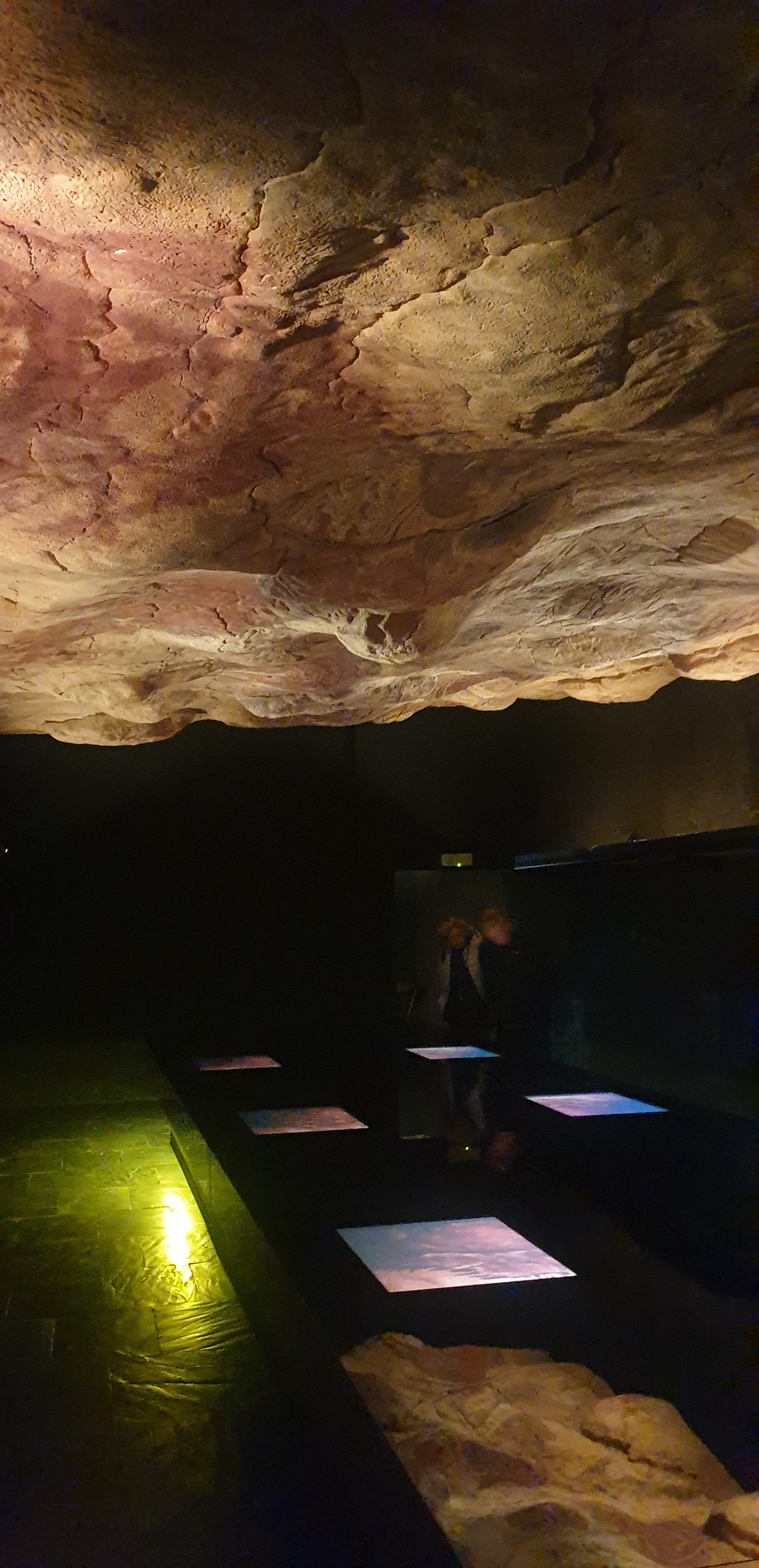
The room of Roman mosaics is mind blowing, the Greek room, the Romanesque room also, and on and on. The whole museum is jaw dropping! And if that was not enough, under the garden, they have recreated the Altamira caves with their prehistoric paintings, it is literally a cave with the painting on the walls and ceilings.
Jaime even introduced me to some of his colleagues and showed me the labs and workshops, even the library where he works when he collaborates with them.
So, if you are in Madrid, do not miss the Museo Arqueológico Nacional, also, it is on Calle Serrano, a main shopping street so you can kill two birds with one stone!!
If you pay attention and follow this blog you will notice that the main topics covered are The Camino, academics and education, Literature, art and culture, and then a lot of random thoughts and stuff.
This reflects who I am, of what drives me, what makes me tick. And as such it is -I guess- remarkably reliable. The reason for my passion for art and culture lies in the emotions involved and invoked by art.
Fortunately, a lot of art is now accessible from the comfort of your home: film, books, and so forth. But, a lot of art has to be shared, you have to get out to experience it. I am blessed to live near Palm Beach, which is -I have said this before- an oasis of art and culture in this suburban wasteland that is South Florida.
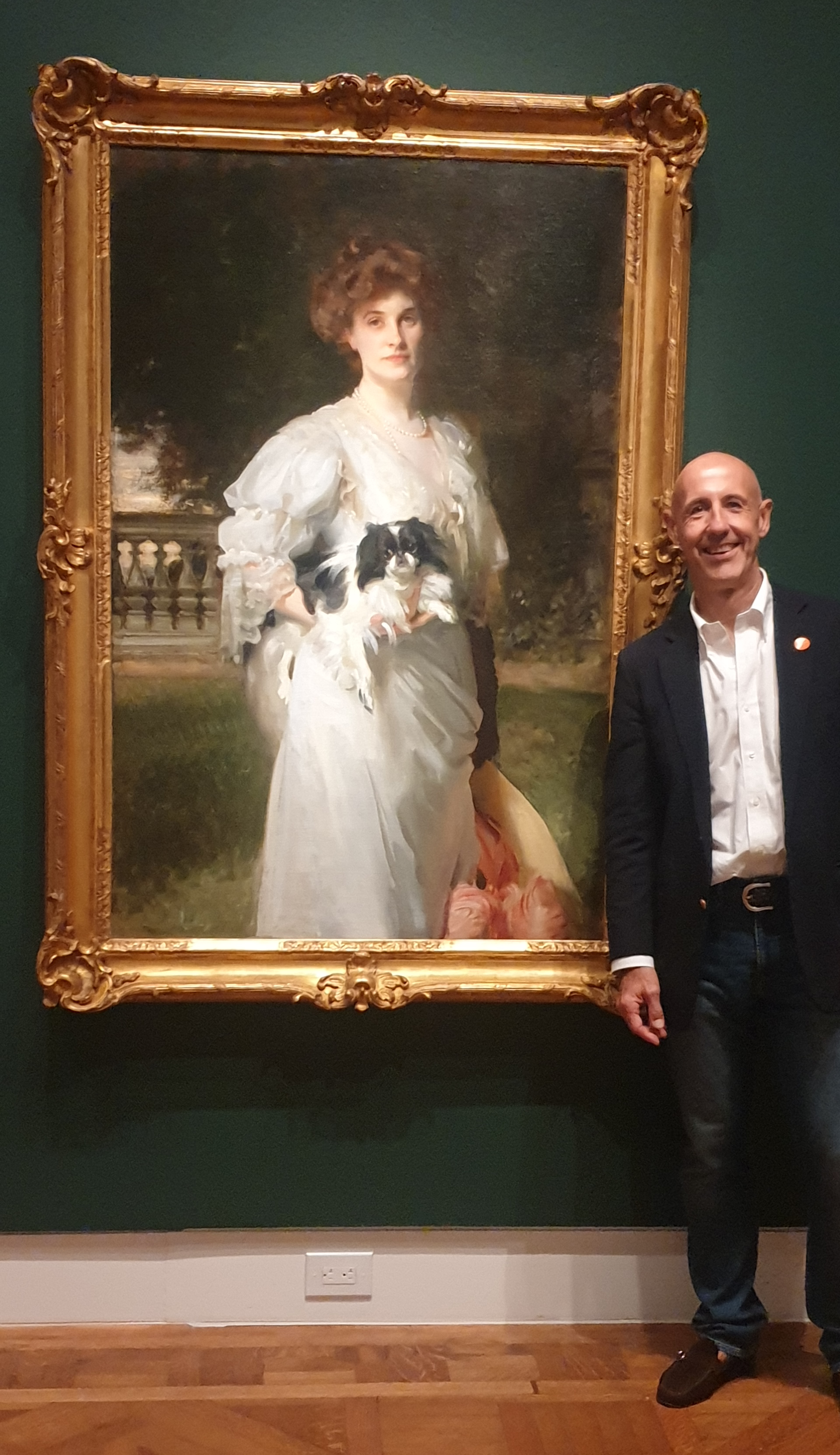
The Norton Museum gets a lot of attention in this blog because it is a jewel of a place which I love. I recently went to see their latest addition: John Singer Sargent’s painting of Amy Phipps Guest. It is a beautiful painting with illumination reminiscent of Sorolla (they were contemporaries and not only did their careers overlap, their technique is eerily similar).
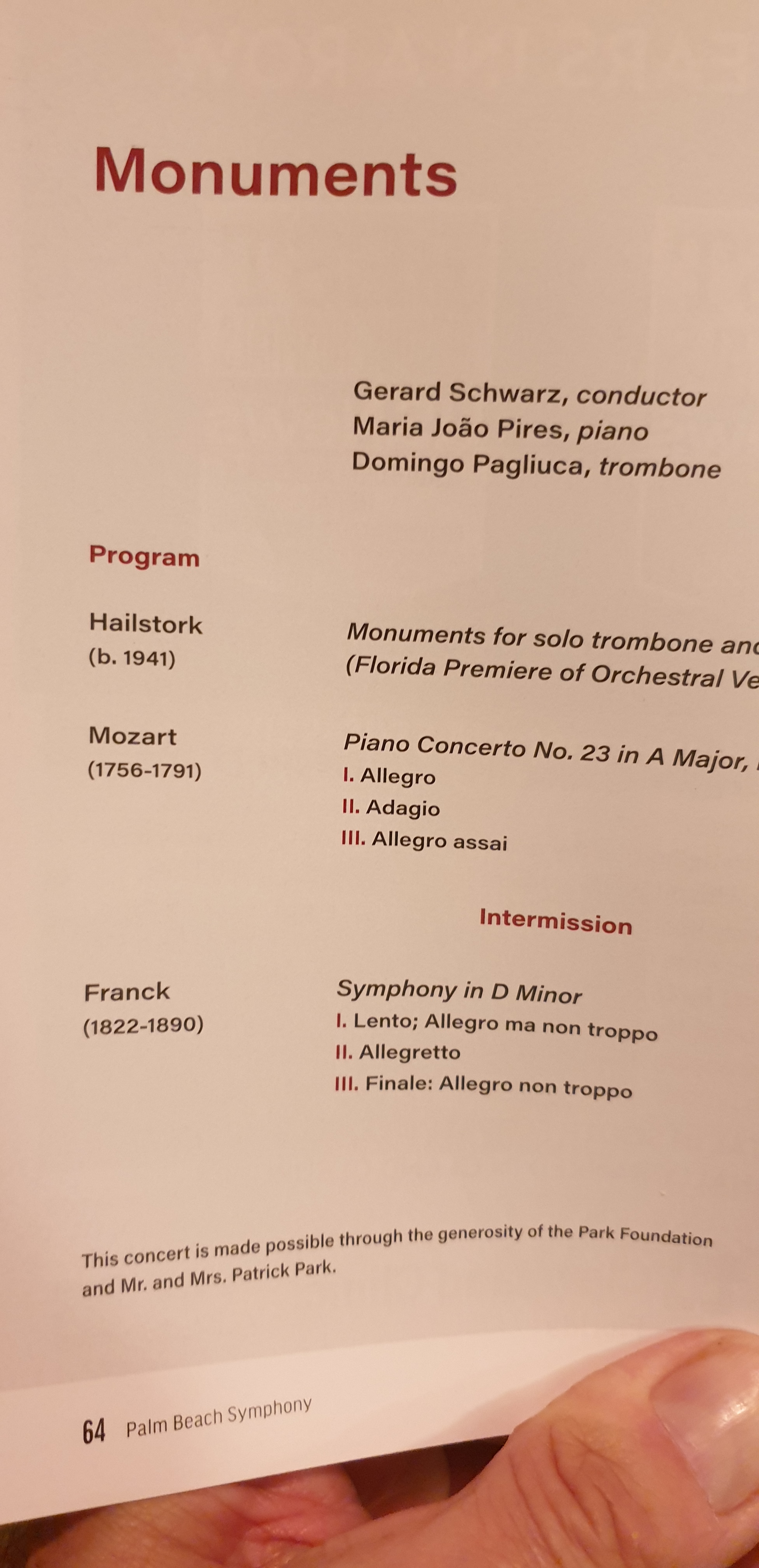
Another cultural treasure of Palm Beach is the Palm Beach Symphony, which I saw perform Handel’s Messiah in December. I recently saw them perform their season finale, at the Kravis Center, their “home”, which included Mozart’s Piano Concerto #23, Franck Symphony in D minor, and Hailstork’s Monuments for solo trombone
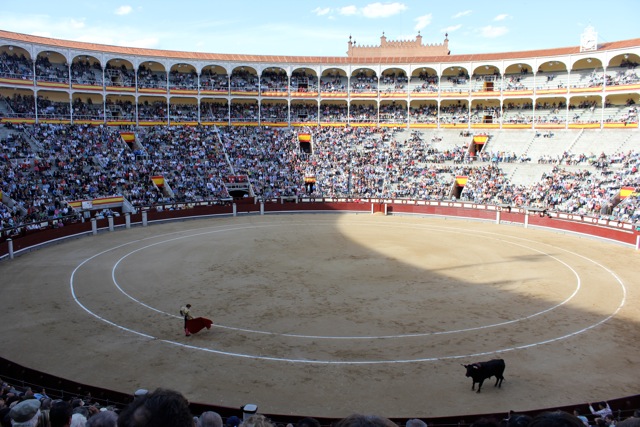
Bullfighting is the only art in which the artist is in danger of death and in which the degree of brilliance in the performance is left to the fighter’s honor.
Yes, I love the bullfight. Why? Because it boils down the most basic human emotions. Here is someone (the bullfighter) willing to dance with death with a 700 lbs. (at least) beautiful, noble animal. Although the bullfighter has the edge, he must use all his skill, and valor in a highly choreographed ritual to vanquish the bull. The bullfighter does not always win, and therein lies the excitement. There is a primary, primal relationship between life and death, between the fighter and the bull, between man and animal. And only a profound understanding of that relationship, of that beauty will lead you to understand why a man will stand in front of death, and dance with it.
Of course, bullfighting dates back to the Roman circus, and even before that, to the Greek and Cretan games. This is the very stuff Greek mythology is based on (partly). Humans fighting it out with amazing animals. In a hyper material world, we think we can live forever, bullfighting reminds you of your own mortality, you understand that death is part of life and that if you get to die with dignity and grace, all the better.
If you have not been to a bullfight -and had it explained to you- I am afraid you cannot opine. The centuries of tradition, the intricate ceremony involved, the part each person plays in and out of the ring. The whole thing is nothing less than amazing.
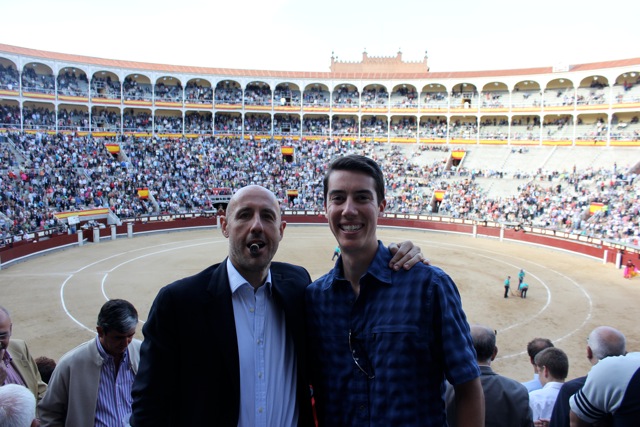
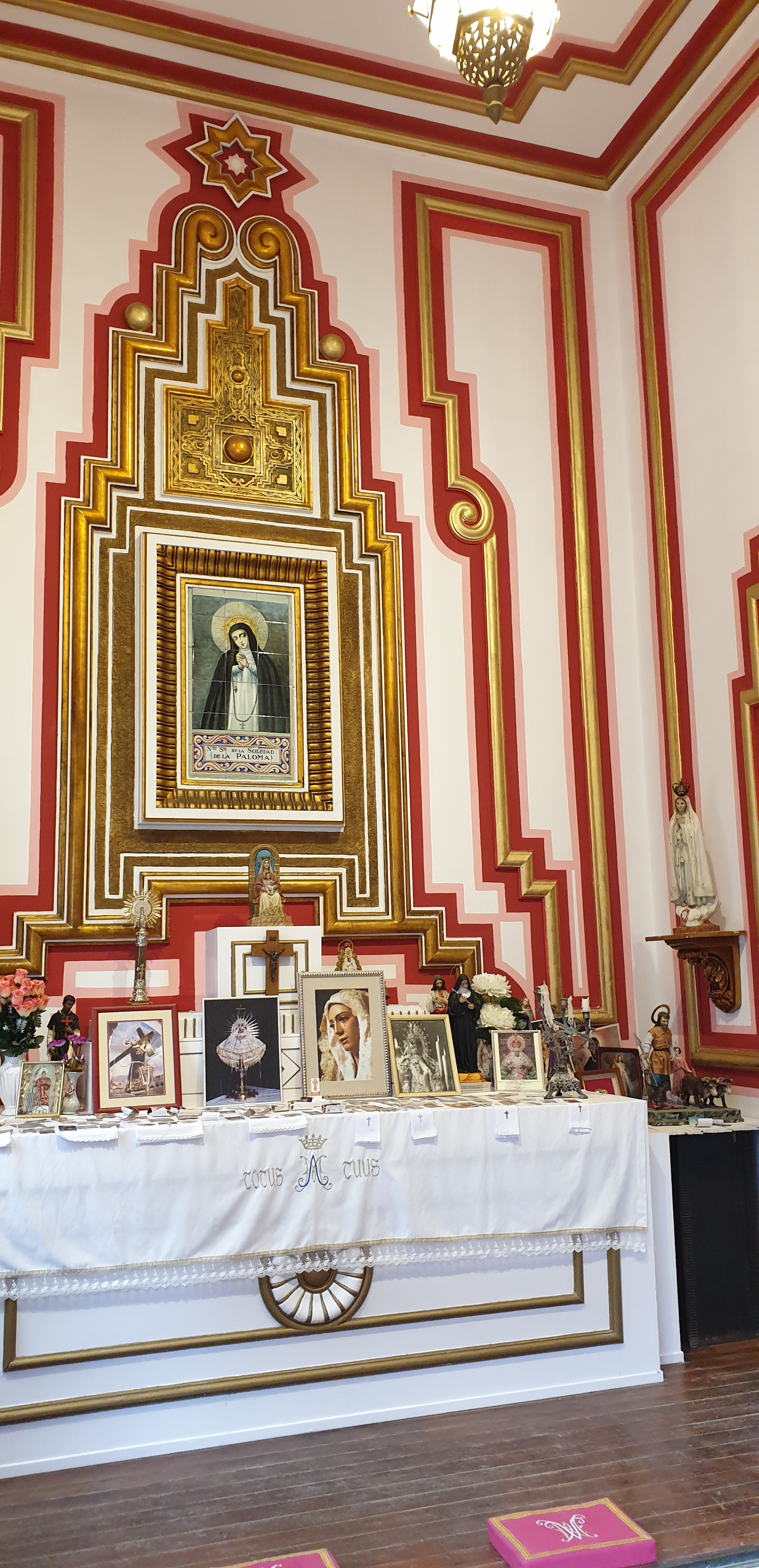
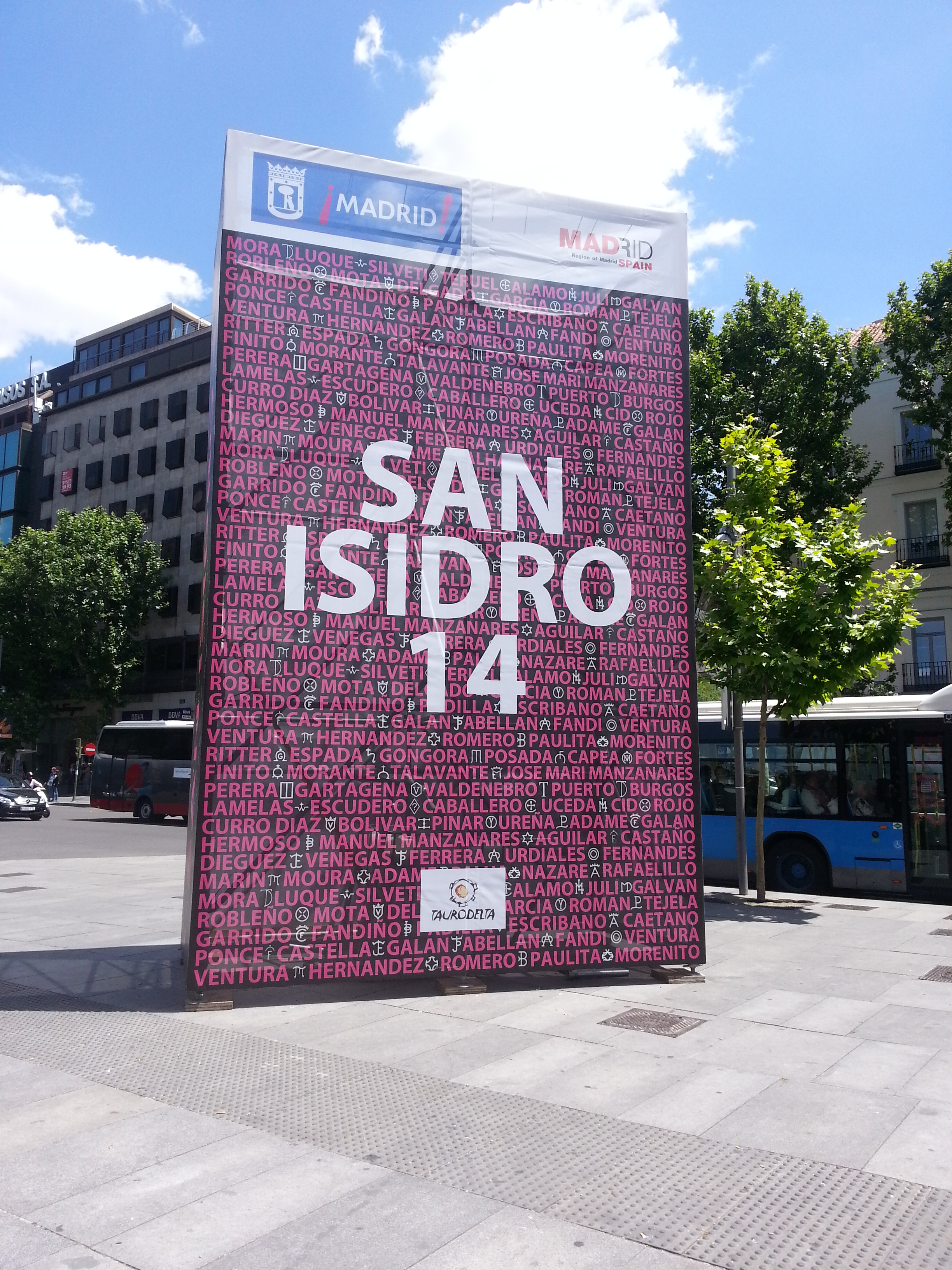
My dad was a big aficionado and he passed on his passion to me. I remember the first time he took me to the bullring; he would not let me go without socks, even when it was all the rage in the early eighties!! Although I have been to Las Ventas bullring many, many times (for bullfights and concerts: Sting, Prince, etc.) I had never actually visited the ring, nor had I visited the museum. A couple from Belgium recently booked me for a tour of Madrid and asked me to see Las Ventas. So, the day before I went to the bullring to do my homework with my niece, it was impressive! We walked around the ring checking out the bulls’ stables, the chapel, the stands, the museum, the obligatory gift shop, we even had a chance to try our hand at virtual reality bullfighting!! It was great fun!!
If you want to learn more I highly recommend Hemingway’s Death in the Afternoon. Hemingway loved the bullfight and followed them for a full Summer, getting to befriend and hang out with great fighters like Manolete.
The bullfight is a Spanish institution; it has not existed because of the foreigners and tourists, but always in spite of them and any step to modify it to secure their approval, which it will never have, is a step towards its complete suppression.

































 Antonioyrocinante's Blog