Anton Raphael Mengs at the Prado Museum (hurry, until March 1, 2026)

Yes, I might have a mildly obsessive personality. One such obsession is the 18th Century, I rather flourish with everything to do Enlightenment, Neoclassical, late Baroque, early Romantic, you get my drift.

When I found out there was a Mengs exhibit at the Prado, I did not go once; I went twice (and I might go again) —Advantage of being an “Amigo del Prado,” I get in for free 😊

Mengs is the consummate 18th-century, Enlightenment painter. Although he worked for a lot of European nobility, most of his work was for King Carlos III in Madrid; in fact, most of Mengs’ work I have seen was at the Palacio Real in Madrid.

My main scholarly project at the moment (sorry, I cannot disclose too many details) involves a Francisco de Isla book that was in the library of the Spanish-Italian Cardinal Zelada. What was my surprise when reading the description of a portrait at the exhibit, that it was Cardenal Zelada, which normally lives at the Art Institute of Chicago, what a coincidence! (Check it out here).

The exhibit is phenomenally curated; it has hundreds of paintings gathered from around the world, divided into 10 huge areas grouping different stages and themes. It is worth the visit.

So if you are in Madrid before March 1st, 2026, go to the Prado and check out the Mengs exhibition. You are welcome.

Musings on modern art.

Confession time: I do not always understand modern art, it does not move me, it does not make me question anything, it does nothing for me -maybe giggle. Having said that, I do not agree with the “I could have done that”, “My toddler could have done that”, “A drunk monkey could have done that” variations. It does take some creativity to come up with the idea to make/paint something.

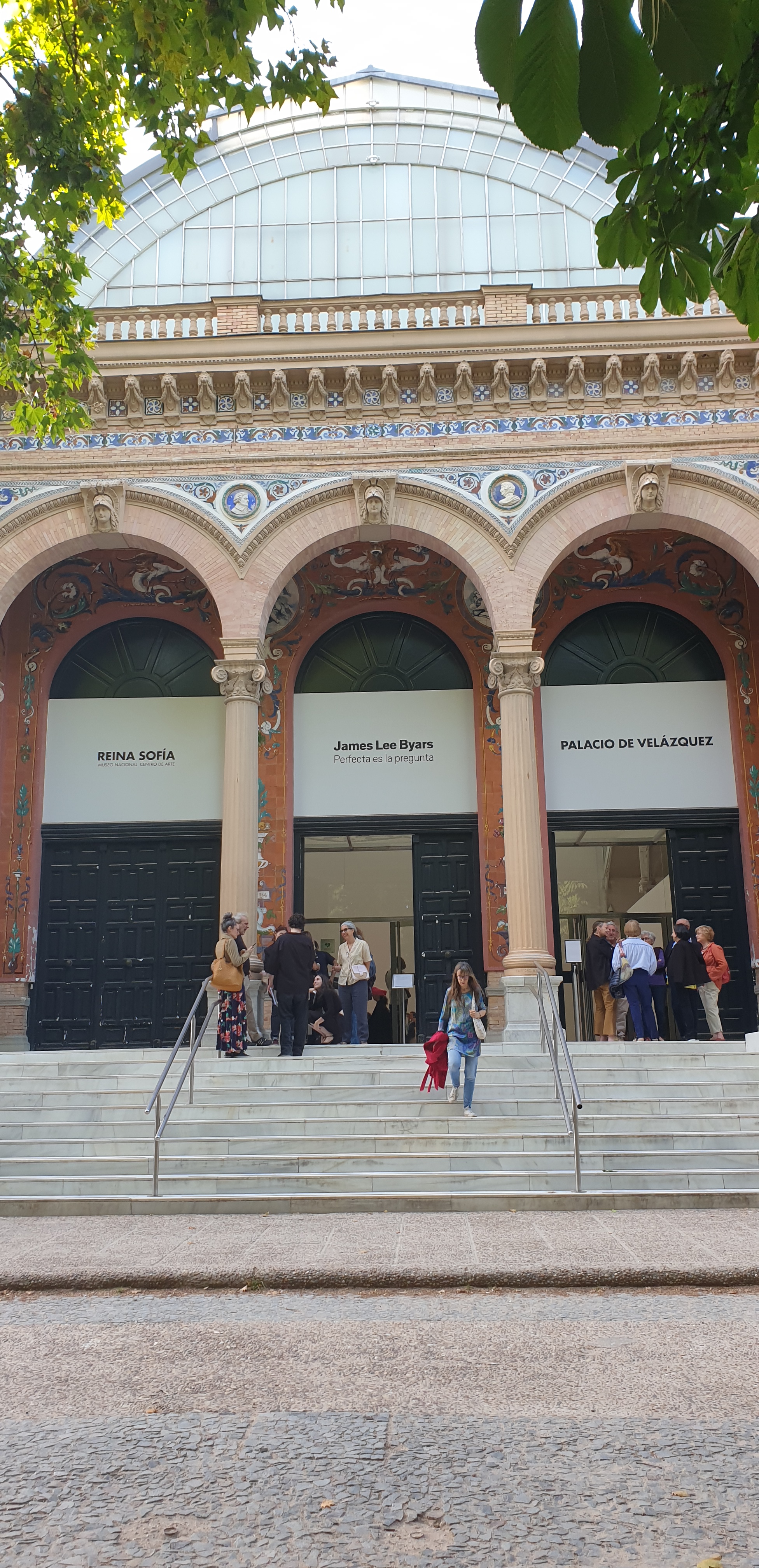
Walking around the Retiro park recently, Celia and I dropped by an exhibition at the beautiful Palacio (or Casa) Velazquez by renown modern artist James Lee Byars. Having just come from seeing the Colecciones Reales a few days earlier (check that our here), the contrast was, to say the least, amusing.

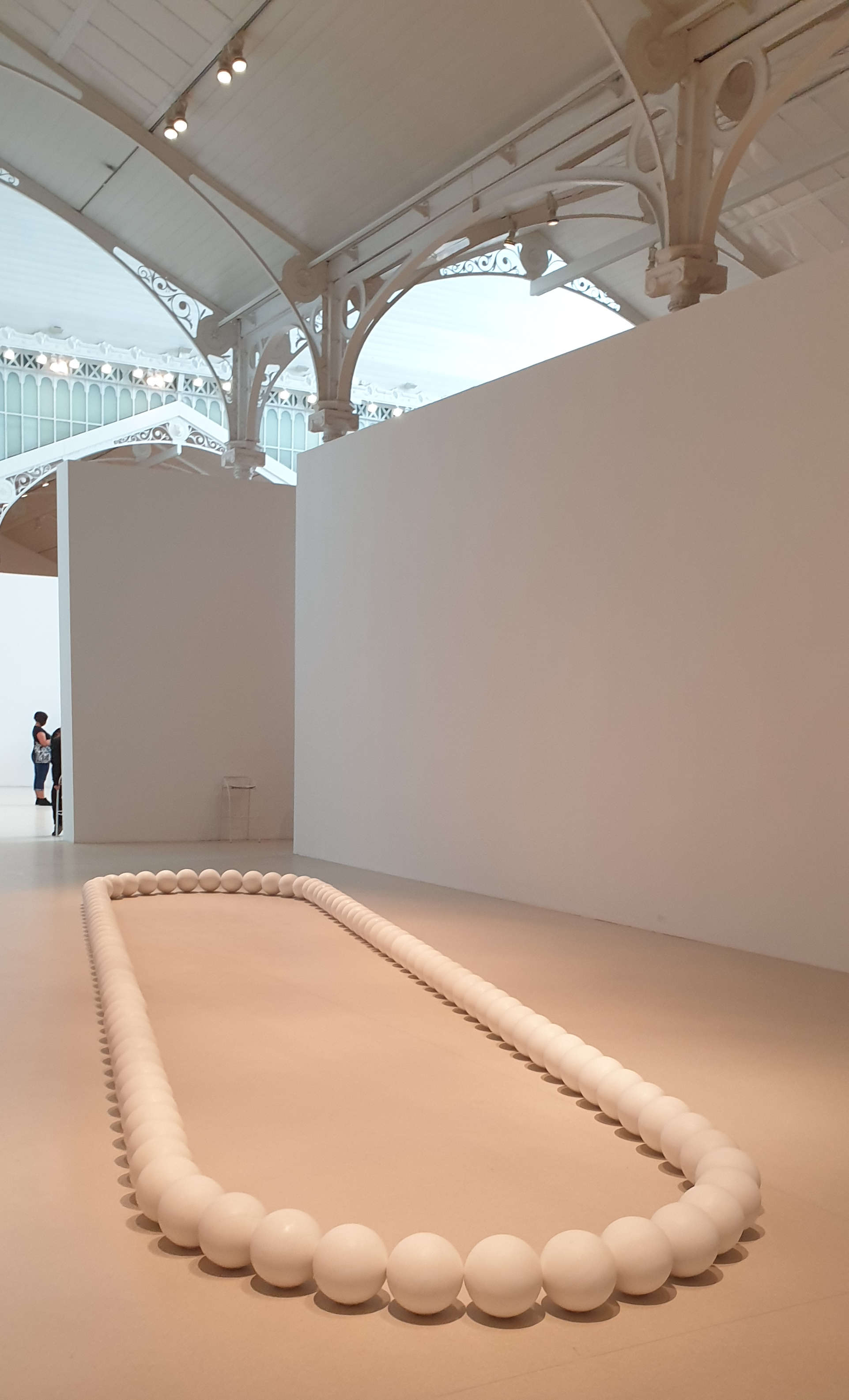
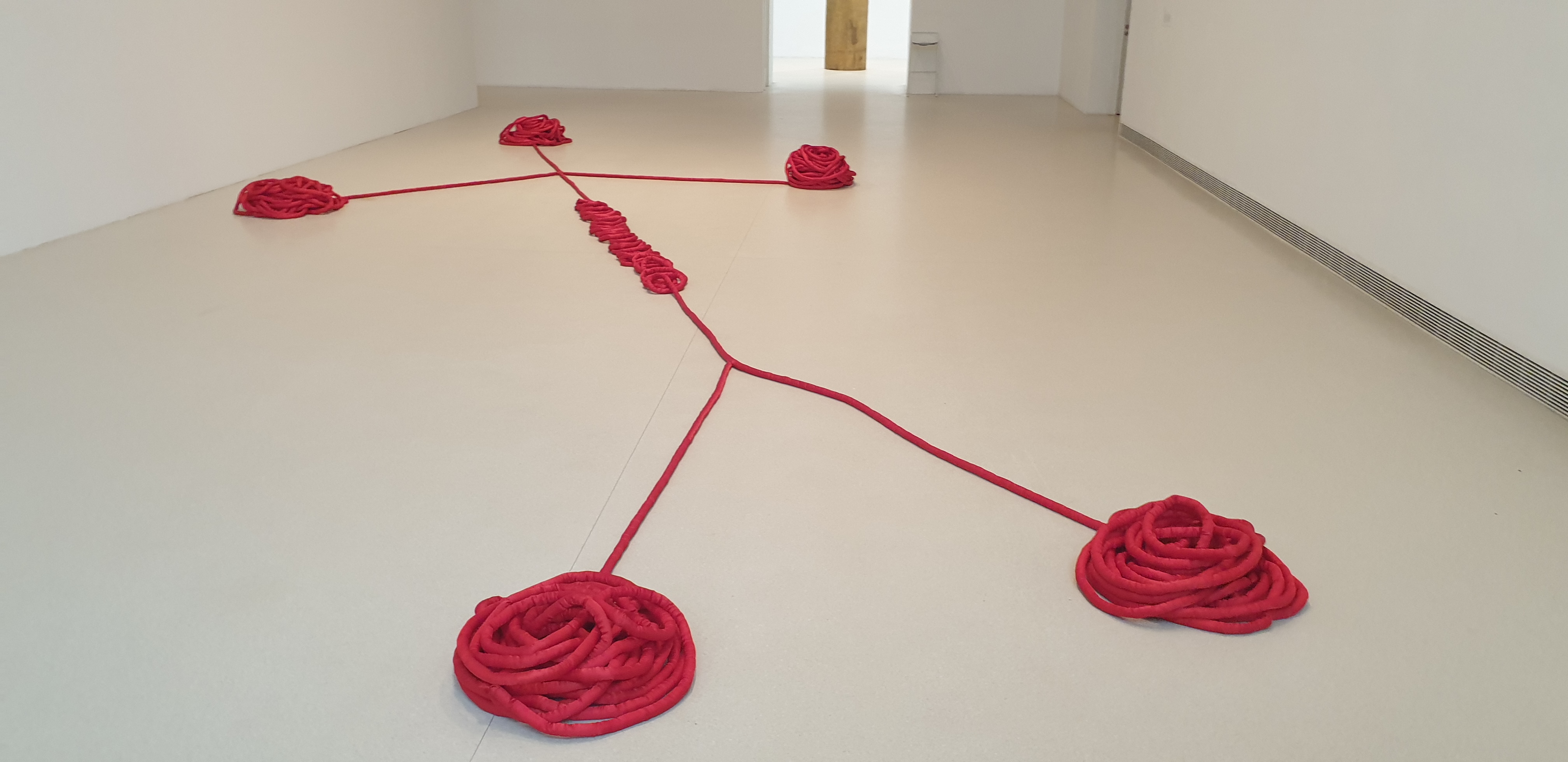
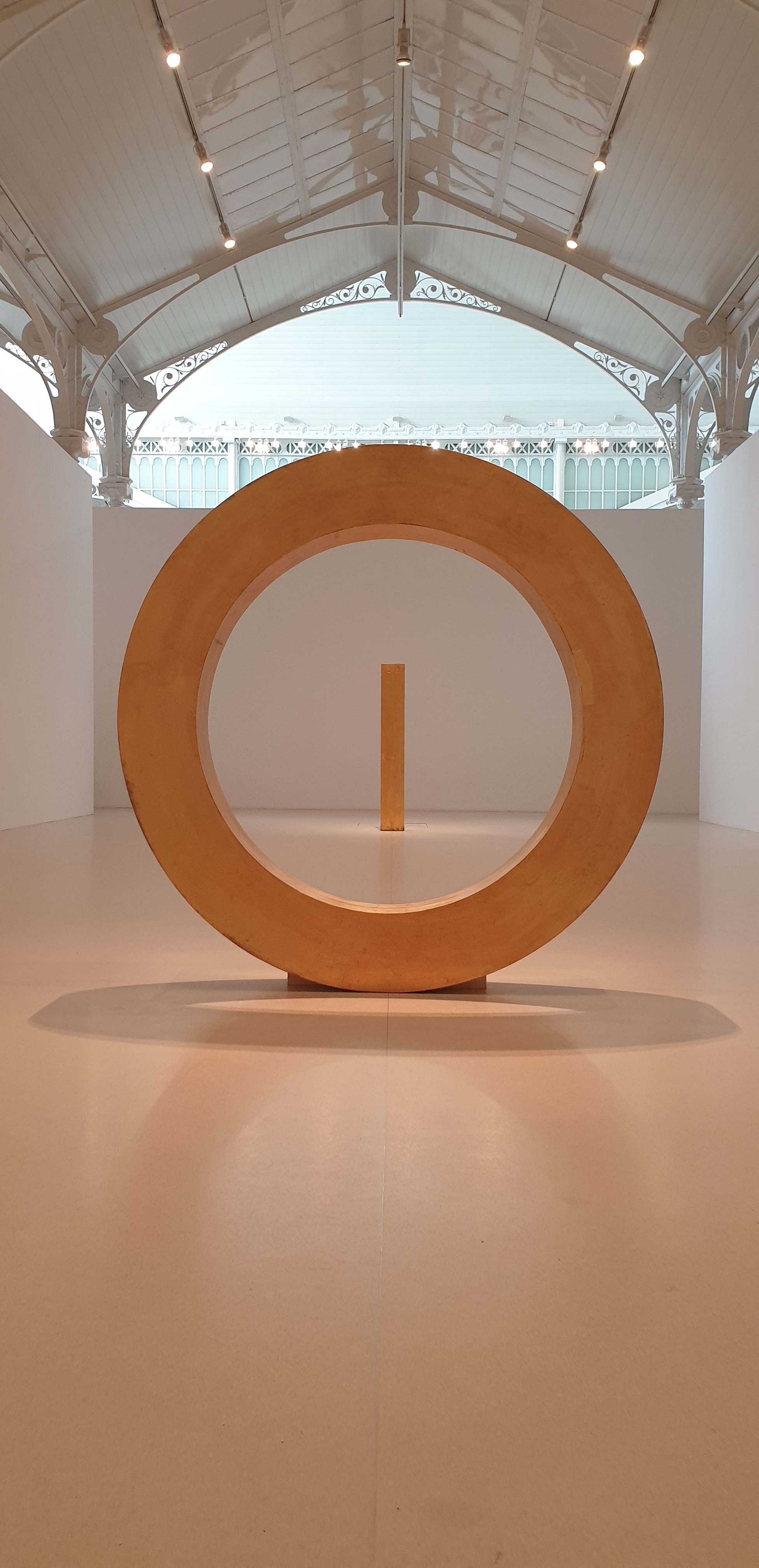
The show included fixed pieces, which ranged from interesting to outright questionable, (half a golden sphere, seriously?). More interesting were performance numbers with people walking around the gallery and performing different activities. I did stop by a fire extinguisher wondering if it was part of the exhibit or part of the emergency equipment of the building.

Did I miss anything? Please enlighten me in the comments below.

Museo Lázaro Galdiano

A few years ago I wrote about the Museo Sorolla in Madrid, a hidden gem in the big city. A small, personal sized museum, which proves that there is no relationship between size and quality. A few blocks away is another such gem, the Museo Lázaro Galdiano. I re-visited it recently with my sister.

Hidden in plain sight, in the middle of busy Calle Serrano, better known for its shopping than for museums (although the Archeological museum is down the street). The museum in housed, as you might have guessed, in what used to be Lázaro Galdiano’s house. It is a big house, a huge house. In Spanish we call it a palacete, in English, you borrow the Italian word palazzo, at any rate, it is big. And it is full of wonderful art. From ancient Greek and Roman nick knacks to Goya and Velazquez paintings. Each gorgeous room is full of wonderful pieces: medieval art, paintings by Hieronymus Bosch, El Greco, Murillo, jewelry, weapons, ceramics, furniture, sculptures, etc. The house itself is a work of art, beautiful wooden floors, painted ceilings, central staircase, and gardens. It also has the obligatory gift shop, and a research library.

My sister Rocky and I were pleasantly surprised that here and there were pieces of modern, contemporary art. Call us old-fashioned, but in general, in contrast to the art surrounding it, the modern pieces did not measure up.

Finally, the museum publishes Goya, a serious art/academic magazine. Of course, my dear friend and Dissertation Director, Irene Gómez Castellano, has published an article in it.

While the lines at the Prado, the Thyssen, and the Reina Sofia are discouragingly long, you can generally just walk straight into the Lázaro Galdiano, and walk around at your own leasurely pace, and definitely get your money’s worth. When you finish, you are on glamorous Calle Serrano, and you can stroll to get a coffee or a meal!