The human aspect of coaching

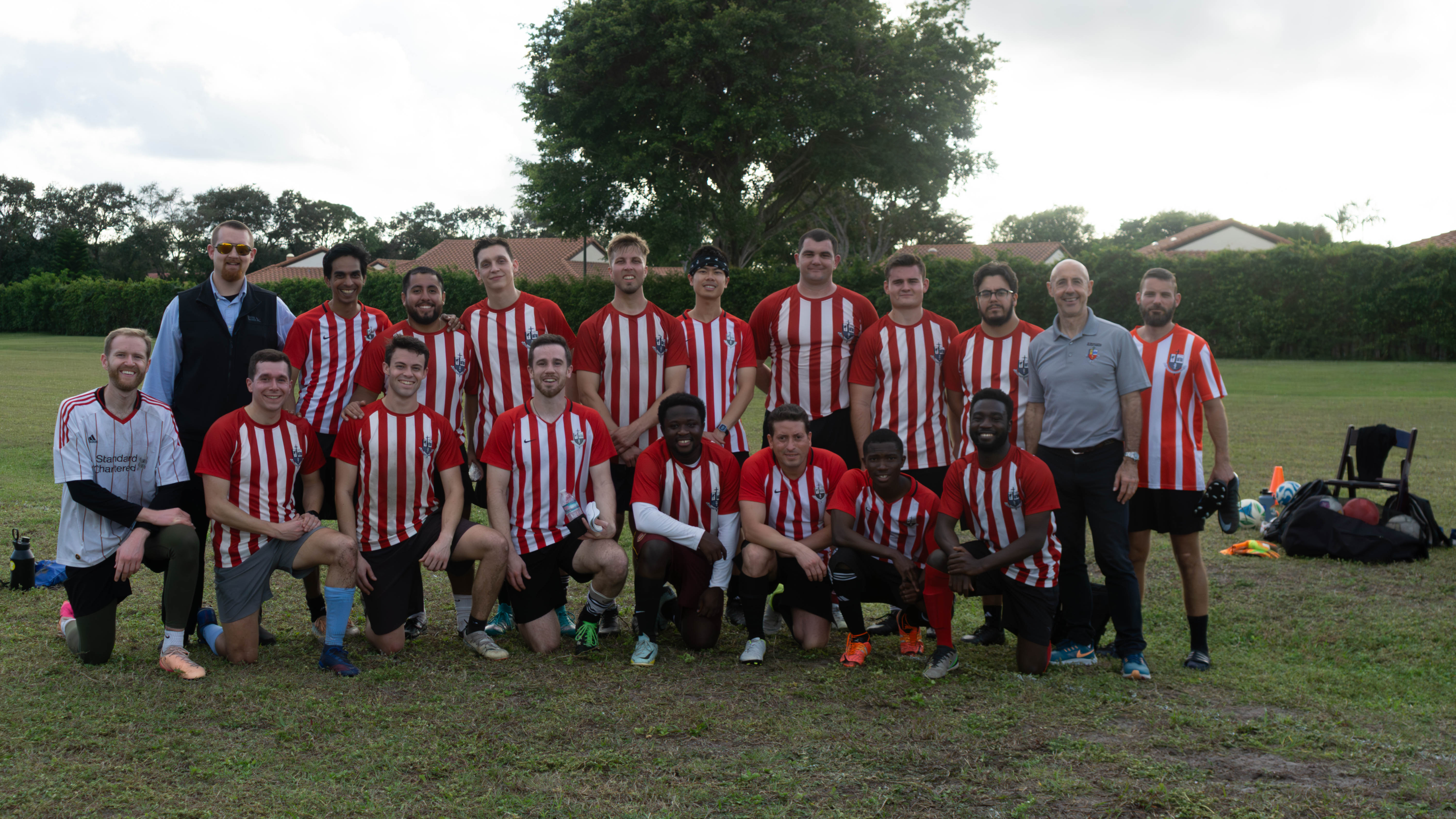
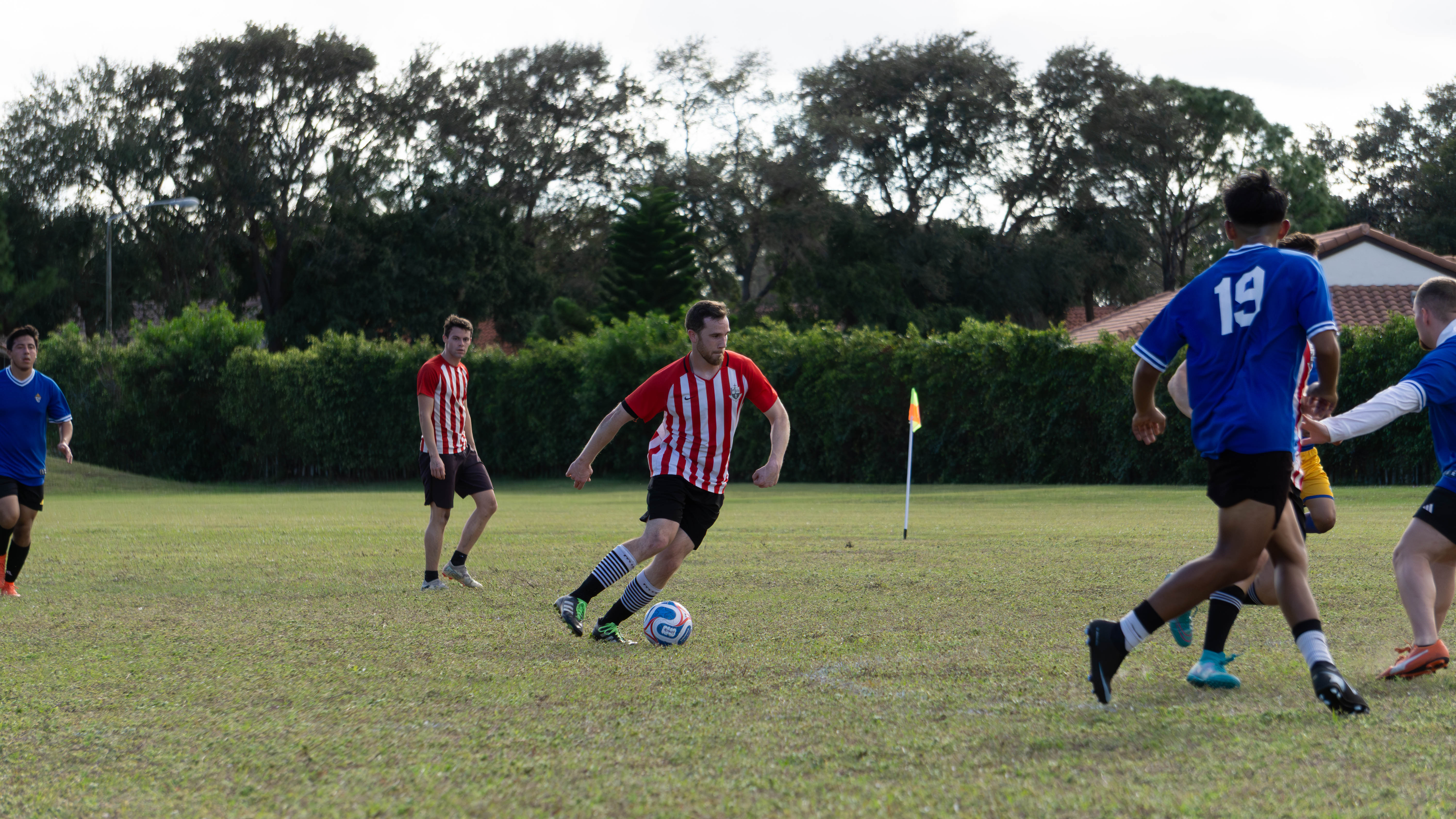
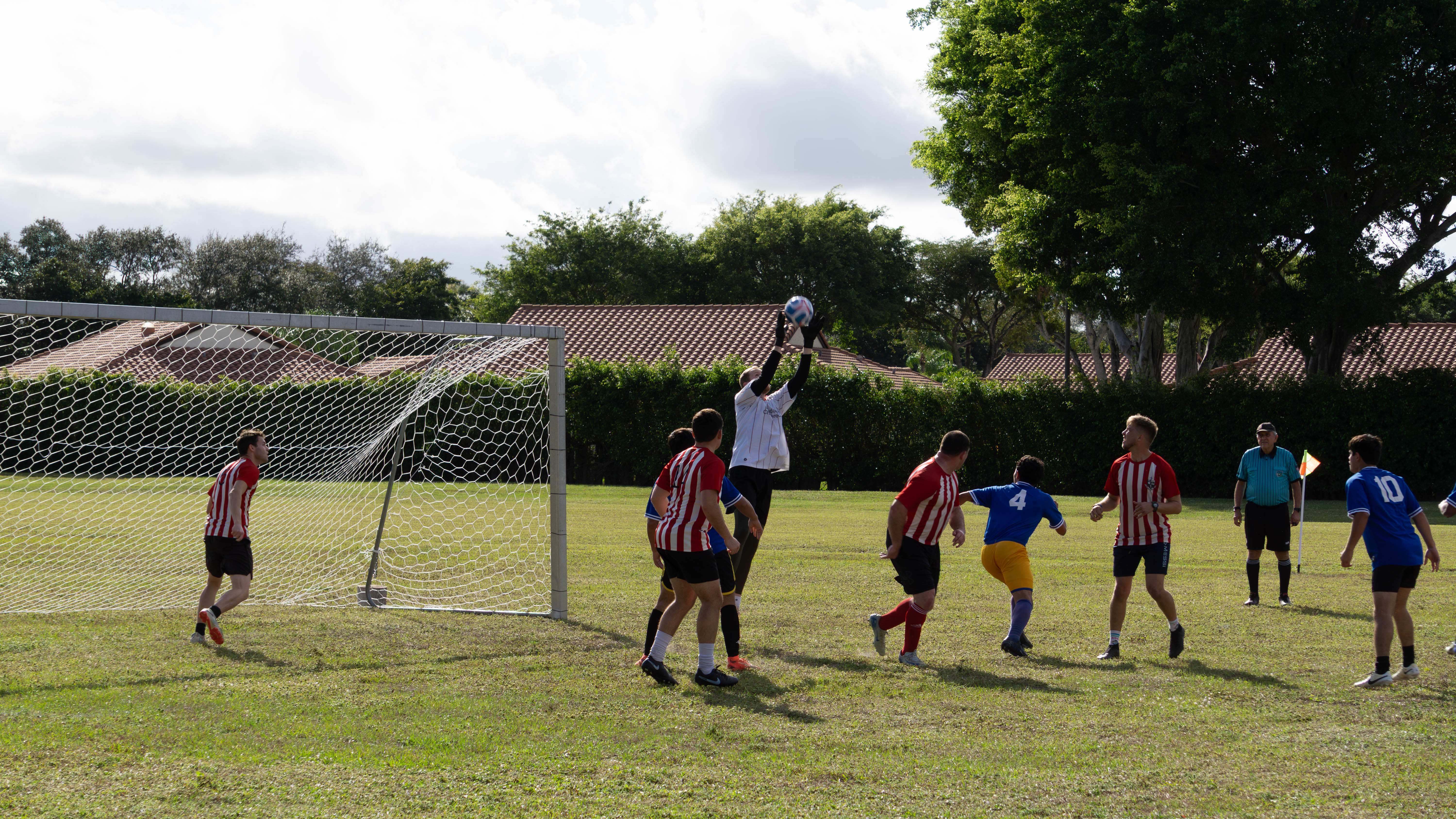
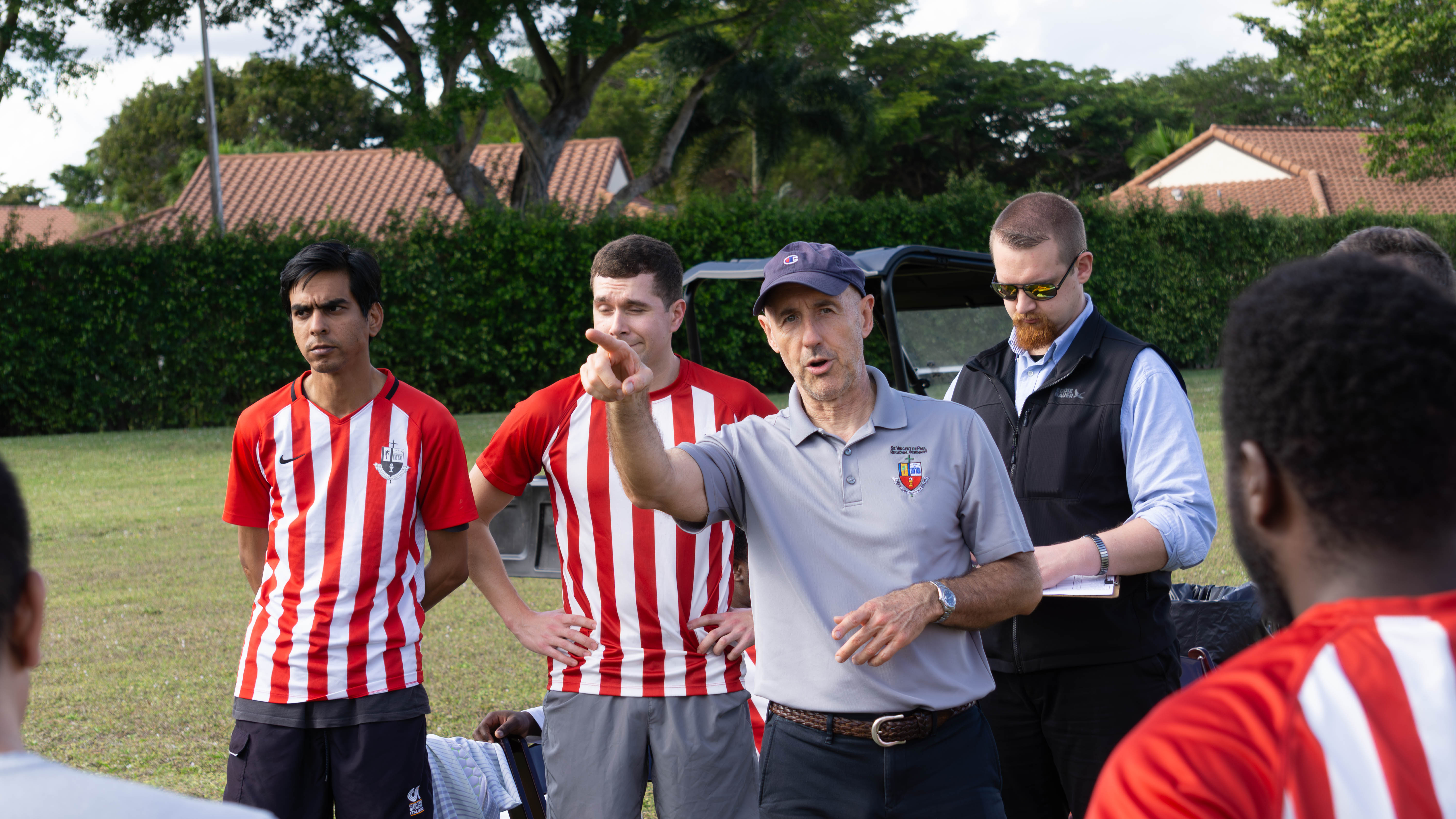
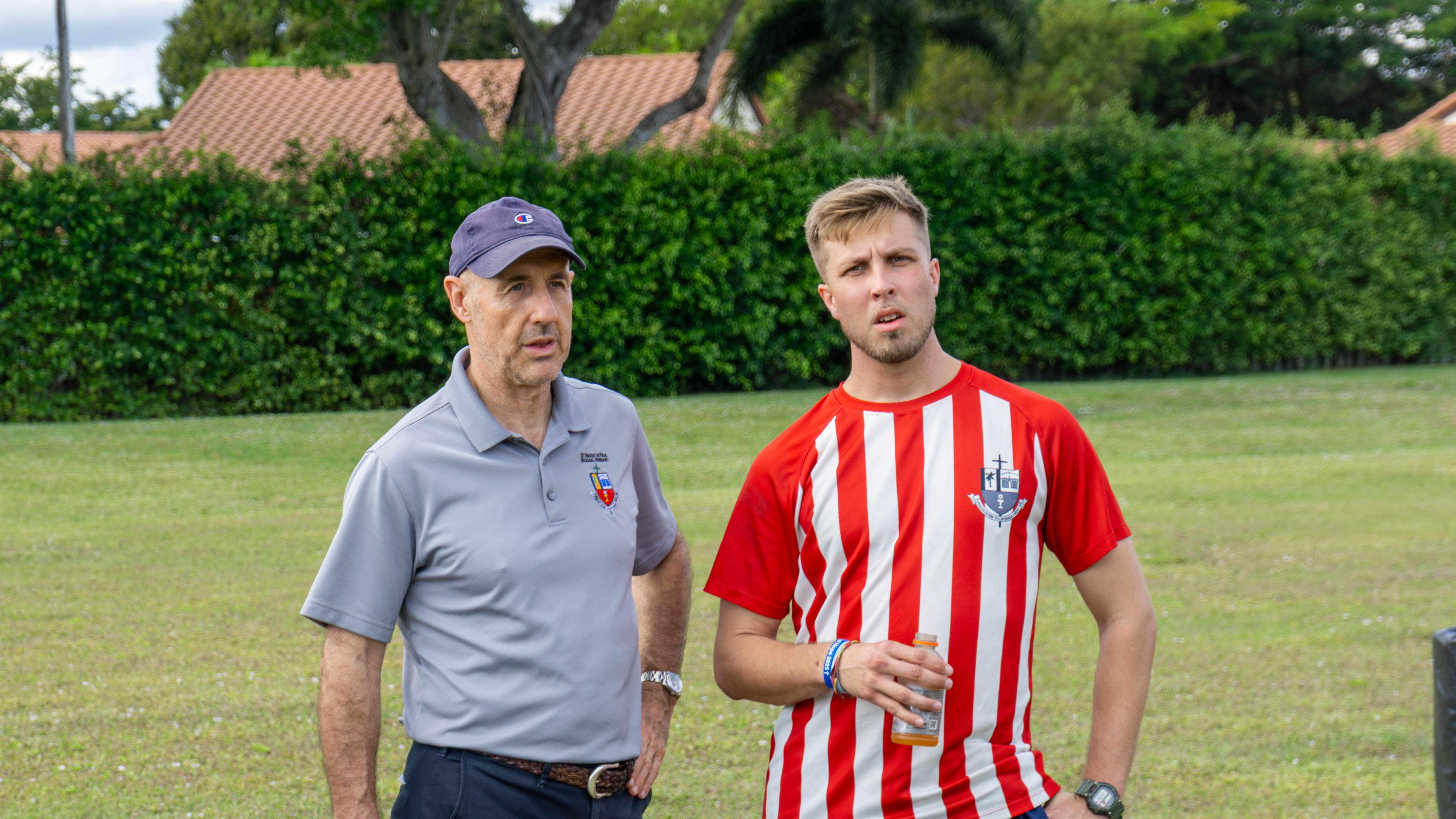
Coaching soccer is one of my favorite things to do after school. You go out and work with the students outside the classroom. I love it so much, I have been coaching for about 20 years on and off. Although I have also coached tennis and even a season of fencing! Soccer, with its team dynamics, is the most difficult but also the most rewarding to coach.

The technical aspects are fairly easy; players have a “natural position” that they subconsciously tend to. Seeing players find this position is very fulfilling. Game plans and strategies are all easy enough. As usual, the human aspect is the most difficult, dealing with upset players who are not on the starting lineup, players who you pull off the field in a substitution, etc.

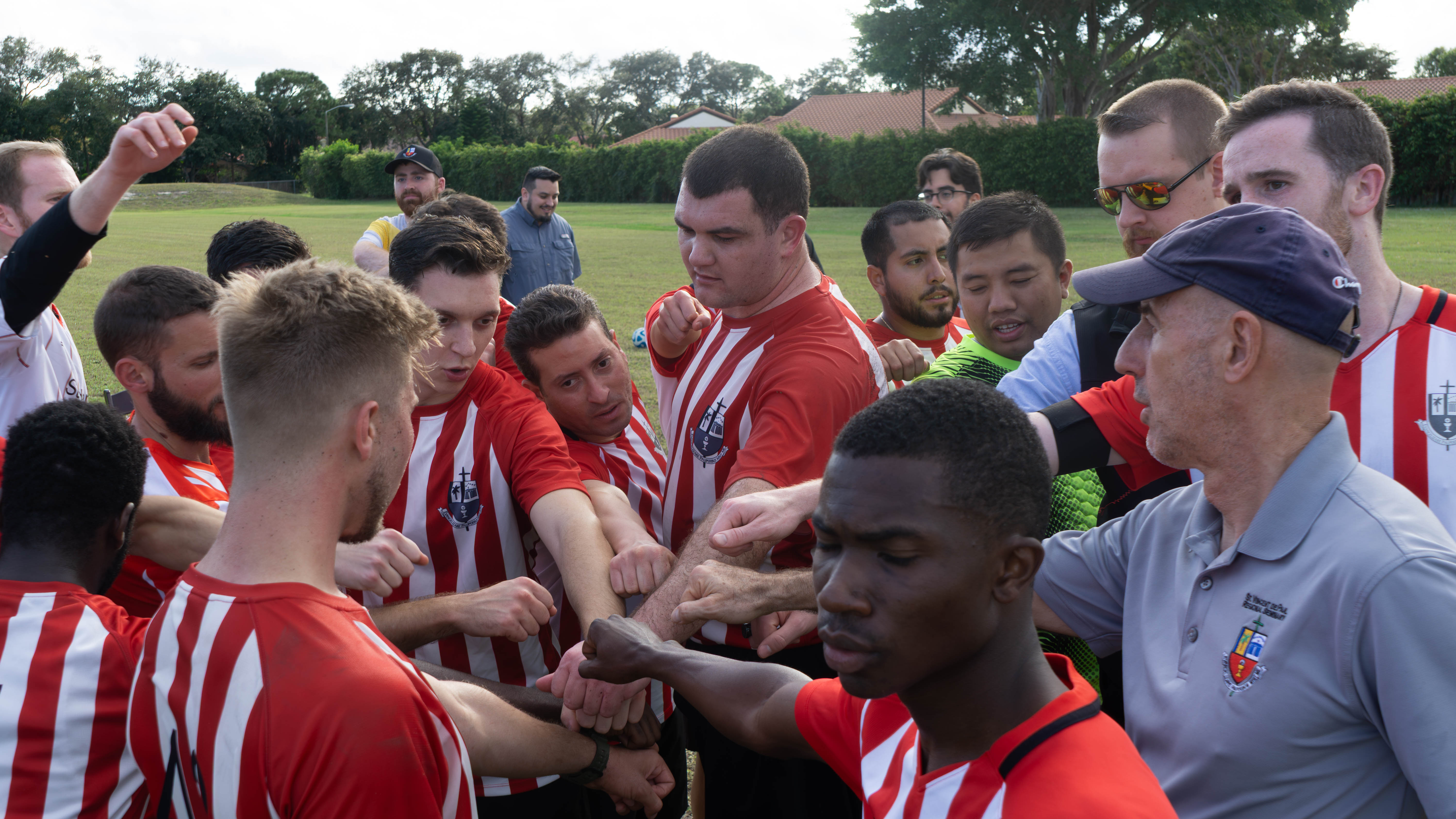
On game day, the players wear their jerseys to build up their confidence and feel proud of being on the team. Then we have lunch together to talk soccer, joke, and enjoy a meal together. I also make sure they are on the field to warm up at least 45 minutes before the game, so we are not rushing through the pre-game rituals, warm-ups, photos, chats, etc.

At the beginning of the season, we spend a lot of time building the team, making sure everybody knows everybody, making sure they are bonding through games, scrimmaging, and activities. I am convinced that the time spent doing these bonding activities pays off handsomely later in the season.

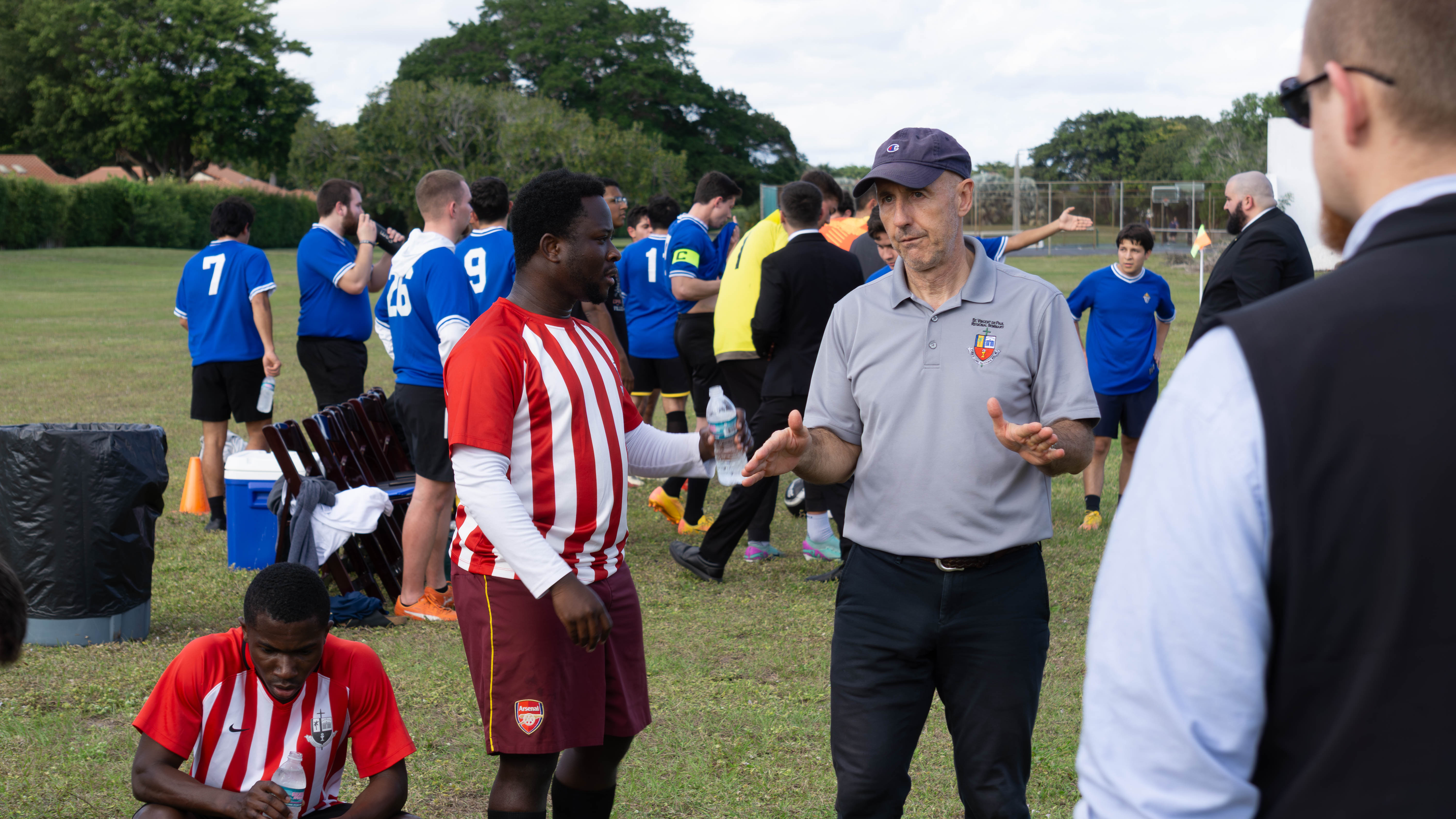
The most challenging bit is motivating a team after a loss. I find that talking individually to each of the players, encouraging them, supporting them, and talking through the game is an effective way of being there for them, of letting them vent and process the loss. Yes, it is time-consuming, but the players really appreciate your involvement and commitment. Remember, it is up to us to model behavior, to be fair and honest, to be frank, to explain things honestly but diplomatically. This was the case recently when we lost 0-1 to our archrival in Miami.

Should you walk the Camino?

Many of the people I have met since I did my first Camino in 2017 tell me how much they want to do it. Most folks will never get around to walking it. Well, I am here to guide you.

What is your motivation to walk the Camino? In my case, I had dreamt about it for years, but it took my father’s passing for me to finally commit. Maybe you have heard from a few pilgrims that it was a cool experience? Or maybe you have a higher motivation. Although it is bad Camino etiquette to ask pilgrims why they are walking (it is none of your business, you can read more pointers here), most folks do it in between jobs, after college, to “find themselves.”

You 100% should walk the Camino. For clarity, for healing, for your mental, spiritual, and physical health, to get to know the country in a way not even Spaniards know, for culture: history, architecture, art, food, etc., to disconnect from civilization (you are not walking the Appalachian trail), but just walking for hours on end each day means that you are not looking at a screen for those hours, and yes, for fun.

Your first task is committing, maybe therein lies the issue.

Your next step is to figure out how much time you have. For the full enchilada, you are going to need thirty something days. Or you can do a shorter Camino like the Primitivo which will take you around 12 days. Any less and you are really cheating yourself out of the transformative experience that is the Camino. Sure, you only need to walk 100 km (62 miles) -less than a week- to get your Camino certificate, your Compostela, but if you are walking the Camino to hang a certificate on your wall, you might as well just go to Disney World.

Once you know how much time you have, take a look at all the different Caminos, you can start in Paris, Geneva, Madrid, Lisbon, Bordeaux, you name it. The Camino starts at your doorstep.

Money. The Camino in Spain is relatively inexpensive. You can get away at 30 Euros a day. You will need more if you want to stay in hotels instead of Albergues, and much more if you are going to walk in France or anywhere else in Europe. On the other hand you will need much less if you camp and/or if you make all your own meals.

Then you make your travel plans: planes, trains, buses, whatever.

And your equipment, there are a million YouTube videos on this, even I have written about it here.

That’s it, you are on your way, Buen Camino!