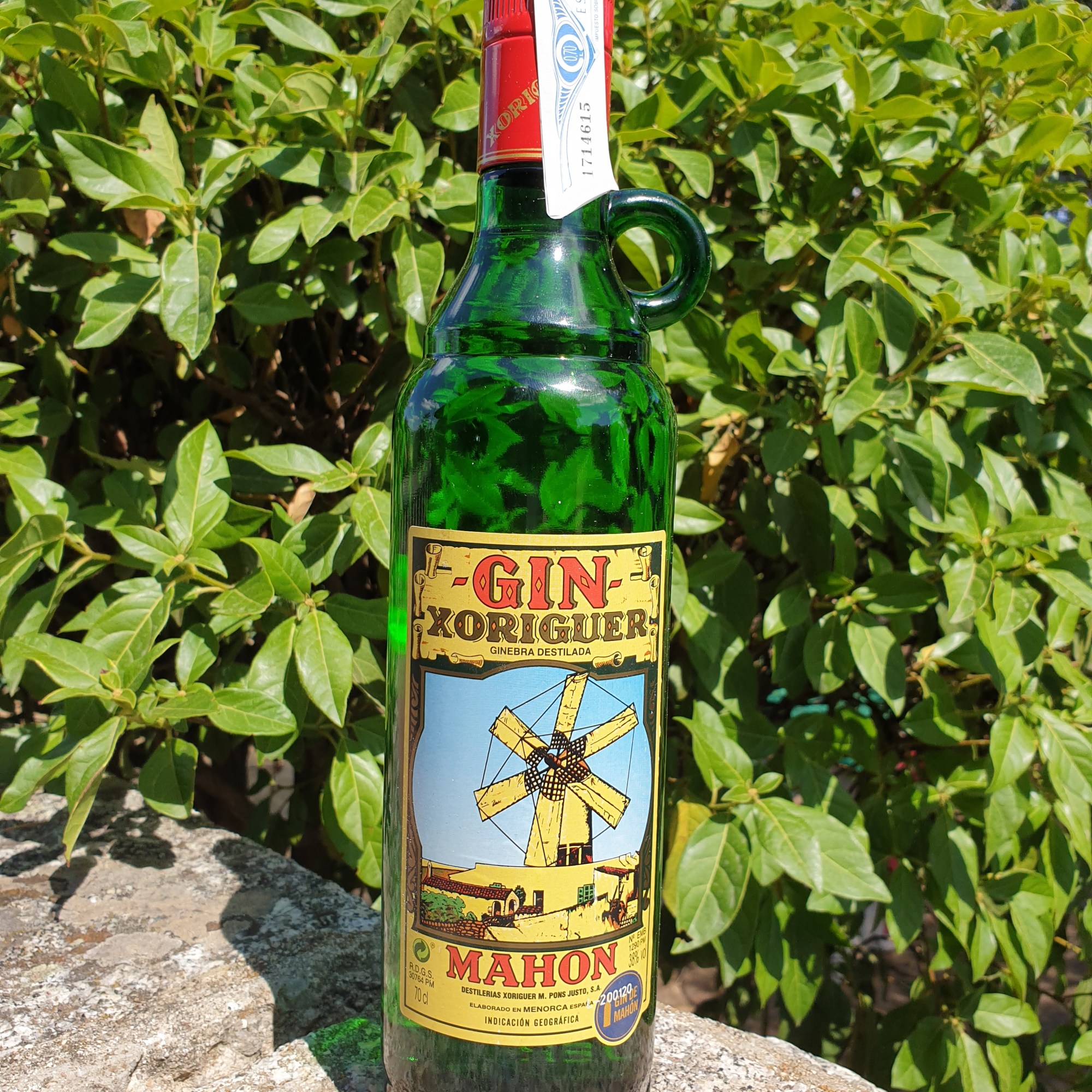
Xoriguer

Chapter I

Otto is a hilarious and chatty Cuban rugby player who defected to Spain during a tournament tour in the 90’s. He ended up being a barman in the hotel in Mallorca where we go every Summer (see previous posts).

Chapter II

Years ago, wild mint grew in the garden of my mom’s country house. My sister and I put it to good use making Mojitos during the Summer months when we were at the house. One Summer the mint disappeared, maybe due to the desertification of Spain because of climate change. Ever resourceful (and lazy) we switched to easy Gin and Tonics for our nightcaps on the porch, where we chatted and reminisced.

Chapter III

In 1701 the Hapsburg king of Spain, Charles II, had no children. This brought about, a massive war of Succession between the Hapsburg loyalists and those who wanted the French Bourbons to take over the Spanish crown. Just about every country in Europe got involved one way or another. Britain took advantage of the mess to take over Gibraltar (which they still hold) and the Mediterranean Balearic island of Menorca, which they returned to Spain eventually. Before leaving, they stole the recipe for a sauce made by whipping eggs and olive oil (and garlic). The sauce, Mahonesa, is called after the city where it was developed, the capital city of Menorca: Mahón. The linguistically challenged Brits changed Mahonesa to Mayonnaise. To get even, some enterprising locals copied the formula for the spirit the British sailors and their Dutch friends where distilling: Jenever in Dutch, Gin for the Brits. That stolen formula would become Xoriguer Gin, to this day made in Mahón. (There is another version of the story in which the French General Richelieu, copied the recipe when he liberated Menorca from the Brits, but it does not have the same poetic justice for our purpose)

Rich with juniper berry flavor, this is not a subtle gin. These are Mediterranean smells and flavors, not a randomly chosen “floral and botanical bouquet with hints of cucumber” for some 50 Euro bottle of ultra-premium gin. Xoriguer is like taking a walk on a Mediterranean island.

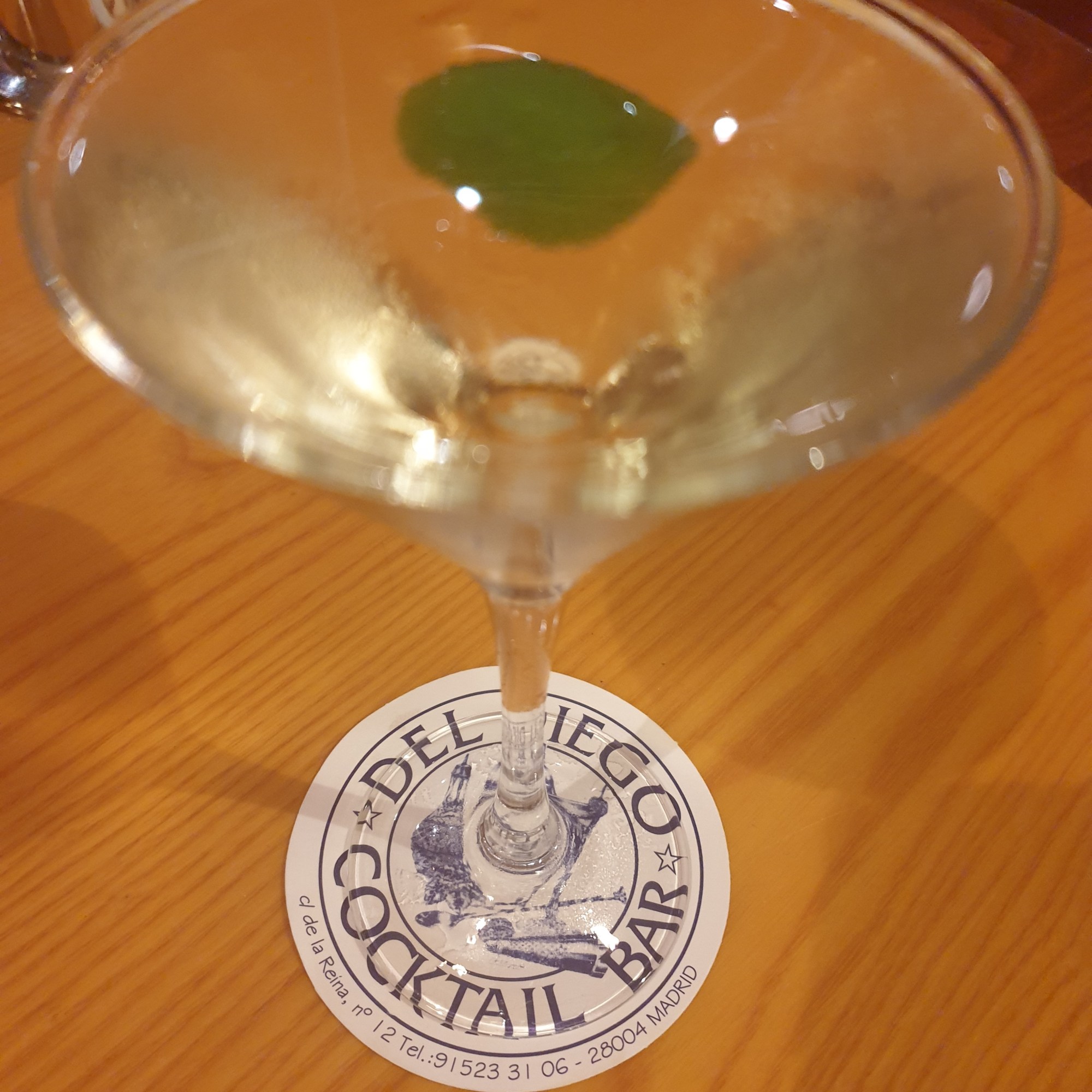
Xoriguer is a small family run distillery, so good luck finding it in most shops. In fact, I only know three bars in Madrid that serve it (and believe me, I know more than three bars in Madrid). One is Bar el 32 in Lavapies, Del Diego, which as I have mentioned before is a temple of spirits. The Del Diego brothers make a light and airy Xoriguer Gin Gimlet which just transports you to Menorca. And miraculously, Marcelino in La Navata (see previous post).

Chapter IV

A few years ago, Otto introduced me to Xoriguer, made just one island over. I fell in love (with the gin, not with Otto, although I do love him, but in a different way).

Note: Always drink moderately and responsibly.

La Navata

La Navata is a tiny village outside Madrid, near the Sierra de Guadarrama mountains, where Hemingway’s For whom the Bell Tolls is set, the village is so small it is actually dependent of the bigger nearby village of Galapagar, home of Nobel Prize winning playwright Jacinto Benavente and of the current top bullfighter José Tomás. La Navata itself only has a train station, two bars, a kiosk, a hairdresser, a pharmacy, a small supermarket, and an old, small, stone chapel, San Antonio de La Navata.

My parents bought a weekend/summer house here in 1974, when I was 9 years old. In the early 80’s we added the second floor. If I have a home, this is it. This is my “happy place” where I take my mind when I need to relax. This is where most of my childhood memories were made. This is where I learned to ride motorcycles and to drive – my granddad Antonio patiently guiding me round and round the dirt garden, before we put in grass, in La Petra, our old Citroen 2CV. This is where I made my first and oldest friends, where I learned the little tennis I play, where I have done most of my stargazing, reading, bicycle riding, gardening, hiking and barbeques, where I kissed a girl for the first time (quite sloppy if you must know), where I started tinkering with all things mechanical – although mostly motorbikes, where hiking and skiing trips started, and where great summer (and I guess also winter) parties were hosted.

I used to come here for the weekends in winter, reading by the blazing fireplace, and spending the summer in the pool, the garden and the porch, going indoors only when absolutely necessary.

La Navata is about a fifteen minute drive from El Escorial, built by Phillip II, it houses a palace, monastery, school, mausoleum for all the Haubsburg and most Spanish  Bourbon kings, and one of the most important – and beautiful  – libraries, in the world.  Growing up I spent a lot of time in this place, walking around the palace, gardens, surrounding hills, and the town. I still spend a lot of time here, specially with my friend Patxi, with whom I founded the Asociación A. de Amantes del Escorial in the early 90s.

In 1992 I got a job at a photo equipment supplier near here and I lived in La Navata for about a year. It was a lot of fun, living in this big old house alone, cooking, reading by the fire, and going into Madrid for the weekends doing a reverse weekend commute!

IMG_0928

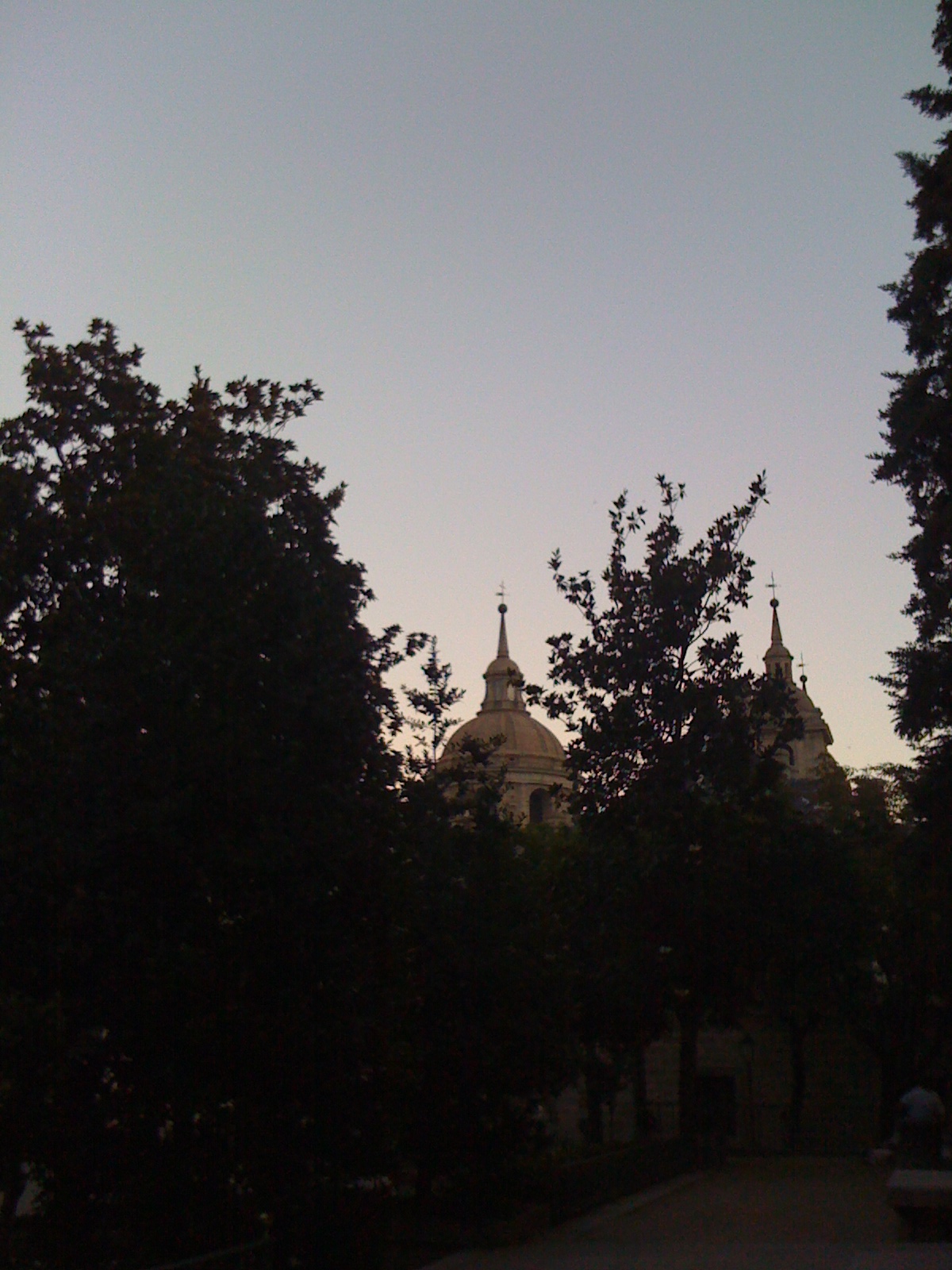
El Escorial

IMG_0903

The view during a bicylce ride

IMG_0935

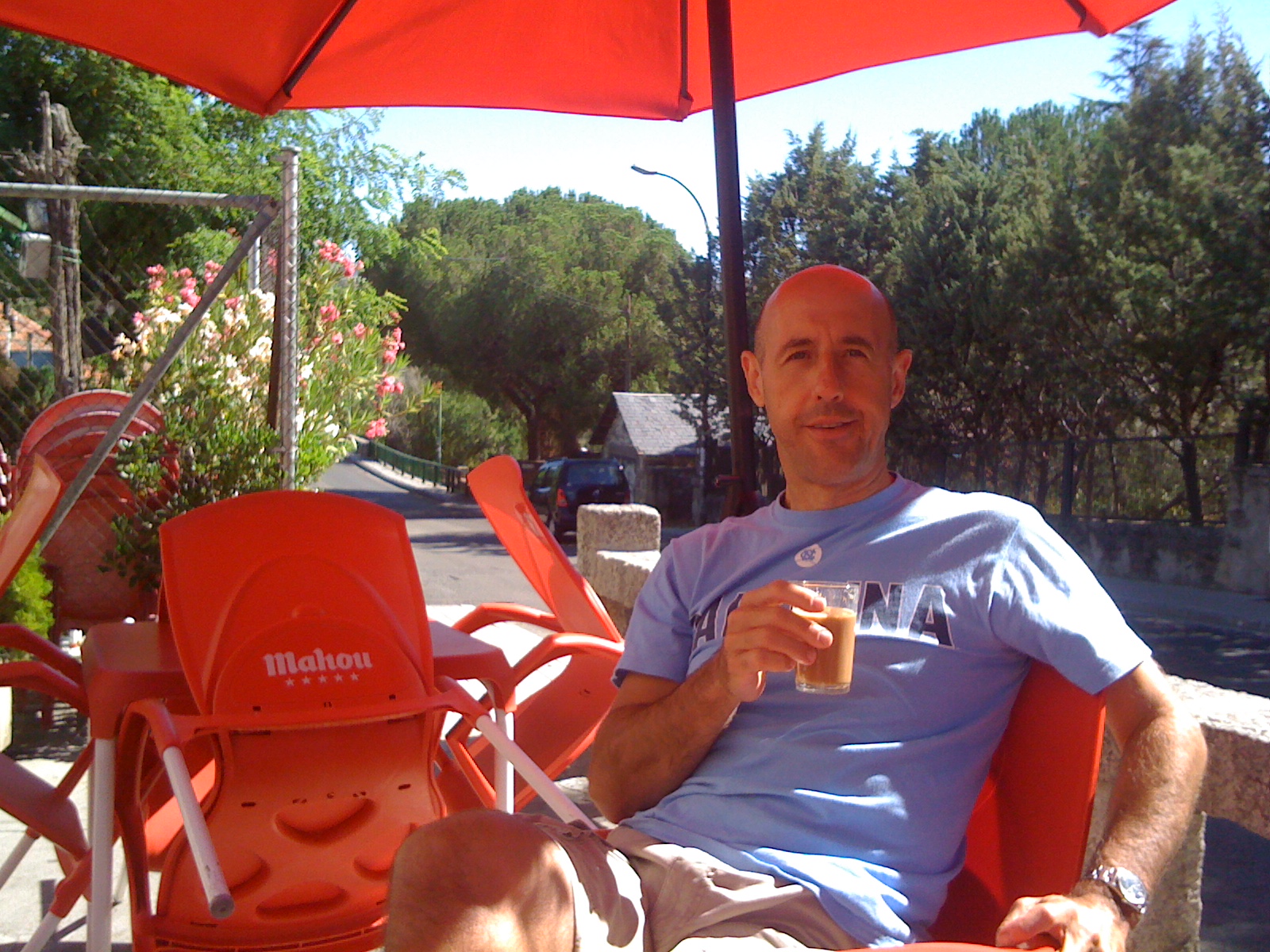
Caf’é con leche at the clasico Marcelino bar, at 10 am they have barely opened!

SAMSUNG

Jacinto Benavente at Galapagar´s Plaza

OLYMPUS DIGITAL CAMERA

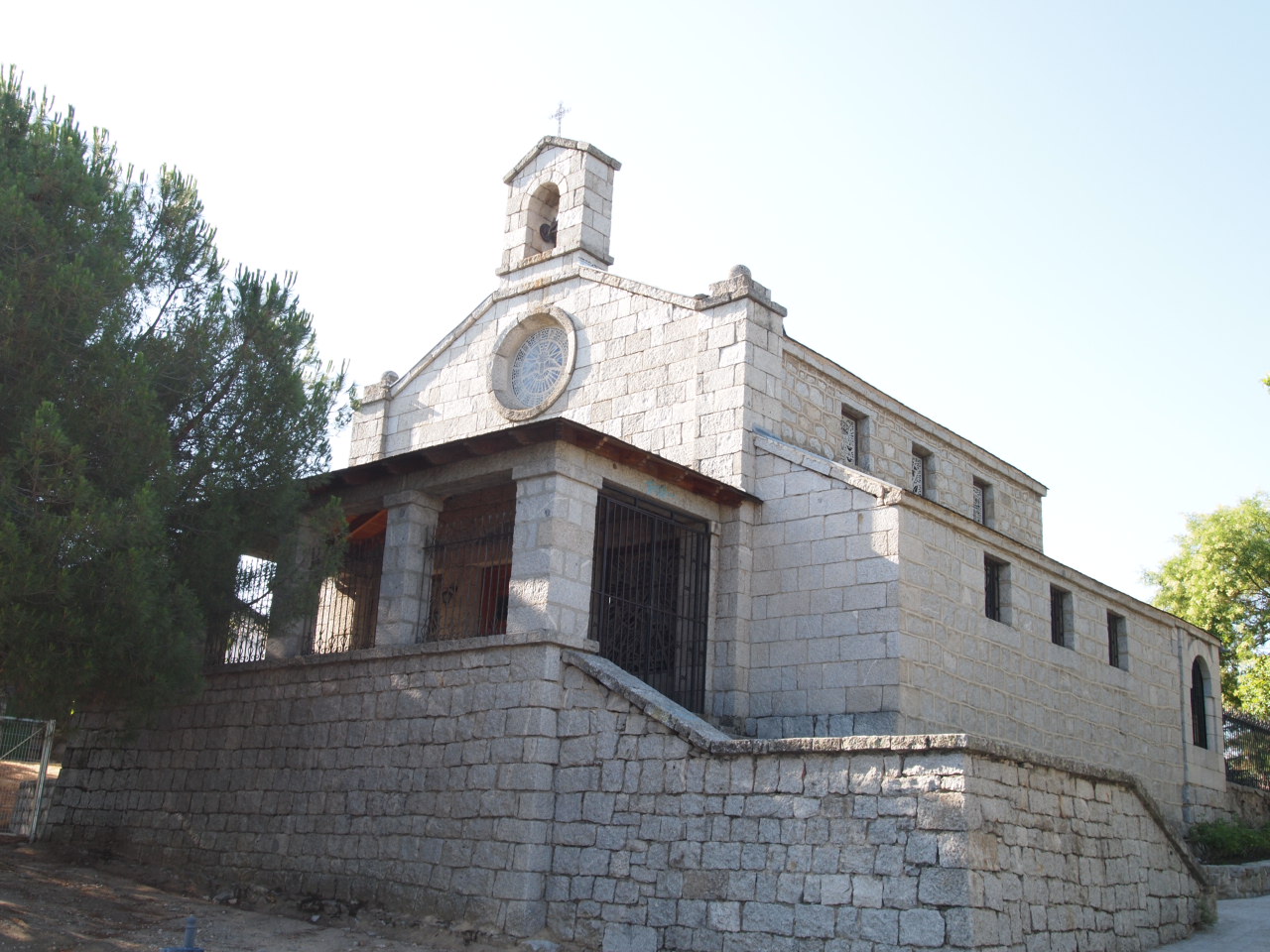
San Antonio de la Navata

Life in La Navata is very quiet. I start off with a refreshing wake-up swim in the pool, which makes breakfast a cool joy on the porch. Then there is a walk into the village to buy bread for the day, the newspapers and any other groceries, I stop at the bar for a nice café con leche. There are always chores and gardening and pool maintenance to be done before a pre lunch swim. After siesta things actually slow down even more in the heat of the afternoon and I can read, or hang out with the fam. Nowadays with my nephew and two nieces things are a bit more chaotic, but always fun. The afternoon swim is normally the longest one and then I have time to work out in my homemade gym, or run or go for a bicycle ride before dinner. After dinner we sit around, chat, enjoy a mojito made with old Cuban rum (which is unavailable in the US) and mint from the garden, or a gin tonic, or whatever we can  find, sometimes accompanied by a cigar.