Unless, of course, you are a Zen master or a monk or a nun. This is my third such retreat, but my last time here was in February of 2020, the week right before the Covid lockdown. Since then, I started a new job far away in Florida which means I only come to Spain for the holidays and that time is pretty busy with family, friends, chores, etc. and although I had been meaning to get out here, things do not happen unless you make the commitment, so here I am.
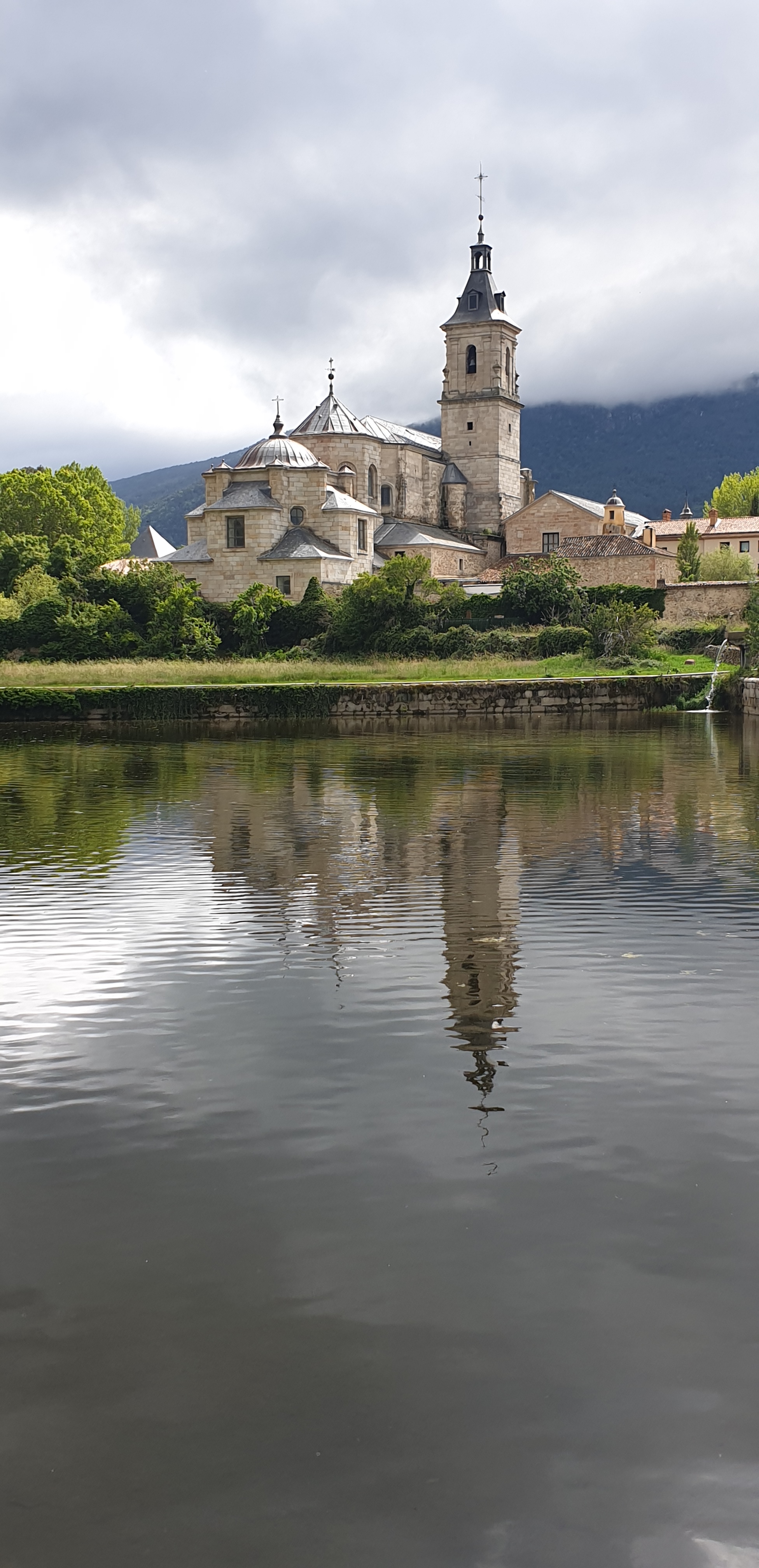
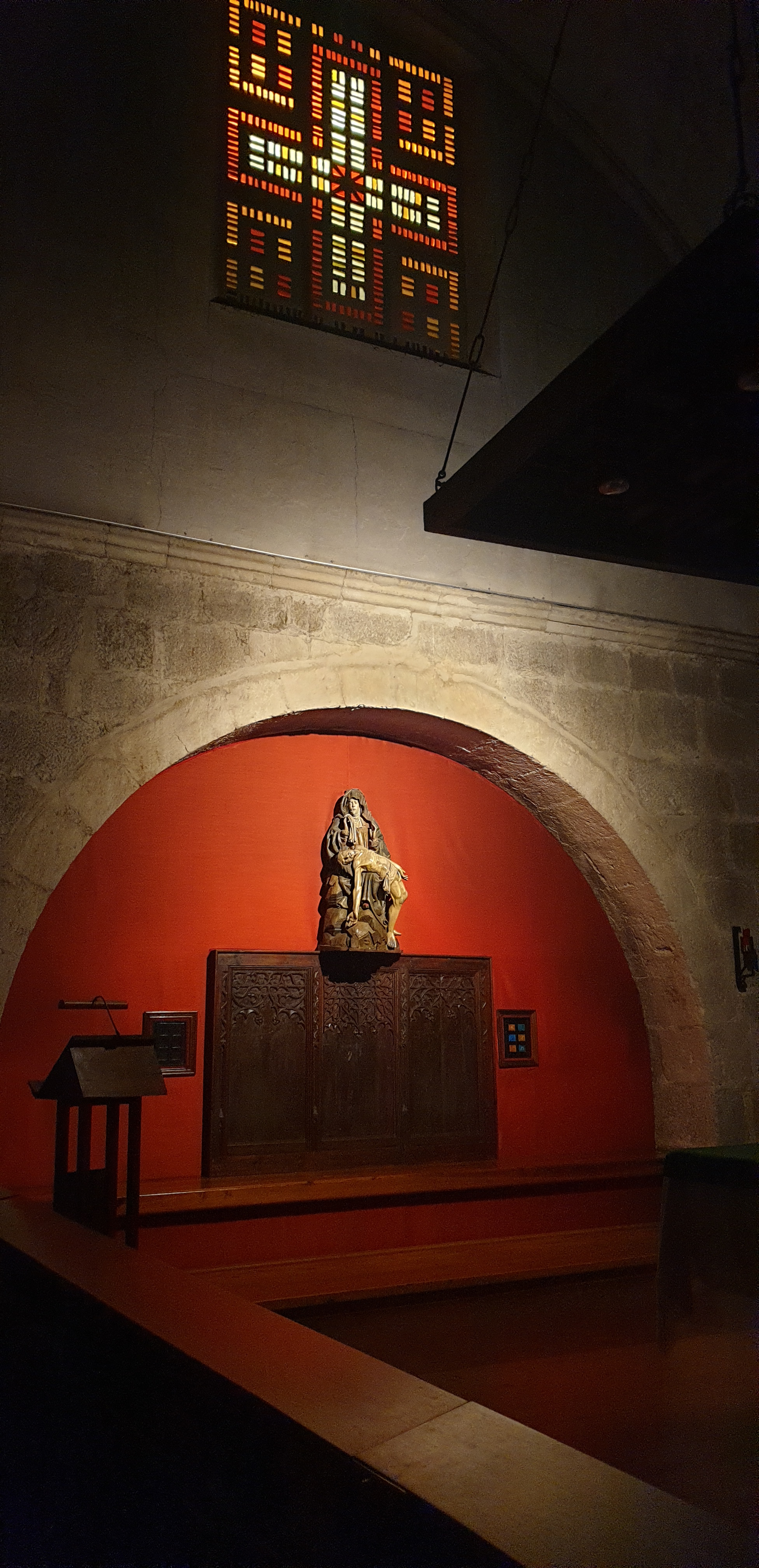
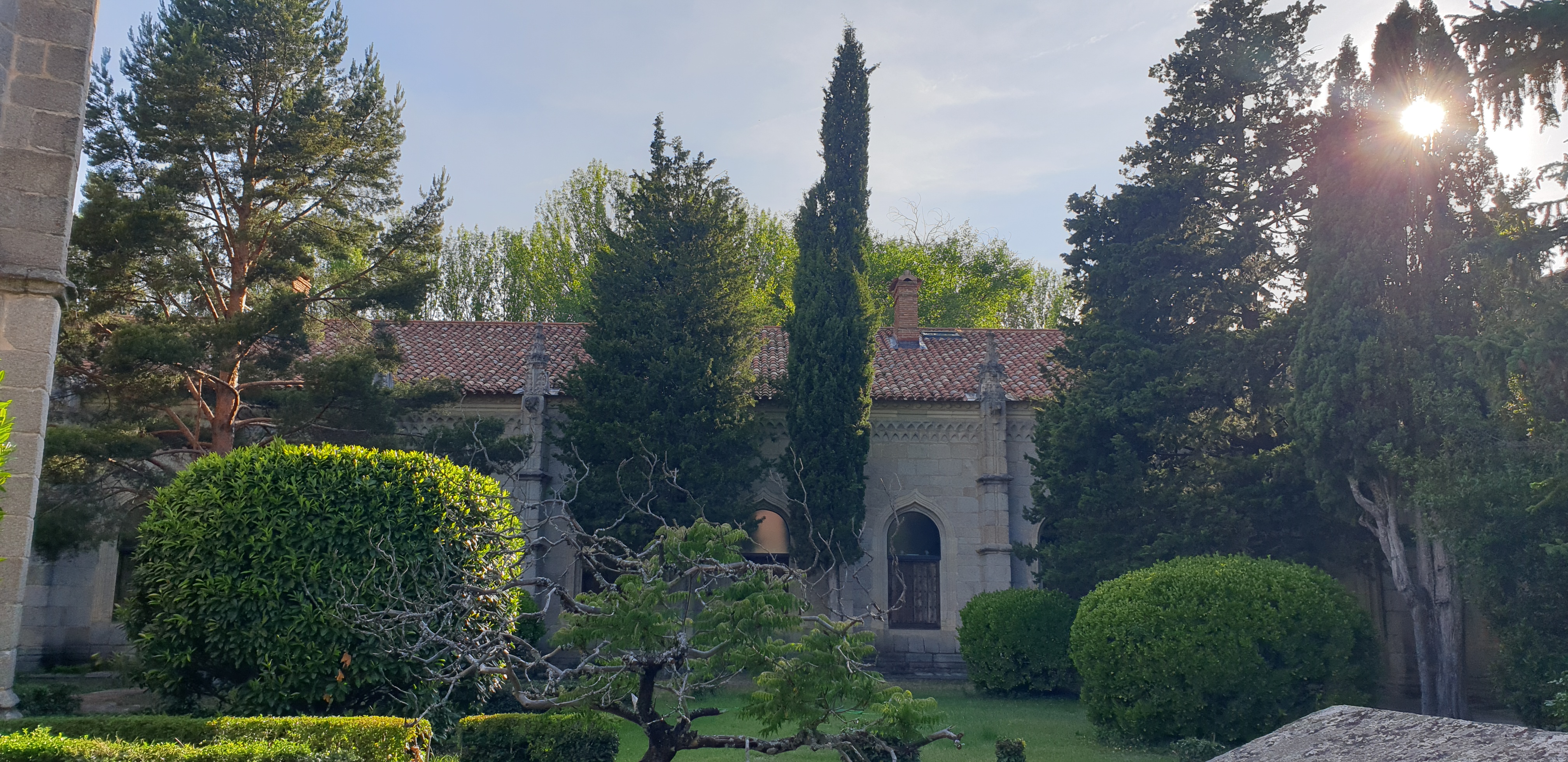
El Paular monastery is an ancient (1390) Medieval monastery built in the confluence of two or three streams where a hermit used to live. The monastery was originally of the Carthusian order, but it got dismantled in the 19th Century and re-started again in 1948 under the Benedictine order. It currently has eleven monks, which is a couple more than when I was last here!
The journey here brings you over the mighty Guadarrama mountains, specifically the 2000mt Navacerrada pass. That is your first threshold, leaving Madrid far away. The descent on the other side is your second signal that you are entering a new world. And then, there you are, face to face with what used to be a massive monastery, which is now a fraction of what it once was, but still beautiful and awe inspiring.
The first thing you notice stepping into the cloister is the silence, there are no TVs, radios, music, nothing other than the birds chirping. Then you notice the rhythm, the pace. There is no rush here, everything works pretty much the same way it did over six centuries ago. Then you notice the massive 52 Vicente Carducho paintings depicting the history of the Carthusian order!
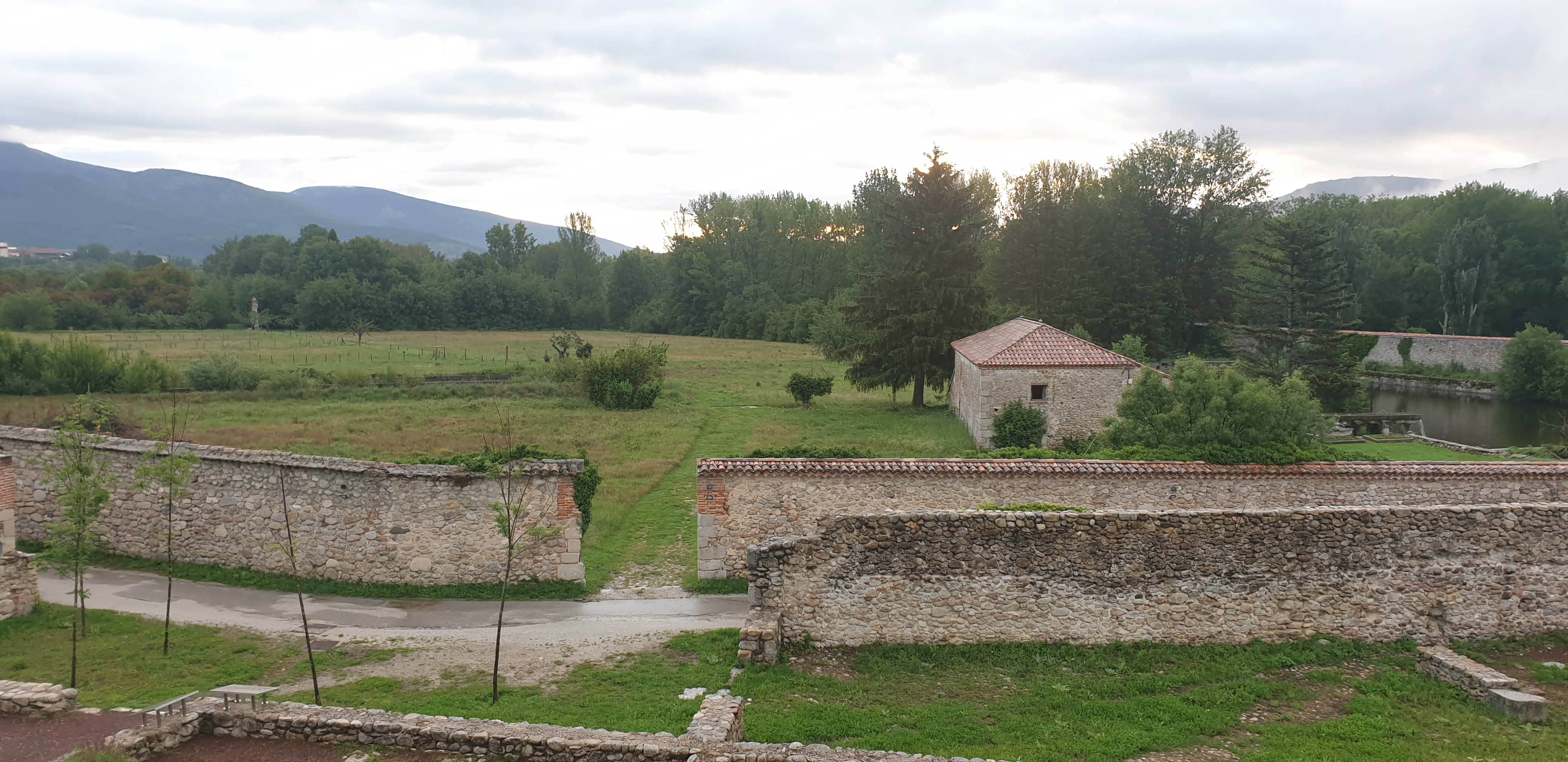
As for the retreat, you get a cell which is a perfectly nice room with a bed and a desk, and a bathroom with great water pressure and even better views of the mountains!
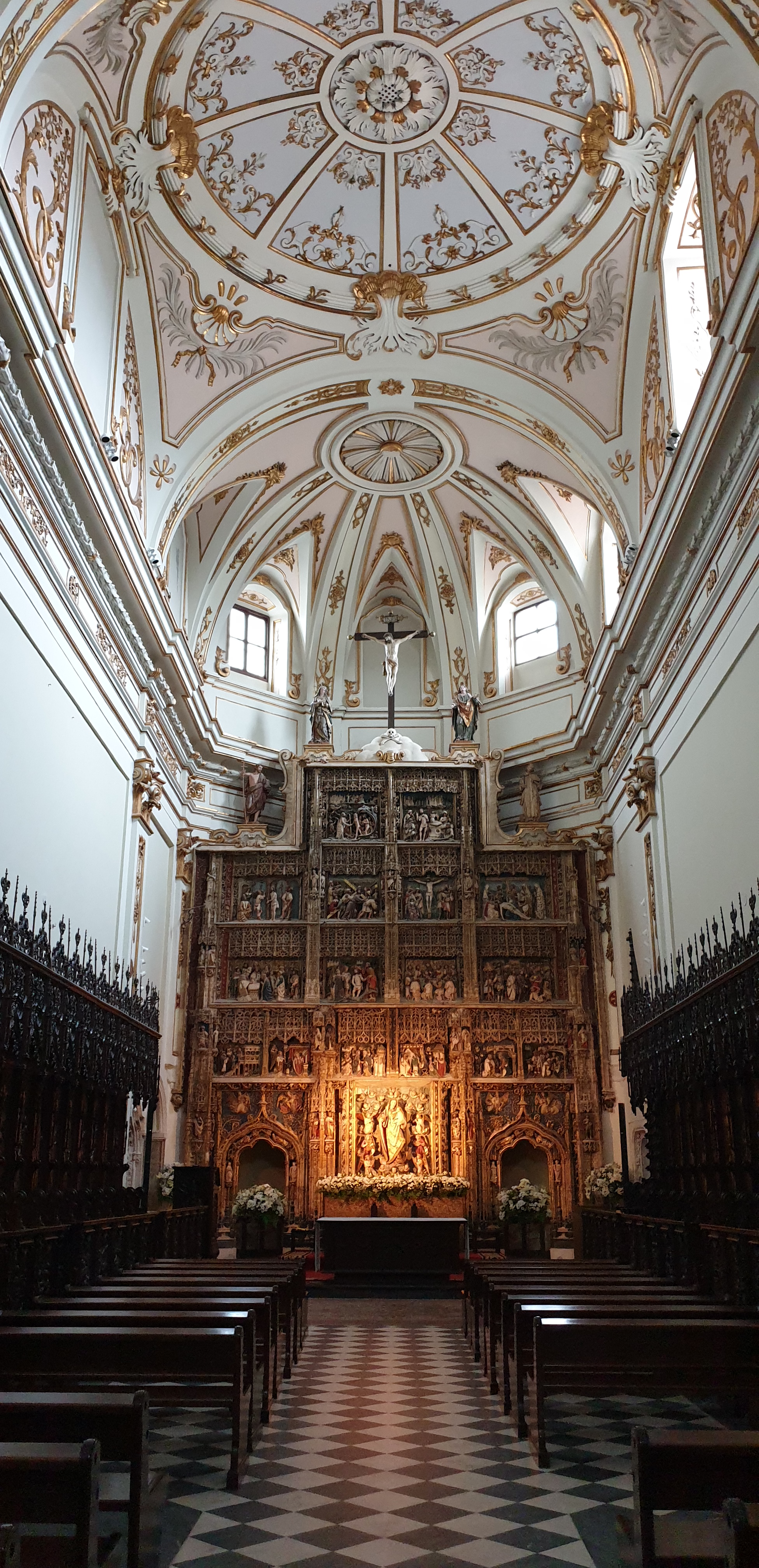
You are encouraged to pray with the monks five times a day:
6:30 Maitines
8:00 Laudes before breakfast
2:00 Sexta before lunch
8:00 Vísperas before dinner
10:00 Completas
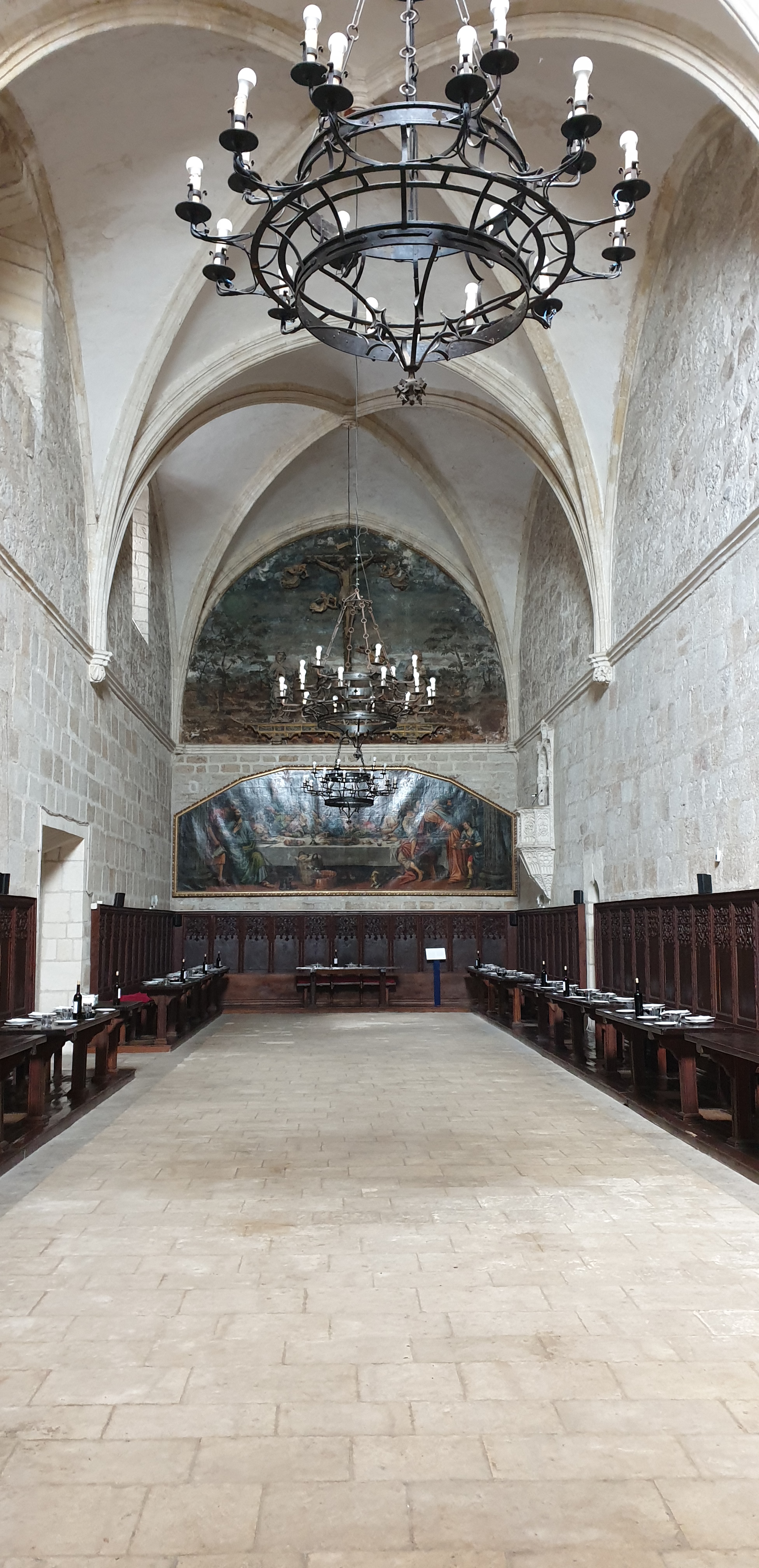
One does not talk with the monks unless the monks talk to you, which when they do is briefly. You eat your meals in silence in the refectory -well, there is a reader, yesterday they were reading Merton’s biography!
Other than that, you are free to go walking in the mountains, or to the village a couple of miles away, but that kind of breaks the silence –unless you did not pack enough socks and you have to venture into the village to get some. You spend most of the day reading, writing, meditating.
The abbot is my spiritual director, so when I come, we spend some time talking. Padre Joaquín, like all the monks emanates spirituality, patience, love. Being in the presence of the monks brings down your blood pressure, after all these guys have the key to happiness. It is scientifically proven that monks are the happiest people in the world!
Yes, I have my phone, but it spends a lot of time just sitting in my cell. I take it with me on my walks mostly so I can take photos. This is the beginning of feeling free… (to be continued)





 Antonioyrocinante's Blog