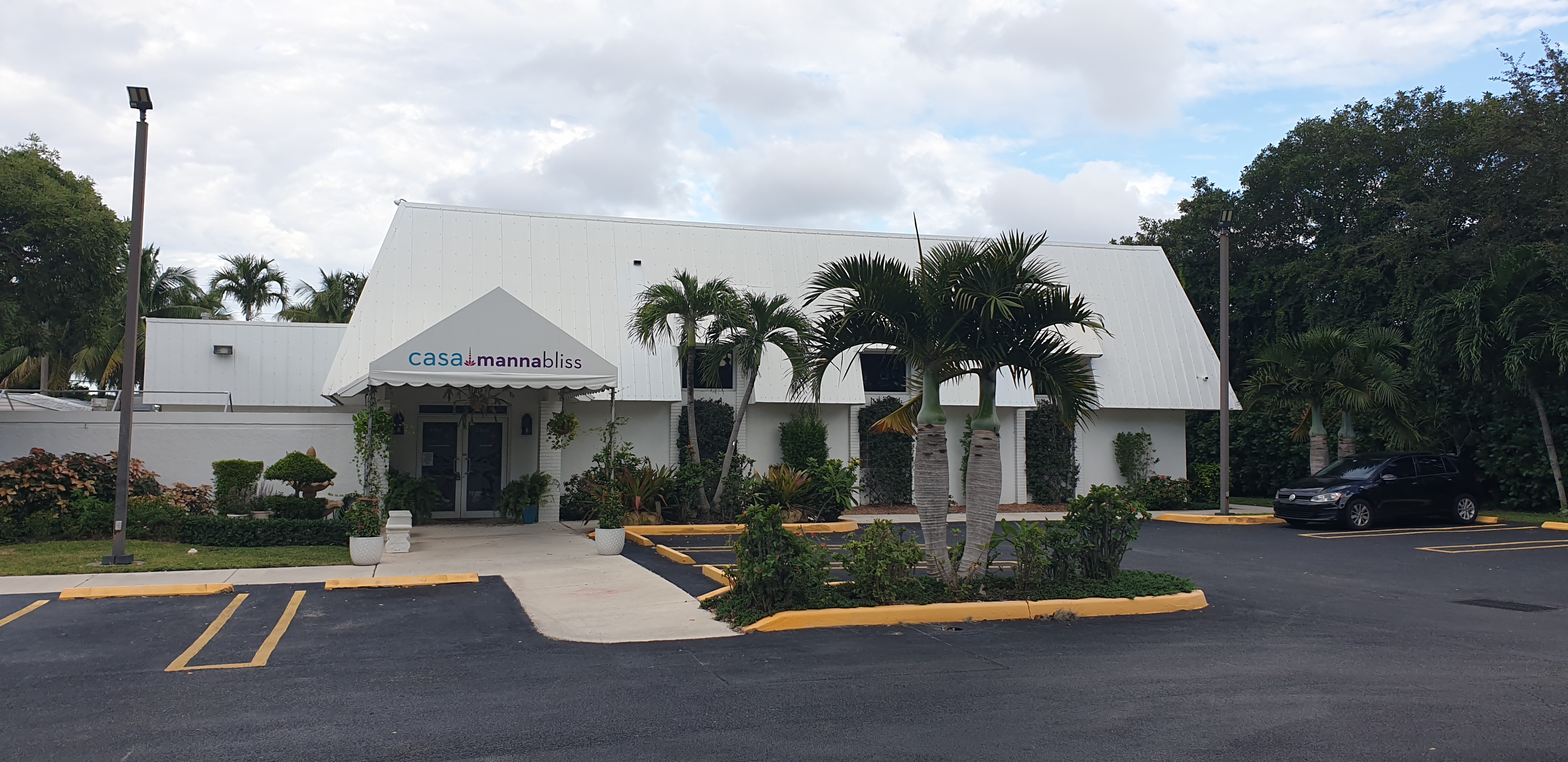
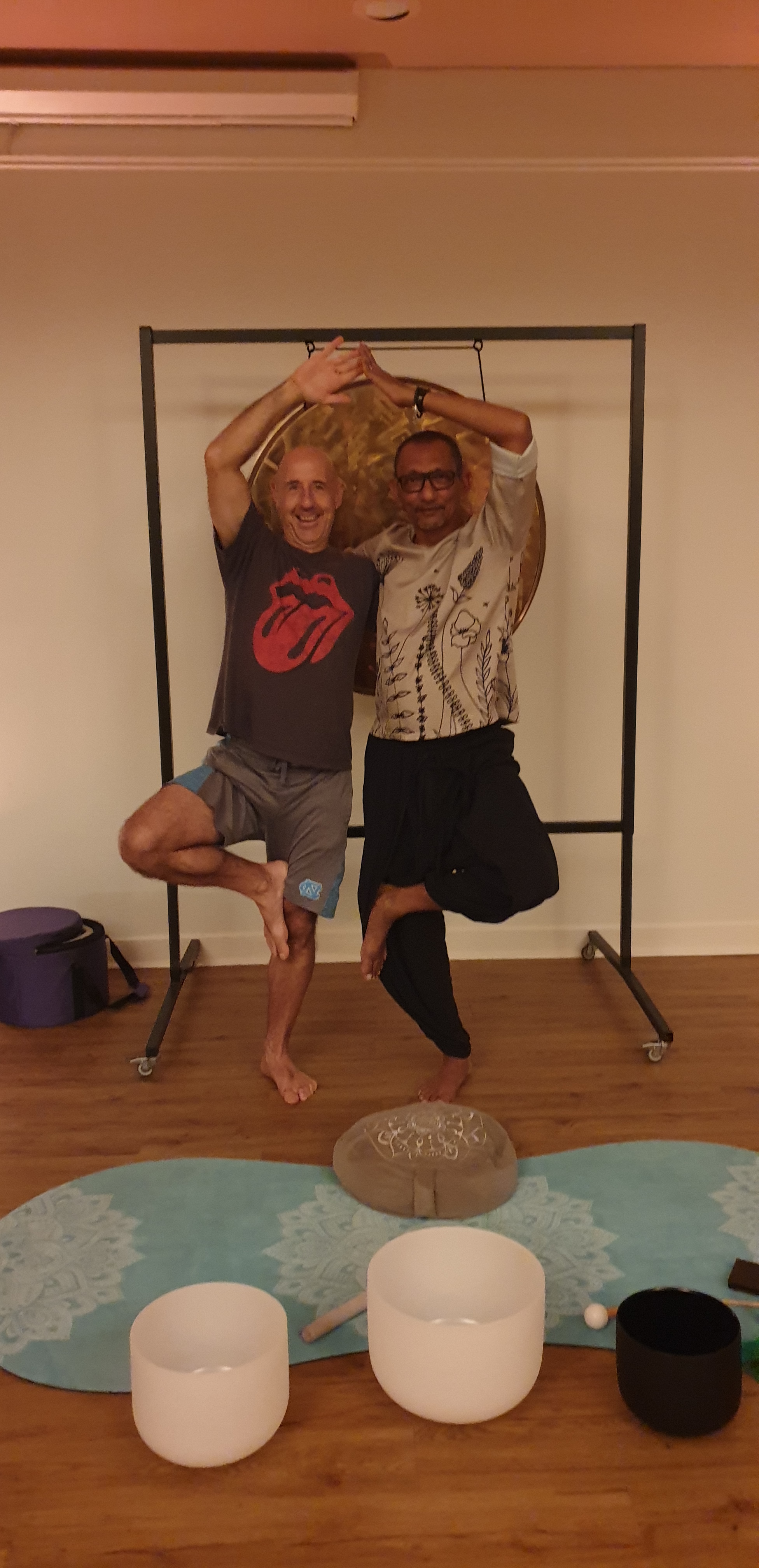
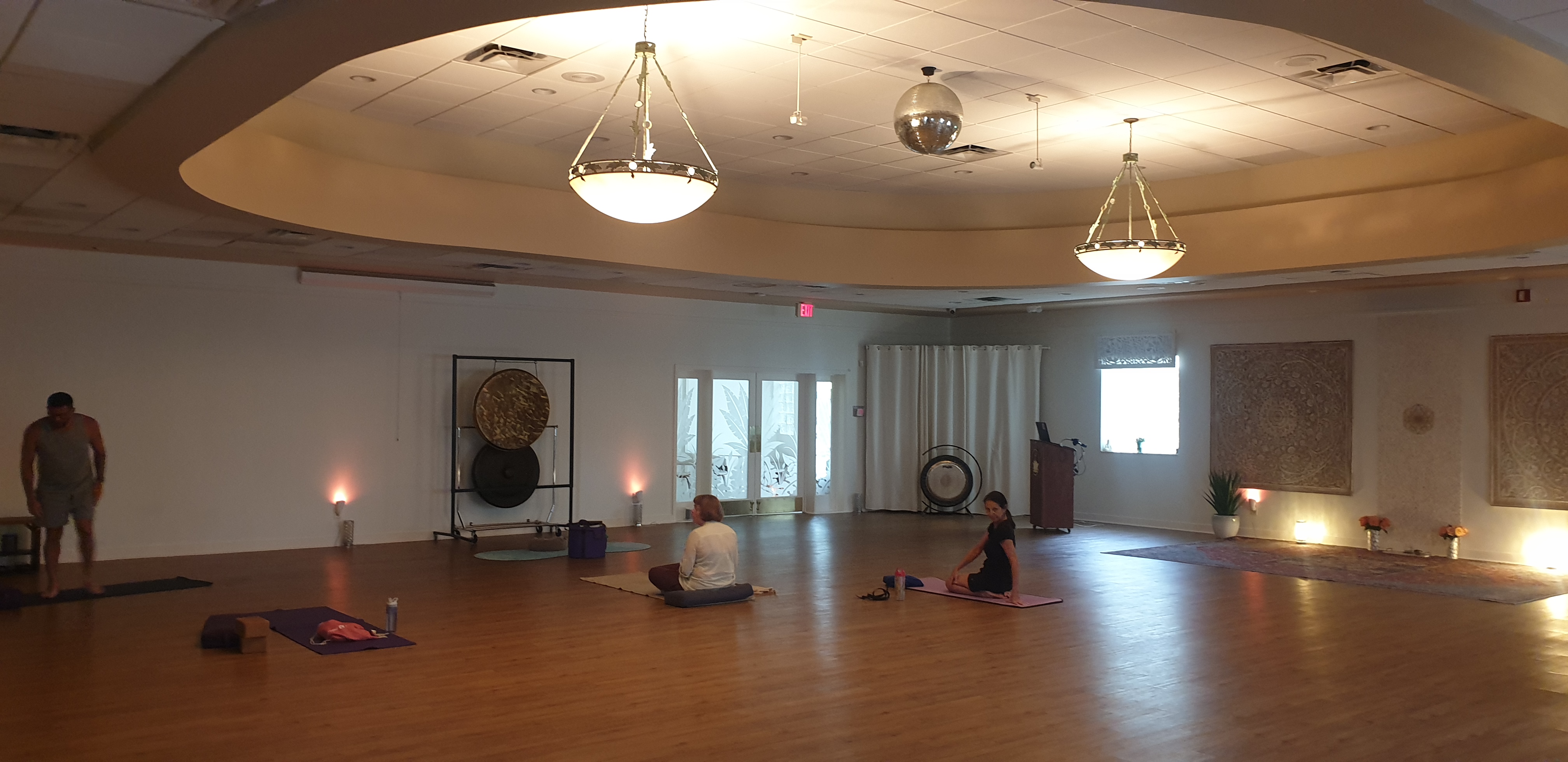
Find your blessings and then leverage them!

Yes, I live in a sort of self-imposed exile. No, I do not live in political exile like some of my friends. I do not live in economic or some other sort of exile; mine is occupational. I cannot do the work I do here at home. On top of that, it is no secret that for me, South Florida has very few redeeming qualities. So I could live a bitter and resentful life. However, I try to find the positive and leverage it.

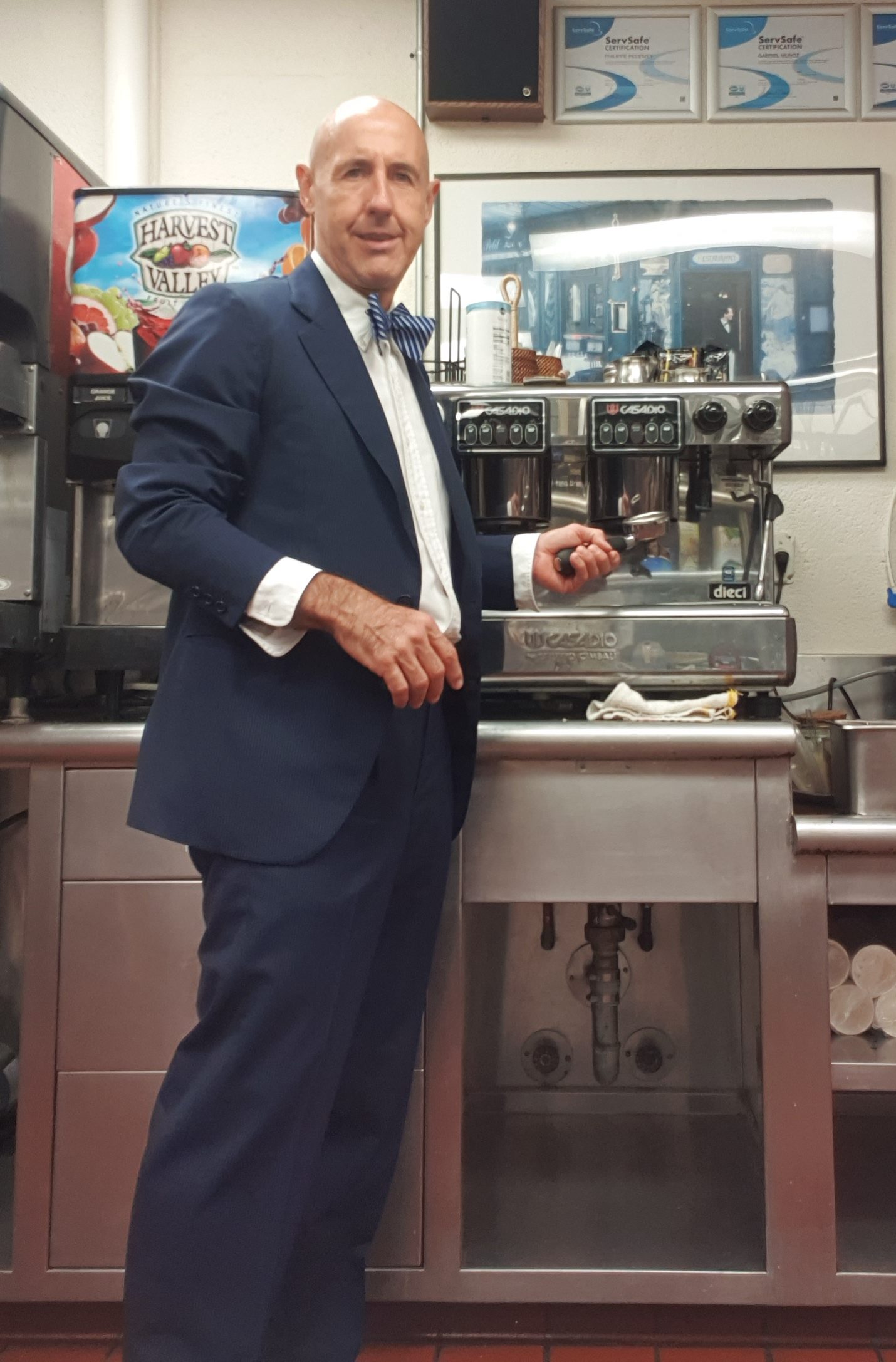
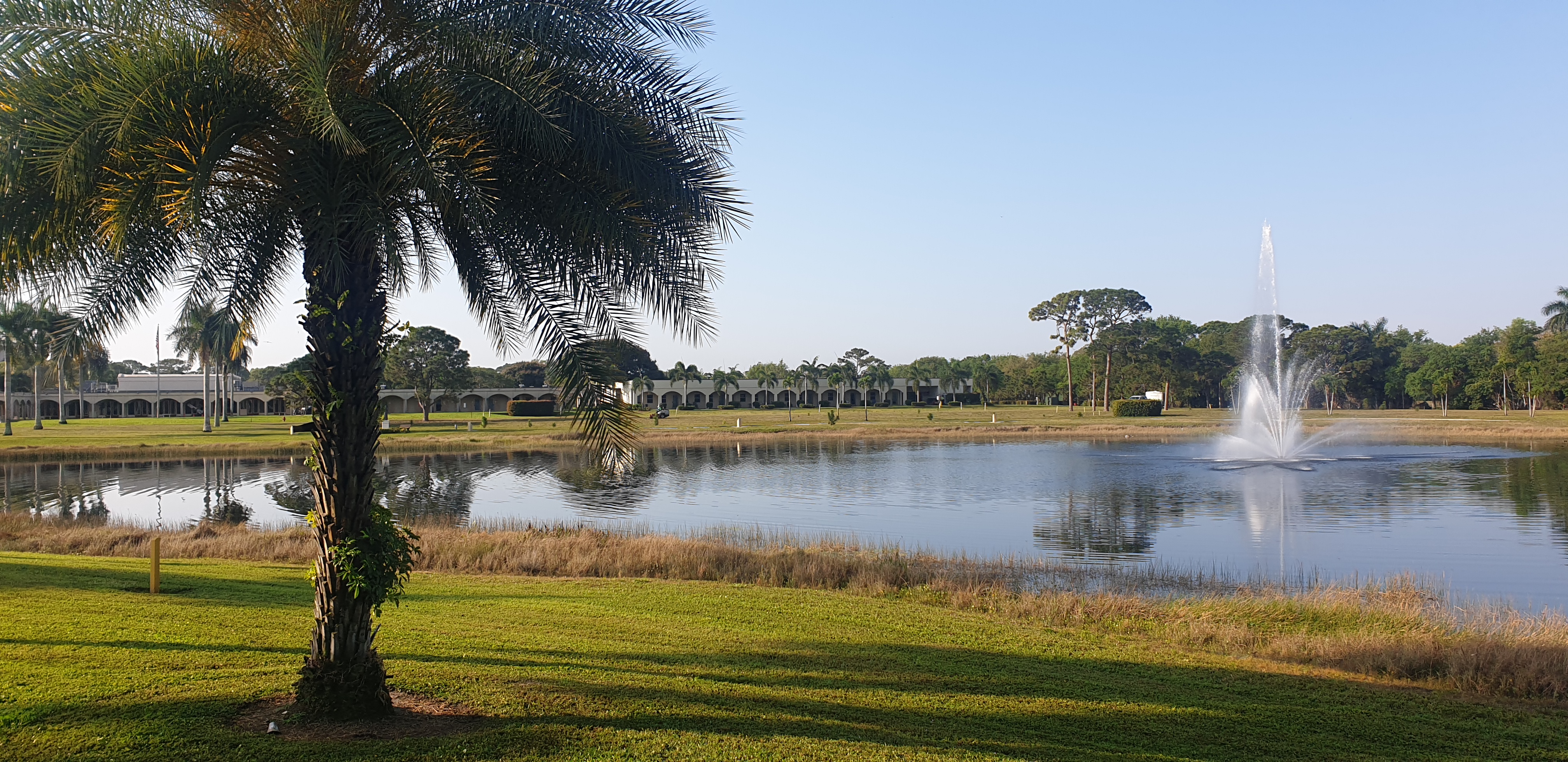
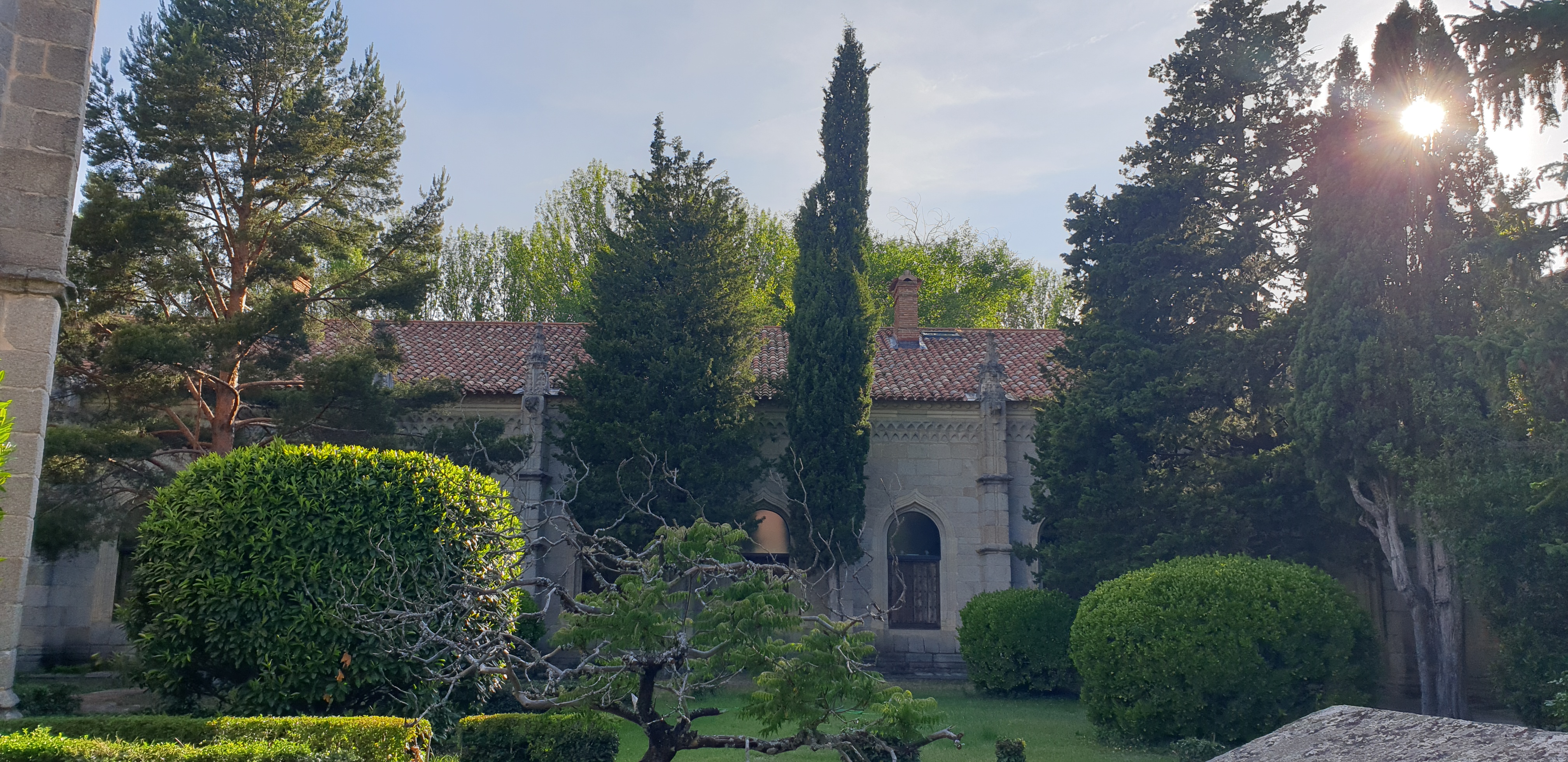
One of the many blessings I enjoy every day is walking from my office, across campus to the refectory, where I make myself a coffee with steamed milk in a professional espresso machine (and grab a cookie to dunk). We have a 73-acre campus which used to be an emergency landing strip for WWII pilots learning to fly out of what is now Florida Atlantic University in Boca Raton.

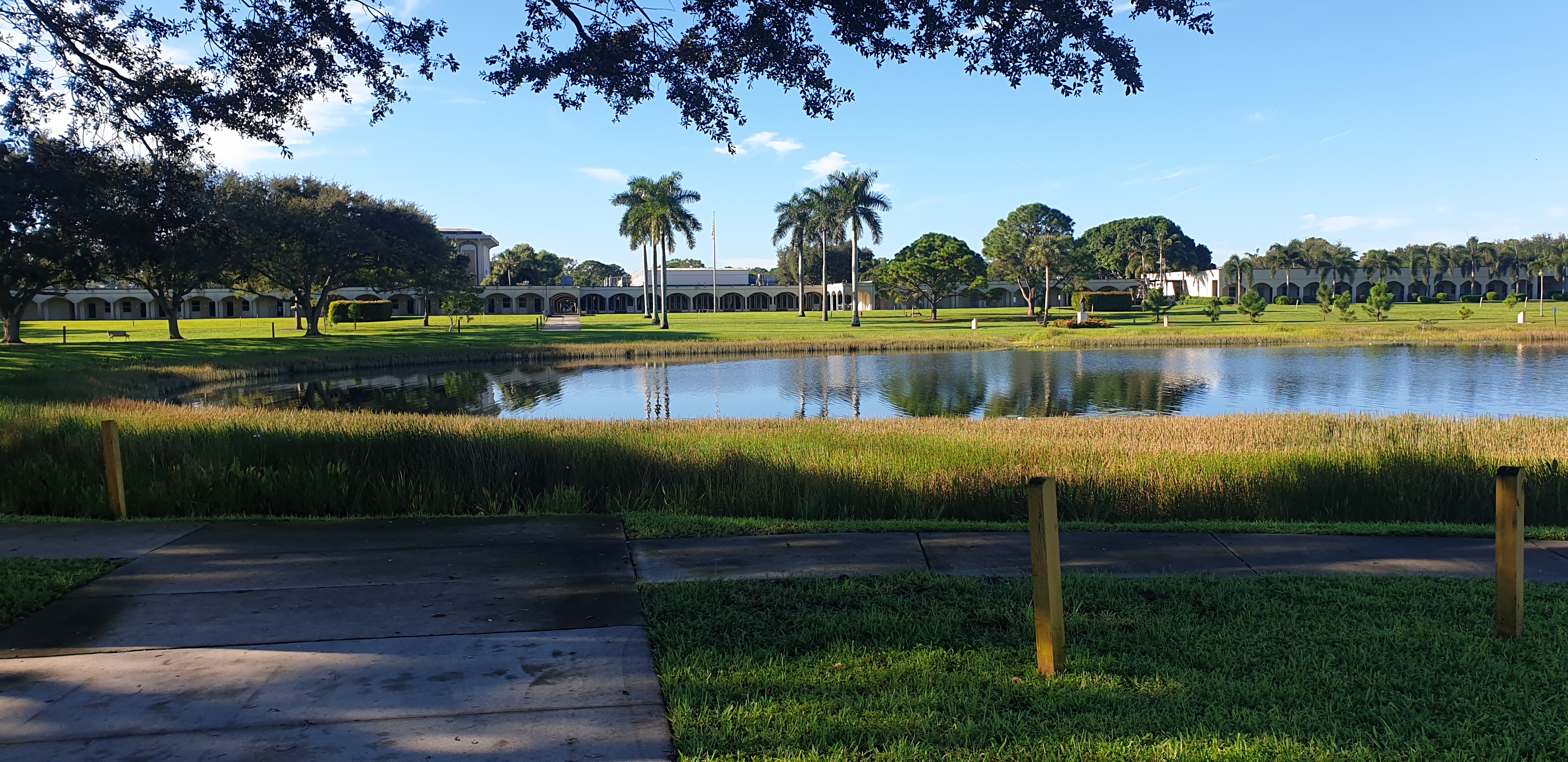
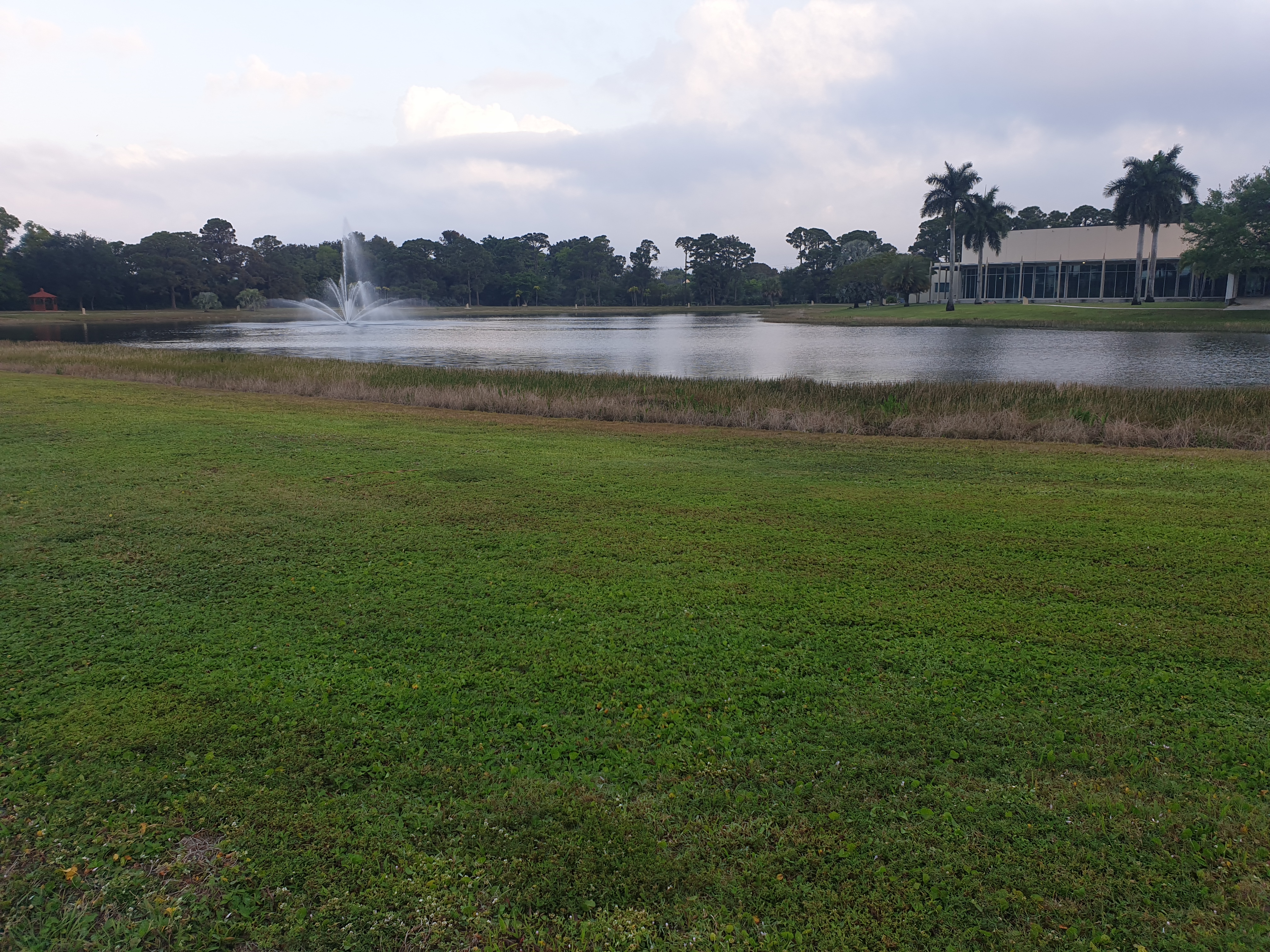
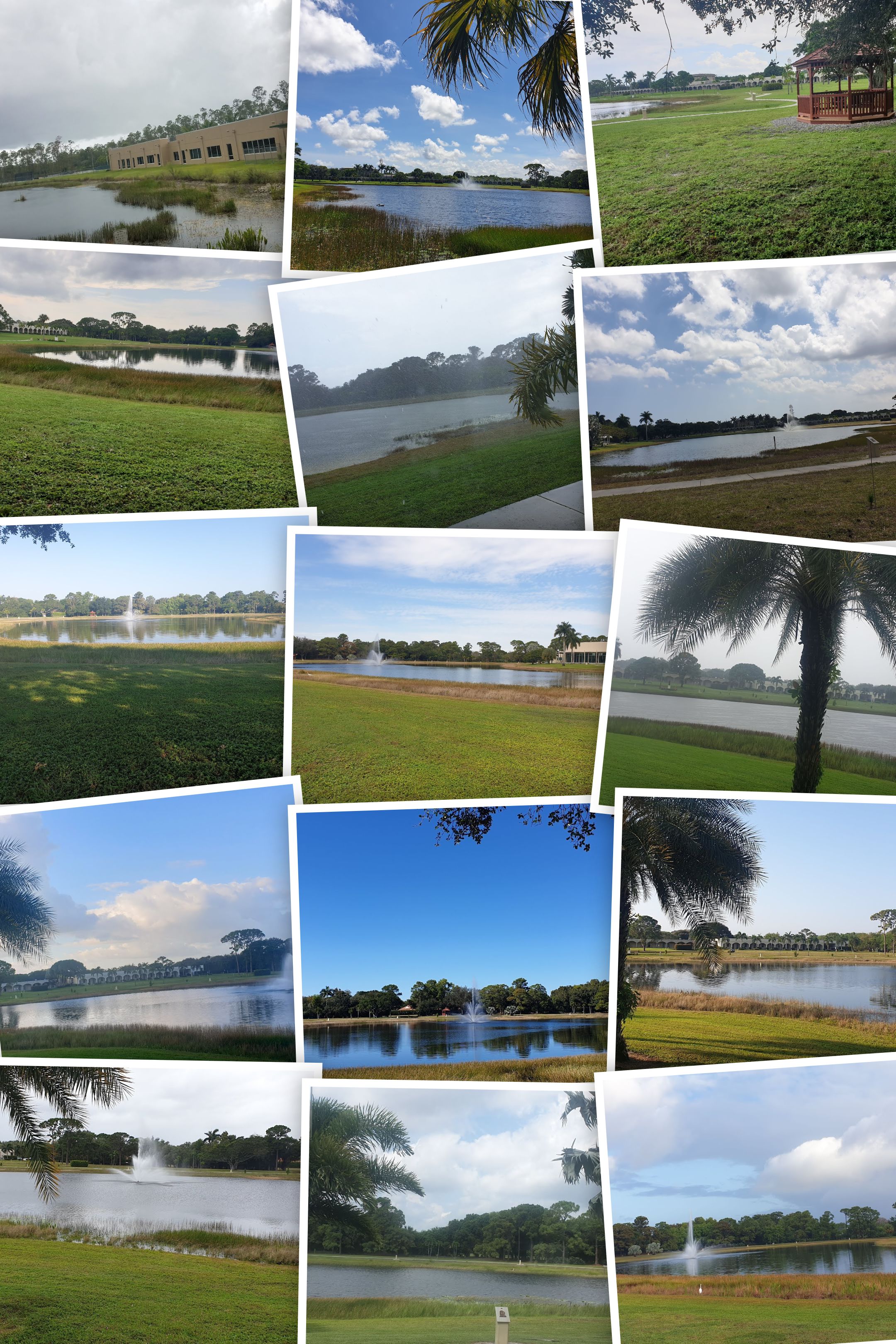
About in the middle of our campus is a lake with a fountain, plenty of fish, and a wonderful path around it! So every morning I walk along the lake, and it is beautiful! Every day is different, cloudy, bright, rainy (this is Florida after all). There are all sorts of wildlife: birds, squirrels, and, if you are lucky, turtles!!

That walk is my first meditation of the day; it is a walk of thanksgiving, of gratitude, of joy, it is splendid!

So, while I could be doing that walk moaning and complaining that I am not home, I choose to enjoy that walk and thank God. I invite you to find your blessings and leverage them. You are welcome.

Lake collage

A morning in Toledo.

Since we had gone to the Puy de Fou night show the evening before, and the theme park does not open until noon, Celia and I recently found ourselves with time to kill in Toledo on a Saturday morning.

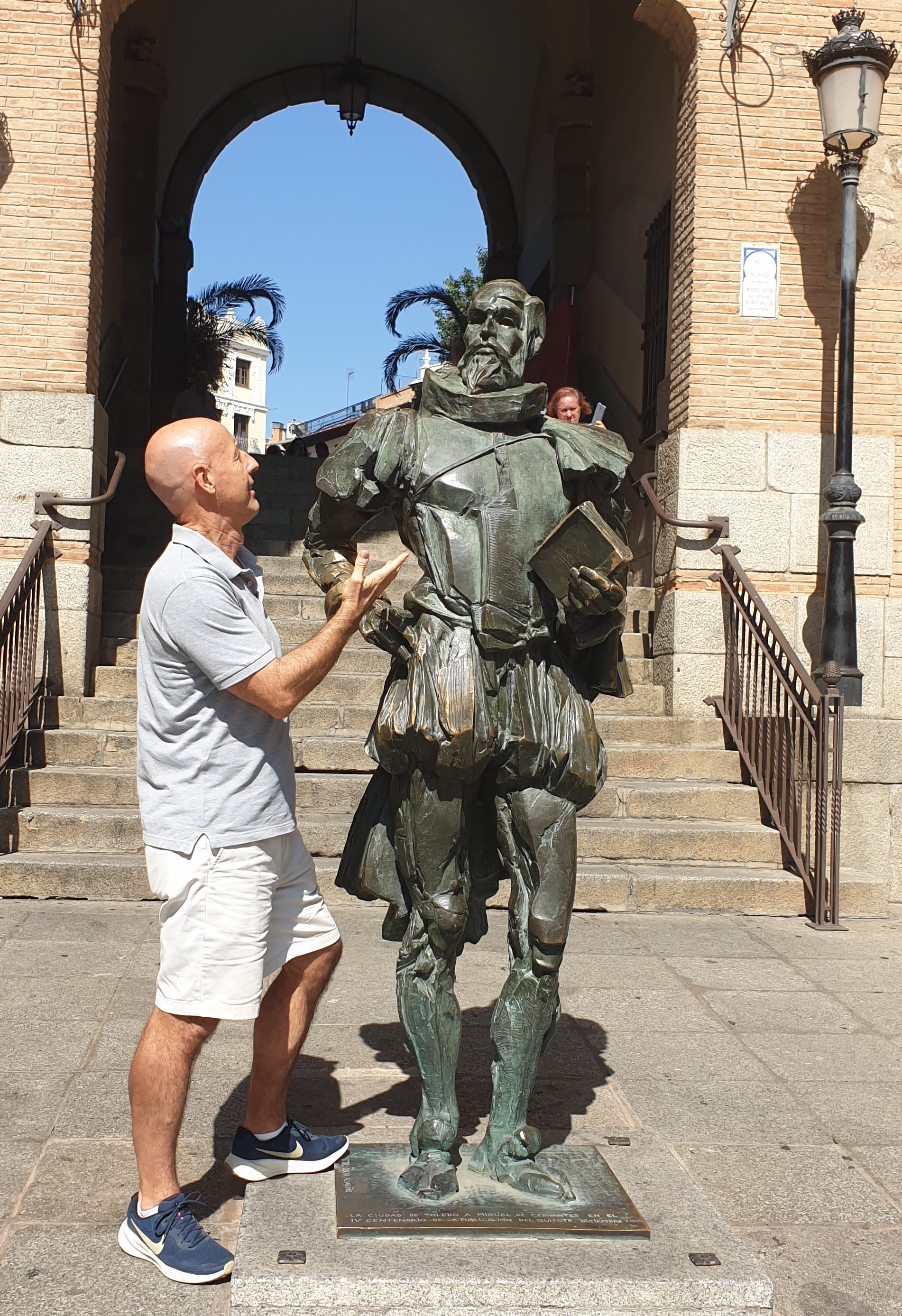
Our first stop was the Santa Fe Roberto Polo collection, which hosts the Centro de Arte Moderno y Contemporáneo de Castilla-La Mancha. This is a huge ancient church complex featuring Roman ruins, gorgeous, intricate ceiling paneling, and a beautifully delicate chapel, which is mixed with ridiculous modern art pieces that only add to the beauty of the old pieces and underscore the stupidity of the modern ones.

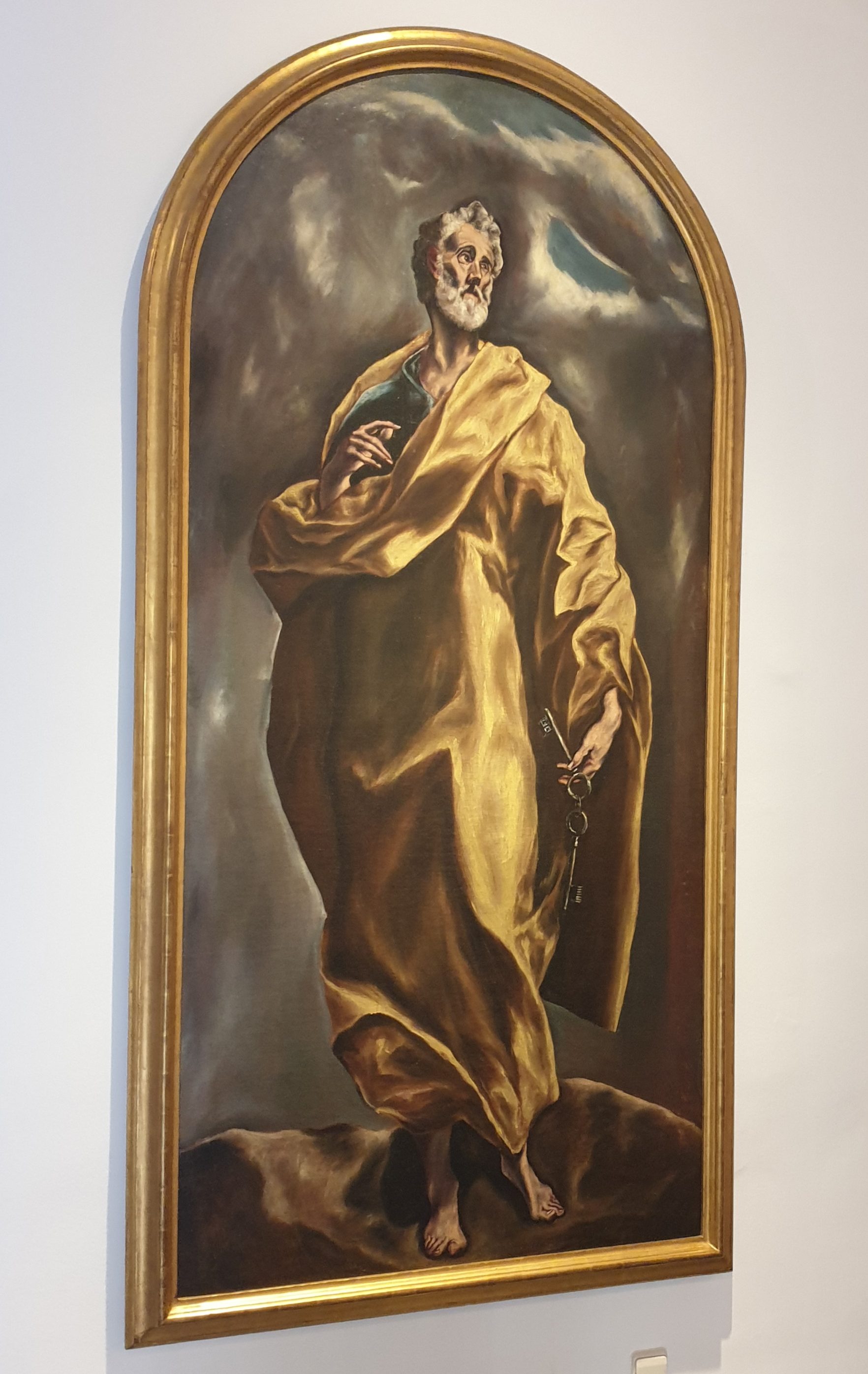
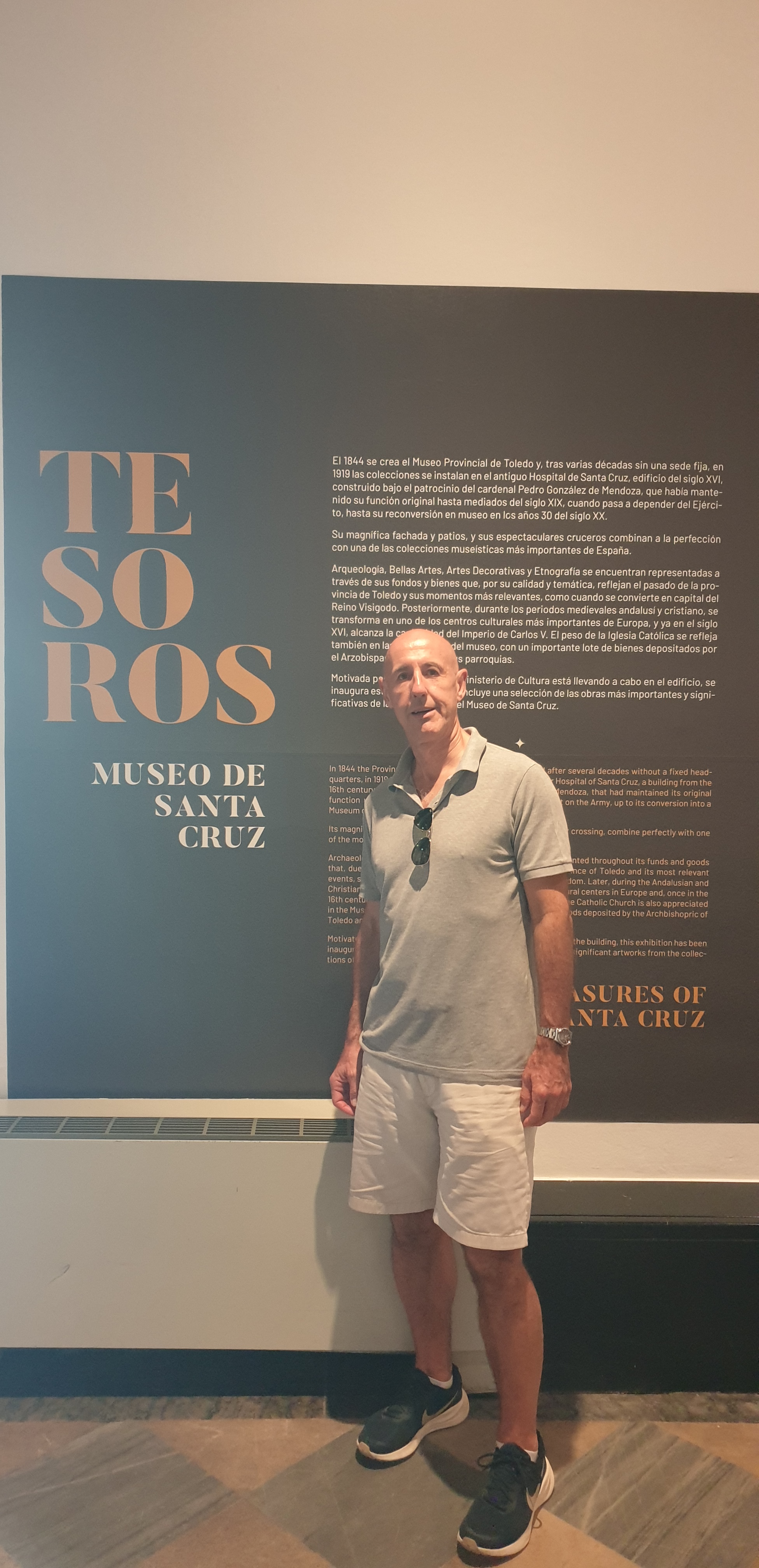
From there, we turned the corner to the Santa Cruz Museum, an astonishing Renaissance structure that once housed the late medieval Children’s Hospital. To our surprise, there was a phenomenal exhibit of fairly random pieces, including a feared pre-Roman falcata sword. But the real star of that exhibit was an El Greco painting of St. Peter, where I had a bit of a Stendhal moment —amazing!

From there, we had time to walk across Zocodover Square, almost down to the Cathedral, before turning up on Trinidad Street to the Capilla de la Inmaculada Concepción for a moment of quiet contemplation and meditation (did you know that you should be meditating?). This chapel has perpetual adoration, which means that it is open 24/7 for people to pray. It is a quiet oasis in the tourist frenzy that is Toledo.

After that, we had to get back to the car to head out to Puy de Fou for a hot, blistering day of fun. You can read about that here.

The amount of mind-blowing, beautiful, culturally enriching things you can do in Toledo is almost limitless. That Saturday, that is what we came up with.

You should be meditating.

Stop, inhale, focusing on the air entering your nostrils or your lungs. Exhale, focusing on the air leaving your lungs or your nostrils. There, you did it!! For a brief time, you didn’t worry about what’s for dinner, your bills, the weather, what you were going to tell your boss, your customer, or your friend. You didn’t think about politics, and you weren’t scrolling through social media. You had a moment —albeit a very short one—of meditation. The trick is to do that exact exercise with your breathing for 5, 10, 20 minutes, or half an hour. The longer you do it, and the more often you do it, the better you will feel.

My dear friend Paco encouraged me to try meditating while I was in a deep, dark depression over ten years ago. It was not easy for a hyperactive fellow like me to embrace it, but now I cannot live without some quiet time every day. And although I have written about meditation here before, it was usually in passing while talking about health and mental health in general.

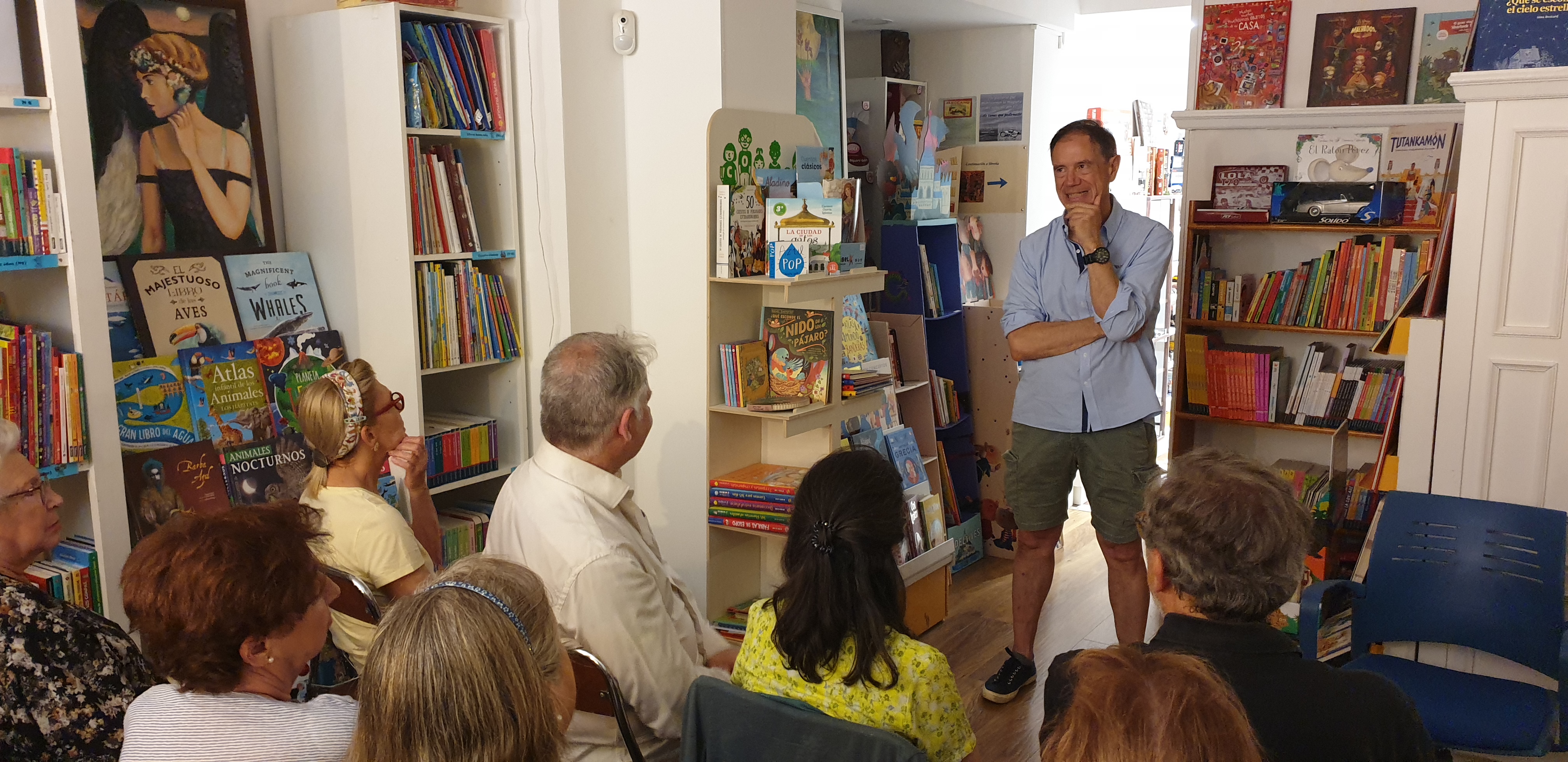
This all comes to mind because I recently had the opportunity to see and hear Paco give a presentation on Christian Meditation at the Antonio Azorín bookstore in El Escorial. He filled the room and had a wonderful talk. I originally thought the attendees were curious about meditation, but during the Q&A, I realized some of them were very advanced, although from different “schools” of meditation —see below.

There are many labels for meditation, just like there are many different philosophies and methods: Mindfulness Meditation, Mantra Meditation, Zen Meditation (Zazen), Vipassana Meditation, Transcendental Meditation (TM), or Body Scan Meditation. The ancient Fathers and Mothers of the desert, the early Christians, also developed a method of meditation which nowadays is called Christian meditation, or even centering prayer. Some recent Catholic proponents of meditation might be Thomas Keating, Thomas Merton, or Richard Rohr.

Whichever way you choose to sit down in silence is fine. Of course, nowadays you can use an app on your phone to time your sits, or to guide you. I have been using Insight Timer for years, and I love it!

Every class I teach at school starts with one minute of silence. This time is a buffer between whatever the students were doing before and class, between English and Spanish; it is a moment to regroup, to breathe, and for me, it is a minute of meditation.

Recently, Maria Popova also wrote about the importance of spending time alone and in silence, not exactly meditation, but close to it. Check it out here.

So carve out a few minutes from your day: when you wake up, before you go to sleep, in the middle of the day, or, paradoxically, if you are really busy, more than once a day. Whatever works for you, sit down, and start focusing on your breathing. You are welcome.

Oh, you should definitely check out this video of Villanova’s Fr. Martin Laird on the benefits of meditation. It is a bit long, but worth it!!

The Marginalian by Maria Popova, a blog about a blog, would that be a metablog?

As a blogger myself, I must admit that I do not subscribe to many blogs, newsletters, etc., just a handful:

Although not technically a blog, I get the Center for Action and Contemplation’s Daily Meditation, originally written by Richard Rohr, but as he is getting older, it is now written partly by him but also by the CAC team. Check it our here, and subscribe!

Every week I also get Un salto a Galicia about travel to the northwest corner of Spain, Galicia. (Click here)

But what I want to talk about today is The Marginalian by Maria Popova.

Every week Popova writes brilliantly about how an author talks about certain things. Some recent examples are:

Philosopher R.L. Nettleship on Love, Death, and the Paradox of Personality

The Poetic Physicist Alan Lightman on Music and the Universe

Iris Murdoch on Unselfing, the Symmetry Between Art and Morality, and How We Unblind Ourselves to Each Other’s Realities

Dervla Murphy’s Fierce and Poetic Account of Traversing the World on Two Wheels in the 1960s

Popova combines her own beautiful writing (yes, this hack is jealous) with quotes from the authors featured and gorgeous illustrations. It makes for an enlightening read.

Popova is so inspiring, that I have added her Wednesday email into my reflection time, my mediation, my Lectio Divina, if you will.

If you are not yet subscribed, I cannot recommend it enough. Check it out here.

You are welcome.

Art as meditation, Sphinx Virtuosi

Richard Rohr recently explained in his daily email about the transformative power of art (see below). Although this is something we have known for a long time, I was just thinking the same thing recently.

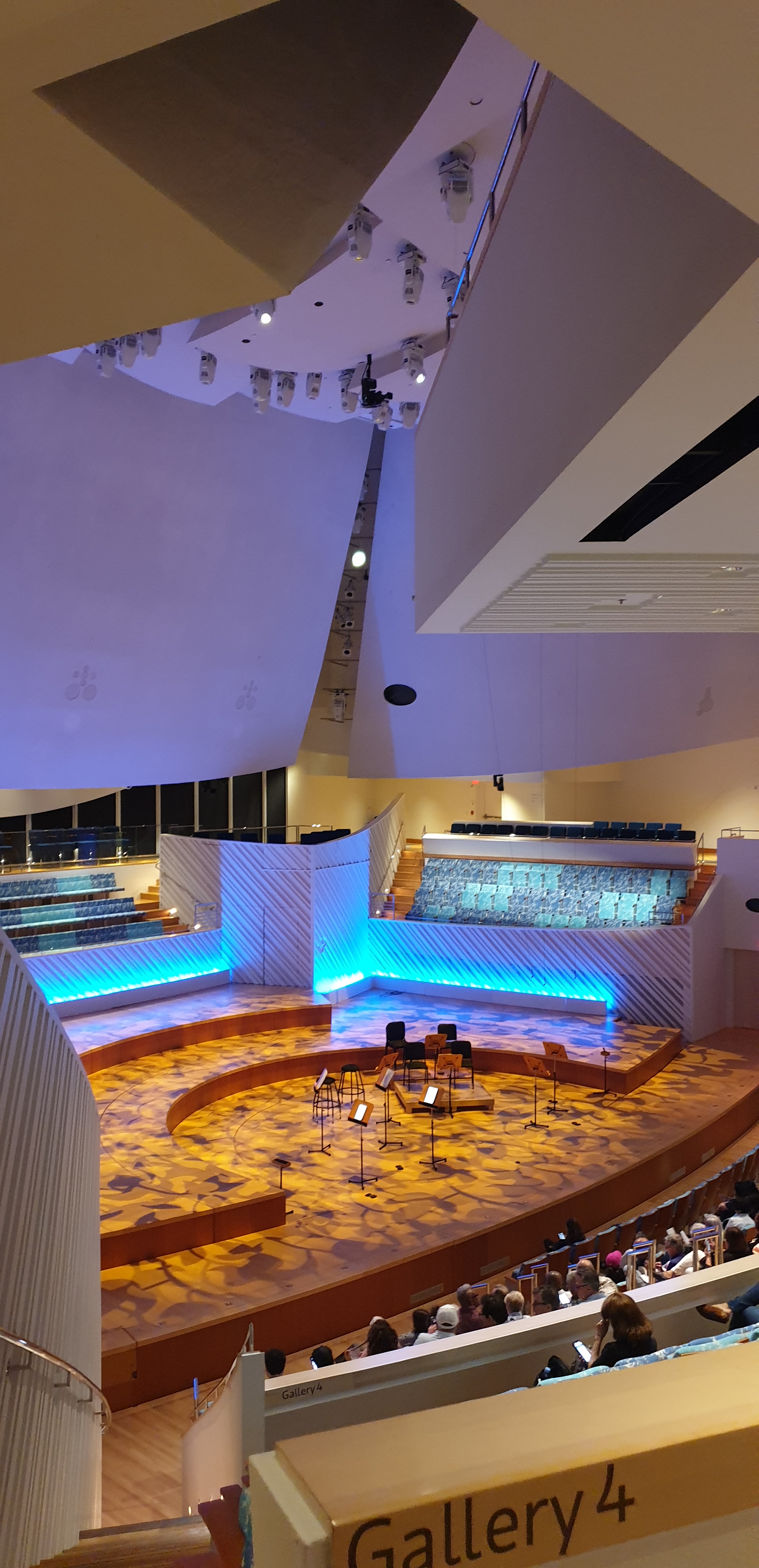
My dear friend, old student, Film Club founder, and overall formidable fellow, Guillermo recently invited me to see him perform with his orchestra, Sphinx Virtuosi, at the New World Center in Miami.

When the art hits, when it envelops you, your attention is focused on the art. You are not thinking about bills, work, what’s for dinner, etc. At that moment, at that point, you are as close to the divine as you are possibly going to be. The beauty of this moment is that it happens without conscious preparation, you just hit the moment, and it is beautiful.

The Sphinx concert featured their amazing musicians, all of which are at the top of their game, with musicians, fellows, from the New World Orchestra in a fluid collaboration. William is not my only old student playing in the Sphinx Virtuosi, Tommy Mesa whom I have mentioned before (here) and Celia Hatton who, like Guillermo, plays the viola, were also my students. Having a drink after the show I met Canadian-Caribbean violinist Maithena Girault.

So go immerse yourself in art, the more you appreciate art, the more chances you are going to have of being transformed by it. It could be a concert, in a museum, any form of art has the power and potential to elevate you. Be open to it.

You are welcome.

On the importance of silence.

Here is a paradox: We are surrounded by silence, and yet we choose not to listen to it. Our lives are lived at full volume all the time. Our devices keep chiming, beeping, buzzing. My new pet peeve is when you are having a conversation with someone, and they keep looking at their (smart?) watches to see all the notifications coming in. They might be physically in front of you enjoying (¿?) a coffee, but their attention is on everything coming into their watches!
I like to think of myself as a minimalist (although my recent move demonstrates that I am not very good at it –although I try). I live alone, no TV, no pets, and yet I make my breakfast watching the previous night’s newscast on my tablet. I check out the news, this blog’s stats, incoming emails, the weather, Facebook and Instagram (follow me on Tonxob) on my different devices a few times a day. But I do try to listen to the silence: more and more: in the car I do not turn on the radio nor CD (yes, it is old like me), I do not listen to my earphones at the gym nor when I am running, walking or paddling, and of course I meditate a few times a day, where one is dealing with the noise inside the head. In the mornings I walk across campus to make myself a coffee, and that five minute walk by the pond has enough silence to carry me until lunch. In my classes we start with a minute of silence, just to center ourselves and transition to Spanish. You have to make the effort to find the silence or the noise will eat you up!

This post comes about because one of my students recently asked me to help him with an independent study translating Cuando todo calla, El silencio en la Biblia by my colleague and exiled Bishop of Managua Silvio Baez. I also recently picked up Shusaku Endo’s novel Silence, just because of the title!

But I crave silence. I miss the school assemblies at Seacrest Country Day school when we would sit in a Quaker circle and only speak if we were so inspired (although it was not a religious school). I miss the silence of the Camino, of the Paular Monastery.

It takes practice to listen to the silence, oh but the rewards, the clarity, the peace are totally worth the effort. Try it!

Here is a beautiful video on the rewards of listening to silence. It is Villanova’s Fr. Martin Laird’s chat : Out of silence something is born that leads to silence itself. It is a bit long, but definitely worth it

Yes, you need a silence and meditation retreat,

Unless, of course, you are a Zen master or a monk or a nun. This is my third such retreat, but my last time here was in February of 2020, the week right before the Covid lockdown. Since then, I started a new job far away in Florida which means I only come to Spain for the holidays and that time is pretty busy with family, friends, chores, etc. and although I had been meaning to get out here, things do not happen unless you make the commitment, so here I am.

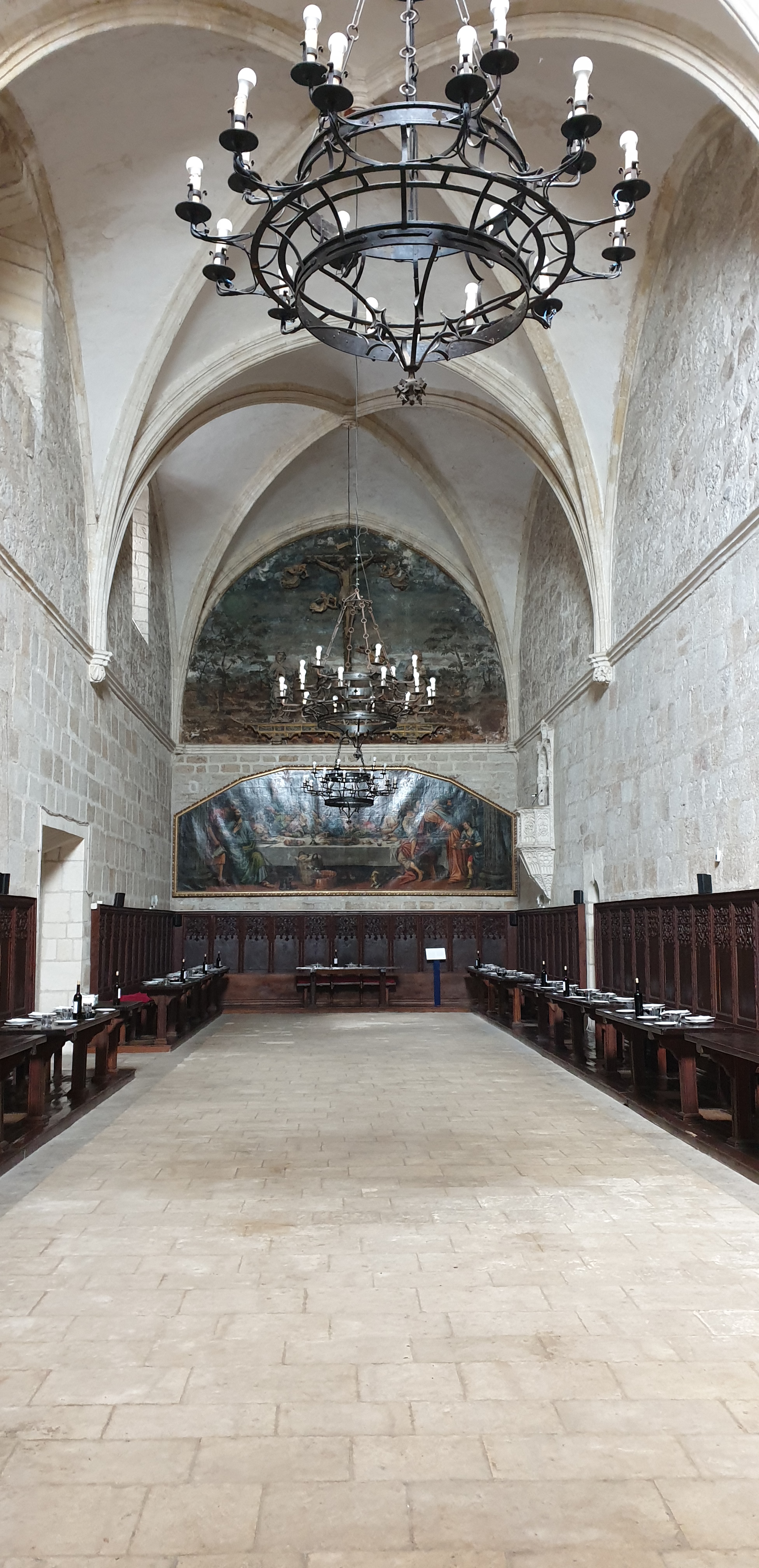
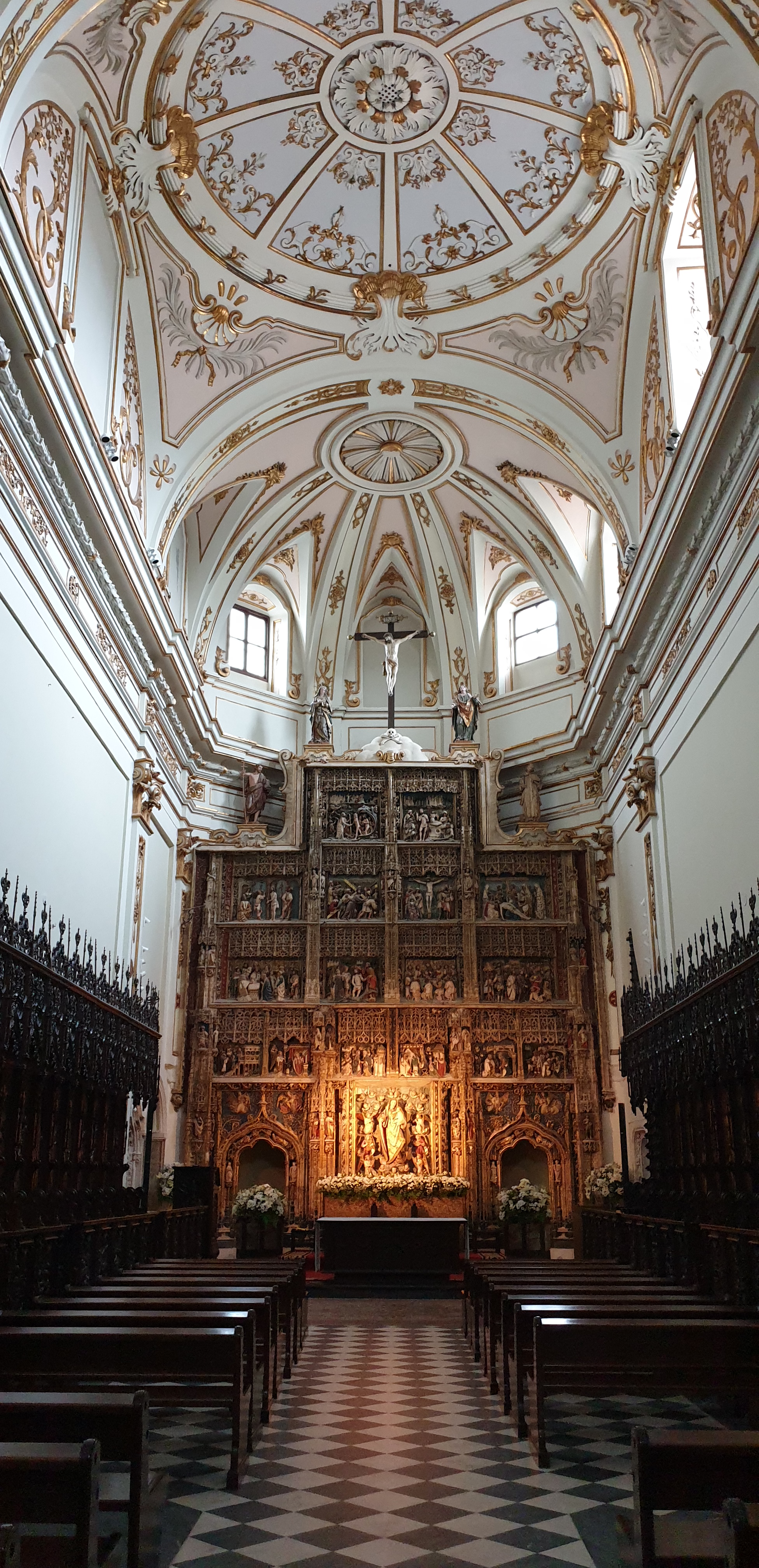
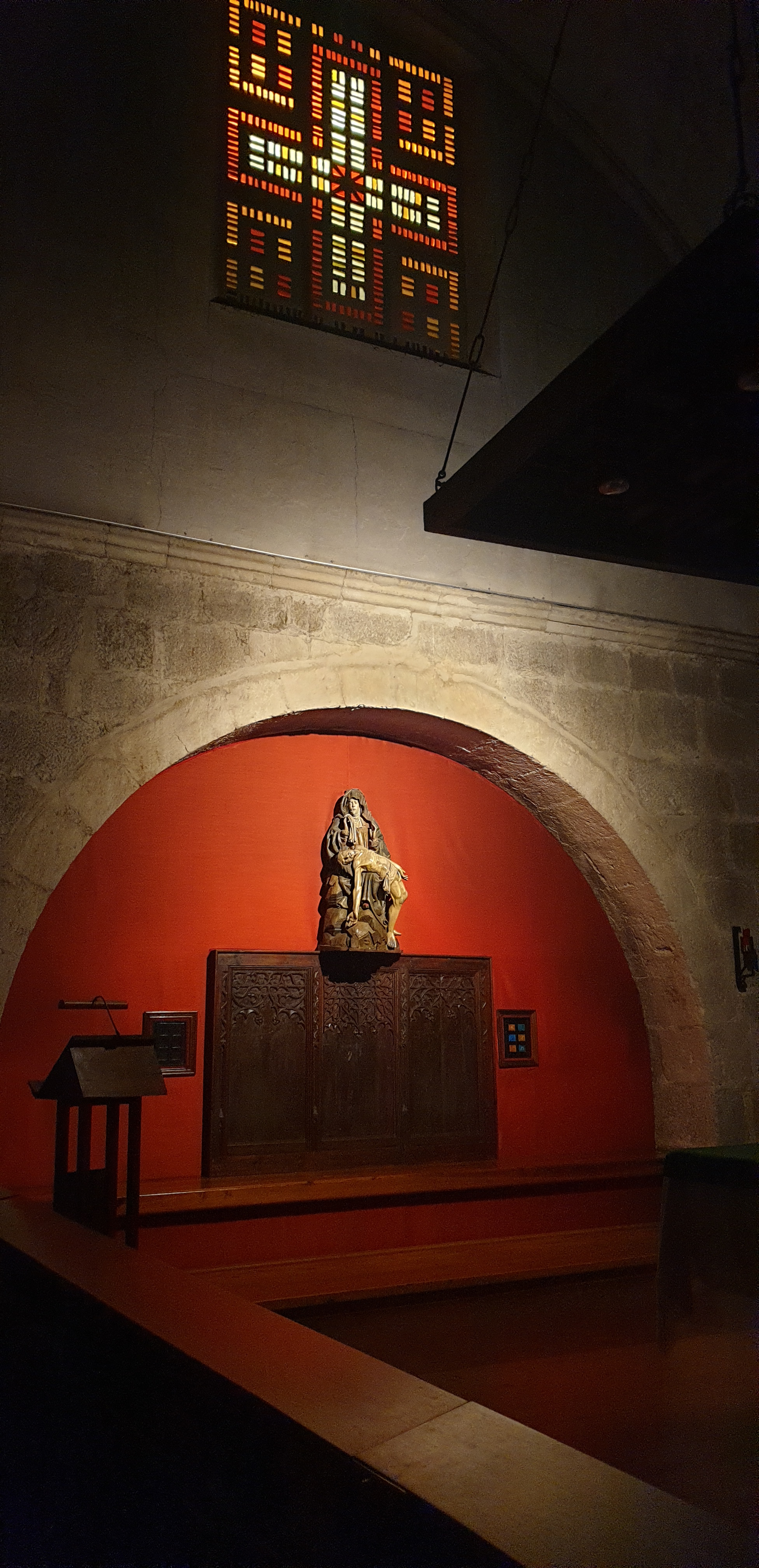
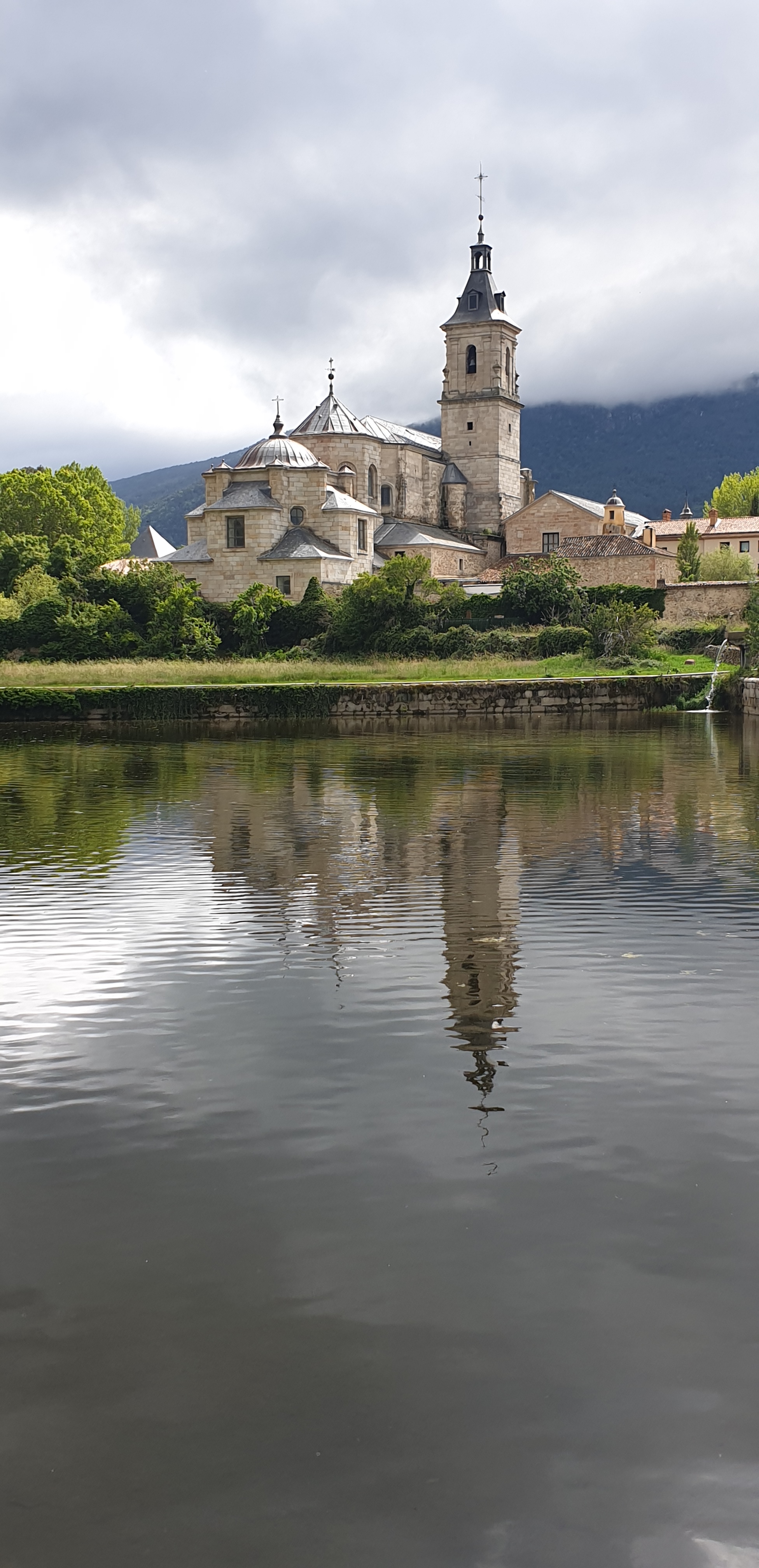
El Paular monastery is an ancient (1390) Medieval monastery built in the confluence of two or three streams where a hermit used to live. The monastery was originally of the Carthusian order, but it got dismantled in the 19th Century and re-started again in 1948 under the Benedictine order. It currently has eleven monks, which is a couple more than when I was last here!

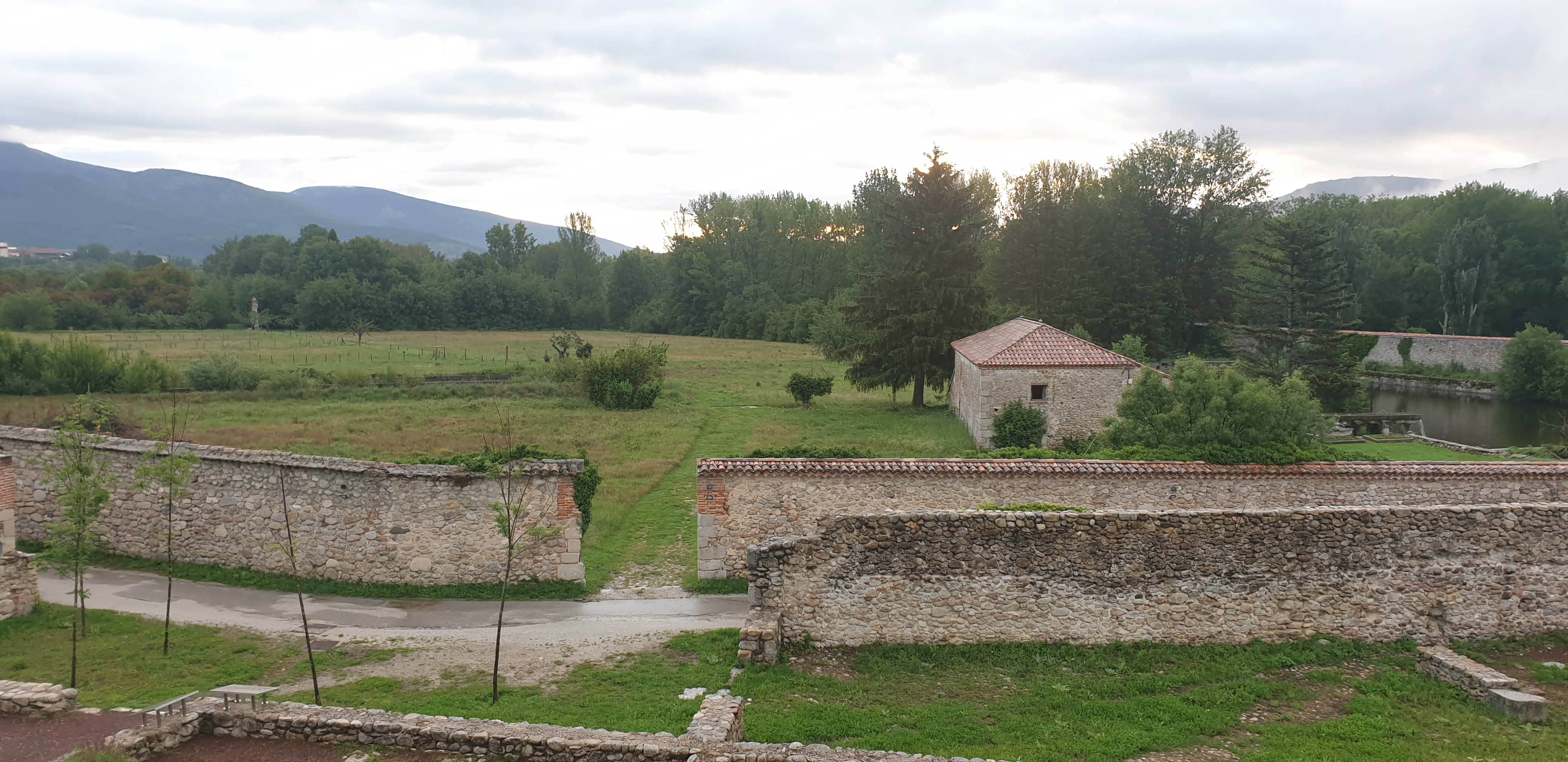
The journey here brings you over the mighty Guadarrama mountains, specifically the 2000mt Navacerrada pass. That is your first threshold, leaving Madrid far away. The descent on the other side is your second signal that you are entering a new world. And then, there you are, face to face with what used to be a massive monastery, which is now a fraction of what it once was, but still beautiful and awe inspiring.

The first thing you notice stepping into the cloister is the silence, there are no TVs, radios, music, nothing other than the birds chirping. Then you notice the rhythm, the pace. There is no rush here, everything works pretty much the same way it did over six centuries ago. Then you notice the massive 52 Vicente Carducho paintings depicting the history of the Carthusian order!

As for the retreat, you get a cell which is a perfectly nice room with a bed and a desk, and a bathroom with great water pressure and even better views of the mountains!

You are encouraged to pray with the monks five times a day:

6:30 Maitines

8:00 Laudes before breakfast

2:00 Sexta before lunch

8:00 Vísperas before dinner

10:00 Completas

One does not talk with the monks unless the monks talk to you, which when they do is briefly. You eat your meals in silence in the refectory -well, there is a reader, yesterday they were reading Merton’s biography!

Other than that, you are free to go walking in the mountains, or to the village a couple of miles away, but that kind of breaks the silence –unless you did not pack enough socks and you have to venture into the village to get some. You spend most of the day reading, writing, meditating.

The abbot is my spiritual director, so when I come, we spend some time talking. Padre Joaquín, like all the monks emanates spirituality, patience, love. Being in the presence of the monks brings down your blood pressure, after all these guys have the key to happiness. It is scientifically proven that monks are the happiest people in the world!

Yes, I have my phone, but it spends a lot of time just sitting in my cell. I take it with me on my walks mostly so I can take photos. This is the beginning of feeling free… (to be continued)

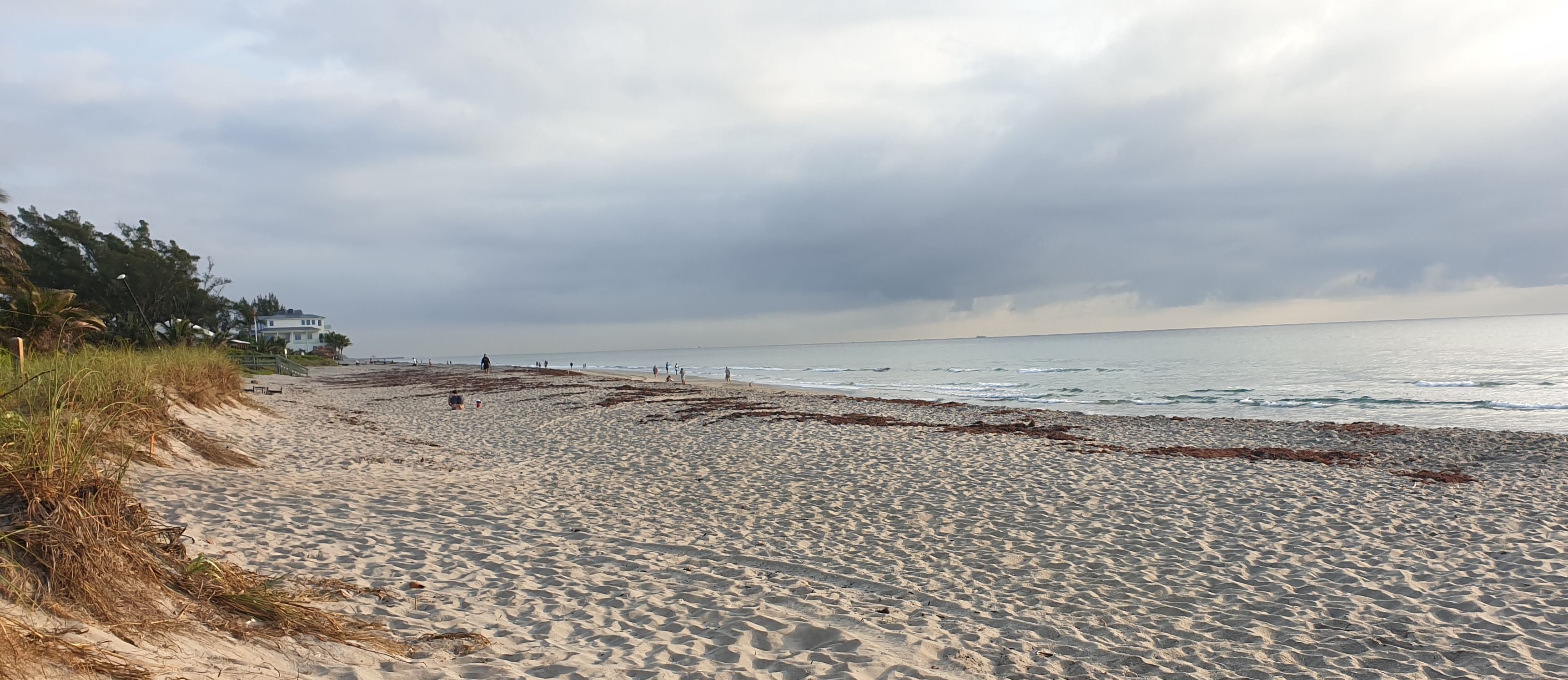
South Florida does have a redeeming quality: the ocean.

It is a well-known fact that South Florida is a suburban wasteland, with crazy development (Florida does not have income tax, so they compensate it with property tax, thus the constant building…). As you drive through South Florida it is golf course after residential development after shopping strips, again and again, for mile upon mile… However, there is one massive redeeming quality, yes you guessed it: the ocean.

I am privileged to live walking distance from the beach, and I try to go two or three times a week.

If it is my cardio day and the tide is low, I will go for a run on the beach. Alternatively, if it is my cardio day and the water conditions are good -something rare here, since there is usually rip tide warnings, Portuguese Man-O-War, chop, etc. etc.- I will go for an open water swim of about a mile.

On Sunday evenings, before yoga, I will go for a walk/meditation and with a big bucket, clean up the beach. The amount of trash one picks up is crazy, check out my report here.

At the beginning of the year a dear colleague took me Stand Up Paddling in the Intracoastal (read about it here), but recently we have been going out on the beach and actually surfing!! Although I have much to learn and I have only caught baby waves, it is great fun!!

In a very generous act. Fr. George gifted me the board I have been using recently, what an honor!

Finally, occasionally, I will just go for a walk on the beach, no bucket for picking up trash, no running, just a nice walk.

So, as much as I complain about Florida, I do love getting out on the water, or at least running next to it.

Happy New Year! San Silvestre Vallecana, fitness and wellness

Happy New Year to all my wonderful readers and followers!

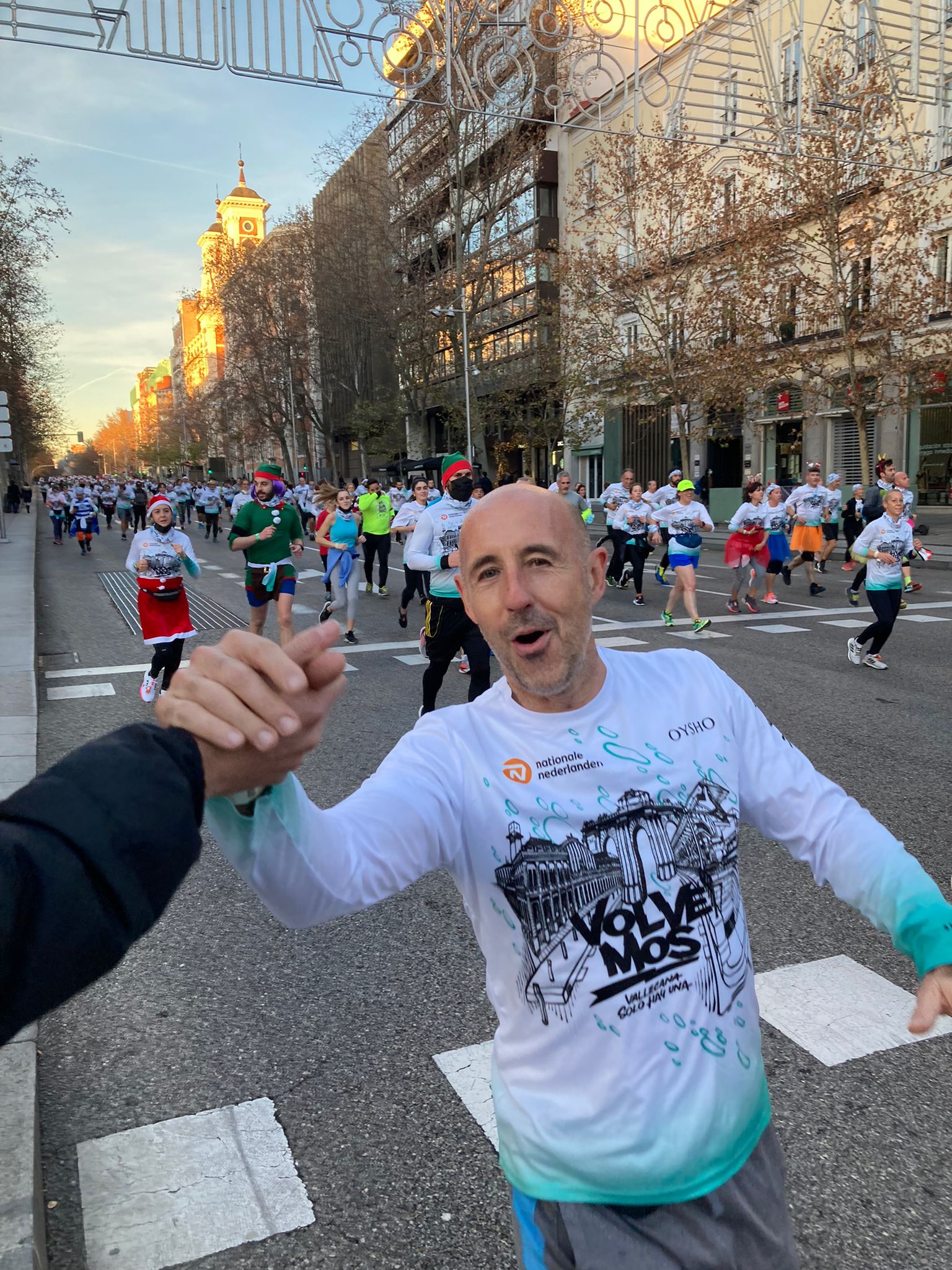
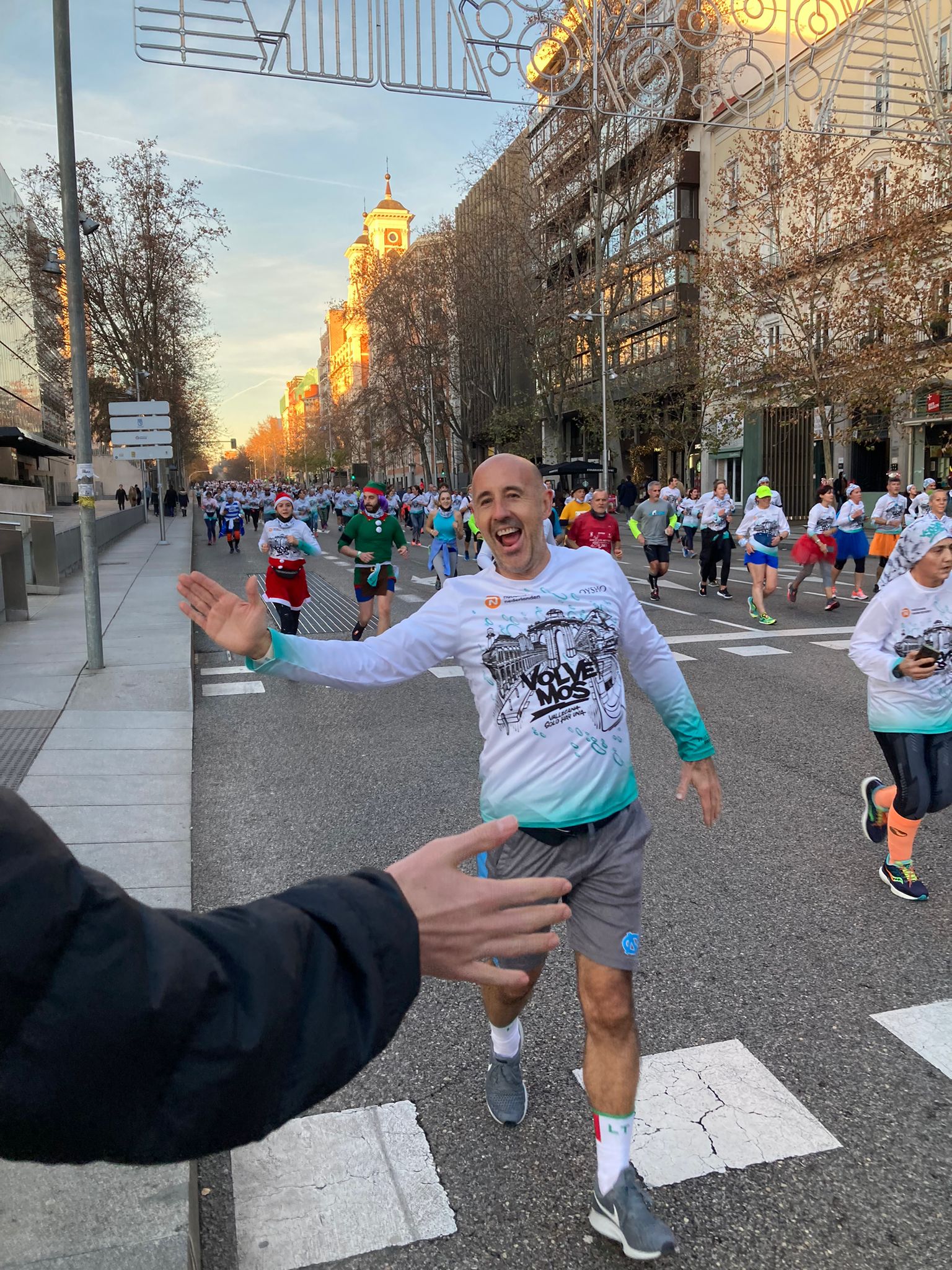
The San Silvestre was only ran by pros in 2020 due to Covid. This year the popular race was back on, and I ran it again!

For those of you who are new to my blog or to the San Silvestre, it is a 10 km race held on New Year’s Eve through all of downtown Madrid. It starts at Real Madrid’s Santiago Bernabeu Stadium and ends at Rayo Vallecano Stadium. This was my fourth running, and I did my best time yet 1:02, not bad for an old man.

The race, at least the Popular race is a fun run with great atmosphere, plenty of costumes and jokes, and although this year there were far fewer runners and spectators, it was still fun.

The San Silvestre is usually my only competitive race of the year, I usually cannot be bothered to get up early for a race. But this one is in the evening, so I have no problem!

Running is only part of my fitness and wellness routine. I normally do strength training every other day and cardio on the other day. Cardio ideally is running -in Boynton Beach I am privileged enough to be able to actually run on the beach, as energy zapping as it is, and in Madrid I have the Retiro Park close enough to run there. If the weather does not allow or it is dark, I do static bike, or elliptical, or treadmill, or God-forbid Ergo machine (rowing).

But just as important as moving your body there are other, just as key factors to keep in mind: eating healthy, mindfulness / meditation, rest, and sleep. I try to keep all aspects of my wellbeing in balance and will continue to try to do so in 2022. You should as well! Let me know any questions in the comments below. Let’s get going in 2022!!

Thanksgiving vs giving thanks

Delivering Thanksgiving meals

Sorry for participating in the Thanksgiving overkill, but I figured this was a good a time as any to write about this.

While I am a fan of giving thanks, I am not a fan of Thanksgiving. Thanksgiving is another exaggerated and incongruous element of American culture. The other 364 days money and work take precedent over gratitude and even family. I know this as I consistently survey my students to see how many have real sit-down dinners with family, few do. I do not celebrate Thanksgiving, but I try to be grateful every day. An example of this might be the daily gratitude diary that I have written for years now. It is quite simple and rewarding, here is how it works. Find a blank notebook and then you write:

Monday – Three things that you are grateful from the weekend.

Tuesday – A good thing that you did or that happened to you, now or in the past.

Wednesday – Write down a resolution… and then fulfill it!!

Thursday – Letter of thanks. To anybody dead or alive, real or fiction, whatever.

Friday – Three good things from the week.

Weekend – rest

I use this as part of my evening meditation practice, and I find it extremely calming and satisfying.

Now, back to Thanksgiving. While the holiday does nothing for me, I love how quiet it is! It is the quietest day of the year! So, I can go for a run or a walk, stay home and watch a movie, cook, or write my blog.

We are blessed at work, because our kitchen staff led by Philippe from Bordeaux cooks an amazing Thanksgiving dinner for lunch a few days before the break, so I do get my share of turkey, stuffing, pies, etc. Also, this year my friend Manuel invited me on Friday to have dinner with his kids, so that was fun.

This year I celebrated Thanksgiving by delivering dinners to low income or sick people. It was organized very well by my parish, and I drove around all over Boynton Beach delivering meals. People were really grateful, which made it all worthwhile. Oh, for myself? I cooked some killer spaghetti!!