Ávila, a great excursion from Madrid

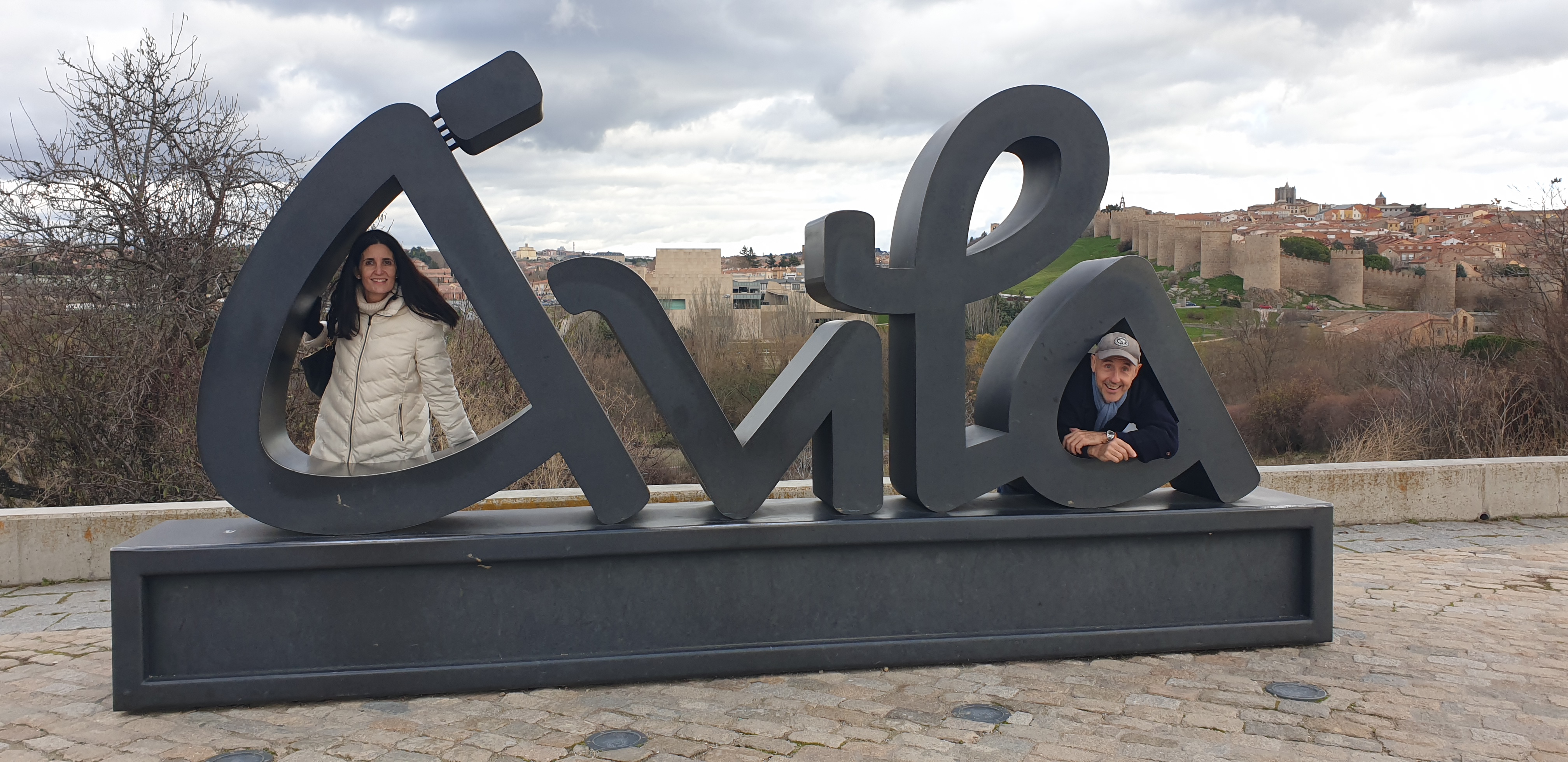
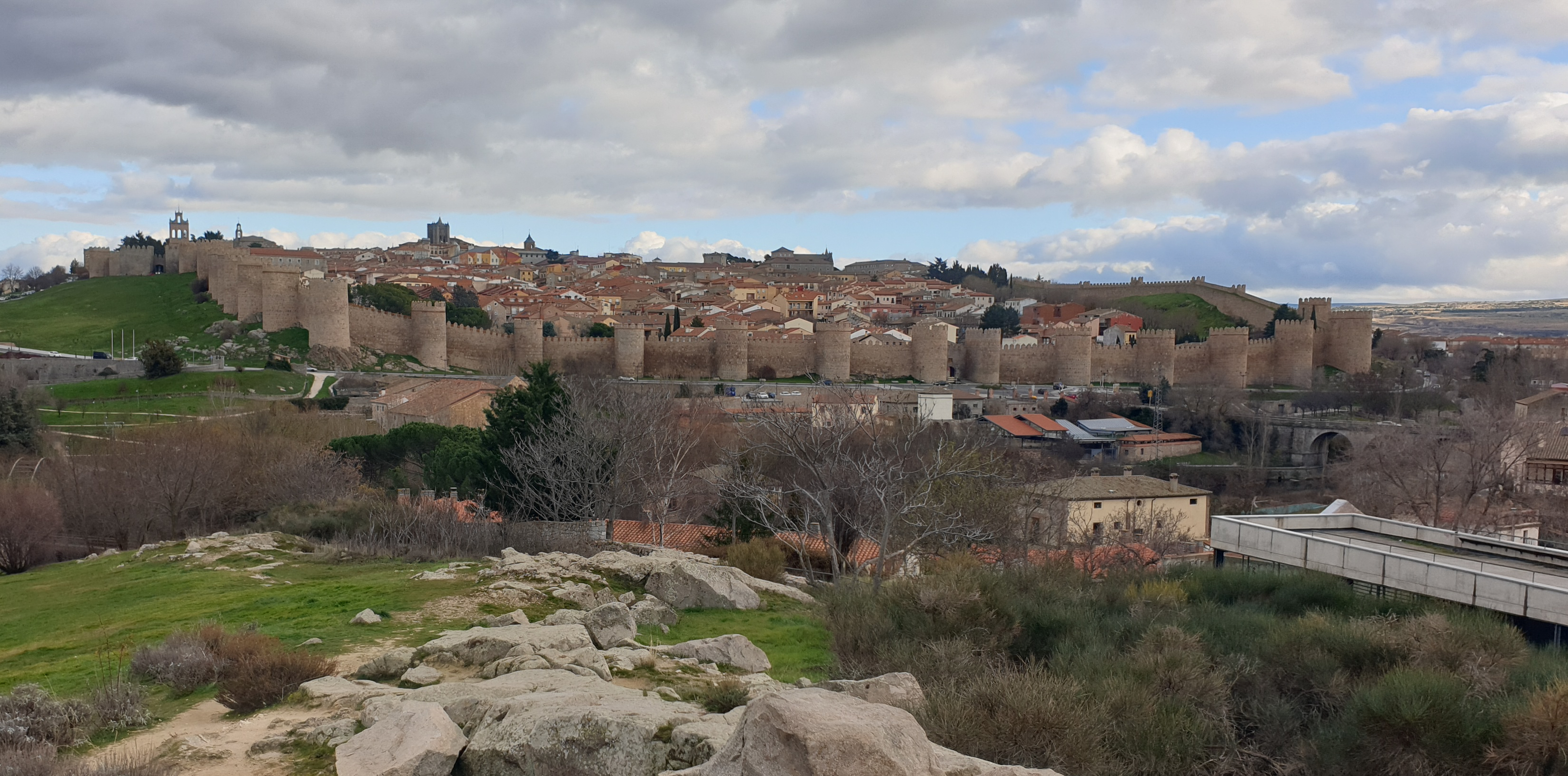
If you are Catholic, you probably know Ávila from Saint Teresa. Otherwise, you might know this city because of its history, Medieval wall, or its sweets. Avila is a UNESCO World Heritage site and it is less than two hours North of Madrid, and a great and recommended visit.

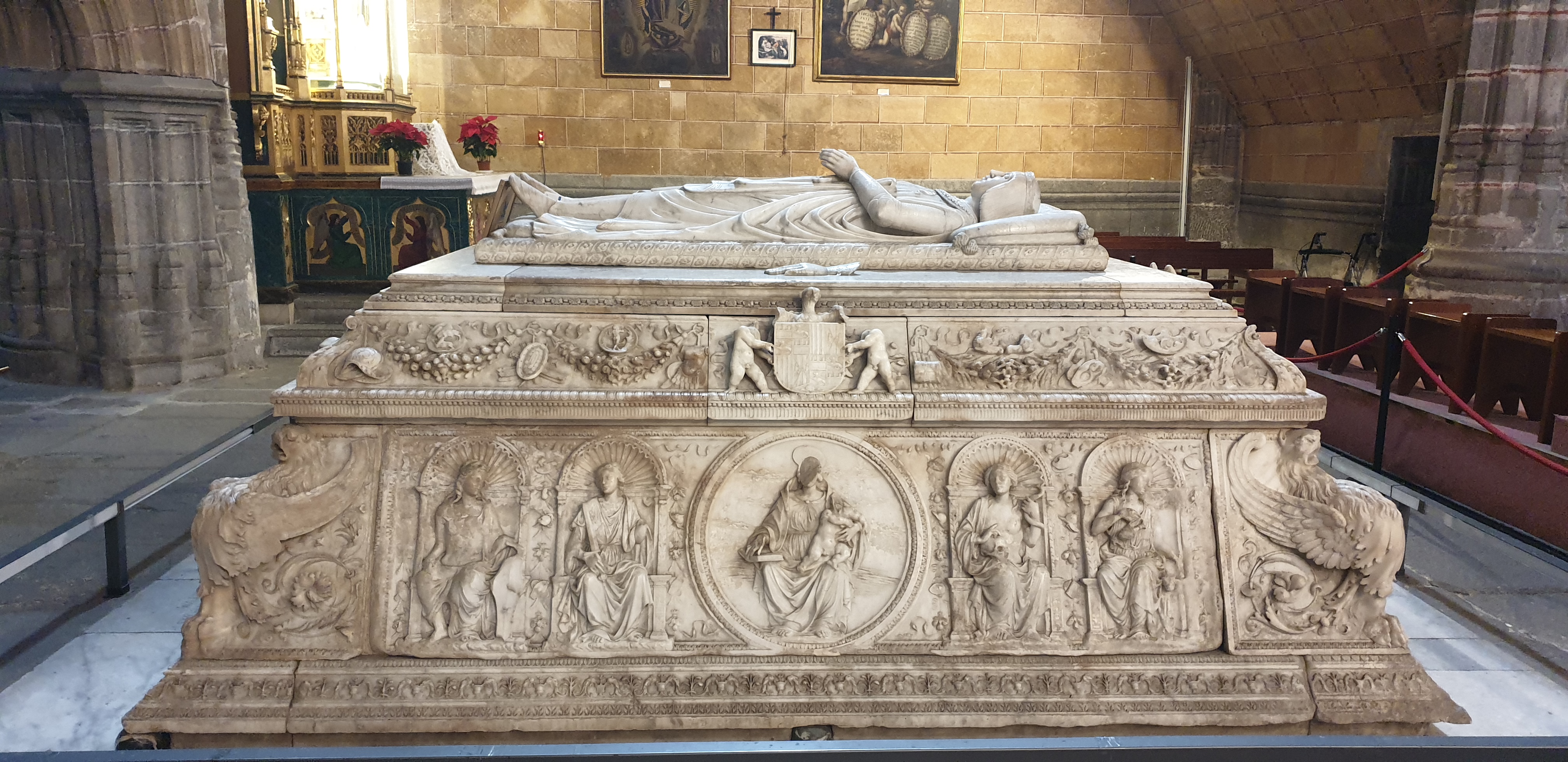
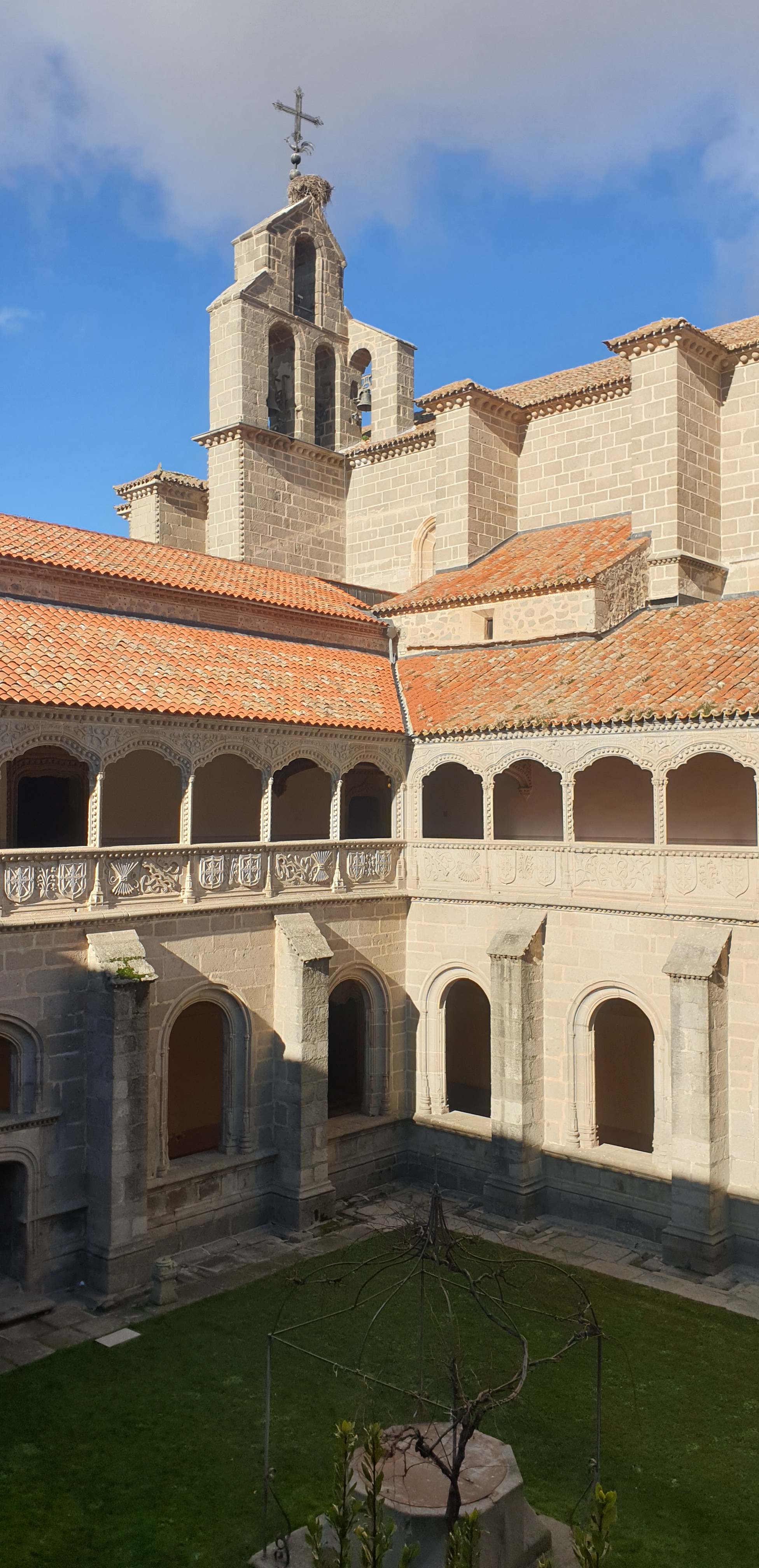
It had been a long time since I visited this city, but I recently had a getaway with Celia. We took the train from Madrid, which was an adventure, having to change trains in El Escorial. We hit the city running, visiting El Real Monasterio de Santo Tomás straight from the train station. Sto. Tomas has one of the purest Gothic churches in Spain with an altarpiece by Berruguete, possibly the most famous Spanish artisan in this field, it also houses the tomb of the Infante Juan, Ferdinand and Isabella’s teenage son, three beautiful cloisters, etc.

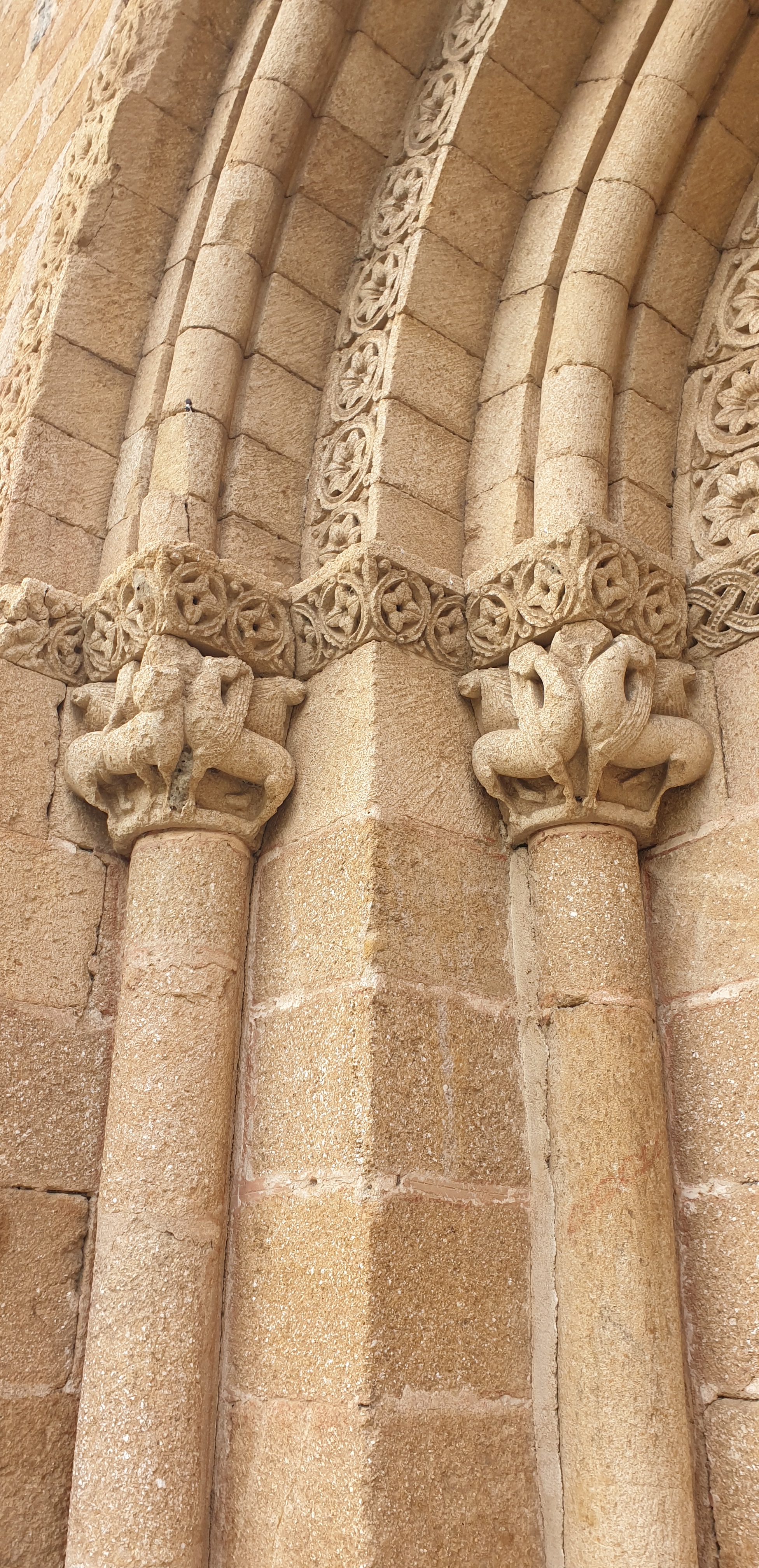
We had the traditional steak for lunch and explored Saint Teresa’s home, now turned into a chapel -although they have kept her original room! We toured the Medieval wall, one of the finest in Europe, the Gothic cathedral, St. Teresa’s convent, all the beautiful little streets, sweet shops, and many palazzos, and squares. Since the visit was during Christmas, we got to see a few amazing Nativity scenes as well.

So, although Toledo and Segovia are better known day trips from Madrid, Ávila is in a remarkably close third position.

A very special visit to Toledo

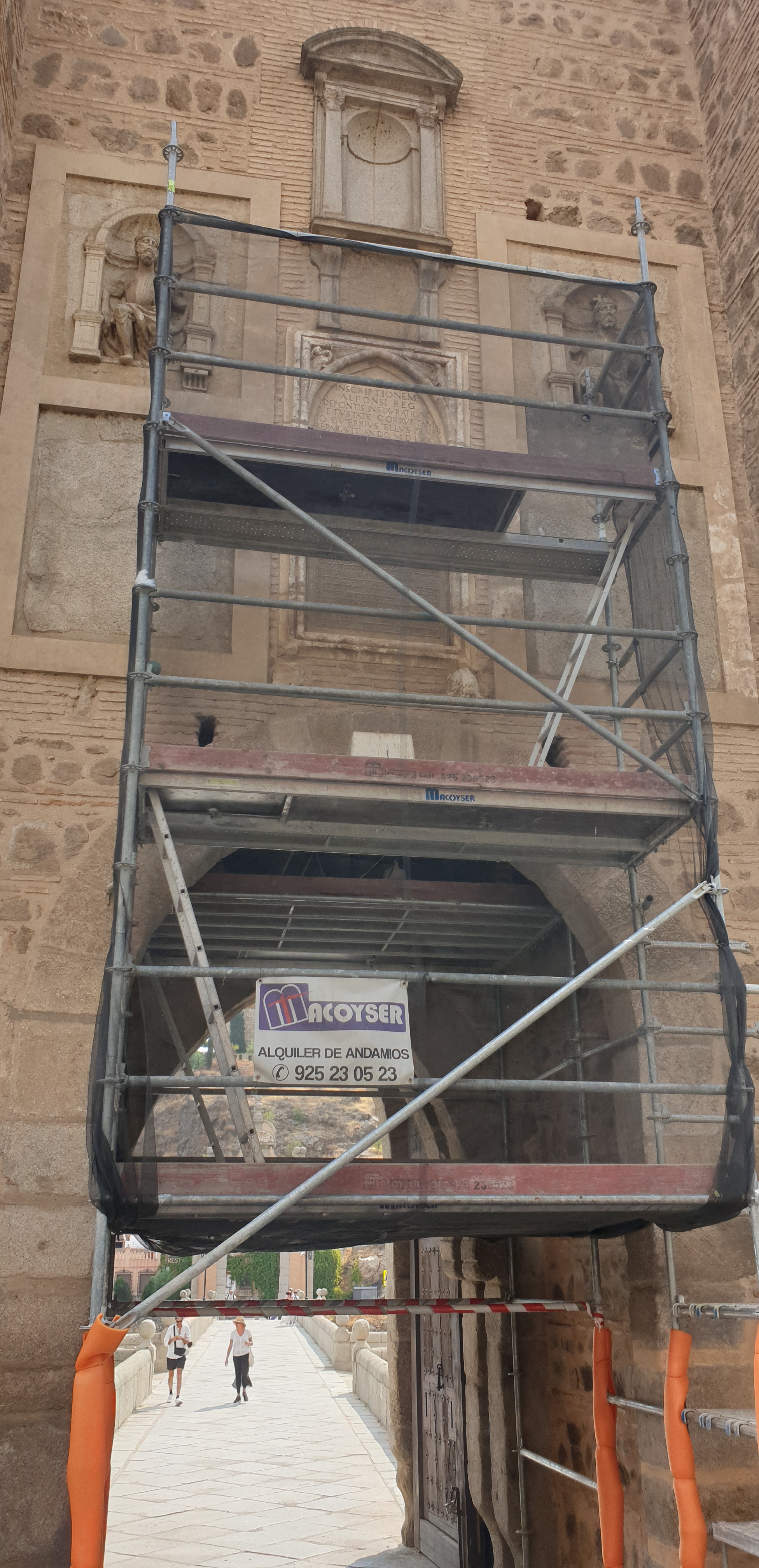
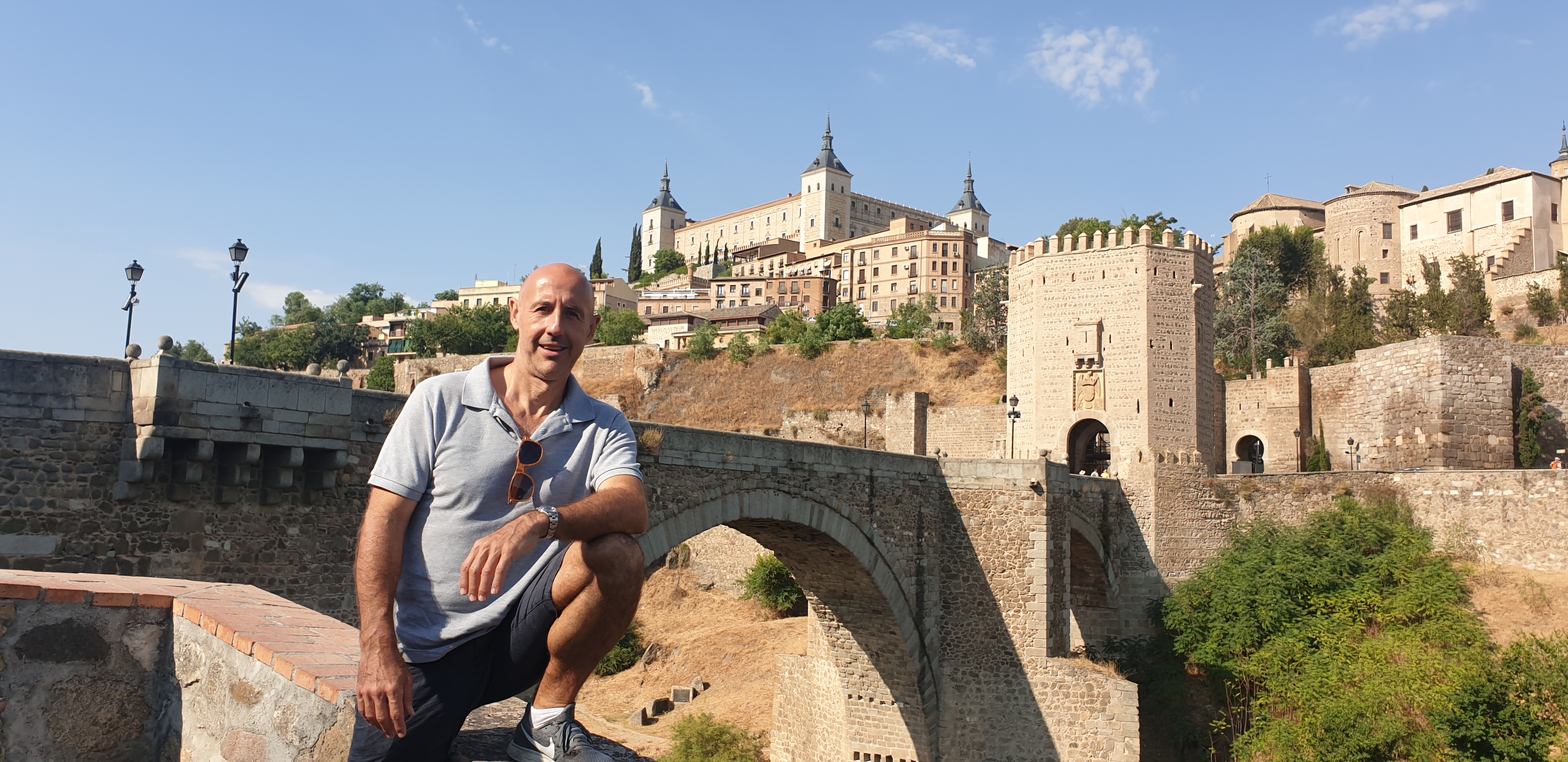
One of my dearest childhood friends is a top art and antiquities restorer (I have mentioned him before here). This year he invited me to spend the day with him in Toledo where he had to supervise the restoration of a bridge his company is working on. Little did I know that the bridge was just the opening act of the day:

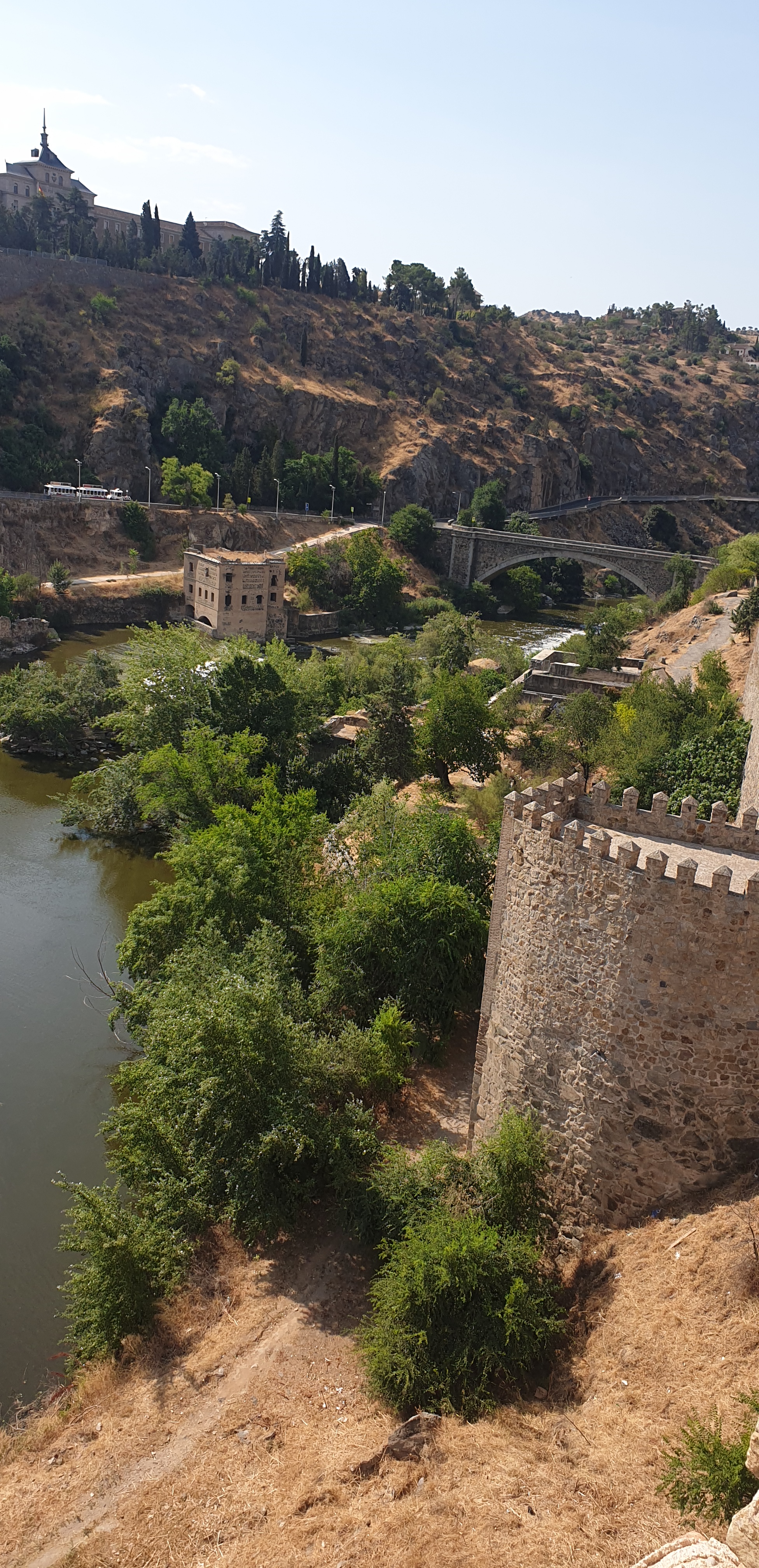
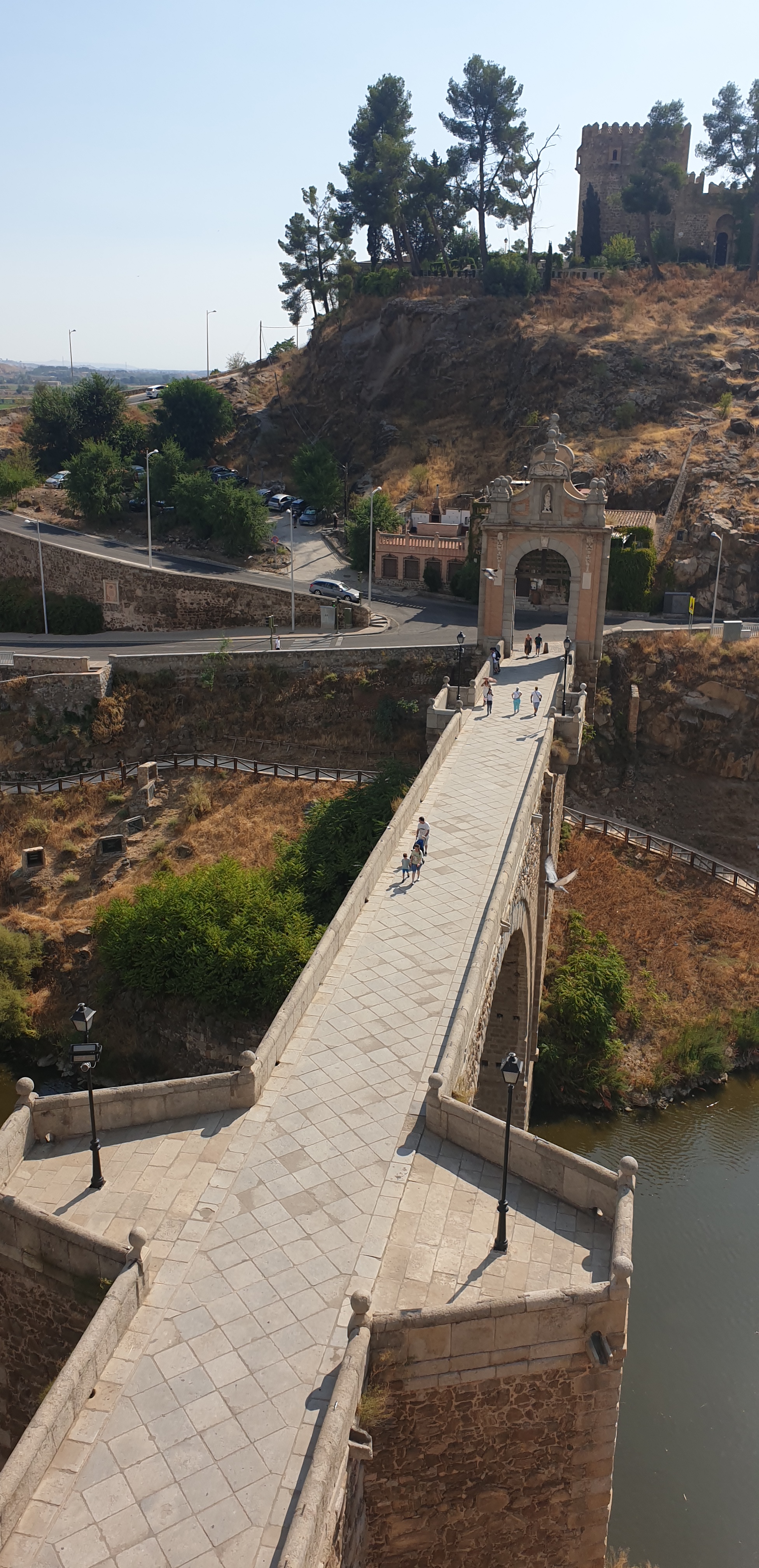
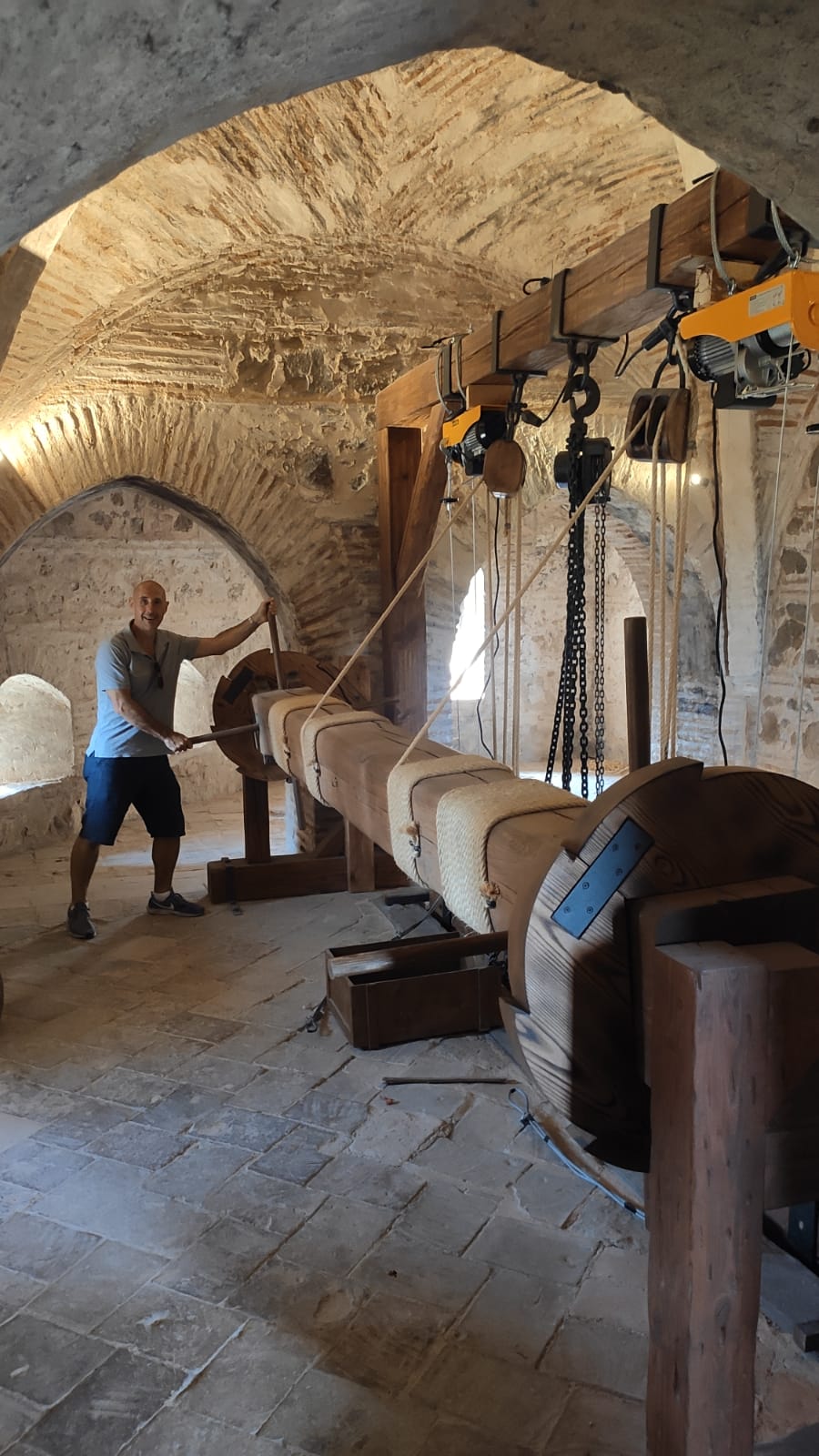
Our first stop was the bridge Tracer is restoring. The Puente de Alcántara started life as a Roman bridge before going through different modifications and updates. The medieval Order of Alcántara fortified it and protected it, giving it its current name -which is ironic since alcántara is bridge in ancient Arabic, so the bridge of bridge! Jaime’s company is working on the medieval tower, their work is impressive, but what really struck me was the formidable views from the top of the towers.

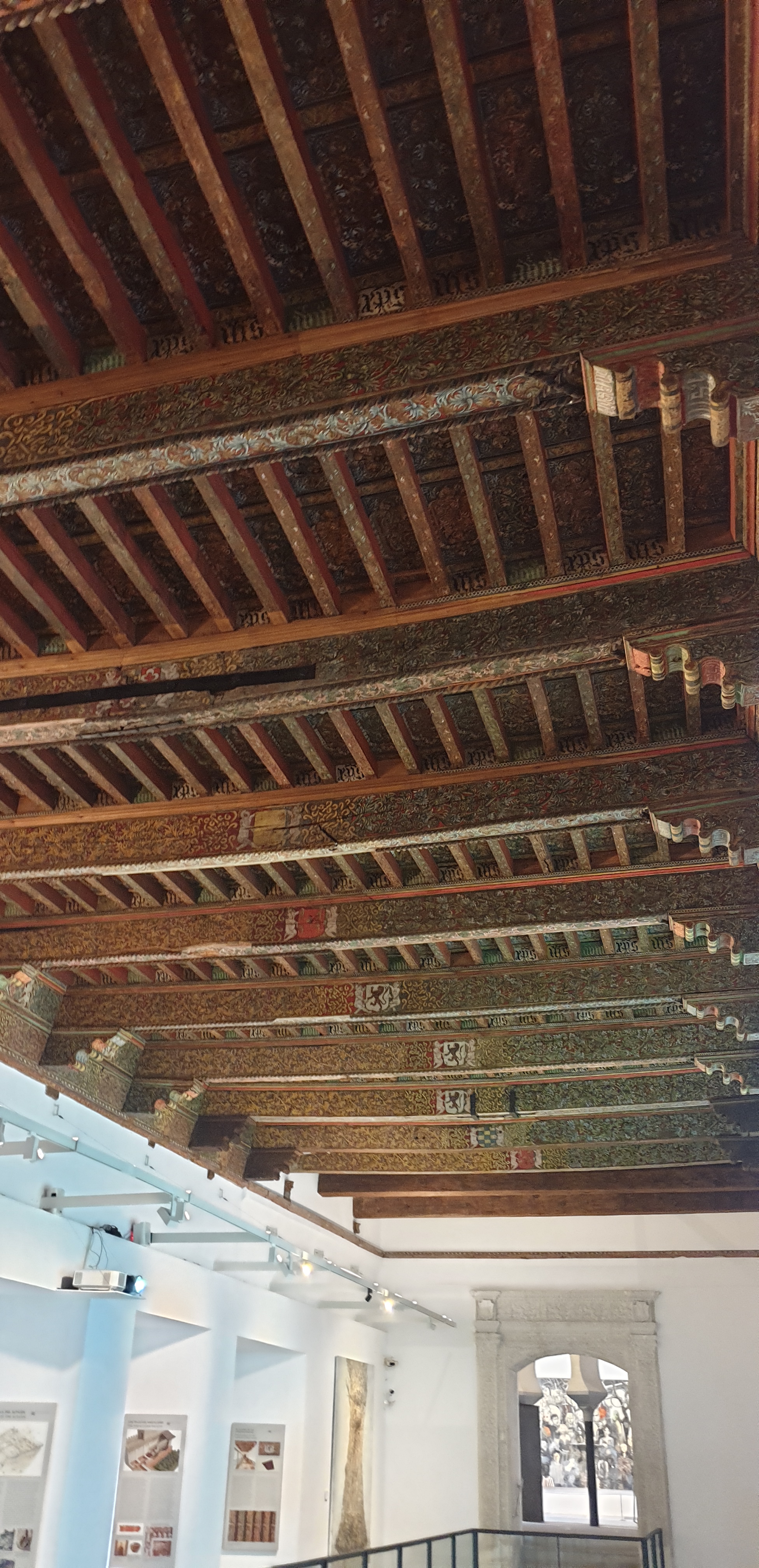
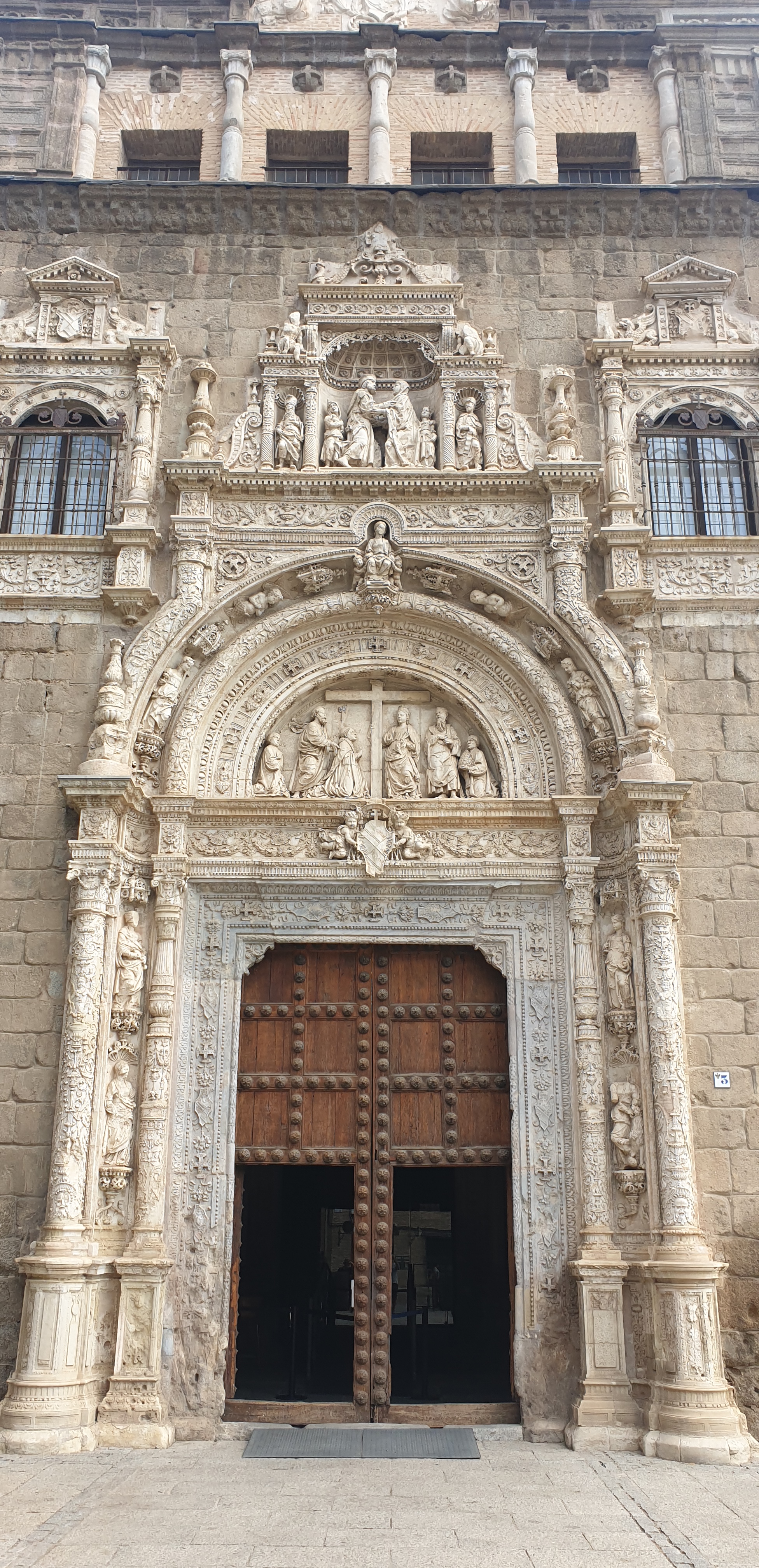
From there Jaime showed me a couple of churches -side by side- he worked on years ago: Santa Fé and Santa Cruz. In them we saw intricate Moorish arches, a beautiful, coffered ceiling, gorgeous renaissance entryways and staircases, a vaulted medieval ceiling, on and on, oh and some silly modern art that really showcases ancient workmanship!

But Jaime’s ace up his sleeve, his piece the resistance was taking me to the Cathedral where his old friend Jesús, the head of maintenance, gave us a very private and incredibly special tour.

Now, I have been to the Cathedral of Toledo a bunch of times, I have shown it to student groups, visiting friends, I even took some photos there for my dear professor Dominguez a few years ago. But this was beyond my wildest expectations, we barely stopped at the “regular” stuff other than for Jesús to point out some unique feature of whatever it was we were looking at.

We started by taking the elevator (the first one installed in Toledo) to the second floor of the Cathedral’s cloister, there we saw queen Isabella’s apartments, some excellent views, and we learned about the two falcons they have just adopted to deal with the pigeon issue.

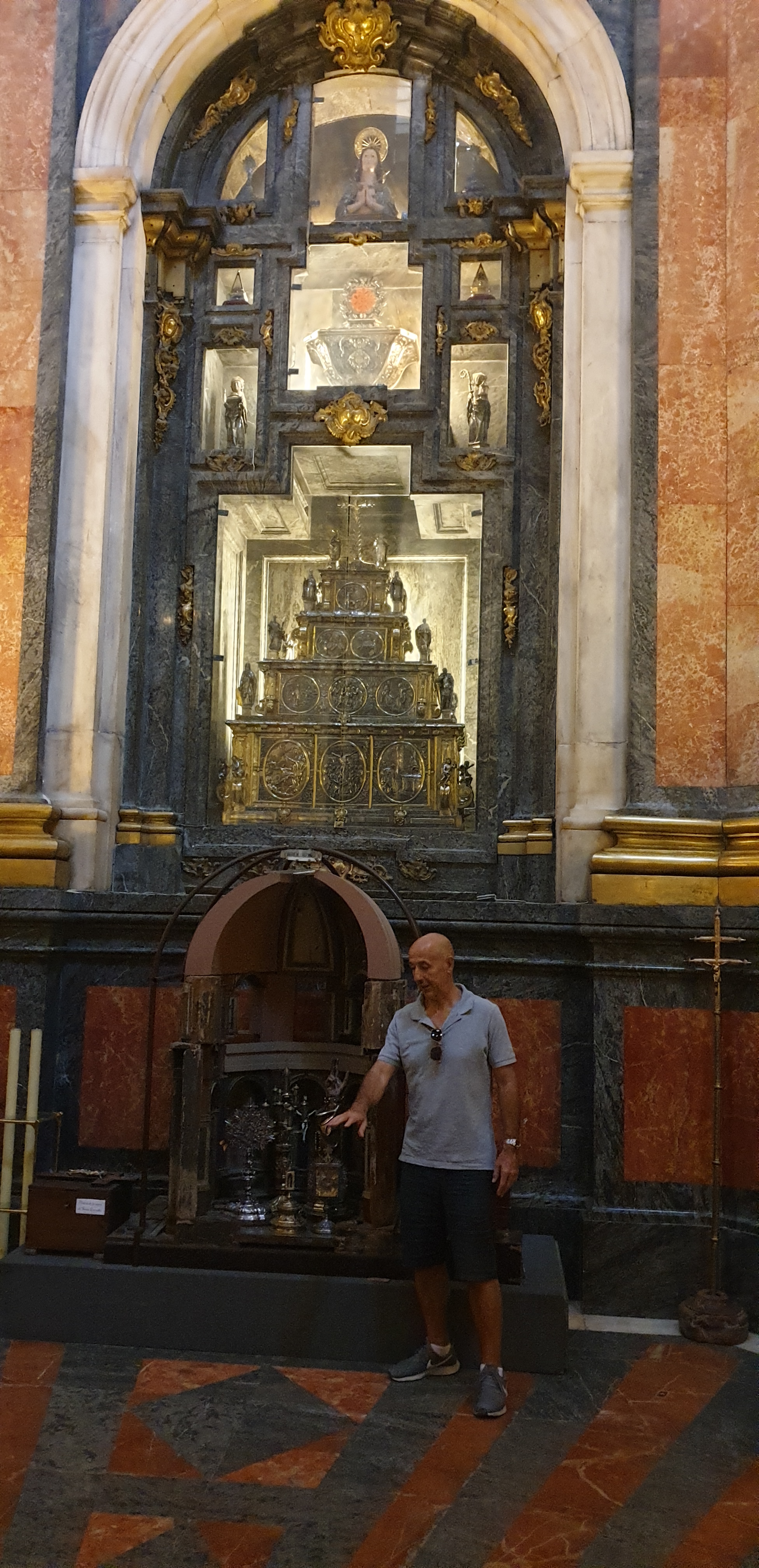
Then we walked around the cathedral with Jesús pointing out this and that, until we went into a “secret” room hidden behind an iron gate and a velvet curtain, then another iron gate to the Cathedral’s reliquary! I must confess this moment was really moving for me, mainly because I was not expecting such a room, with such a treasure inside, it was beautiful and amazing, my hands were trembling!

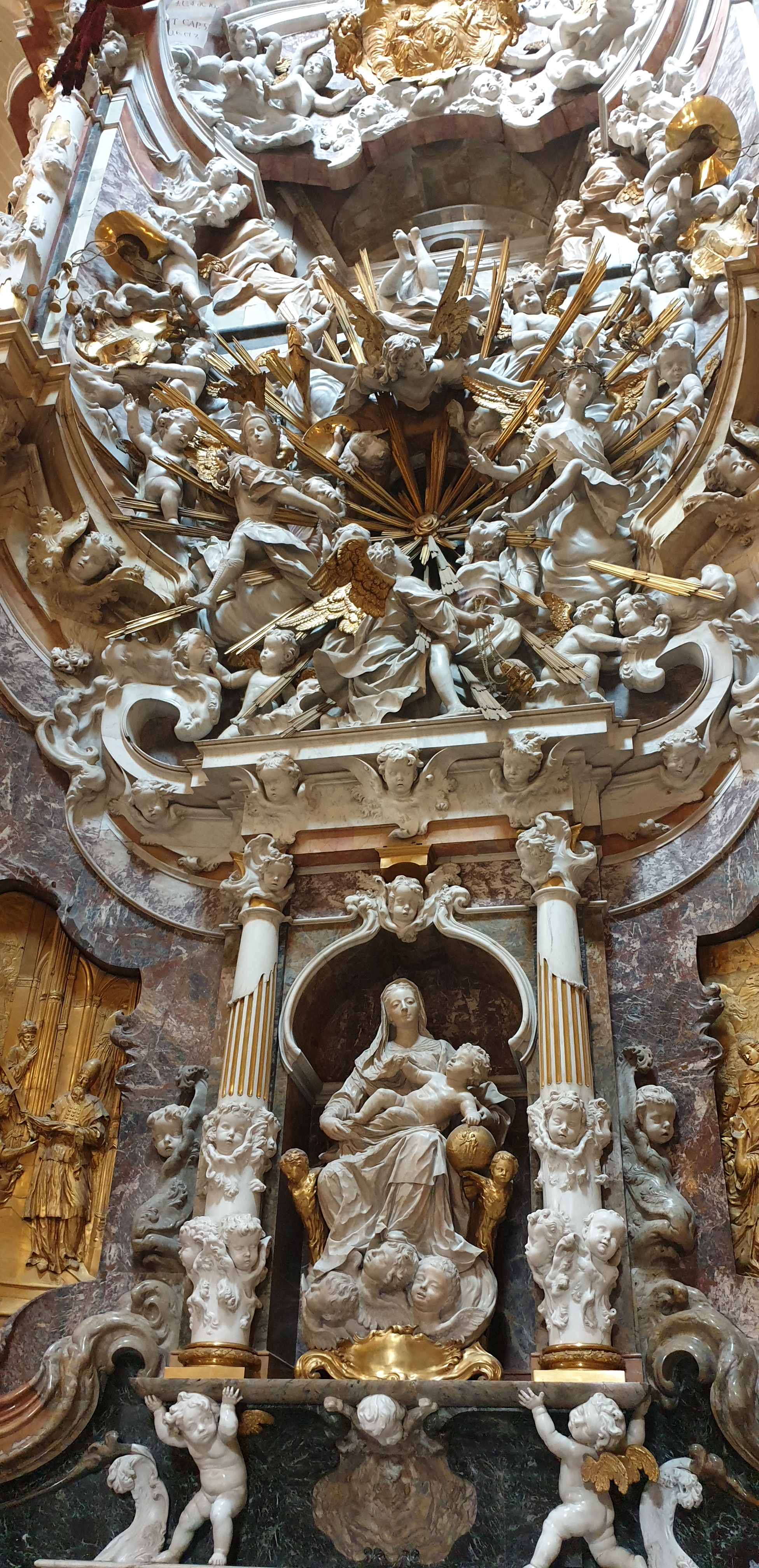
We ambled a bit more, checking out the image of “Lust” which I had photographed years ago for Prof. Dominguez, and the 18th C. “Transparente”.

After our visit, we walked around town a bit and we had lunch where Jaime used to eat when he was working there, but after the Cathedral, it was all a blur for me.

The 18th Century as literary hinge

When I “discovered” 18th Century Spanish literature, something that really struck me was what a critical element it was in the history of literature and how little credit it gets. The 18th Century is a literary hinge in the evolution of literature. While it can be argued that every century, or era, is a “hinge” era, a time between times, the 18th Century exercises as a flexing point in what has been called the pendulum of literary movements. Being the philistine that I am, I can only use Spanish literature for my example:

The ilustrados (18th C educated Spaniards), whether they liked it or not, were actually building on the shoulders of the Baroque, with its chiaroscuro and trompe l’oeil, which they hated. This, in turn, was a reaction to the Renaissance which was short lived in Spain in favor of the more mysterious and why not, fun, Baroque, more suited to the Spanish temperament (perpetuating stereotypes, the Spanish are a Baroque people. Disagree? Go watch an Almodovar film). For the Spanish literati, the solution to what they considered centuries of muddle was to build a one way bridge to the classic ancient Greeks and Romans as Luzán proposed in his Poética (1737). As much as the Enlightened writers wanted to, they could not get there without the rich legacy of medieval letters and art and everything that followed. For example, my man, Padre Isla (1703-1781), a precursor to the ilustrados, indeed goes back to the ancients, but he also relies heavily on St. Bonaventure, St. Thomas Aquinas, and especially Cervantes and Quevedo, creating his narrative from a blend of centuries of letters. Consciously or not these are the foundations the 18th Century had to build on.

On the other hand the Enlightenment’s obsession with societal good which even led to the elimination of the novel in Spain due to its reliance on the first person singular, is the launching pad for the Romantic movement where that “I” is all important. Equally, the Enlightened enthusiasm for scientific enumeration led to the naturalists. The reaction to those developments will be realism, modernism and postmodernism.

In big bold brushstrokes there are the Classics, Medieval, Renaissance and Baroque eras leading up to the Enlightenment, and the Romantic, Naturalist, Realist, Modernist and Postmodernism after it. How do I then explain the fact that my sides, arms or rays of my angle are lopsided? Well it must be taken into account that both the Classical and Medieval periods encompass centuries, while the last big three movements occurred within the 20th C. due to the advances in communications and technology, so just counting movements is not the same as considering the influence and repercussion of  those movements. This of course is taking into account all the differences in labeling periods and movements. No style is 100% unique, as one genre blends into another.

Thus, a solid grasp of 18th Century literature opens up an understanding to what happened before and after on the literary continuum. From a teaching standpoint, understanding the enlightenment offers the key to the past as well as to the future of literary history.

P.S.: When I explained this idea to my thesis director during one of our coffees, she liked it so much she took a picture!