María Callas, and why I dislike Netflix movies.

I might be slightly obsessed with Callas…

While I do not consider myself an opera connoisseur, I do love opera.

My love of opera started in high school when I listened to Kiri Te Kanawa sing the famous Madame Butterfly aria Un bel di vedremo, on one of my father’s cassette tapes!

Since then, I have listened to a lot of operas on records and on the stage.

Maria Callas stands out as THE diva, the voice. Yes, other voices are gorgeous, but the Callas is recognizable a mile away, and yes, you could probably hear it a mile away.

I recently saw Netflix’s biopic with Angelina Jolie about Callas’ final days, which prompted me to write this blog post.

The Netflix formula is, in my opinion, boring. Notice how they use all the resources. With all the money they have, they perfectly curate every film, produce the perfect color saturation, or switch to Black and White for certain scenes, all of which makes for boring films. So no, I am not a fan of Netflix films, and while Angelina Jolie and the rest of the cast do an outstanding job, everything else about the film is predictable, thus boring.

But go out and enjoy The Callas’ amazing voice and music. You are welcome.

The Marginalian by Maria Popova, a blog about a blog, would that be a metablog?

As a blogger myself, I must admit that I do not subscribe to many blogs, newsletters, etc., just a handful:

Although not technically a blog, I get the Center for Action and Contemplation’s Daily Meditation, originally written by Richard Rohr, but as he is getting older, it is now written partly by him but also by the CAC team. Check it our here, and subscribe!

Every week I also get Un salto a Galicia about travel to the northwest corner of Spain, Galicia. (Click here)

But what I want to talk about today is The Marginalian by Maria Popova.

Every week Popova writes brilliantly about how an author talks about certain things. Some recent examples are:

Philosopher R.L. Nettleship on Love, Death, and the Paradox of Personality

The Poetic Physicist Alan Lightman on Music and the Universe

Iris Murdoch on Unselfing, the Symmetry Between Art and Morality, and How We Unblind Ourselves to Each Other’s Realities

Dervla Murphy’s Fierce and Poetic Account of Traversing the World on Two Wheels in the 1960s

Popova combines her own beautiful writing (yes, this hack is jealous) with quotes from the authors featured and gorgeous illustrations. It makes for an enlightening read.

Popova is so inspiring, that I have added her Wednesday email into my reflection time, my mediation, my Lectio Divina, if you will.

If you are not yet subscribed, I cannot recommend it enough. Check it out here.

You are welcome.

The monk in Rainer Maria Rilke’s Prayer of a Young Poet and Alyosha Karamazov; the same person?

One of the best things about having your own blog is that you can write whatever you want. Even if it is pseudo academic, or as one of my students says: Dr. B’s conspiracy theories. No double-blind peer reviews, no scientific method, no academic prestige to worry about, just my unadulterated thoughts, a hunch. So enjoy:

Why am I fascinated by the turn of the (20th) Century Central and Eastern Europe? I have written about it a couple of times (here and here).

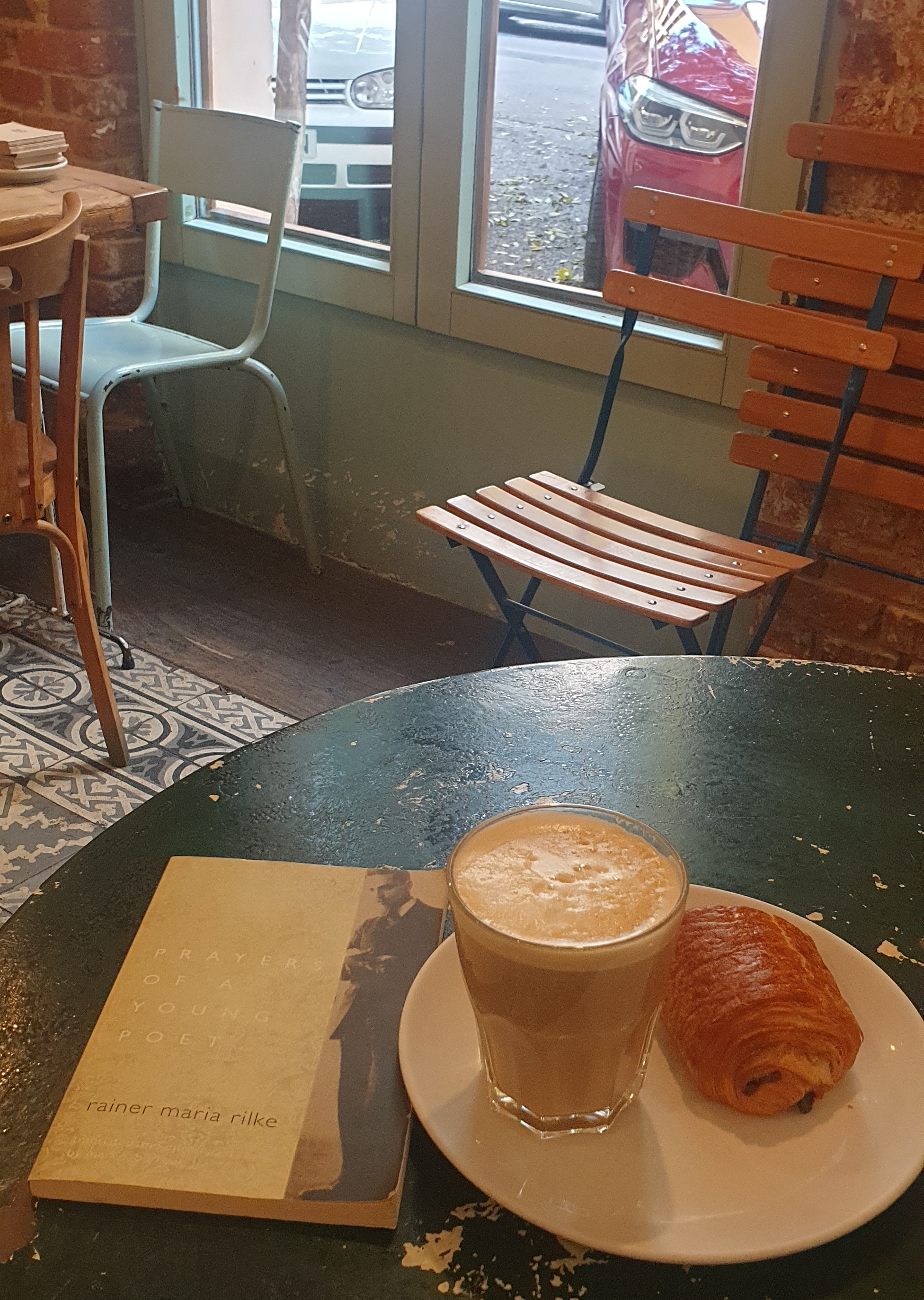
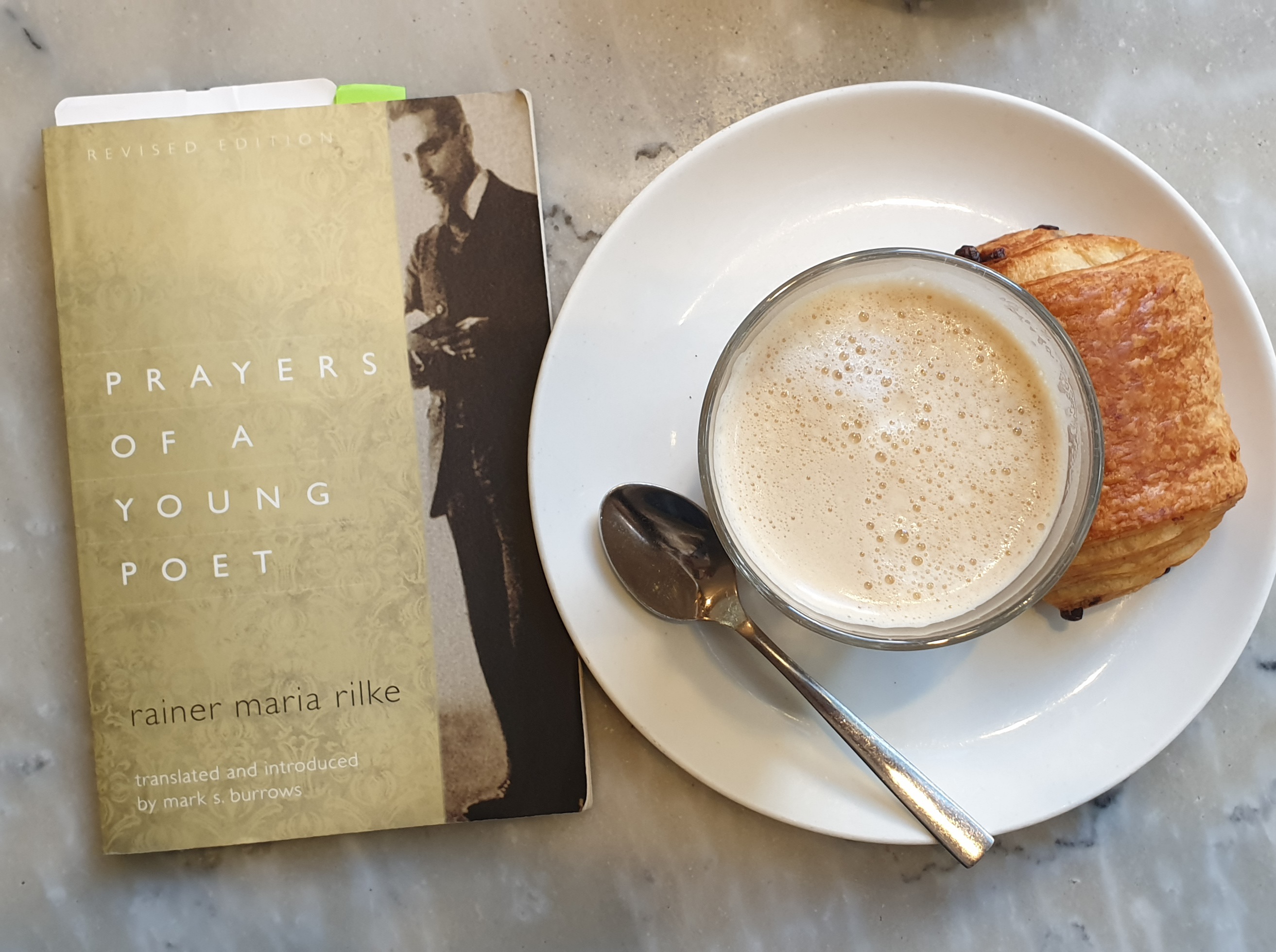
I just finished Rainer Maria Rilke’s Prayers of a Young Poet, and it blew me away!

Rilke authors this 68-poem collection in the voice of a nameless Russian Orthodox monk. The spirituality is palpable. Each poem has a brief footnote denoting where and/or when it was written: “2nd of October, beneath soft evening clouds”, “On the 5th of October, written down in the exhaustion of evening, having returned home after having been out among the people.”

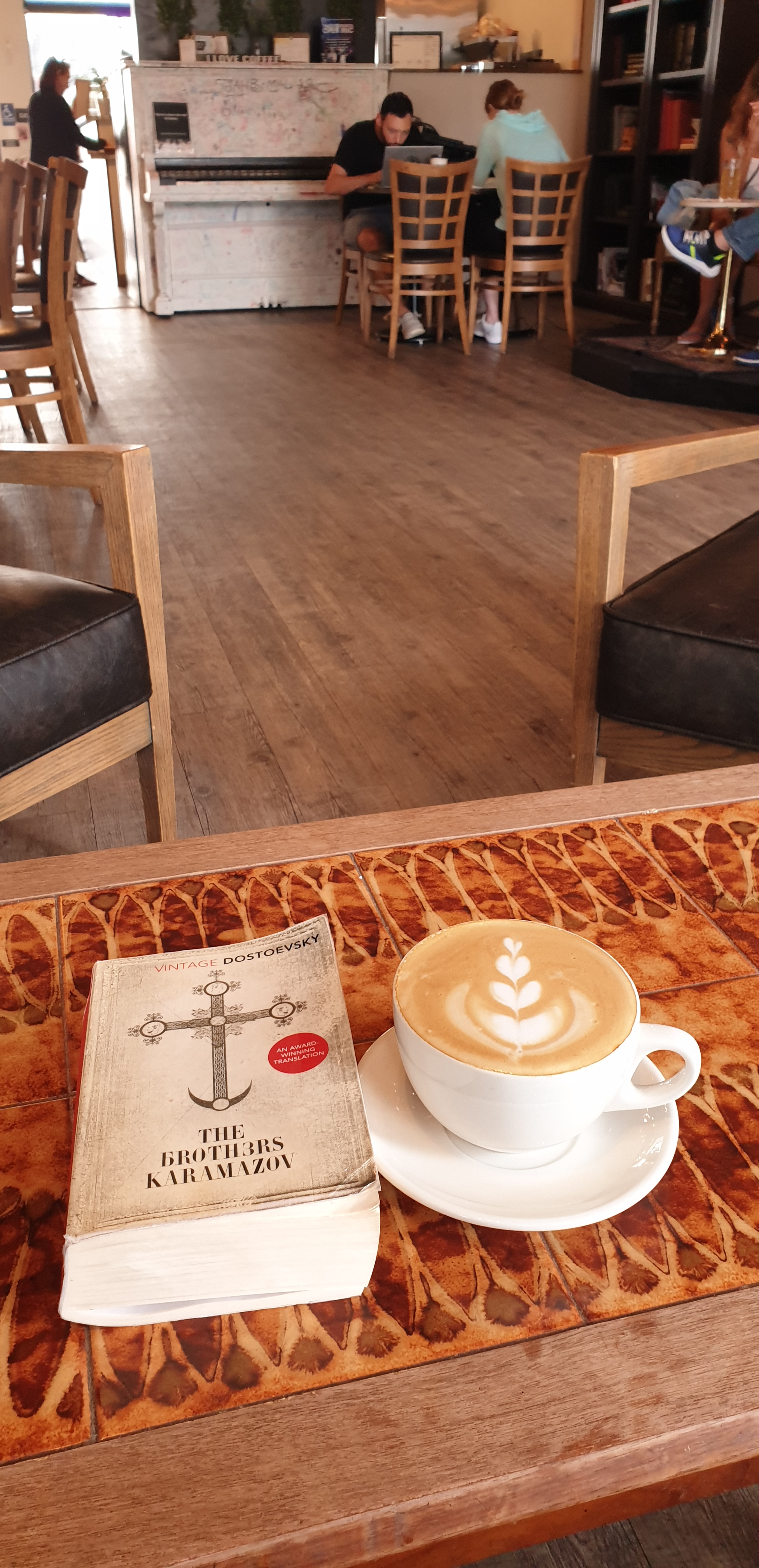
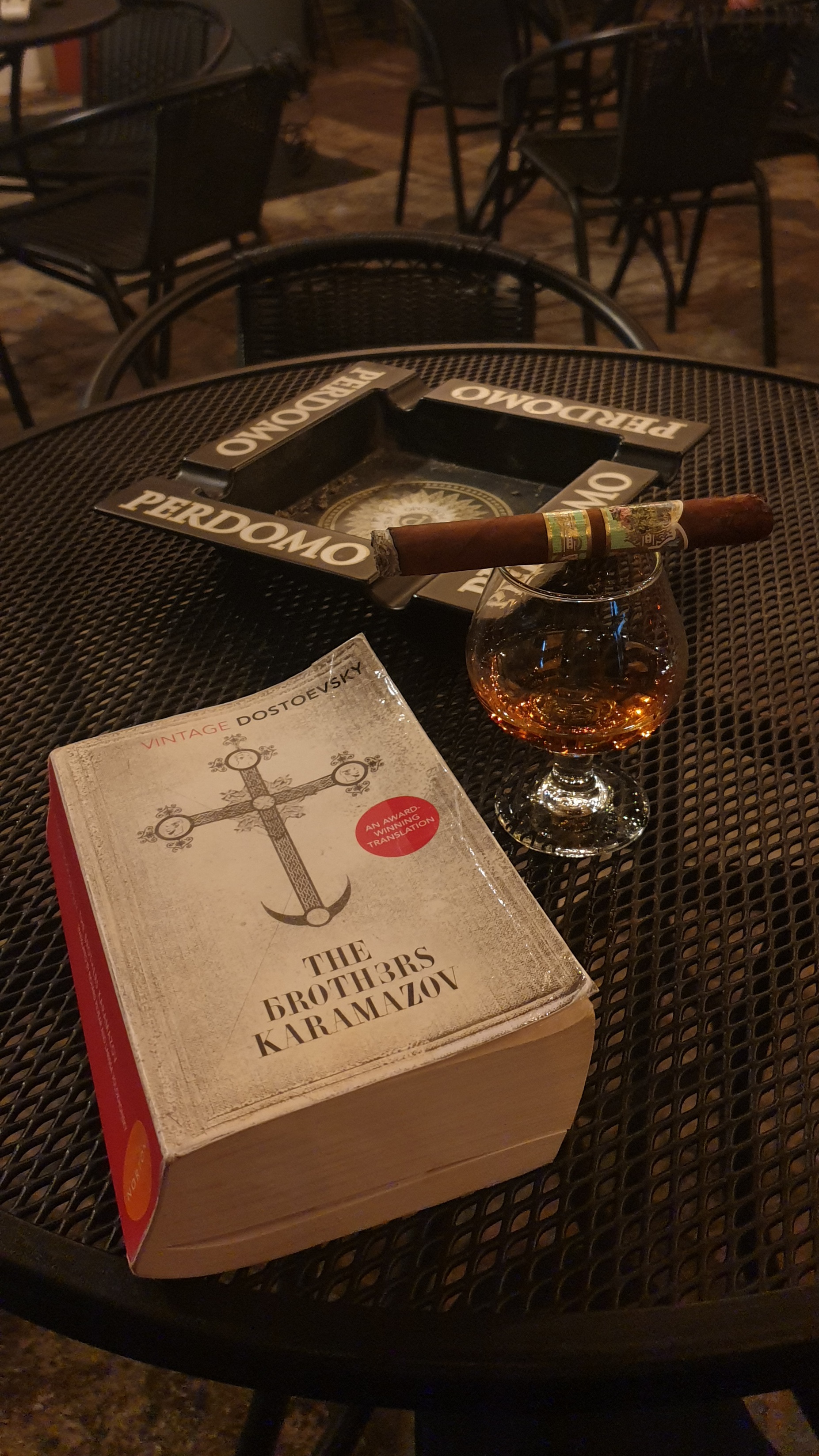
Perhaps due to my ignorance and lack of reading, I kept thinking of Alyosha Karamazov from Dostoyevsky’s novel.

What connects these poems and Alyosha Karamazov is a simple innocence, a pure love of life and humanity in lines like:

“I want to love things in ways no one has yet done.”

or

“The hour bows down and stirs me

with a clear and ringing stroke;

my senses tremble. I feel that I can–

and seize the forming day.”

So, that is my hunch, my thesis. That there is an existential connection between the monk, the narrative author of Prayers of a Young Poet and Alyosha Karamazov, as if he had drafted those poems. But, you say, there are hundreds if not thousands of Russian Orthodox monks and many of them are in literature. My answer to your comment is the first line of this blog post. Also, I am a romantic, can’t you see? And this connection is just beautiful, and delicate, and awesome!

Rilke travelled to Russia and was entranced by their culture, art, and most importantly their rich religious tradition. He also could have read Dostoyevsky’s masterpiece published in 1880, 19 years before the original publication of Prayers in 1899.

Yes, I could go on and on and get all academic, but this is a general interest blog, so there you have it. If you do want me to elaborate on my thoughts, let me know in the comments!!