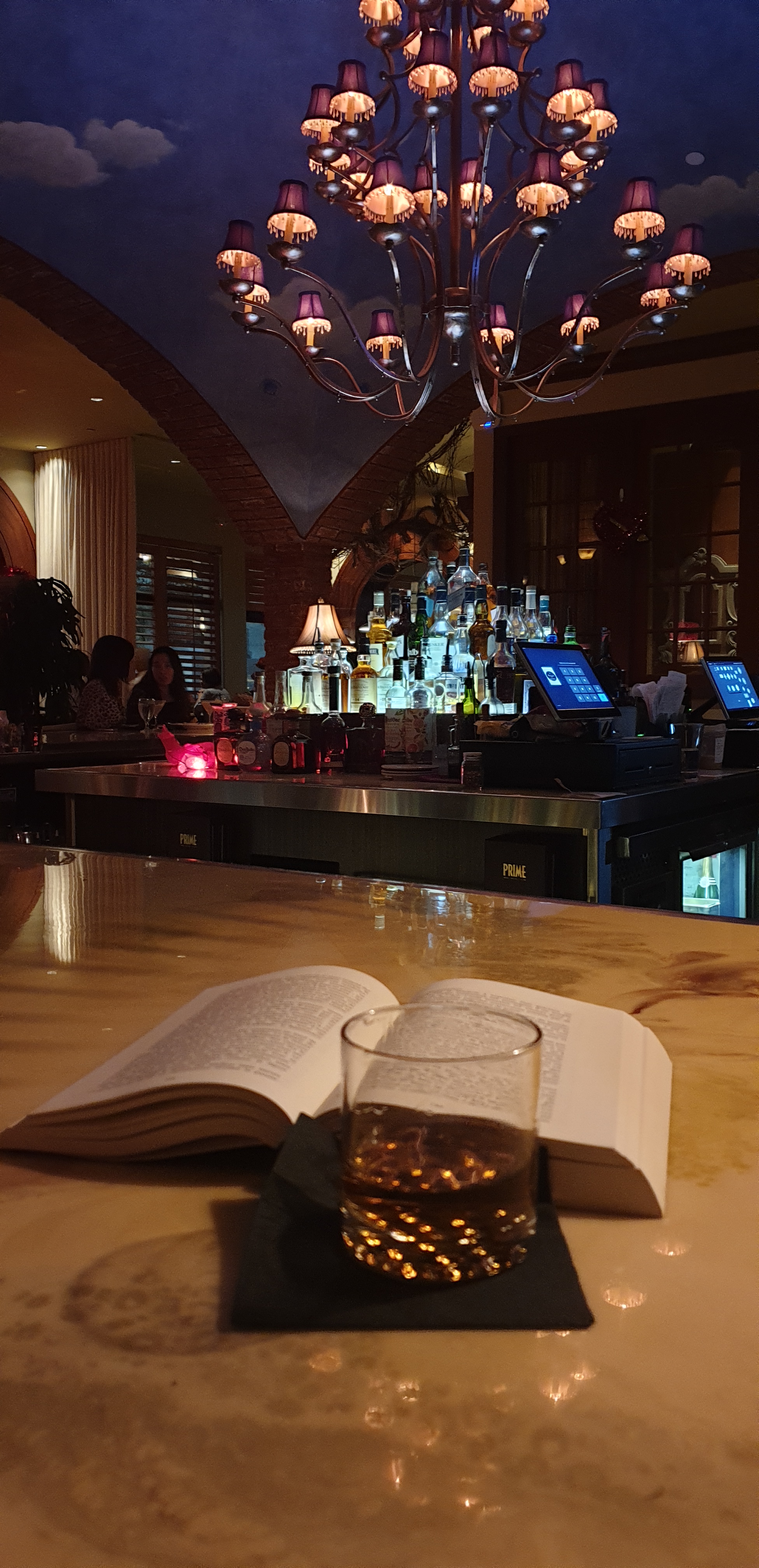
My favorite authors series, Part II: Gabriel García Márquez

Ooops. I just realized that in 14 years of writing this blog, I have never dedicated a post to Gabriel García Márquez, shame on me.

You see, García Márquez is one of the reasons I love literature, one of the reasons I made books my livelihood. My dear college friend Silvia recommended One Hundred Years of Solitude, and when I read it, my mind was blown to smithereens! I was hooked and proceeded to read most of Marquez’s novels.

La hojarasca (1955)

El coronel no tiene quien le escriba (1961)

Cien años de soledad (1967)

El otoño del patriarca (1975)

Crónica de una muerte anunciada (1981)

El amor en los tiempos del cólera (1985)

El general en su laberinto (1989)

Del amor y otros demonios (1994)

Memoria de mis putas tristes (2004)

I also read many of his short stories and one of his books of short stories:

Doce cuentos peregrinos (1992)

To top it all off, I even read one of his more famous interviews.

El olor de la guayaba (1982), con Plinio Apuleyo Mendoza.

When you speak of García Márquez, everybody mentions Magical Realism. Which he did not invent (it started in Germany). Oh, just so we are clear on what Magical Realism is, it is when extraordinary, often fantastical things occur, and the people who witness or live the event don’t even bat an eyelash; it is a common, everyday thing for them. One Hundred Years of Solitude has a lot of Magical Realism; it is the flagship for Magical Realism, but much of his other work has much less, or even no Magical Realism. By the way, many other authors incorporate this genre, including Isabel Allende in Casa de los Espíritus.

“Yo conservaba un recuerdo muy confuso

de la fiesta antes de que hubiera decidido

rescatarla a pedazos de la memoria ajena”

Gabriel García Márquez, Crónica de una muerte anunciada

But that is not the reason I love GM —although I do enjoy those moments! I love how extraordinarily well he writes, but at the same time, how normal it appears; there is no showing off, no showboating, no “look at that sentence” that many authors with far less talent leverage.

I also love how García Márquez brings you into the setting and the story, how easy it feels to be an observer of his world. Granted, all his work comes from true stories, which makes it even more fascinating to feel a part of them.

“Era una síntesis de los últimos acontecimientos nacionales

impresa en mimeógrafo para la circulación clandestina.”

Gabriel García Márquez, El Coronel no tiene quien le escriba

A favorite? I don´t really have a favorite. Amor en los tiempos del cólera is my favorite love story and one of my favorite books. Crónica de una Muerte anunciada is the book I have read the most, since I teach it and will often read it before the course starts and again with the students, which is what has prompted this blog post 😊

So if you have not yet read any of Gabriel García Marquez’s work, and you feel ambitious, go for One Hundred Years of Solitude. If you prefer to dip your toes in the water and just get a feel, read a short story, or better yet, one of the shorter books like Crónica de una muerte anunciada or Memoria de mis putas tristes.

“Las vidas no se acaban sólo con la muerte”, dijo el general.

“Hay otros modos, inclusive algunos más dignos.”

Gabriel García Márquez, El general en su laberinto

García Márquez died in 2015. I will always remember it because it was the weekend I had to write my doctoral exams. And although I was writing about 18th C Spanish Satire, Colonial Satire, and Medieval Satire, I still put a García Márquez epigram to each of my essays in honor. Here they are (of course, without the whole essay, these epigrams lose their context…)

So, if you have not yet read any Gabo, you have my full recommendation. You are welcome.
La feria del libro in Madrid

Here is a bit of a paradox: I love literature (so much that I made it my livelihood), I love books, but I really do not like Madrid’s huge annual book fair: La Feria del Libro.

Every year, the first two weeks in June, hundreds of bookstores and publishers set up camp in Madrid’s beautiful Retiro Park. Every day, there are book signings, conferences, debates, colloquia, and, of course, bars, ice cream stands, and all sorts of other associated entertainment.

I try to avoid it, but I still go and walk around together with thousands of other folks who are looking for celebrity author sightings and signings and are willing to stand in line for hours to get a book signed.

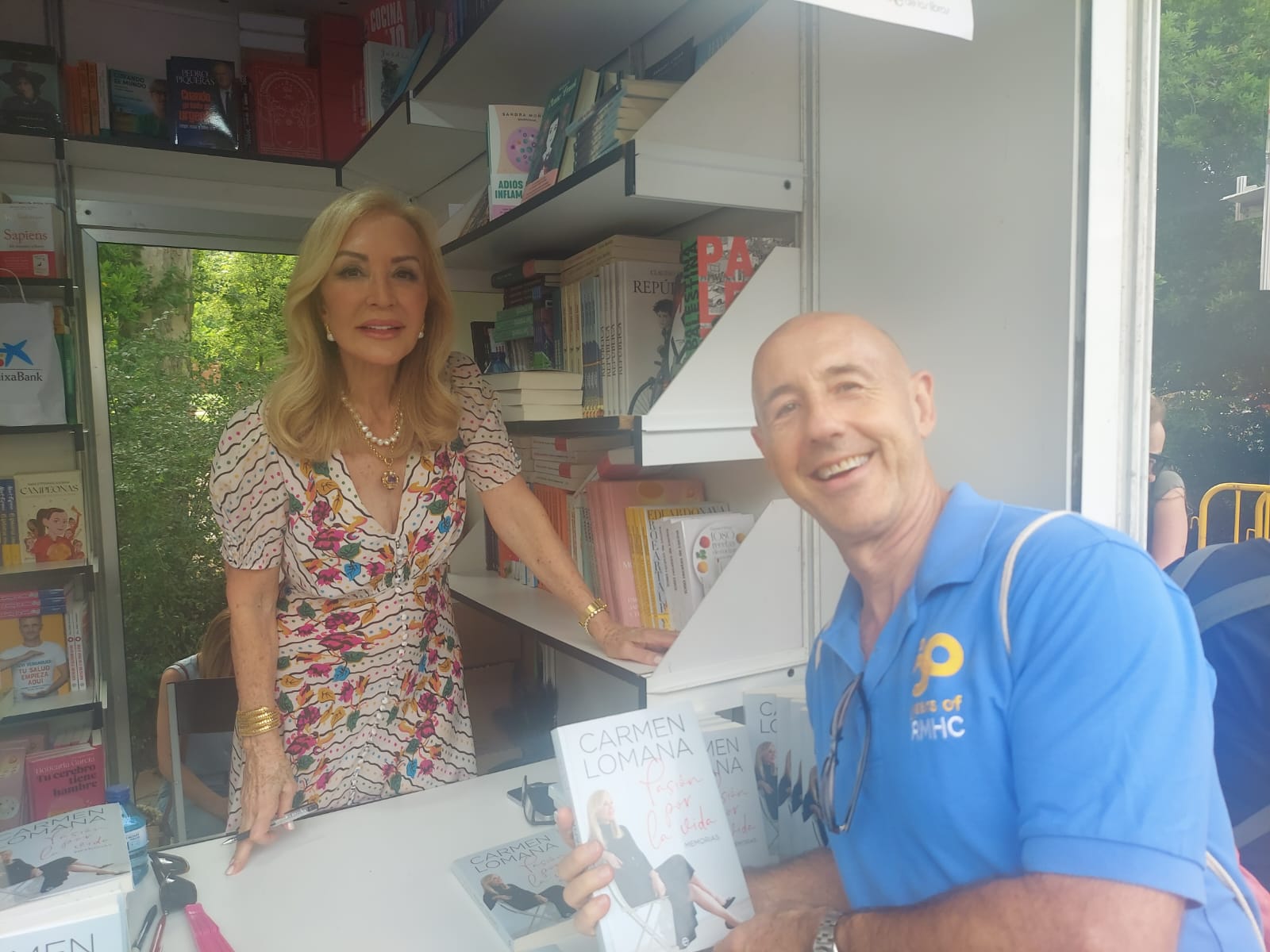
This year was a bit different for me. Celia found out that Carmen Lomana, an old employee of my dad’s in London, who is now a bit of a celebrity, was signing her memoirs. We went to her booth, chatted with her for a few minutes about life in London in the early 80s, and bought her book for Mom, which Lomana kindly signed.

We also walked around, bought a couple of books, some overpriced ice cream, and enjoyed the throngs of people.

So if you are in Madrid the first couple of weeks in June and you love books (or don’t), go to the Retiro Park and enjoy the Feria del Libro with hundreds of other book lovers.

PS: Statistics show that for the last few years, while book sales are up, book reading is down. Someone explain that to me -or don’t bother.

Reading Lolita in Tehran, four books in one.

Reading Lolita in Tehran

On a Sunday in January 1979, my dad and I were puttering around the garden, collecting, and chopping wood for the fireplace, listening to the radio. The news came on and explained that the Shah of Iran had fled the country into exile. I looked over at my dad, who had dropped the ax and was running up the stone stairs into the house. He took off to work at the bank -on a Sunday morning! My dad was a foreign exchange trader, and he knew the news of the Shah leaving Iran was going to cause a lot of market turmoil.

Growing up in London in the early 80s, there were many Iranian exiles. I remember going to school with a few of them. I also remember the SAS operation to liberate the Iranian embassy in 1980, a few blocks away from my best friend’s house. Even my mom’s English teacher was a beautiful, tall, elegant Iranian who brought me pistachio nuts and gave us a beautiful edition of the Rubaiyat of Omar Khayam.

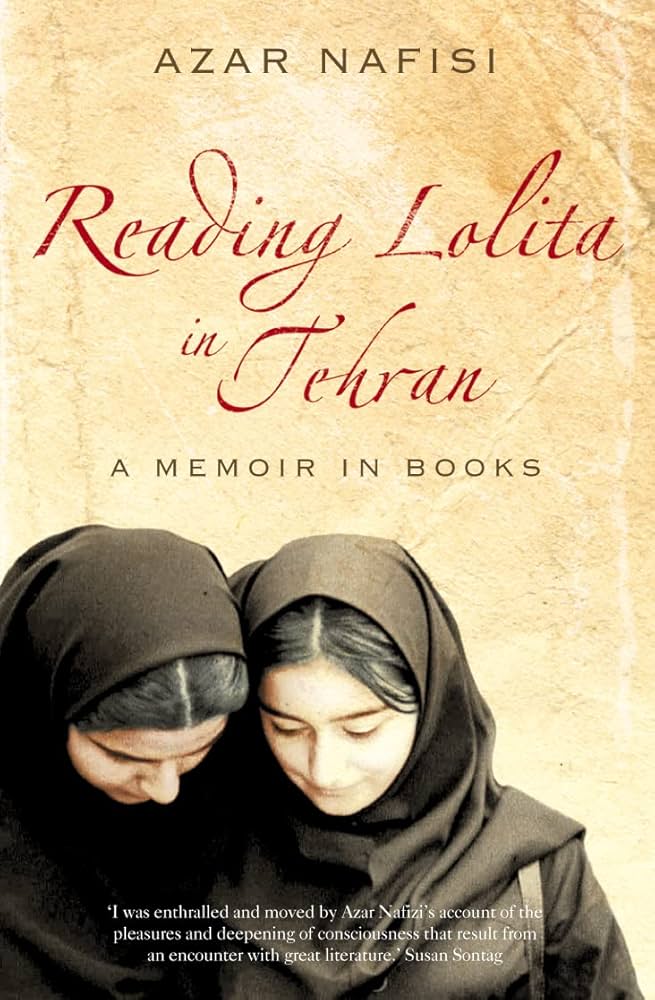
After leaving London for college in Boston in 1983, I mostly forgot the Iranian revolution. A few weeks ago, I finally picked up a copy of Azar Nafisi’s Reading Lolita in Tehran, which had been waiting on my shelf for years, not knowing really what to expect. I loved every page. (Spoiler alerts)

The book is really four books woven into one magnificent narrative, like a-forgive the cheap simile-a fine Persian rug.

The main and overarching story is the author’s own story, her memoirs, from a child in Tehran, to studying in Europe and America, to teaching in Iran, and returning to the US. It is a fascinating life story.

The second thread of that biography is Nafisi´s job as a university professor of English literature, teaching: Lolita, The Great Gatsby, Pride and Prejudice, Emma, Daisy Miller, and Washington Square… in the classroom and eventually in her living room! which is where the name of the book comes from. But Nafisi does not stop at explaining that she taught (she still does); she gives her literary critiques of all the authors mentioned! It is a brilliant and amazing third layer, reading her interpretations of all these books. Yes, I felt jealous, as I have the same job as Nafisi, but I have nowhere near her capacity or talent.

The fourth story is the history of the Iranian revolution, the origins of the Islamic Republic, the persecutions, the disappearances, the crackdowns, etc. This story reminded me of Khaled Hosseini’s 2003 novel The Kite Runner, as he describes the crumbling of Afghanistan.

Yes, Reading Lolita in Tehran came out in 2003, but if you have not read it yet, I recommend it. You are welcome.

“Do not, under any circumstances, belittle a work of fiction by trying to turn it into a carbon copy of real life; what we search for in fiction is not so much reality but the epiphany of truth.”
― Azar Nafisi, Reading Lolita in Tehran: A Memoir in Books

About academic conferences, the Southeast Coastal Conference on Languages and Literatures.

Academic conferences were designed to share knowledge, to understand where your field stands, and where it is heading. But equally important is the opportunity they afford to meet new people in your field and to catch up with old colleagues.

This was the case at the recent Southeast Coastal Conference on Languages and Literatures hosted by Georgia Southern in Savannah, Georgia.

It all started when Grant, my mentor at UNC, who now teaches at Georgia Southern with his wonderful Sevillana wife Encarni, invited me to present at their conference. I was honored; I had never been invited to attend a conference! I had always just submitted a paper to a conference I wanted to participate in. Fortunately, I was already working on an article (you will have to wait for a post on that), so I agreed to go.

Savannah is a great place; you can read about it here.

The fact that this conference combines languages and literature means that you can learn about different aspects of language pedagogy. The Keynote speaker, Mary Risner from the University of Florida, spoke about the resources available online and innovative pedagogies and partnerships. Other great panels spoke about the study abroad experience and how to maximize it and “replicate” it in class, and so on.

My panel was wonderful. Bobby Nixon from Columbus State spoke about Spanish 70s horror films based on Becquer’s poetry, Adrianne Woods presented about the theatre of Buero Vallejo, and I presented about my main man, Isla, and the expulsion of the Jesuits from Spain.

But, as I mentioned earlier, the best part of conferences is reconnecting with old friends and colleagues. The evening’s reception was held at a great venue, a food truck plaza called Starland Yard. It was great to see dear friends from UNC and to meet new folks.

So, if you get a chance, write a paper and present it at a conference!! You are welcome.

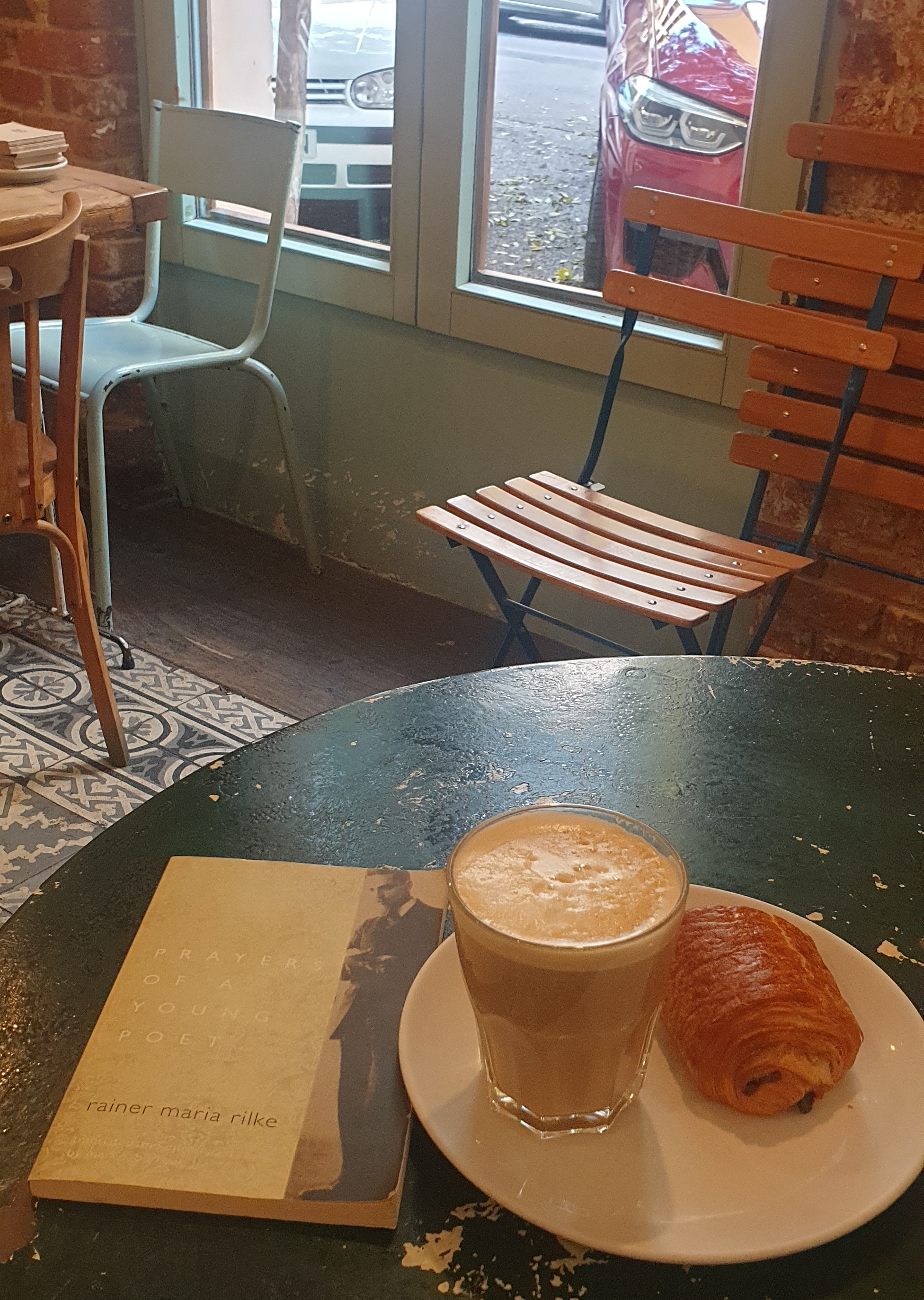
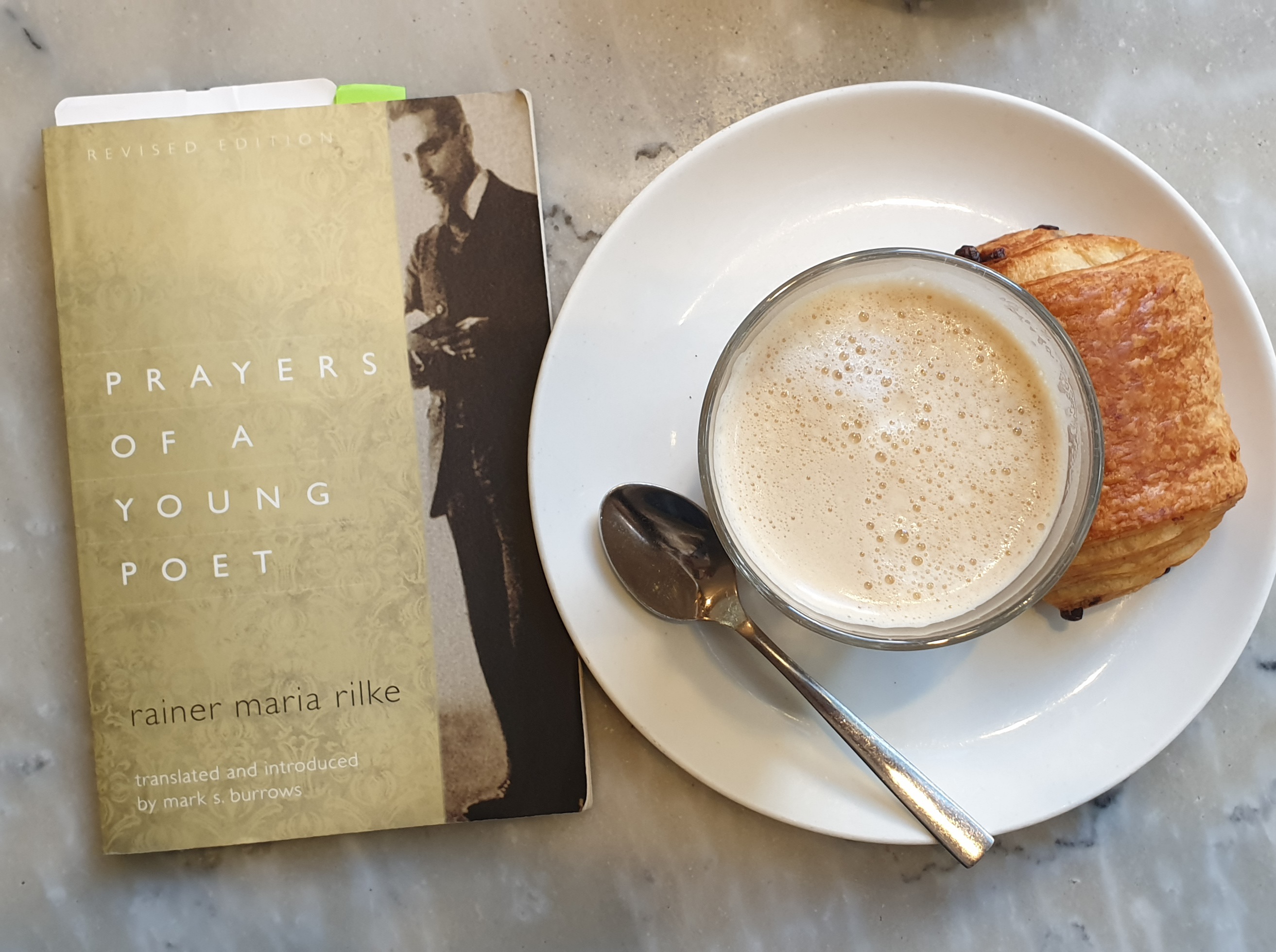
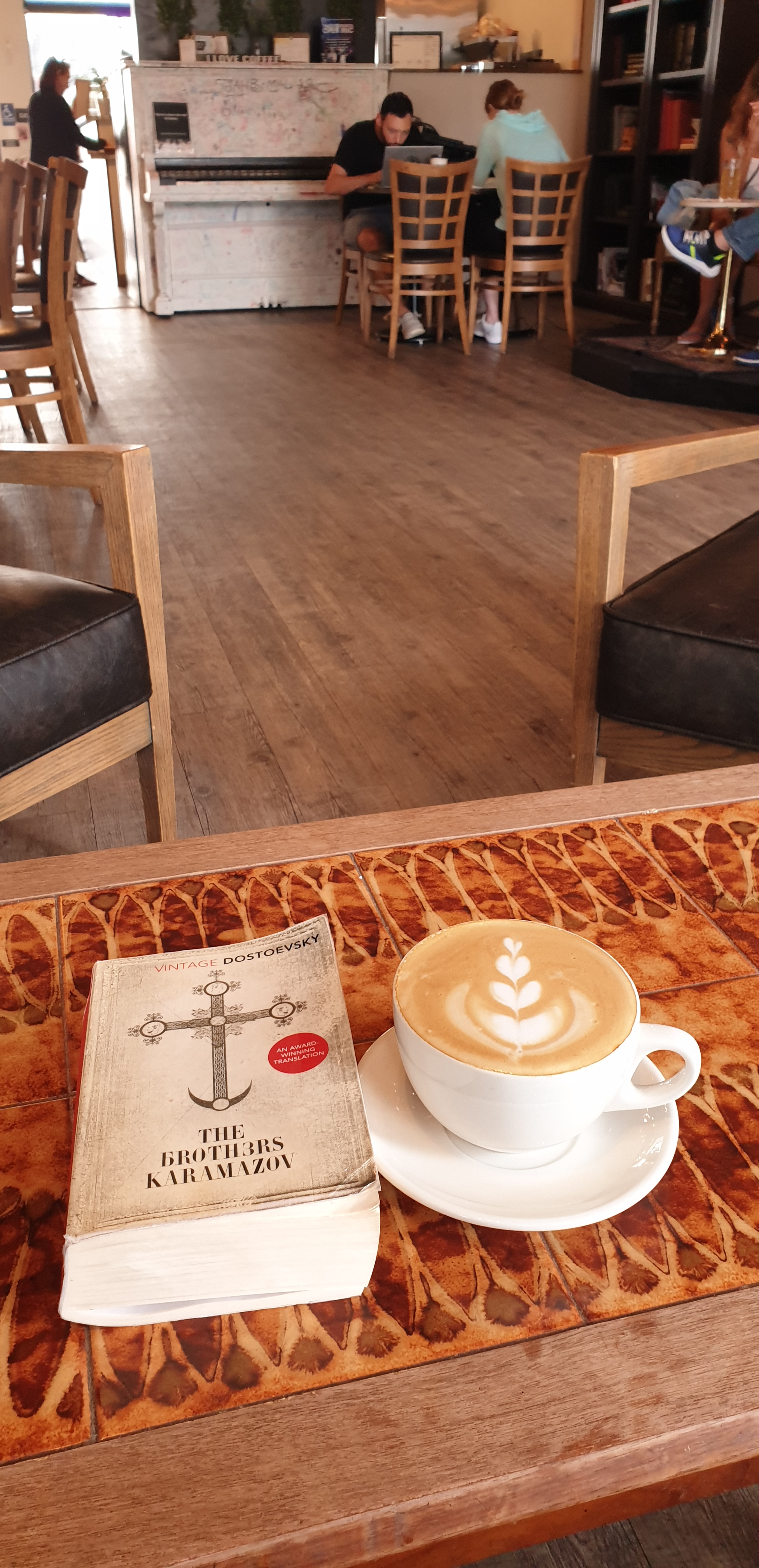
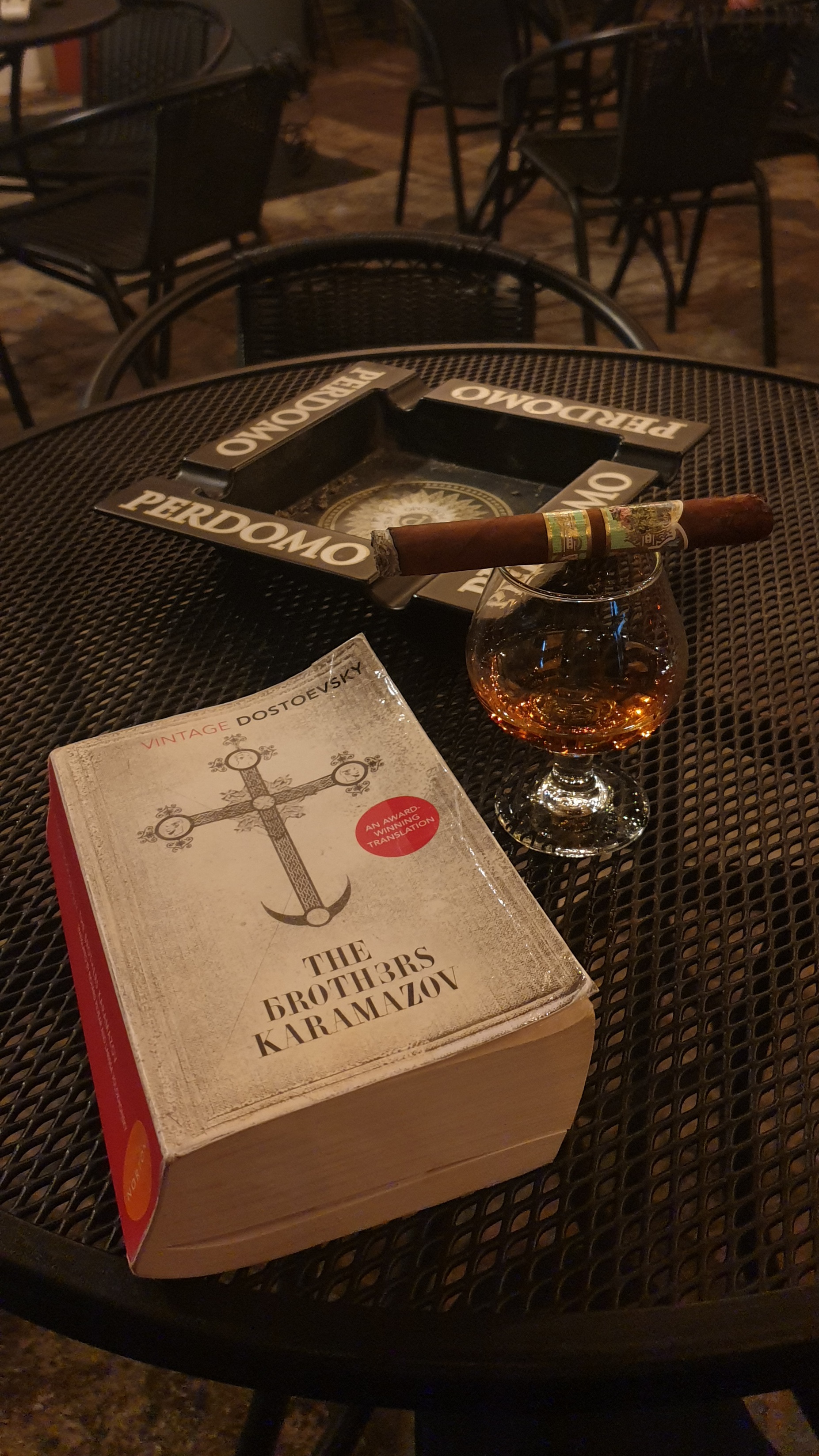
The monk in Rainer Maria Rilke’s Prayer of a Young Poet and Alyosha Karamazov; the same person?

One of the best things about having your own blog is that you can write whatever you want. Even if it is pseudo academic, or as one of my students says: Dr. B’s conspiracy theories. No double-blind peer reviews, no scientific method, no academic prestige to worry about, just my unadulterated thoughts, a hunch. So enjoy:

Why am I fascinated by the turn of the (20th) Century Central and Eastern Europe? I have written about it a couple of times (here and here).

I just finished Rainer Maria Rilke’s Prayers of a Young Poet, and it blew me away!

Rilke authors this 68-poem collection in the voice of a nameless Russian Orthodox monk. The spirituality is palpable. Each poem has a brief footnote denoting where and/or when it was written: “2nd of October, beneath soft evening clouds”, “On the 5th of October, written down in the exhaustion of evening, having returned home after having been out among the people.”

Perhaps due to my ignorance and lack of reading, I kept thinking of Alyosha Karamazov from Dostoyevsky’s novel.

What connects these poems and Alyosha Karamazov is a simple innocence, a pure love of life and humanity in lines like:

“I want to love things in ways no one has yet done.”

or

“The hour bows down and stirs me

with a clear and ringing stroke;

my senses tremble. I feel that I can–

and seize the forming day.”

So, that is my hunch, my thesis. That there is an existential connection between the monk, the narrative author of Prayers of a Young Poet and Alyosha Karamazov, as if he had drafted those poems. But, you say, there are hundreds if not thousands of Russian Orthodox monks and many of them are in literature. My answer to your comment is the first line of this blog post. Also, I am a romantic, can’t you see? And this connection is just beautiful, and delicate, and awesome!

Rilke travelled to Russia and was entranced by their culture, art, and most importantly their rich religious tradition. He also could have read Dostoyevsky’s masterpiece published in 1880, 19 years before the original publication of Prayers in 1899.

Yes, I could go on and on and get all academic, but this is a general interest blog, so there you have it. If you do want me to elaborate on my thoughts, let me know in the comments!!

Finding a treasure (and I need your help)

In case you did not know this, my field of academic research is Francisco de Isla, an 18th C Spanish Jesuit who wrote Fray Gerundio de Campazas, Spain’s best-selling novel of the century.

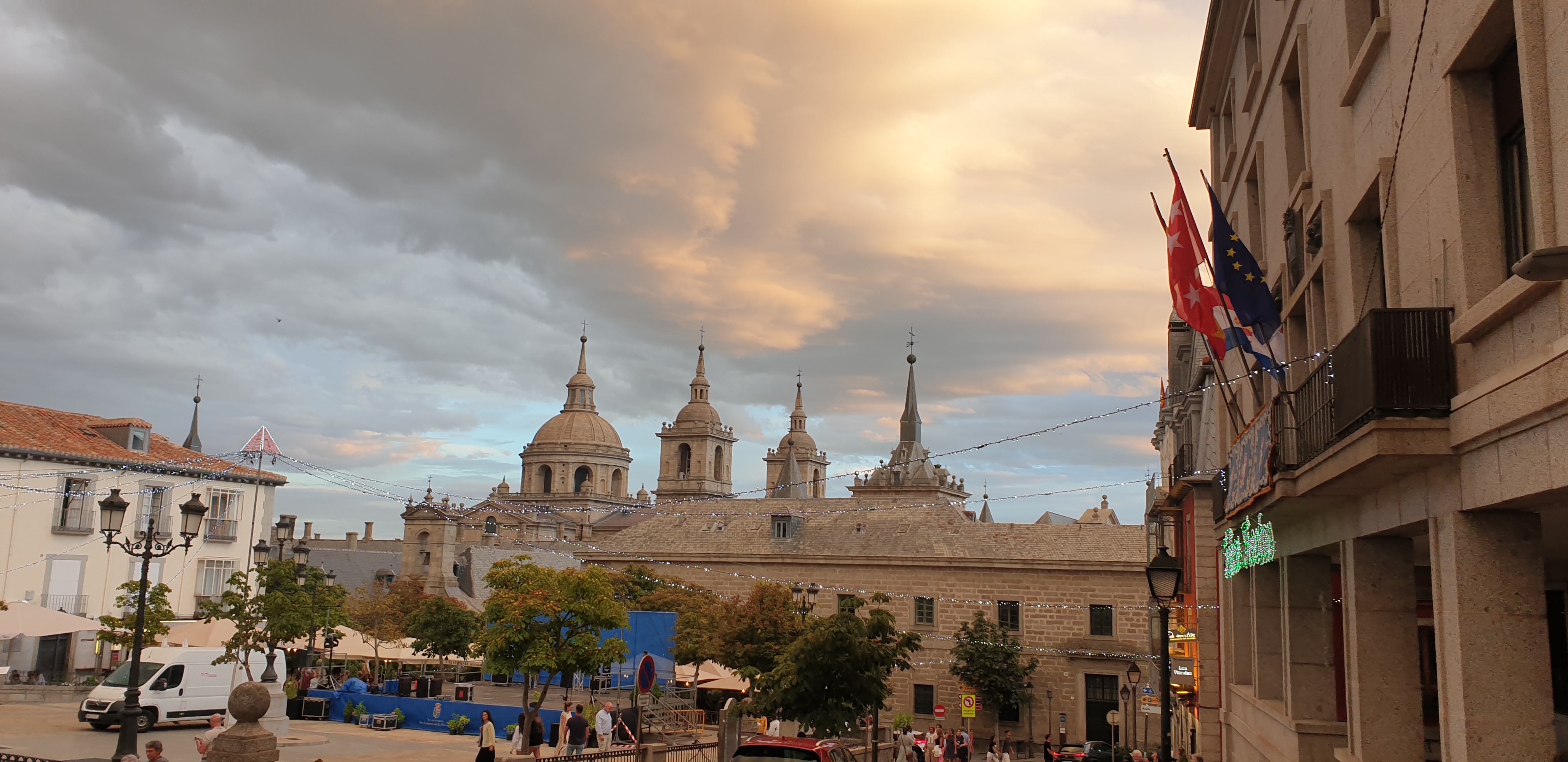
Every Summer for the last few years, my friend Paco and I go to El Escorial to visit their old and antique book fair – and have dinner after. I normally just have a browse and rarely buy anything, as my reading list is already far too long. But this time, I found a gem.

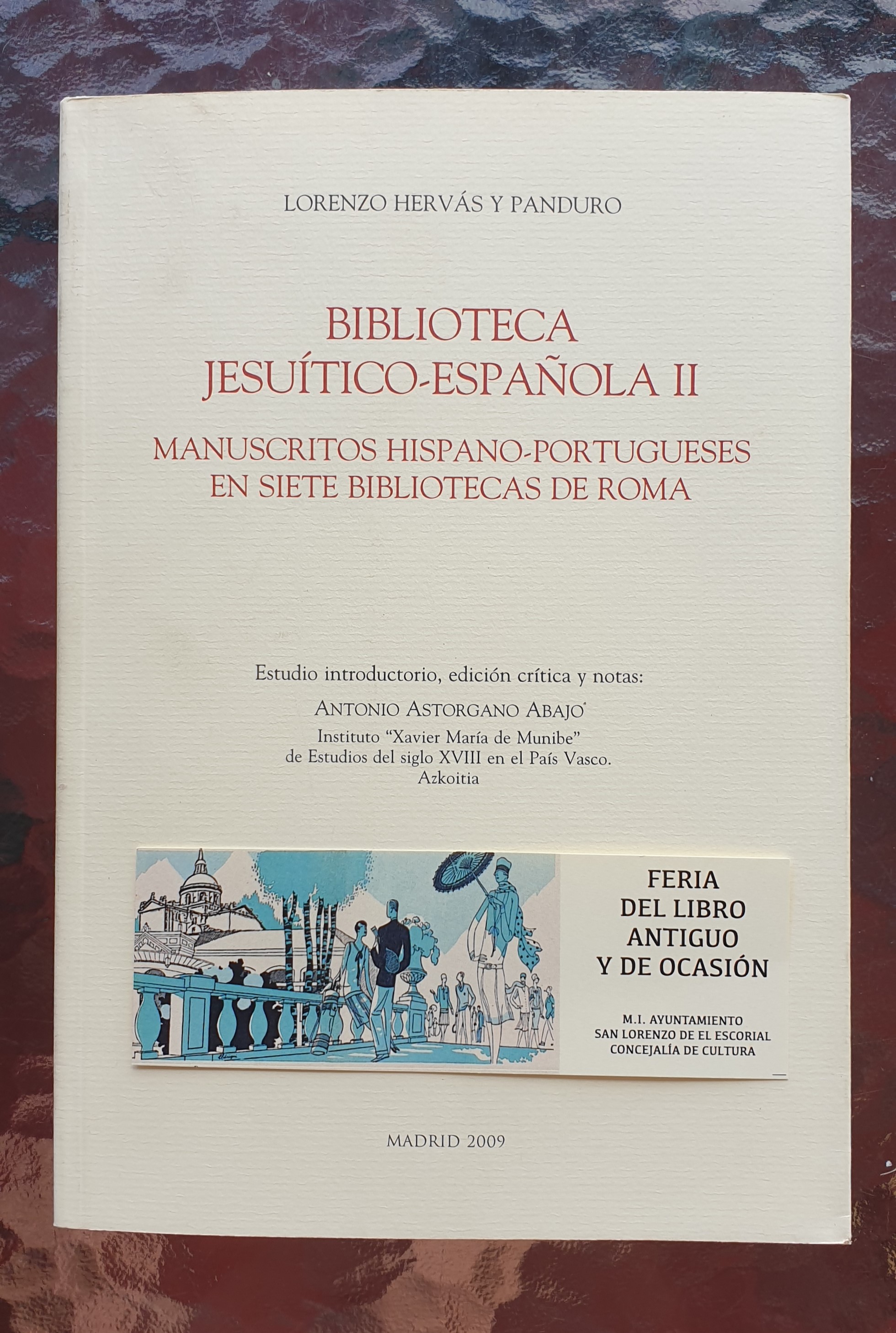
The Biblioteca Jesuítico Española by Lorenzo Hervás y Panduro is basically a bibliography of Spanish and Portuguese manuscripts found in seven Roman libraries and then some. And guess what? It has a bunch of references to our man Isla. Manuscripts found in different libraries in Rome, Toledo, Madrid, even Loyola in the Basque Country. Not bad for 10 Euro!

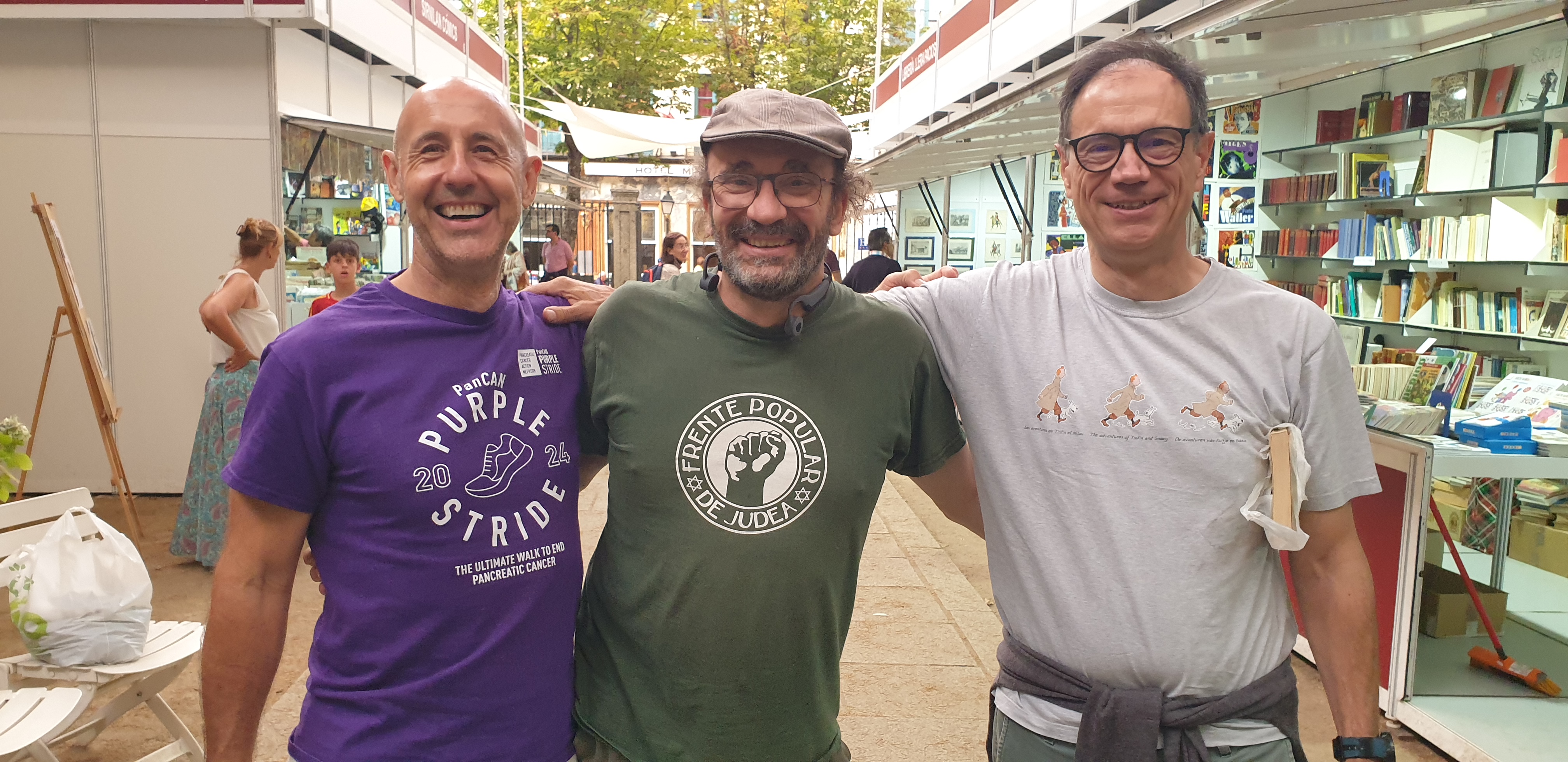
Then something special happened. I noticed the bookseller’s T shirt, referencing Monty Python’s Life of Brian. When I pointed this out to Paco, he knew exactly the shop where the fellow bought the shirt!! So we had to take a photo!

So now I must figure out which libraries I want to investigate their Isla manuscripts. This will be based on if I can find some sort of research grants to go investigate. This is where you come in: do you have any tips on how to look for research grants? Let me know in the comments, please.

Thanks!

Ernest Hemingway -a new ongoing series of my favorite authors.

A few years ago, in an effort to professionalize my blog, I committed to publishing every Tuesday at 5:00 pm Eastern Time (11:00pm for my Spanish readers – my second biggest following). This is a healthy challenge: having to think of something to write, having some photos to go with it, writing something, and getting it published.

Mostly I write about the Humanities: literature, art, film, but I also write about the Camino (sorry I did not have time to walk this year), Education, food, wellness, and my life in general. Another quirk of my blog is that I choose not to have categories, as I prefer the chronological set up. Which I understand makes it harder if you only want to read what I write regarding a single topic – mostly the Camino, sorry.

At any rate, going back to Literature, one of my first loves. I realize that although I write a lot of book reviews, I rarely write about my favorite authors -wow, that was a long introduction! So this might be the start of a new ongoing series of my favorite authors.

I was blessed to have a great English teacher in High School. Mr. McGovern was also my track coach, but that is for a different blog. He actually looked a bit like Hemingway. A Farewell to Arms went a bit over my head, I did not have the maturity to appreciate it at the time. On the other hand The Old Man and the Sea really hit a chord with me, it has been one of my favorite books and one that I reread often. After that I read For Whom the Bell Tolls, Death in the Afternoon, and a bunch of short stories. And I loved them all.

Ernest Hemingway is out of favor in the 21st century. His toxic machismo, his destructive masculinity, But I wonder how many people who cancel Hemingway have read any of his work. (Yes, I did read the latest New Yorker profile)

“There is nothing noble in being superior to your fellow man; true nobility is being superior to your former self.”

― Ernest Hemingway

What I love about Hemingway is his craft of writing, his ability of saying so much with so little, his emotions to words ratio. Like García Márquez (another one of my favorites), Hemingway was trained as a journalist, where every word counts, and that economy is visible in their work. Add to that solid narratives, and you get, well, a Nobel Peace Prize winner!

So put aside your hip and trendy 21st Century political correctness and go read Hemingway. The Old Man and the Sea might be a good starting point, you are welcome.

Walking my first Camino, I met James, a genial brit who was also a Hemingway fan, and we talked about him for hours. We split in Pamplona as I continued, but when we bumped into each other in Puente la Reina, he gifted me a copy he had bought for me in Pamplona! (See photo)

“There is no friend as loyal as a book.”

― Ernest Hemingway

On the importance of academia, presenting at conferences, a return to UNC Chapel Hill

Yes, there are a lot of problems with academia, the ivory tower and all that. But at its core, it is still important, necessary, even critical I would say.

It has to do with research, discovery and then sharing that information. I was blessed to be able to participate at this year’s Carolina Conference for Romance Studies, It was great! I had some issues getting to Chapel Hill (but that merits its own post).

Living in 2 season Florida (dry, warm, and wet, and humid) it was fantastic to feel Spring, cool in the morning and evening and warm during the day. I was grateful for Spring! Plus everything was blooming and it was just so beautiful!

My panel was fantastic, well attended, and with great questions. I presented on a little-known 18th C. Spanish book: Los aldeanos críticos. My colleague presented on Galdós, so it was exciting. Other panels I attended were brilliant. During drinks that evening, I had great conversations about Zola with an old classmate and Posthumanism with the conference’s keynote speaker (expect a post on that also).

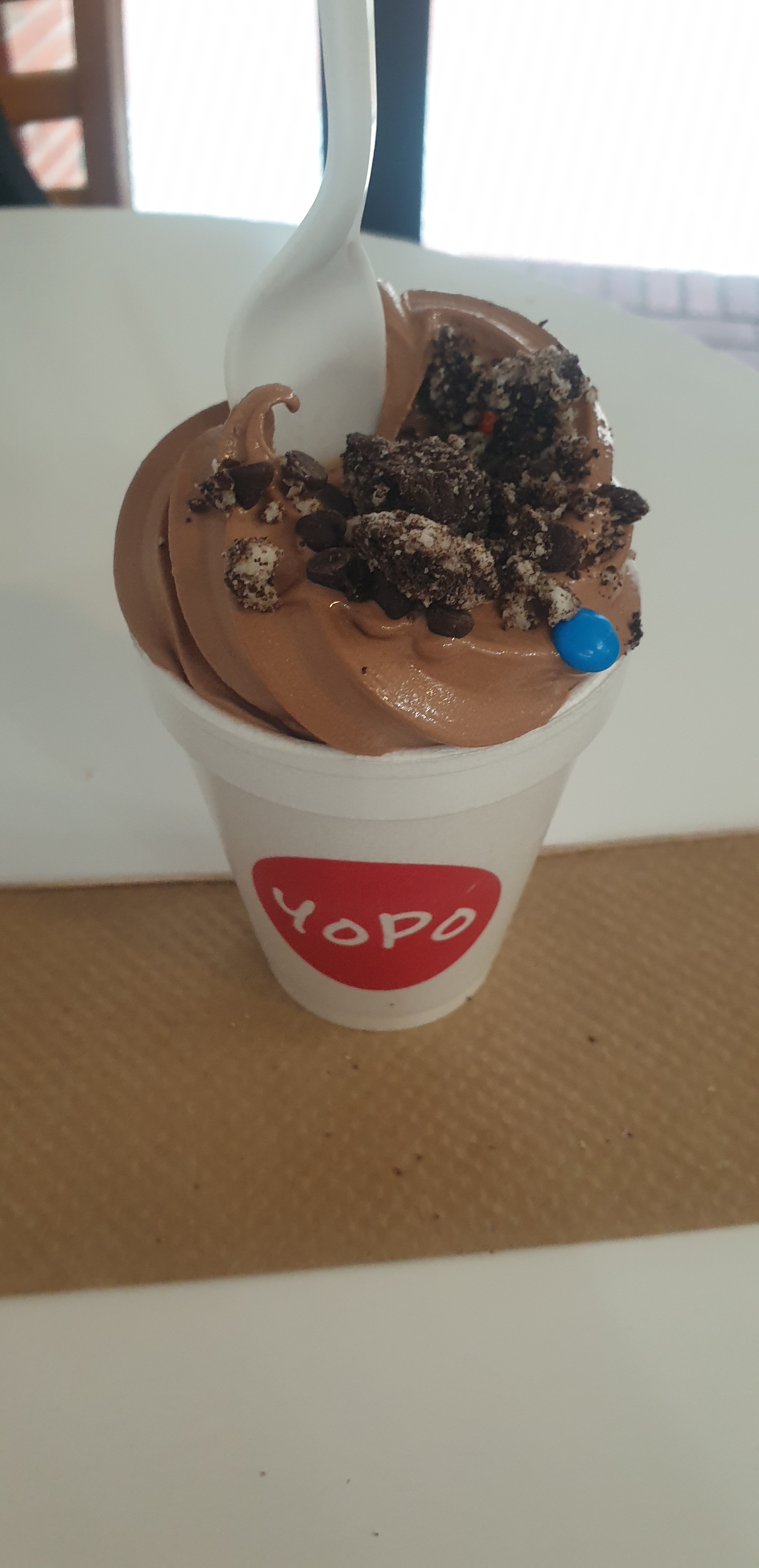
I also managed to see old professors and friends, even to sneak into the Ackland museum and bask in Carducho, Picasso, and all the other artists, to visit old hangouts; YoPo for frozen yogurt, and Zogs for drinks!

So my mission was accomplished, I was incredibly happy and satisfied with it!

Why you should read 19th century novels; Victor Hugo´s Notre-Dame de Paris.

From the time of the ancient Greeks until the 15th century, the preferred format for literature was poetry; epic poetry, sonnets, pastourelles, so on. By the 15th century theatre took hold as the preeminent platform for writing; the different characters able to portray different points of view, and the fact that you did not need to know how to read to follow along, helped. The dominant format of the Enlightenment was the essay as we scrambled to put “order” into the world. And although my dear Cervantes basically “invented” the novel in 1600 (the word novella comes from the Italian, but these were not long narratives), this format did not fully flourish until the 19th century, and boy did it flourish!

A couple of factors that drove the popularity of the novel was that the printing press and paper making technology was well advanced, as well as the fact that many more people knew how to read.

The result are long, intricate novels with great character descriptions and narrative arches -Dickens, great philosophical dialogues –Dostoevsky, detailed historical dramas -Tolstoy. In fact, most European countries saw a great spike in novels in the 19th Century.

In Spain, Leopoldo Alas “Clarín” and Benito Pérez Galdós stand out. In France, Alexandre Dumas, Flaubert, Verne, and today’s featured author, Hugo among many others marked the 19th C. In Germany, Goethe led the Romantic movement! In Ireland, Joyce, Wilde, and Stoker represent. In Russia Dostoyevsky and Tolstoy are most famous, (click here for Russian lit) but not the only ones (Pushkin and Turnegev are in that list). In England, the list is too long to write down, but let’s just say: Jane Austen, Emily and Charlotte Brontë, Lord Byron, Lewis Carroll, Doyle, and of course, Dickens.

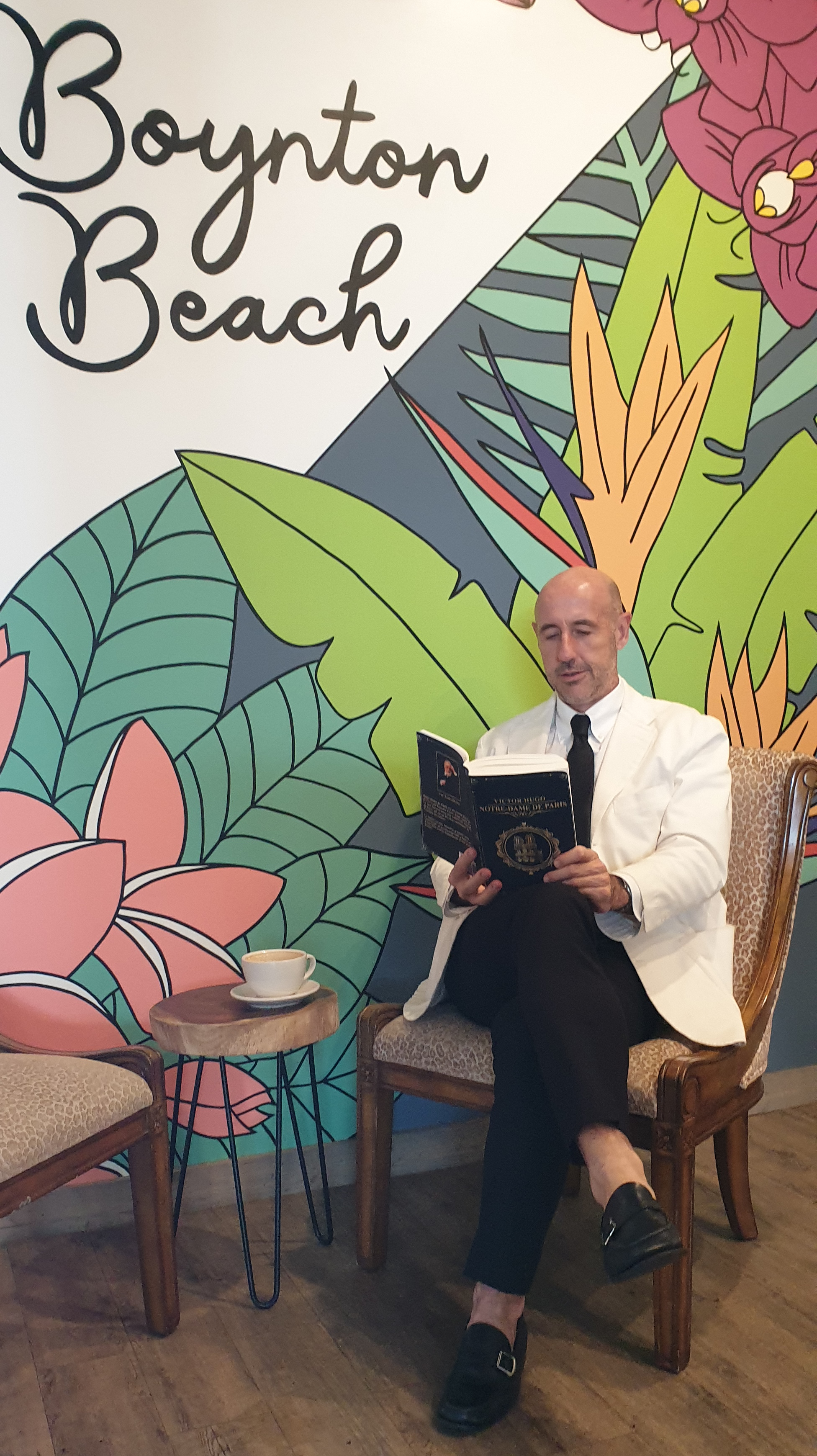
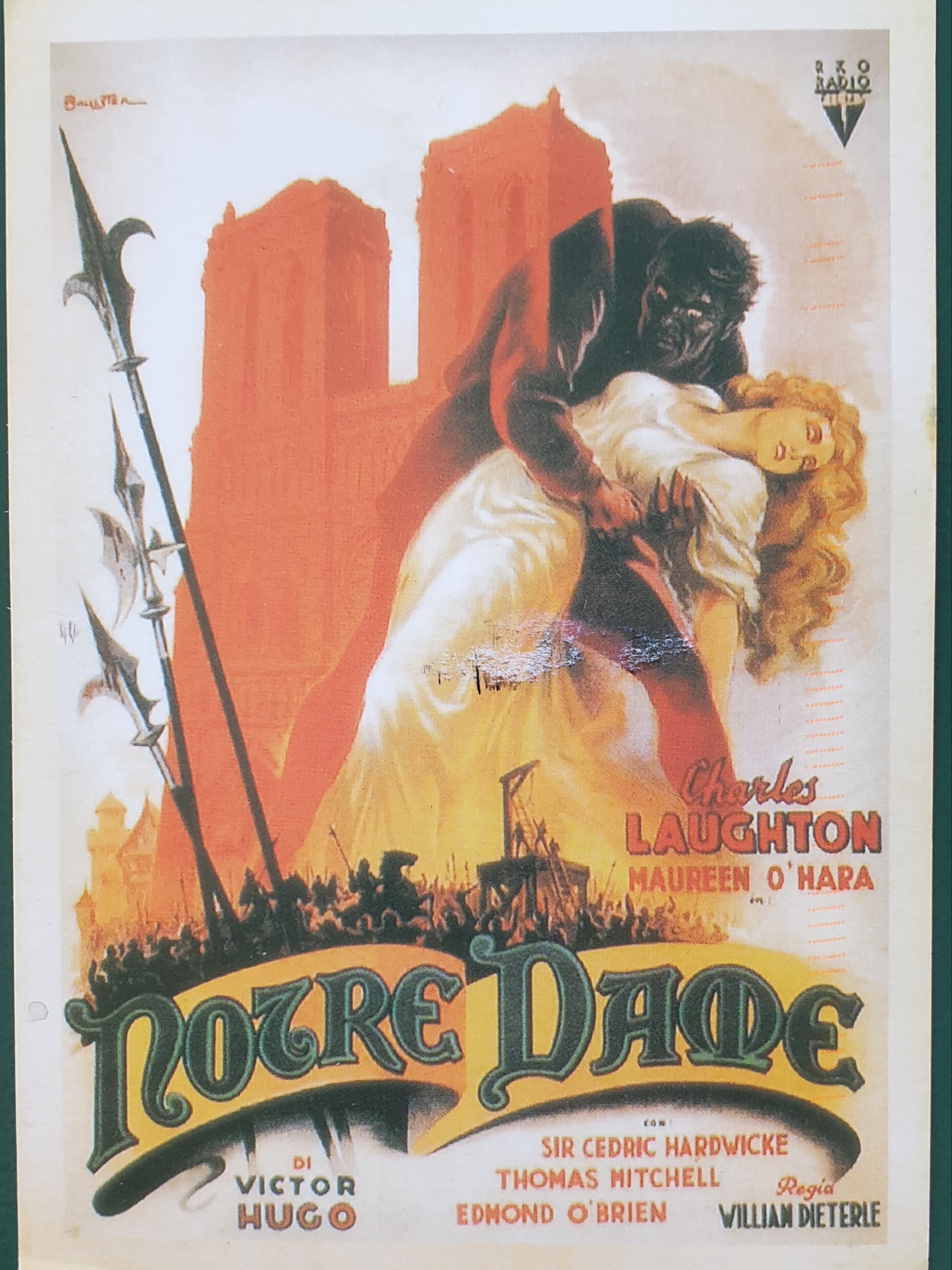
All this to say that I just read Victor Hugo’s Notre Dame de Paris written in 1833, and I have loved it! It is beautifully crafted, amazing, evil, charming, funny, stupid, great characters with, of course, Quasimodo being grotesque but with a beautiful heart. The Cathedral itself is very much a character in the novel, as Hugo was advocating for the preservation of Gothic architecture in a time when old buildings were being torn down to build new ones. The story fits more into the Romantic movement that the later Realist movement, what with all the darkness and gargoyles. I read a French edition that my sister gifted me for Christmas last year, sorry I am running a bit behind on my reading list.

Confession time: I have not seen the Disney version so I cannot judge how faithfully it represents the book, but hey, it is a Disney film. There is also a ballet, a musical, an old film, etc.

Now go read some 19th c. novels!!! You are welcome.

On the importance of first lines.

You might not know this, but first lines are really important, first lines in writing specially. I recently had an opportunity to expound on this at a Language Dept. workshop at school.

We started by talking about how skillful writing hacks your brain so that you might not know your brain has been hacked. We showed a few examples of great first sentences -of course, there are many, many more. (Try to figure out the author and book, answers below – don’t cheat!). (We played a similar game on this blog on my post about Russian Literature, check it out here.)

  1. “Here is a small fact: You are going to die.”
  2. “En un lugar de la Mancha, de cuyo nombre no quiero acordarme, no ha mucho tiempo que vivía un hidalgo de los de lanza en astillero, adarga antigua, rocín flaco y galgo corredor.”
  3. “Happy families are all alike; unhappy families are all unhappy in their own way.”
  4. “Muchos años después, frente al pelotón de fusilamiento, el coronel Aureliano Buendía había de recordar aquella tarde remota en que su padre lo llevó a conocer el hielo.”
  5. “He was an old man who fished alone in a skiff in the Gulf Stream and he had gone eighty-four days now without taking a fish.”
  6. “Lees ese anuncio: una oferta de esa naturaleza no se hace todos los días.”
  7. “Call me Ishmael.”

We had a good time going over those sentences and what made them good first sentences. Then we looked at how to write good sentences in general and especially for academic writing. The hands-on part of the workshop involved the students writing a sentence each until we had a first paragraph!

We had a good time and I hope the students left understanding the importance of first sentences!

Answers:

  1. The Book Thief. Markus Zusak
  2. Don Quijote de la Mancha, Miguel de Cervantes
  3. Anna Karenina, Leo Tolstoy
  4. Cien años de soledad, Gabriel García Márquez
  5. The Old Man and the Sea, Ernest Hemingway
  6. Aura, Carlos Fuentes
  7. Moby Dick. Herman Melville