Museo Arqueológico Nacional MAN

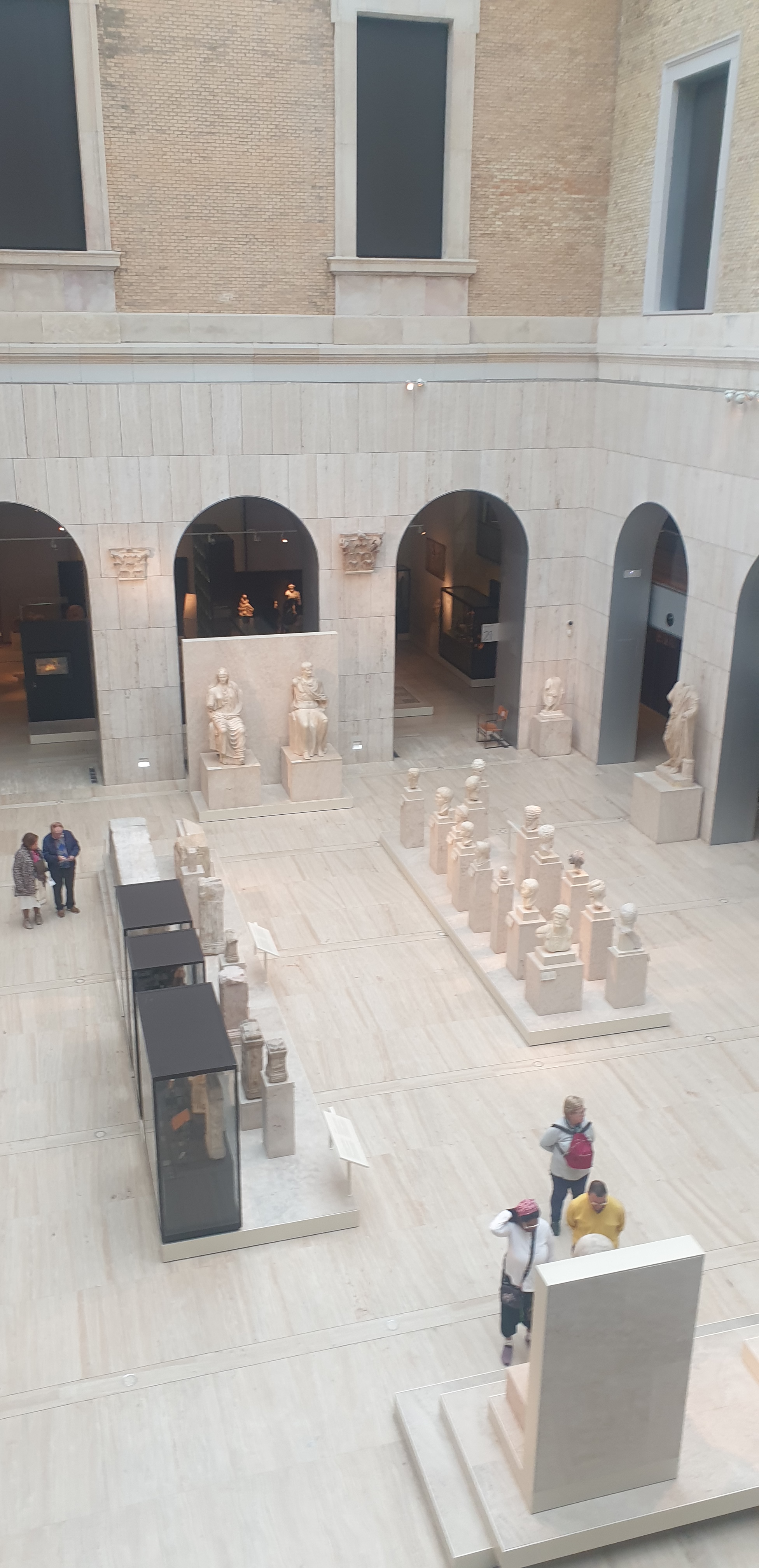
When one of your best friends is a noted fine antique art restorer and he invites you to walk around the Museo Arqueológico Nacional, something you had not done since you were a schoolboy, you drop everything and go!

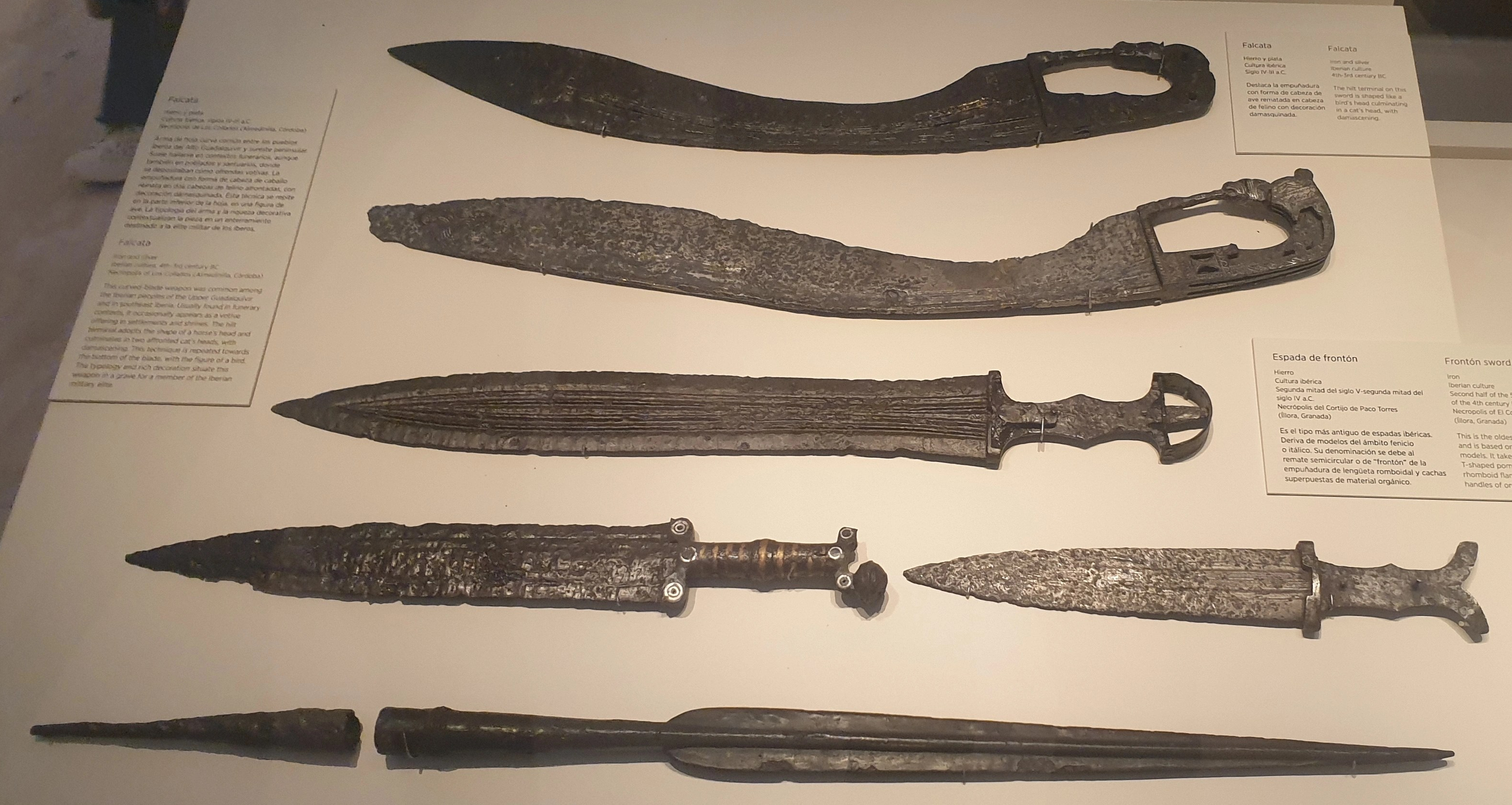
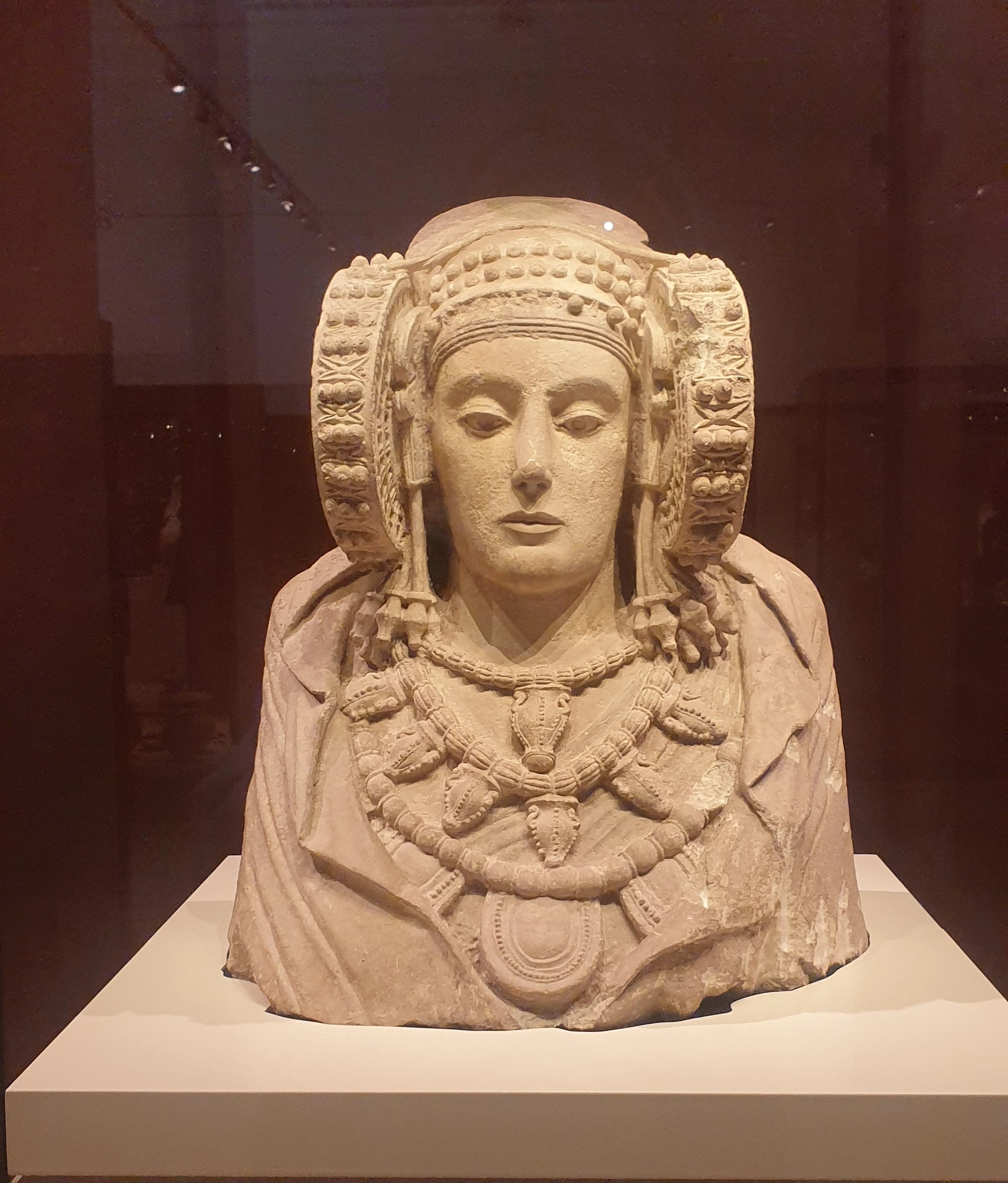
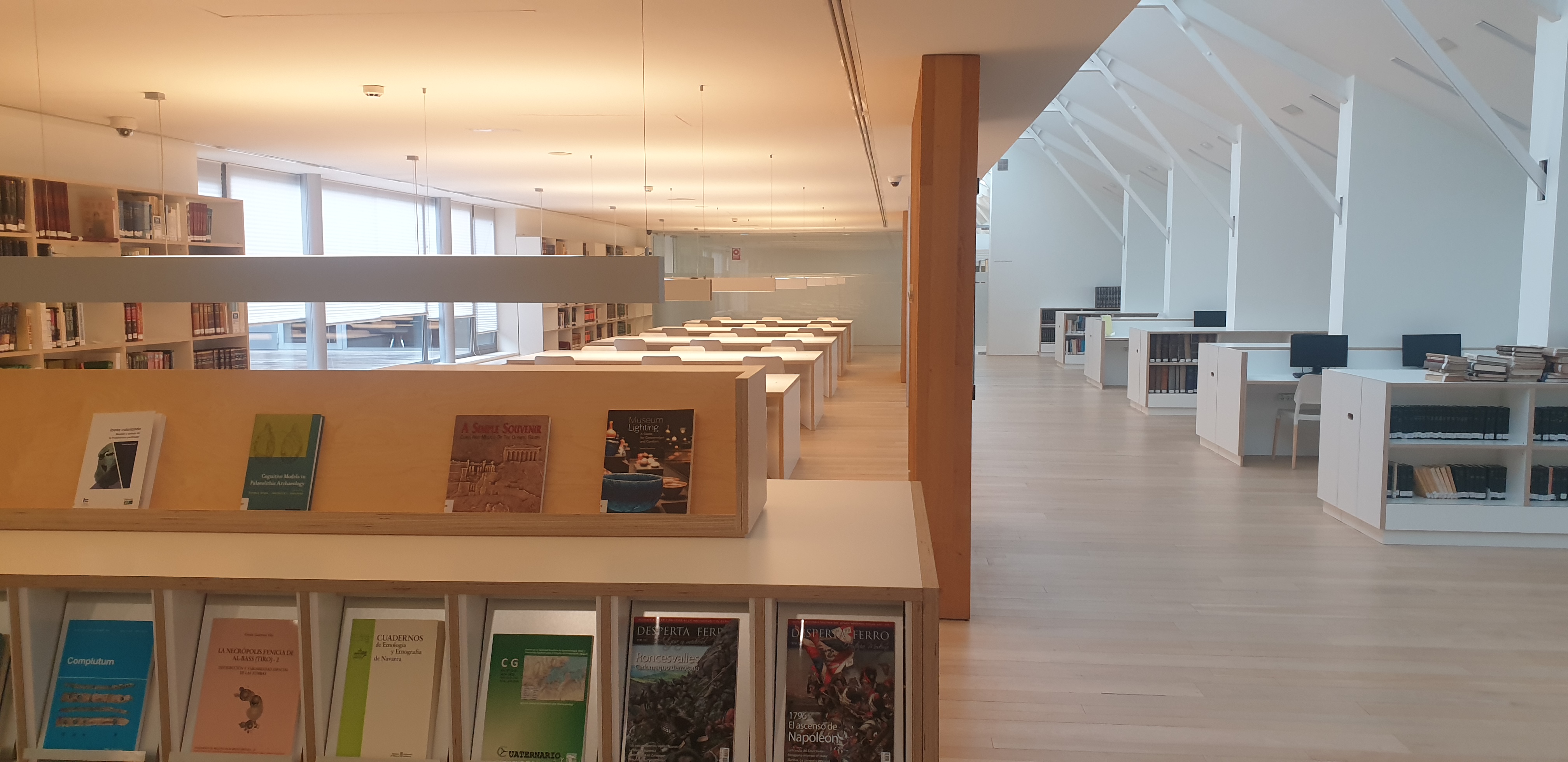
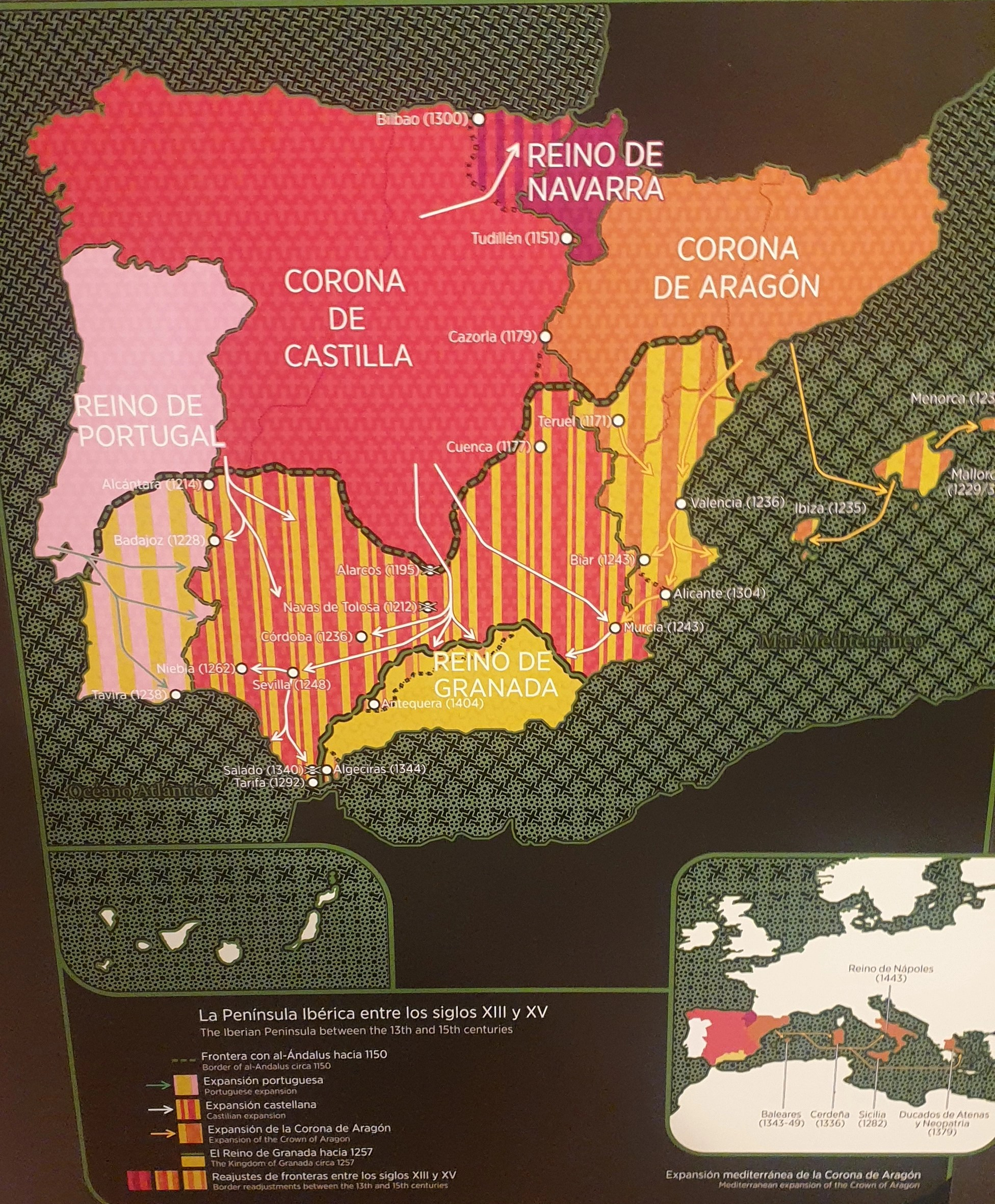
First, what a wonderful job they have done renovating it! The museum shares building with the National Library -One side Library, one side Museum. In it you will find everything from prehistoric bones to early 19th C artifacts. Of course, the main exhibits are from Spain’s first inhabitants, the íberos, with their rich sculptures, like the Dama de Elche -the museum’s undisputed jewel, and their falcata swords feared by the Romans… (Jaime restored a bunch of these curved swords and told me everything about them).

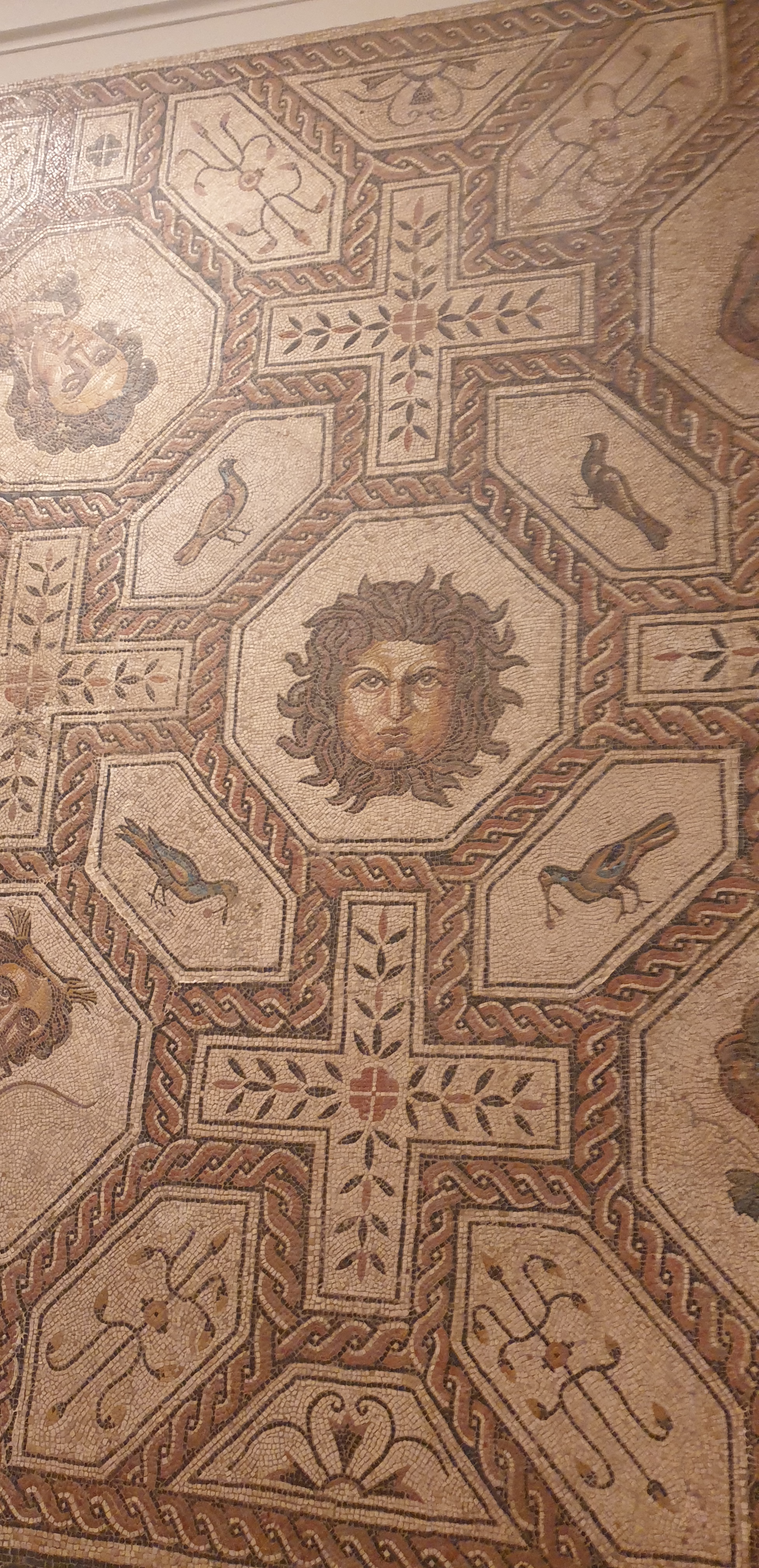
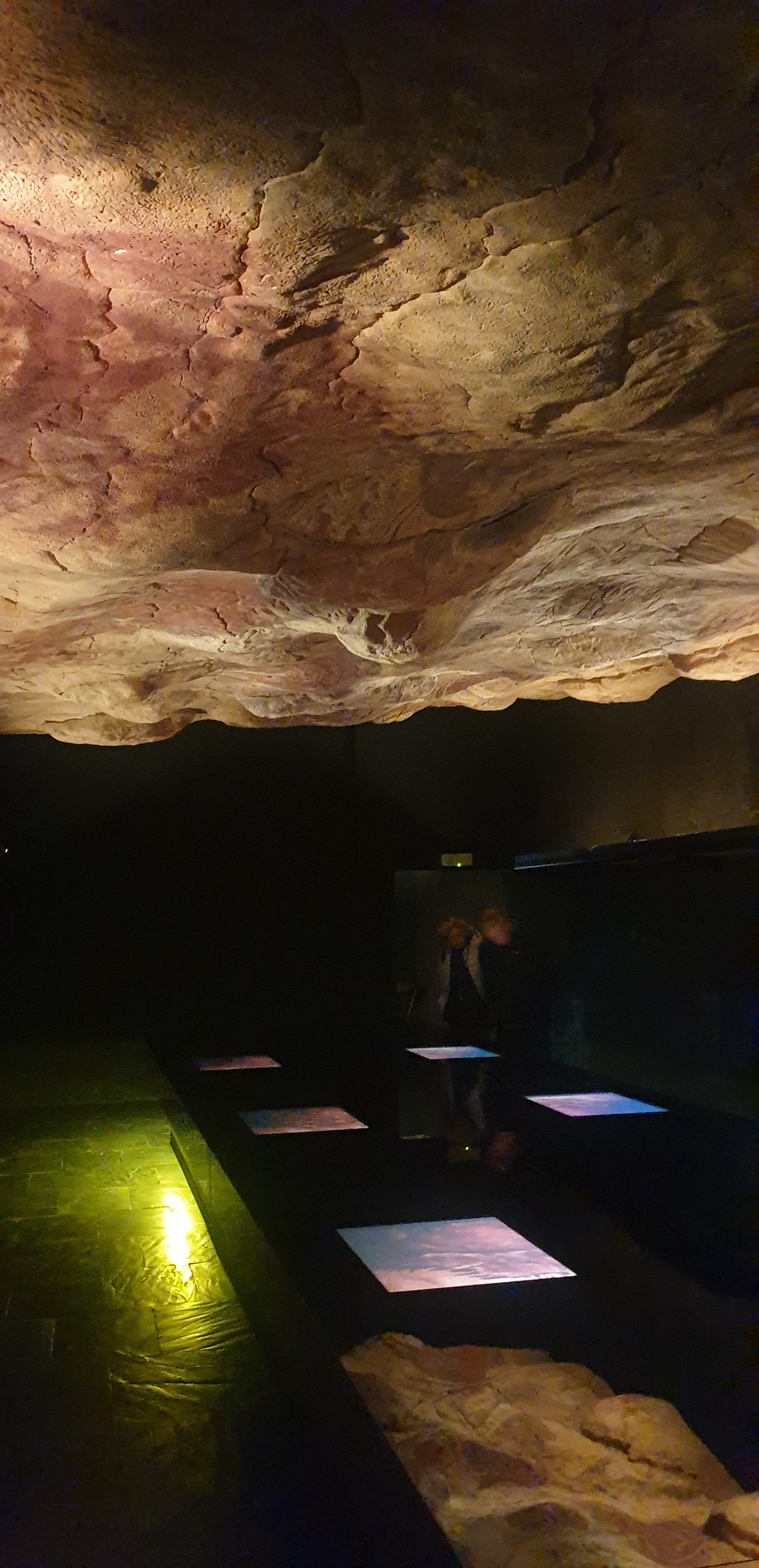
The room of Roman mosaics is mind blowing, the Greek room, the Romanesque room also, and on and on. The whole museum is jaw dropping! And if that was not enough, under the garden, they have recreated the Altamira caves with their prehistoric paintings, it is literally a cave with the painting on the walls and ceilings.

Jaime even introduced me to some of his colleagues and showed me the labs and workshops, even the library where he works when he collaborates with them.

So, if you are in Madrid, do not miss the Museo Arqueológico Nacional, also, it is on Calle Serrano, a main shopping street so you can kill two birds with one stone!!

You are welcome!

Libraries (continued)

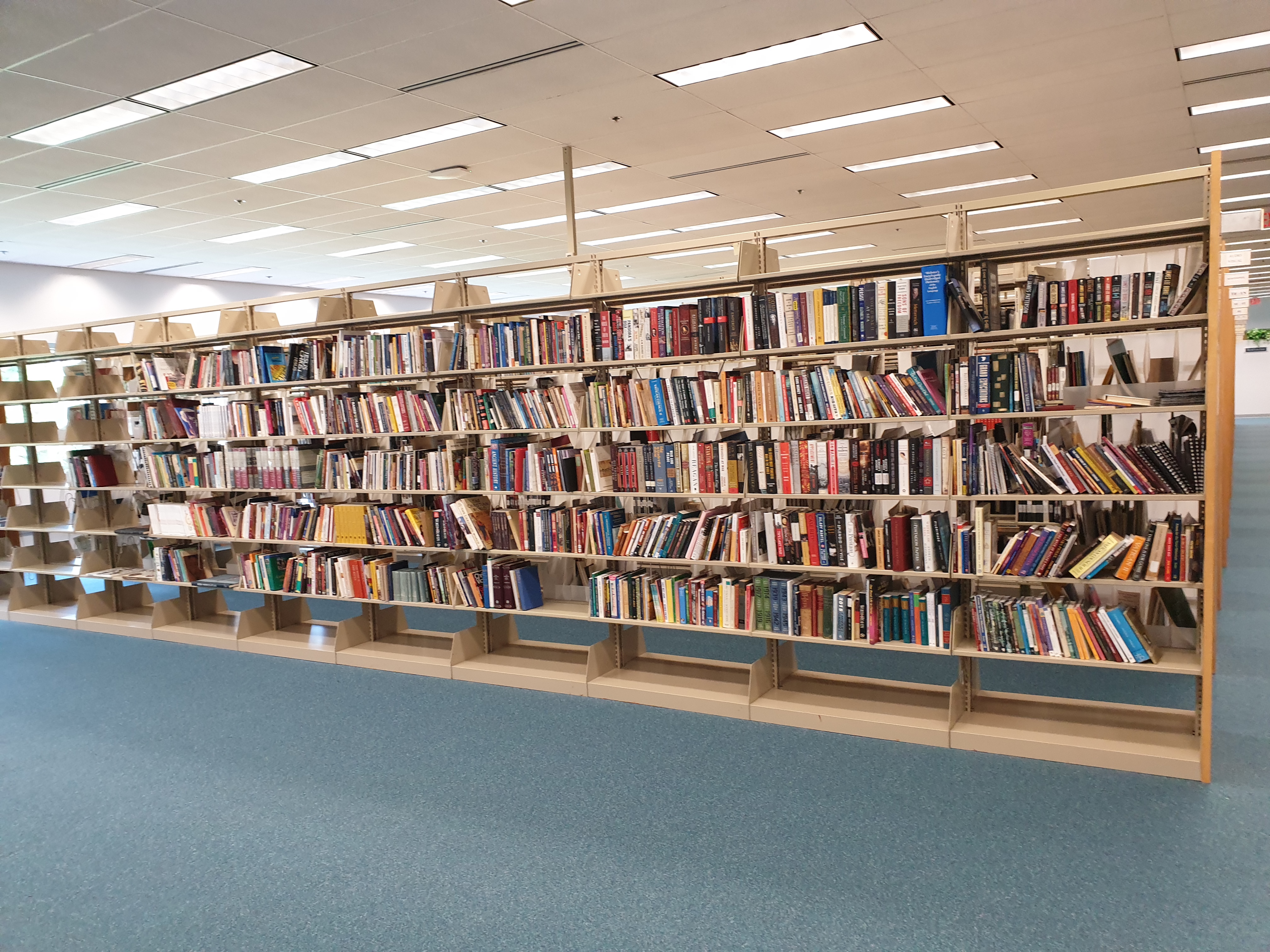
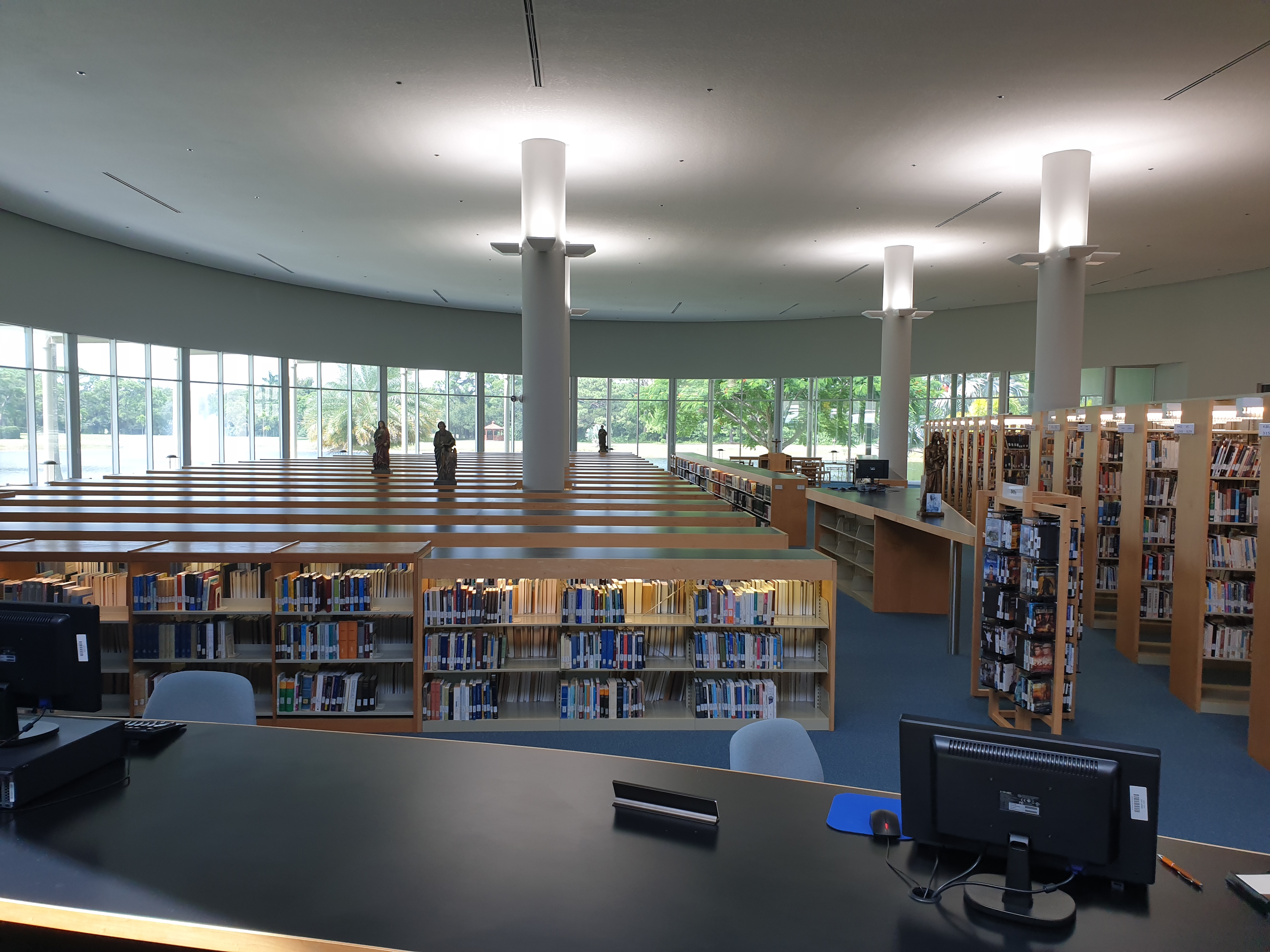
I have the privilege of working on a beautiful campus. There is a pond smack in the middle, there are a couple of gazebos for meditating, there is a beautiful chapel (arguably the most beautiful building in Boynton Beach), there is even a tree swing! There is also a beautiful library. It is not a massive library, it is rather quaint by university standards but still, it is a lovely library.

This is where it gets interesting: In order to get to my office, you have to go through or around the library, through is the much faster route.

So not only do I walk by the periodicals section where I can -at a glance- look at the new magazines coming in, then I lower my blood pressure by walking through the peaceful, quiet stacks, and right before getting to my office, there is a shelf with free books that the library no longer wants. This is my perdition.

I wrote about libraries and bookstores recently (ok, a year and a half is recently for dinosaurs like me), but that was before I had to work next to the goodie room that is the “Free books” shelves outside my office!

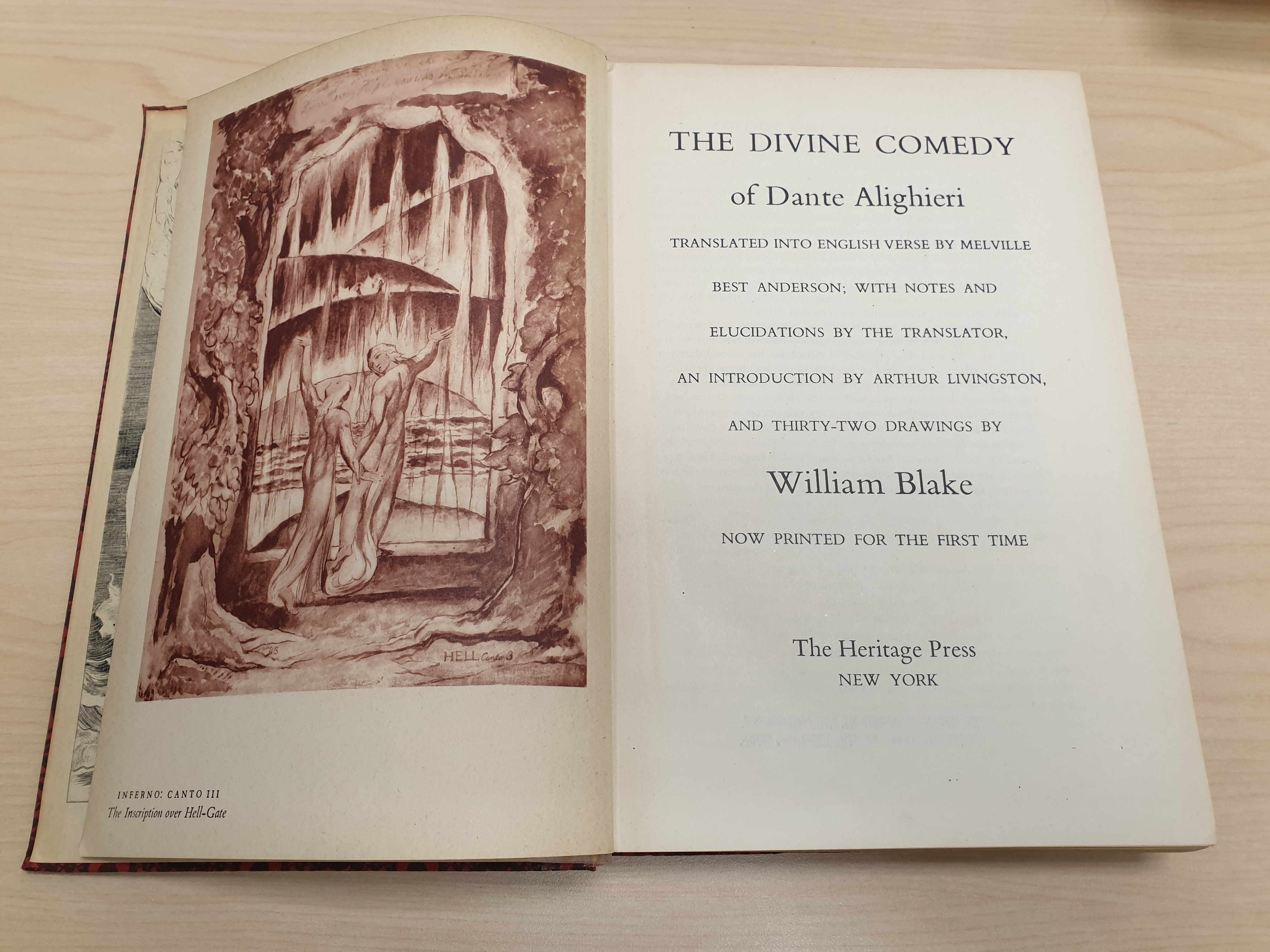
Over the months I have collected many varied books. My most recent find – and the detonator for this blog – was a first edition 1944 Divine Comedy with drawings by William Blake. Last year a retired history professor went into an assisted living facility, and he donated his whole library! It was chock-full of great books of which I got a good number of. And since my office is next door to these books, I always have first choice. In fact, sometimes I have even help the librarian stack the free books as he rolls them out!

Desperate Literature (or interesting bookstores and libraries)

I fell in love with literature at the American School in London with a couple of great teachers: Soledad Sprackling for Spanish Literature and James McGovern for English. But I did not fall in love with books until college.

At Bentley University I discovered the Bowles Reading Room which had beautiful books. It was glassed in from the rest of the library and every day I went there to do my homework but would invariably end up looking at the wonderful books. I loved that room so much that at the end of my studies, I donated a book about Spain to the Collection. (I contacted the librarians who got me this rare photo of the Reading Room for this post, thanks!).

Bowles Reading Room 1992 (After I graduated) (PC: Bentley Archives)

Bowles Reading Room 1992 (After I graduated) (PC: Bentley Archives)

But I would have to wait until after college to have enough disposable income to buy books, which, living in Boston, was very easy. Some days on my lunch break I would sneak to Goodspeed’s to look for treasures. Such is my love for books and literature, that years later, I ended up getting a PhD in Spanish Literature! (see previous posts)

Speaking of UNC, one of the highlights are the libraries. Plural. The old library is the Wilson Library (which is featured prominently in Robin Williams’ great film Patch Adams). I spent hours studying in this library and a couple of times studying very old books in the Rare Book Collection. The big, modern library is the Davis Library with its 7 million books. There, I soon made best friends with the Spanish book librarians Teresa and Becky. I would walk to their office deep in the heart of the library and talk books, (and gossip). This library is as close to the Borges idea of a library as I have ever been: massive and repetitive, but with a soul.

During my studies at UNC, one summer I got a Fellowship to do research at the Biblioteca Nacional in Madrid. What an experience! To get to the rare book collection you have to pass not one, but two security checks, you cannot bring in any pens, books, phones, etc. Books there are treated with the care and reverence one would expect of -in my case- over two hundred year old books. I spent every morning that summer reading most of Francisco de Isla’s first editions, manuscripts, and other pieces attributed to him but not his. That experience is one of the highlights of my academic career. (Their coffee shop in the basement was also excellent – and subsidized! but that is for another post)

Biblioteca Nacional, Madrid

Biblioteca Nacional, Madrid

After UNC I moved to Southern Florida, which is a wasteland for books -must be the humidity. But, in 2016 I did read this great article in Vanity Fair, (to which I have subscribed and read every issue from cover to cover since around 2006) about this magical book store in Santorini called Atlantis Books.

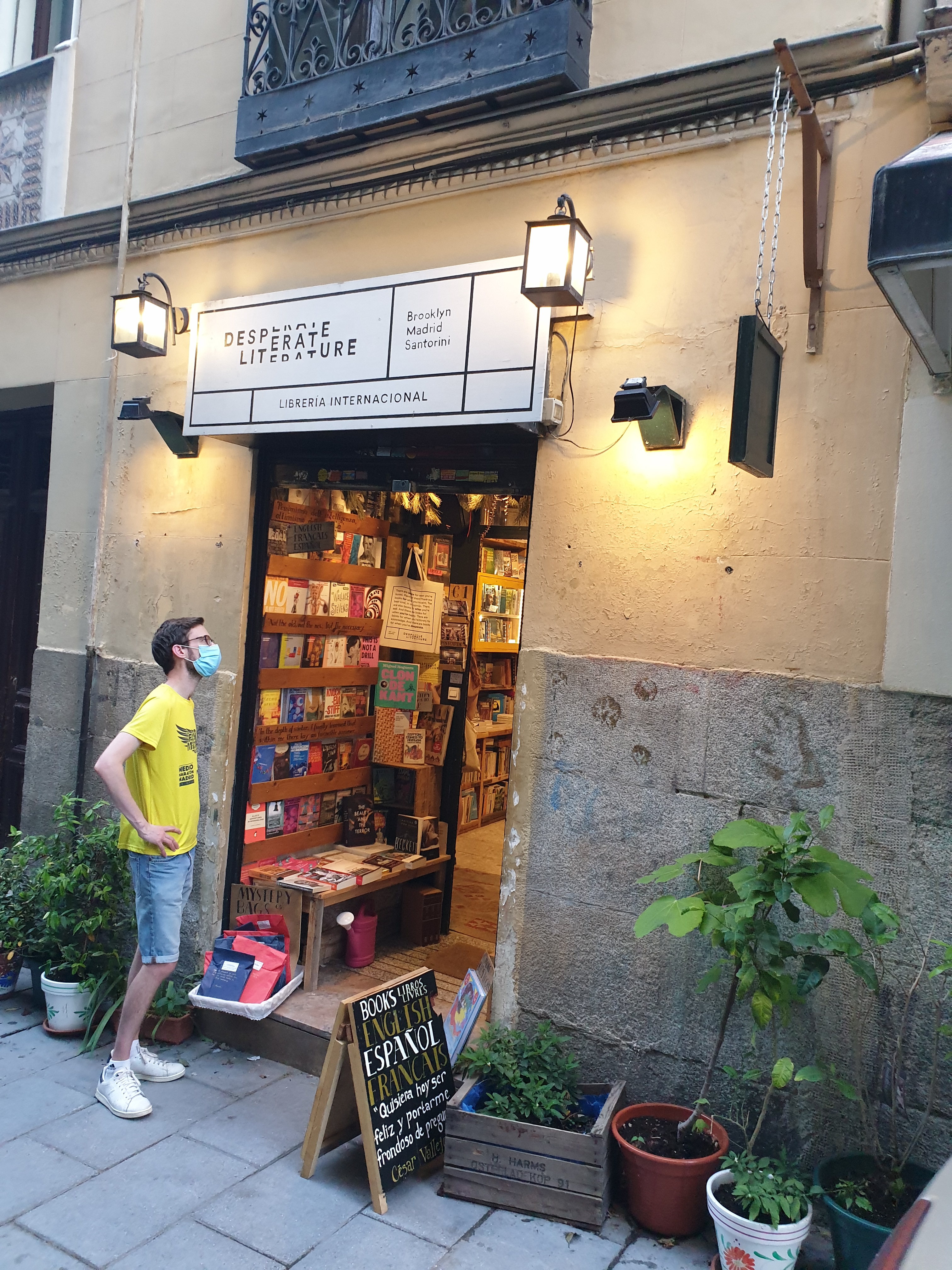
Fast forward to 2018 when my dear friend Matthew came to visit me in Madrid. He stayed at a hotel in the old part of town. One evening after I dropped him off, around the corner from the hotel, on narrow Campomanes street, I bumped into Desperate Literature. I was ecstatic! What a discovery, what a find! A tiny bookstore, but filled with books mostly in English, with a few in Spanish and French for good measure. It was a tiny paradise, an oasis of… books!
Books in time of Covid

Books in time of Covid

I soon found out that this bookshop is part of Atlantis Books which I had read about in that Vanity Fair article. It all fit in, a collection of magical bookstores.

During this Covid-19 pandemic I found out they were sending books to folks. I ordered one and I was able to make use of my workout time to ride my bicycle to pick it up.

In conclusion: support your local -hopefully quirky- bookstores, and read.


My happy place, El Escorial


Although I have talked about it in various posts, I have never dedicated a  post to my favorite building, my happy place, and arguably the most important building in Spain, El Escorial.

I am blessed in that my parents bought a house not far from this place when I was a boy. My restless dad would often take me here for quick excursions, to walk around the palace, the village or the surrounding countryside. As soon as I could drive (17 with my British license) I started going there on my own: to walk around, to read, to write.

Possibly the main reason El Escorial is so special is that it is a monastery that is a royal palace and a royal palace that is a monastery. So it is huge by monastery standards but it is austere and spartan by palace standards. But it is more than a palace and a monastery: it has one of the finest libraries in the world, a magnificent basilica, a pantheon with (most) Spanish kings (and reigning queens), a school, an art museum, etc.

It was built by my favorite Spanish king Philip II. He had such drive and desire to build it that he spent a fortune to have it built as fast as possible. It was built in 21 years from 1563 to 1584. The result is arguably the finest representation of Renaissance architecture in Spain (his dad Carlos V, built another great Renaissance palace in Granada, but that’s a different story). What happens with most huge old buildings is that they took so long to build that they were started in a certain style and finished in another style altogether -and oftentimes, other styles in between. This is most visible in cathedrals. Oh yes, Philip II is the one who sent out the Invincible Armada, in fact, you can see the desk where he worked -and where he received the news of his defeat.

The palace is built entirely of local granite, has 14 courtyards, and thousands of windows, doors, blah, blah, blah. As you can see from the photos, it is amazing, grandiose but sober. There are plenty of books and web sources about it, so I do not need to add to the mountains of information. There is also the village where the palace is. It is a beautiful little village with great food, little bookshops, and cafés. The combination of countryside, palace, and village is really magical. When a group of the king’s scouting committee where checking out where to build the palace they were caught in a fierce storm that they interpreted as a signal. So they figured that is where they should build. There was a semi-abandoned mine there (Escoria means slag, mining residue, thus Escorial). Plus there is evidence of pre-roman, Celtic settlements in the area, adding to the mysticism and aura of the place. I could go on for hours and hours, but a. I will spare you and b. you can hire me to give you a tour!

Many years ago, chatting with a work colleague and friend we discovered that we were both fans of El Escorial, so we soon founded the Asociación A. de Amantes de El Escorial. (The A. stands for apocryphal, but don’t tell anyone), it is a bit of a joke, but we now go at least twice a year for Asociación “meetings” that involve dinner and a walkabout!

Why is this my happy place? Maybe its the radiation from all the granite, maybe the fond memories of walking around, maybe the relaxing qualities of the beautiful renaissance lines, I really couldn’t tell you.