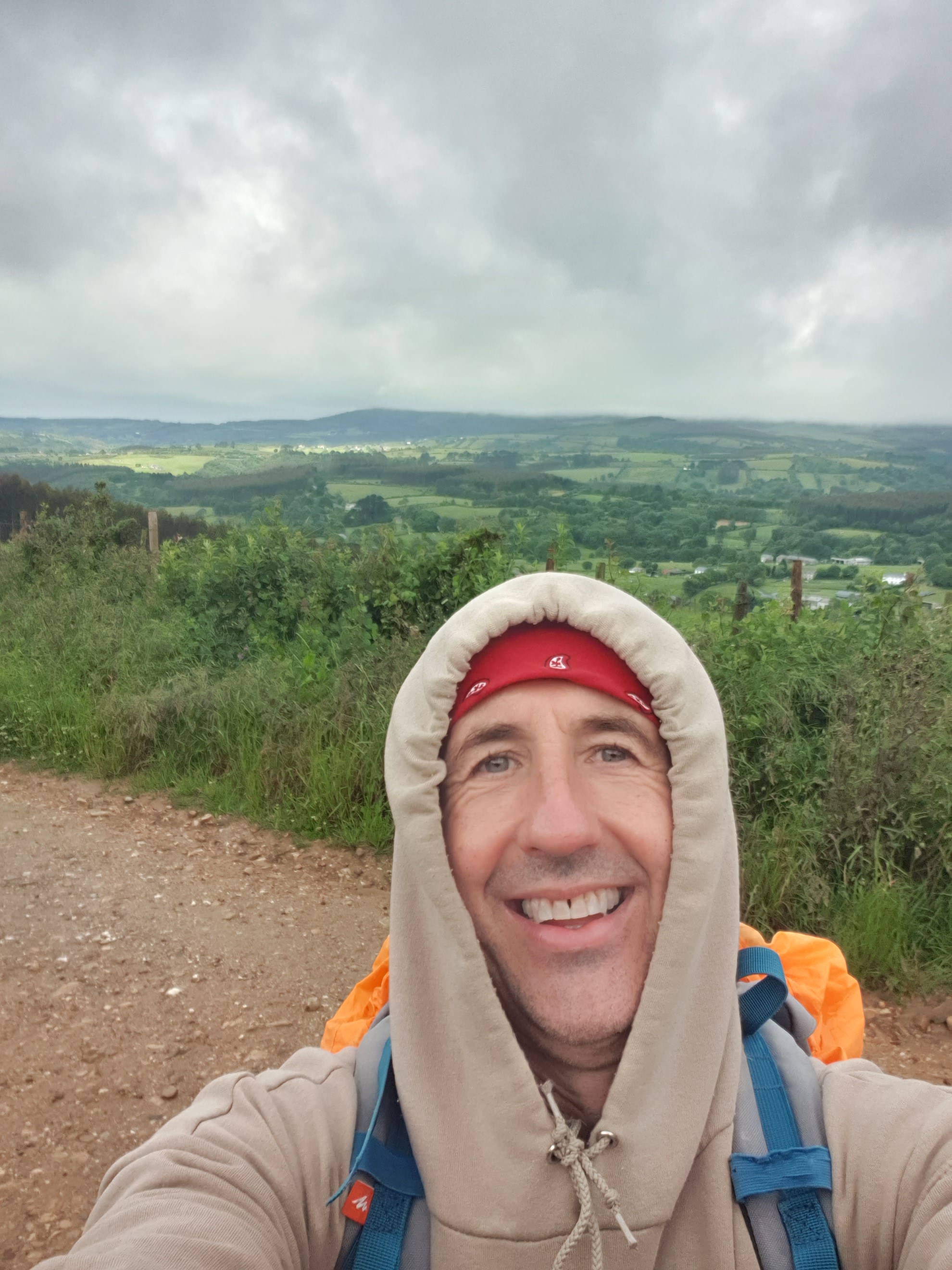
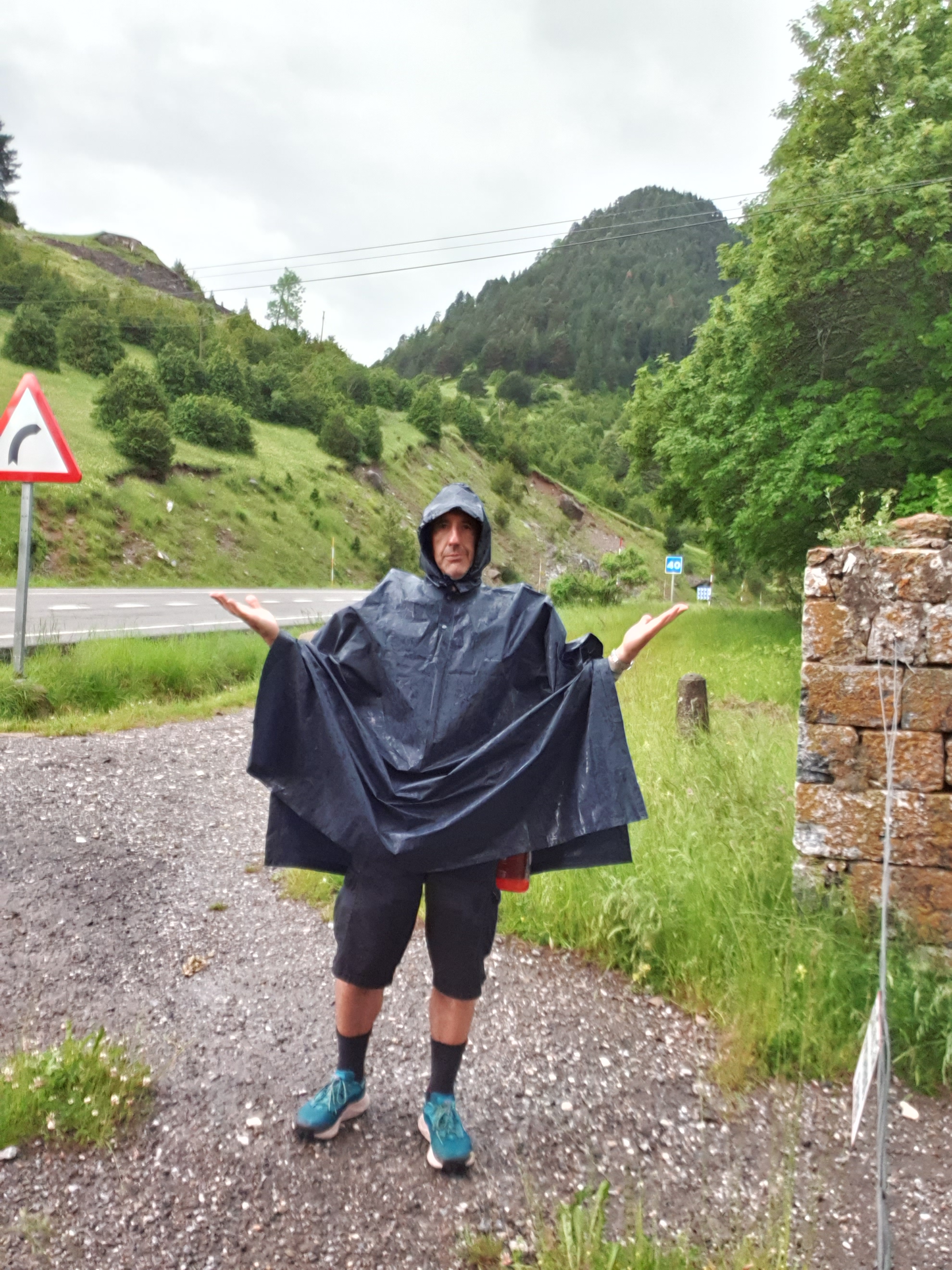
The evolution of my Camino packing

Pilgrims have been walking to Santiago from all over Europe since about the year 800, before Hoka running shoes, before high tech fibers, before ergonomic backpacks, before electronic watches that measure your heart rate, every step you take and your lymphocytes, before, before, before. So chill.

On top of that, most people walk really short Caminos, so your choices are not that critical; you are going to walk for 5 days, eating much better food at half the price of whatever you are eating at home, sleeping on decent beds, showering with decent water pressure, with a fully stocked pharmacy in almost every village you walk through should you need any medicine, and enjoying free, high speed Wi-Fi internet connections so you can post on Instagram. You will not be roughing it (unless you choose to).

As I prepare for my fifth Camino, here are some thoughts on my packing and the evolution of my packing philosophy.

One of your realizations on the Camino might be how happy you are with so little, only with what you are carrying on your back. So packing is or should be an exercise in minimalism. Here are some thoughts:

There are laundry facilities in all albergues, some might be modern washer driers, some might only have manual washing options. If you are not willing to hand wash your own socks, underwear, and t-shirt –ask yourself if you want to be on the Camino. So you do not need to pack a lot of clothes. I pack 3 pairs of wool, no stitching socks, 3 underwear, 3 (long sleeve) cotton T shirs -yes, I am a snob and hate the feel of modern fibers. 2 pairs of cargo shorts (the side pocket is perfect for guidebook, maps, etc.) and a sweatshirt. My first Camino, optimist that I am, I did not pack a sweatshirt, and it was freezing in June in Burgos, so I had to buy one!

Did I tell you I am a snob? My sleeping bag is my favorite bedsheet folded in half and sewn together like a sleeping bag. It is much heavier than a modern sleeping bag, but it is far comfier, with matching pillowcase, of course.

If it rains you are going to get wet. Yes, you can buy a $200 jacket that will keep you dry, good for you. For a few bucks you can have a poncho that will also cover your pack. (although you should also have a rain cover for your pack). Be ready to activate your rain protocol quickly as summer showers might pop up unannounced. (You do not want your poncho at the bottom of your pack.

Bag of mixed nuts (trail mix) in a side pocket for a snack if the walk between villages is too far.

Bandanas (x 3) great for picking up sweat, as an impromptu hat, etc.

Sun hat, people have died on the Camino from sun strokes. On the climb up from Castrojeriz you read the sad story of a fellow who basically got skin cancer -on that climb.

Swiss Army Knife, you are only going to use it to maybe slice some bread to make a bocadillo (Spanish sandwich) or to open a bottle of wine, but it gives you great peace of mind knowing that you have it.

Bathing suit! If you find a spot for an after-hike dip, or a municipal pool, you will need it.

Lightweight towel.

Flip flops. My first Camino I carried sandals for the après-Camino, but then I realized that most of the population of Southeast Asia only wear flip flops. So I ditched the sandals, I now wear my cheap flip flops all the time.

Silk long johns. Some evenings it does get chilly, long johns to the rescue. They weigh nothing and take up zero space.

A few feet of thin rope. No rope space for your laundry? Bring your own line…

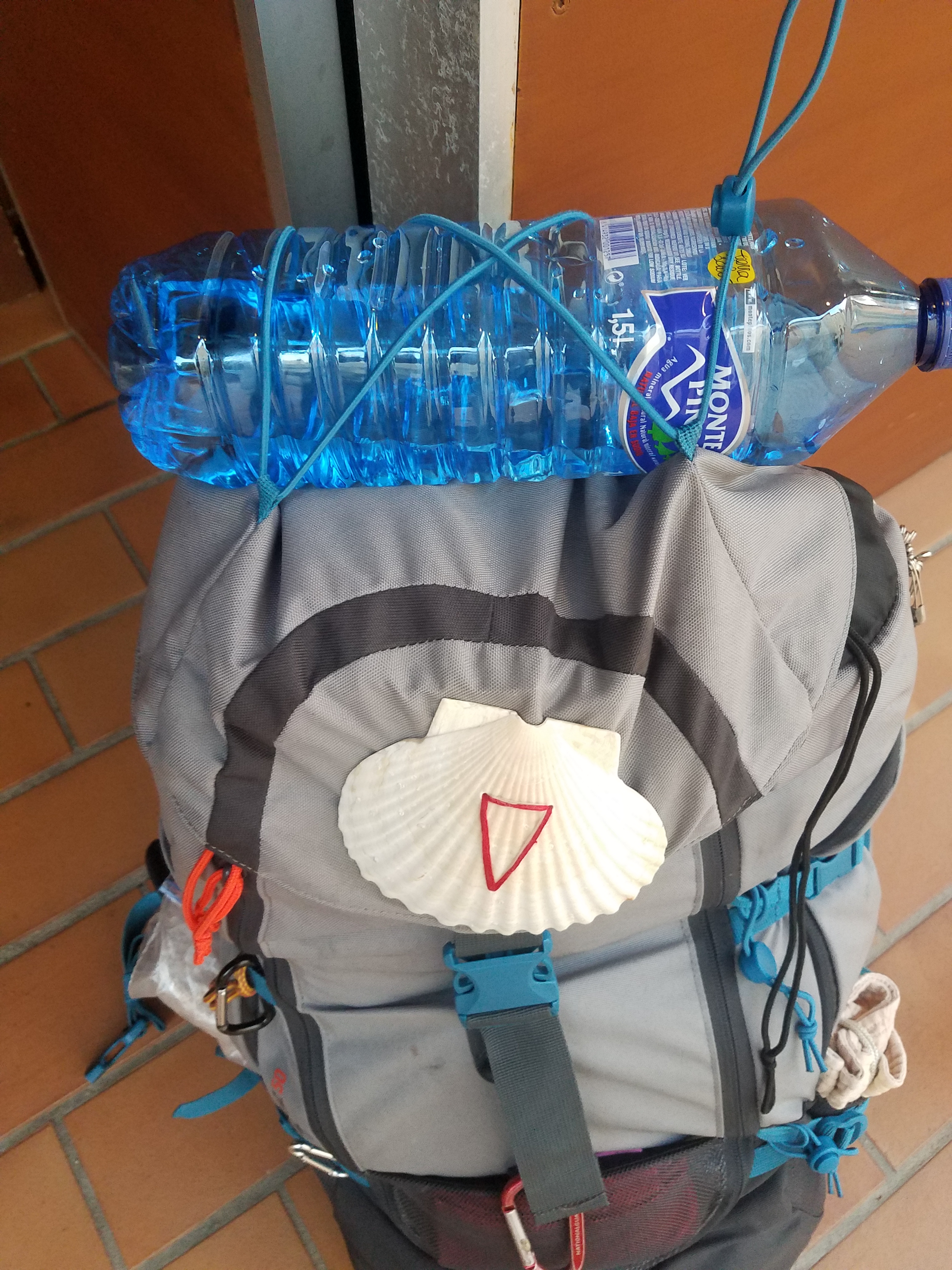
Water bottle. A lot of people use bladders, on a sweltering day you will quickly run out of water and those are difficult to fill in a village fountain… you have been warned.

Savon de Marseille: use it for your body, shampoo…or clothes, 3 in 1. If you get it in Spain, it is called jabón Lagarto, every supermarket has it.

Small first aid kit, you might need a few things to take care of blisters, etc. More for peace of mind on the trail.

Small book and writing/drawing notebook.

Sunglasses.

Rule of thumb is your pack should never exceed 10% of your body weight and should never exceed 10 kg (22lbs). My pack is a 50 liter, but I have plenty of space. Also remember to pack the heavy stuff in the bottom of your pack so it will sit in your lumbar area.

Now, having said all this, forget it! Each person is different with unique needs and expectations, experience, etc. So, make your own Camino, and your own pack. Buen Camino!!

Jonathan Dickinson State Park

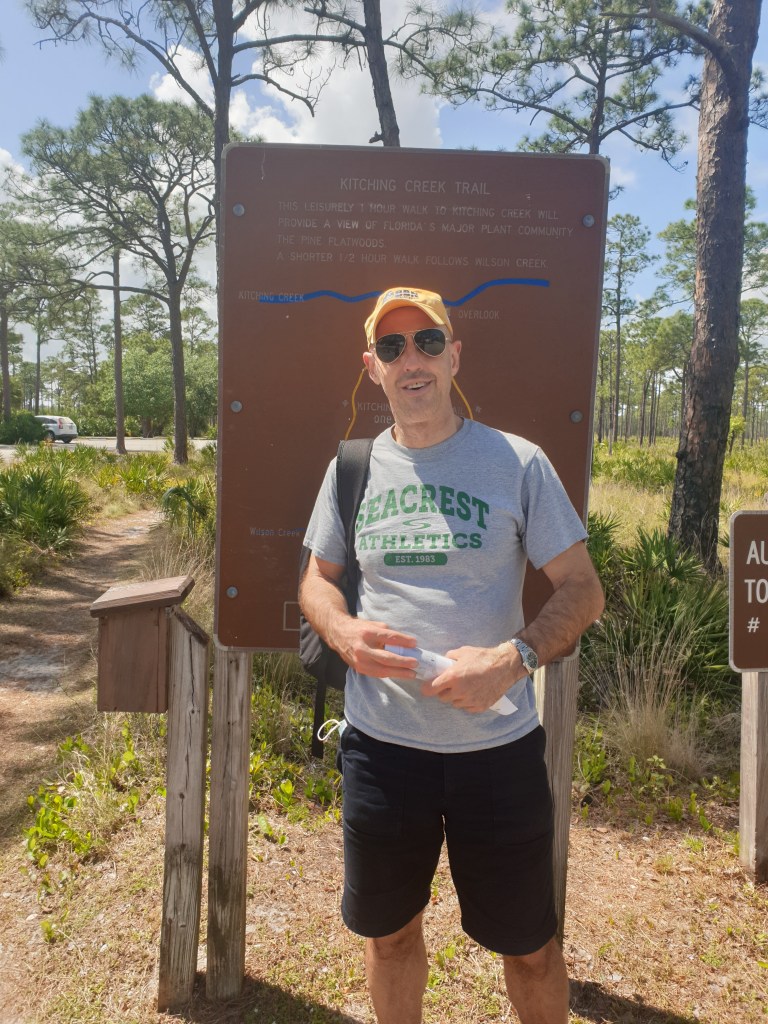
Taking advantage of my Spring Break, the other day I went with a dear friend to explore Jonathan Dickinson State Park. It is about 45 minutes North of Boynton Beach, but definitely worth the trip.

Since this is a massive park, you can camp, RV, mountain bike, canoe, kayak, etc. But my friend and I just hiked. There are many trails available, but they are all fairly similar in that the vegetation, landscape, etc. is mostly: low pine flatwoods. Although there are also cypress swamps, mangroves, saw palmetto, etc. It made for a wonderful and refreshing as the Japanese call it shinrin-yoku, forest bath, which the Germans call Waldeinsamkeit, although that refers more to the pleasant feeling you get in nature. So more of a resulting sensation than the actual forest bath itself.

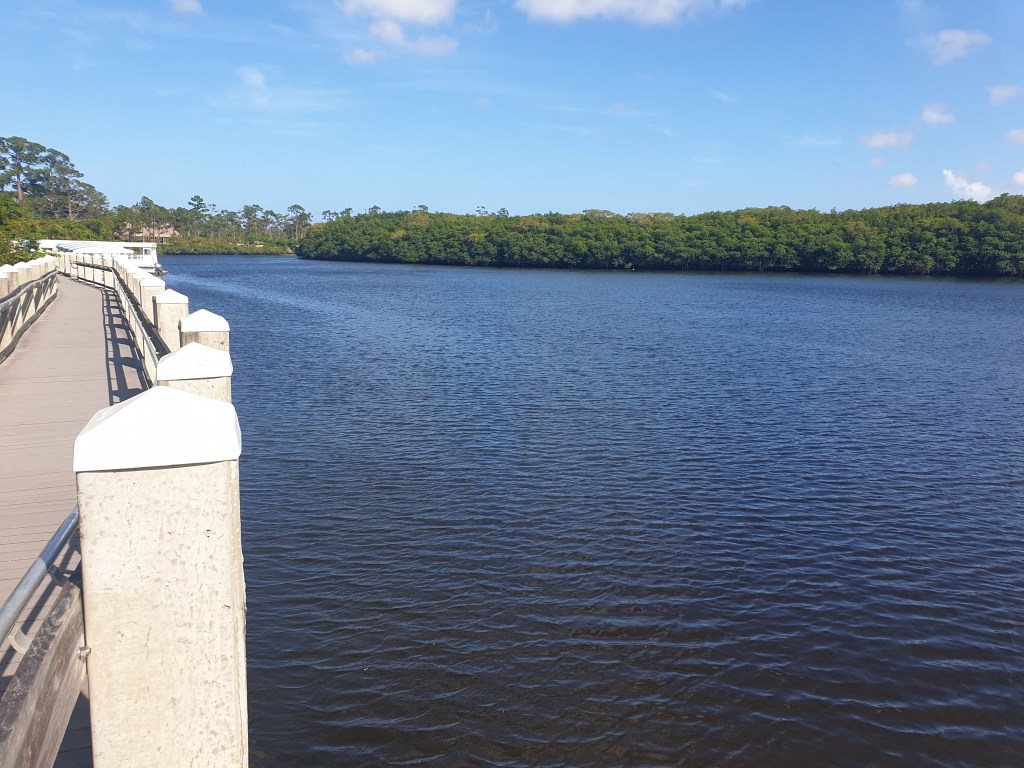
The surprisingly beautiful Loxahatchee River crosses the Park. Surprising because it is unexpected and beautiful. There is a little beach for campers to swim, and you can kayak or canoe. If you are lazy there is a little boat that will give you a ride up and down the river!

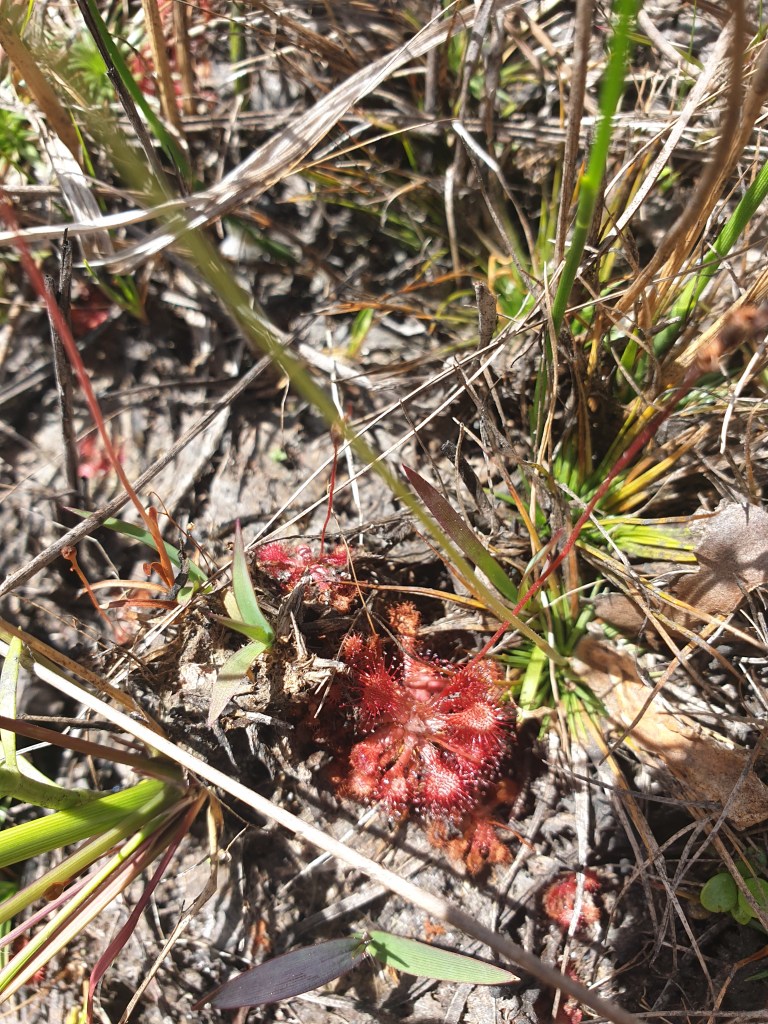
One must pay attention when hiking to catch little things that would otherwise pass unobserved, like Pink Sundew carnivore flowers, or hawks flying, or a gorgeous woodpecker. We also spotted a nice Gopher tortoise and a copperhead snake (this one was dead, as it had gotten run over as it tried to escape the controlled burning… out of the fire and under the wheel, as the old saying goes…)

Jonathan Dickinson Park, so called for the fellow shipwrecked on Jupiter Island a few miles away from the Park in 1696, also boasts the highest “mountain” in South Florida, Hobe Mountain, complete with its observation tower. It is in fact, an 86-foot sand dune!! Admittedly, the views from the top are cool, since you can see the sea, the Intracoastal, and the massive park. The rangers were doing some controlled burning, which burns dead leaves and brush, but does not kill the bigger trees or saw palmettos.

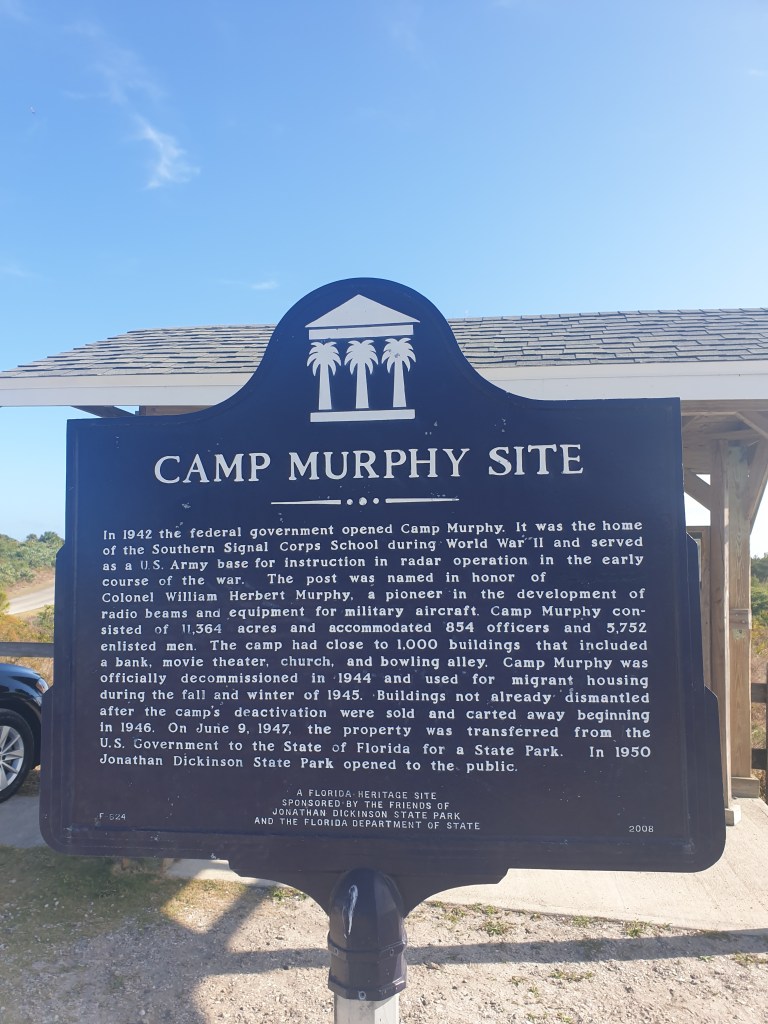
We also saw the ruins of Camp Murphy, a military radio “school” during WWII.

La Navata

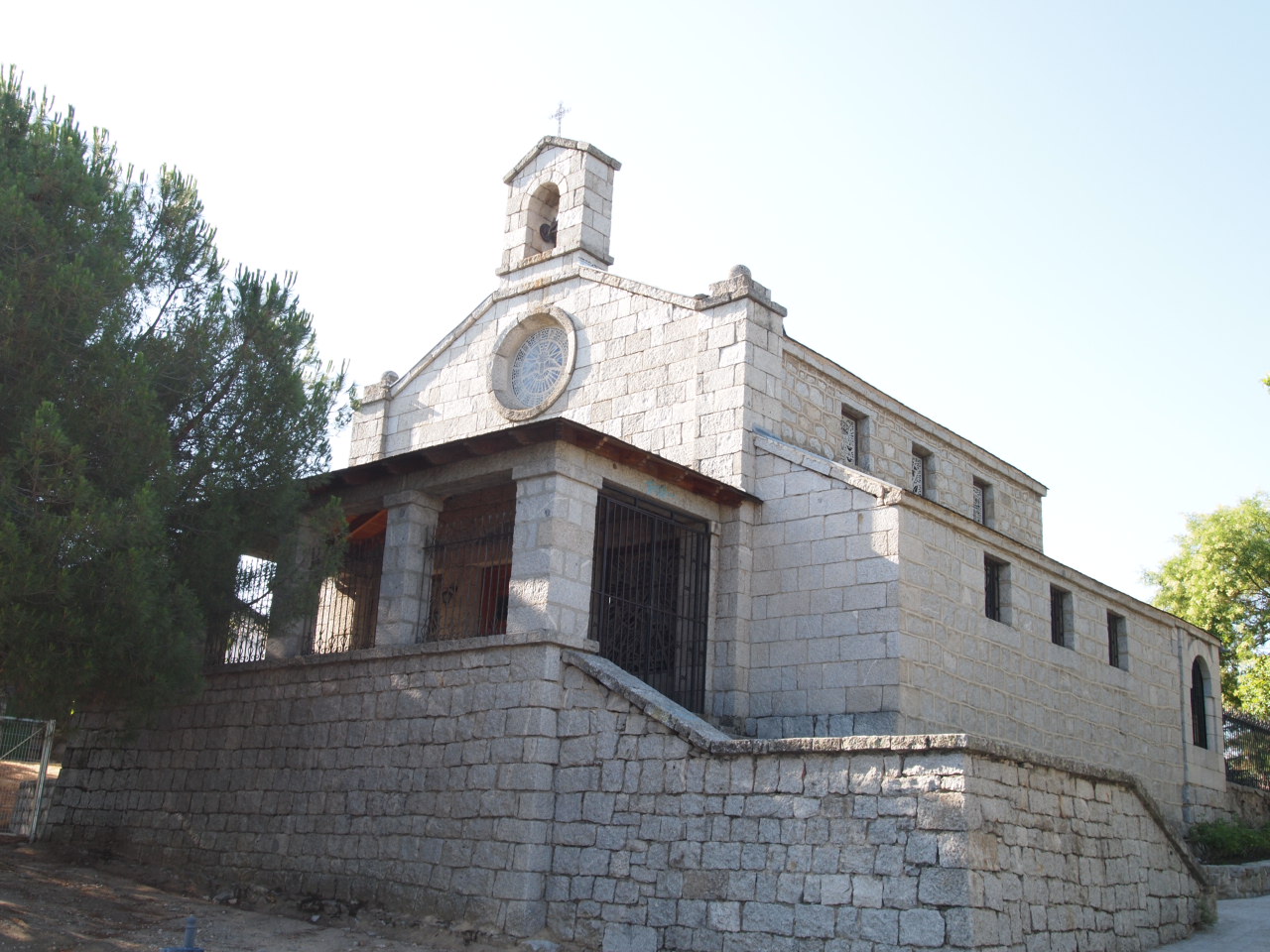
La Navata is a tiny village outside Madrid, near the Sierra de Guadarrama mountains, where Hemingway’s For whom the Bell Tolls is set, the village is so small it is actually dependent of the bigger nearby village of Galapagar, home of Nobel Prize winning playwright Jacinto Benavente and of the current top bullfighter José Tomás. La Navata itself only has a train station, two bars, a kiosk, a hairdresser, a pharmacy, a small supermarket, and an old, small, stone chapel, San Antonio de La Navata.

My parents bought a weekend/summer house here in 1974, when I was 9 years old. In the early 80’s we added the second floor. If I have a home, this is it. This is my “happy place” where I take my mind when I need to relax. This is where most of my childhood memories were made. This is where I learned to ride motorcycles and to drive – my granddad Antonio patiently guiding me round and round the dirt garden, before we put in grass, in La Petra, our old Citroen 2CV. This is where I made my first and oldest friends, where I learned the little tennis I play, where I have done most of my stargazing, reading, bicycle riding, gardening, hiking and barbeques, where I kissed a girl for the first time (quite sloppy if you must know), where I started tinkering with all things mechanical – although mostly motorbikes, where hiking and skiing trips started, and where great summer (and I guess also winter) parties were hosted.

I used to come here for the weekends in winter, reading by the blazing fireplace, and spending the summer in the pool, the garden and the porch, going indoors only when absolutely necessary.

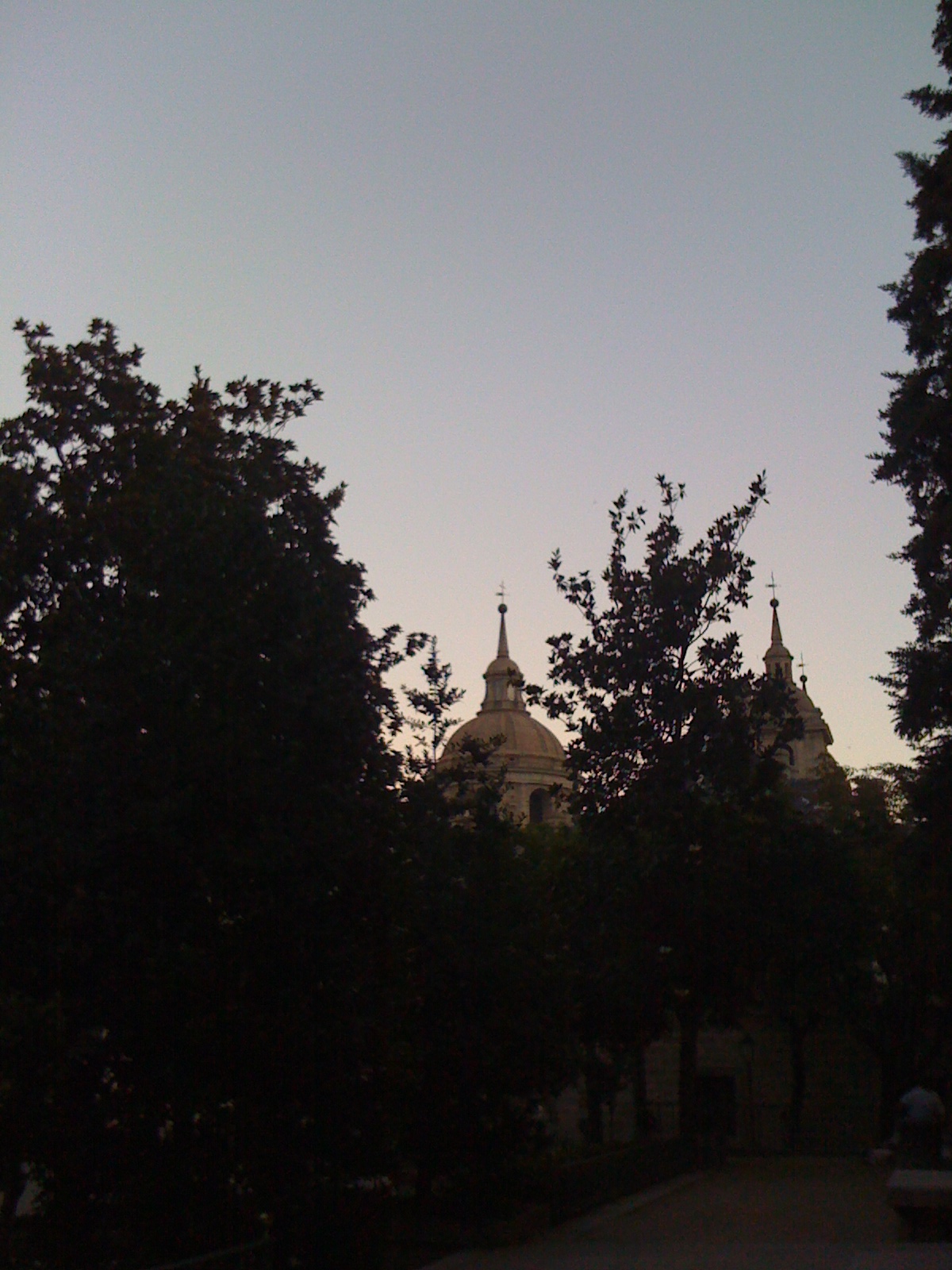
La Navata is about a fifteen minute drive from El Escorial, built by Phillip II, it houses a palace, monastery, school, mausoleum for all the Haubsburg and most Spanish  Bourbon kings, and one of the most important – and beautiful  – libraries, in the world.  Growing up I spent a lot of time in this place, walking around the palace, gardens, surrounding hills, and the town. I still spend a lot of time here, specially with my friend Patxi, with whom I founded the Asociación A. de Amantes del Escorial in the early 90s.

In 1992 I got a job at a photo equipment supplier near here and I lived in La Navata for about a year. It was a lot of fun, living in this big old house alone, cooking, reading by the fire, and going into Madrid for the weekends doing a reverse weekend commute!

IMG_0928

El Escorial

IMG_0903

The view during a bicylce ride

IMG_0935

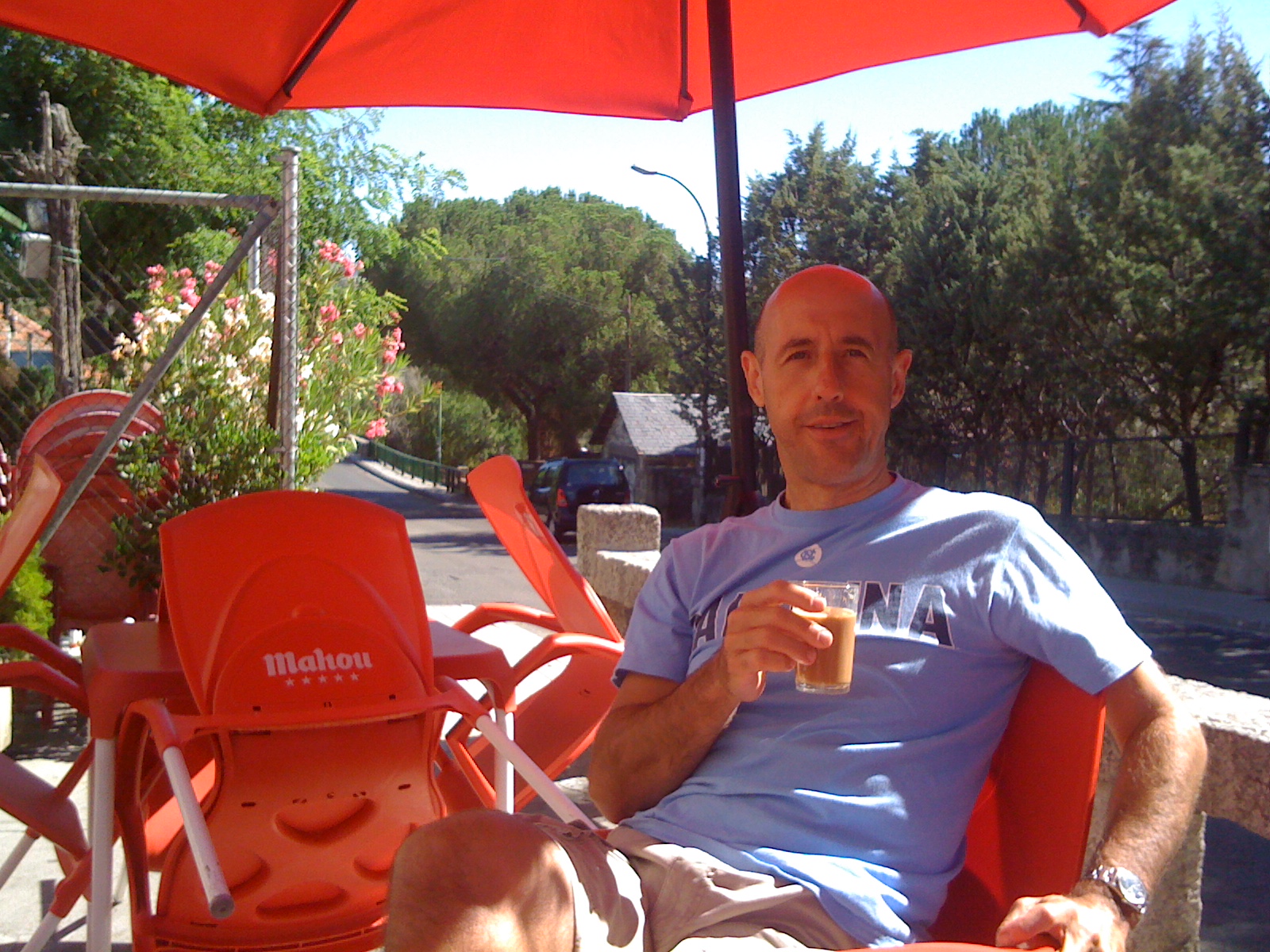
Caf’é con leche at the clasico Marcelino bar, at 10 am they have barely opened!

SAMSUNG

Jacinto Benavente at Galapagar´s Plaza

OLYMPUS DIGITAL CAMERA

San Antonio de la Navata

Life in La Navata is very quiet. I start off with a refreshing wake-up swim in the pool, which makes breakfast a cool joy on the porch. Then there is a walk into the village to buy bread for the day, the newspapers and any other groceries, I stop at the bar for a nice café con leche. There are always chores and gardening and pool maintenance to be done before a pre lunch swim. After siesta things actually slow down even more in the heat of the afternoon and I can read, or hang out with the fam. Nowadays with my nephew and two nieces things are a bit more chaotic, but always fun. The afternoon swim is normally the longest one and then I have time to work out in my homemade gym, or run or go for a bicycle ride before dinner. After dinner we sit around, chat, enjoy a mojito made with old Cuban rum (which is unavailable in the US) and mint from the garden, or a gin tonic, or whatever we can  find, sometimes accompanied by a cigar.