María Callas, and why I dislike Netflix movies.

I might be slightly obsessed with Callas…

While I do not consider myself an opera connoisseur, I do love opera.

My love of opera started in high school when I listened to Kiri Te Kanawa sing the famous Madame Butterfly aria Un bel di vedremo, on one of my father’s cassette tapes!

Since then, I have listened to a lot of operas on records and on the stage.

Maria Callas stands out as THE diva, the voice. Yes, other voices are gorgeous, but the Callas is recognizable a mile away, and yes, you could probably hear it a mile away.

I recently saw Netflix’s biopic with Angelina Jolie about Callas’ final days, which prompted me to write this blog post.

The Netflix formula is, in my opinion, boring. Notice how they use all the resources. With all the money they have, they perfectly curate every film, produce the perfect color saturation, or switch to Black and White for certain scenes, all of which makes for boring films. So no, I am not a fan of Netflix films, and while Angelina Jolie and the rest of the cast do an outstanding job, everything else about the film is predictable, thus boring.

But go out and enjoy The Callas’ amazing voice and music. You are welcome.

How often do you think of the Roman Empire?

How often do you think of the Roman Empire? This was a silly viral question/meme that became quite the sensation last year on the interweb.

I must confess that maybe because of my work in the field of Literature and Culture, I end up thinking of the Roman Empire quite frequently.

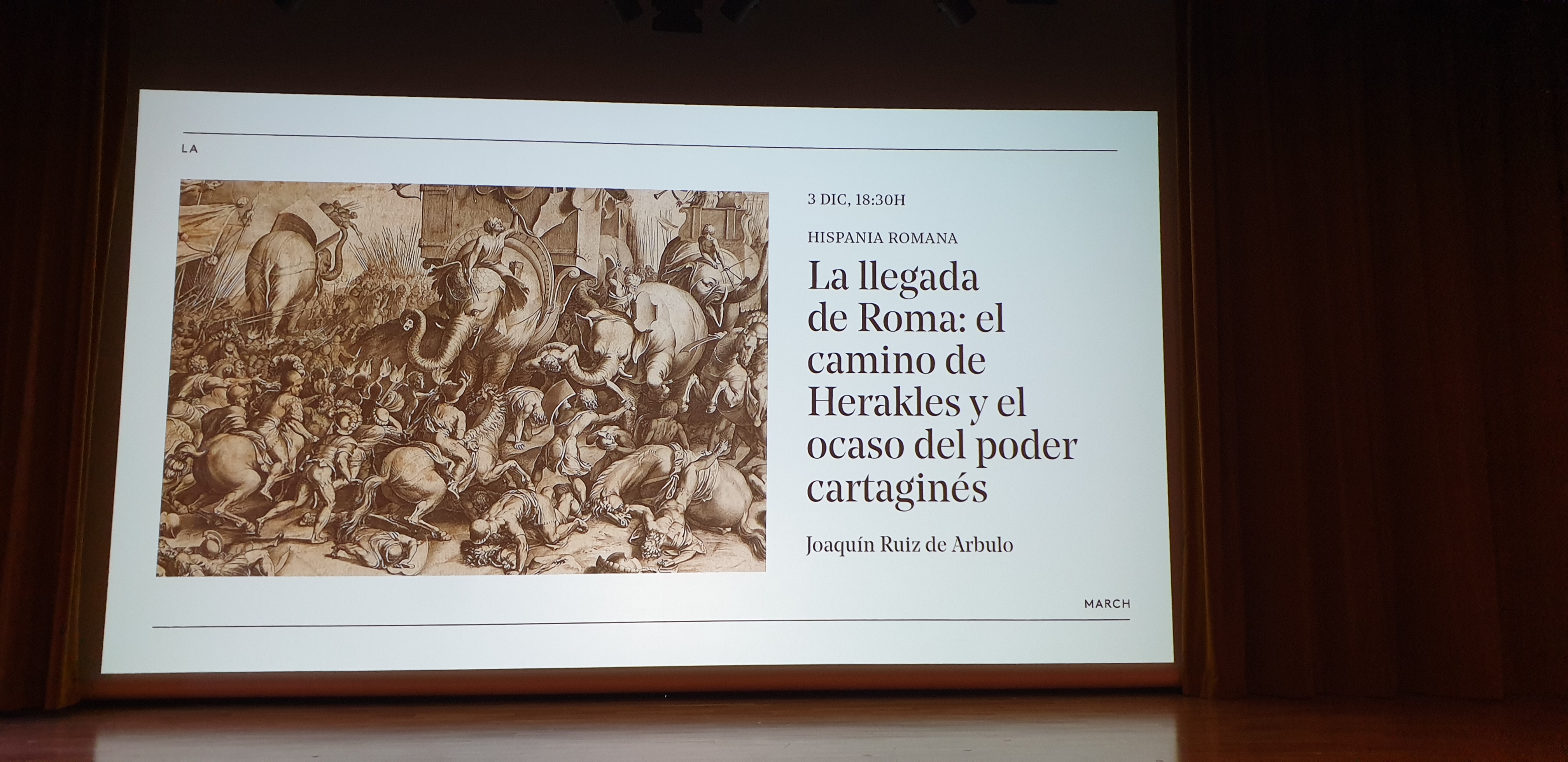
One such occasion was a couple of weeks ago when I had the opportunity to listen to a conference by Universitat Rovira i Virgili professor of Classical Archaeology Joaquín Ruiz de Arbulo at the Fundación Juan March. His conference La llegada de Roma: el camino de Herakles y el ocaso del poder cartaginés about the arrival of Romans to the Spanish península was fantastic.

Ruiz de Arbulo explained that by the time the Romans arrived in Spain, there were already Celts, Phoenicians, Carthaginians, Greeks and Massaliotes, which was a Greek tribe from modern day Marseille. Despite being a leading academic in his field, Ruiz de Arbulo spoke clearly and simply, listening to him was mesmerizing. He had a great Power Point explaining how tuna fished in Cadiz was dried and sold in Egypt, and how stuff from the Eastern Mediterranean ended up on Spanish shores long before the Romans even got here, how traders and sailors had a temple in Rome, etc.

In conclusion: I do think about the Roman Empire a fair bit. How about you? Let me know in the comments -and no, I am not going to try to bring back that old internet meme, although it might make my blog a bit more popular!

Museo Arqueológico Nacional MAN

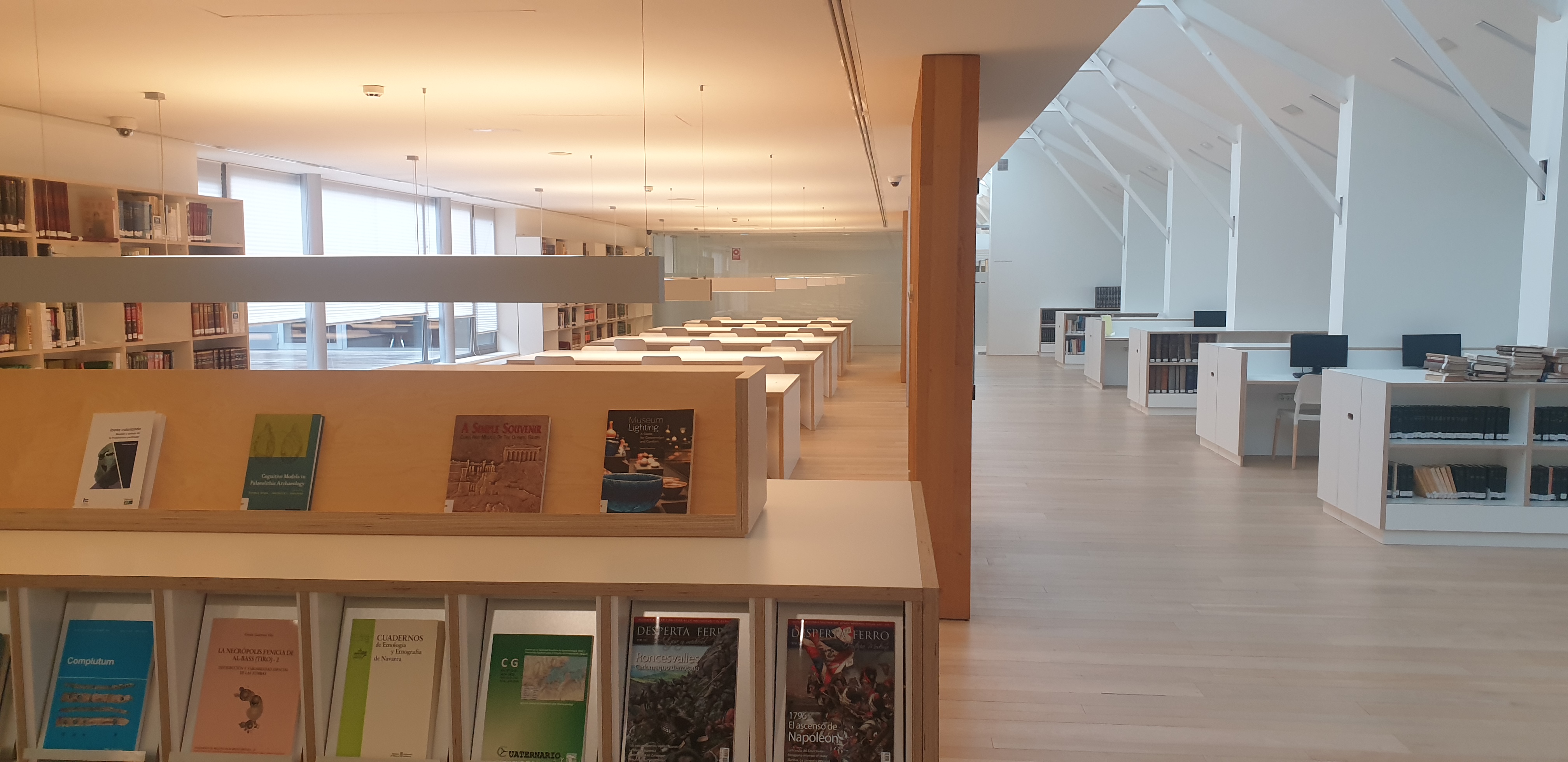
When one of your best friends is a noted fine antique art restorer and he invites you to walk around the Museo Arqueológico Nacional, something you had not done since you were a schoolboy, you drop everything and go!

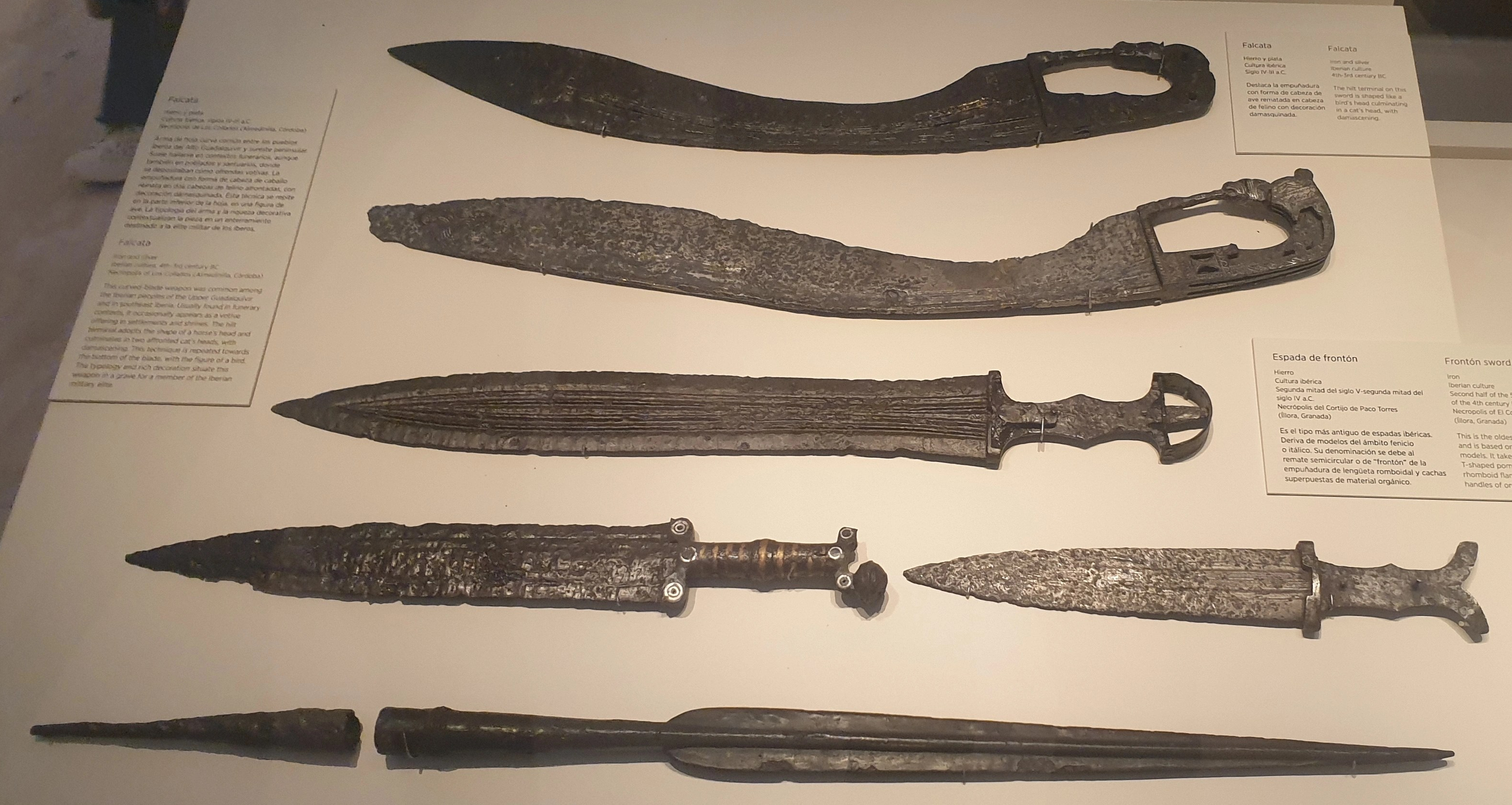
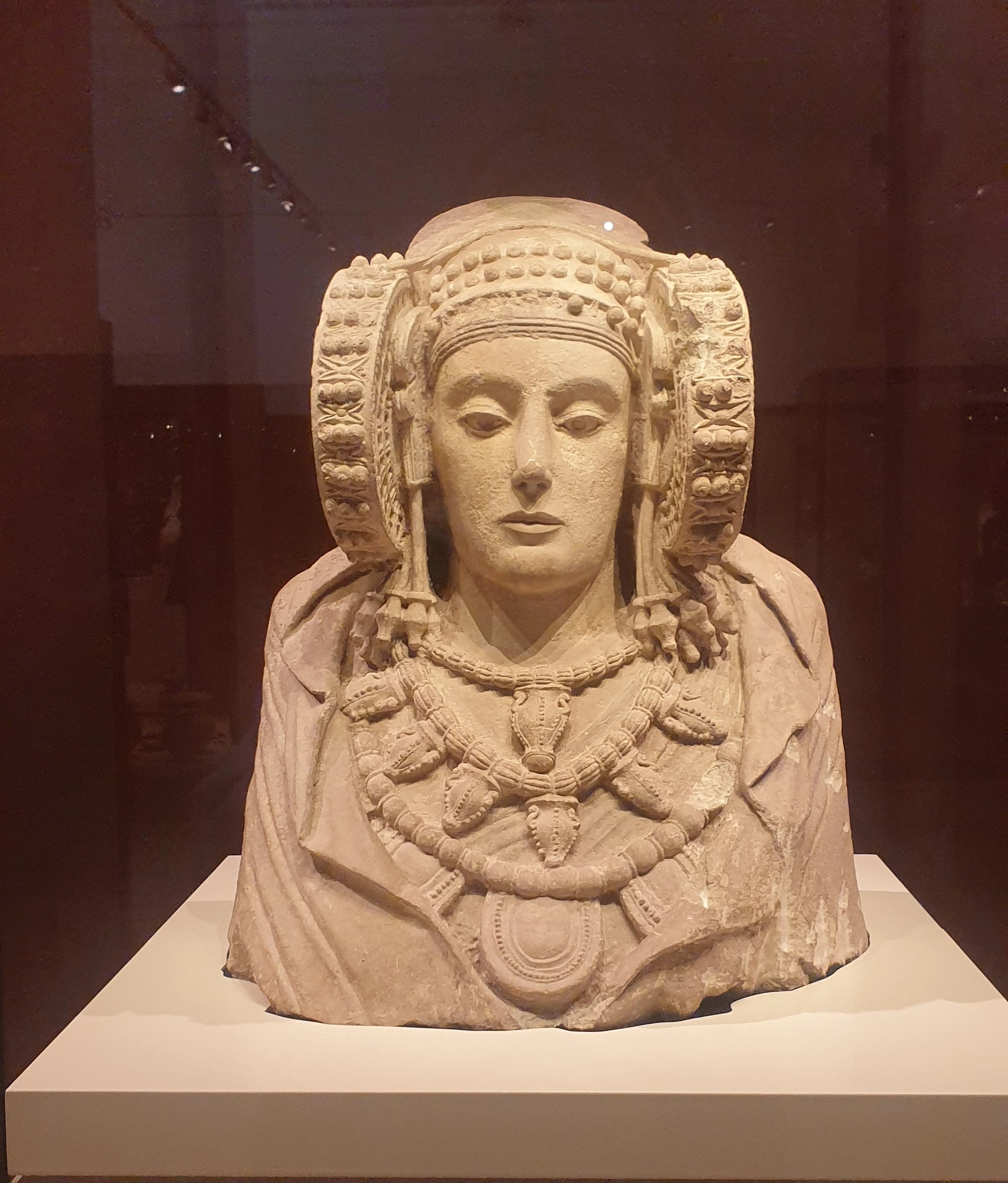
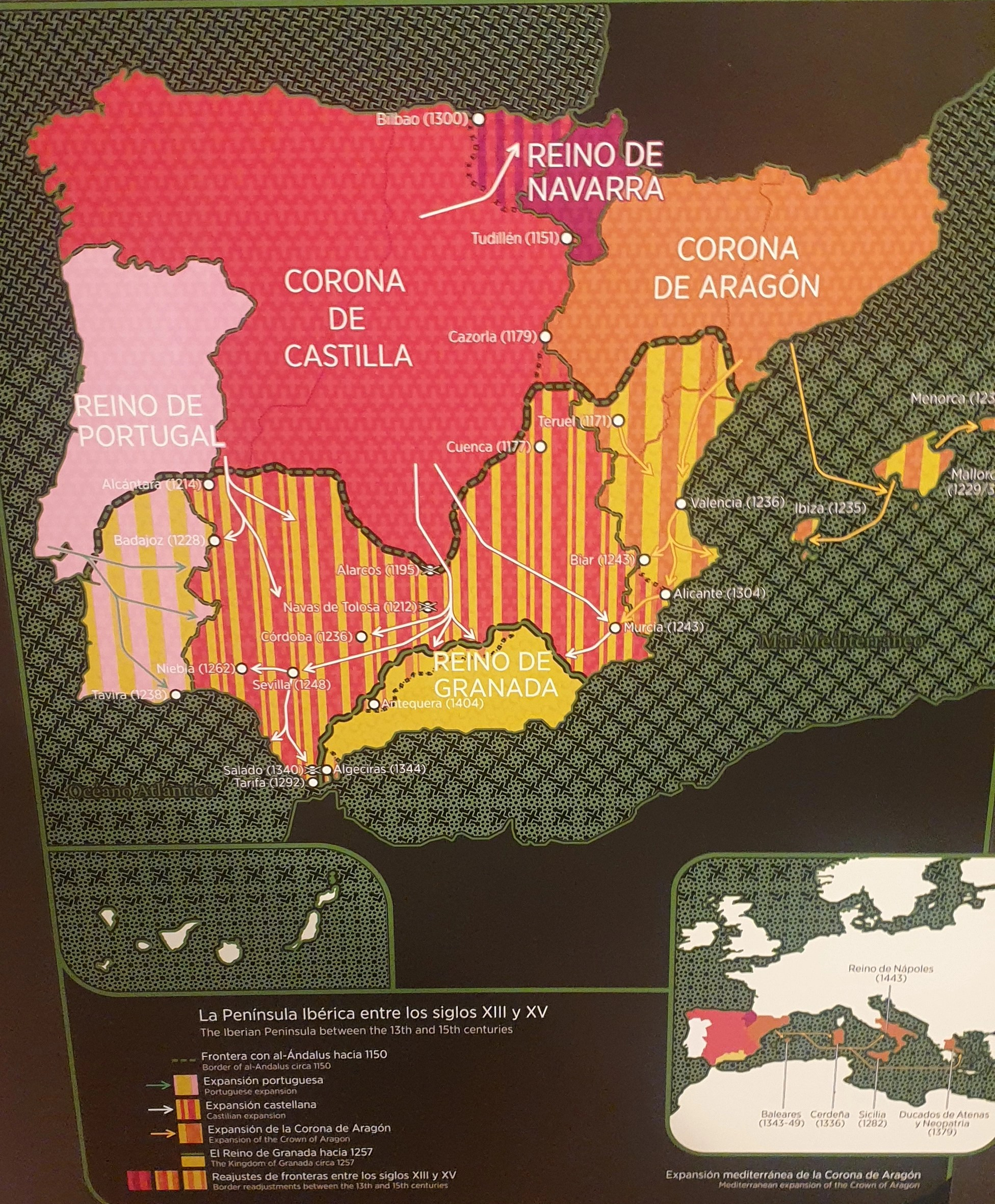
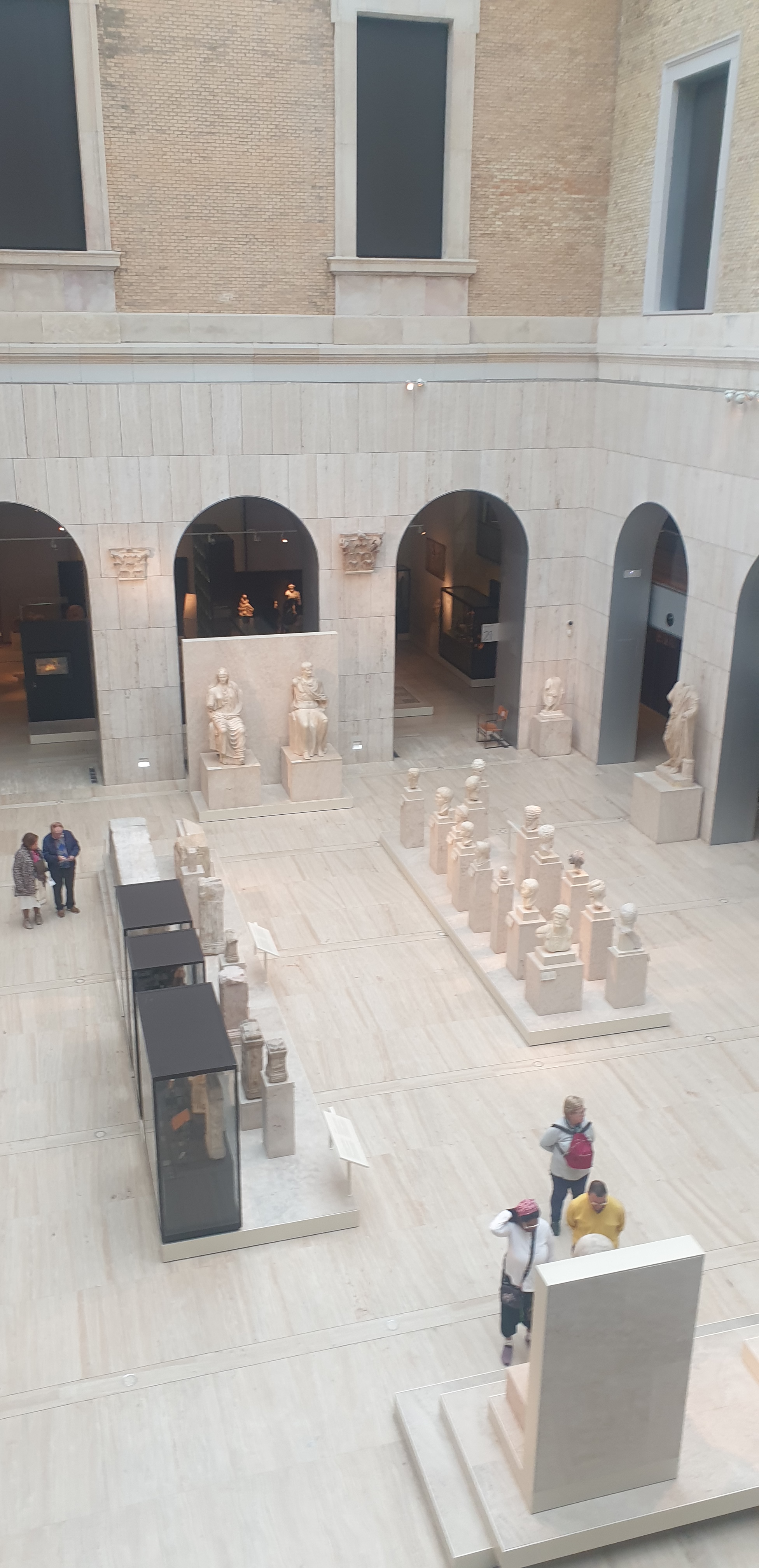
First, what a wonderful job they have done renovating it! The museum shares building with the National Library -One side Library, one side Museum. In it you will find everything from prehistoric bones to early 19th C artifacts. Of course, the main exhibits are from Spain’s first inhabitants, the íberos, with their rich sculptures, like the Dama de Elche -the museum’s undisputed jewel, and their falcata swords feared by the Romans… (Jaime restored a bunch of these curved swords and told me everything about them).

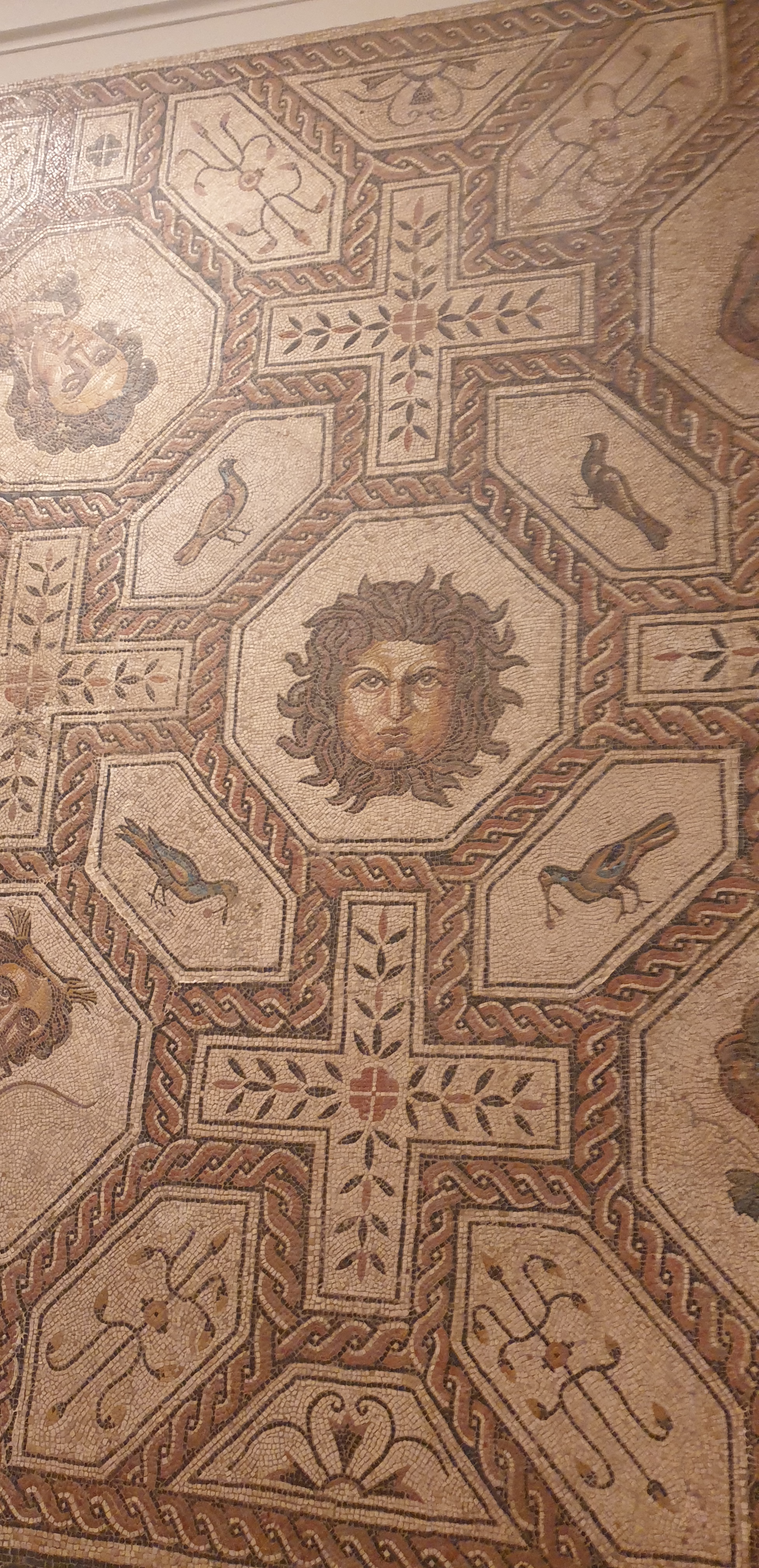
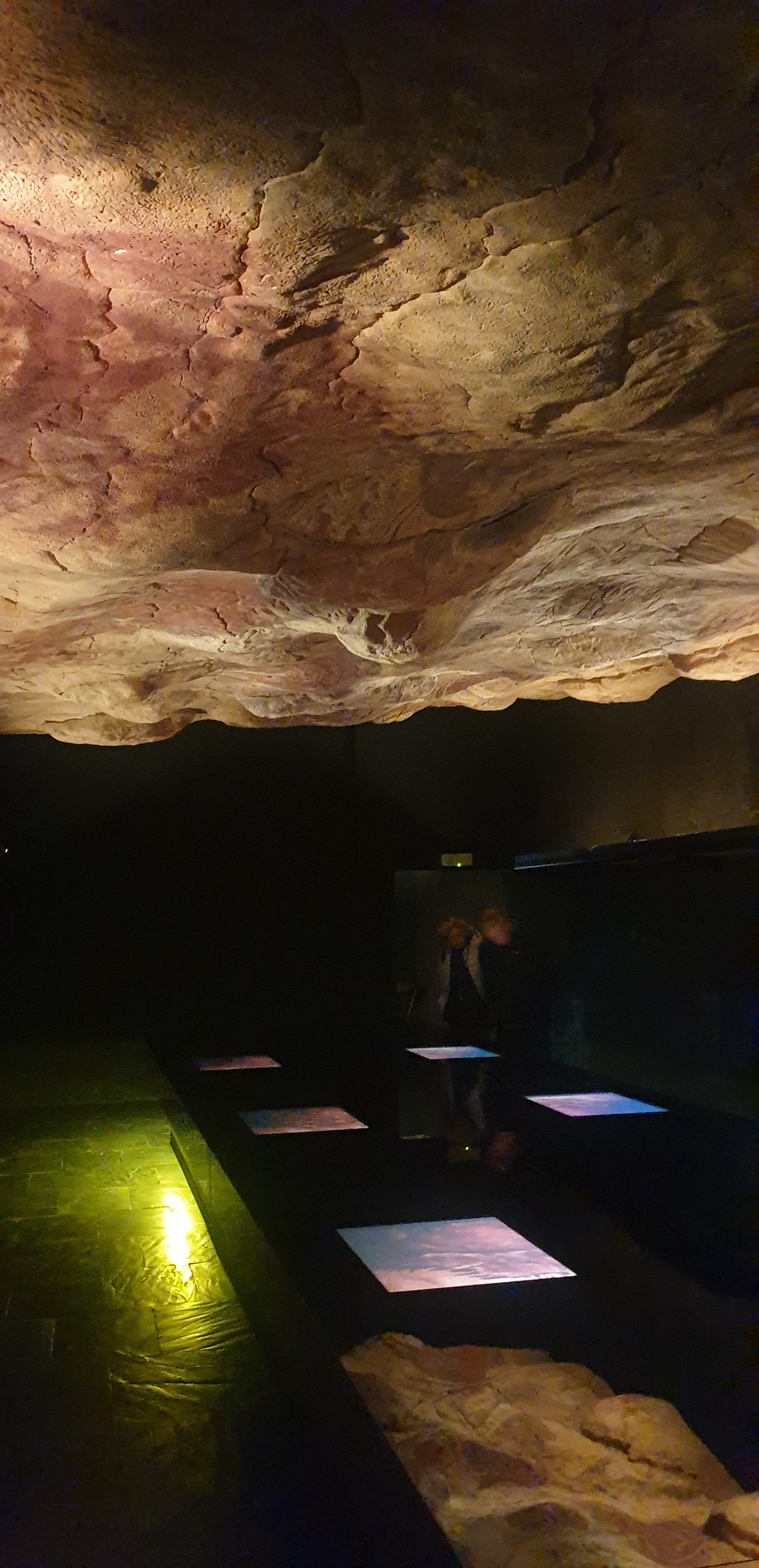
The room of Roman mosaics is mind blowing, the Greek room, the Romanesque room also, and on and on. The whole museum is jaw dropping! And if that was not enough, under the garden, they have recreated the Altamira caves with their prehistoric paintings, it is literally a cave with the painting on the walls and ceilings.

Jaime even introduced me to some of his colleagues and showed me the labs and workshops, even the library where he works when he collaborates with them.

So, if you are in Madrid, do not miss the Museo Arqueológico Nacional, also, it is on Calle Serrano, a main shopping street so you can kill two birds with one stone!!

You are welcome!

The 18th Century as literary hinge

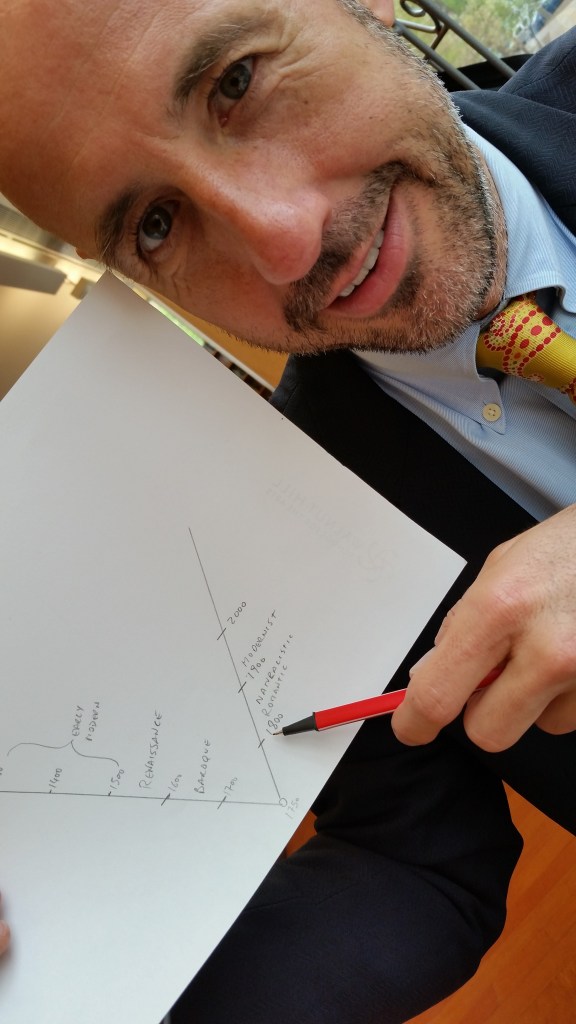
When I “discovered” 18th Century Spanish literature, something that really struck me was what a critical element it was in the history of literature and how little credit it gets. The 18th Century is a literary hinge in the evolution of literature. While it can be argued that every century, or era, is a “hinge” era, a time between times, the 18th Century exercises as a flexing point in what has been called the pendulum of literary movements. Being the philistine that I am, I can only use Spanish literature for my example:

The ilustrados (18th C educated Spaniards), whether they liked it or not, were actually building on the shoulders of the Baroque, with its chiaroscuro and trompe l’oeil, which they hated. This, in turn, was a reaction to the Renaissance which was short lived in Spain in favor of the more mysterious and why not, fun, Baroque, more suited to the Spanish temperament (perpetuating stereotypes, the Spanish are a Baroque people. Disagree? Go watch an Almodovar film). For the Spanish literati, the solution to what they considered centuries of muddle was to build a one way bridge to the classic ancient Greeks and Romans as Luzán proposed in his Poética (1737). As much as the Enlightened writers wanted to, they could not get there without the rich legacy of medieval letters and art and everything that followed. For example, my man, Padre Isla (1703-1781), a precursor to the ilustrados, indeed goes back to the ancients, but he also relies heavily on St. Bonaventure, St. Thomas Aquinas, and especially Cervantes and Quevedo, creating his narrative from a blend of centuries of letters. Consciously or not these are the foundations the 18th Century had to build on.

On the other hand the Enlightenment’s obsession with societal good which even led to the elimination of the novel in Spain due to its reliance on the first person singular, is the launching pad for the Romantic movement where that “I” is all important. Equally, the Enlightened enthusiasm for scientific enumeration led to the naturalists. The reaction to those developments will be realism, modernism and postmodernism.

In big bold brushstrokes there are the Classics, Medieval, Renaissance and Baroque eras leading up to the Enlightenment, and the Romantic, Naturalist, Realist, Modernist and Postmodernism after it. How do I then explain the fact that my sides, arms or rays of my angle are lopsided? Well it must be taken into account that both the Classical and Medieval periods encompass centuries, while the last big three movements occurred within the 20th C. due to the advances in communications and technology, so just counting movements is not the same as considering the influence and repercussion of  those movements. This of course is taking into account all the differences in labeling periods and movements. No style is 100% unique, as one genre blends into another.

Thus, a solid grasp of 18th Century literature opens up an understanding to what happened before and after on the literary continuum. From a teaching standpoint, understanding the enlightenment offers the key to the past as well as to the future of literary history.

P.S.: When I explained this idea to my thesis director during one of our coffees, she liked it so much she took a picture!