About academic conferences, the Southeast Coastal Conference on Languages and Literatures.

Academic conferences were designed to share knowledge, to understand where your field stands, and where it is heading. But equally important is the opportunity they afford to meet new people in your field and to catch up with old colleagues.

This was the case at the recent Southeast Coastal Conference on Languages and Literatures hosted by Georgia Southern in Savannah, Georgia.

It all started when Grant, my mentor at UNC, who now teaches at Georgia Southern with his wonderful Sevillana wife Encarni, invited me to present at their conference. I was honored; I had never been invited to attend a conference! I had always just submitted a paper to a conference I wanted to participate in. Fortunately, I was already working on an article (you will have to wait for a post on that), so I agreed to go.

Savannah is a great place; you can read about it here.

The fact that this conference combines languages and literature means that you can learn about different aspects of language pedagogy. The Keynote speaker, Mary Risner from the University of Florida, spoke about the resources available online and innovative pedagogies and partnerships. Other great panels spoke about the study abroad experience and how to maximize it and “replicate” it in class, and so on.

My panel was wonderful. Bobby Nixon from Columbus State spoke about Spanish 70s horror films based on Becquer’s poetry, Adrianne Woods presented about the theatre of Buero Vallejo, and I presented about my main man, Isla, and the expulsion of the Jesuits from Spain.

But, as I mentioned earlier, the best part of conferences is reconnecting with old friends and colleagues. The evening’s reception was held at a great venue, a food truck plaza called Starland Yard. It was great to see dear friends from UNC and to meet new folks.

So, if you get a chance, write a paper and present it at a conference!! You are welcome.

Luis Correa-Díaz Up from Georgia-lcd

How do you deal with the metaphysical? That which is beyond your grasp? Your conception? Well, if you are Luis Correa-Díaz, you write poetry. If, like me, you do not have that kind of talent, you read his poetry.

Up from Georgia is a collection of 64 sestets which look innocent enough, until you read them; then get ready to have them move you.

Some poems are whimsical, even funny on the surface, like the opener, referring to the Georgia font, but with a twist at the end referencing a possible epitaph, like the surprise ending of a haiku.

What follows -and this is the trick- are poems about death and farewells, but lit with self-referential jesting, with the light from his favorite coffee shop in Athens (the Georgia one), AI, QRs, REM (also from Athens, the Georgia one), NASA, bagels, Chick-fil-A, or proto-cyborgs. But do not be fooled, those waters are deeper than they seem: they talk of Ercilla, and Thomas Merton, of Gregorio Marañón, and of course, Neruda.

It is in this dance between the mundane and the transcendental that Correa-Díaz flourishes, that he lets us into his world, into his moods, one line at a time.

This is the brilliance of Correa-Díaz, a 21st-century poet, crafting the juxtaposition of beautiful poetry, full of meaning and sentiment in a breakfast joint in Athens (the Georgia one).

Reasons to love The South: Savannah, Georgia.

My first visit to the South was likely New Orleans in the mid-1990s. And it was love at first sight: history, architecture, music (which I write about here), food, and as they say nowadays: the vibe. It has been a love story ever since.

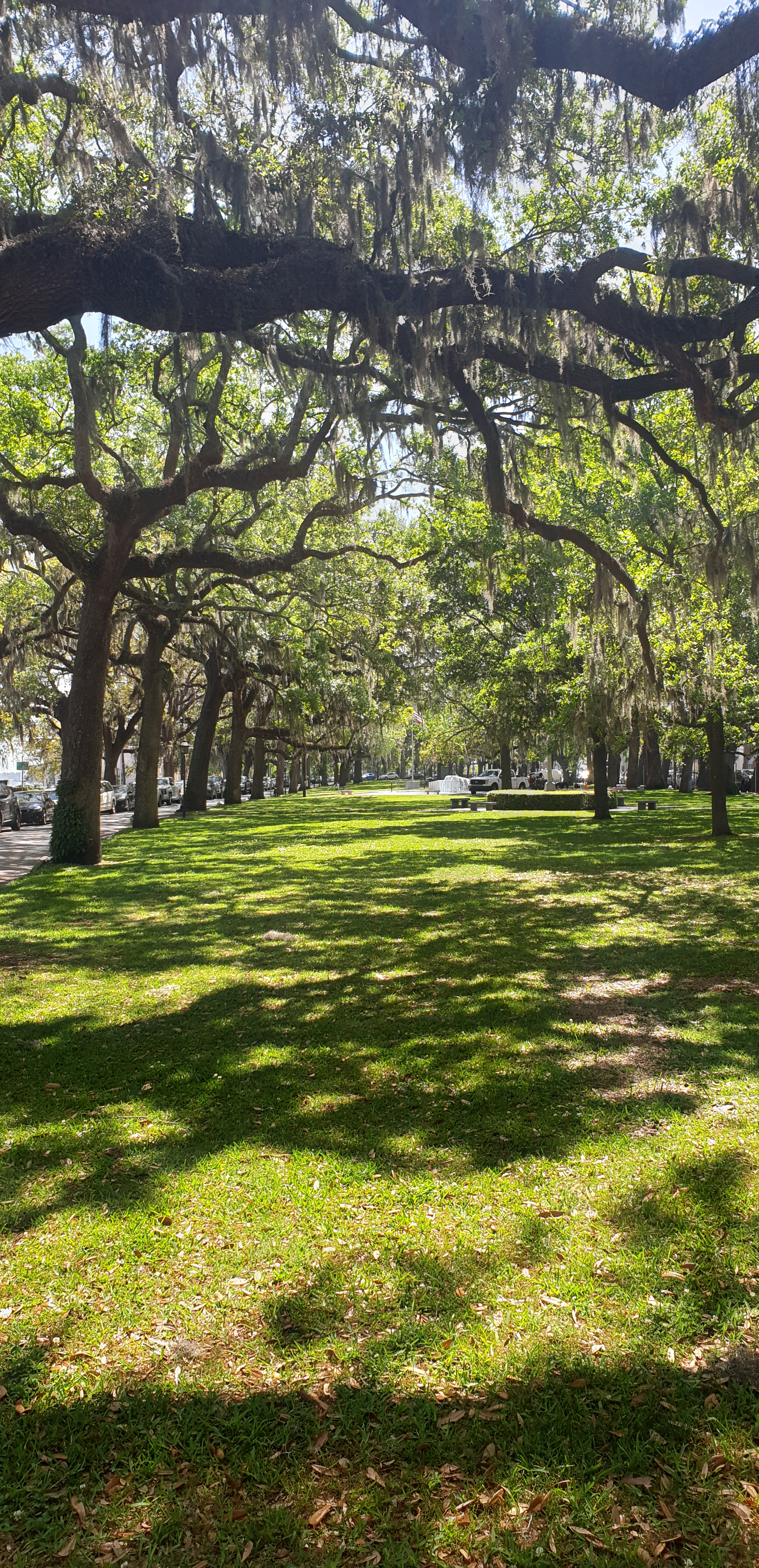
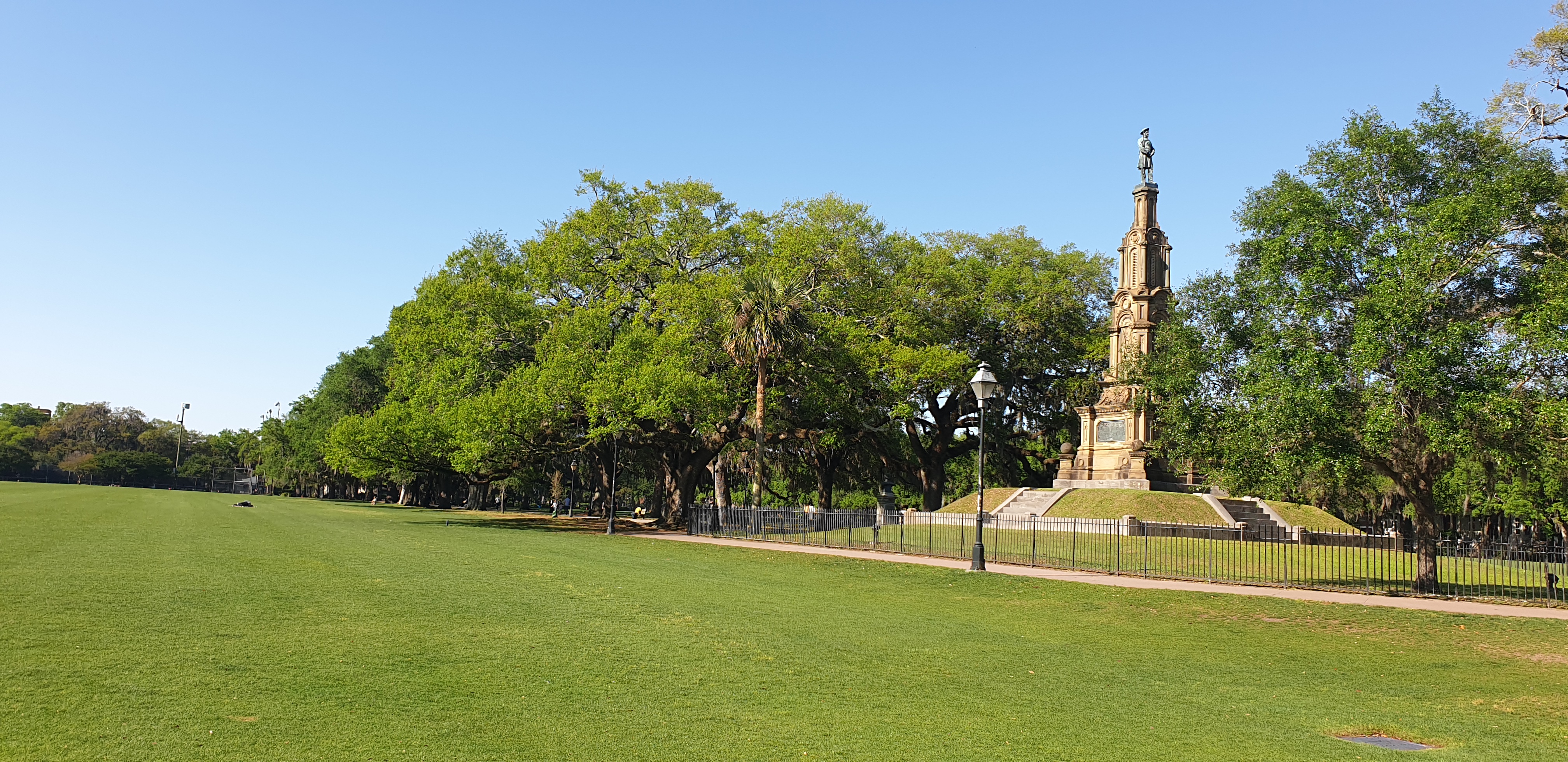
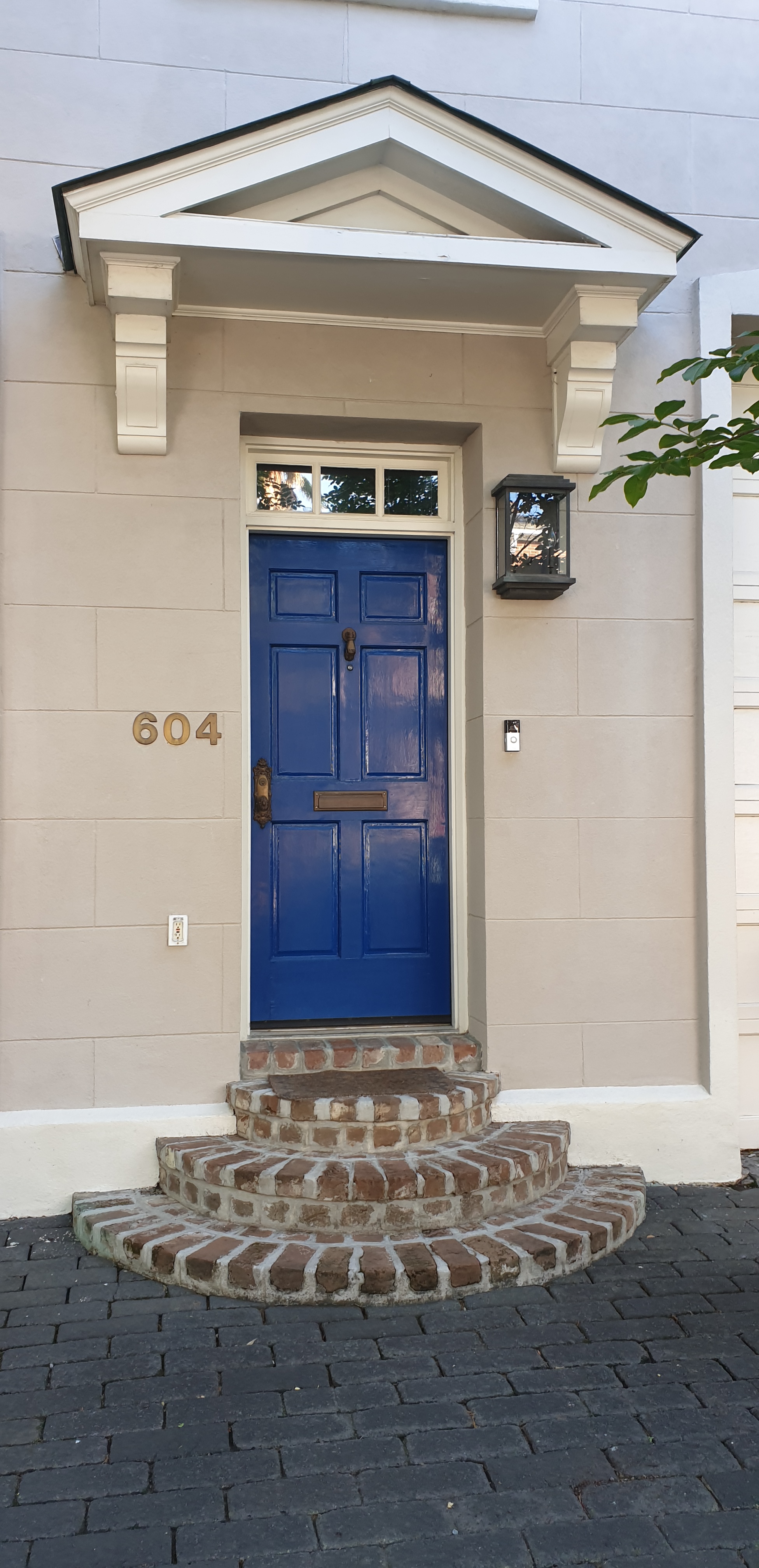
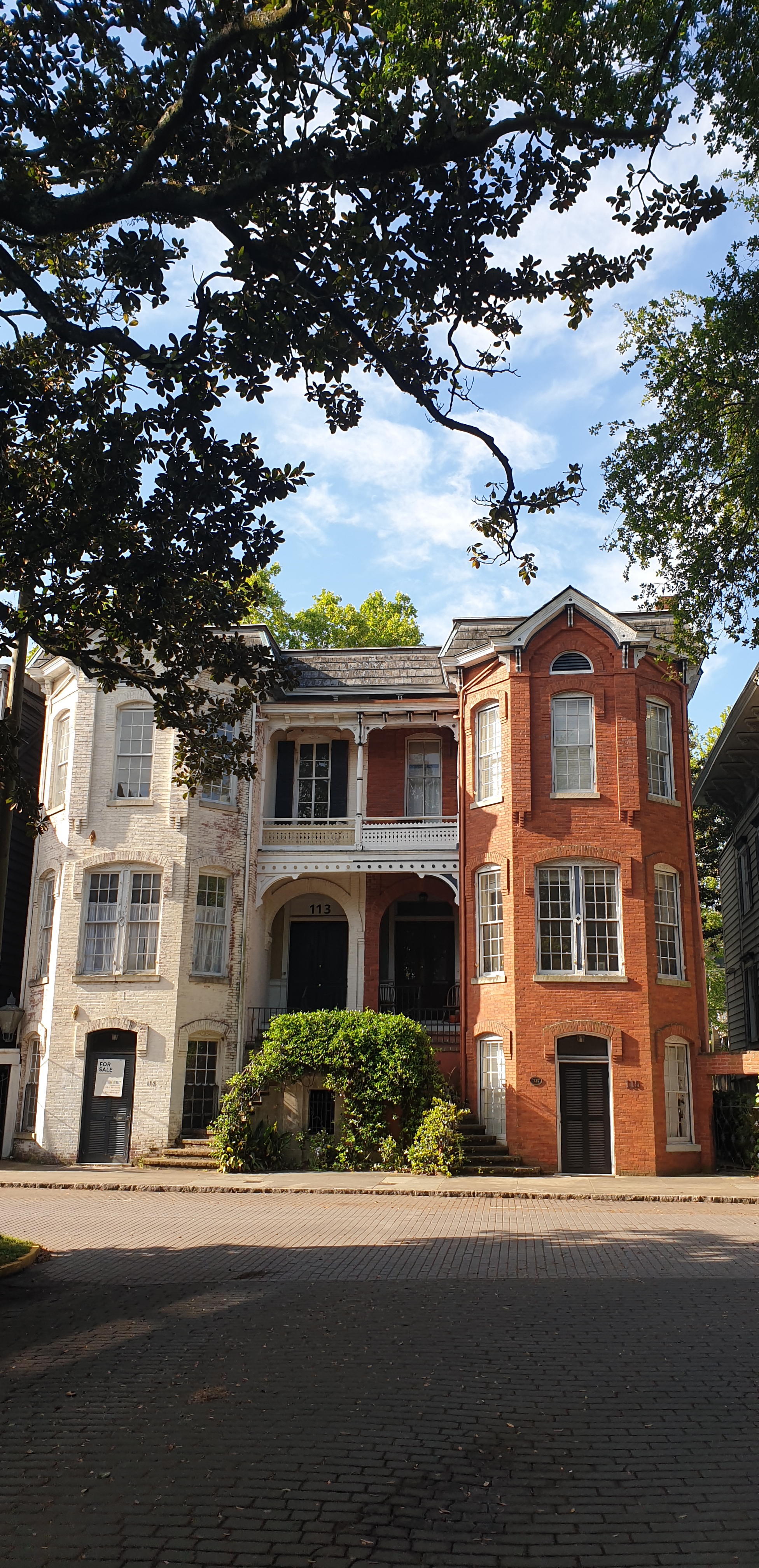
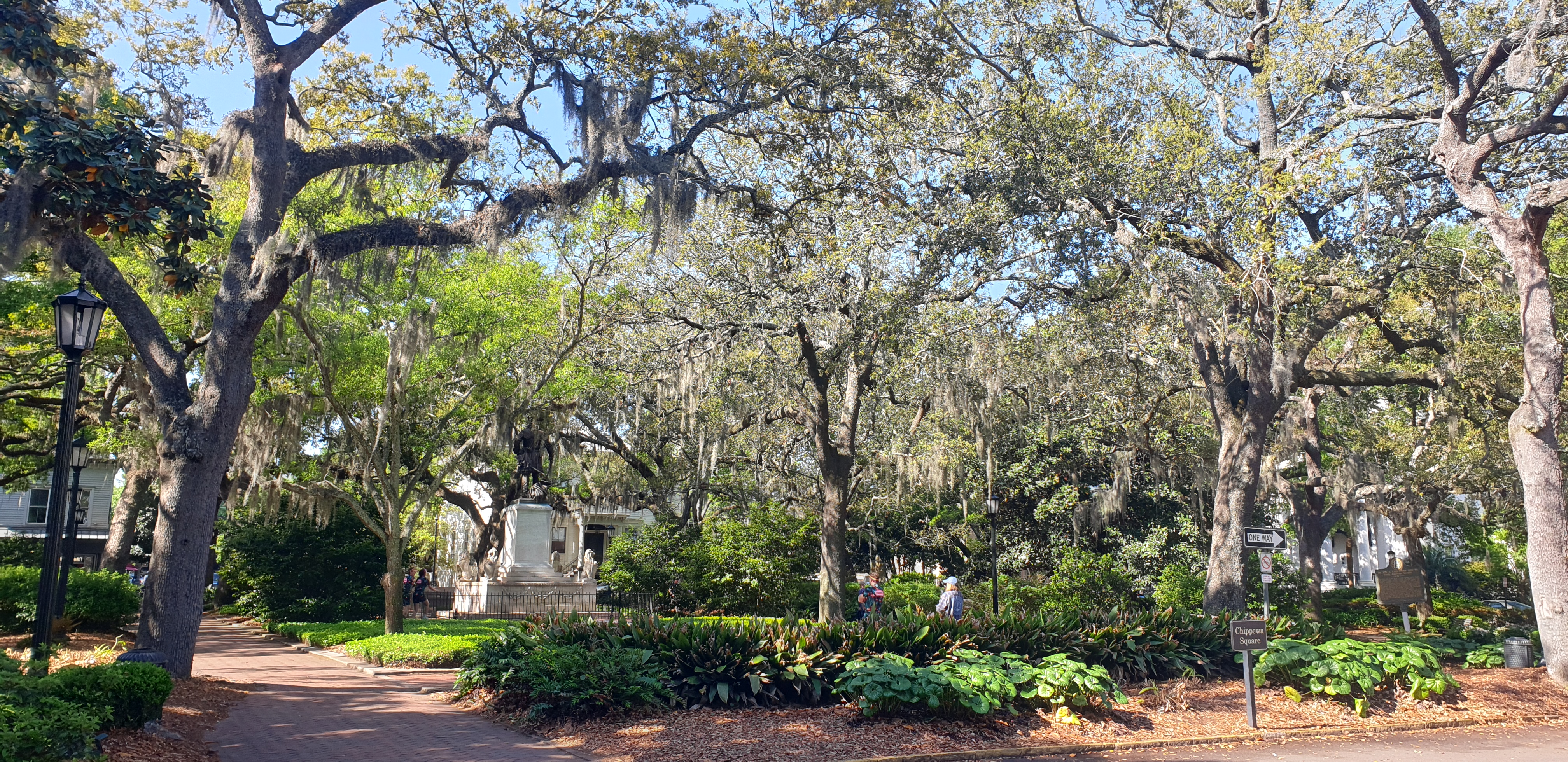
With the excuse of attending a conference in Savannah, Georgia, I spent some time exploring this enchanting city! I loved it! Architecture ranging from colonial to Georgian, Federal, Greek Revival, Gothic Revival, Victorian, Italianate, and Second Empire. Great southern gastronomy, cathedral, a beautiful series of squares, built to “cut” fires, which were common in the 19th Century, make for a city that is a living arboretum, with the characteristic Spanish moss hanging from old oaks.

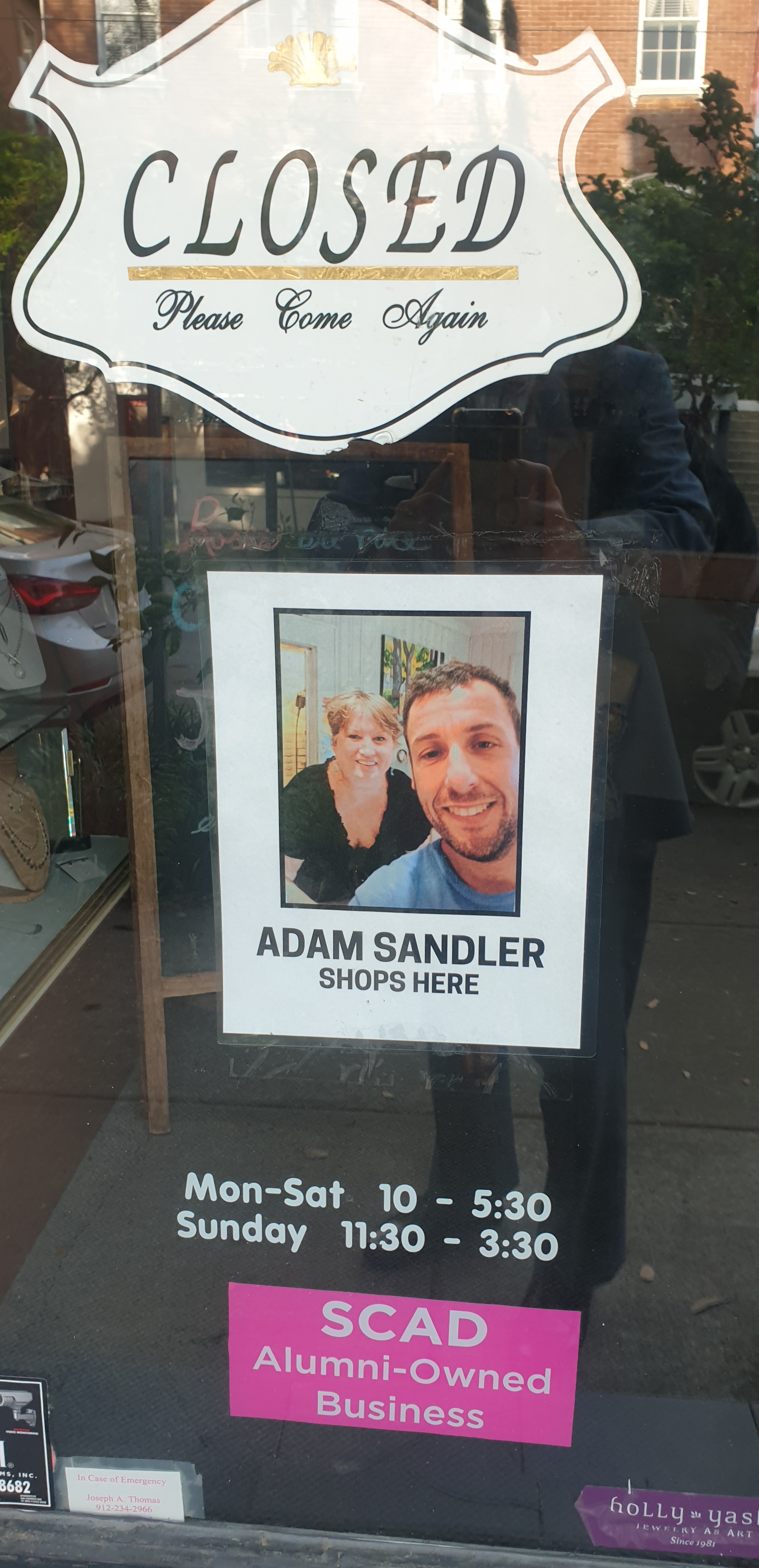
Like all old cities in the Southern US, Savannah must contend with its history of slavery, which was the labor that worked the cotton that made the city so prosperous. One of the elements that helps the city work through that aspect of its history is the Savannah College of Art and Design SCAD, as well as other universities that bring young talent from around the world to make the city a thriving, broad-minded, humanistic organism and give it a healthy mix of quirkiness and artsy to the serious and conservative history.

Yes, the city suffers from overtourism, but that is part of the price most cities must pay for fame nowadays. The fact that they allow open alcoholic beverages on the street does not help, as it attracts all kinds of tomfoolery from partygoers.

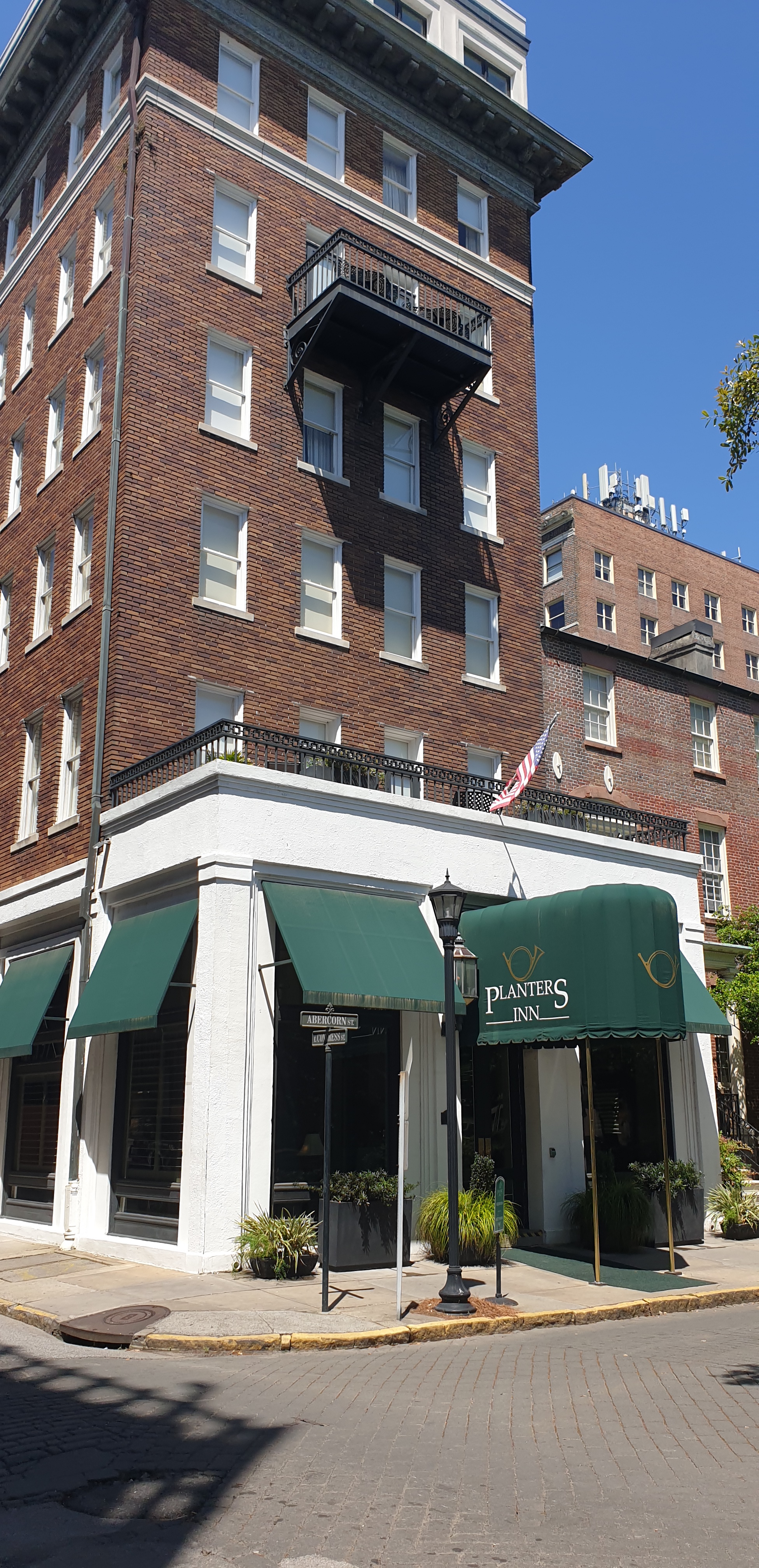
I stayed at the Planters Inn, a cute -if a little in need of renovations- hotel in the historic downtown Reynolds Square, which is perfect for walking around this very walkable city.

I could go on and on. If you are planning to explore the South, you must have Savannah on your list. You are welcome.