An Enlightenment dream

The Enlightenment arrived late to Spain; we loved the Baroque so much we stuck with it longer than we should have. After many efforts by many folks like Benito Jerónimo Feijóo, my man Francisco de Isla, and many others, king Carlos III finally changed all that.

One of the worries that had nagged Spanish monarchs since 1492 was that only a fraction of the gold and silver that arrived from the Americas actually made it to Madrid. Sevilla was the main drop off point, so a lot of the wealth stayed there (either legally or less legally). The solution? Build a canal from Sevilla to Madrid so more of the riches could make it to the capital.

In 1781 the plan was made: build a massive dam to feed a canal that would connect the 500 km (300 miles) from Madrid to Sevilla.

The dam was started, but as usual in Spain all sorts of problems arose; there was not enough labor, so soldiers were brought in who were replaced with prisoners… then there were financing issues… the 90 mt (300ft) dam was about halfway done, when a massive storm in 1799 wreaked tremendous damage. So, they just gave up on the whole thing and forgot about it.

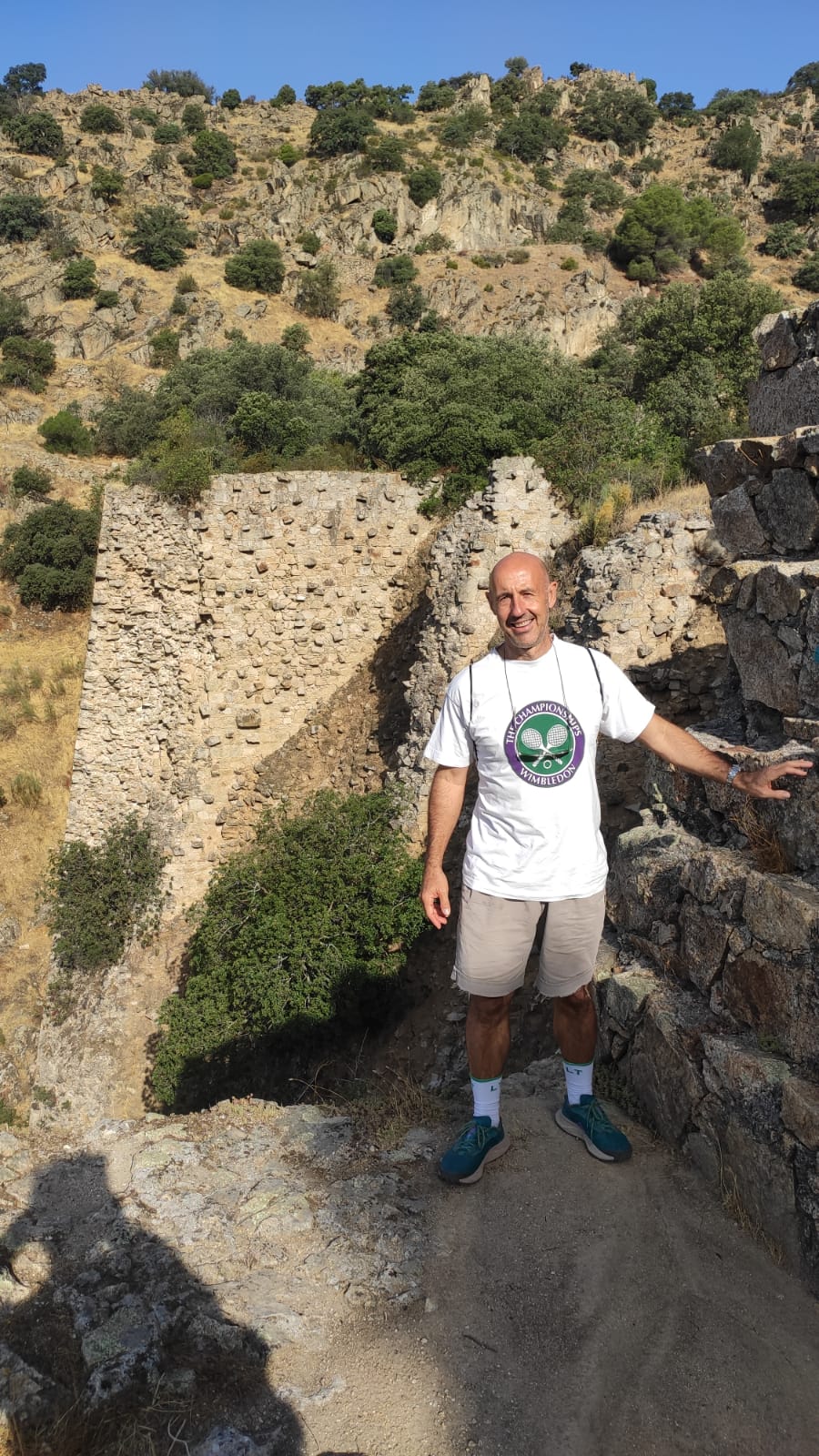
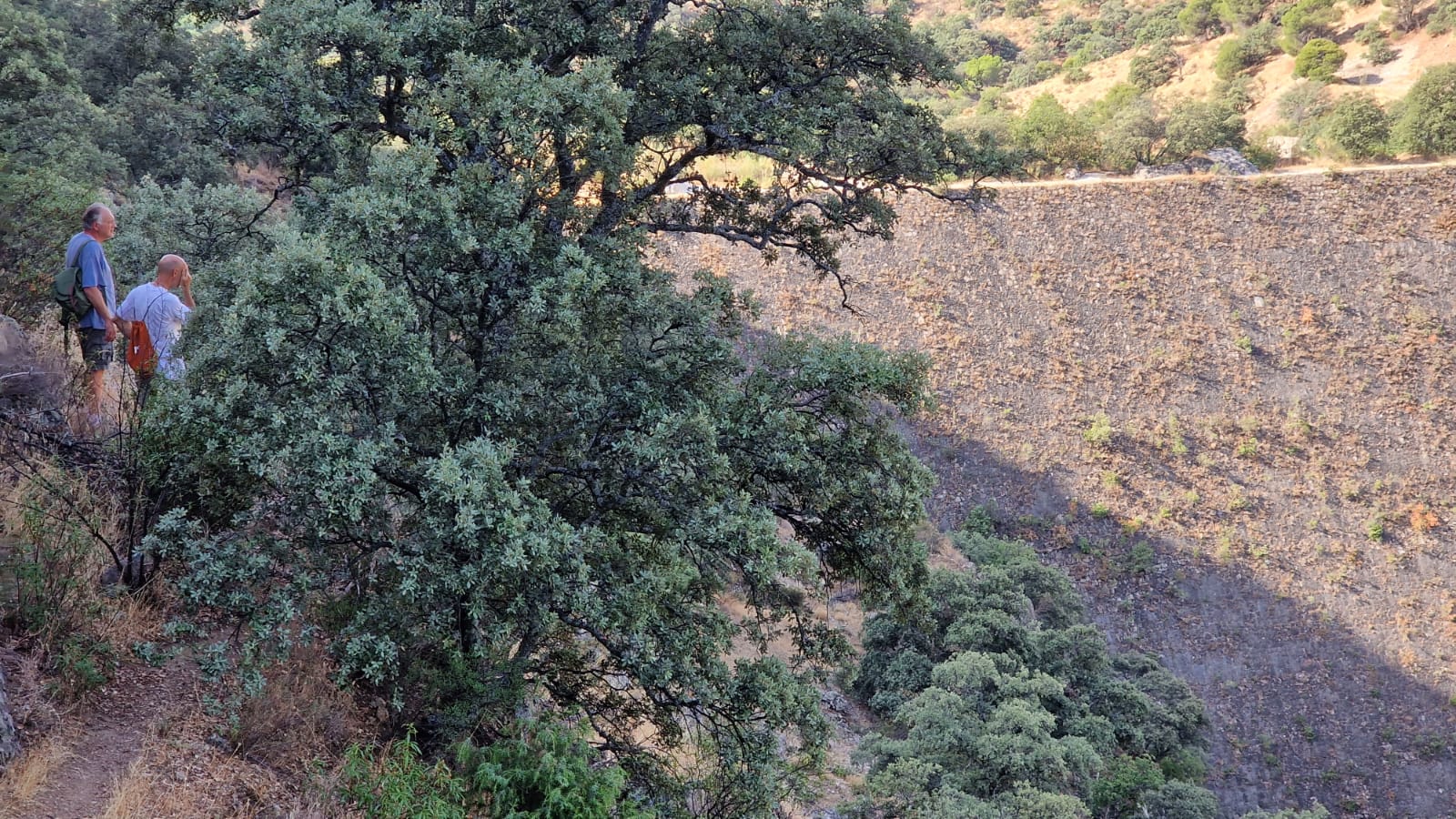
Well, this unfinished abandoned dam, la presa del Gasco is actually 8 km (5 miles) from my mom’s country home as the crow flies, and I finally had a chance to go with my friend Jaime and his brother Jose Mari. The walk, following the never used canal is easy, and once you turn a corner, and you see this behemoth, you are filled with awe at what was the most impressive hydraulic project in 18th C. Europe.

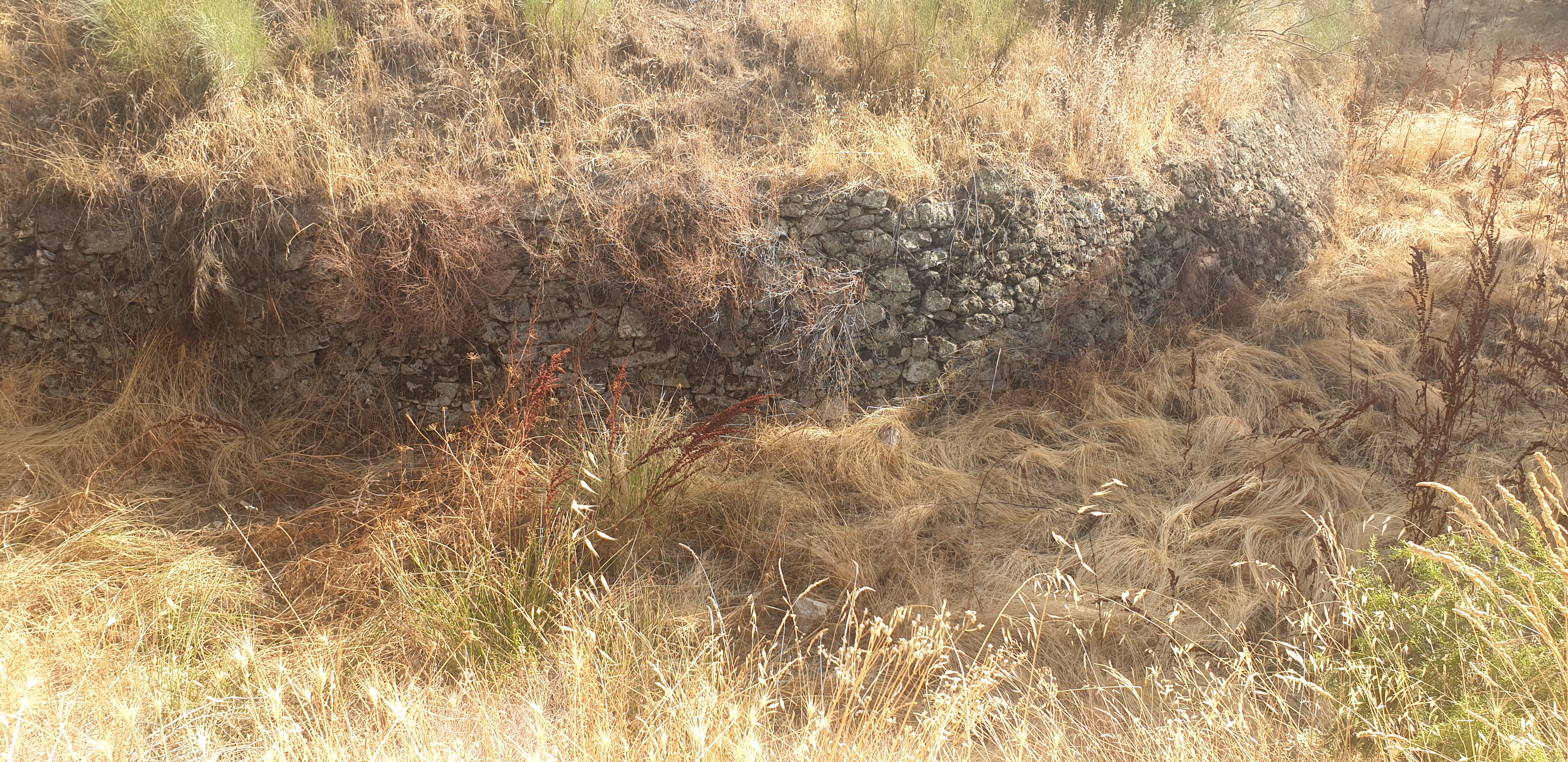
After walking around and checking it out in complete awe, we went to a restored part of the canal nearby where we had another little walk along the canal.

The sheer size of this construction, the perfect fit of the rocks, the ambitious plan, it is all baffling.

As usual in Spain, the local authorities do not want to declare this a heritage site, a protected historical site, a park, nothing, because of building and construction licensing possibilities, i.e.: money and corruption. Disgusting.

This is one excursion worth doing before the whole valley is filled with gaudy houses.
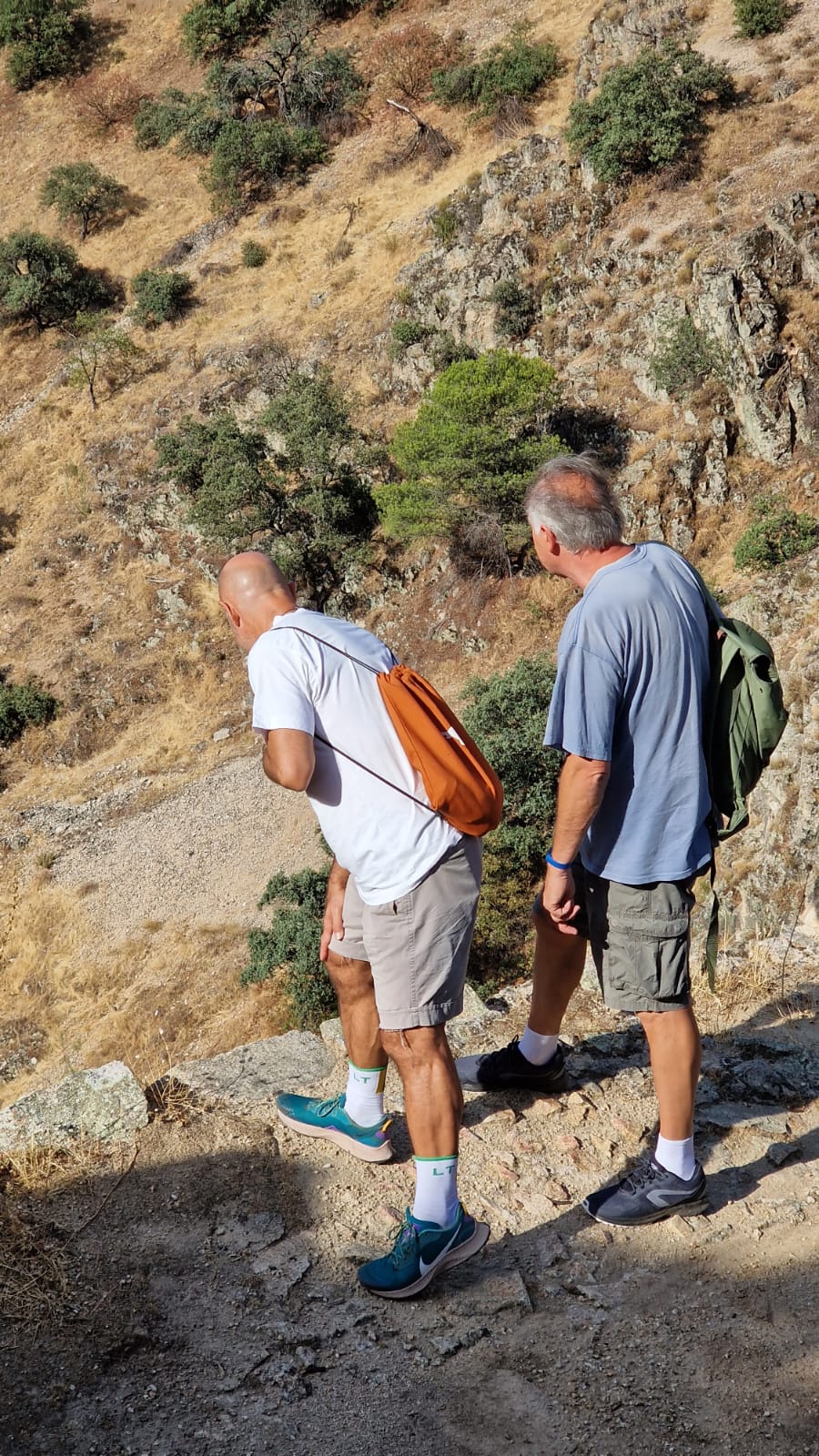
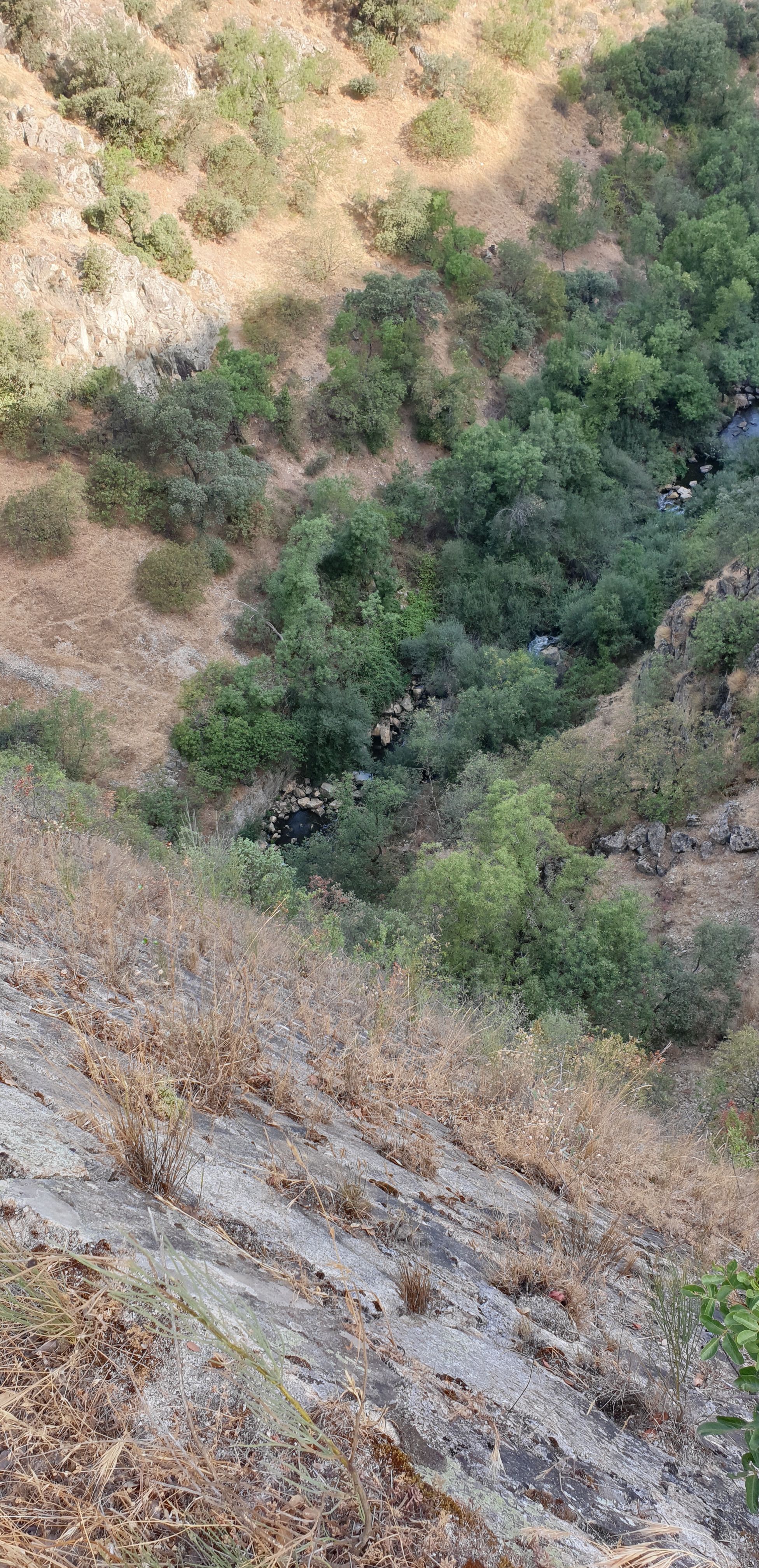
Peering into the void

Summer recap and back to school

Well, it has certainly been a different summer, and I am happy to be back to my boring, monastic Chapel Hill lifestyle. When I was a child summers went on forever, but now they are like the weather in Boston, you blink, and its over.

Madrid was home base for the summer, although this year I rarely got out of the house other than to grab a coffee in the morning and around the block to the gym in the afternoon.

My ten days in Greece were my real break. Caught up with old friends, made new friends and enjoyed my beloved old Greece with its special sunlight, and sea, and food.

We passed July in the country house at La Navata where I spent the mornings on babysitting duty for one, two or all three of my sister’s children. We would walk down to the village to buy bread and the newspaper and to have a coffee – Cola Cao – chocolate milk for the kids. During the afternoons I would work on my dissertation, finishing chapter 3. There were a couple of excursions: one to El Paular Monastery and the nearby hills, and of course a couple of visits to El Escorial with my dear friend Paco.

Another highlight of the Summer was having my sister and her two oldest here in Chapel Hill for a fortnight! We had a blast! (see previous blog post).

And then I had my 50th birthday. Well, at least it was better than my 49th, this time I did not get arrested for speeding. To celebrate, I gave this old blog an upgrade! So now it is http://www.antonioyrocinante.com without ads or Wordpress’ promotions. But I must confess it was difficult to pass my first birthday without my father.

Classes started three weeks ago, so we are back to the grind. I am teaching a section of Spanish 204, Advanced Intermediate, the first non required class. Mostly students that want to major or minor in Spanish. It has 12 great students. The downside? Class is at 8:00 am. My other section is Spanish 300, which is Composition. Of course you can’t have a course where you only write, it is like the guys at the gym that have these explosive upper bodies but Tweety Bird legs, as my cousin Arnold would say, so I have to work on integrating all facets of language development into the class.

Start of school also means that I have to get going on my dissertation again. I am starting the fourth – and last chapter (I still have to write the intro and conclusion). I am very excited, but this also means that I will not have much time to blog.

My other project, as I have mentioned before is getting a job for next year, as this should be my last year at UNC. I hope to defend my dissertation in the Spring. As is normal, I have mixed feelings: Of course I want to finish and see what the next chapter in my narrative holds, but on the other hand I love Chapel Hill and UNC and my friends and colleagues here.

So for now it is over and out from Chapel Hill.

WordPress upgrade

La Navata

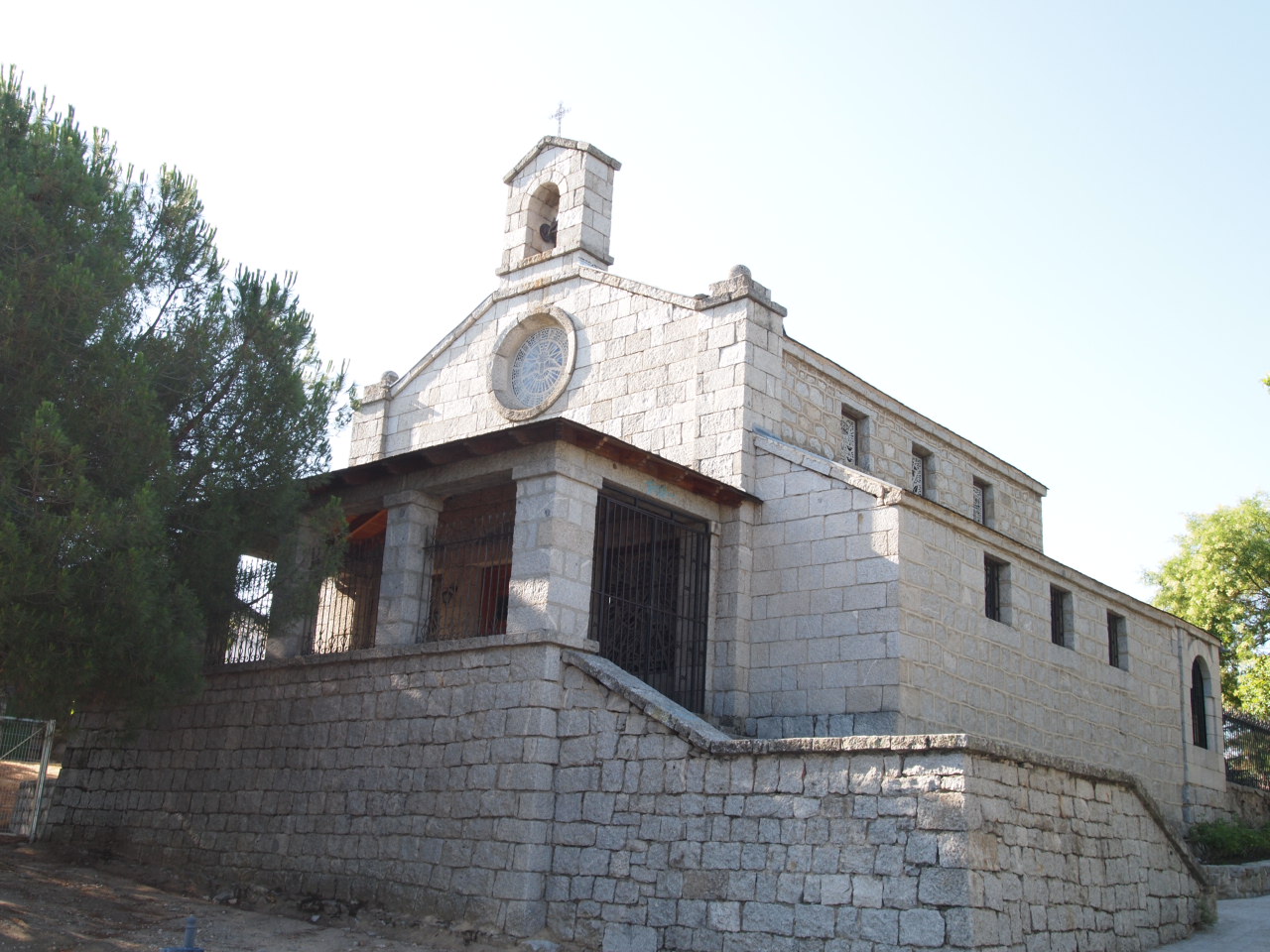
La Navata is a tiny village outside Madrid, near the Sierra de Guadarrama mountains, where Hemingway’s For whom the Bell Tolls is set, the village is so small it is actually dependent of the bigger nearby village of Galapagar, home of Nobel Prize winning playwright Jacinto Benavente and of the current top bullfighter José Tomás. La Navata itself only has a train station, two bars, a kiosk, a hairdresser, a pharmacy, a small supermarket, and an old, small, stone chapel, San Antonio de La Navata.

My parents bought a weekend/summer house here in 1974, when I was 9 years old. In the early 80’s we added the second floor. If I have a home, this is it. This is my “happy place” where I take my mind when I need to relax. This is where most of my childhood memories were made. This is where I learned to ride motorcycles and to drive – my granddad Antonio patiently guiding me round and round the dirt garden, before we put in grass, in La Petra, our old Citroen 2CV. This is where I made my first and oldest friends, where I learned the little tennis I play, where I have done most of my stargazing, reading, bicycle riding, gardening, hiking and barbeques, where I kissed a girl for the first time (quite sloppy if you must know), where I started tinkering with all things mechanical – although mostly motorbikes, where hiking and skiing trips started, and where great summer (and I guess also winter) parties were hosted.

I used to come here for the weekends in winter, reading by the blazing fireplace, and spending the summer in the pool, the garden and the porch, going indoors only when absolutely necessary.

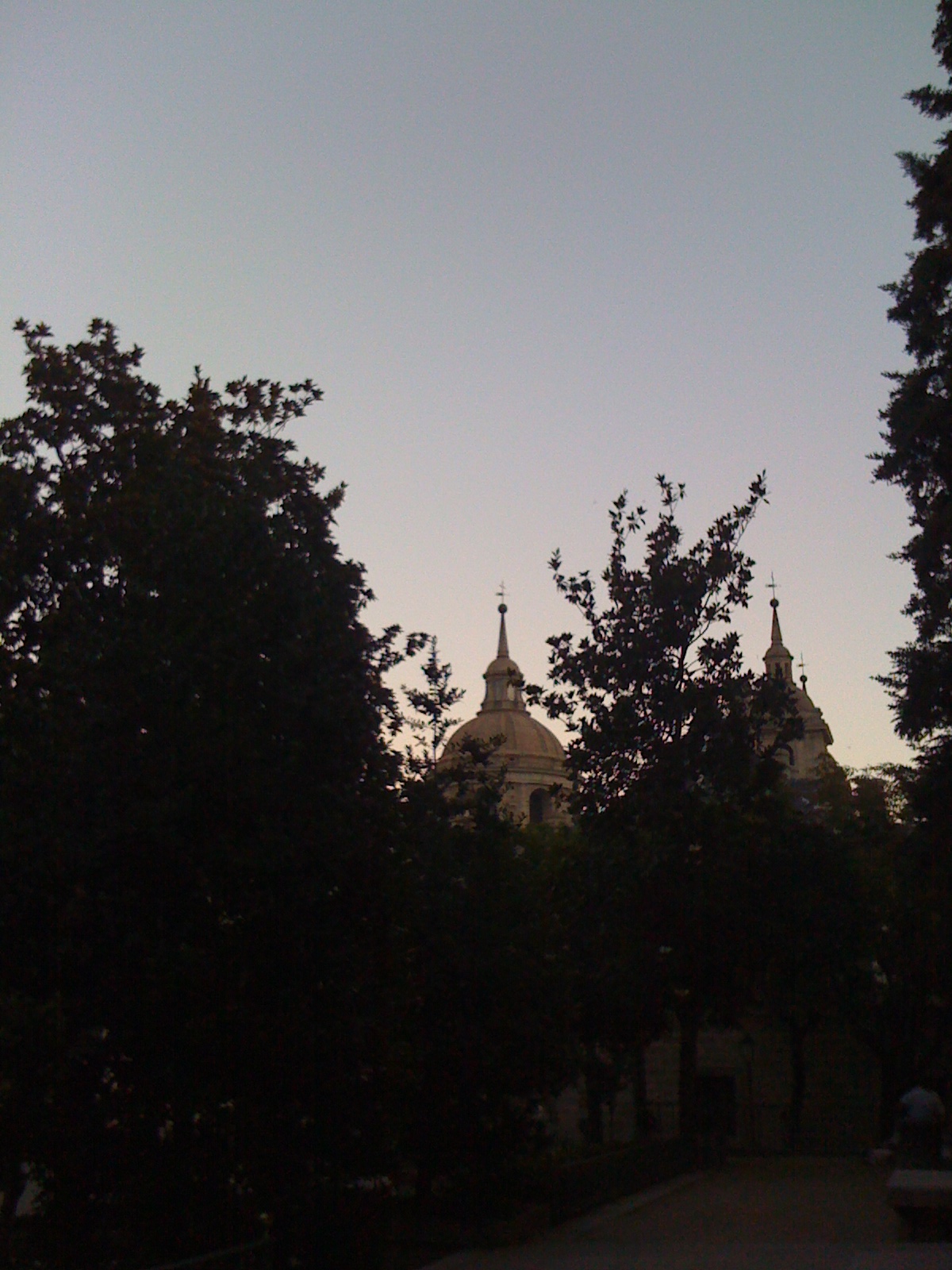
La Navata is about a fifteen minute drive from El Escorial, built by Phillip II, it houses a palace, monastery, school, mausoleum for all the Haubsburg and most Spanish  Bourbon kings, and one of the most important – and beautiful  – libraries, in the world.  Growing up I spent a lot of time in this place, walking around the palace, gardens, surrounding hills, and the town. I still spend a lot of time here, specially with my friend Patxi, with whom I founded the Asociación A. de Amantes del Escorial in the early 90s.

In 1992 I got a job at a photo equipment supplier near here and I lived in La Navata for about a year. It was a lot of fun, living in this big old house alone, cooking, reading by the fire, and going into Madrid for the weekends doing a reverse weekend commute!

IMG_0928

El Escorial

IMG_0903

The view during a bicylce ride

IMG_0935

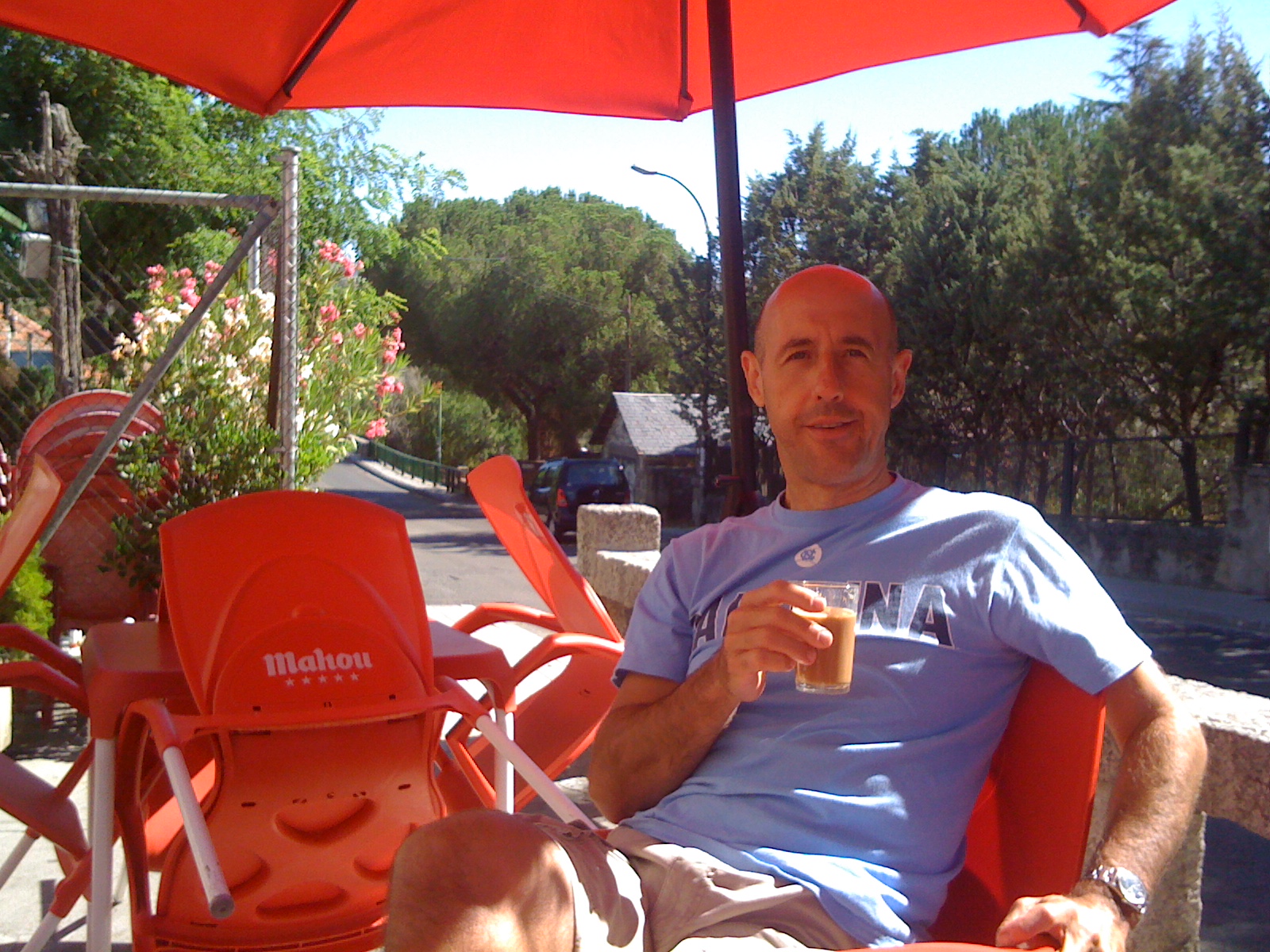
Caf’é con leche at the clasico Marcelino bar, at 10 am they have barely opened!

SAMSUNG

Jacinto Benavente at Galapagar´s Plaza

OLYMPUS DIGITAL CAMERA

San Antonio de la Navata

Life in La Navata is very quiet. I start off with a refreshing wake-up swim in the pool, which makes breakfast a cool joy on the porch. Then there is a walk into the village to buy bread for the day, the newspapers and any other groceries, I stop at the bar for a nice café con leche. There are always chores and gardening and pool maintenance to be done before a pre lunch swim. After siesta things actually slow down even more in the heat of the afternoon and I can read, or hang out with the fam. Nowadays with my nephew and two nieces things are a bit more chaotic, but always fun. The afternoon swim is normally the longest one and then I have time to work out in my homemade gym, or run or go for a bicycle ride before dinner. After dinner we sit around, chat, enjoy a mojito made with old Cuban rum (which is unavailable in the US) and mint from the garden, or a gin tonic, or whatever we can  find, sometimes accompanied by a cigar.