If you don’t use it, you lose it, Welcome to French Club! Le Cercle Français

French is a beautiful language; I miss teaching it (you can read about me teaching French at UNC here). The other day I was talking to a dear friend and volunteer at school, whose mother was a French war bride and instructed her daughter so they could chat in French.  We realized we both missed speaking French. Solution? Start a French Club, a Le Cercle Français. Our first meeting was just the two of us in the school dining room, but we hope there are more Francophiles at school waiting to come out of the woodwork!

The topics of conversation are not that important, the important bit is to exercise the language of Jean Paul Sartre, Albert Camus, Eiffel, De Gaulle, Joan of Arc, Voltaire, Renoir, Simone de Beauvoir, Zinedine Zidane, Marie Curie (well, she was Polish, but you get the idea!), and so on, the list is endless…

Allez, viens parler français avec nous !!

Which Camino: Francés, Norte, Primitivo or Aragonés?

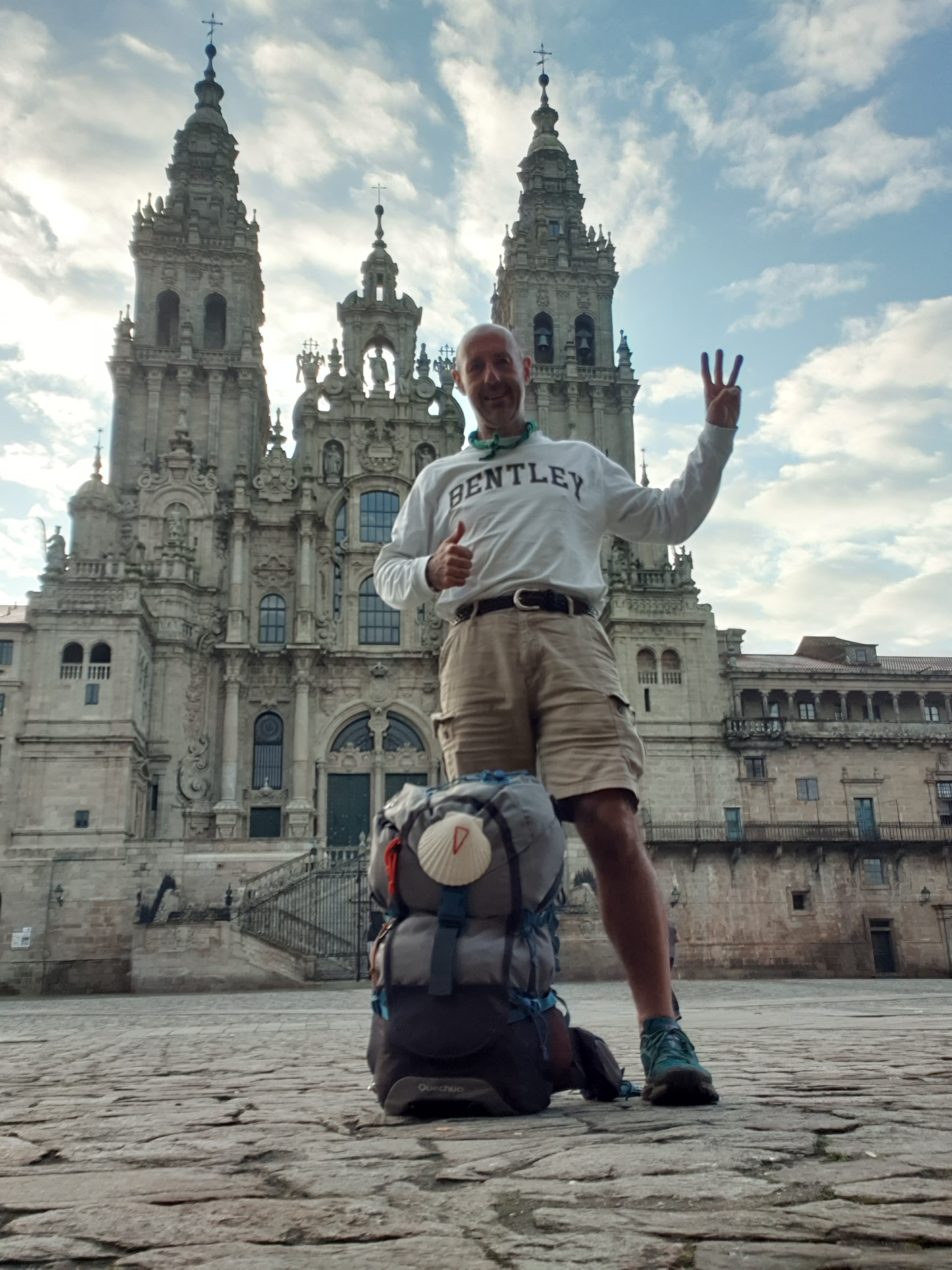
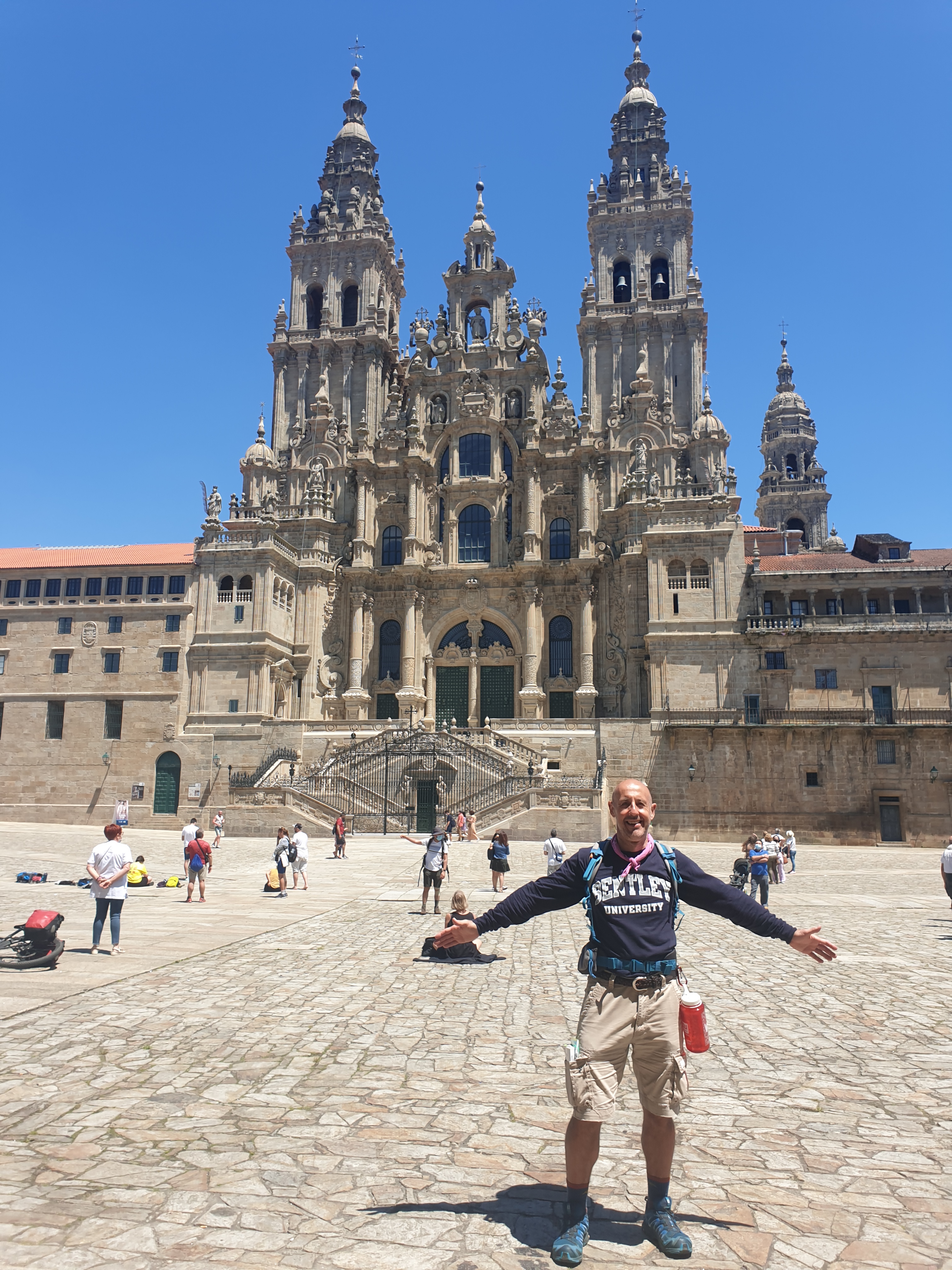
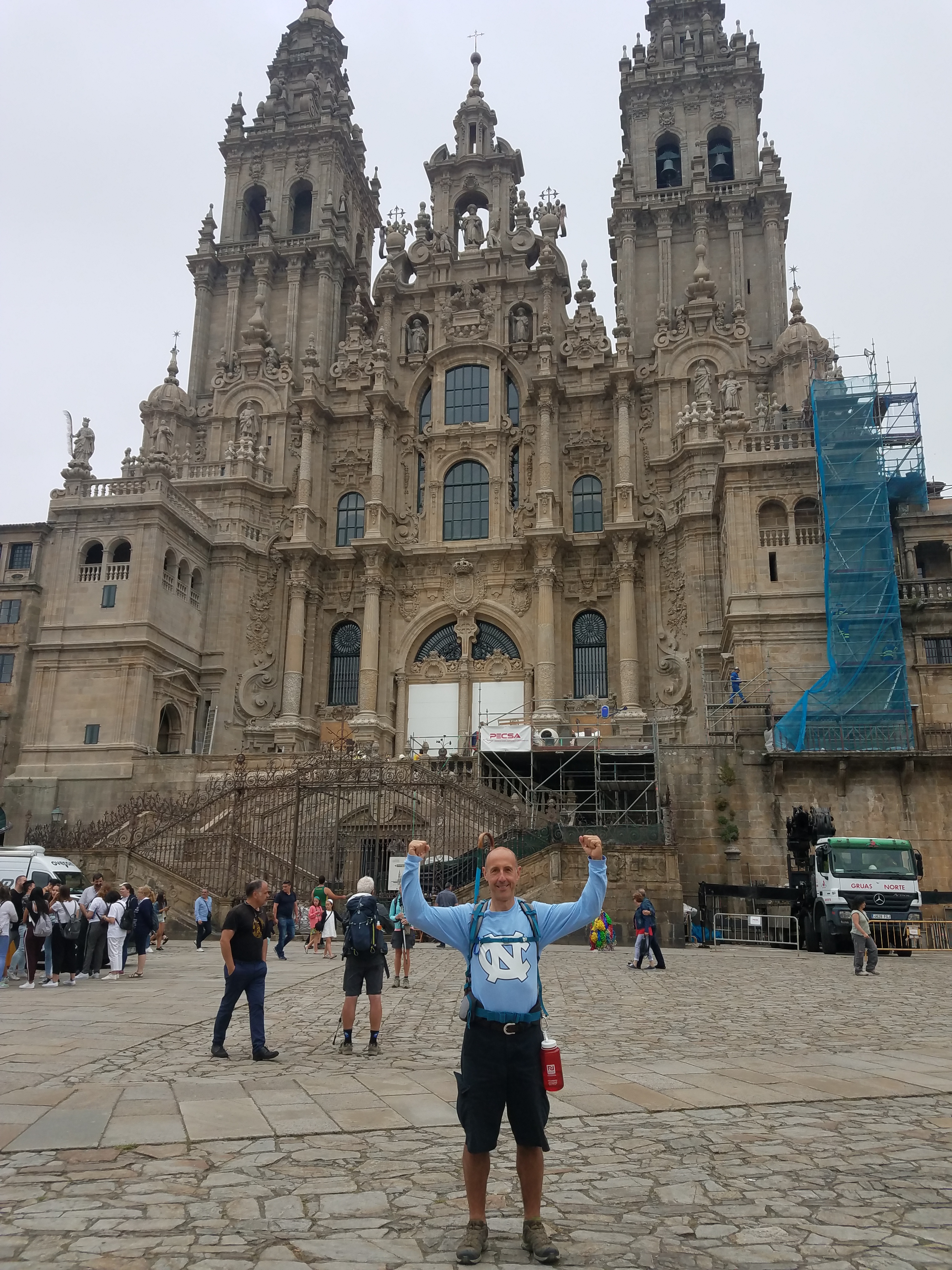
Having just finished my 4th Camino, the Aragonés, here is a bit of a comparison between the Francés, Norte, Primitivo and Aragonés to build on my previous analysis of the Francés and Norte (click here for that post):

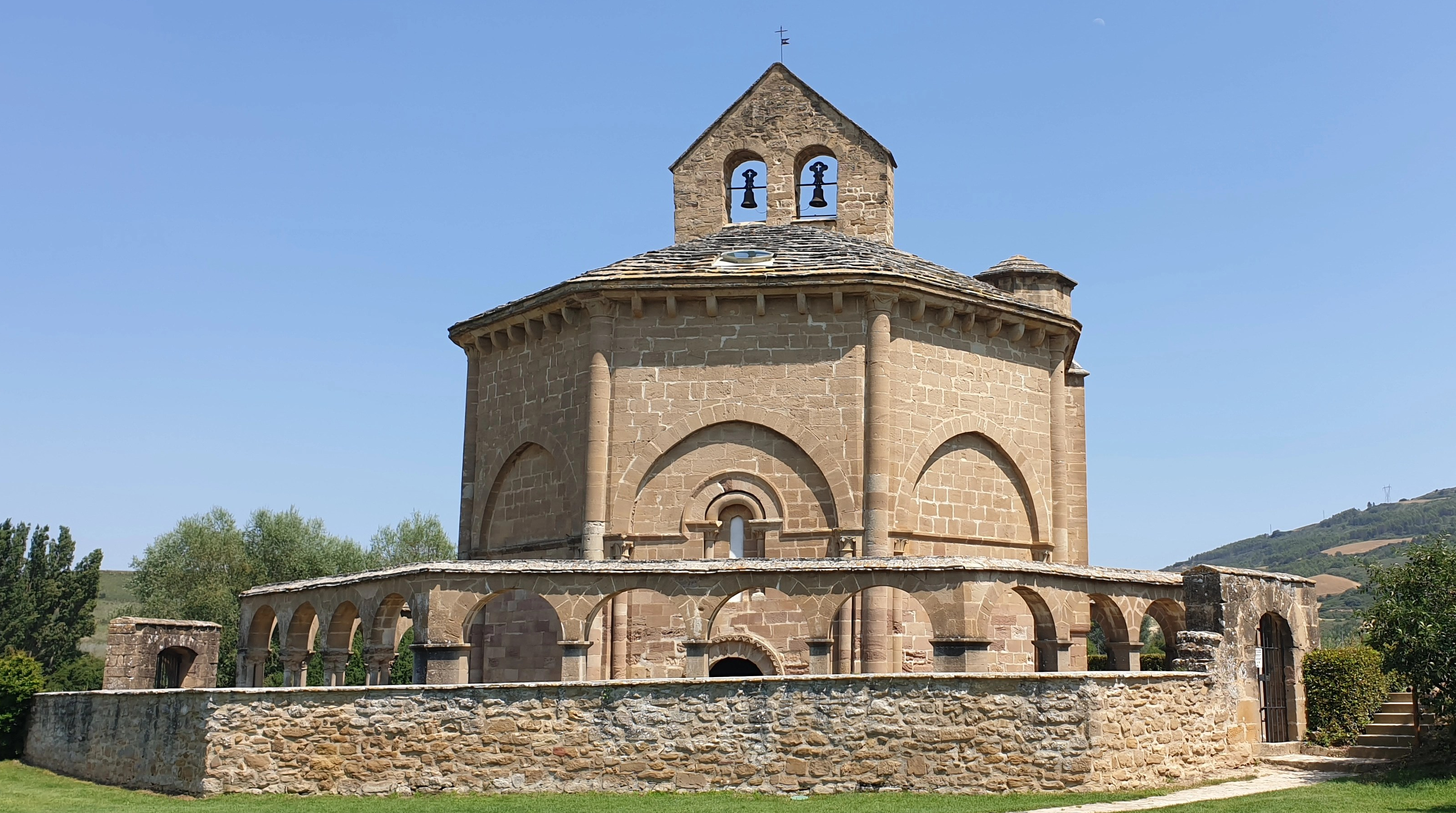
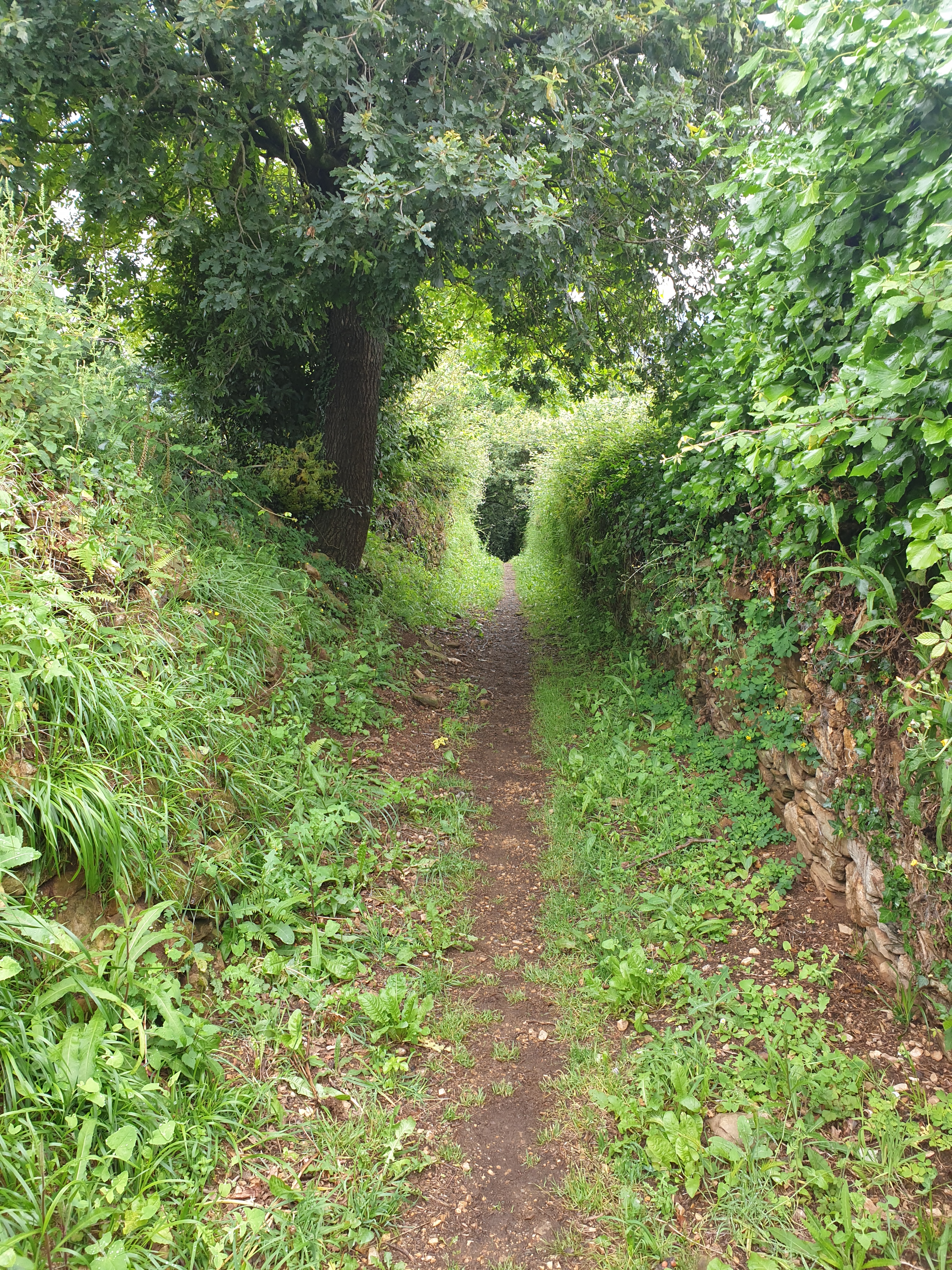
I loved the Aragonés! It is wild and beautiful, we were very few pilgrims on the trail -about a dozen or so, most days I did not bump into any pilgrims! There are very few albergues and they are stage distance apart (with few exceptions), so we were the same pilgrims every evening at the end of the stage.

At around 7 days before it joins the Francés at Puente la Reina, it is a bit short. That is the worst thing about the Aragonés.

My all time favorite so far is the Primitivo due to the rugged beauty and the three days right in the middle which are quite hilly and “uncivilized.” It lacks the “spiritual” component of the Francés but makes up for it in natural beauty. At around a dozen days from Oviedo to Santiago it is a perfect “full” Camino.

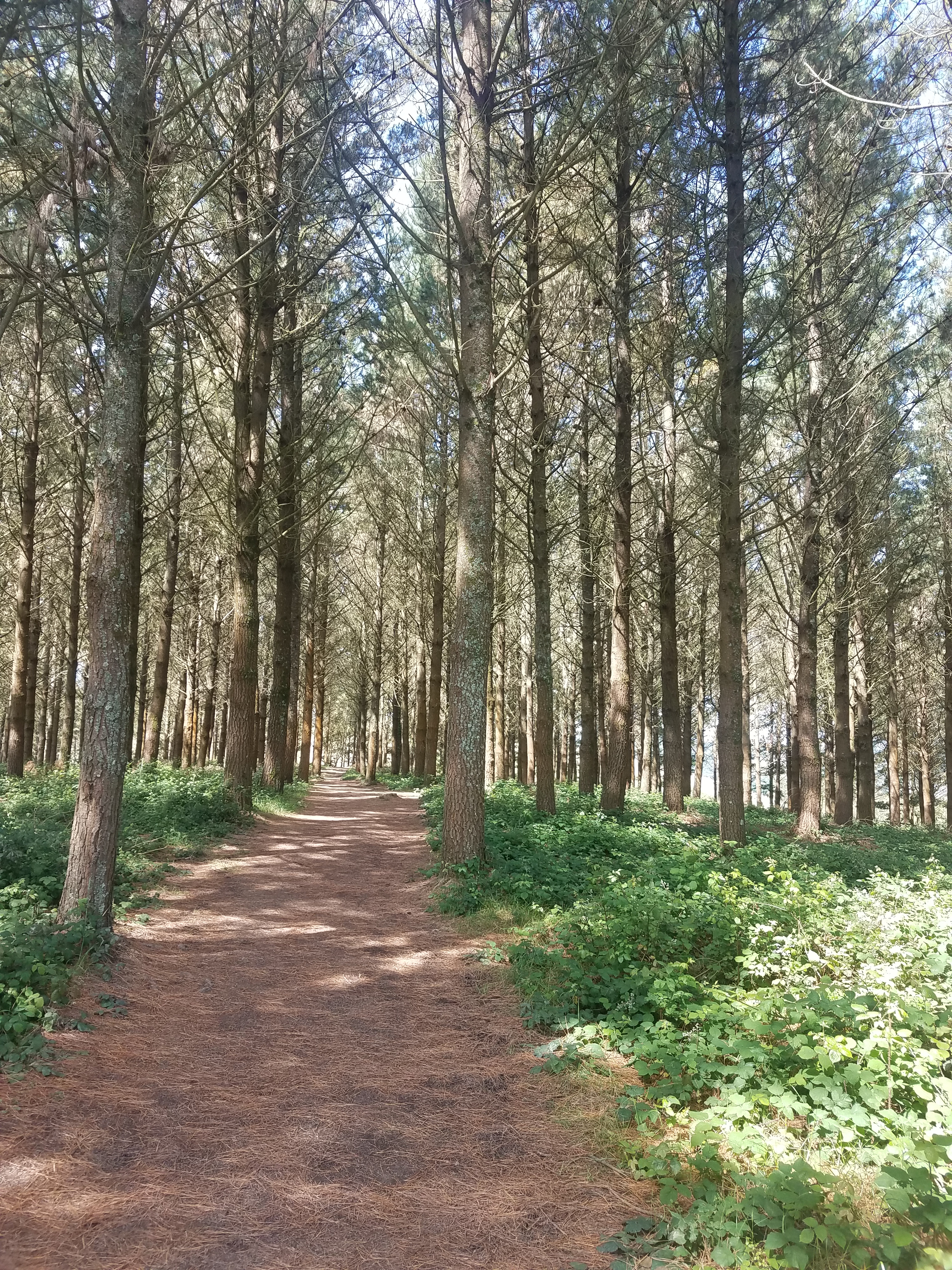
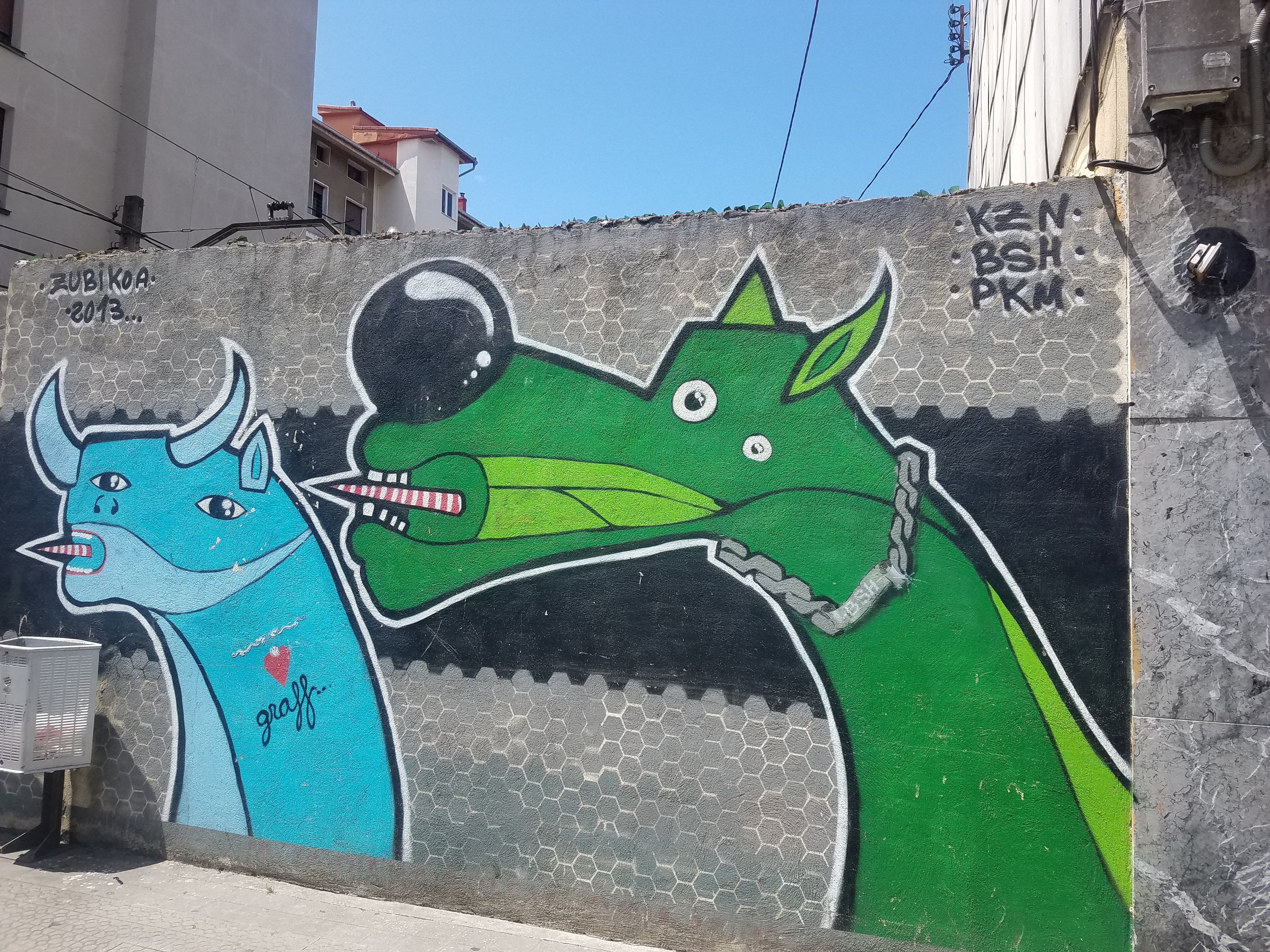
The Norte is canonically the most beautiful: beautiful beach, beautiful forest, San Sebastian, beautiful beach, beautiful forest, Bilbao, beautiful beach, beautiful forest, Santander, Gijón… you get the idea. Plus, the food. While popular, this route still has far fewer pilgrims than the Francés.

The Francés is like Classic Coke: the most popular, the best known, the oldest (not really, just in modern terms, it was the first one to be rehabilitated in the 80s), and it is the most spiritual: most churches are open -unlike other Caminos, the change of orography makes this Camino “feel” longer. And the cities, with their Gothic cathedrals are impressive: Pamplona, Burgos, and León.

So, my ranking for now is: 1, Primitivo, 2, Aragonés, 3, Norte, and 4, Francés. Of course, you could start your Camino with the Aragonés and then hook up with the Francés, but you would miss crossing the Pyrenees, and the Navarra hills to Pamplona. On the other hand, by then the early crowds will be a bit more spread out…

Yes silly, of course I am thinking of next year’s Camino, but you will have to stay tuned to this blog for more!

Why you should read 19th century novels; Victor Hugo´s Notre-Dame de Paris.

From the time of the ancient Greeks until the 15th century, the preferred format for literature was poetry; epic poetry, sonnets, pastourelles, so on. By the 15th century theatre took hold as the preeminent platform for writing; the different characters able to portray different points of view, and the fact that you did not need to know how to read to follow along, helped. The dominant format of the Enlightenment was the essay as we scrambled to put “order” into the world. And although my dear Cervantes basically “invented” the novel in 1600 (the word novella comes from the Italian, but these were not long narratives), this format did not fully flourish until the 19th century, and boy did it flourish!

A couple of factors that drove the popularity of the novel was that the printing press and paper making technology was well advanced, as well as the fact that many more people knew how to read.

The result are long, intricate novels with great character descriptions and narrative arches -Dickens, great philosophical dialogues –Dostoevsky, detailed historical dramas -Tolstoy. In fact, most European countries saw a great spike in novels in the 19th Century.

In Spain, Leopoldo Alas “Clarín” and Benito Pérez Galdós stand out. In France, Alexandre Dumas, Flaubert, Verne, and today’s featured author, Hugo among many others marked the 19th C. In Germany, Goethe led the Romantic movement! In Ireland, Joyce, Wilde, and Stoker represent. In Russia Dostoyevsky and Tolstoy are most famous, (click here for Russian lit) but not the only ones (Pushkin and Turnegev are in that list). In England, the list is too long to write down, but let’s just say: Jane Austen, Emily and Charlotte Brontë, Lord Byron, Lewis Carroll, Doyle, and of course, Dickens.

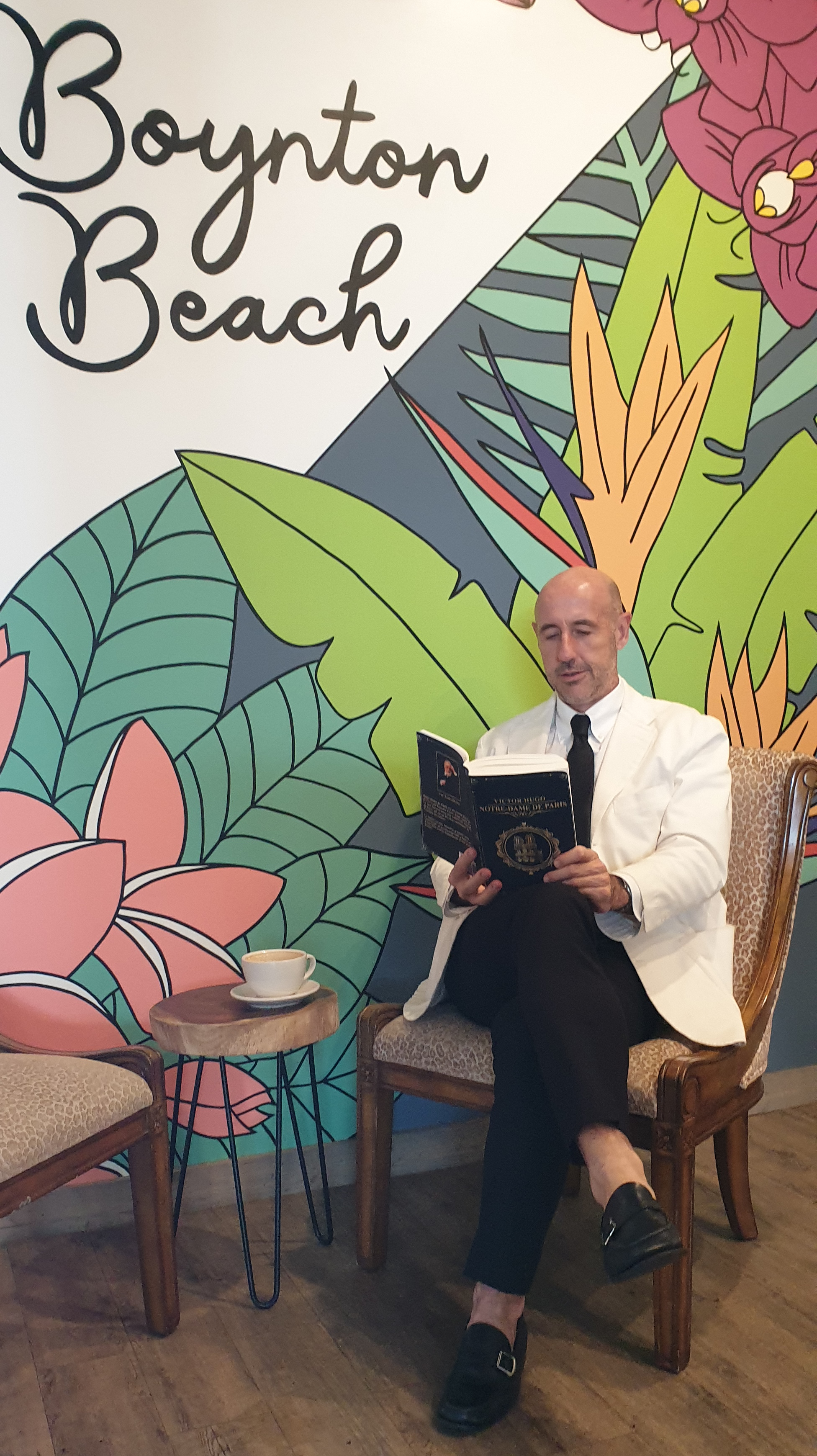
All this to say that I just read Victor Hugo’s Notre Dame de Paris written in 1833, and I have loved it! It is beautifully crafted, amazing, evil, charming, funny, stupid, great characters with, of course, Quasimodo being grotesque but with a beautiful heart. The Cathedral itself is very much a character in the novel, as Hugo was advocating for the preservation of Gothic architecture in a time when old buildings were being torn down to build new ones. The story fits more into the Romantic movement that the later Realist movement, what with all the darkness and gargoyles. I read a French edition that my sister gifted me for Christmas last year, sorry I am running a bit behind on my reading list.

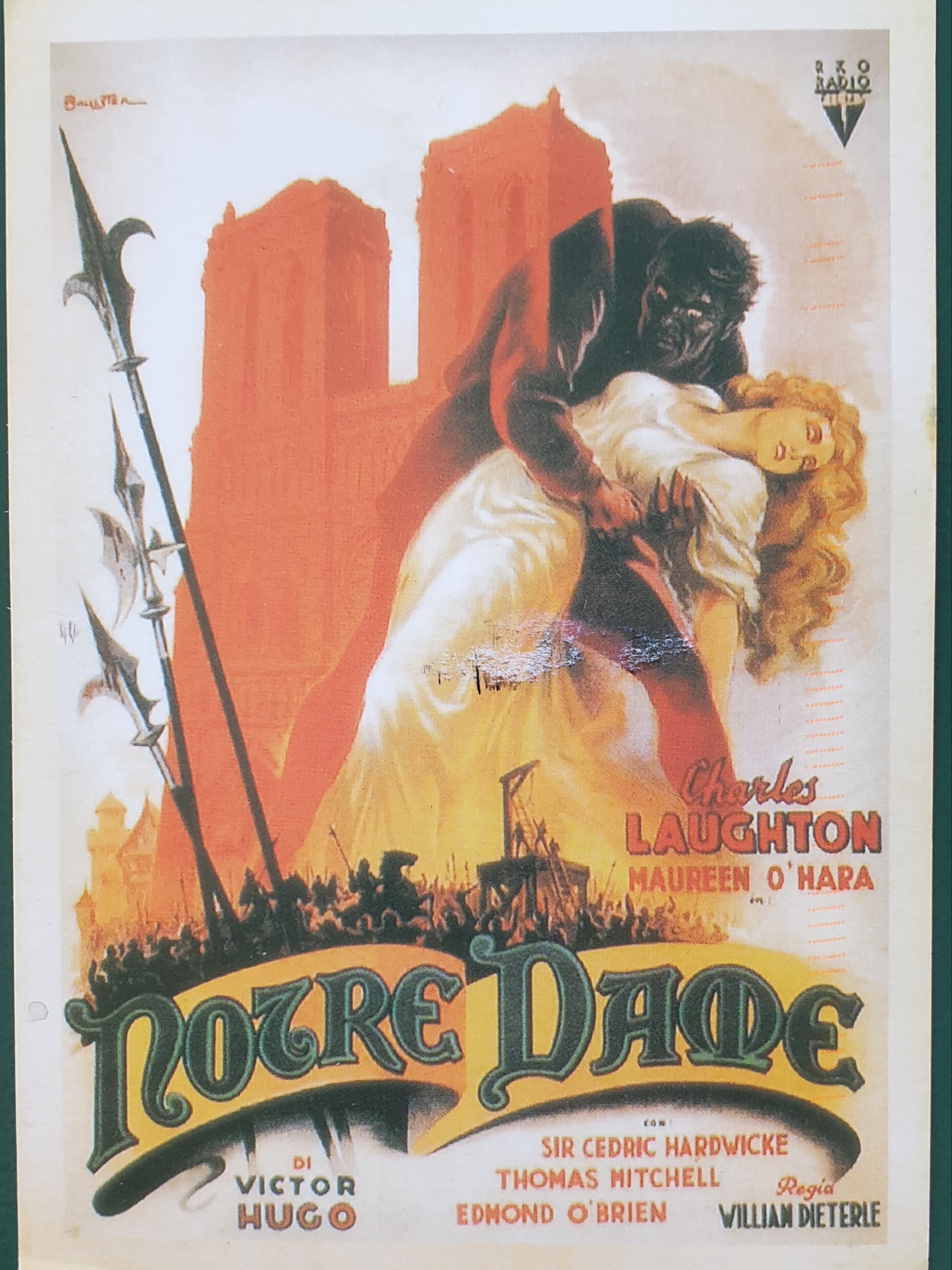
Confession time: I have not seen the Disney version so I cannot judge how faithfully it represents the book, but hey, it is a Disney film. There is also a ballet, a musical, an old film, etc.

Now go read some 19th c. novels!!! You are welcome.

Teacher of English certification

Although I have taught Spanish, French and English for years, I felt that my teaching of English needed some TLC (Tender Loving Care), so I signed up for a Teacher of English as a Foreign Language certification course.

I did some research and found a great program at the University of Toronto Institute for Studies in Education. They have various Teacher of English as a Foreign Language certification courses, designed for different regions like Korea, China, or the Middle East, so the training is specific for those learners. Since I do not foresee working in those countries just yet, I just signed up for the plain vanilla course. Technically it is for teaching English abroad, but at the end of the day you have to teach to the people who want and need to learn regardless of where they might be. Geography is not an issue. Of course, living in a target language country makes it easier for the learner to immerse in the language and culture, but that is about it.

The program is well set up with a solid introduction to the English language, history, grammar, and then on to language learning theory, classroom management, assessments, etc. It is a very neat course and I highly recommend it. After sixteen years teaching, a lot of the material was review, which was still good for me to have. It was also good to explore some of the language learning theories that I only knew from hearsay like, for example, Jim Cummins BICS and CALP (Basic interpersonal communication skills versus Cognitive Academic Language Proficiency). It is difficult to organize such a generic course especially for me since I am currently teaching graduate school. But overall, I highly recommend it!

Why a Ph.D.? (Revisited)

After the first year of my doctorate program, and with a couple of weeks of distance to reflect and let it all sink in, it is time to come up with some road markers, some conclusions:

The program is everything I was expecting for and much, much more.

I have learnt so much, I have “discovered” Medieval and 18th C. Spanish Lit. – where have I been hiding for my whole life? Part of the secret to my discovery has been having Profs. Domínguez, and Gómez-Castellano as my teachers. They are the real deal: knowledgeable, patient, encouraging, understanding, I could not have wished for better role models.

My colleagues are also top, top shelf, both in the Masters and Ph.D. programs, in Spanish French and Italian: Sam, Ruben, Thomas, Anne, Emily, Miguel, Zully, Andrew, Rob, Sarah, Drew, Massi, K-N, Martina, Gloria, et cetera, et cetera.

The other side of the coin, my teaching experience has also been out of sight. I have taught three fantastic classes of Intermediate level Spanish language, 203. I have been very impressed with my students, a great, diverse, fun, brilliant mix. It has been a thrill teaching – even at 8:00 am. We had great discussions, games, learning moments, fun and end of the term breakfasts at Ye Olde Waffle Shoppe, where the students ordered their breakfasts in Spanish!

Beyond the in-house academic powerhouses, I have met people I never expected to meet: David Gies – Jedi Master of 18th Century Spanish Lit. (UVA) and Ana Rueda, the grande dame of 18th Century Spanish Lit. (UK) (who I even had the chance to pick up at the airport and have a drink before a lecture!). I also met novelist and journalist Rosa Montero and Spanish choreographer and ex-dancer Nacho Duato, not bad for a village. And speaking of dance, I saw The Alvin Ailey, Martha Graham and Marie Chouinard dance companies, the Monteverdi and Cleveland Orchestras, heard Verdi’s Aida, and over a dozen different takes on Stravinsky’s Rite of Spring, et cetera, et cetera.

Yes, the first semester was mayhem, and yes the last week of the Spring semester was Hell, but all in all,Magnolias Ale and Ruben Sunrise going to class Sunrise going to class a very positive experience.