Sharing knowledge, academic articles (my first!)

PC: Jess Strub

As my dear old friend and brother Theo would say, I am a bit of a late bloomer. I got into teaching later in life, I started my master’s at 42 and my PhD at 47. Once in the doctoral program I realized the importance of publishing academic articles, but I never really committed to it, I was focused on my dissertation which I managed in 4 years from start to finish. So I was never into the article publishing game; I tried a couple of times but halfheartedly…

Then life happened, and I did not worry too much about it, oh and Covid, and so on. Once settled in Florida, alone, in the long winter nights, I actually hammered out an article! When I mentioned it to Irene, my dissertation director, she liked it! and recommended I submit it to Romance Notes academic literary journal…

And they accepted it.

And it was just published!

What is it about?

Remember that Francisco de Isla wrote a scathing satire of 18th Century Spanish preachers: Fray Gerundio de Campazas? The moment it was published it sold out -literally overnight- but as was to be expected, the novel rubbed some people the wrong way and it was denounced to the Inquisition.

The article deals with the letters that Isla wrote in defense of his work. And that is where it gets fun: it is not so much a defense, as an attack on the fellow who filed the complaint of Fray Gerundio to the Inquisition.

You can find the article following this citation, and if you do not have access to academic databases and still want to read it, reach out on the comments and I will get you a copy.

Balsón, Antonio. “La Apología por la historia de Fray Gerundio de Campazas de Francisco de Isla. La anfibología como arma secreta.” Romance Notes 62.3 (2022): 419-429.

Here is the abstract (oh, FYI its in Spanish):

La Apología por la historia de Fray Gerundio es la defensa de Francisco de Isla contra la denuncia presentada por Fray Pablo de la Concepción, superior general de los Carmelitas Descalzos, ante el Tribunal de la Inquisición contra La Historia de Fray Gerundio de Campazas, alias Zotes. Fray Gerundio se publicó en Madrid el 21 de febrero de 1758 y fue un éxito rotundo. La reacción de los predicadores fue instantánea y, no queriendo ser tildados de “Gerundios”, empezaron a predicar sus sermones en un lenguaje más claro y sencillo. Cuatro días después de su publicación, de la Concepción, presentó su denuncia del Gerundio ante el Tribunal de la Inquisición. Isla rebatió la denuncia escribiendo cuatro cartas que se convirtieron en la Apología por la historia de Fray Gerundio. La Apología es una obra típicamente isliana en su retorica combativa. Isla utiliza todos los recursos aprendidos durante su larga carrera literaria, para defender su obra y usa un ataque minucioso para desglosar la totalidad de la denuncia, aunque finalmente fuese en vano, y la novela best seller del siglo dieciocho fuese prohibida. Una de las claves para entender la Apología reside en el uso de la anfibología por parte de Isla. El doble entendre ilumina la Apología como arma ofensiva más que defensiva. Esta obra, como la mayoría de las obras de Isla con la excepción del Gerundio, ha tenido mínima repercusión crítica y académica.

La apologia por la Historia de FG

A return to academia, the Carolina Conference on Romance Studies, returning to UNC.

Although I consider myself more of a teacher than a scholar, I do enjoy research and writing. Also, I get to do my research at my pace and not at the breakneck pace demanded by the research universities.

If you are an old timer of this blog, you know that my PhD dissertation was on the early works of 18th C. Francisco de Isla, before he wrote his best-selling Fray Gerundio. This time I focused on Isla´s first writings after the Gerundio, still up to his old crafty rhetorical tricks and double plays. Right after selling out the first edition of the Gerundio overnight, the head of the Carmelites denounced the book to the Inquisition, Isla´s defense of his novel is the Apologia por la Historia de Fray Gerundio, and that is what my paper is on.

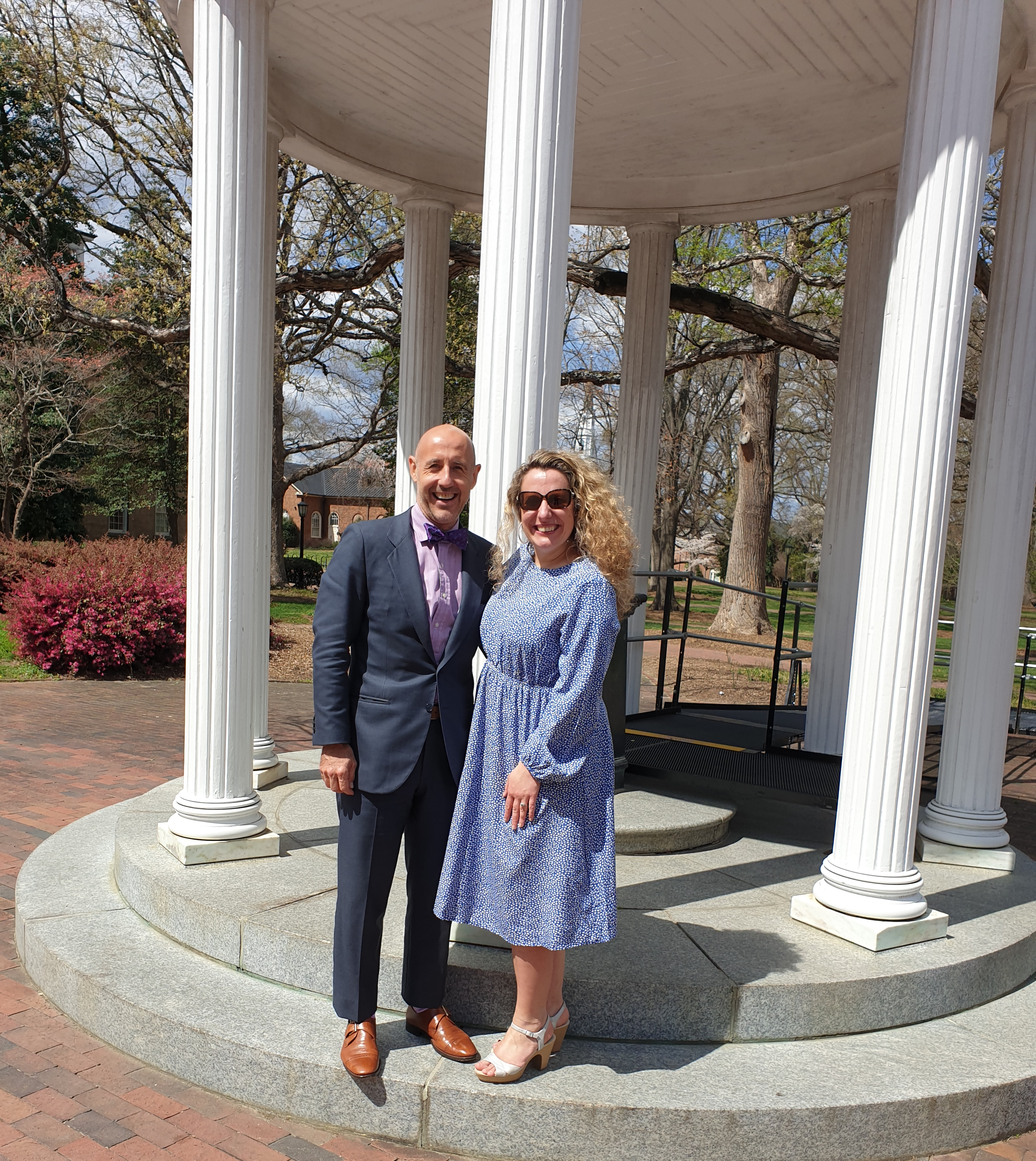
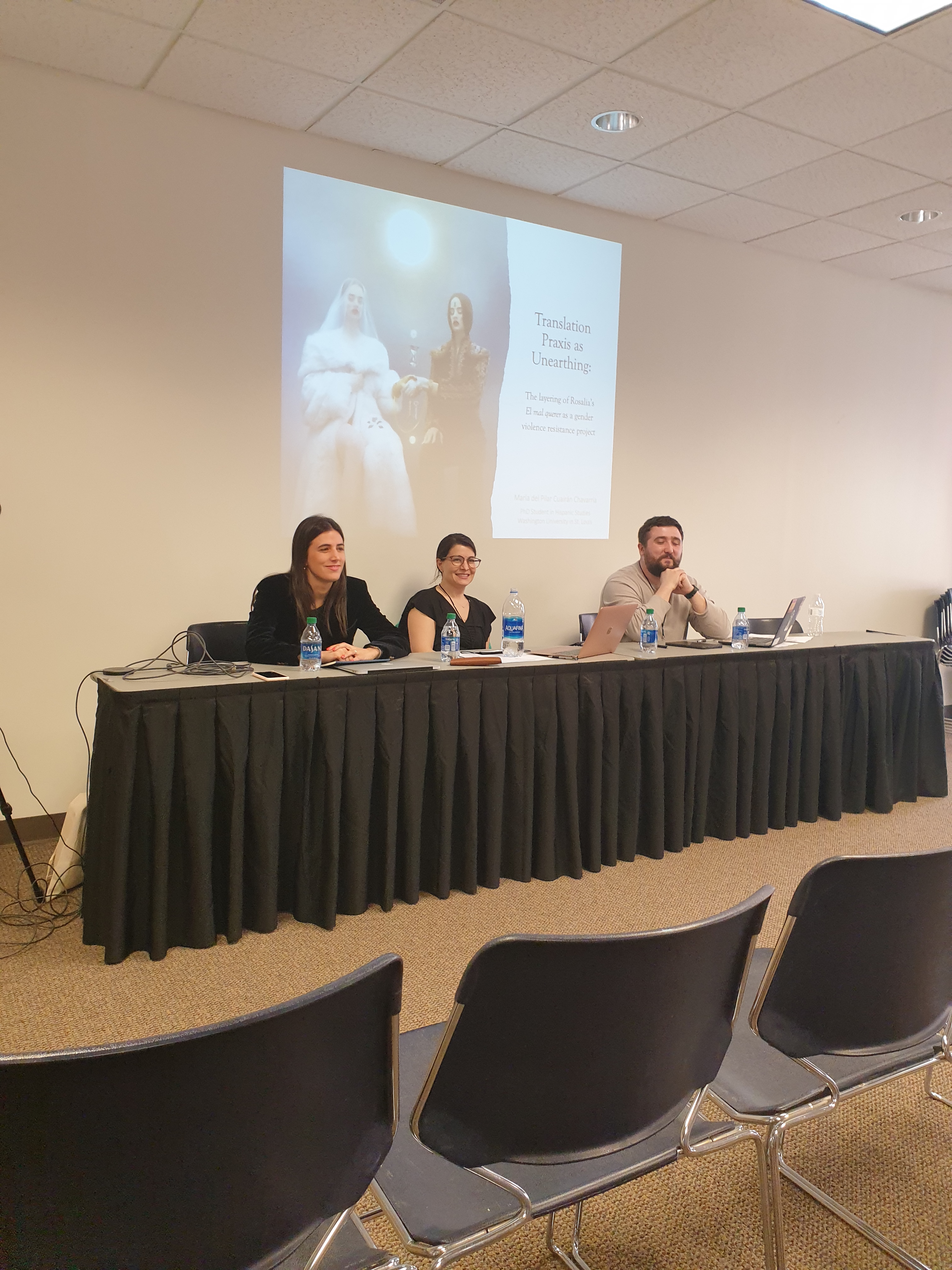
And it was accepted at the Carolina Conference on Romance Studies. So, with the generous support of my school, off I went to present my research at my alma mater.

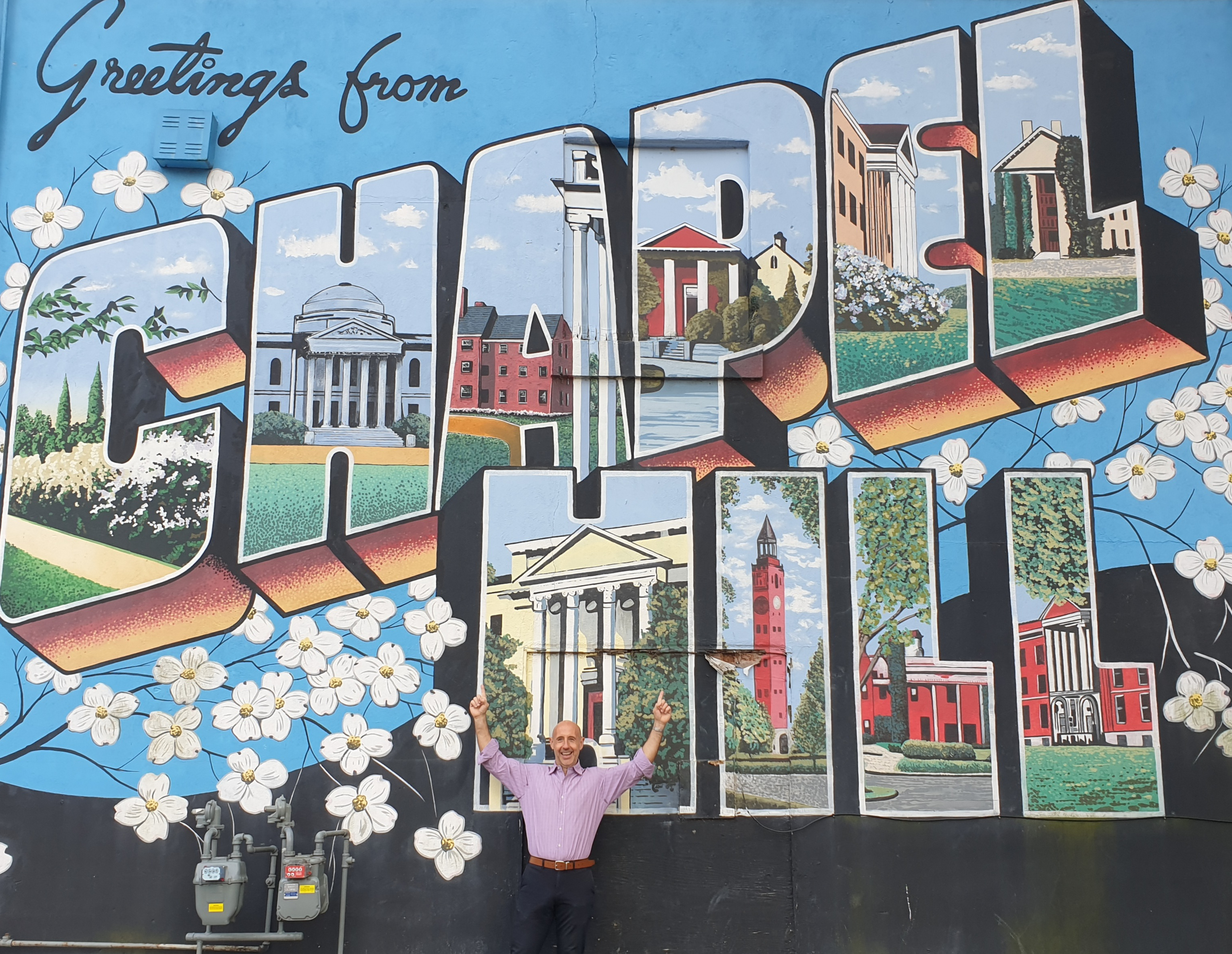
Chapel Hill will always have a special place in my heart. The four years that I lived there studying for my PhD were very enriching, even though I was teaching and getting my doctorate at the same time. I loved the University, my classses, the town, the community, my colleagues and professors, my volunteering, the lot.

So without the Covid restrictions of last October’s lightning visit (read about that here) I was able to see old colleagues and classmates, to spend time with Irene, my dissertation director, to have a long conversation with my old spiritual director Fr. Bill, to have a great catch up with my favorite librarian, Teresa, to revisit the Ackland museum, to go to mass, to have a meal at Imbibe and a drink at Zog’s with Mandey the owner, to enjoy a cigar with my brilliant friend Jedd, to buy too much UNC gear, to walk around campus, to enjoy a YOPO frozen yogurt, and basically to walk and soak it all in. It was so comforting, it felt like coming home.

Granada

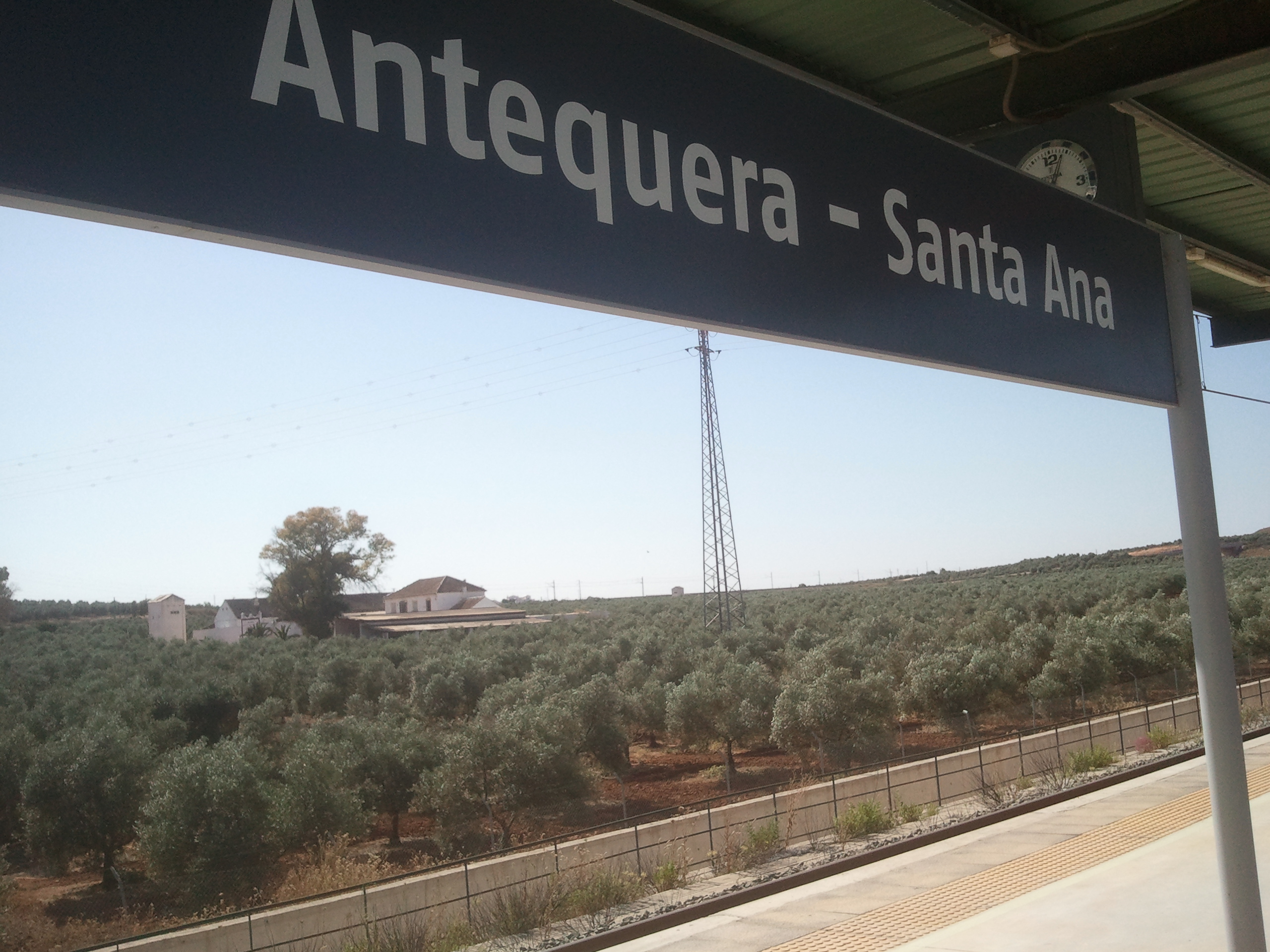
Olive trees in Antequera

Olive trees in Antequera

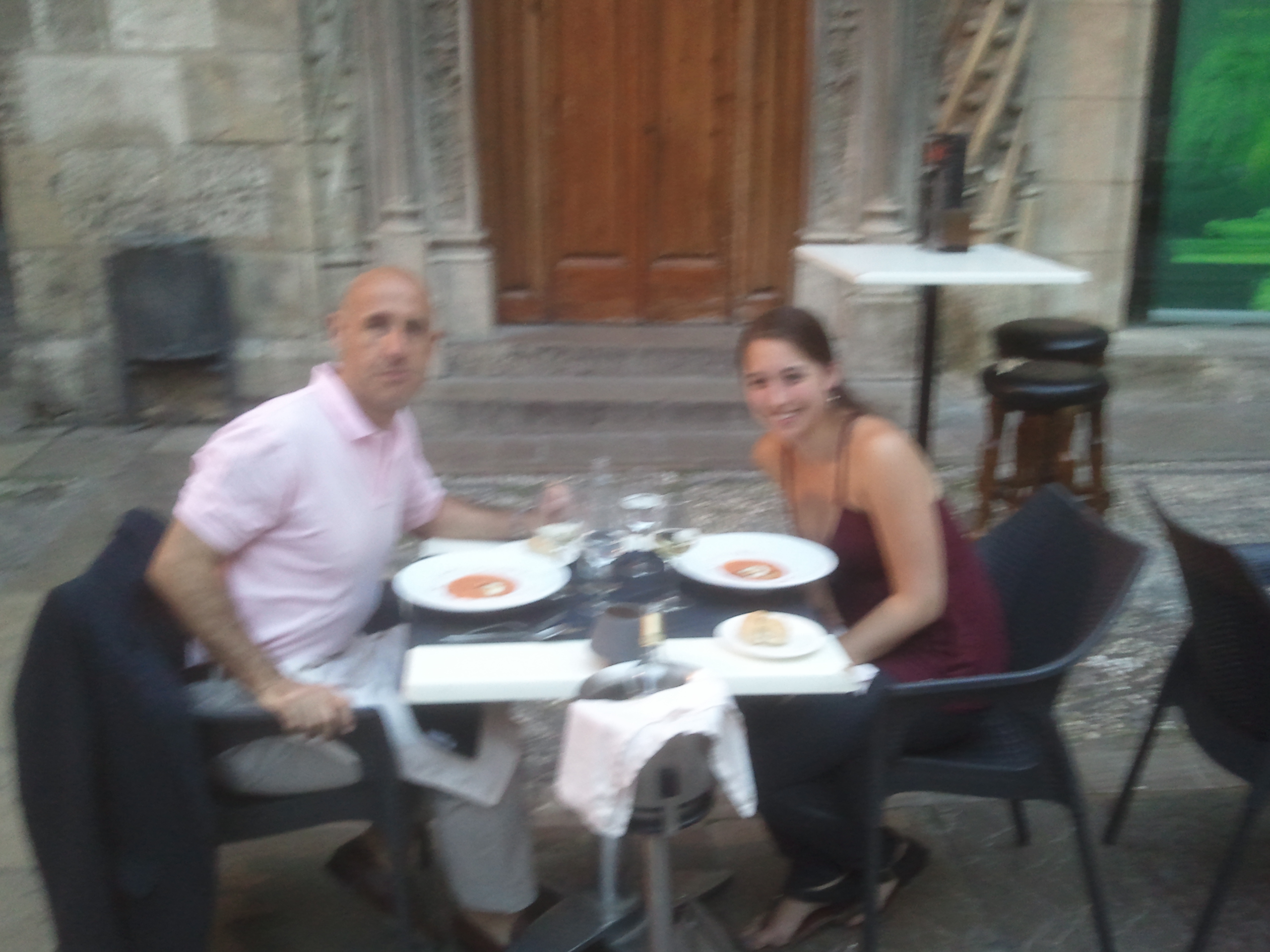
With Catherine

With Catherine

Snails

Snails

Backlit snails

Backlit snails

Cathedral

Cathedral

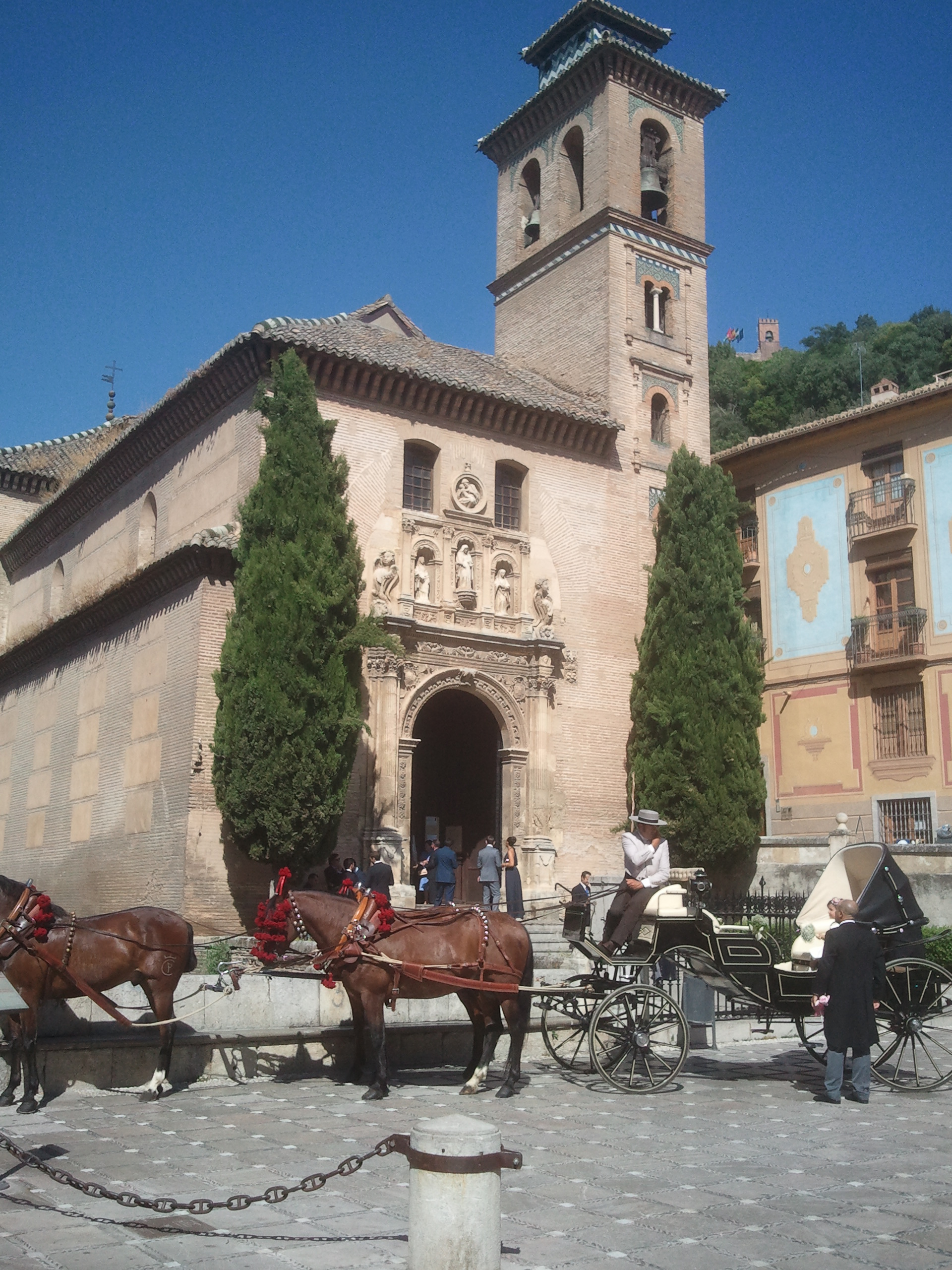
Santa Ana

Santa Ana

Casa San Juan de Dios

Casa San Juan de Dios

Santa Ana y Alhambra

Santa Ana y Alhambra

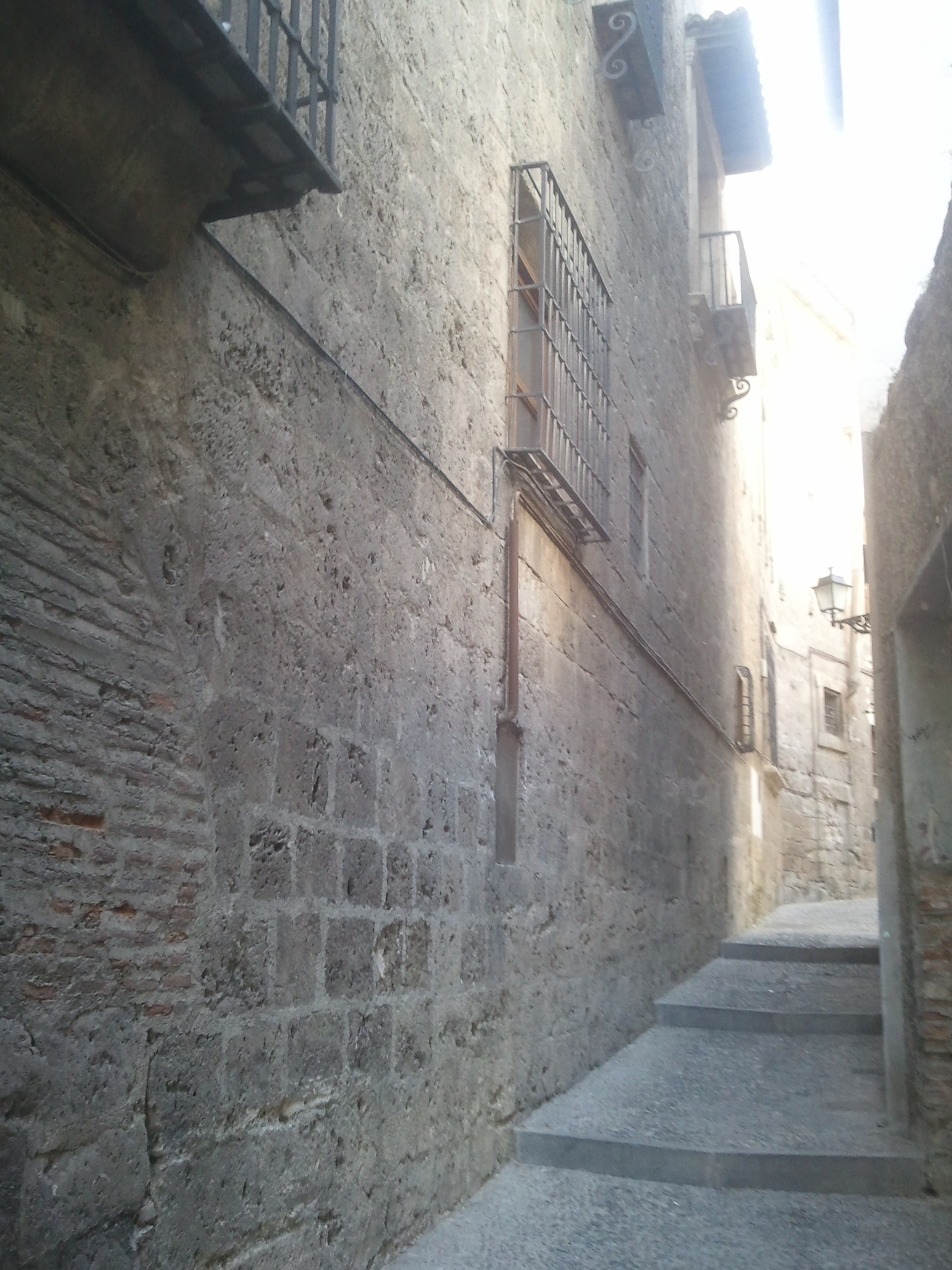
Old Granada

Old Granada

Walnut Hill 2010 Spain Trip reunion

Walnut Hill 2010 Spain Trip reunion

Sierra Nevada in the back

Sierra Nevada in the back

The last time I jumped on a train in Spain for some alone time was in 2010. A lot has happened since and I needed some time to be alone and enjoy this beautiful country. So I booked train tickets and I set off to Granada, the enchanted Moorish city of the South, home of Federico García Lorca, final resting place of Ferdinand and Isabel, inspiration for Washington Irving´s Tales of the Alhambra, and home to Europe´s Southernmost ski station, Sierra Nevada.

Some of the more noticeable changes in Spain in the last twenty years have been in infrastructure: Highways and railroads. Long gone are those creaky, smelly, shaking, trains, replaced by smooth, clean, and fast ones. The award winning Talgo technology – whereby the train “swings” in the turns allowing for a speedier, smoother ride now run on the high speed train rails. While not technically high speed, they do run quite fast. Making the Madrid to Granada trip in four hours where before eight would have been normal!

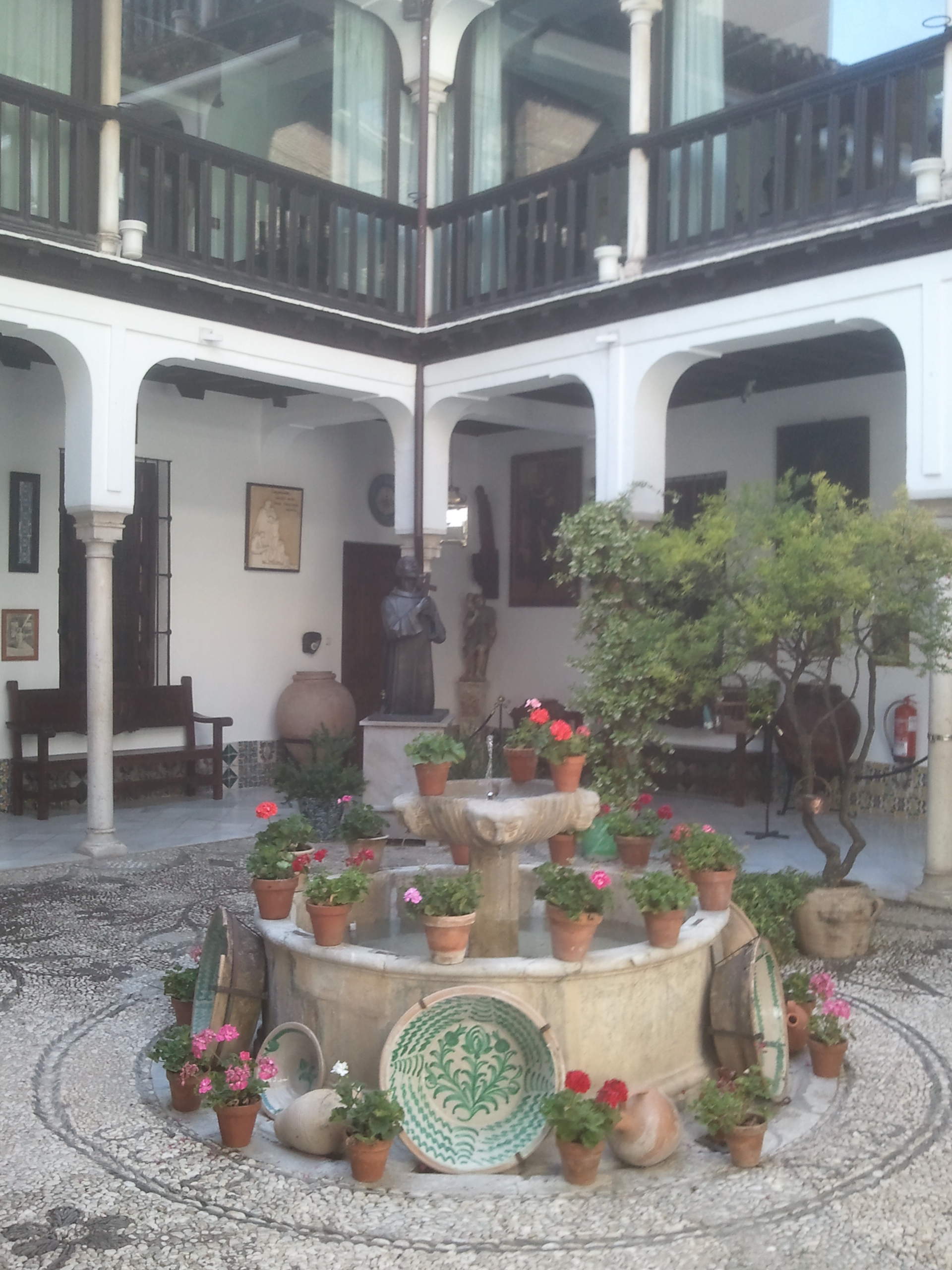
I love trains. I love enjoying the view while reading, listening to music or enjoying a nice cup of coffee. I love seeing the changes in the countryside as we speed along: now vines, now olive trees, now hills and rocky ridges. Tired and lazy I jumped into a cab for the five minute ride to the hotel. Right downtown, next to the beautiful Renaissance cathedral and the old Moorish town. The hotel, a 1920’s tile covered building has an old indoor patio.

I met up for dinner with Catherine Keller, a dear old student from my Walnut Hill days who is spending her summer in Granada with her Fordham University program. We went to the classic old Café Sevilla where we enjoyed great tapas and raciones – sharing plates. Including salmorejo (a concentrated type of gazpacho), and caracoles – snails!

Saturday morning, after a fabulous breakfast at the hotel, I hit the used book stores in the old part of town, and… Bingo! I found a trove of books that I needed for my reading list for my Ph.D. exam next Spring. The morning flew by while my bag grew heavier with books. Lunch was – as it should be – a leisurely affair, including, after coffee, a nice cigar and a Tanqueray Tonic while I continued reading my dear Fray Gerundioˡ. After a siesta it was time for vespers, as I knew I would not have time for mass on Sunday. I showed up at the beautiful Santa Ana church a while before mass, only to find that a wedding was finishing. It was all very beautiful, they had hired a four horse carriage, and the flowers in the church were delightful.

For dinner I met up with Catherine and Jenny – who I had seen in Madrid a few weeks ago, but was visiting Granada with her Mount Holyoke program from Valencia. So we had a mini Walnut Hill, 2010 Spain trip reunion with a lot of laughs.

Sunday morning, refreshed from my visit to old Granada, and with my bag a few pounds heavier, I jumped on the train back to Madrid.