About academic conferences, the Southeast Coastal Conference on Languages and Literatures.

Academic conferences were designed to share knowledge, to understand where your field stands, and where it is heading. But equally important is the opportunity they afford to meet new people in your field and to catch up with old colleagues.

This was the case at the recent Southeast Coastal Conference on Languages and Literatures hosted by Georgia Southern in Savannah, Georgia.

It all started when Grant, my mentor at UNC, who now teaches at Georgia Southern with his wonderful Sevillana wife Encarni, invited me to present at their conference. I was honored; I had never been invited to attend a conference! I had always just submitted a paper to a conference I wanted to participate in. Fortunately, I was already working on an article (you will have to wait for a post on that), so I agreed to go.

Savannah is a great place; you can read about it here.

The fact that this conference combines languages and literature means that you can learn about different aspects of language pedagogy. The Keynote speaker, Mary Risner from the University of Florida, spoke about the resources available online and innovative pedagogies and partnerships. Other great panels spoke about the study abroad experience and how to maximize it and “replicate” it in class, and so on.

My panel was wonderful. Bobby Nixon from Columbus State spoke about Spanish 70s horror films based on Becquer’s poetry, Adrianne Woods presented about the theatre of Buero Vallejo, and I presented about my main man, Isla, and the expulsion of the Jesuits from Spain.

But, as I mentioned earlier, the best part of conferences is reconnecting with old friends and colleagues. The evening’s reception was held at a great venue, a food truck plaza called Starland Yard. It was great to see dear friends from UNC and to meet new folks.

So, if you get a chance, write a paper and present it at a conference!! You are welcome.

Sharing knowledge, academic articles (my first!)

PC: Jess Strub

As my dear old friend and brother Theo would say, I am a bit of a late bloomer. I got into teaching later in life, I started my master’s at 42 and my PhD at 47. Once in the doctoral program I realized the importance of publishing academic articles, but I never really committed to it, I was focused on my dissertation which I managed in 4 years from start to finish. So I was never into the article publishing game; I tried a couple of times but halfheartedly…

Then life happened, and I did not worry too much about it, oh and Covid, and so on. Once settled in Florida, alone, in the long winter nights, I actually hammered out an article! When I mentioned it to Irene, my dissertation director, she liked it! and recommended I submit it to Romance Notes academic literary journal…

And they accepted it.

And it was just published!

What is it about?

Remember that Francisco de Isla wrote a scathing satire of 18th Century Spanish preachers: Fray Gerundio de Campazas? The moment it was published it sold out -literally overnight- but as was to be expected, the novel rubbed some people the wrong way and it was denounced to the Inquisition.

The article deals with the letters that Isla wrote in defense of his work. And that is where it gets fun: it is not so much a defense, as an attack on the fellow who filed the complaint of Fray Gerundio to the Inquisition.

You can find the article following this citation, and if you do not have access to academic databases and still want to read it, reach out on the comments and I will get you a copy.

Balsón, Antonio. “La Apología por la historia de Fray Gerundio de Campazas de Francisco de Isla. La anfibología como arma secreta.” Romance Notes 62.3 (2022): 419-429.

Here is the abstract (oh, FYI its in Spanish):

La Apología por la historia de Fray Gerundio es la defensa de Francisco de Isla contra la denuncia presentada por Fray Pablo de la Concepción, superior general de los Carmelitas Descalzos, ante el Tribunal de la Inquisición contra La Historia de Fray Gerundio de Campazas, alias Zotes. Fray Gerundio se publicó en Madrid el 21 de febrero de 1758 y fue un éxito rotundo. La reacción de los predicadores fue instantánea y, no queriendo ser tildados de “Gerundios”, empezaron a predicar sus sermones en un lenguaje más claro y sencillo. Cuatro días después de su publicación, de la Concepción, presentó su denuncia del Gerundio ante el Tribunal de la Inquisición. Isla rebatió la denuncia escribiendo cuatro cartas que se convirtieron en la Apología por la historia de Fray Gerundio. La Apología es una obra típicamente isliana en su retorica combativa. Isla utiliza todos los recursos aprendidos durante su larga carrera literaria, para defender su obra y usa un ataque minucioso para desglosar la totalidad de la denuncia, aunque finalmente fuese en vano, y la novela best seller del siglo dieciocho fuese prohibida. Una de las claves para entender la Apología reside en el uso de la anfibología por parte de Isla. El doble entendre ilumina la Apología como arma ofensiva más que defensiva. Esta obra, como la mayoría de las obras de Isla con la excepción del Gerundio, ha tenido mínima repercusión crítica y académica.

La apologia por la Historia de FG

An Enlightenment dream

The Enlightenment arrived late to Spain; we loved the Baroque so much we stuck with it longer than we should have. After many efforts by many folks like Benito Jerónimo Feijóo, my man Francisco de Isla, and many others, king Carlos III finally changed all that.

One of the worries that had nagged Spanish monarchs since 1492 was that only a fraction of the gold and silver that arrived from the Americas actually made it to Madrid. Sevilla was the main drop off point, so a lot of the wealth stayed there (either legally or less legally). The solution? Build a canal from Sevilla to Madrid so more of the riches could make it to the capital.

In 1781 the plan was made: build a massive dam to feed a canal that would connect the 500 km (300 miles) from Madrid to Sevilla.

The dam was started, but as usual in Spain all sorts of problems arose; there was not enough labor, so soldiers were brought in who were replaced with prisoners… then there were financing issues… the 90 mt (300ft) dam was about halfway done, when a massive storm in 1799 wreaked tremendous damage. So, they just gave up on the whole thing and forgot about it.

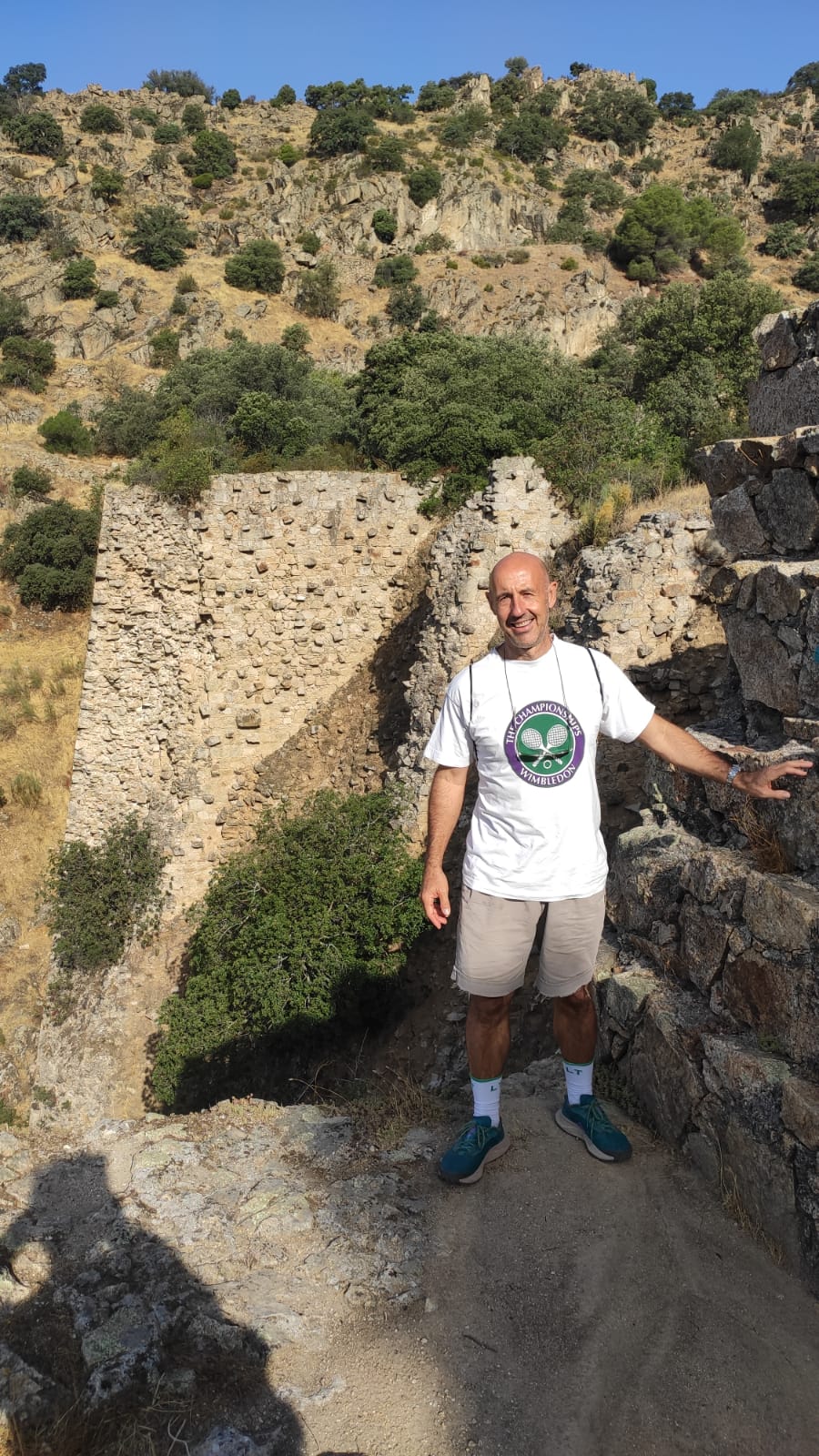
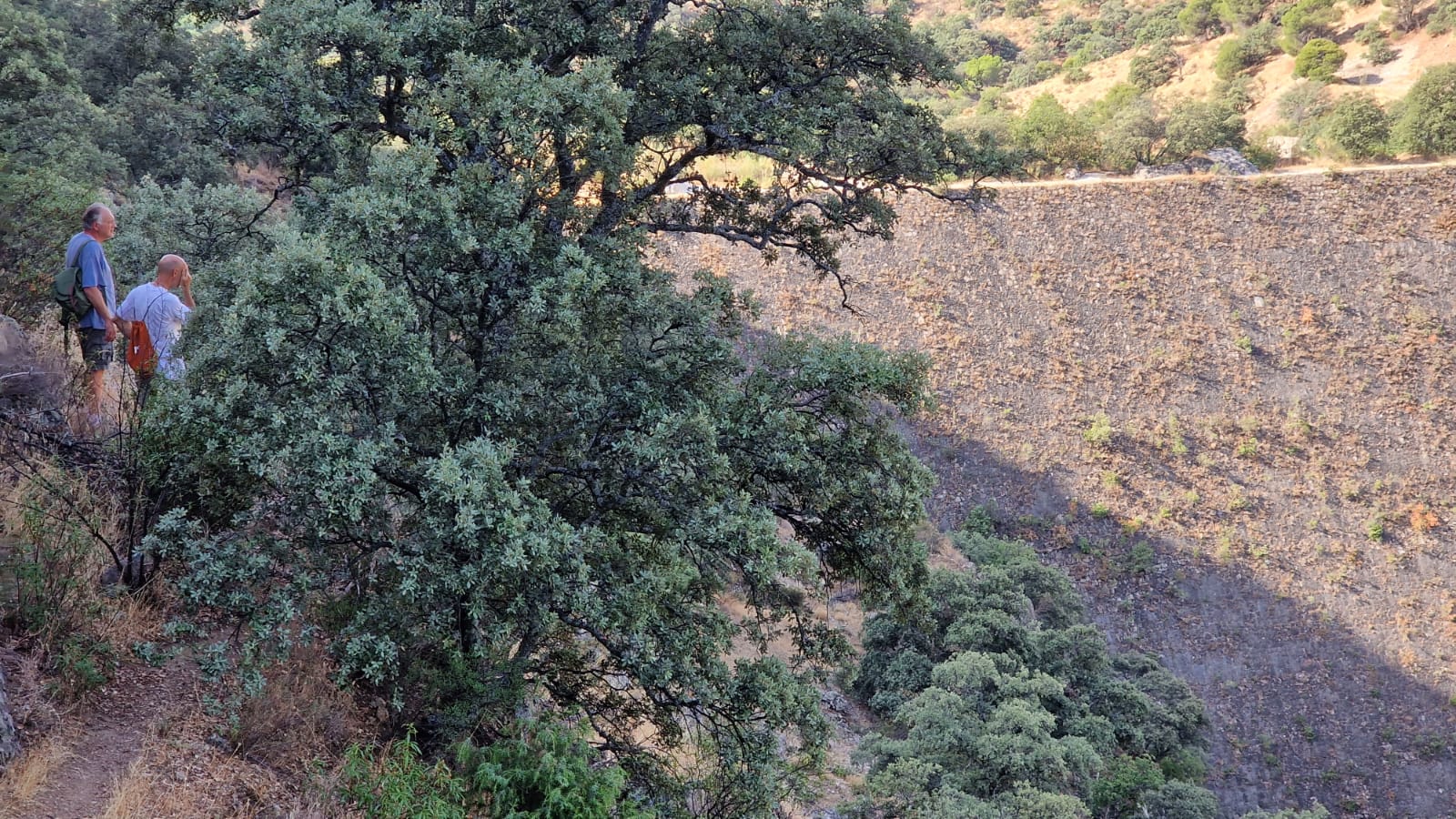
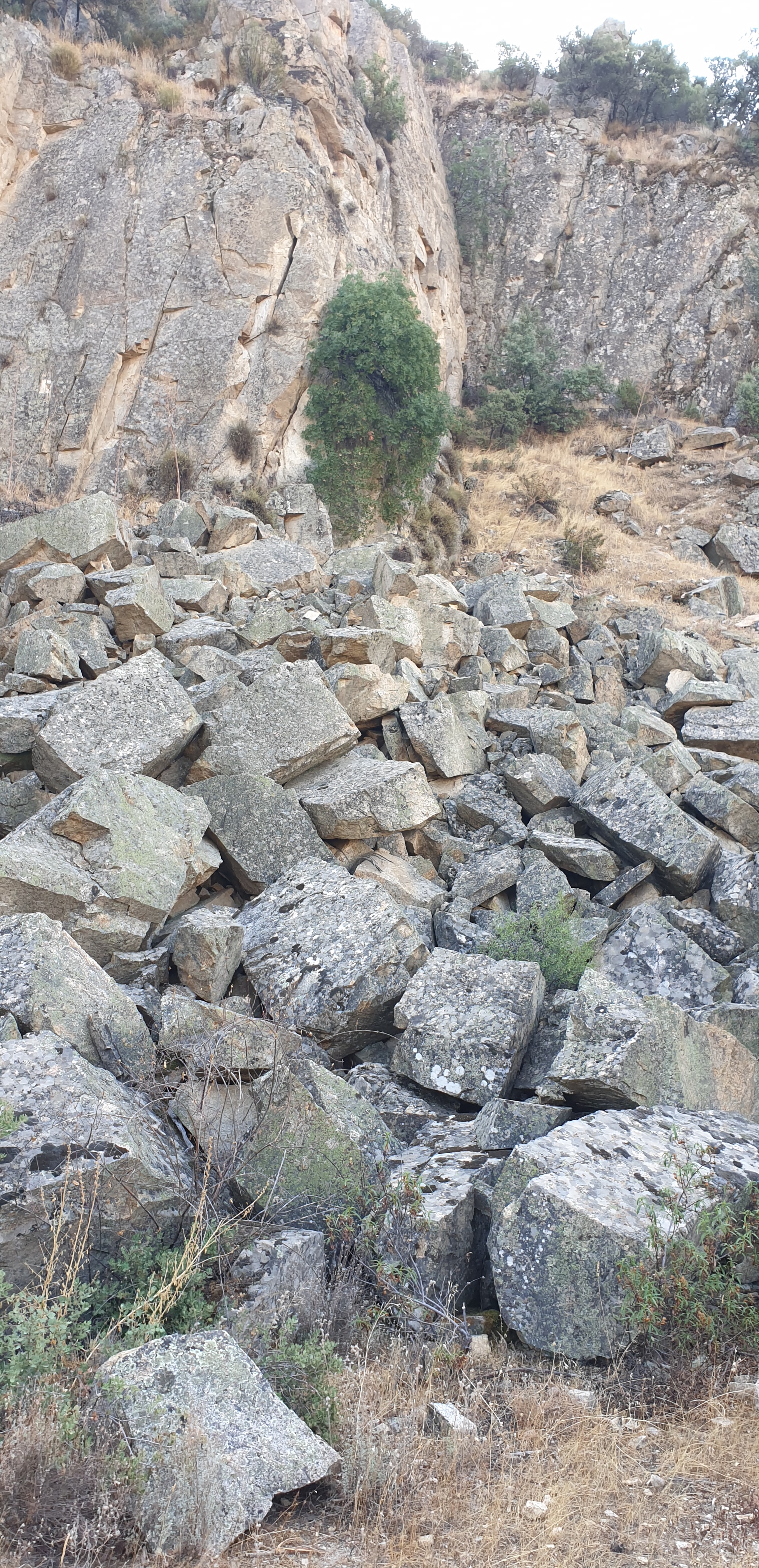
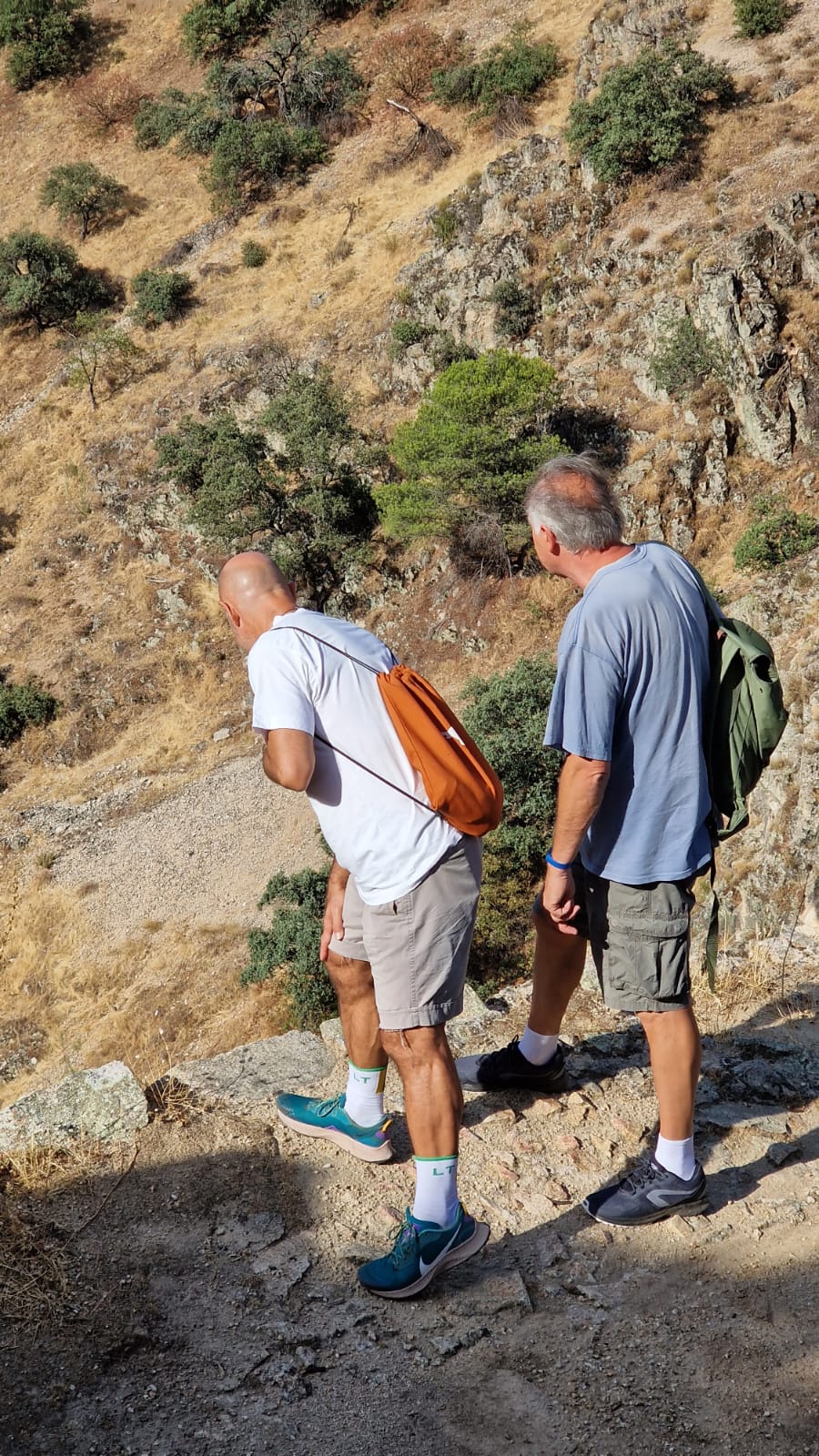
Well, this unfinished abandoned dam, la presa del Gasco is actually 8 km (5 miles) from my mom’s country home as the crow flies, and I finally had a chance to go with my friend Jaime and his brother Jose Mari. The walk, following the never used canal is easy, and once you turn a corner, and you see this behemoth, you are filled with awe at what was the most impressive hydraulic project in 18th C. Europe.

After walking around and checking it out in complete awe, we went to a restored part of the canal nearby where we had another little walk along the canal.

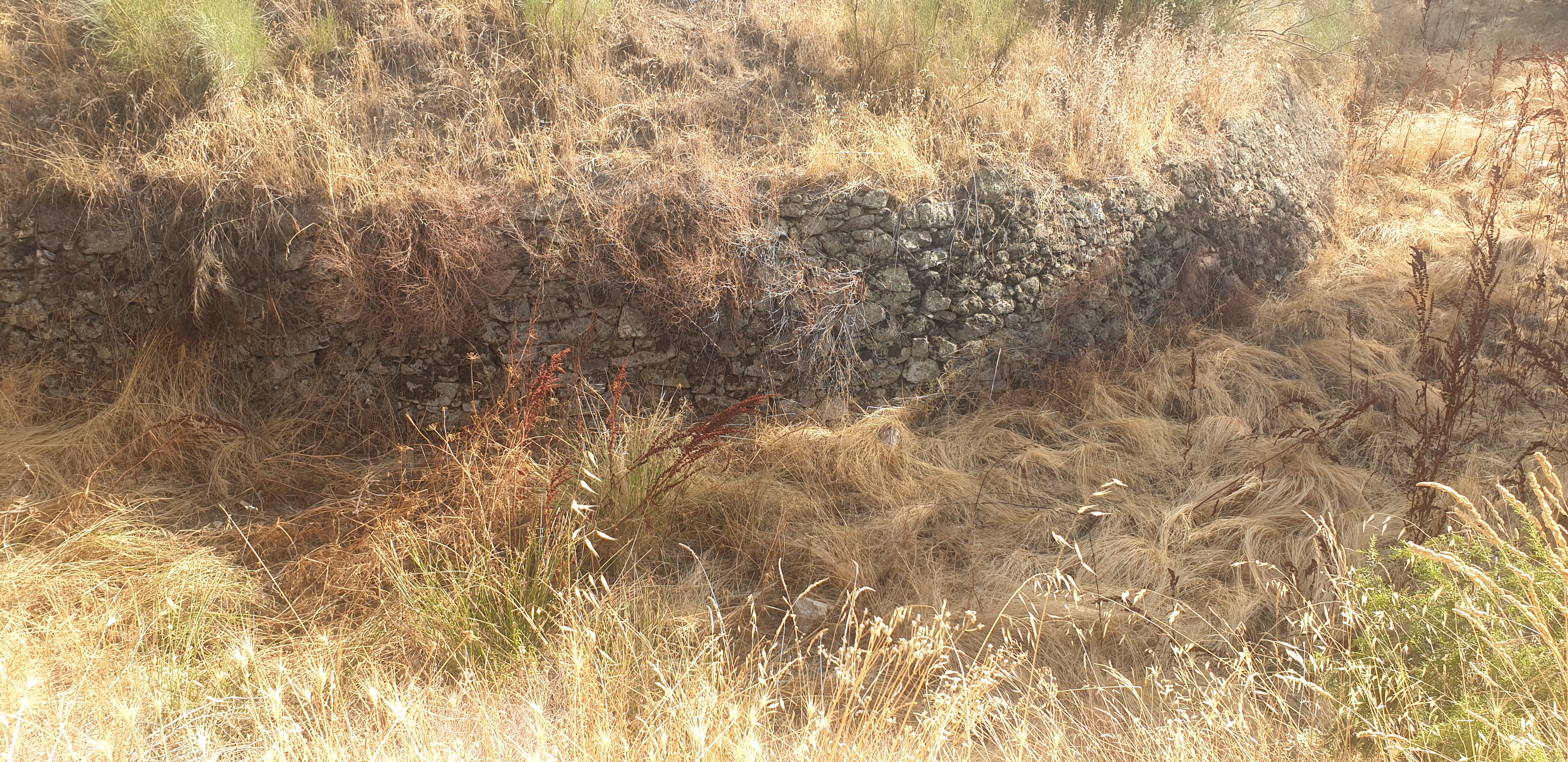
The sheer size of this construction, the perfect fit of the rocks, the ambitious plan, it is all baffling.

As usual in Spain, the local authorities do not want to declare this a heritage site, a protected historical site, a park, nothing, because of building and construction licensing possibilities, i.e.: money and corruption. Disgusting.

This is one excursion worth doing before the whole valley is filled with gaudy houses.

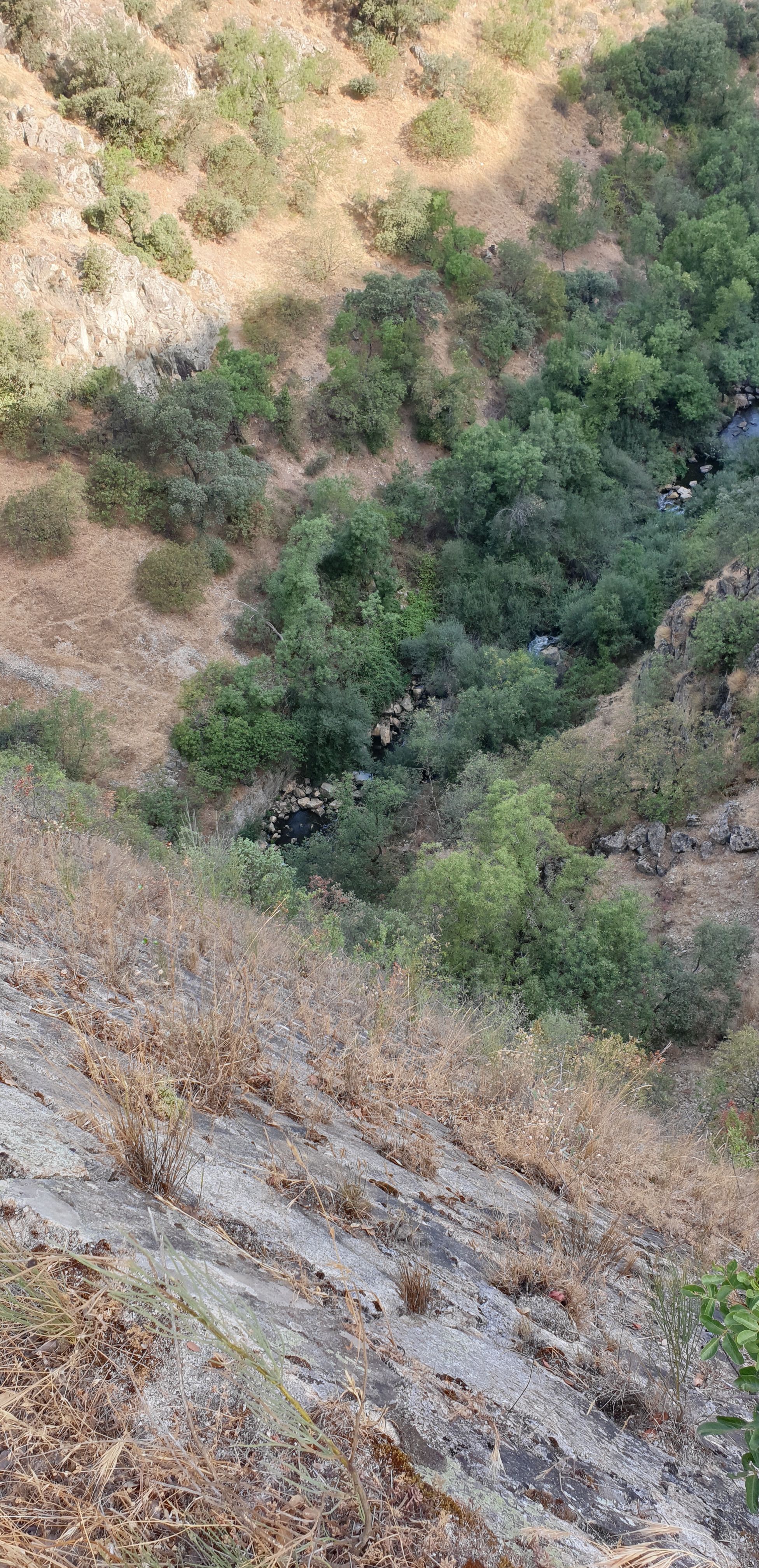
Peering into the void