
A well deserved reward 
The restored altar at Santiago 
I made it!!! 
Entering the city 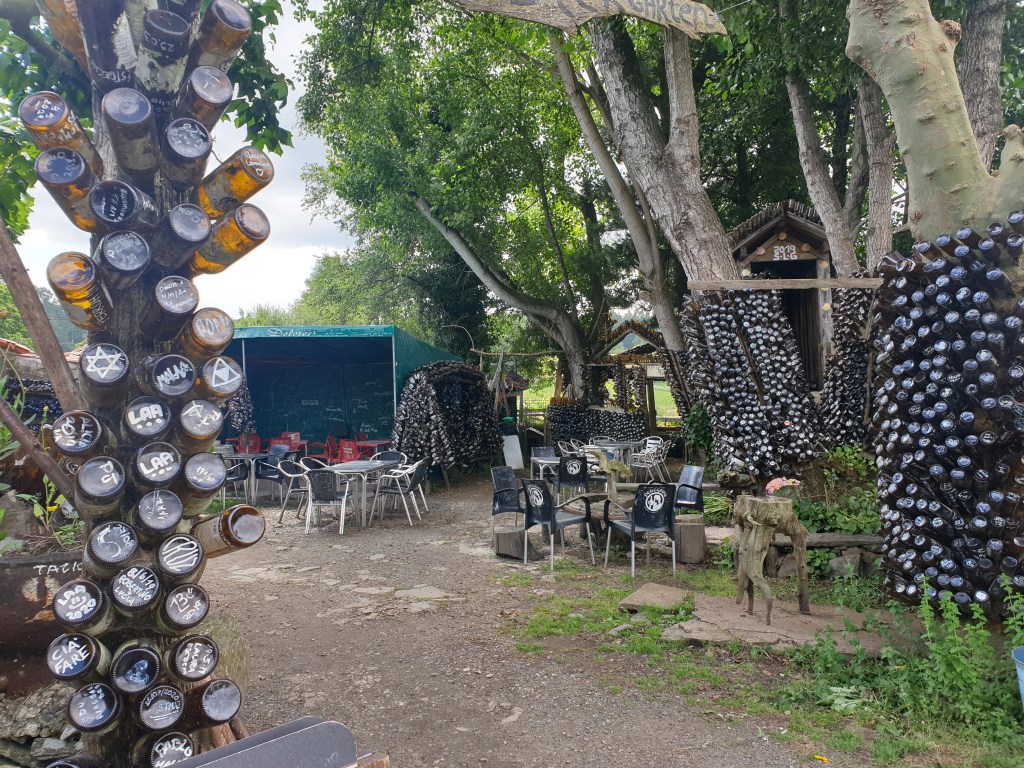
A bar decorated solely with empty beer bottles! 
Refreshing fountain 
The sun comes out on the Camino! 
Vespers at Sobrado Monastery 
Monastery at Sobrado 
Manorial tower at Miráz 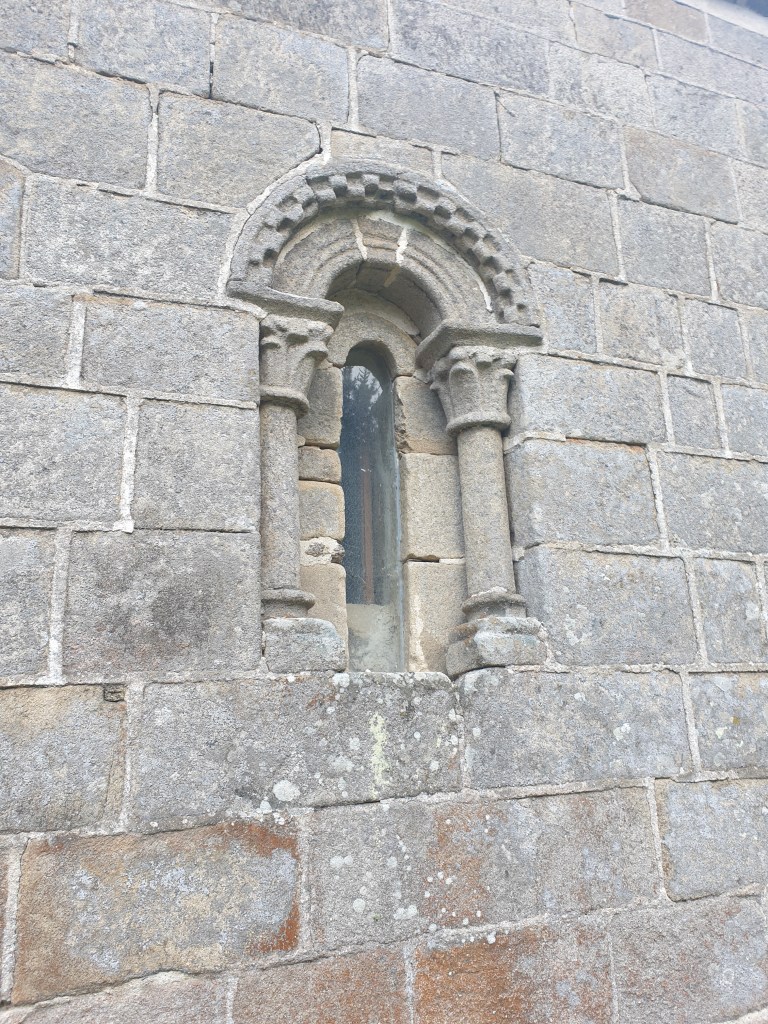
Romanesque 
The best empanada! 
Albergue Witericus 
Mojón 
Early Gothic San Esteve 
Walking on a bed of pine needles 
The Parador at Vilalba (I did not stay there) 
A neighbor selling their cheese to pilgrims 
Medieval bridge 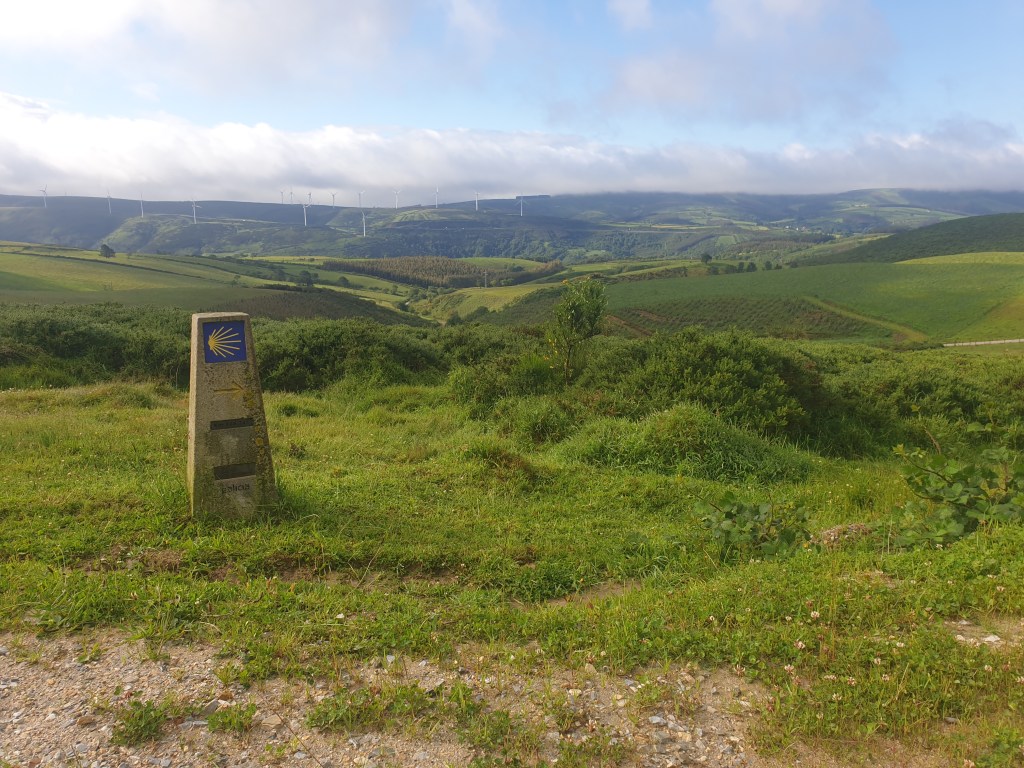
The sun came out (briefly) 
Rainbow in Mondoñedo 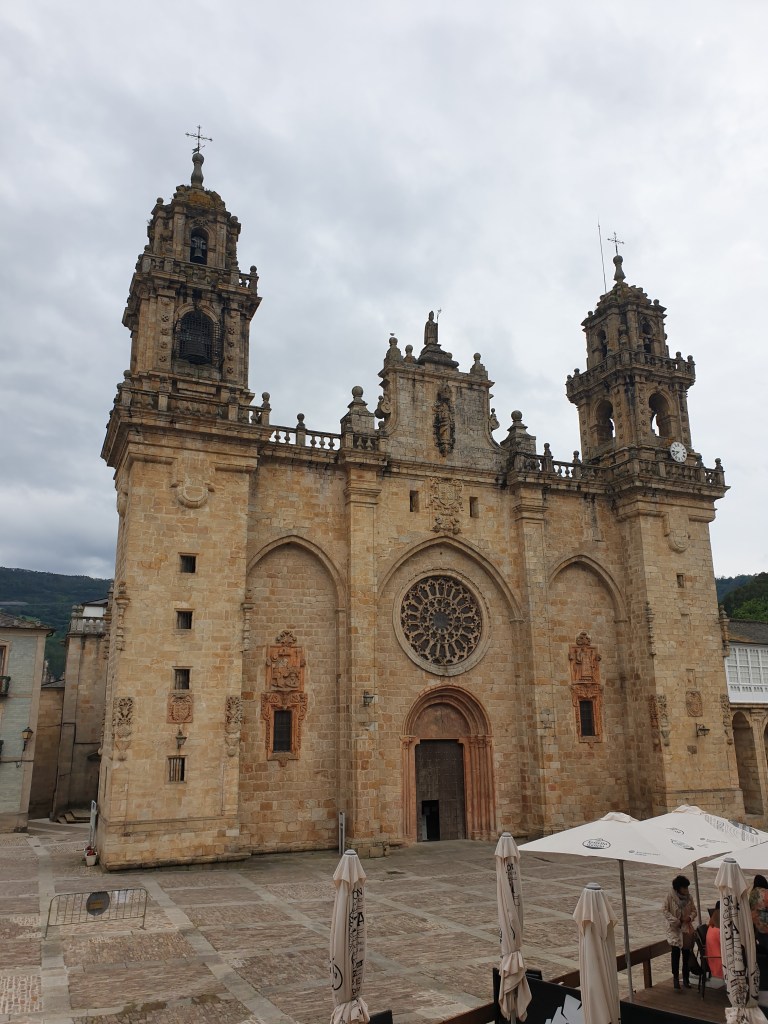
Mondoñedo Cathedral 
Prepping to read at Mondoñedo Cathedral 
The awesome albergue in Mondoñedo 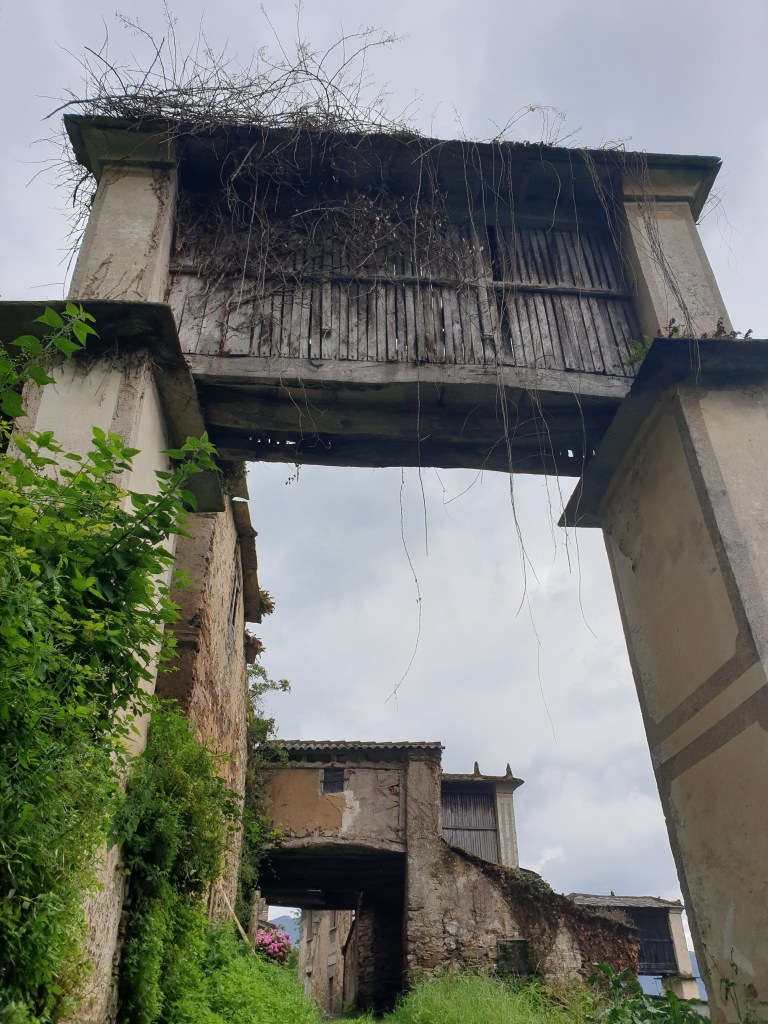
Horreo 
Galicia is magical 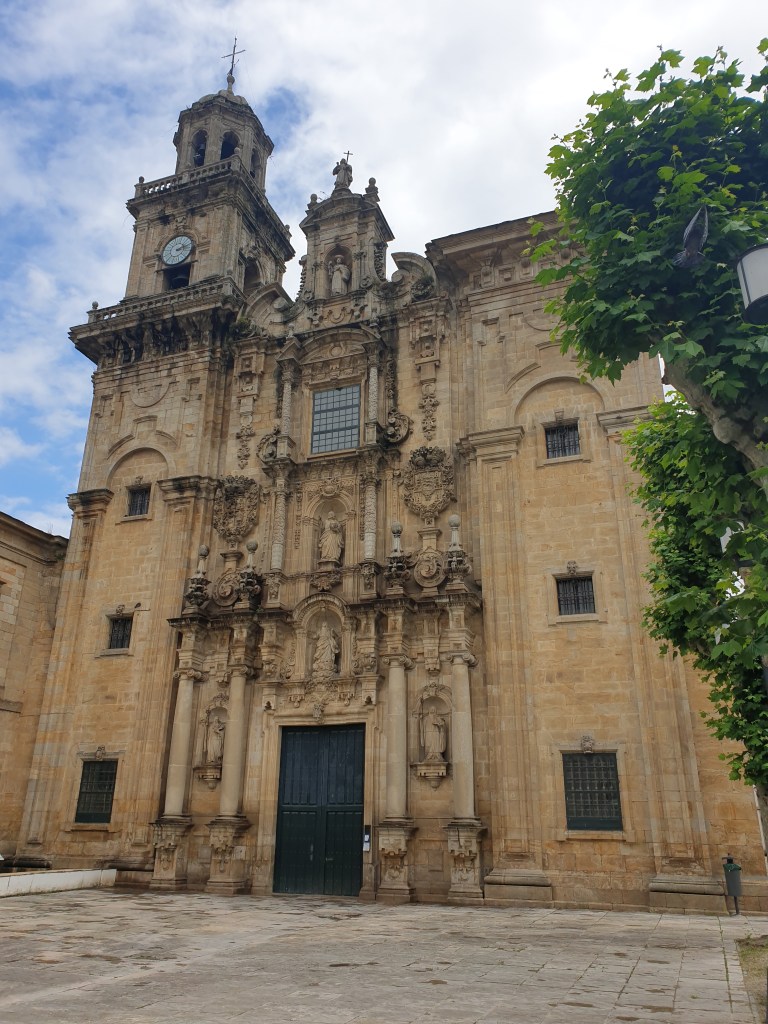
Monastery at Lourenzá 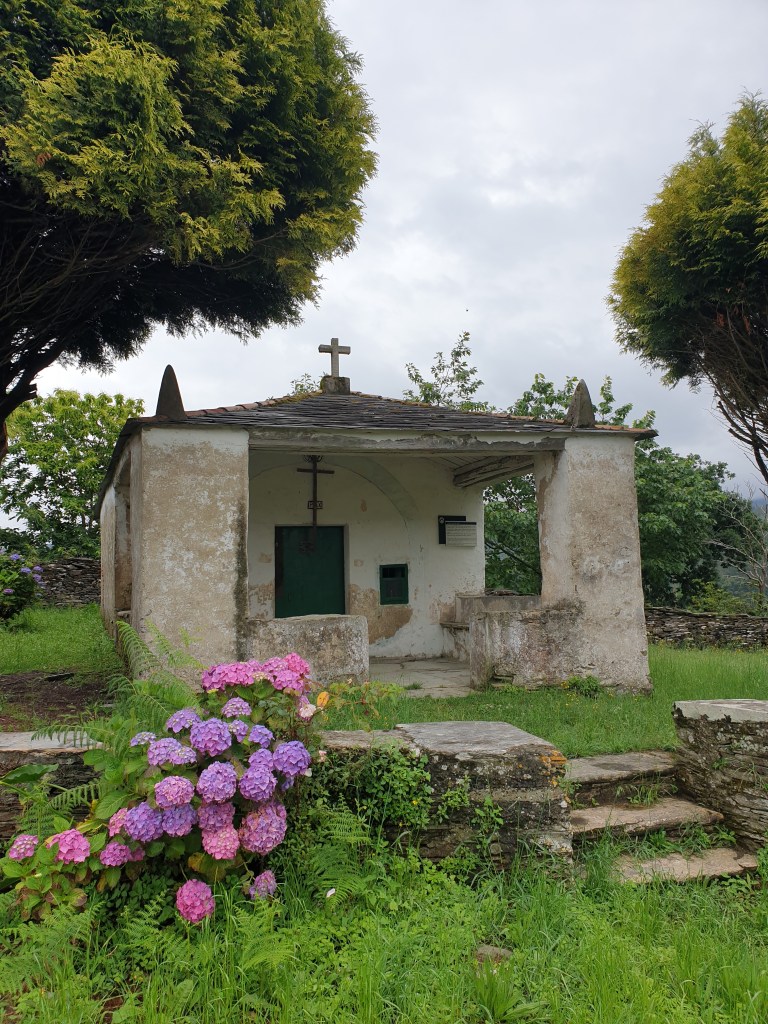
Chapel 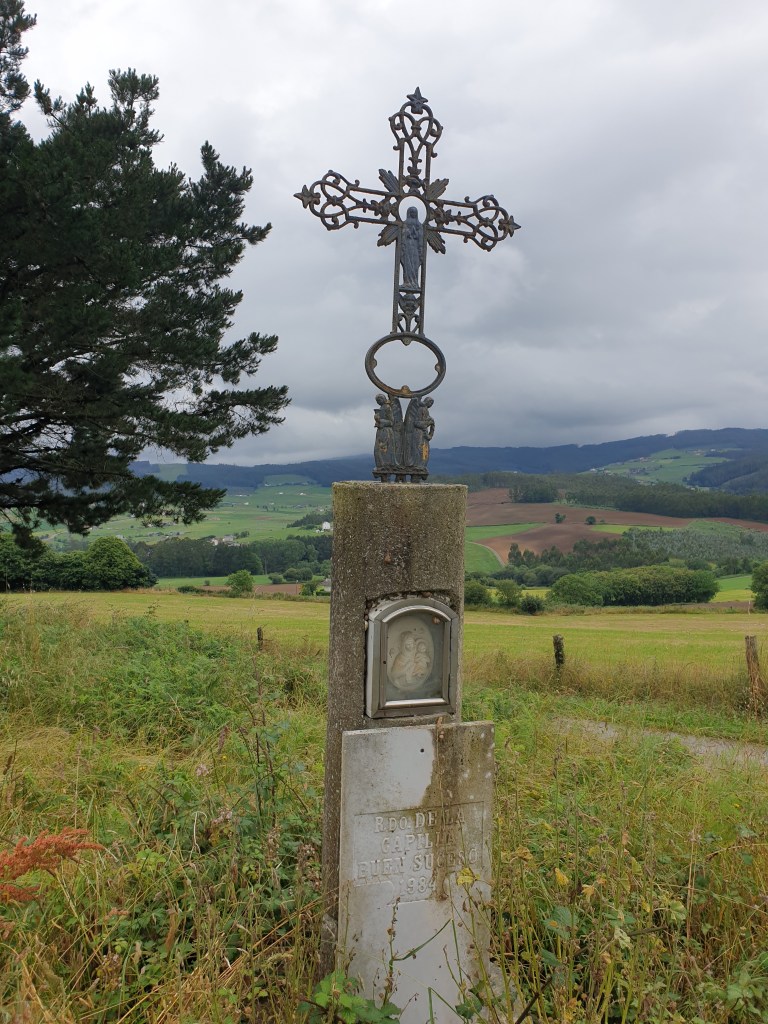
Crosses on the Camino 
A well in the middle of the road 
I climbed a bell tower! 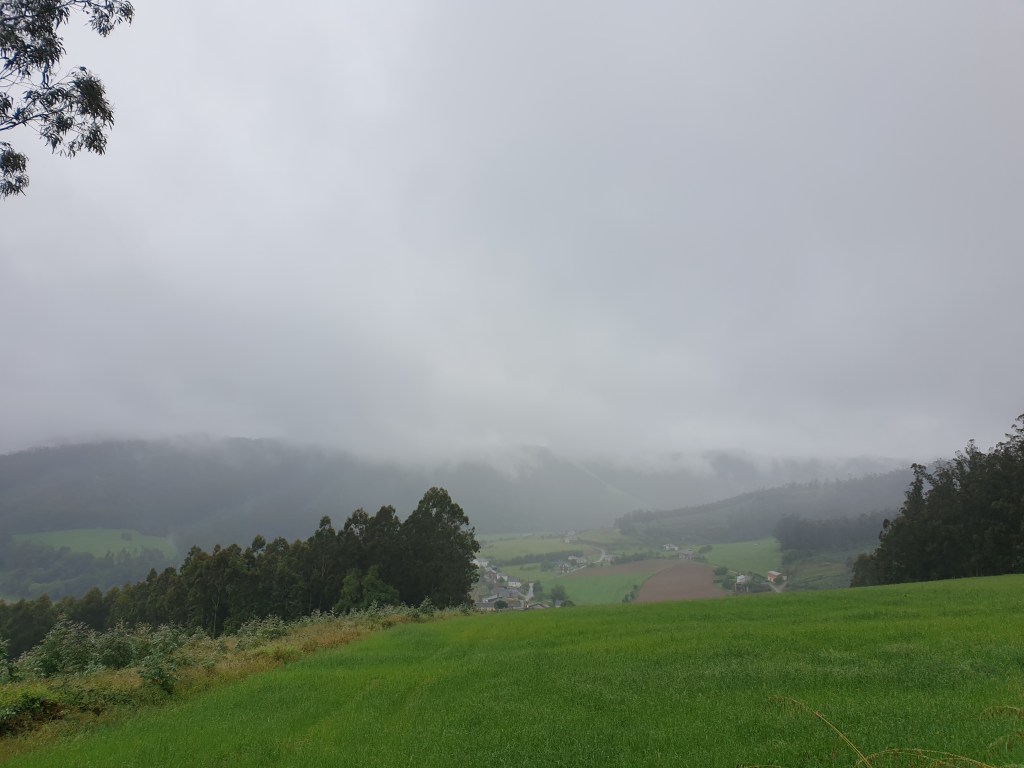
Rainy, rainy, rainy 
Humble church in Ribadeo 
Saying farewell to the sea at Ribadeo
My last Camino de Santiago had to be cut just short of finishing because of time constraints. After a fallow Covid year, I was rearing to get back on the Camino, the Camino del Norte, following the North Shore of Spain until it turns Southwest towards Santiago de Compostela. That turn inland is just where I finished in 2019.
I picked up just where I left off, on the ria (fjord) that separates Asturias from Galicia on the latter side, Ribadeo. A cute town with a nice marina and old buildings ranging from Medieval to Modernist – these were financed by “indianos” folks that made it big after emigrating to America, mostly Cuba, and returning full of cash. Since I could not find the right transportation to get there, I ended up driving myself. I shared the ride on BlablaCar to help me with the cost of my gas guzzler old Land Rover Discovery.
The first day was, like the next four, rainy, but I was so happy to be walking again. It meant wearing a poncho that keeps the rain out but somehow also gets you all wet inside. I have not figured out if the moisture is sweat from wearing a plastic sheet over you, or water that gets in. But I refuse to spend over 200 € for a real rain jacket. I try to keep my Camino as close to the Medieval pilgrims who would have done it, at least as close as I can get in the XXI C.
Breakfast at the albergue was a rare treat: tortilla, good coffee and fresh squeezed OJ. My guide recommended pushing 34km to Mondoñedo for the quality of the Albergue and the town. Although it was a bit of a challenge for my first day, it was worth it. I only met four other pilgrims along the way. Before Mondoñedo is Lourenzá which is a nice village which has an amazing monastery! The albergue in Mondoñedo, as the guide promised, was awesome and I even had space to do some post hike yoga! When I sat down at the cathedral for mass, seeing as I was a pilgrim, I was asked by the sacristan if I wanted to read the first reading and the Psalm. What an honor! Of course I accepted although I was wearing my long sleeve T-shirt, shorts, and after hike flipflops! (I always wear long sleeve T-shirts to protect me from the sun and to keep me warm, as the case might be)
One of the reasons I walk the Camino is to honor and remember my dad, who always talked of doing it. So I always make sure that I am walking on June 20, his birthday. On that day, he walks especially close to me.
Day two is still raining and starts with a brutal two-hour climb -fortunately on good ground. Eventually it stops raining and I walk through ancient, magical forests for hours, without seeing a single pilgrim all day (except a German couple at the only café on the Camino). Vilalba, my destination, is quiet as it is Sunday evening when I arrive. I go to the evening mass and dine at the only place open in town.
Day three is, as I said before, rainy. But a pilgrim churns on regardless. I finally meet a genuinely nice pilgrim from Gerona, and we chat for a while.
One of the rewards of the Camino is seeing interesting architecture, mostly churches, but also occasionally homes or other buildings. During this stage, I walk to a gorgeous early Gothic church in the middle of a forest, by a river, San Esteve (see photos). Albergue Witericus at the end of the day is an old, restored farmhouse in the middle of a forest. I spend the rest of the rainy evening there, chatting with the wonderful innkeepers, reading, and writing my diary, dining the vegetable soup from their garden and an omelet from their chicken’s eggs!
Day four starts dry but soon changes to pouring rain. The Camino crosses the cute village of Miraz with its manorial tower, and 18th C. church and then climbs into the hills. This day also hits the highest point of the Camino del Norte in Galicia, a mere 700 mts (2.300ft). I finally meet the fellow that keeps overtaking me as he is doing the Camino running!! He is a lovely chap and stops to walk with me for a while. I end my day at Sobrado with its amazing Cistercian monastery which still operates with fourteen monks -one of them a brit! I obviously stay for very mystical Vespers with them, before dinner at a local restaurant.
Day five is finally sunny. Cold but sunny, so there is an extra spring in my step. At Arzúa I connect with the Camino Francés, which carries a stream of people. Fortunately, after clearing the village there is no one for the rest of the day. My final albergue is a lovely, restored old house and there is only me and a fellow from Honduras. The only attraction in the village is a bar decorated fully with empty beer bottles! I am the only customer there and spend over an hour chatting with the owner about politics, and the meaning of life, extremely rewarding.
My last day is sad as this Camino has been noticeably short for me, but I get to celebrate it with an amazing breakfast on the trail. I enjoy walking alone, meditating, breathing the fresh air. As we approach Santiago, the concentration of pilgrims increases, but that is part of the Camino. My last coffee stop is the same as when I finished the Camino Francés in 2018, the cortado is just as delicious as I remembered.
Tired of albergues and ready to fulfil one of my Camino dreams, I book my overnight in Santiago at the Parador. This luxury hotel is housed in the original, medieval “Hospital de peregrinos” which yes, was a hospital, but also served as a hostel for those who could not afford where to stay in Santiago. In fact it is technically the oldest hotel in the world. I celebrate my arrival in Santiago with a long, long bath. And only after did I venture for a meal, a walk and eventually mass in the recently restored cathedral that houses the remains of St. James.
In conclusion, I wish my walk would have been longer, but again, family obligations kept me from extending my walk to Finisterre. Otherwise, I love the spiritual journey of self-discovery that is the Camino, walking in nature for days on end, meeting interesting people with their stories, seeing amazing architecture that spans almost a thousand years, and eating great food. But do not get me wrong, the Camino is not a walk in the park, it requires you to walk for miles on end every day. My average this outing was 31.6 km per day (that’s close to 20 miles a day). You start the day with boundless energy, but the last couple of hours of an eight-hour day, day after day are a difficult slog that tests your mental and physical endurance.


 Antonioyrocinante's Blog