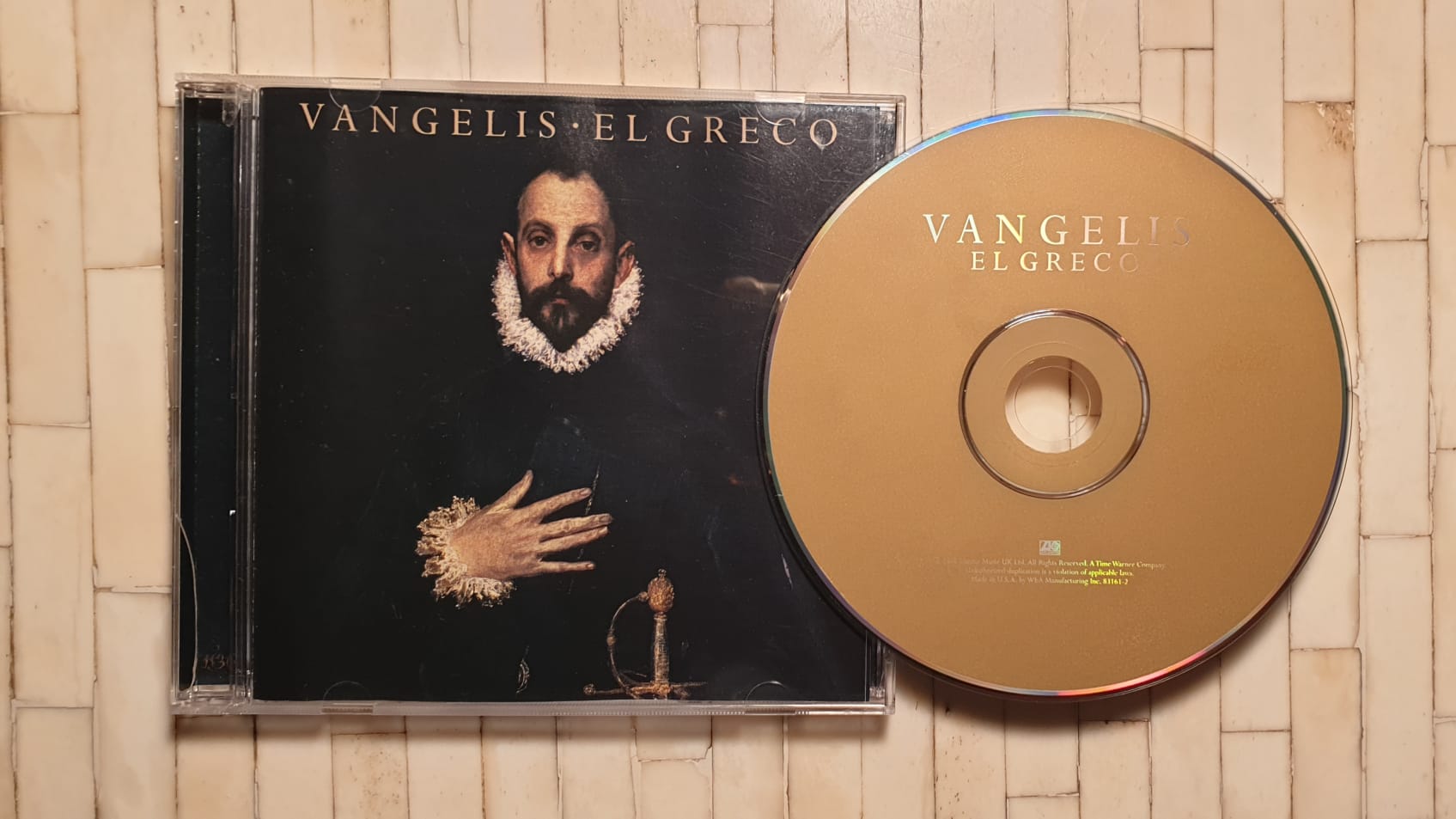
Vangelis – El Greco, and get ready to travel in time and space!

Yes, I enjoy listening to music beyond classical. I have written here about Gospel music and jazz, even pop. Every summer, I create a playlist of pop hits for my nephew and nieces, and I used to record a Jazz playlist for my dad every Christmas.

Occasionally, rarely, I will also listen to contemporary composers like Arvo Pärt. Thrifting the other day —one of my hobbies in this desolate suburbia— I found this CD by Vangelis. I had to give it a listen. While there are many electronic music composers, a few of them had their heyday in the 80s, like Jean Michelle Jarre, Kitaro, or Jean Luc Ponty, Vangelis is probably considered the most serious, possibly because he wrote the music for great films like Blade Runner, and of course, his most famous piece, the theme for Chariots of Fire.

In this record, Vangelis explores his fellow countryman, Domenikos Theotokopoulos, El Greco. Vangelis takes you back to Toledo during the transition from the Renaissance to the Baroque. With heavy, byzantine sounds, bells, and apparently simple layering, Vangelis manages to transport the listener to another city and another era, amazing!

The beauty of this album lies precisely in the journey, the long notes, the reminiscence of old instruments and melodies. When paired with the paintings of El Greco or the ancient narrow streets of Toledo, you become transfixed. You might be in bleak South Florida, but your soul and your senses are in 16th-century Toledo.

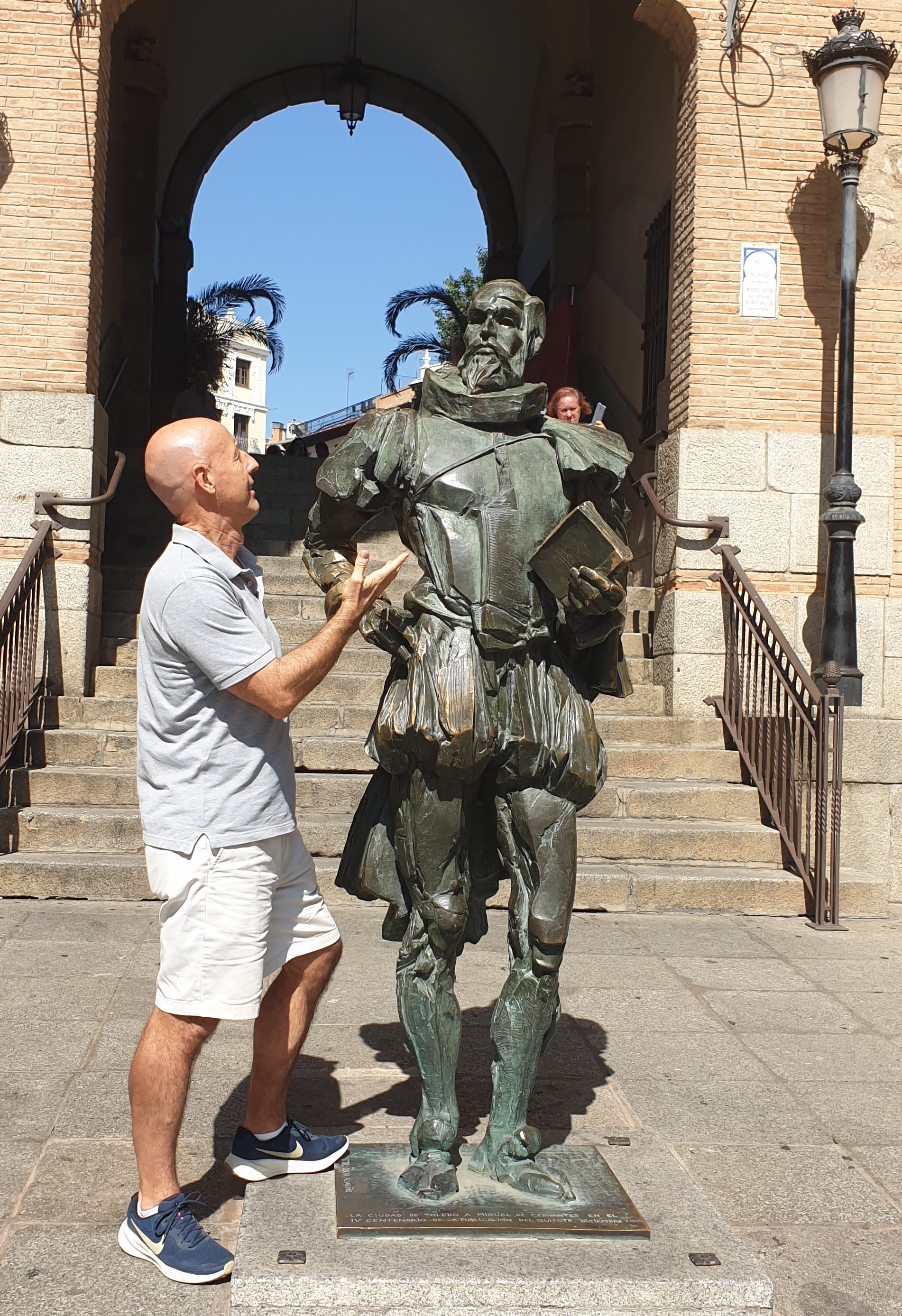
A morning in Toledo.

Since we had gone to the Puy de Fou night show the evening before, and the theme park does not open until noon, Celia and I recently found ourselves with time to kill in Toledo on a Saturday morning.

Our first stop was the Santa Fe Roberto Polo collection, which hosts the Centro de Arte Moderno y Contemporáneo de Castilla-La Mancha. This is a huge ancient church complex featuring Roman ruins, gorgeous, intricate ceiling paneling, and a beautifully delicate chapel, which is mixed with ridiculous modern art pieces that only add to the beauty of the old pieces and underscore the stupidity of the modern ones.

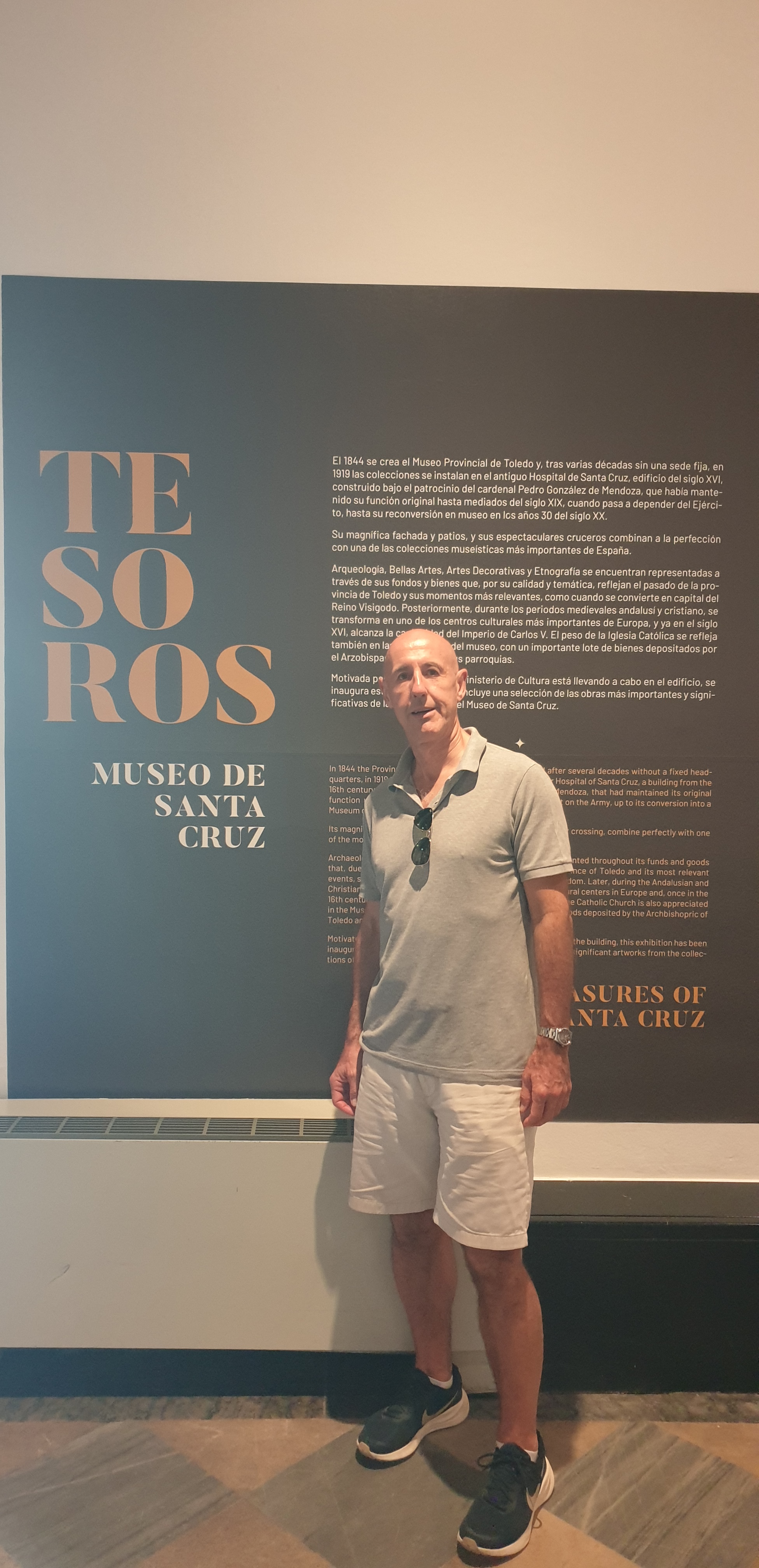
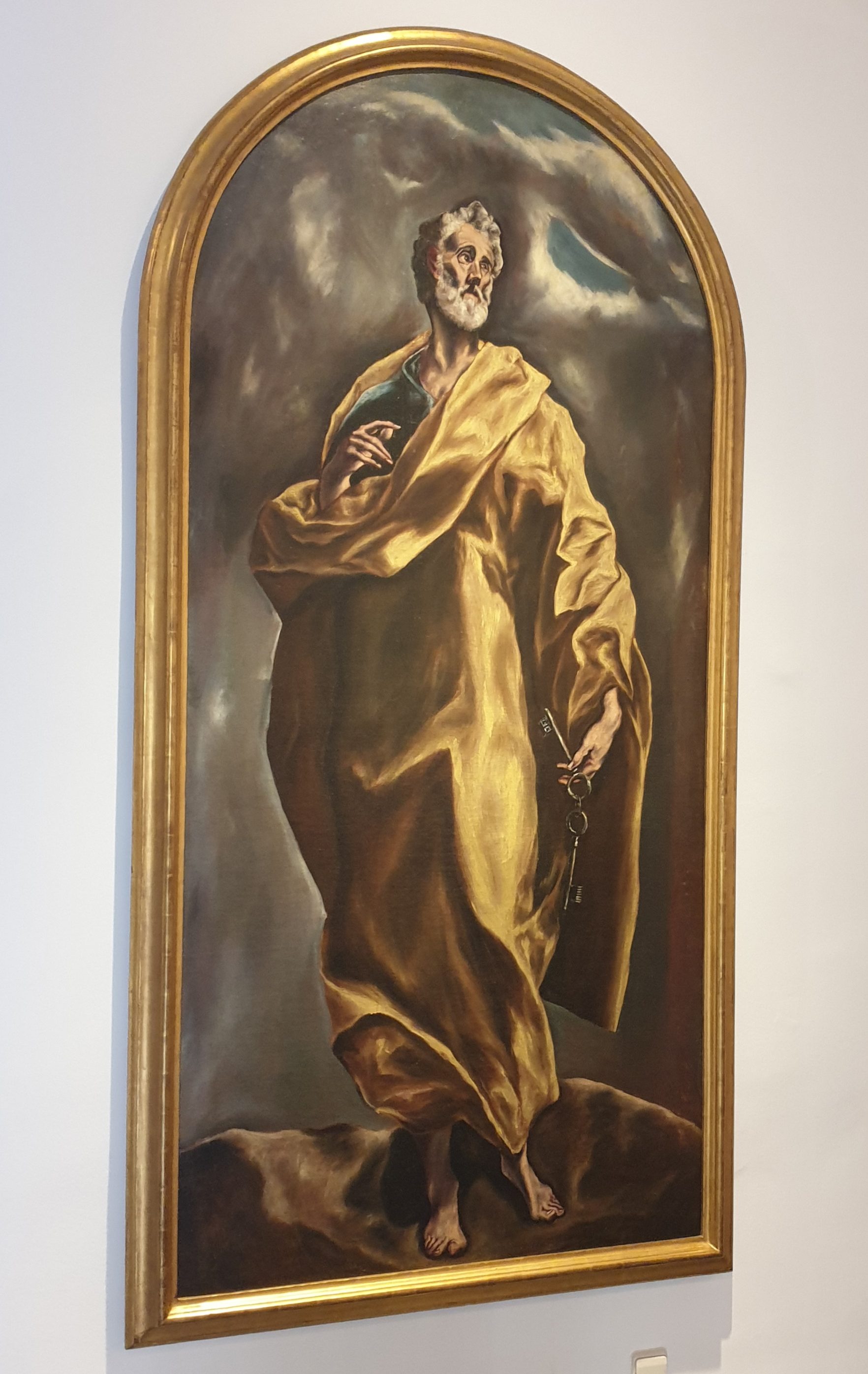
From there, we turned the corner to the Santa Cruz Museum, an astonishing Renaissance structure that once housed the late medieval Children’s Hospital. To our surprise, there was a phenomenal exhibit of fairly random pieces, including a feared pre-Roman falcata sword. But the real star of that exhibit was an El Greco painting of St. Peter, where I had a bit of a Stendhal moment —amazing!

From there, we had time to walk across Zocodover Square, almost down to the Cathedral, before turning up on Trinidad Street to the Capilla de la Inmaculada Concepción for a moment of quiet contemplation and meditation (did you know that you should be meditating?). This chapel has perpetual adoration, which means that it is open 24/7 for people to pray. It is a quiet oasis in the tourist frenzy that is Toledo.

After that, we had to get back to the car to head out to Puy de Fou for a hot, blistering day of fun. You can read about that here.

The amount of mind-blowing, beautiful, culturally enriching things you can do in Toledo is almost limitless. That Saturday, that is what we came up with.

Paolo Veronese at the Prado Museum

Back in a previous lifetime, I used to collaborate with a polymer extrusion company (sexy, I know) located just outside Florence. For work purposes, of course, I used to visit them every year, spending a week in Florence. Because of this, I am quite familiar with the Florentine Renaissance and less so, I must admit, the Venetian Renaissance.

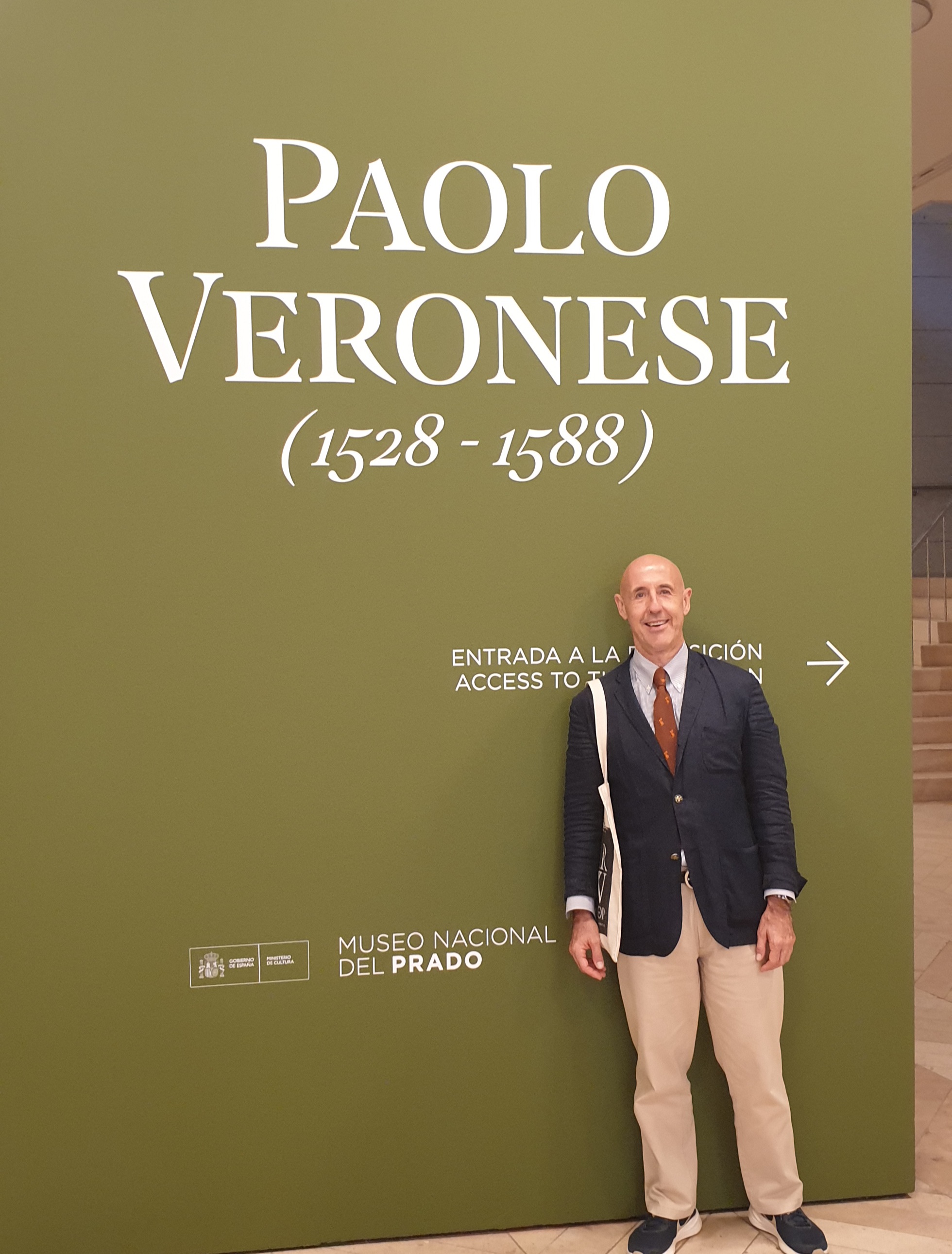
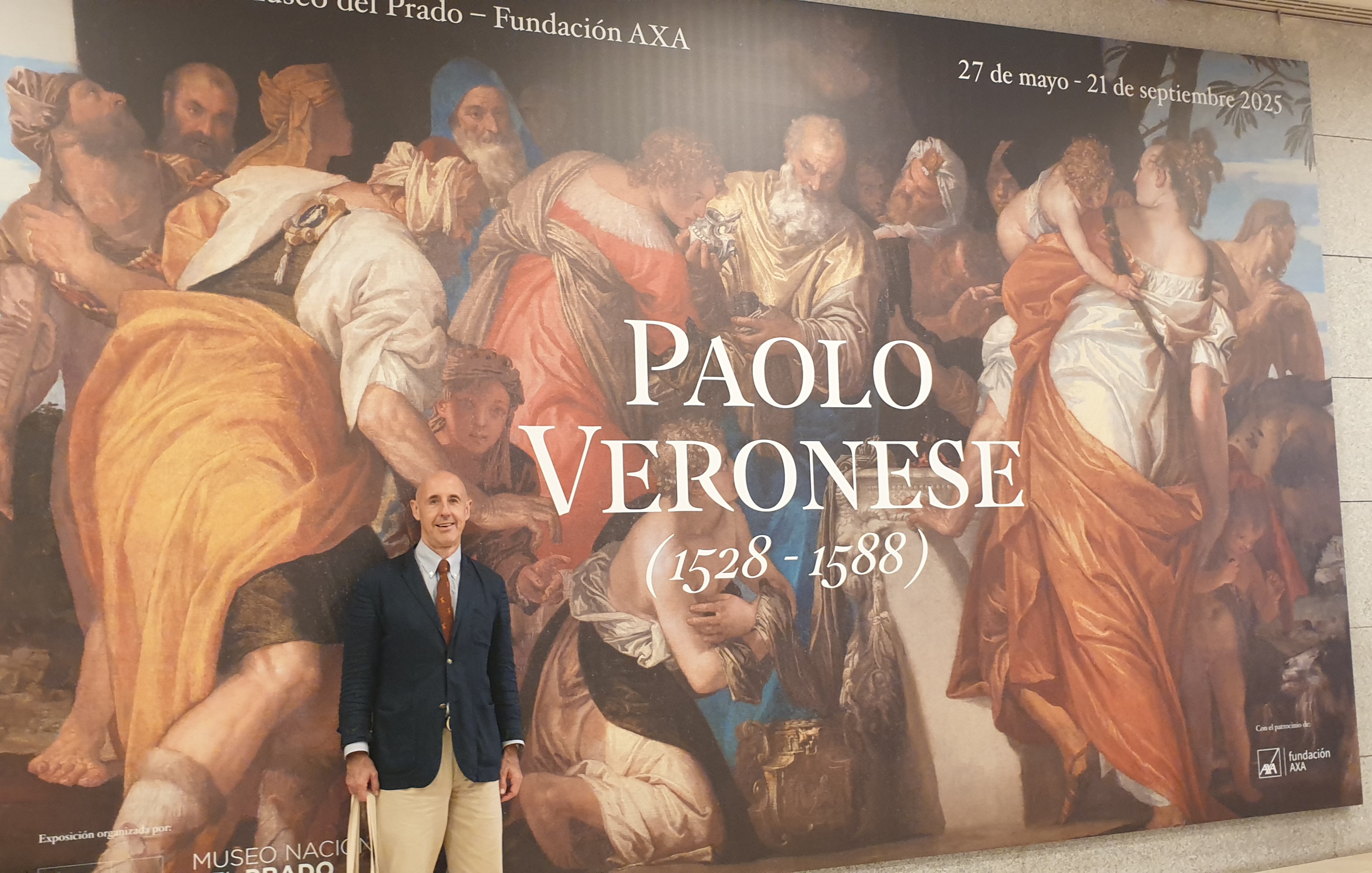
Fortunately, I recently had the opportunity to (partly) fix this by going with my sister to an amazing Paolo Veronese (1528-1588) exhibit at the Prado.

I was blown away!! There are over a hundred paintings from the Louvre, the Metropolitan Museum, the National Gallery in London, the Galleria degli Uffizi, the Kunsthistorisches Museum of Vienna, and, of course, the Prado.

When you mention the Renaissance, the first thing you think of, in painting, is perspective, depth; this is something Veronese has mastered. More importantly, I found the details, and even more importantly, the narrative capacity of the paintings —the ability to tell a story, really special. From a technical or art history perspective, the Renaissance started in Florence, giving them the edge, but Venice soon countered with brighter colors, as a young El Greco would learn. However, all this makes little difference, for a non-specialist like me, I just freaked out at the beauty.

This being the Renaissance, most paintings are of Biblical or Greek mythology stories, making it relatively easy to situate oneself.

So if you are in Madrid until September 29, see the Veronese exhibit at the Prado. You are welcome.

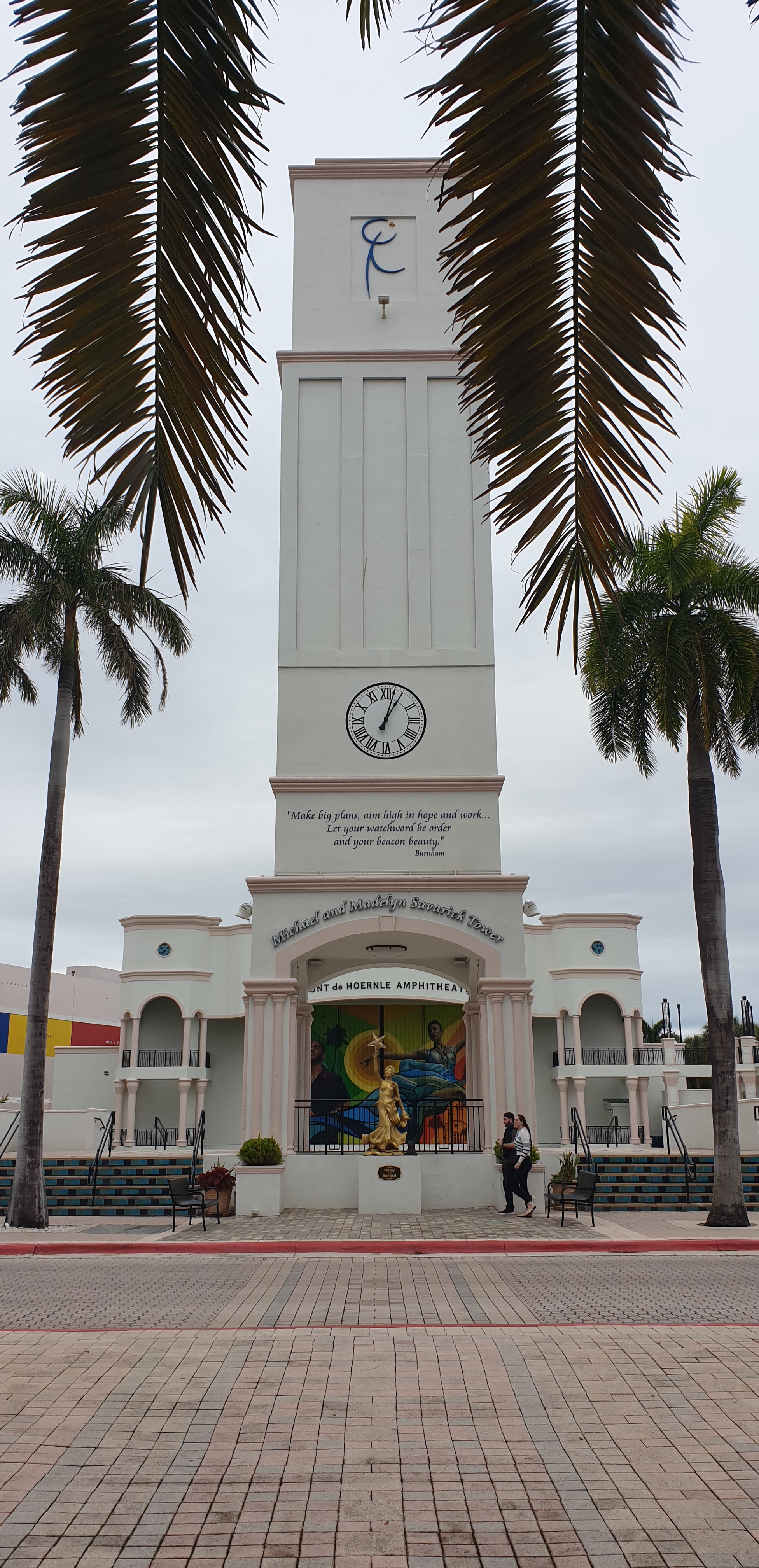
Spanish Baroque in Boca Raton

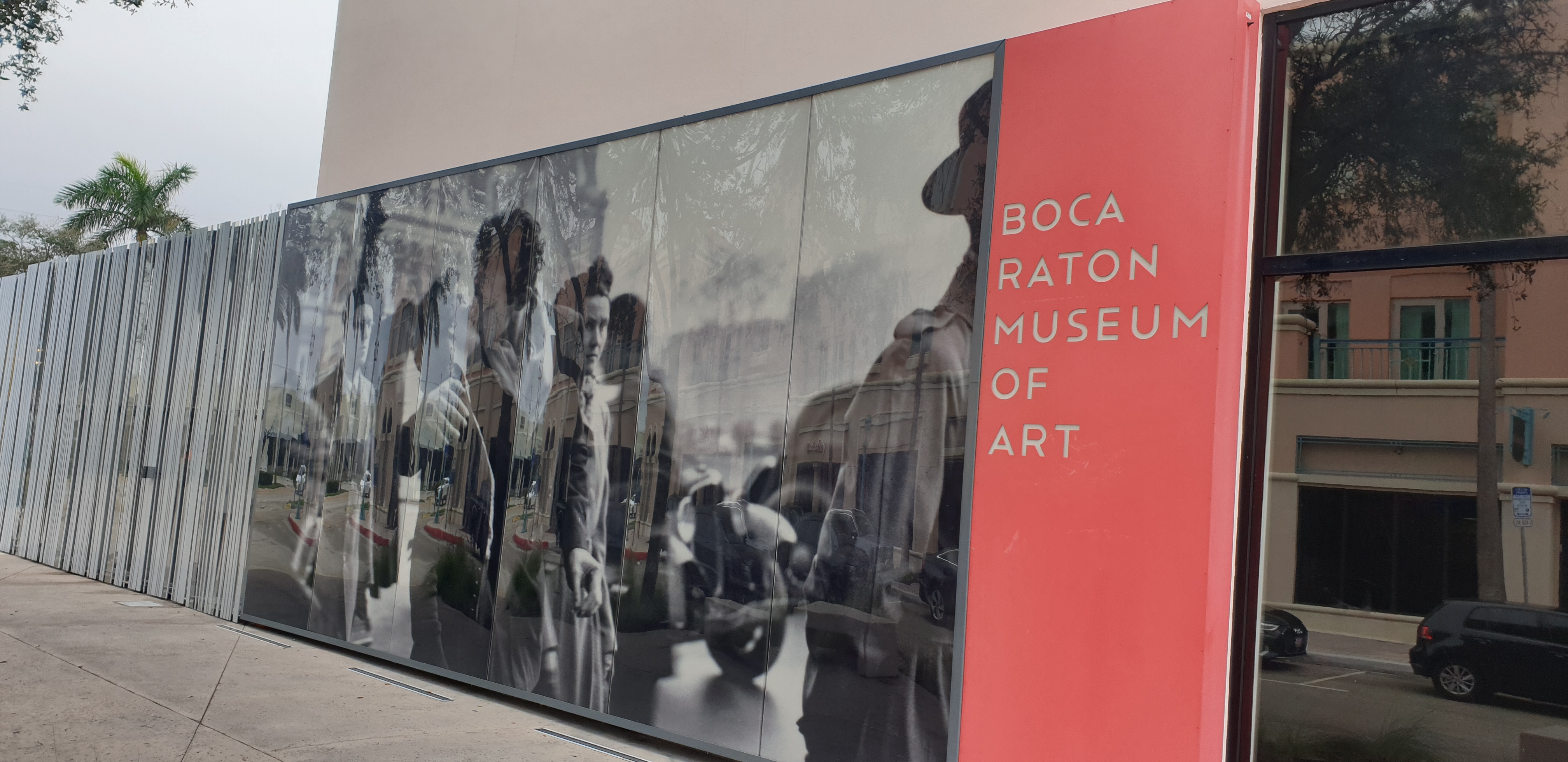
As soon as I found out that the Boca Raton Museum of Art had an exhibit about the Spanish Baroque, I booked a visit for my classes and then went to check it out for myself.

The paintings are courtesy of the Hispanic Society of America in New York, which has organized this exhibit, and which will then travel to a couple more cities.

Splendor and Passion: Baroque Spain and Its Empire is a small but very good-quality exhibit. You are welcomed by a local artist’s interpretation of Velazquez’s Meninas, and then you enter to discover paintings by the real Velazquez, Murillo, and el Greco (whom I would put more into late Renaissance than Baroque, but I am nitpicking). If you love the chiaroscuro, if you love Baroque art, this one is for you!

The Boca Raton is a fairly small museum, with most of the collection being 20th C art. But since you are already there, you might as well check it out.

So, if you are in this suburban wasteland that is South Florida, and you need a little injection of beauty, art, and culture, head over to the Boca Raton Museum of Art. You are welcome.

El Greco, a proto-Impressionist and the new exhibit at the Norton Museum of Art.

Confession time: I like the Impressionists, but as a collective, it is not my favorite artistic movement. I like and appreciate the Impressionists individually, but I am not crazy about them as a whole. I can explain.

I am privileged in that I am a supporter of the Prado Museum through their Amigos del Museo del Prado program which is (mostly) fantastic. The main advantage of this “membership” is free access to the museum, which I do take advantage of frequently, plus I love showing the museum to friends and in Tonxo Tours.

So, I often get to see El Greco’s work. Domenico Theotocopulos (1541–1614) was born in Crete, moved to Venice, Rome, Madrid and eventually Toledo, where he would flourish. One of the many interesting things about El Greco was how much nineteenth-century collectors and artists loved his work. Why? Because he was an Impressionist avant la lettre!

Picasso and Renoir were blown away by El Greco, here was someone painting how he wanted to paint more than what he “saw”, a very unreal, conceptual art, and around three hundred years before them!

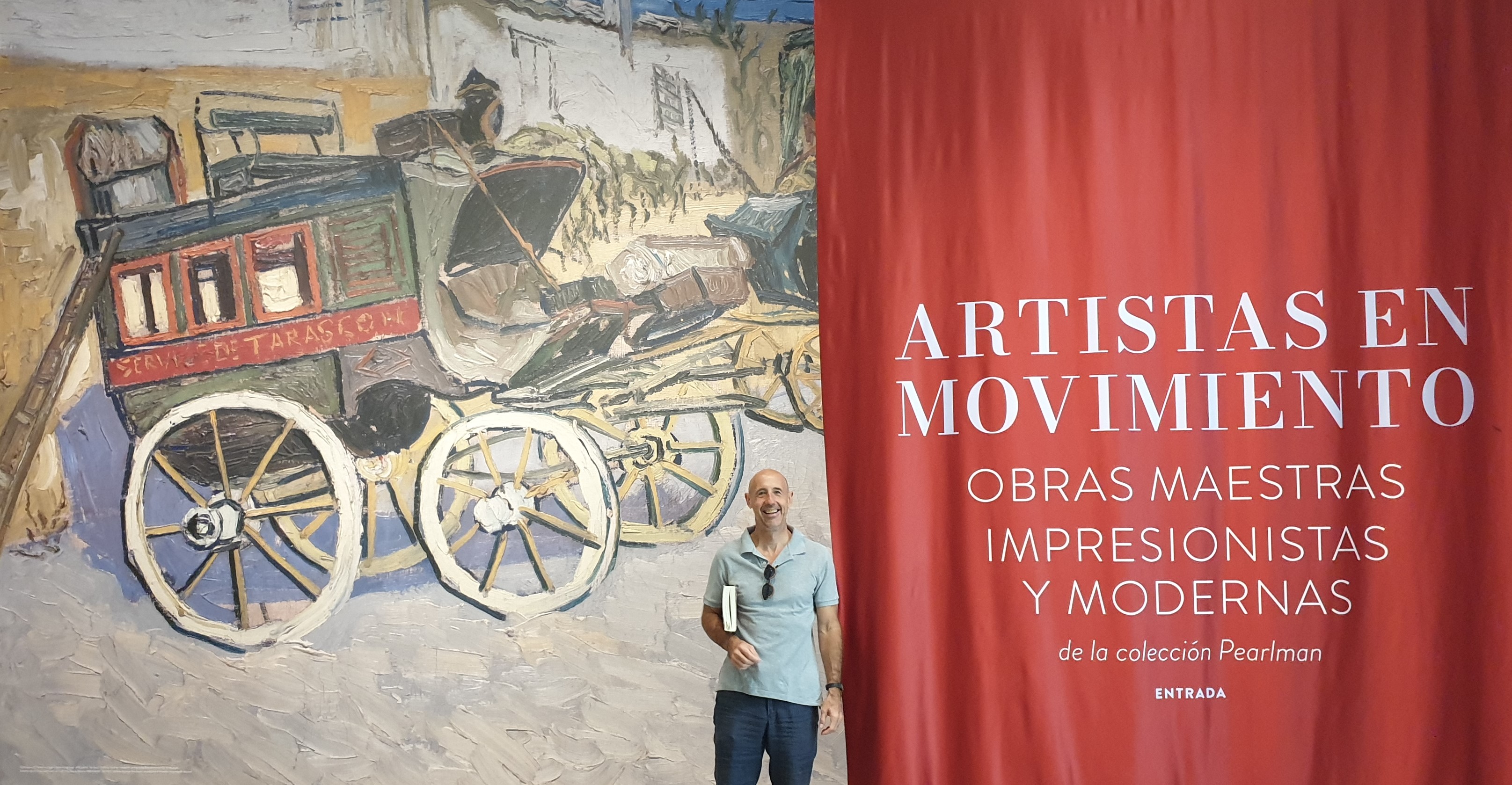
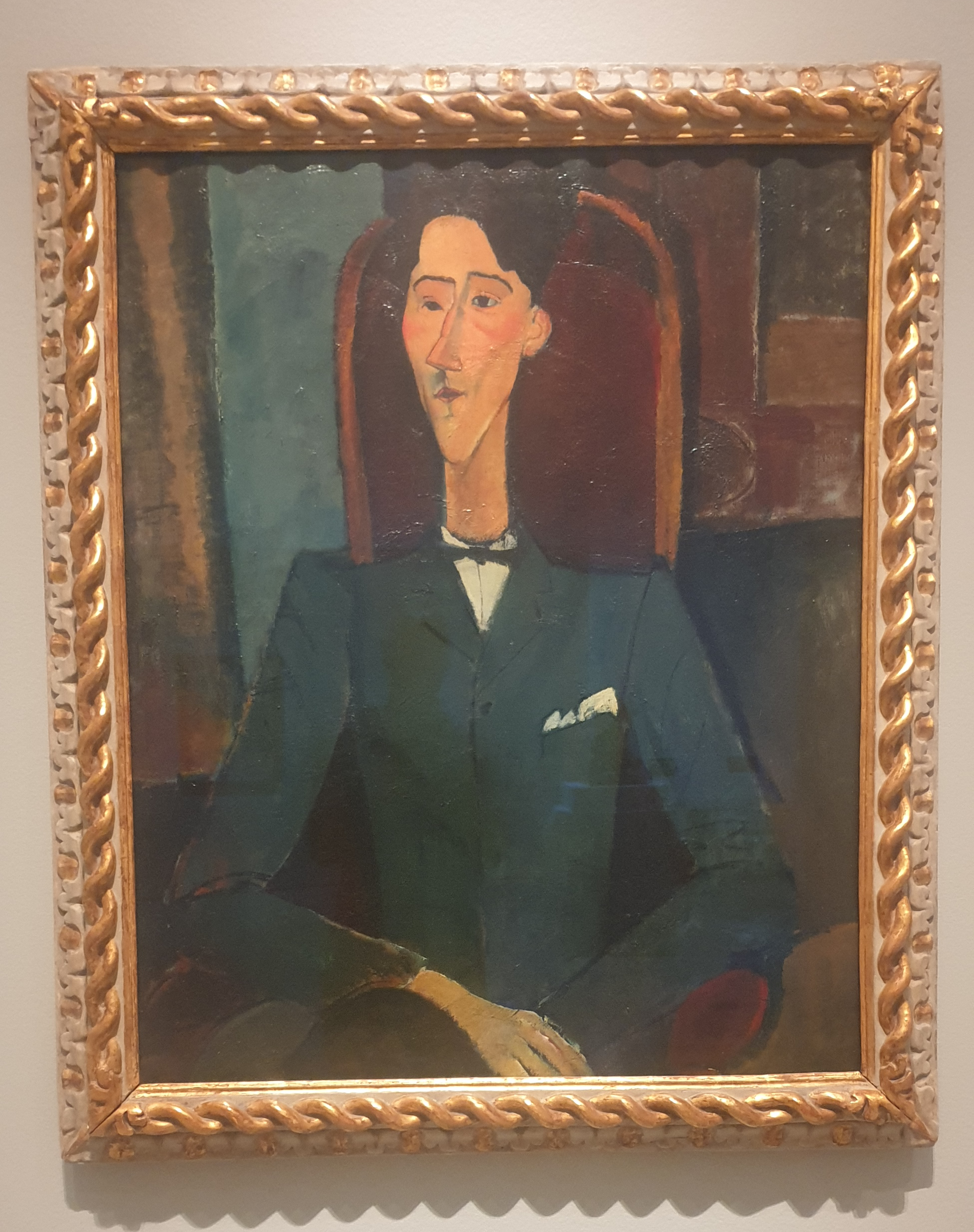
Why am I pontificating thus? you ask. Well, I recently had the opportunity to visit one of my favorite places in South Florida, the Norton Museum of Art in West Palm Beach. They have just opened a new exhibition titled Artists in Motion: Impressionist and Modern Masterpieces from the Pearlman Collection. It is a smaller exhibit with some niece pieces: a Gaugin wood carving, a van Gogh, some Cezanne, a couple of Modigliani, etc. My favorite was a Modigliani portrait of Jean Cocteau -yes, you could say it is very Grecoish.

When I am at the Norton, I always enjoy walking around and checking out the permanent collection, the gift shop, the sculpture garden, it is all a very rewarding and enriching, my blood pressure goes down. As I have said before many times, an oasis of culture and beauty in South Florida.

Museo Lázaro Galdiano

A few years ago I wrote about the Museo Sorolla in Madrid, a hidden gem in the big city. A small, personal sized museum, which proves that there is no relationship between size and quality. A few blocks away is another such gem, the Museo Lázaro Galdiano. I re-visited it recently with my sister.

Hidden in plain sight, in the middle of busy Calle Serrano, better known for its shopping than for museums (although the Archeological museum is down the street). The museum in housed, as you might have guessed, in what used to be Lázaro Galdiano’s house. It is a big house, a huge house. In Spanish we call it a palacete, in English, you borrow the Italian word palazzo, at any rate, it is big. And it is full of wonderful art. From ancient Greek and Roman nick knacks to Goya and Velazquez paintings. Each gorgeous room is full of wonderful pieces: medieval art, paintings by Hieronymus Bosch, El Greco, Murillo, jewelry, weapons, ceramics, furniture, sculptures, etc. The house itself is a work of art, beautiful wooden floors, painted ceilings, central staircase, and gardens. It also has the obligatory gift shop, and a research library.

My sister Rocky and I were pleasantly surprised that here and there were pieces of modern, contemporary art. Call us old-fashioned, but in general, in contrast to the art surrounding it, the modern pieces did not measure up.

Finally, the museum publishes Goya, a serious art/academic magazine. Of course, my dear friend and Dissertation Director, Irene Gómez Castellano, has published an article in it.

While the lines at the Prado, the Thyssen, and the Reina Sofia are discouragingly long, you can generally just walk straight into the Lázaro Galdiano, and walk around at your own leasurely pace, and definitely get your money’s worth. When you finish, you are on glamorous Calle Serrano, and you can stroll to get a coffee or a meal!