How often do you think of the Roman Empire?

How often do you think of the Roman Empire? This was a silly viral question/meme that became quite the sensation last year on the interweb.

I must confess that maybe because of my work in the field of Literature and Culture, I end up thinking of the Roman Empire quite frequently.

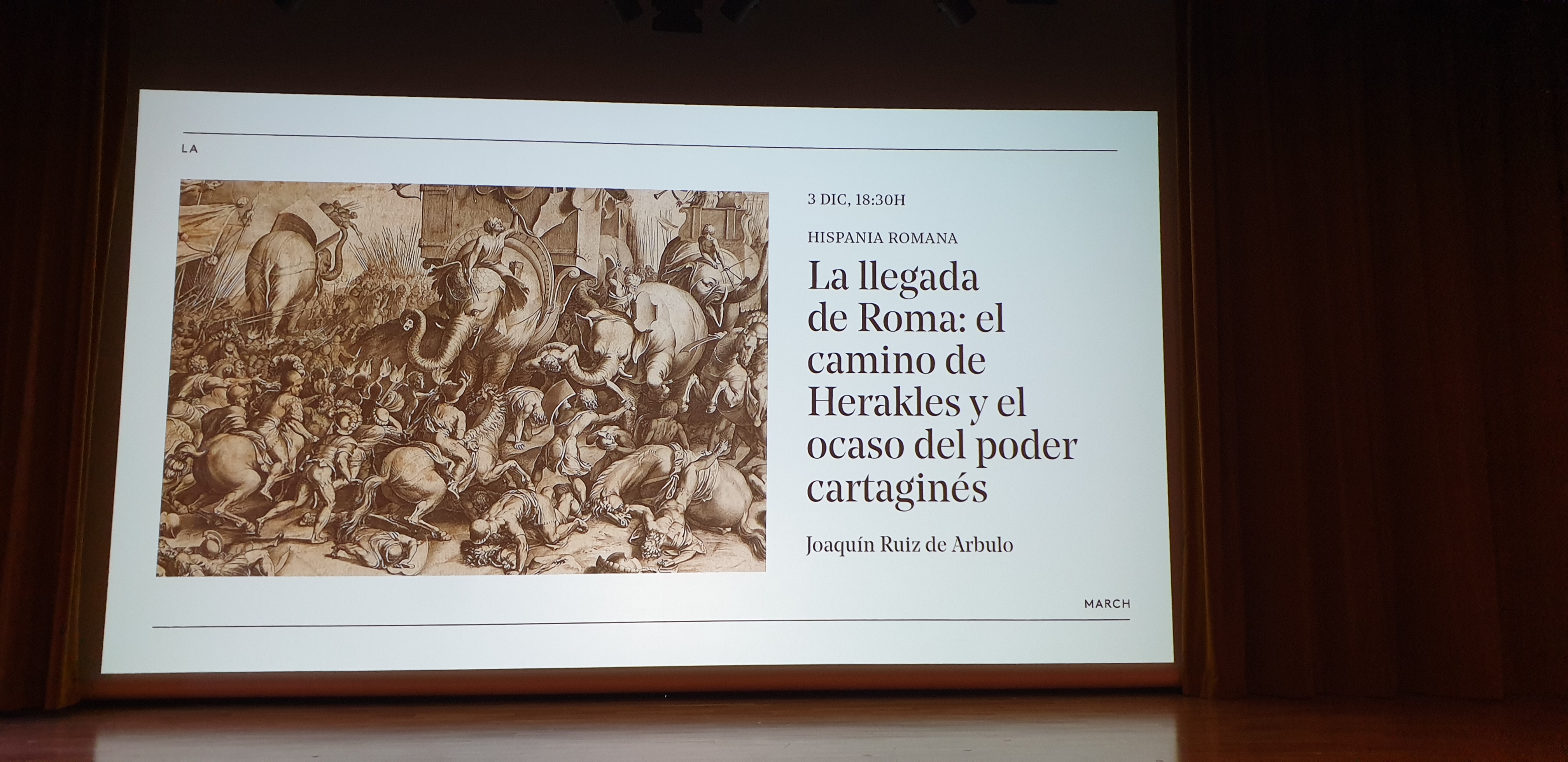
One such occasion was a couple of weeks ago when I had the opportunity to listen to a conference by Universitat Rovira i Virgili professor of Classical Archaeology Joaquín Ruiz de Arbulo at the Fundación Juan March. His conference La llegada de Roma: el camino de Herakles y el ocaso del poder cartaginés about the arrival of Romans to the Spanish península was fantastic.

Ruiz de Arbulo explained that by the time the Romans arrived in Spain, there were already Celts, Phoenicians, Carthaginians, Greeks and Massaliotes, which was a Greek tribe from modern day Marseille. Despite being a leading academic in his field, Ruiz de Arbulo spoke clearly and simply, listening to him was mesmerizing. He had a great Power Point explaining how tuna fished in Cadiz was dried and sold in Egypt, and how stuff from the Eastern Mediterranean ended up on Spanish shores long before the Romans even got here, how traders and sailors had a temple in Rome, etc.

In conclusion: I do think about the Roman Empire a fair bit. How about you? Let me know in the comments -and no, I am not going to try to bring back that old internet meme, although it might make my blog a bit more popular!


Vizcaya Museum and Gardens

The phenomenon of old mansions becoming museums is not a new one. A rich sod builds an incredible mansion and at some point, subsequent generations cannot afford the massive maintenance required and taxes imposed, so they sell it to a foundation or to the government who -if it is good enough- turn it into a museum, or the family turns it into a private museum and on top of that rent it for events, etc. This is the case of the Vizcaya Museum and Gardens in Miami. What is rare in this case is that there are very few historic homes in Florida. Rich folks like to hang out together so they can talk about their toys, so Newport Rhode Island, or New York’s Upper East Side or the North Shore of Long Island, remember The Great Gatsby? has a higher concentration of mansions or palazzos, as the Italians call them- than all of Florida put together. There are a number of reasons for this: First, the so called “robber barons” built their fortunes -and consequently their extravagant homes- in the 19th Century, but Southern Florida did not get a railroad until the 1920s. So you could say Florida missed the train. Other factors are the terrible weather, hurricanes, and humidity which would discourage most people from building down here.

An adventurous visionary was James Deering, heir to the International Harvester fortune who purchased a massive plot in Coconut Grove, South of Miami. Together with his artist/designer friend Paul Chalfin they traveled through Europe and Egypt buying everything they liked, and then built Villa Vizcaya to house everything.

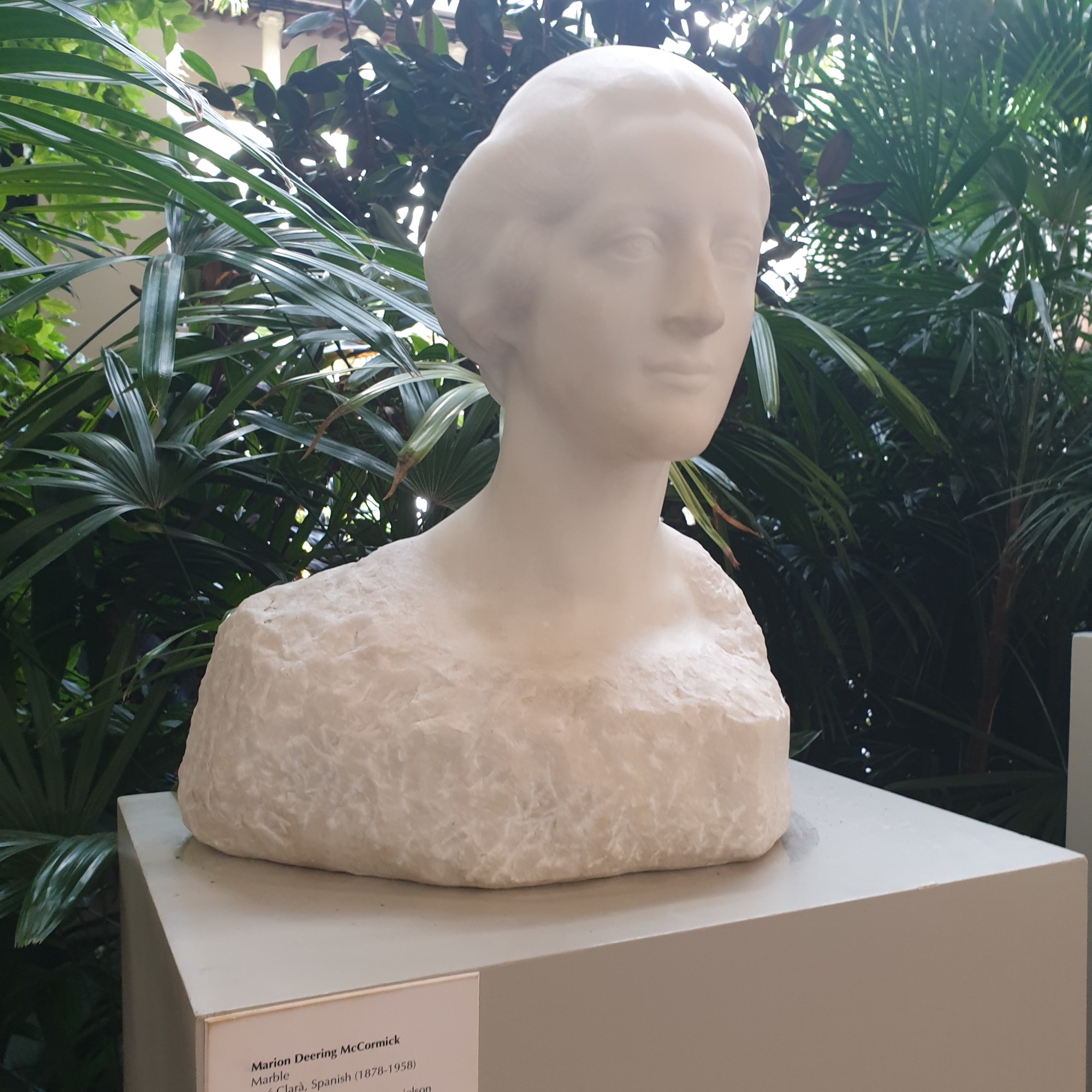
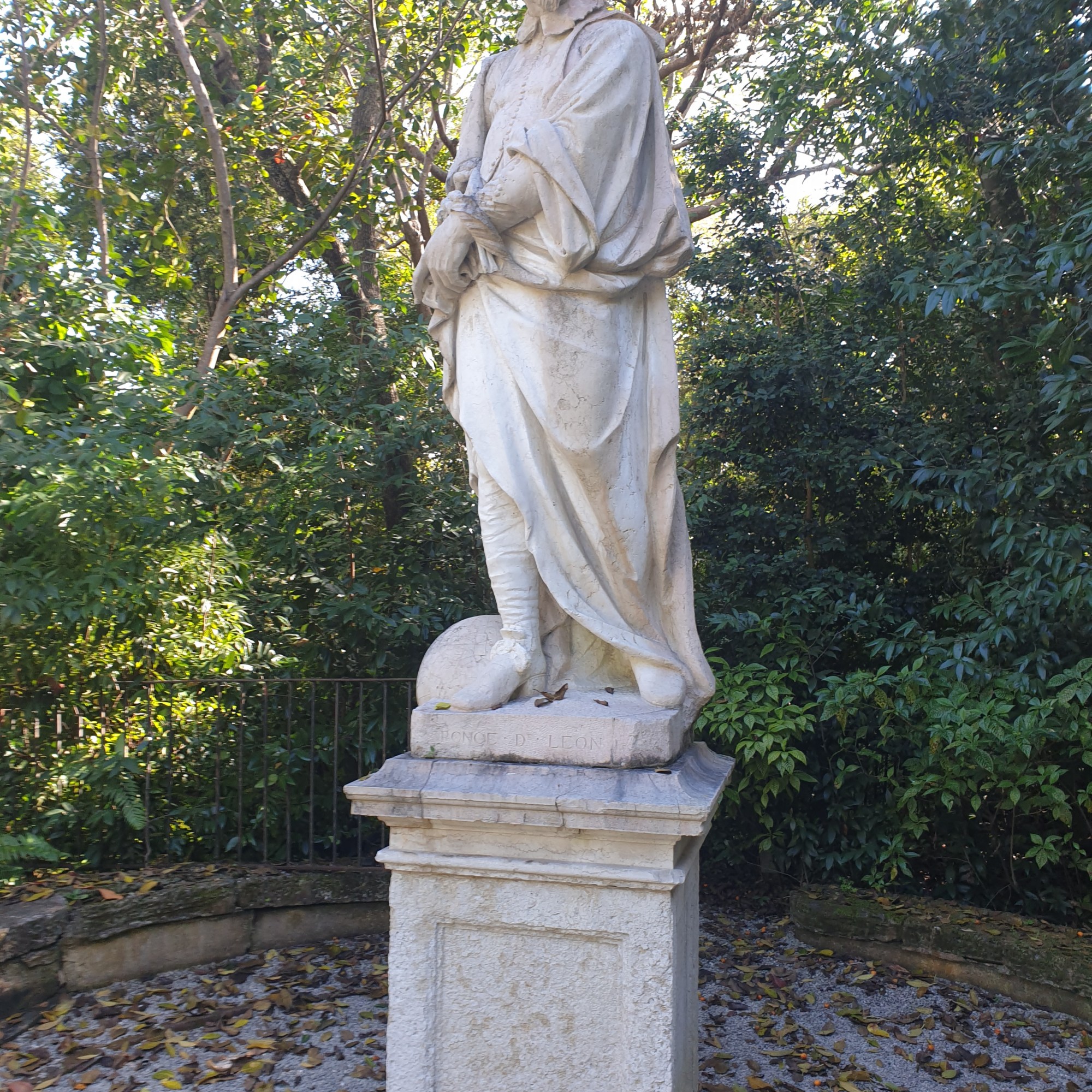
As you can see from the photos: the building is in the Renaissance style with a large patio and gorgeous rooms. The gardens are spectacular, with grottos, formal gardens with local flora, etc. While there is no one particular item that makes you say wow, the aggregate is beautifully integrated. Probably due to the disgusting humidity in Florida, you will not find any master level painting. But there are plenty of nice sculptures, tapestries, furniture, and other decorative arts.

So, all in all, a wonderful, highly recommended visit.

Revisiting Cavafy

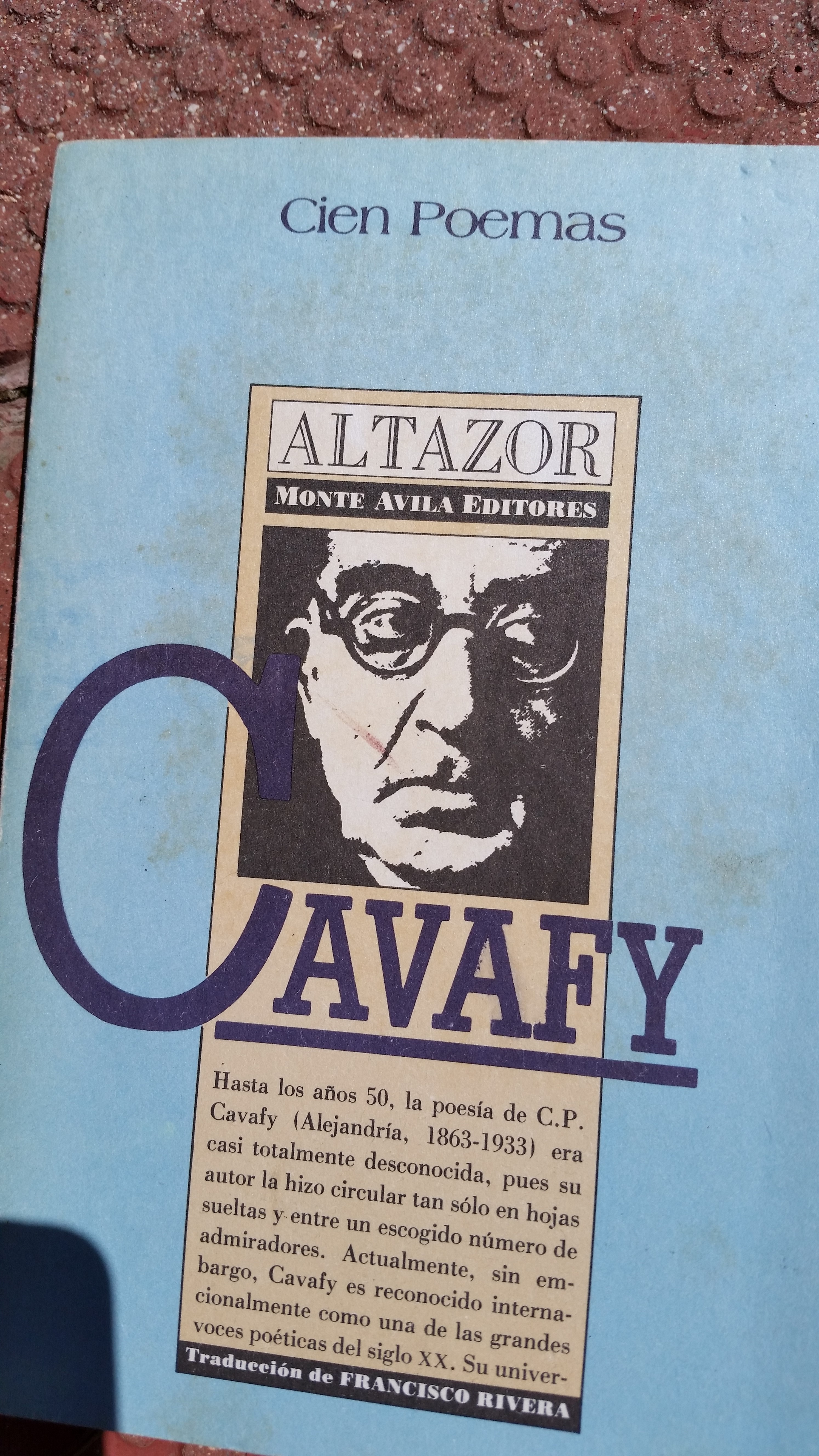
my old Cavafy

my old Cavafy

Sad and melancholic after returning from Greece, I found my old Cavafy book and I am re-visiting it!

My brother Theo introduced me to Constantine Cavafy years ago – through his poem Ithaka (which I posted on this blog on August 19, 2011). Now as I reread poems I discover new beauty in his words. The poem which has struck me the most during this re-reading has been God Abandons Antony or God Forsakes Antony, published in 1911. The story is of a defeated Marc Anthony in Alexandria (which centuries later would be home to Cavafy). After being moved by its elegance I remarked on the importance of the story of Marc Anthony and Cleopatra. Of our fascination with that love story, with ancient Egypt, with the Roman Empire, and so on, so I started thinking of my favorite connections to this story…

The first one that came to mind where the lyrics from one of my favorite Rolling Stones songs: Blinded by Love, when Mick Jagger sings:

The queen of the Nile

She laid on her throne

And she was drifting downstream

On a barge that was burnished with gold

Royal purple the sails

So sweetly perfumed

And poor Mark Antony’s

Senses were drowned

And his future was doomed

He was blinded by love

Of course Cavafy’s poem is born from Plutarch’s telling of the story. Canadian singer-songwriter Leonard Cohen used the poem for one of his songs, but changed Alexandria, the city, to Alexandra, a woman. Of course there is Shakespeare’s play Antony and Cleopatra born from a translation of Plutarch, there is Elizabeth Taylor and Richard Burton, and so on and so forth, but for now I leave you with Cavafy in his own translation:

If unexpectedly, in middle night,

an unseen company be heard to pass,

with music and with voices exquisite, —

turn not away and uselessly lament

your fortune that is giving in, your work

that came to nothing, the projects of your life

that proved illusory from first to last.

As one prepared long since, as fits the brave,

bid now farewell to the departing city,

farewell to the Alexandria you love.

And above all, do not deceive yourself:

say not that your impression was a dream,

that, it may be, your hearing played you false:

to futile hopes like these never descend.

As one prepared long since, as fits the brave,

as most fits you who gained so great a city,

approach the open window steadily,

and with emotion, but without the plaints

and supplications of the timorous,

listen — knowing it to be your last delight —

listen to the elysian sounds, the exquisite

instruments of the mystic company;

and bid farewell to the city you are losing,

farewell to the Alexandria you love.