Celebrating 20 years of teaching – some takeaways

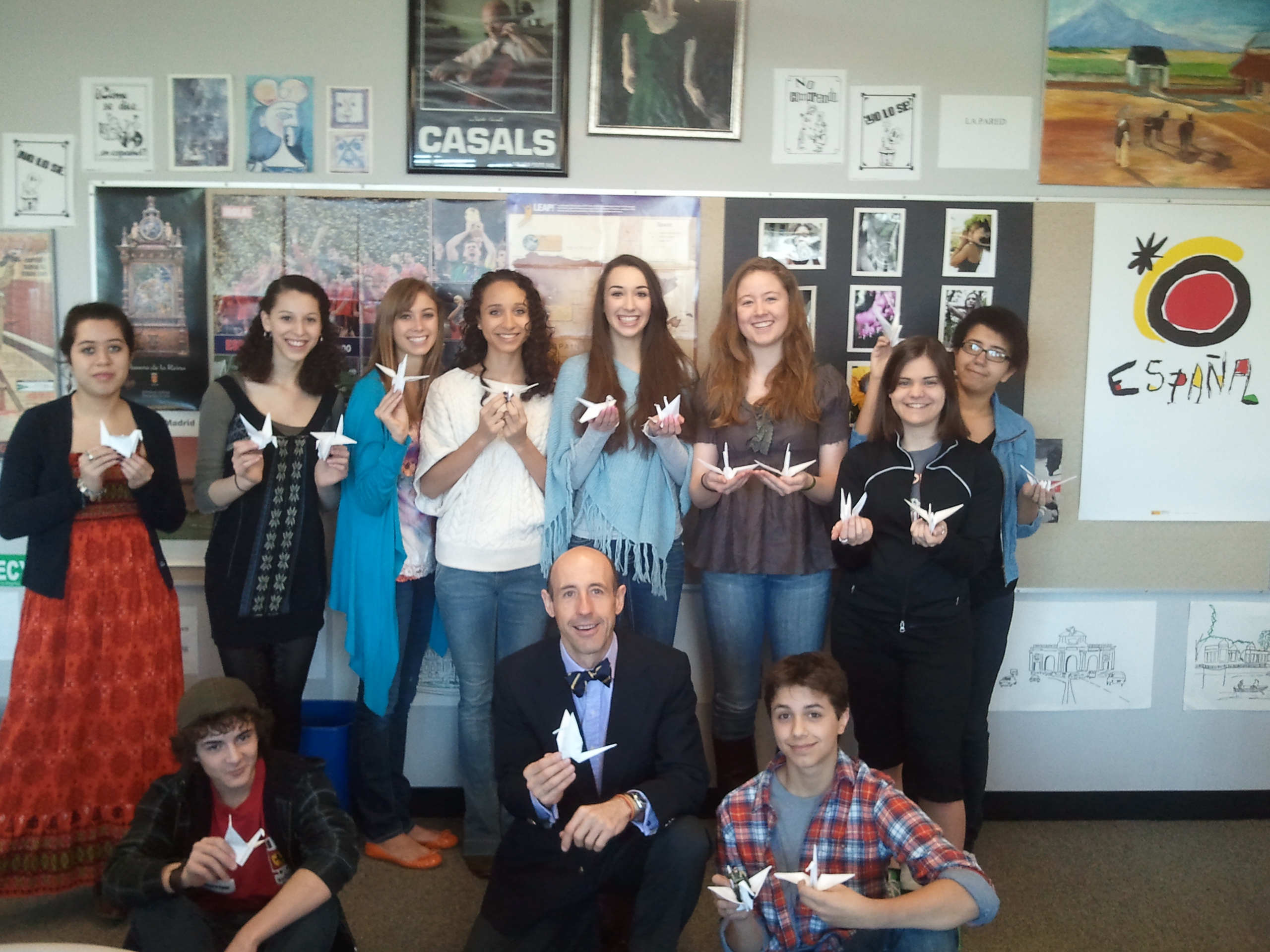
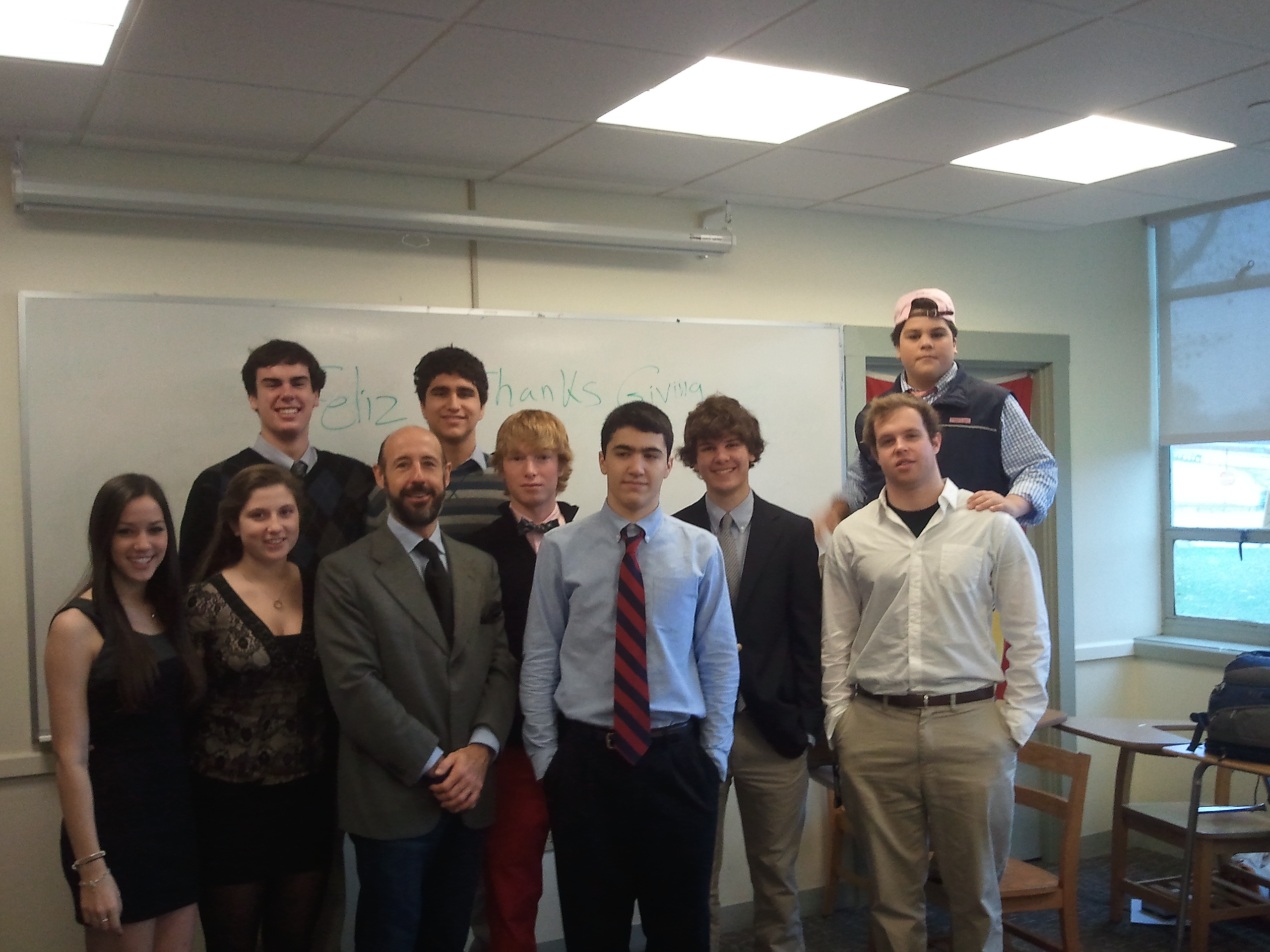
This year marks my 20th year of teaching. It has been a total blessing. I have talked a lot about it here, but there should be at least some celebratory comments.

The first observation is that teaching is a vocational endeavor; if your heart is not in it, you will struggle and not be the best teacher for your students. I have taught almost 50/50 in secondary and university settings with brief stints in Middle school, and even primary school! (Read about it here.) My observation is that most teachers do it because they love it —we don’t do it for money. If you do not know if teaching is for you, try it out!

I have said this ad nauseam: all teaching is relational. We learn from a place of trust, that trust comes from the teacher-student relationship and that relationship comes from the teacher being open, better yet, vulnerable (within boundaries, of course), and honest.

Just because students are not masters of the subject matter does not make them stupid; they can see right through the teacher if you do not know the subject matter, regardless of your teaching style. So know and prepare your material, and if they ask something you do not know, get back to them with an answer. This recently happened to me, no shame in it.

Something that always motivates me is thinking of who I consider to be the best two teachers in history: Socrates and Jesus. They did not have hi-tech classrooms, which makes me always ask myself: Could I teach this with just a stick in the sand? If the answer is no, then I must rethink my lesson plan. Everything else on top of that is glitter and show…

I could probably write a book about this, but for now, I hope you liked this blog post.

So while not every moment of my 20-year teaching career has been easy, I am looking forward to the next 20, let’s go!!

Teaching outside the classroom (Part 2)

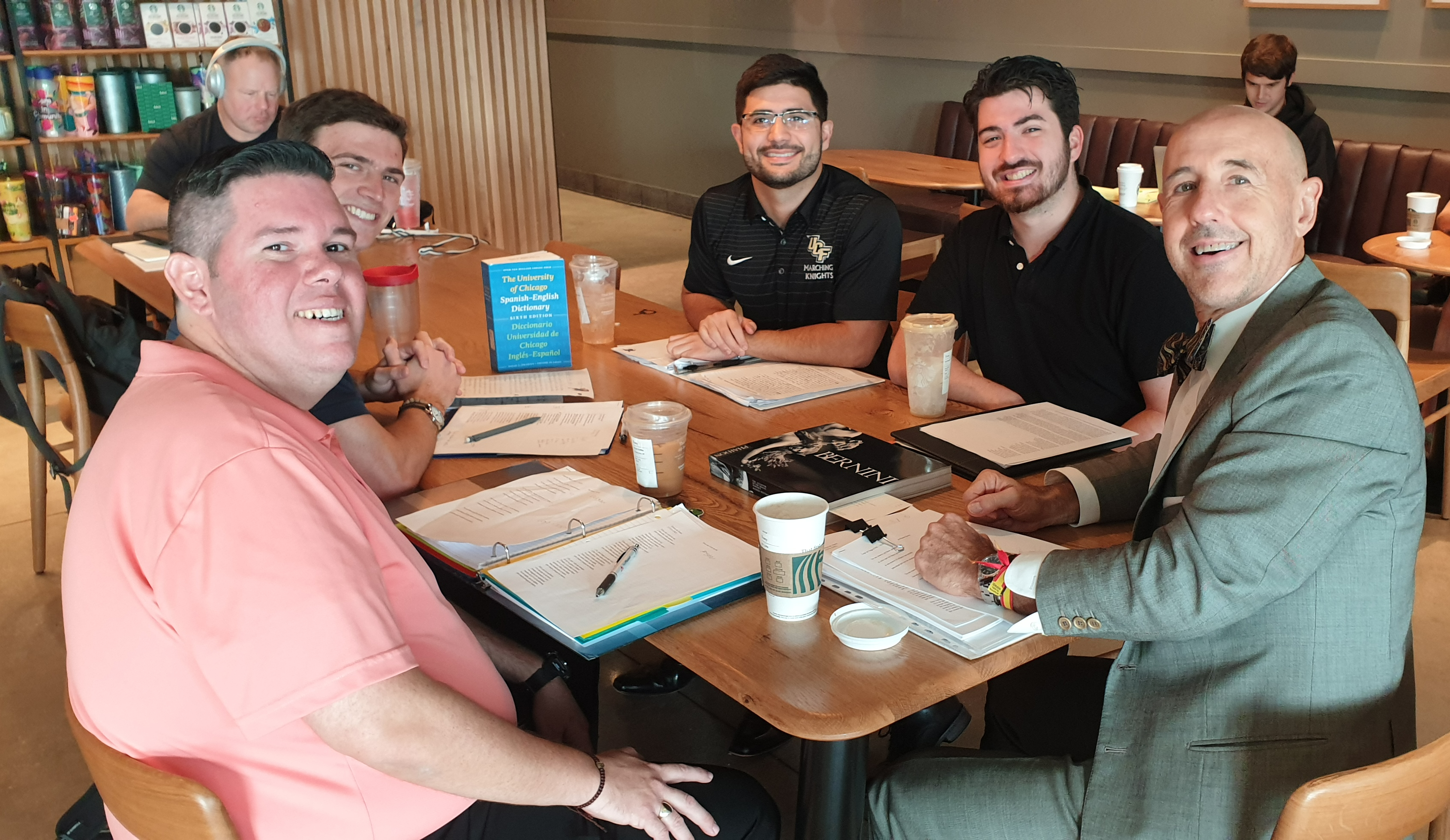
Discussing mystical literature in Starbucks!

The first part of Teaching outside the classroom was about coaching soccer, about teaching values, and teamwork, and all those “soft” skills which the classroom is not the ideal venue for. (You can read about it here)

Basically a classroom is just a room, four walls, nowadays likely packed with technology, in which your students and you meet. It is easy, you build a building, make lots of these rooms and you have a school! But we now know that these places are not the best, and not the most conducive to learning. So whenever we can, we get out of there!

Sometimes we just step outside to the garden or the dining room, steps away from the classroom. But if the course has few students and the content for the day’s class is propitious, we go to our local coffee shop (which unfortunately in our case is a Starbucks, but hey even that is better than the sterile walls of a classroom).

Outside the classroom the students seem to think “better,” more fluidly, they engage differently with the subject. I do not have the science to prove it, but those classes seem more enriching for the students.

We recently had a lesson on the great mystic Santa Teresa de Jesús and her poetry. This lesson, with only four students in the class (Advanced Spanish Language and Culture) was worth taking to the coffee shop. It worked out great, so much so that a week later I took my other section!

So if you have a small class and can do it, get out of the classroom! You are welcome.

How do you measure teaching performance?

You do not have to dig too deep to realize that a -or the- key factor in the situation of the planet today boils down to education. We are polarized politically: education, we have massive environmental challenges: education, there is disparate wealth distribution: education, and so on, and so on. Education is not only my métier, but also something I obsess over; how can I improve my craft? How can I improve my school? How can I better serve and teach my students?

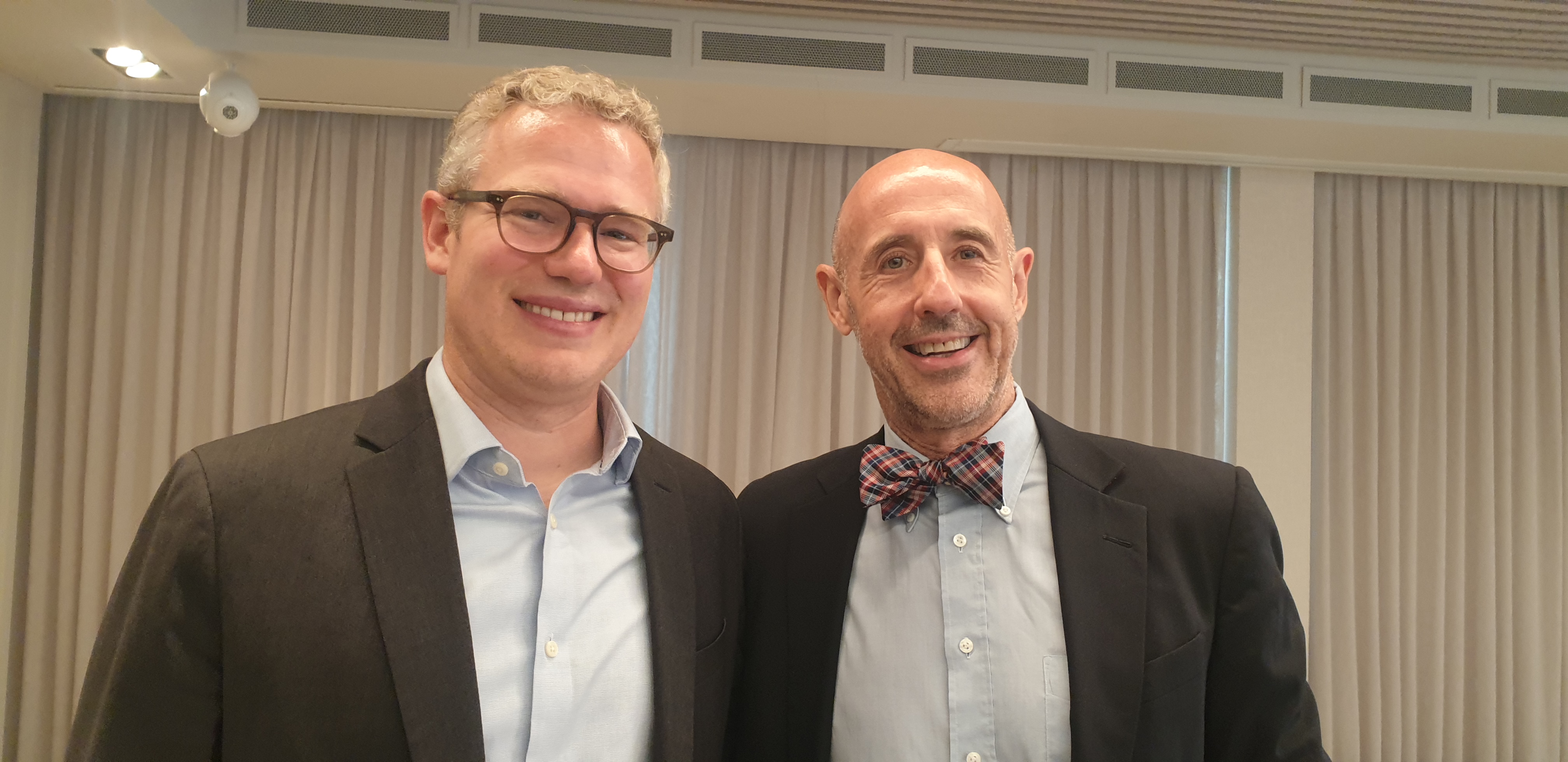
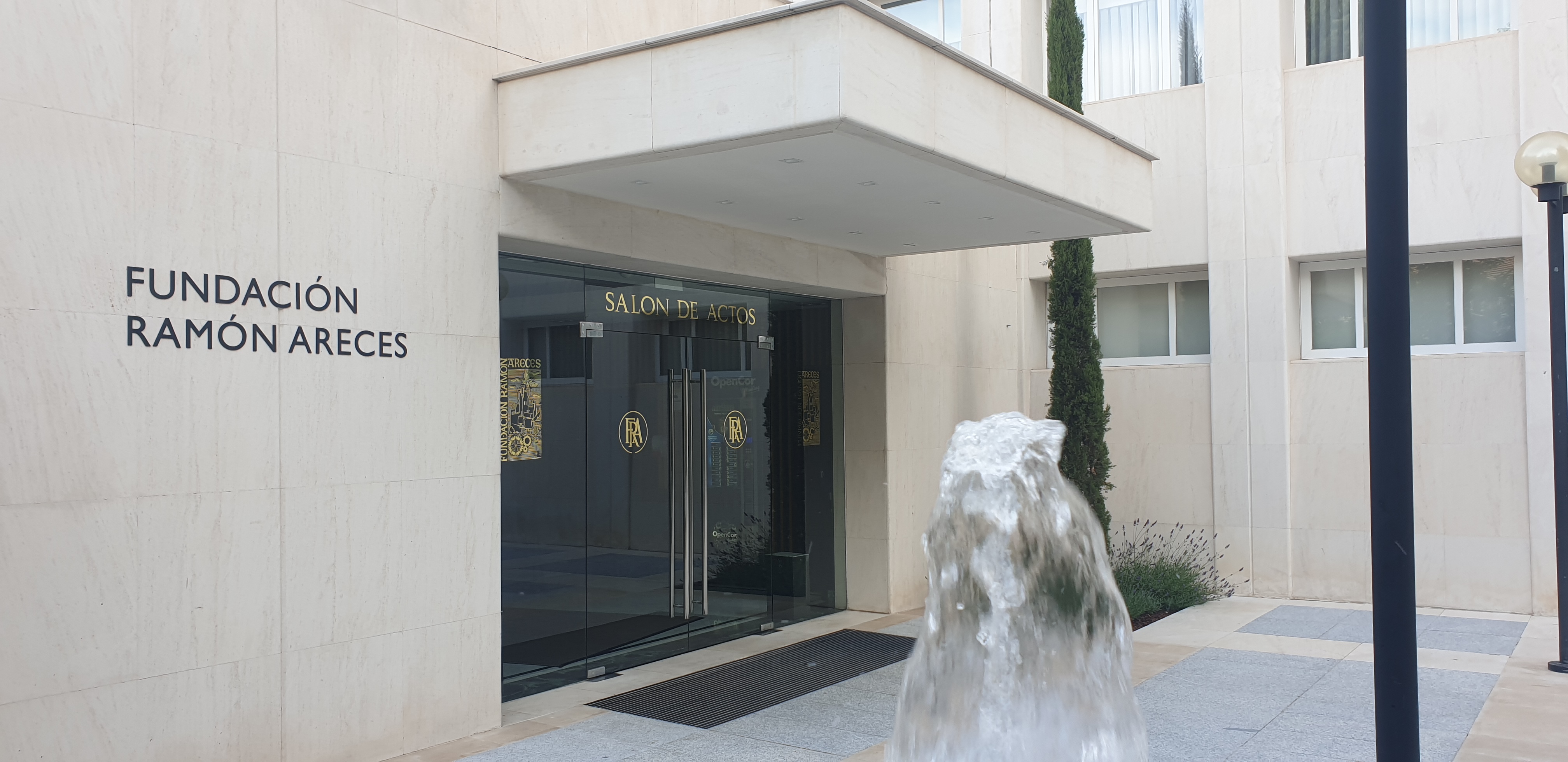
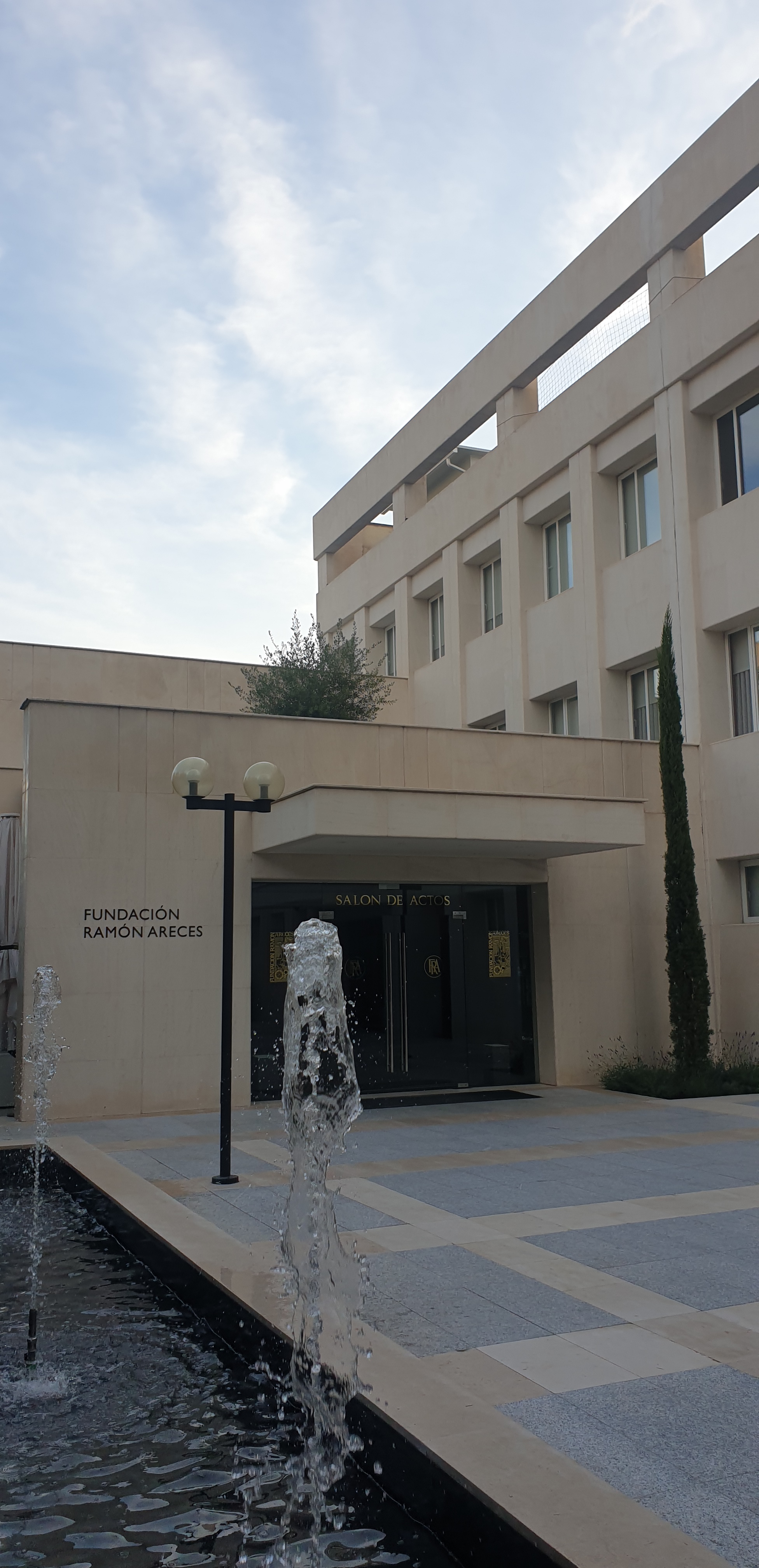
I recently had the opportunity to listen to Prof. Matthew Kraft from Brown University deliver a conference on the topic: “Lessons from a decade of reforms on the teacher evaluation system in the US”. The conference was held at the great Fundación Ramón Areces in Madrid.

This foundation dedicated exclusively to the promotion of science in all its aspects is the non-profit of the Corte Ingles retail giant. They are constantly inviting guest speakers, organizing conferences, funding research and scholarships, etc. The Fundación has a great building in the leafy residential Viso neighborhood of Madrid.

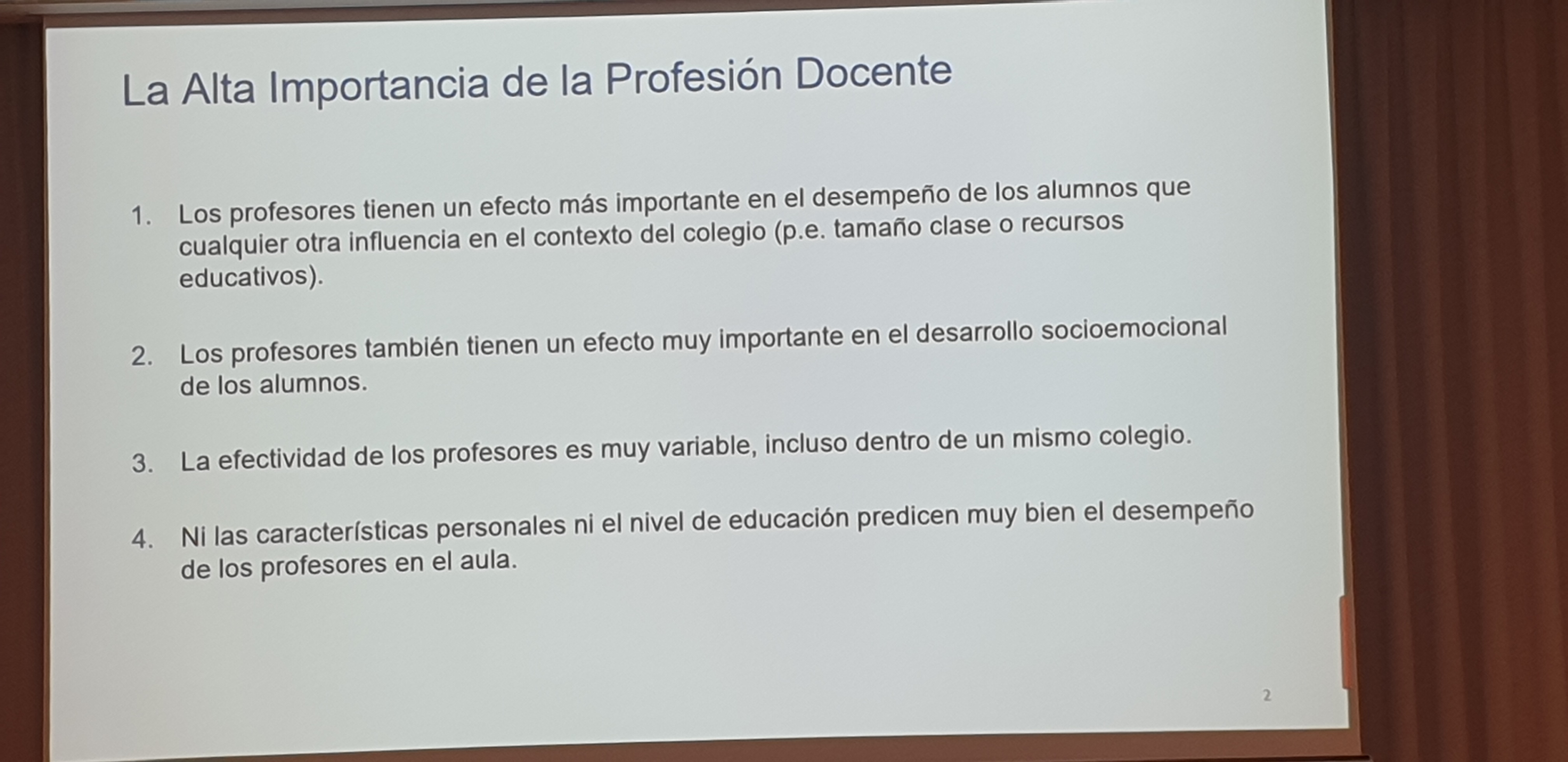
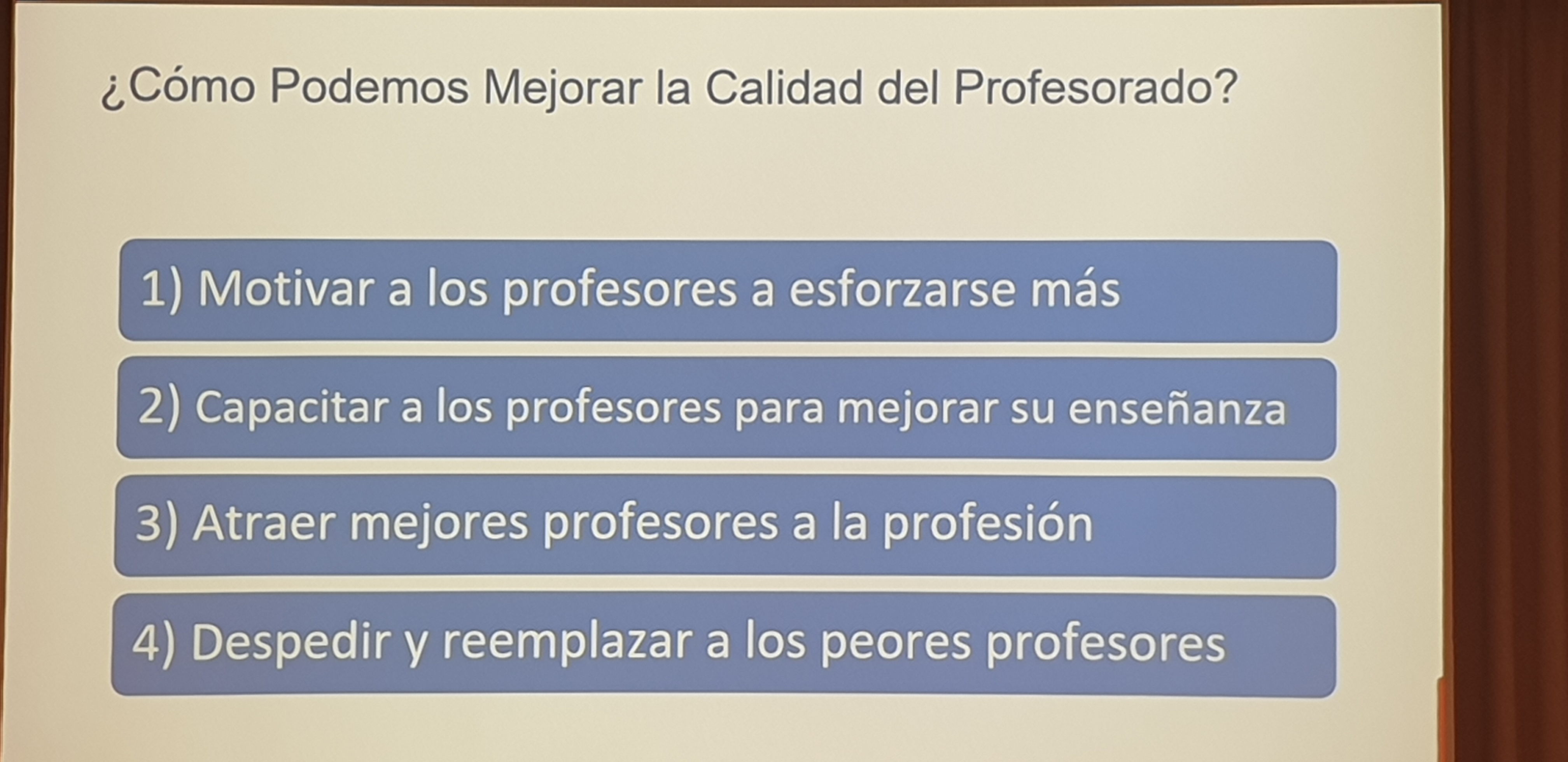
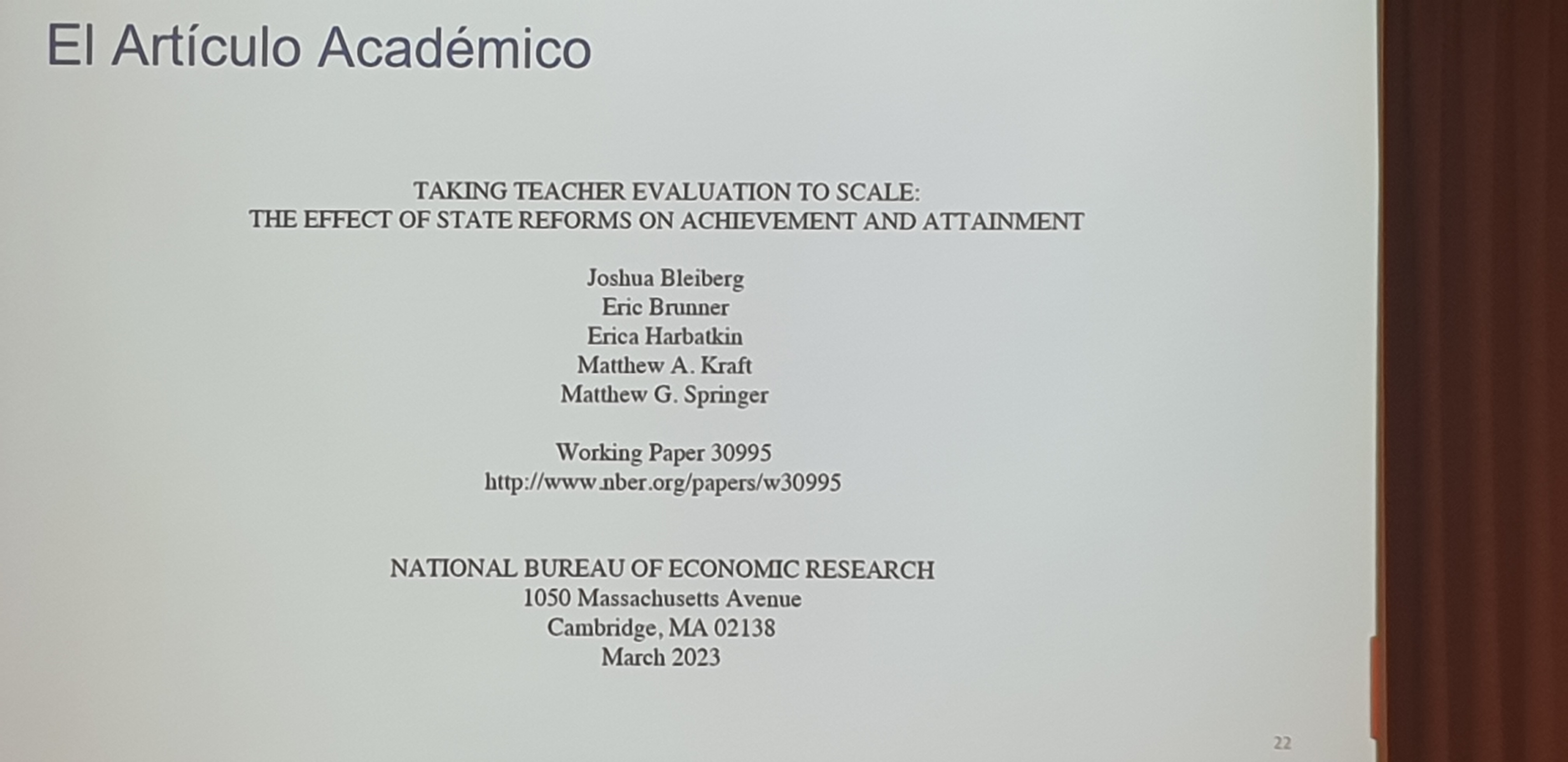
Prof. Kraft spoke about the sad failure of Obama´s “Race to the Top” education program from the standpoint of teacher evaluations in the public high school system. (You can check out some of the slides, and a link to the conference, and the data below if you want the nitty gritty).

At the end of the day, Kraft’s conclusions are that we need to not just focus on teacher evaluations, but on the whole school ecosystem if you want success. Key takeaways are the importance of mentors and coaches for teachers, as well as focusing on the health of the school’s culture and environment. Kraft pointed out unseen factors like the importance of socioemotional wellbeing, in school performance.

It was great to hear Prof. Kraft’s holistic and organic approach to improving education – from a hard-core quantitative data background! something we continue to learn and to implement, and something politicians and school administrators need to appreciate.

Oh, some tidbits: Prof. Kraft did his whole presentation in perfect Spanish! He mentioned The Widget Effect published in 2009, as well as Time magazine Dec. 8, 2008 article How to Fix America’s Schools

The full conference

Teaching outside the classroom

The way we teach is outdated. We get students into a room, fill their brains with knowledge, test them on that knowledge, and when they do that successfully, we put a funny hat on their heads and send them into the world. Yes, we have improved a lot over the last half century, but our basics are still based on medieval educational systems.

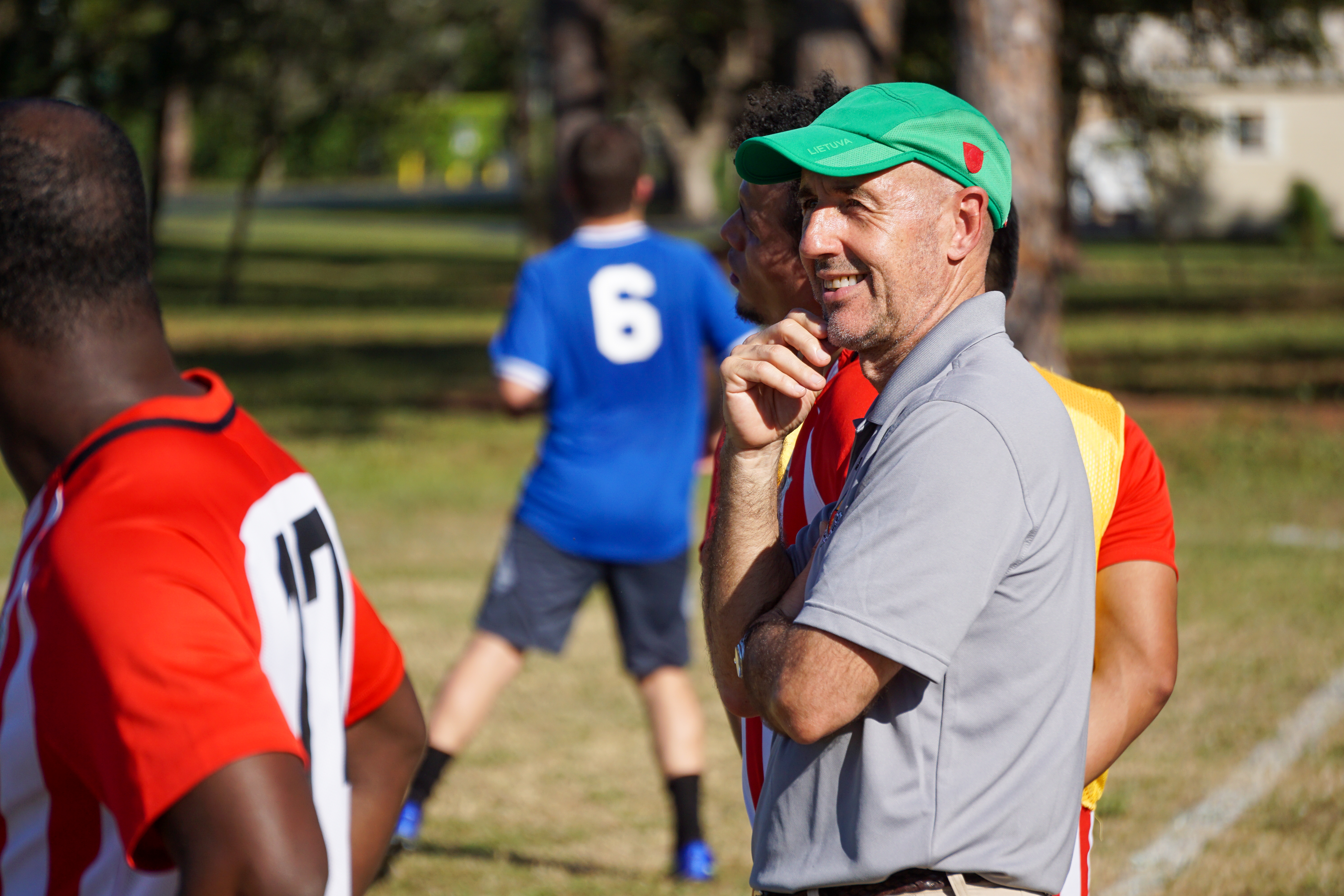
Which is one of the reasons I love coaching. Of course one cannot teach subject content in sports, but there are many, many human qualities we can teach on the field: participation, selflessness, hard work, teamwork, communication, leadership, observation, sacrifice, and on and on.

The first lesson is to show up for practice -early, so you can get ready and settled in. The more you show up to practice -and early- the more chances you have of starting on game day, even if there are more skillful players than you but who do not show up consistently nor on time for practice.

Time and again we see less skillful but more united teams will beat more skillful teams that does not pass or communicate as well.

Another valuable lesson is the importance of practice. Musicians and the military understand this concept and execute it very well; the more you practice the better you get. Good athletes also understand how importance repetition is.

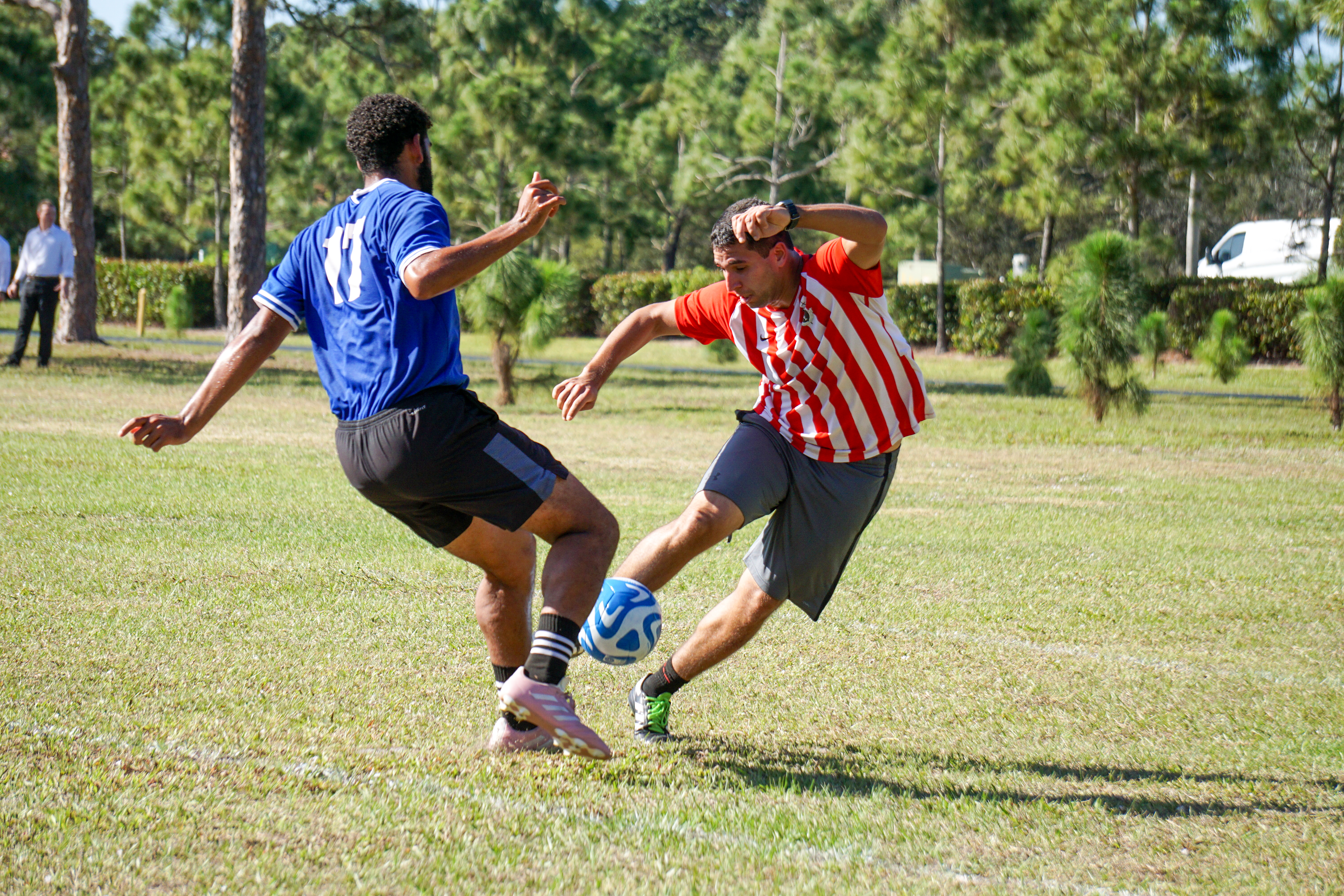
A few weeks ago, we won our home game against our Miami rivals. Although our opponents played their hearts out, we played selflessly and communicating, passing the ball and trusting each other, it was a pleasure to see the guys play. Go Shepherds!!

Photo Credit Dylan McKay

Lauren Mackler, career and life coach

So there I was, having just closed my company and sold our beautiful apartment in Madrid overlooking the Retiro Park. Just moved back to Boston and struggling in my new career as a teacher in a tough public school. Reading the Boston Globe Sunday Magazine one day, there was an article about career recycling, reinventing yourself, blah, blah, blah. The “more info” bullets had a couple of career coaches names. So I called one of them.

My previous life in the photo business

My previous life in the photo business

It was Lauren Mackler. We agreed to (I think) a twelve session program and she kicked my ass (figuratively). We went back to my core values, my upbringing, my education, my deep needs and professional desires. She wrote everything down on big sheets of paper. We did the Myers Briggs test – and a bunch of others – surprise, my ideal job is teacher (only after preacher which is pretty similar).

We worked in the nicely done basement of her house, really well and hard for the whole program, she is tough and had me in tears a few times. I learnt so much about myself: where I really wanted to be in the future, where I could and would work best, etc. etc. I still have all her notes and occasionally go over them with colleagues who are a bit lost professionally.

Ten years later and Lauren has done very well for herself: published a book, spoken at the Harvard Business School, on TV and become a bit of a celebrity in the coaching business, good for her! As for myself, I am happy I worked with her and that she helped me unleash my potential. Did we expect me to be getting a PhD in 18th C. Spanish literature at UNC? Well no, but that is beside the point. The point is that she is a great coach and I am happy to recommend her if you need any sort of career help.

PS: This blog is totally independent, and I only write what I feel like writing!

Year one Ph.D.: Check

Well, that wraps up the first year of my Ph.D. program and of my course work. Now I “only” have to read until my eyes bleed for my exams next Spring. This semester was overall much better than the Winter term. I took three courses: Early Modern Spanish Women Writers, with Rosa Perelmuter – a luminary in the field, and an Independent Study on Medieval Narratives with the iconic Prof. Domínguez. For my third course I took 18th Century Spanish Lit. with Irene Gómez-Castellano – and it has changed my life. Not only did I learn about the Enlightenment (something that had been in the back of my mind since I read Voltaire’s Candide at the American School in London, and then reread often) and the Romantics, but I discovered Padre Isla, a fairly unknown Jesuit writer who wrote the “best seller” of the 18th Century: Fray Gerundio de Campazas. I also taught two sections of Spanish 203, an intermediate level class. I loved it! I had great kids and we had a great time, including the cockroach that climbed up a girl’s dress. Pobre Raquel!
The end of the term was extremely stressful. One is normally 100% occupied with schoolwork during the year, so having to take two exams, write three twenty page essays, give and correct about forty exams, plus all the end of the year wrap up stuff was beyond hectic. For a week I did not work out or shave! I hope that the first year of the Ph.D. program is the baptism by fire test, that it is the hardest to juggle all the work, because the end was no fun.
But it is over and with very positive results. Most importantly my dissertation seems to be coming into focus, writing about Padre Isla. My secondary/complementary writing list will be about Medieval satire with Prof, Domínguez and my Transatlantic list will be Colonial lit. with Rosa Perelmuter. This means that I have to come up with six reading lists. A primary reading list of twenty books for each list and about thirty secondary/theoretical lists for each topic. Total: give or take 150 books that I have to learn by next Spring to pass my exams, Gadzooks! Yikes!
Taking only three classes, I had time to volunteer at the Ronald McDonald House of Chapel Hill on Monday nights, and I worked at the Clinical Skills Center at the UNC Hospitals

teaching medical students Spanish. Both of these side ventures are a lot of fun and very rewarding and very much needed to clear my head and do something else for a while that is not just studying.
Conclusion: Overall it has been an incredible year and I have learnt much more than I ever expected or hoped. I’ve met some very interesting people, discovered a new town, been more culturally active than I expected, forged some nice relationships and I am slowly rebuilding my life. I’m very happy to be doing this, I love UNC and Chapel Hill.