
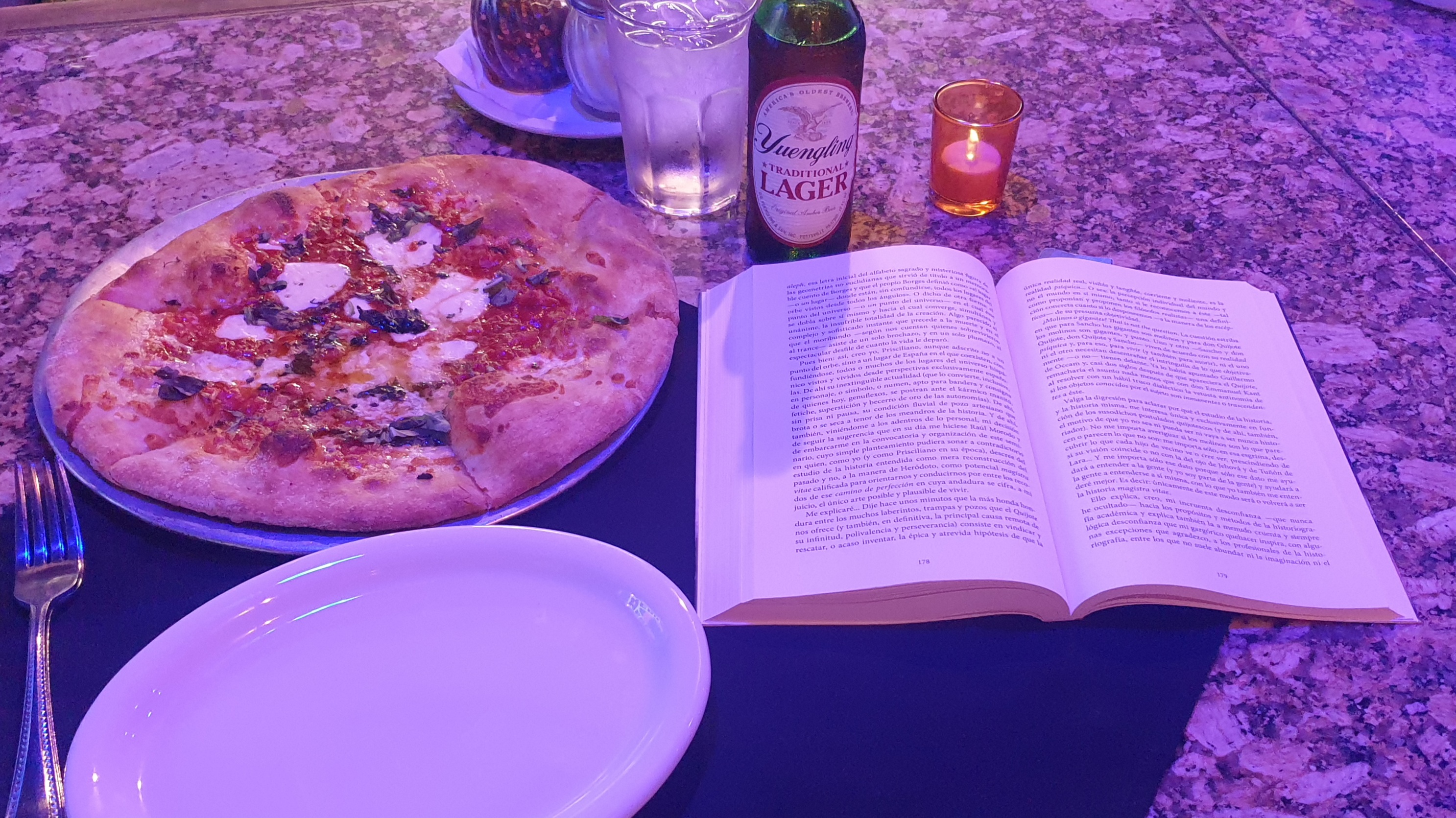
Yes, I might be mildly obsessed with the Camino de Santiago, the way of St. James, as you can see from all the posts on the Camino in this blog (go to the search feature and type Camino, I do not like to categorize the blog).
My sister, who knows me well, gave me the perfect Christmas present, a book: Historia mágica del Camino de Santiago by Fernando Sánchez Dragó.
Sánchez Dragó was a huge celebrity in Spain. For years he was a book reviewer on TV, so he was very famous. He was also a writer, winning, in 1992, the Planeta award, which is the top book award in Spain for La prueba del laberinto. “Sánchez Dragó died on 10 April 2023, at age 86, after suffering a heart attack at his residence in Castilfrío de la Sierra.” (Wikipedia)
But I had never read any of his work. My mind was blown.
The book is a psychedelic baroque explosion, dealing with all the “conspiracy theories” of the Camino. The Celtic origins of the Camino, druids, Romans, Egyptian gods, Freemasons, Solomon’s Temple, early church history, the Cluny monks, architecture, Crusaders, the walking stick used by early pilgrims, the meaning of the seashell, etc., etc.
The main argument of the book revolves around Priscillian, (in Latin: Priscillianus; Gallaecia, c. 340 – Augusta Treverorum, Gallia Belgica, c. 385, Wikipedia) Bishop of Avila who in 380 was the first heretic executed by the Church. Is he the one buried in Santiago de Compostela, and not St. James?
Of course, this is no way changes the Camino, you can think what you want about it, and, in fact all sorts of folks with all sorts of beliefs walk the Camino. This book is just a revelation as far as the history of the Camino, it brings together the early history of the region of Galicia and how the Camino came about. Like most things, the story is much more complex and nuanced than what meets the eye…

 Antonioyrocinante's Blog