About academic conferences, the Southeast Coastal Conference on Languages and Literatures.

Academic conferences were designed to share knowledge, to understand where your field stands, and where it is heading. But equally important is the opportunity they afford to meet new people in your field and to catch up with old colleagues.

This was the case at the recent Southeast Coastal Conference on Languages and Literatures hosted by Georgia Southern in Savannah, Georgia.

It all started when Grant, my mentor at UNC, who now teaches at Georgia Southern with his wonderful Sevillana wife Encarni, invited me to present at their conference. I was honored; I had never been invited to attend a conference! I had always just submitted a paper to a conference I wanted to participate in. Fortunately, I was already working on an article (you will have to wait for a post on that), so I agreed to go.

Savannah is a great place; you can read about it here.

The fact that this conference combines languages and literature means that you can learn about different aspects of language pedagogy. The Keynote speaker, Mary Risner from the University of Florida, spoke about the resources available online and innovative pedagogies and partnerships. Other great panels spoke about the study abroad experience and how to maximize it and “replicate” it in class, and so on.

My panel was wonderful. Bobby Nixon from Columbus State spoke about Spanish 70s horror films based on Becquer’s poetry, Adrianne Woods presented about the theatre of Buero Vallejo, and I presented about my main man, Isla, and the expulsion of the Jesuits from Spain.

But, as I mentioned earlier, the best part of conferences is reconnecting with old friends and colleagues. The evening’s reception was held at a great venue, a food truck plaza called Starland Yard. It was great to see dear friends from UNC and to meet new folks.

So, if you get a chance, write a paper and present it at a conference!! You are welcome.

On the importance of academia, presenting at conferences, a return to UNC Chapel Hill

Yes, there are a lot of problems with academia, the ivory tower and all that. But at its core, it is still important, necessary, even critical I would say.

It has to do with research, discovery and then sharing that information. I was blessed to be able to participate at this year’s Carolina Conference for Romance Studies, It was great! I had some issues getting to Chapel Hill (but that merits its own post).

Living in 2 season Florida (dry, warm, and wet, and humid) it was fantastic to feel Spring, cool in the morning and evening and warm during the day. I was grateful for Spring! Plus everything was blooming and it was just so beautiful!

My panel was fantastic, well attended, and with great questions. I presented on a little-known 18th C. Spanish book: Los aldeanos críticos. My colleague presented on Galdós, so it was exciting. Other panels I attended were brilliant. During drinks that evening, I had great conversations about Zola with an old classmate and Posthumanism with the conference’s keynote speaker (expect a post on that also).

I also managed to see old professors and friends, even to sneak into the Ackland museum and bask in Carducho, Picasso, and all the other artists, to visit old hangouts; YoPo for frozen yogurt, and Zogs for drinks!

So my mission was accomplished, I was incredibly happy and satisfied with it!

How do you measure teaching performance?

You do not have to dig too deep to realize that a -or the- key factor in the situation of the planet today boils down to education. We are polarized politically: education, we have massive environmental challenges: education, there is disparate wealth distribution: education, and so on, and so on. Education is not only my métier, but also something I obsess over; how can I improve my craft? How can I improve my school? How can I better serve and teach my students?

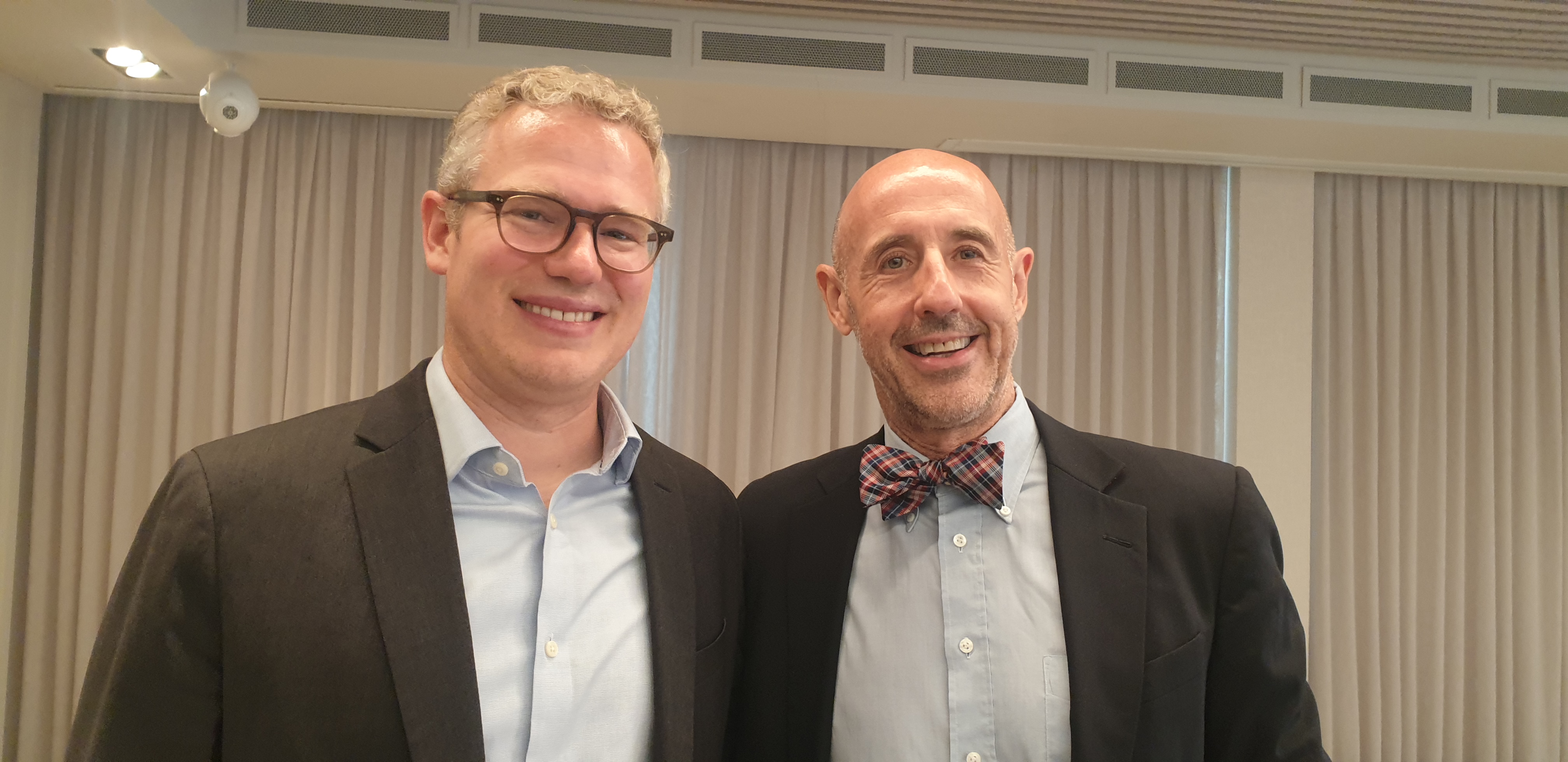
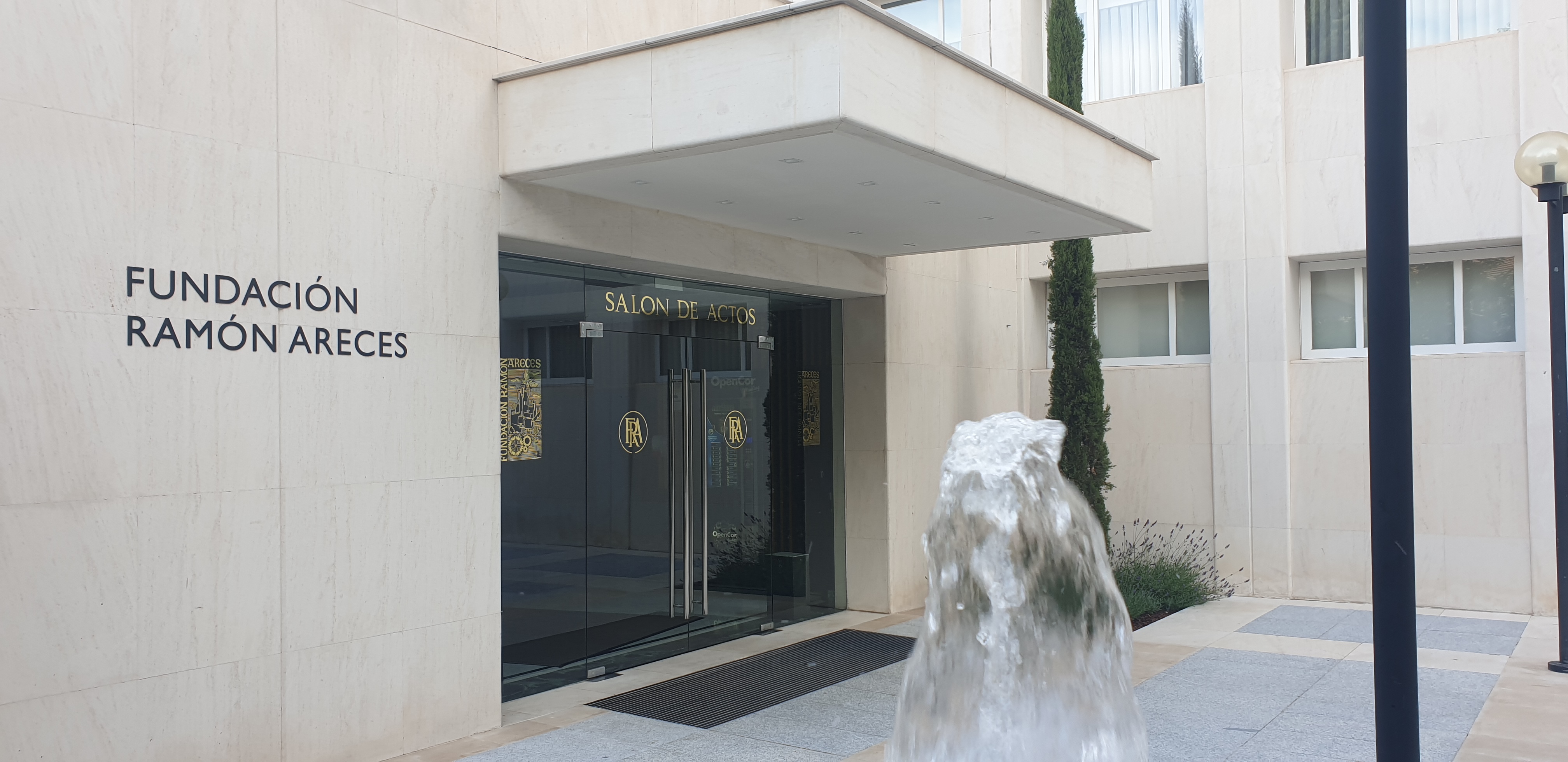
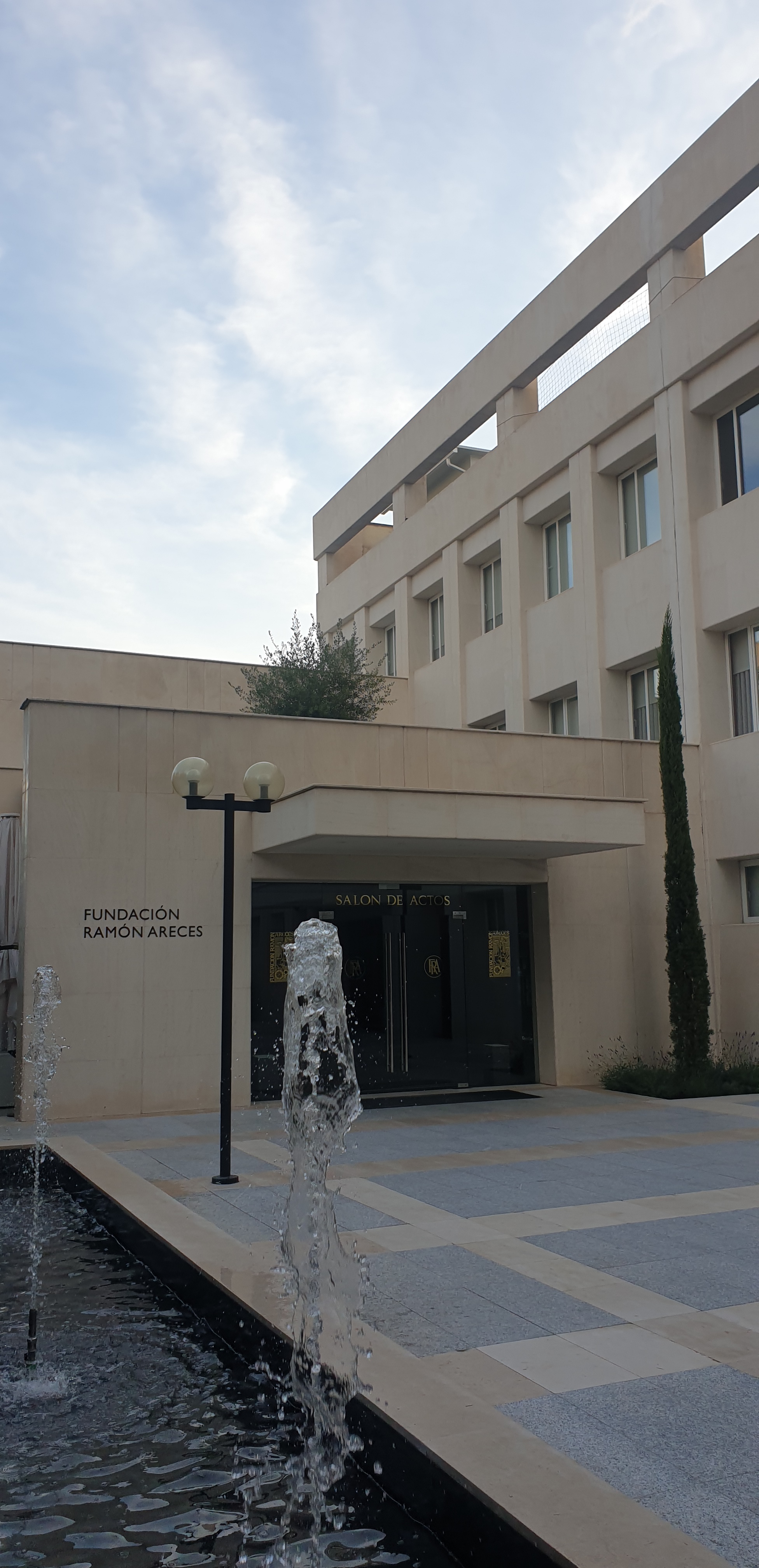
I recently had the opportunity to listen to Prof. Matthew Kraft from Brown University deliver a conference on the topic: “Lessons from a decade of reforms on the teacher evaluation system in the US”. The conference was held at the great Fundación Ramón Areces in Madrid.

This foundation dedicated exclusively to the promotion of science in all its aspects is the non-profit of the Corte Ingles retail giant. They are constantly inviting guest speakers, organizing conferences, funding research and scholarships, etc. The Fundación has a great building in the leafy residential Viso neighborhood of Madrid.

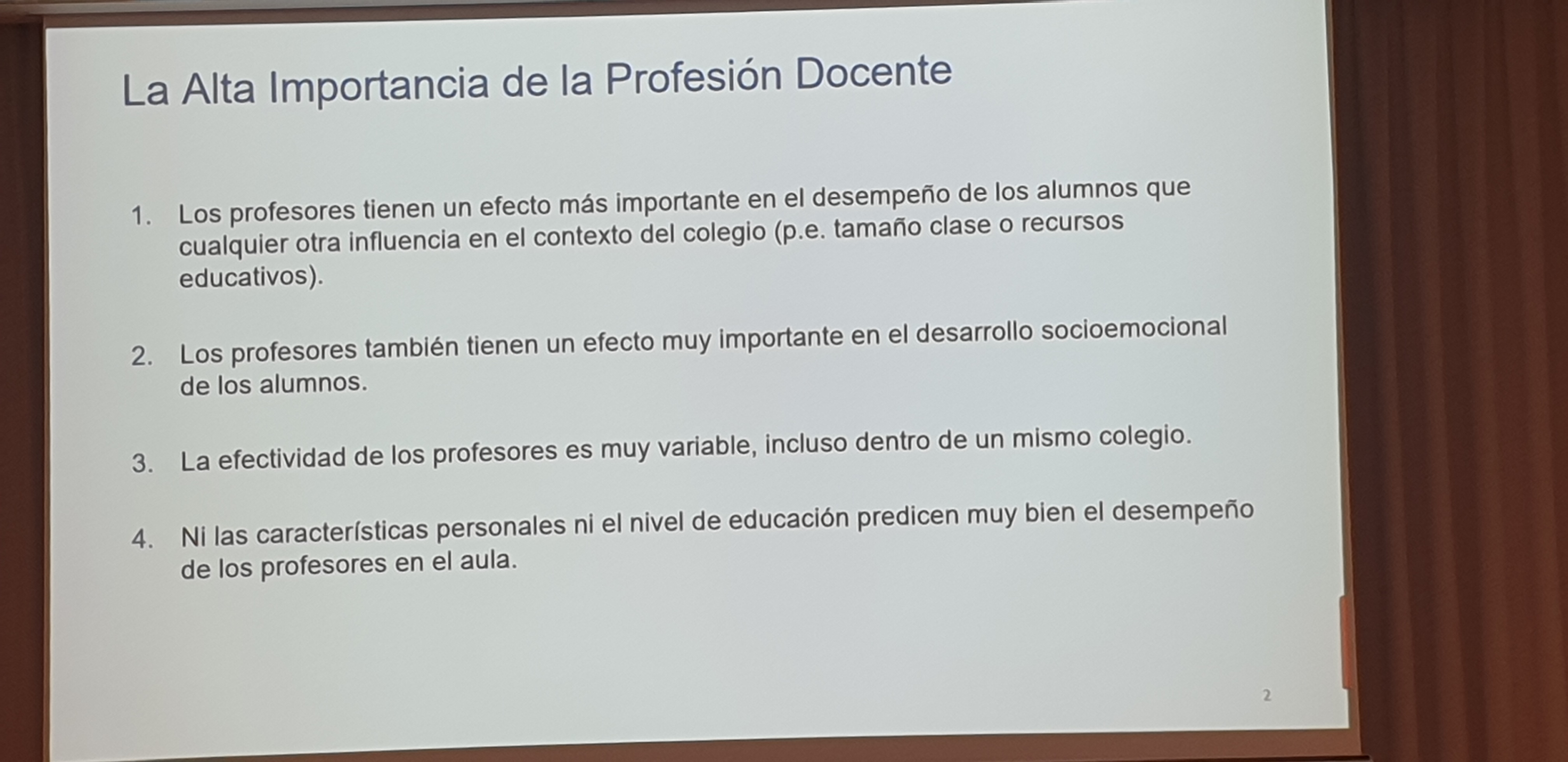
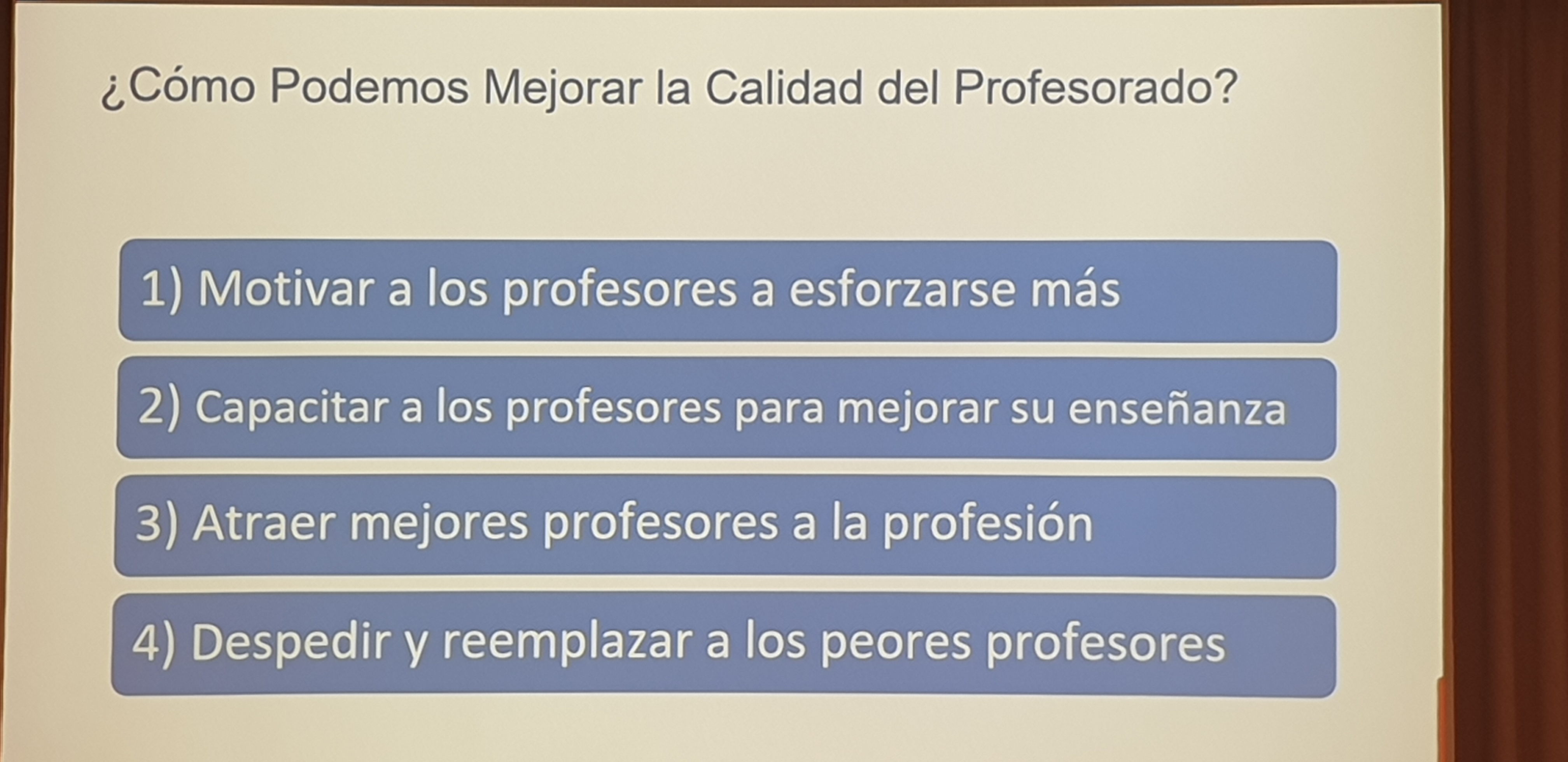
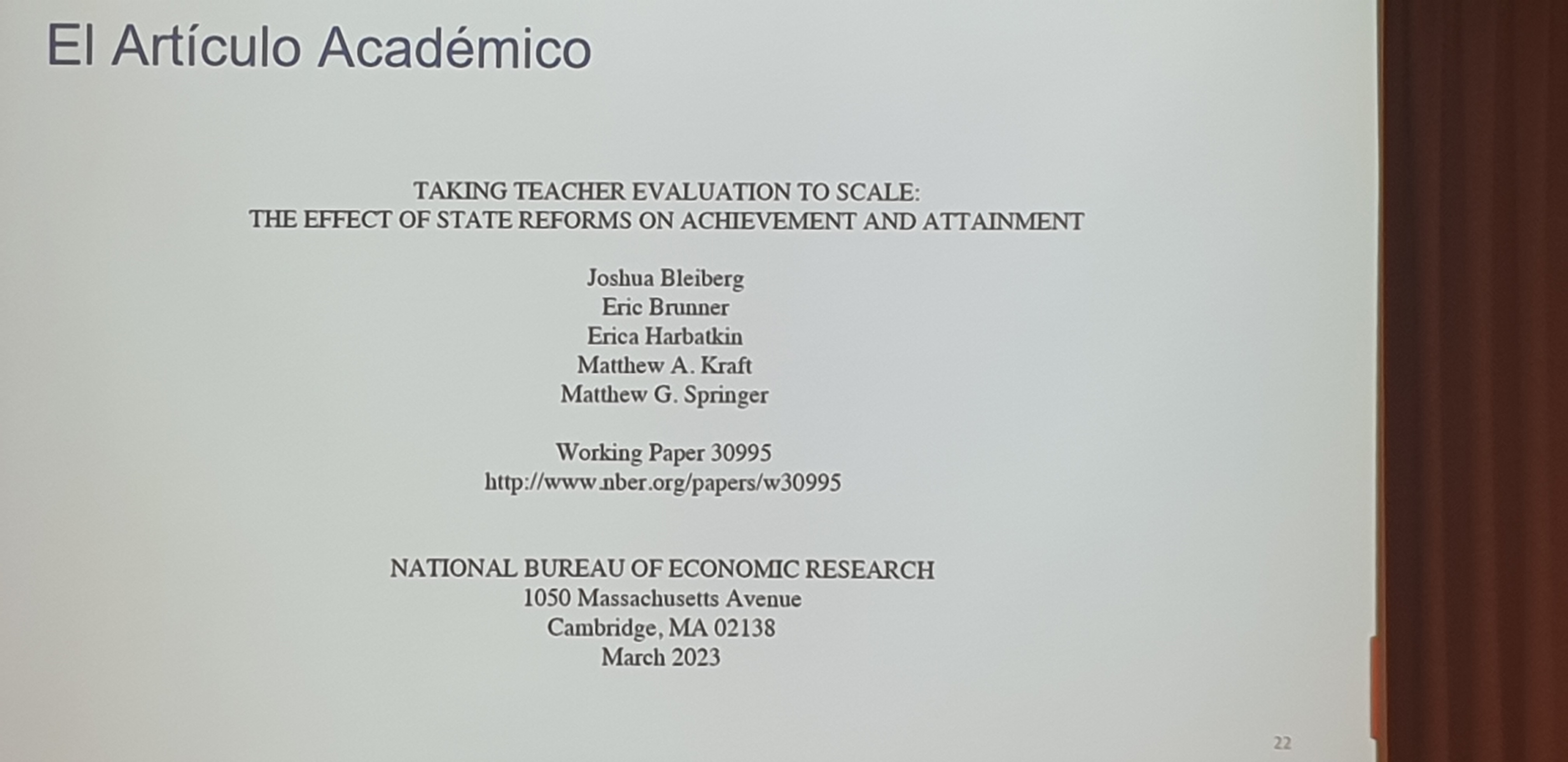
Prof. Kraft spoke about the sad failure of Obama´s “Race to the Top” education program from the standpoint of teacher evaluations in the public high school system. (You can check out some of the slides, and a link to the conference, and the data below if you want the nitty gritty).

At the end of the day, Kraft’s conclusions are that we need to not just focus on teacher evaluations, but on the whole school ecosystem if you want success. Key takeaways are the importance of mentors and coaches for teachers, as well as focusing on the health of the school’s culture and environment. Kraft pointed out unseen factors like the importance of socioemotional wellbeing, in school performance.

It was great to hear Prof. Kraft’s holistic and organic approach to improving education – from a hard-core quantitative data background! something we continue to learn and to implement, and something politicians and school administrators need to appreciate.

Oh, some tidbits: Prof. Kraft did his whole presentation in perfect Spanish! He mentioned The Widget Effect published in 2009, as well as Time magazine Dec. 8, 2008 article How to Fix America’s Schools

The full conference