
Which Camino: Francés, Norte, Primitivo or Aragonés?

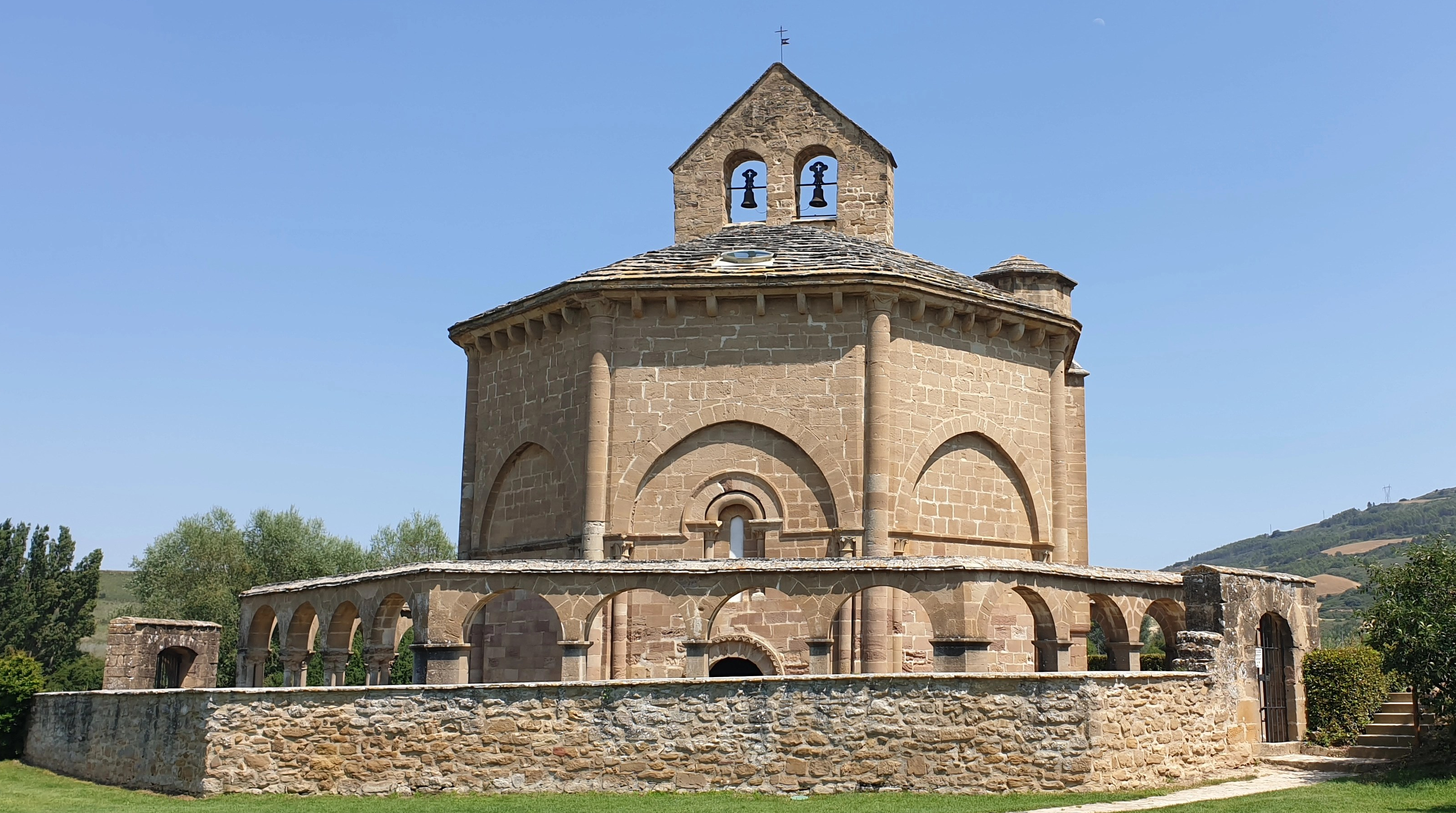
Having just finished my 4th Camino, the Aragonés, here is a bit of a comparison between the Francés, Norte, Primitivo and Aragonés to build on my previous analysis of the Francés and Norte (click here for that post):

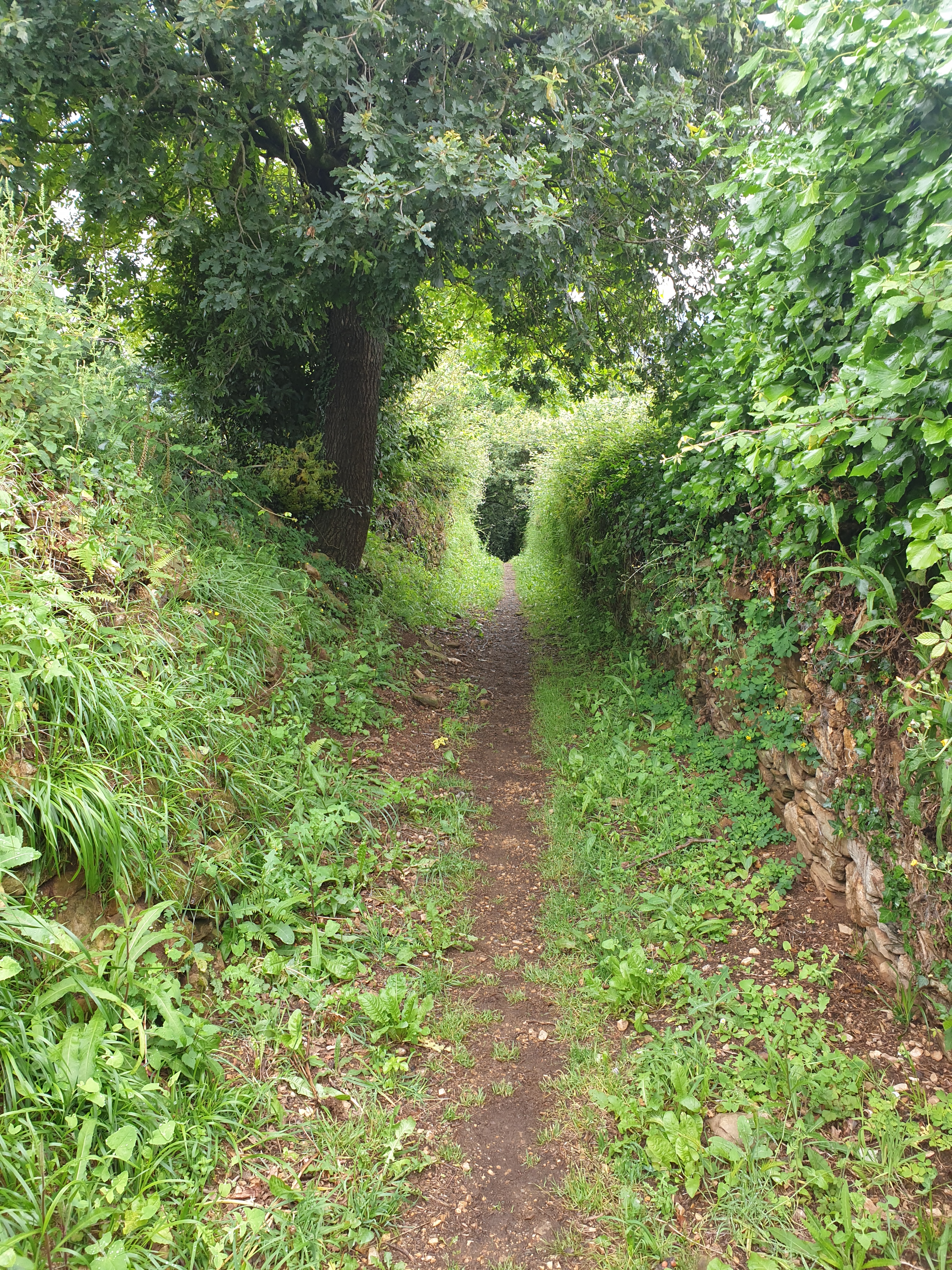
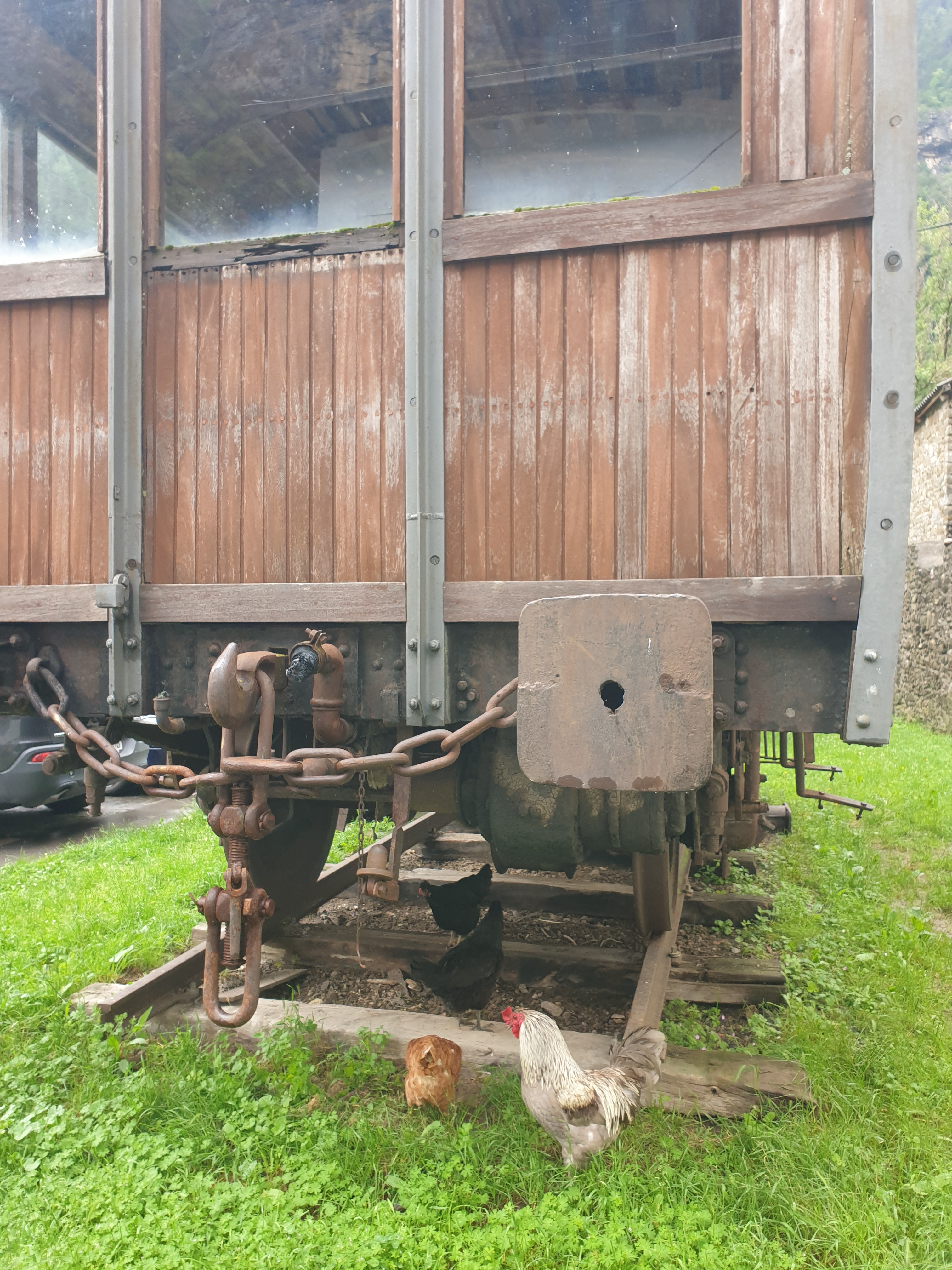
I loved the Aragonés! It is wild and beautiful, we were very few pilgrims on the trail -about a dozen or so, most days I did not bump into any pilgrims! There are very few albergues and they are stage distance apart (with few exceptions), so we were the same pilgrims every evening at the end of the stage.

At around 7 days before it joins the Francés at Puente la Reina, it is a bit short. That is the worst thing about the Aragonés.

My all time favorite so far is the Primitivo due to the rugged beauty and the three days right in the middle which are quite hilly and “uncivilized.” It lacks the “spiritual” component of the Francés but makes up for it in natural beauty. At around a dozen days from Oviedo to Santiago it is a perfect “full” Camino.

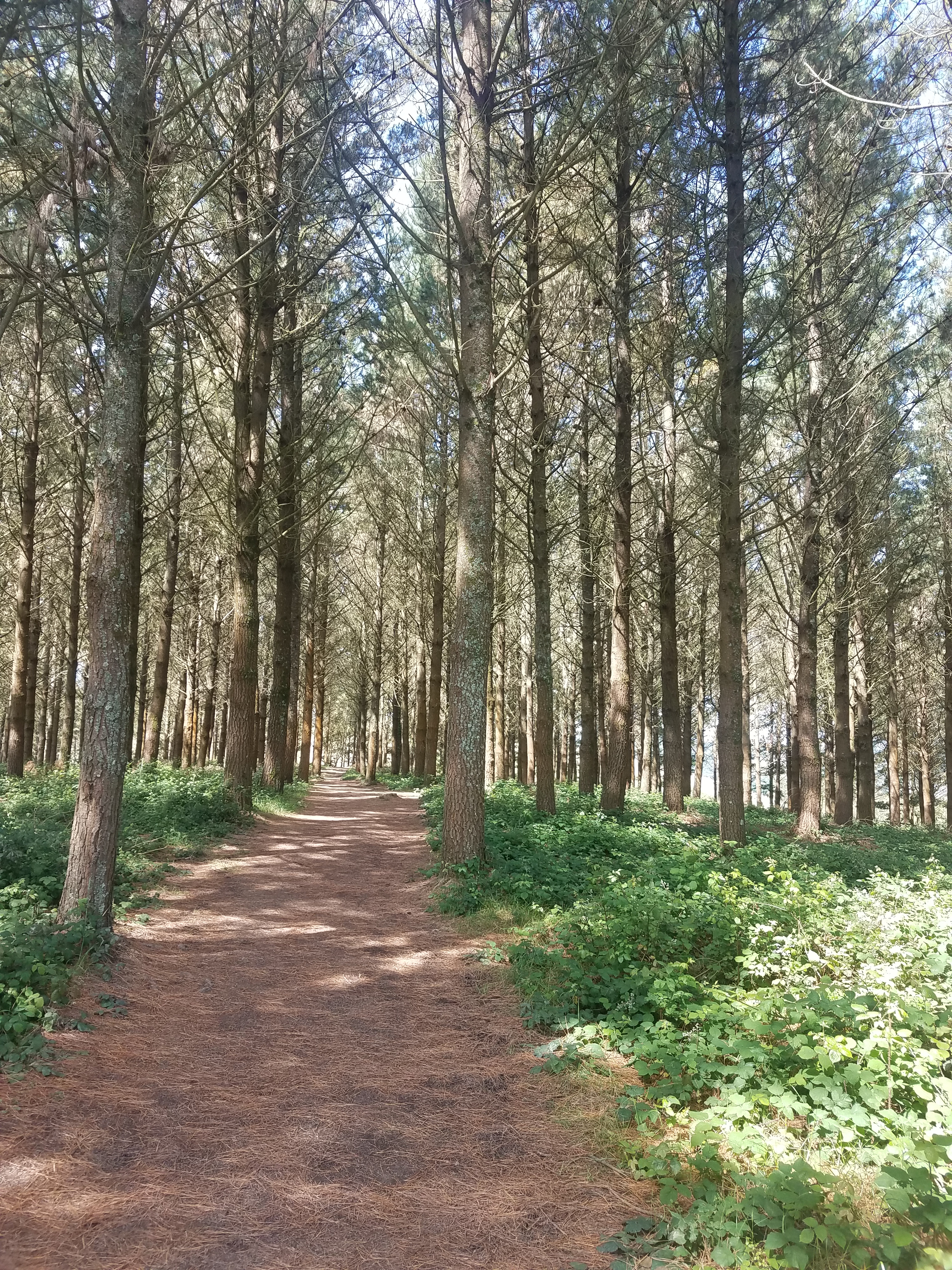
The Norte is canonically the most beautiful: beautiful beach, beautiful forest, San Sebastian, beautiful beach, beautiful forest, Bilbao, beautiful beach, beautiful forest, Santander, Gijón… you get the idea. Plus, the food. While popular, this route still has far fewer pilgrims than the Francés.

The Francés is like Classic Coke: the most popular, the best known, the oldest (not really, just in modern terms, it was the first one to be rehabilitated in the 80s), and it is the most spiritual: most churches are open -unlike other Caminos, the change of orography makes this Camino “feel” longer. And the cities, with their Gothic cathedrals are impressive: Pamplona, Burgos, and León.
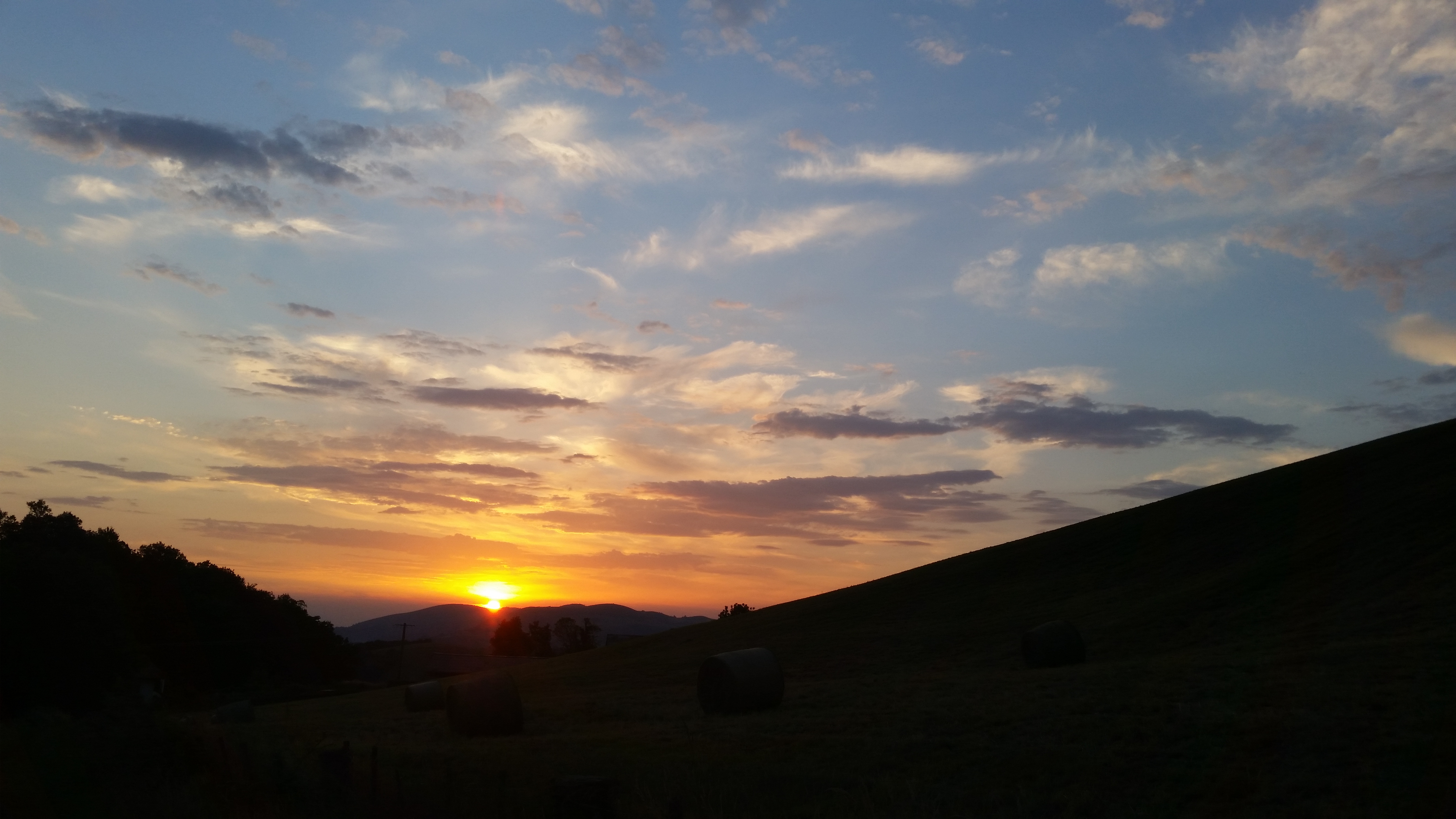
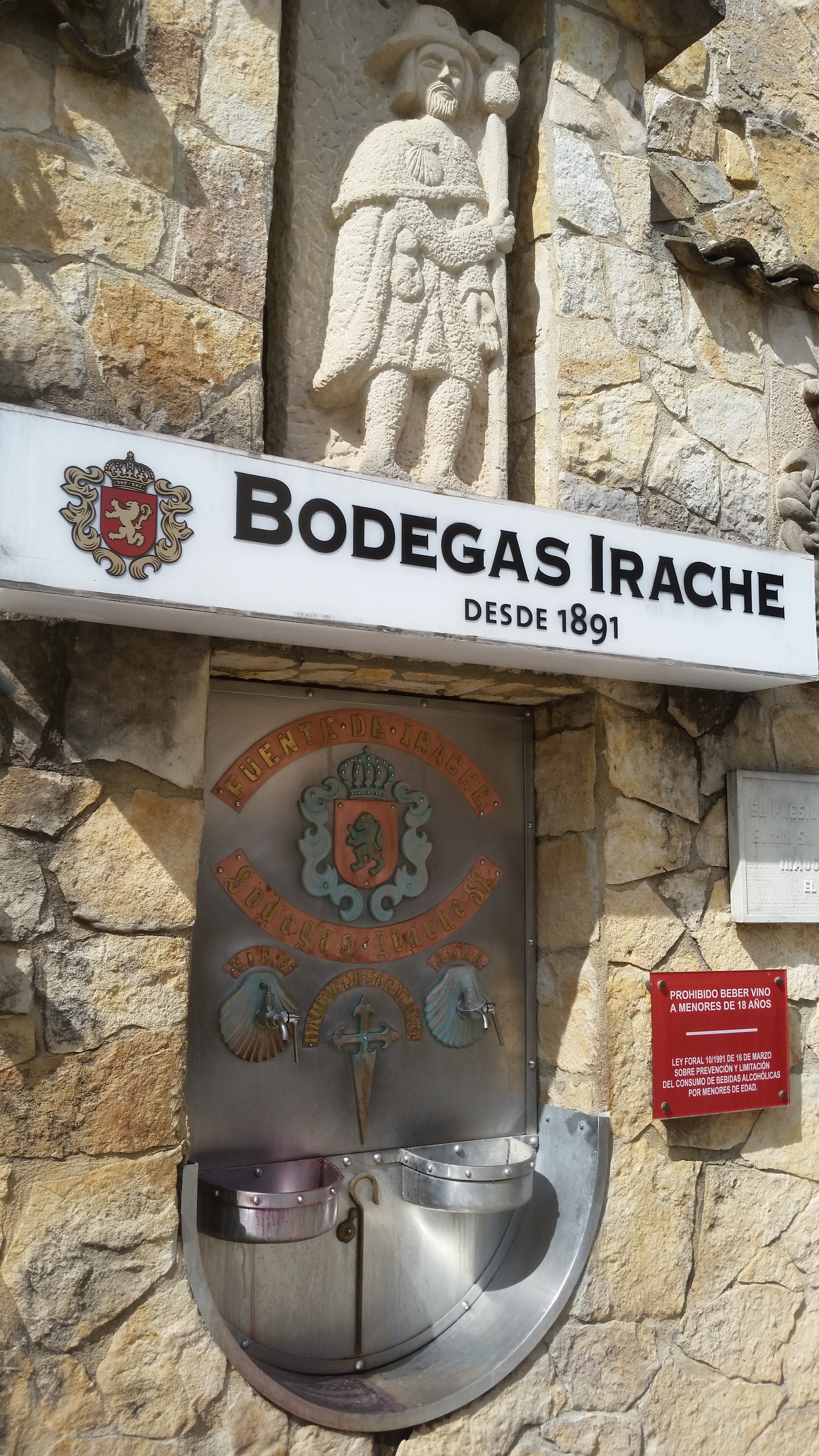
So, my ranking for now is: 1, Primitivo, 2, Aragonés, 3, Norte, and 4, Francés. Of course, you could start your Camino with the Aragonés and then hook up with the Francés, but you would miss crossing the Pyrenees, and the Navarra hills to Pamplona. On the other hand, by then the early crowds will be a bit more spread out…

Yes silly, of course I am thinking of next year’s Camino, but you will have to stay tuned to this blog for more!

Which shoes to wear on the Camino

Shoes are arguably the most crucial element in your Camino kit. You are going to walk many hours a day for many days. The number one issue with pilgrims is blisters. You have been warned.

I am really excited to walk my third Camino this Summer, and I needed new shoes. For my first Camino I used Salomon XA Pros, and they were formidable I did the whole Camino with nary a blister (I might have gotten a couple of “hot spots” -pre-blisters- but never developed full blisters).

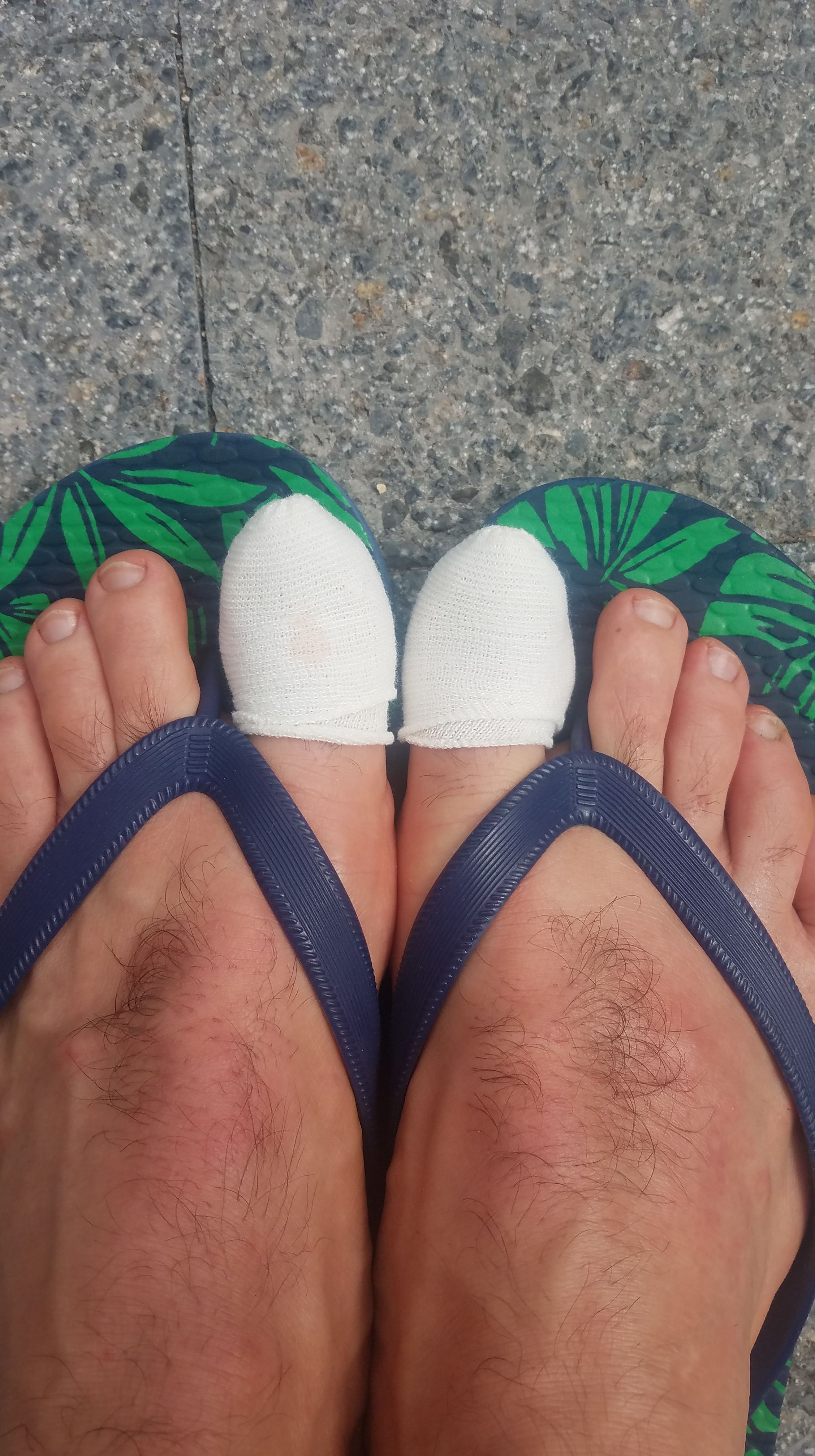
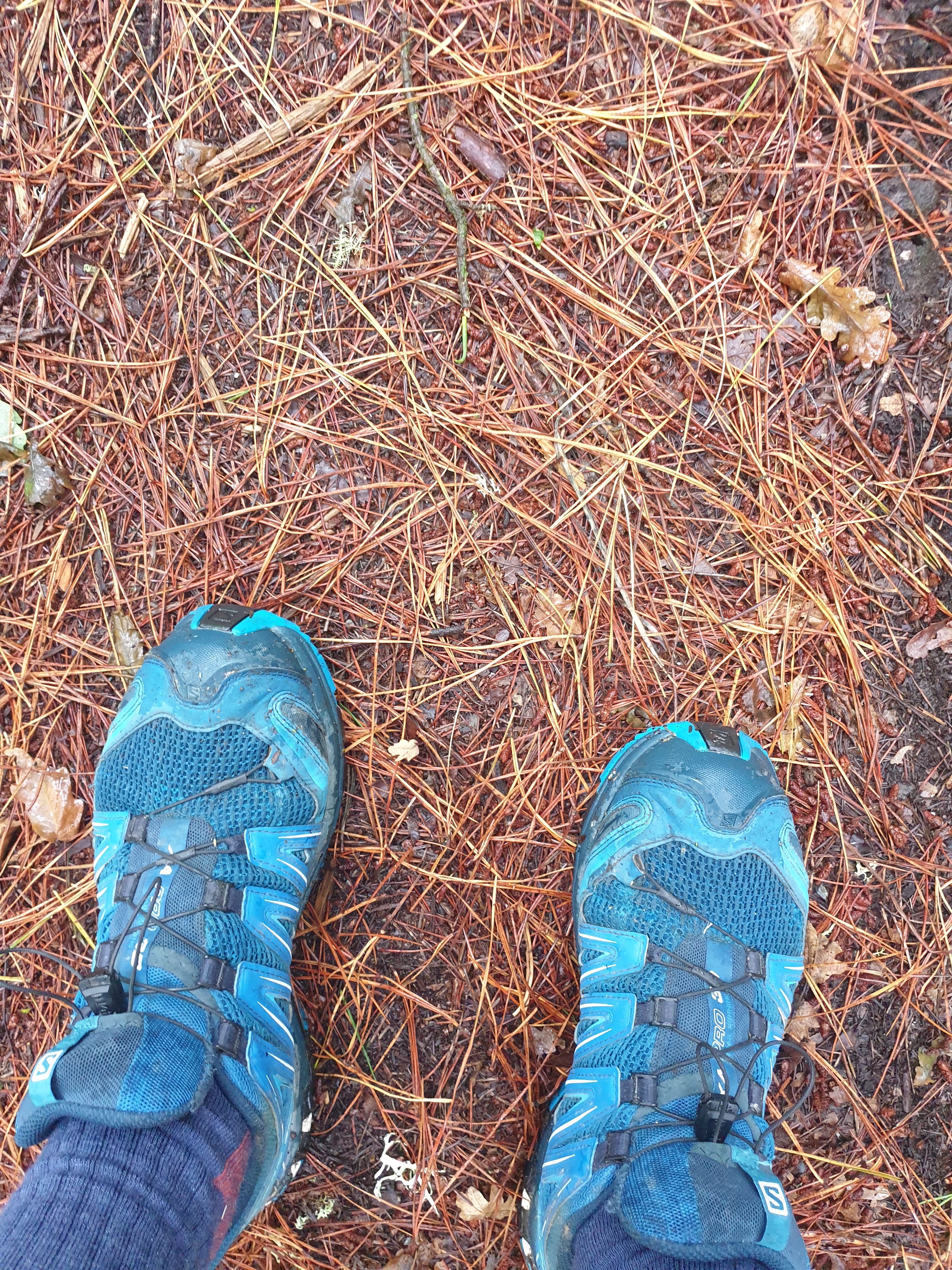
For my second Camino I chose the same shoe, only newer model in bright blue. Unfortunately, these did not perform as well as the first pair, and I ended up losing both my big toenails, twice (yes my toenails were cut very short, but wet feet in a steep downhill are going to slide). If you have never lost your toenails, it is not painful, but it is a bit of a nuisance, and they take almost a full year to grow back out.

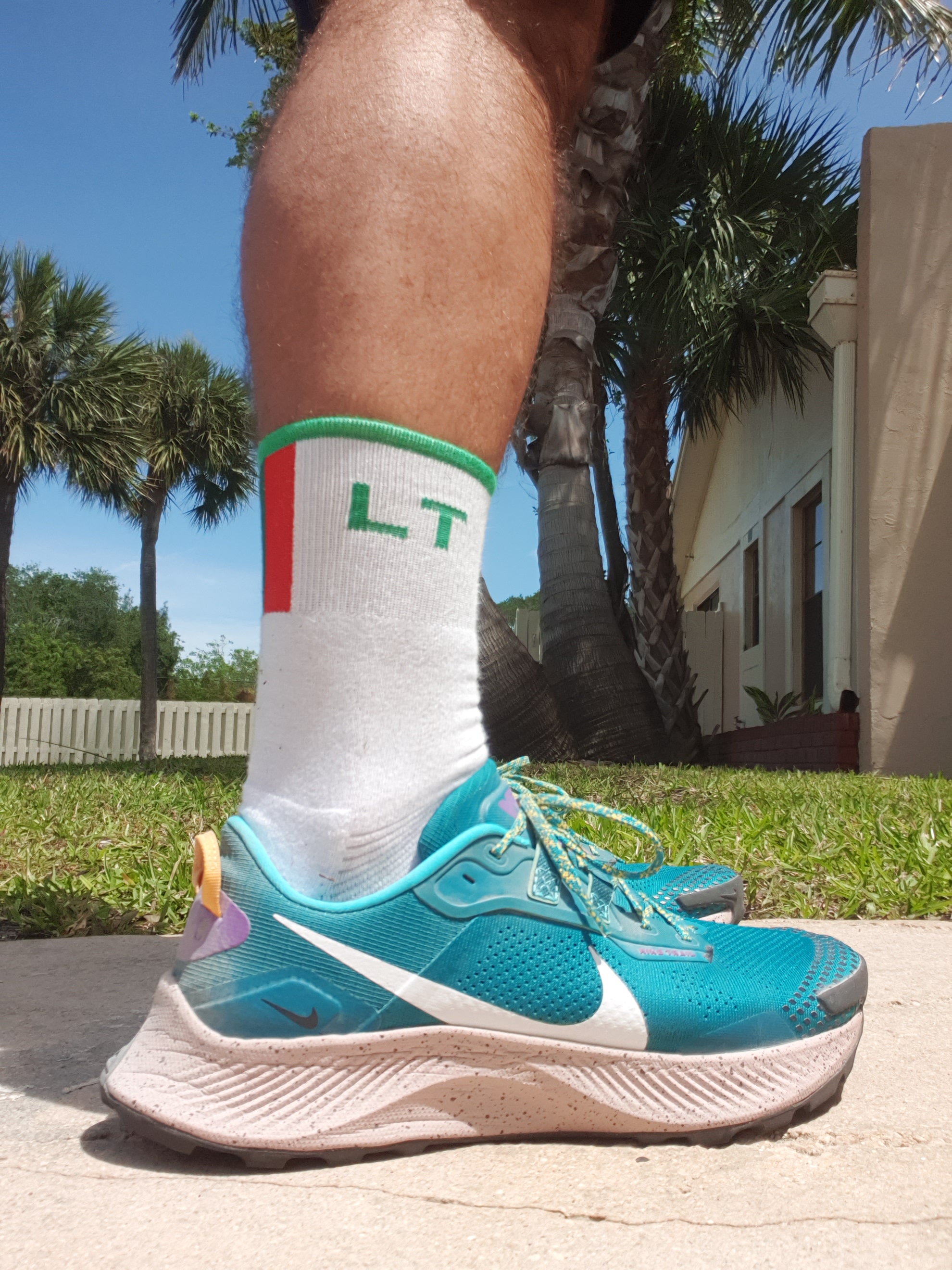
This year I did my homework. I did a comparative spreadsheet checking out a few internet websites. (attached) –it is in no way comprehensive, or professional– it is just a few references from a few random running shoe websites. Once I had my ranking, the move was to find the best price, that is where the Palm Beach Outlets come into the picture. New Balance, Nike, and Asics all have shops there, and the Nike Pegasus Trail 3 came in as the best ranked at the best price. I “broke in” the Nikes during Easter break and loved them! I will give you a full report after my Camino…

Here are a few pointers on Camino shoe buying:

  • Unless you are doing the Camino in the Winter, you do NOT need boots. Most pilgrims walk in the warmer months, and you do not want your feet baking inside of boots.
  • I once met a very bright German pilgrim; PhD in math, an internet startup in Berlin in their fourth round of capitalization… but his feet looked like steak tartare from wearing Alpine hiking boots!!
  • On the other hand, you do not want to wear sneakers/running shoes/tennis. They are not designed to pound the ground for miles with a backpack on, and you will also soon develop blisters.
  • The ideal shoes are trail running/hiking shoes. They are designed for this kind of thing.
  • When you are at the shop, with the laces undone, inch your foot all the way forward, you should be able to put a finger between your heel and the shoe. This means that your shoe should be half a size to a full size bigger than your “normal” shoes. Your feet will expand when walking for hours every day.
  • Gore-Tex or no Gore-Tex? When it rains, your feet will eventually get wet, Gore-Tex or not. So, I opt for NO Gore-Tex, this way when it is not raining my feet will breathe, and when it rains, they will get wet either way. Remember if you are in the Gore-Tex club you are going to have to stop and take your shoes and socks off every so often to let them breathe a bit. A rhythm busting nuisance when you are walking.
  • Soles: the terrain you are going to walk on is going to differ vastly from long stretches on tarmac (yuck) to grassy fields, but most of your walking is on dirt tracks, so you do not need a super aggressive pattern (unless again, you are going to walk in the mud of winter)
  • Once you have your shoes, make sure you break them in. Try to walk at least a few miles with your new shoes in order to avoid any unwelcome surprises.
  • Your feet do most of the work on the Camino so make sure you take care of them! Remember to have your toenails cut very short.

A whole blog post could (and might) go into socks. For the time being remember wool and no stitching…