Identify and leverage your resources. A trip to see the Dutch Masters.

I write a lot about teaching hacks and do this, and do that, but at the end of the day, you can summarize my hacks and advice into one: recognize and identify your resources and then leverage them.

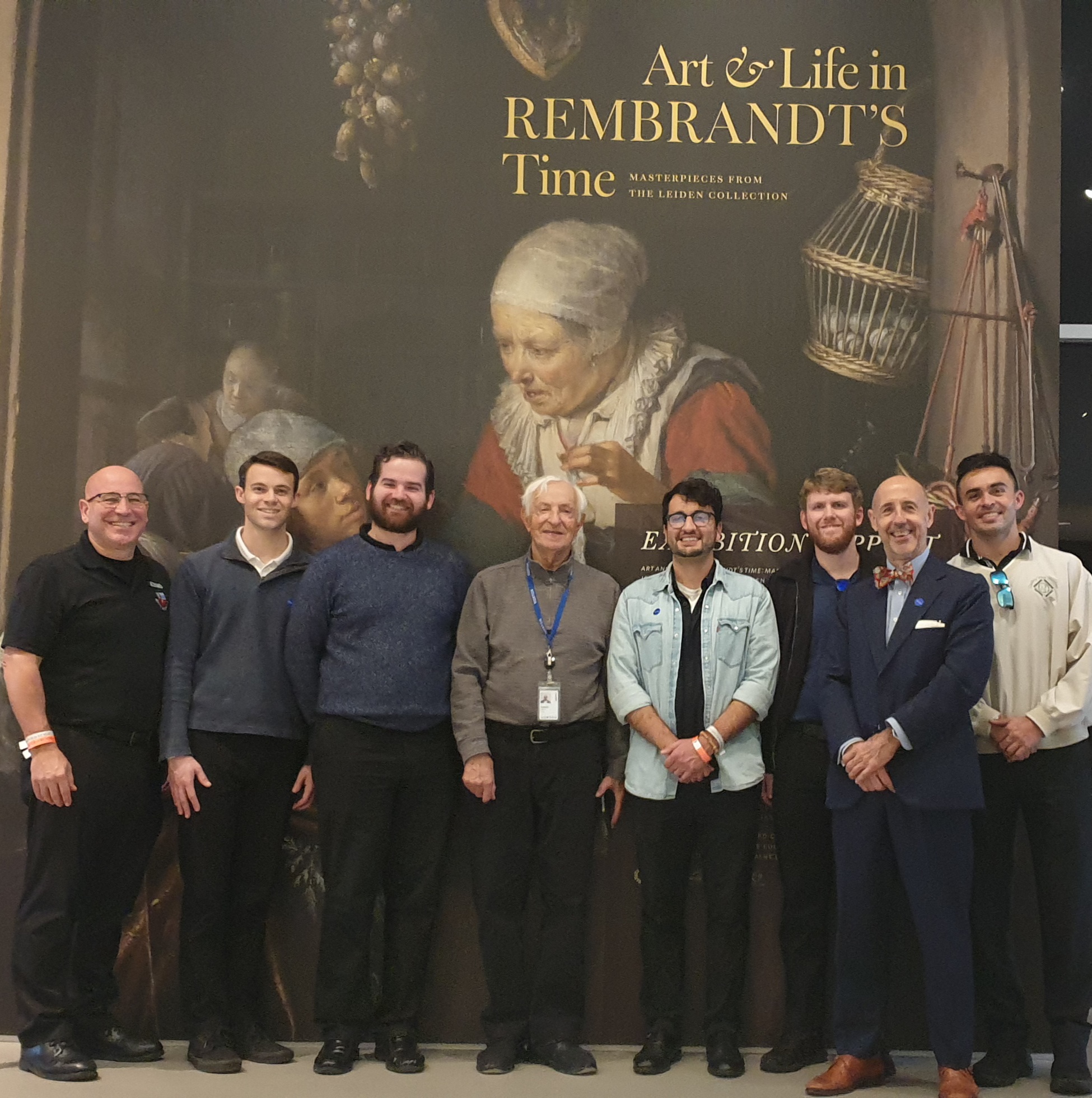
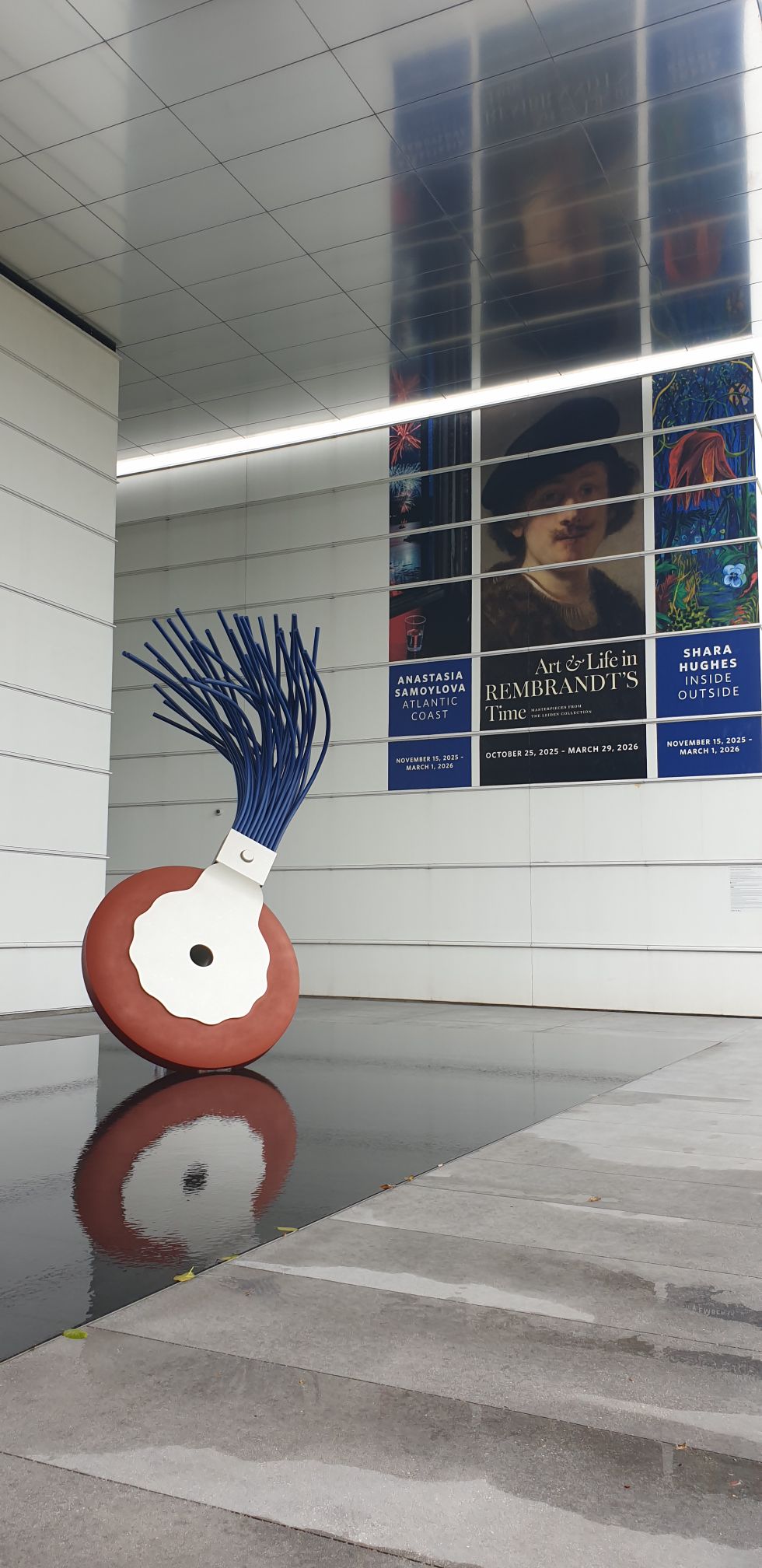
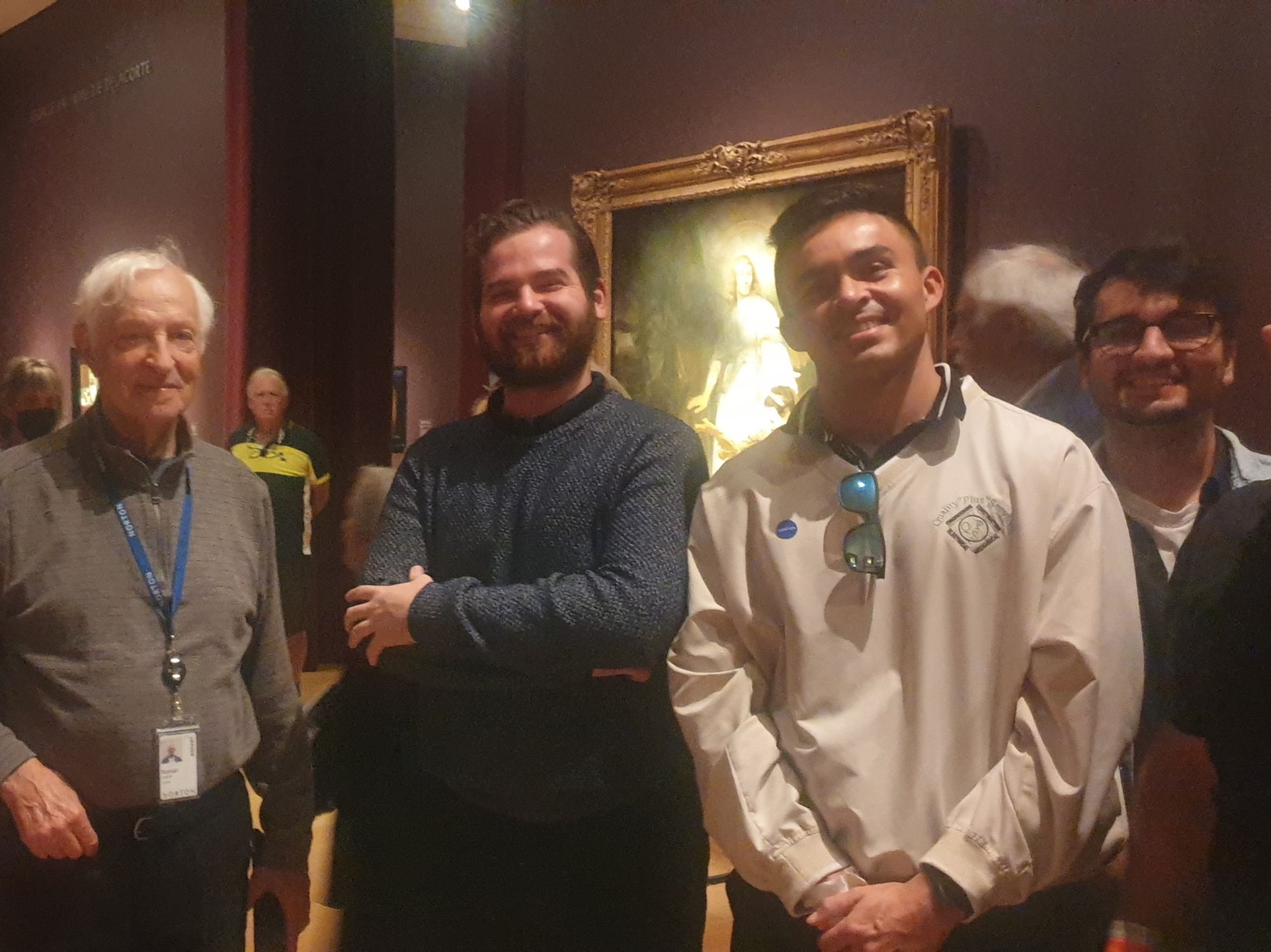
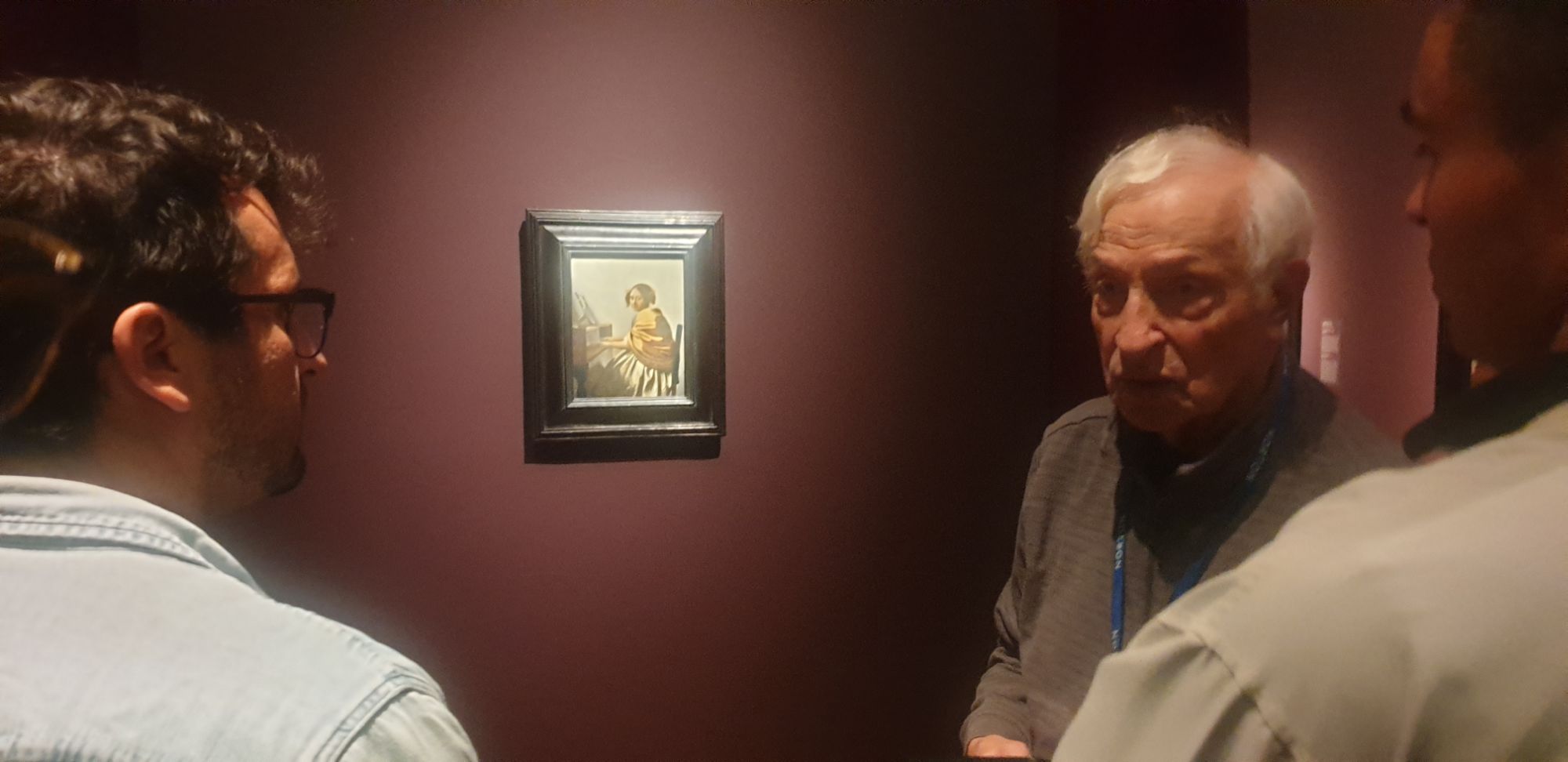
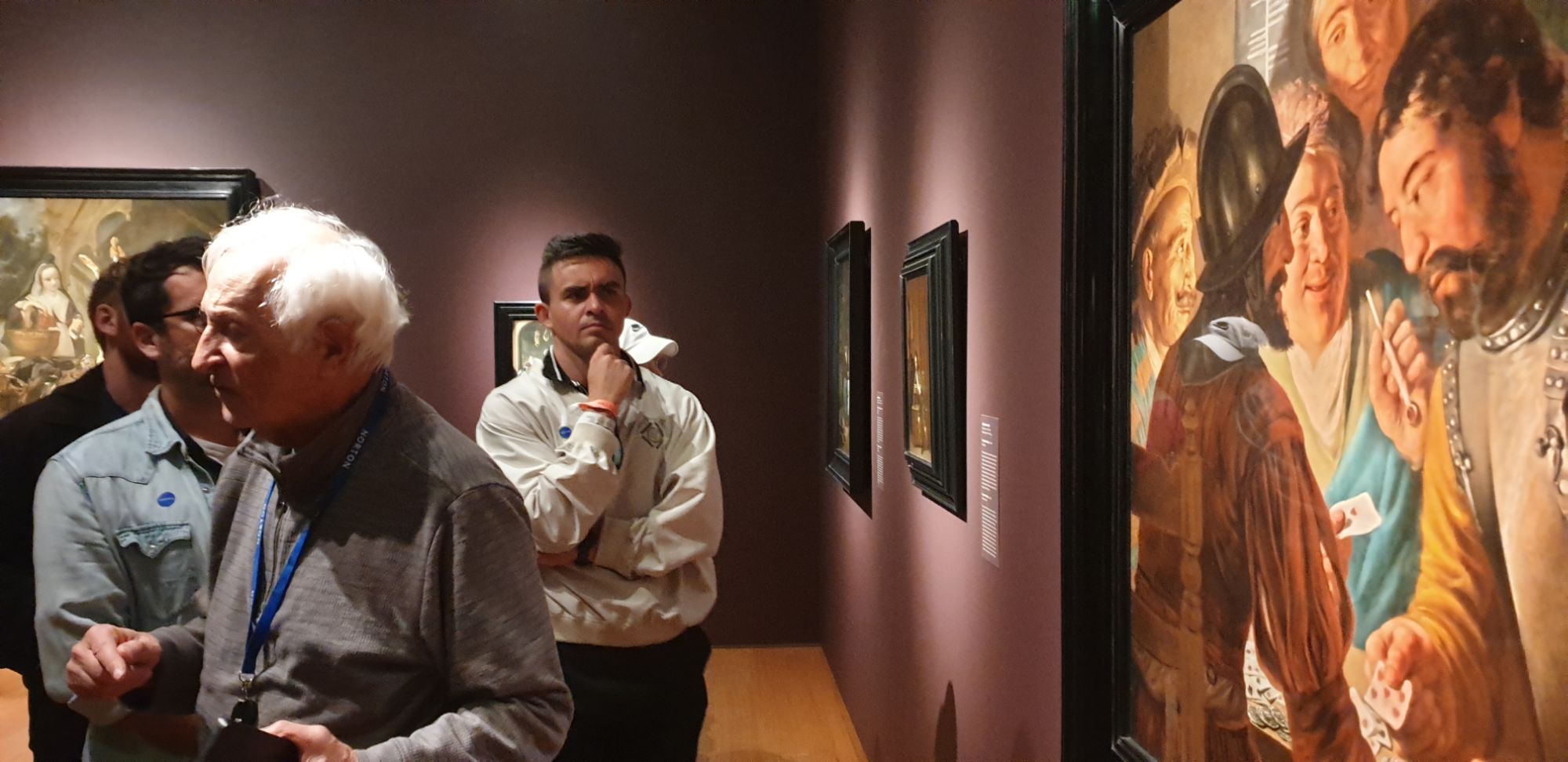
If you read this blog, you know I recently loved the exhibit of the Dutch Masters at the Norton Museum. The Dutch Masters beautifully portray the chiaroscuro, tenebrism, emotion, color, and realism that characterize the Baroque. Since we are currently studying the Baroque in our Advanced Spanish class, this exhibit was a perfect excursion for us to better understand this movement, period, literature, and art.

After clearing all the permissions and bureaucratic hurdles, off we went to the Norton in West Palm Beach and loved it!

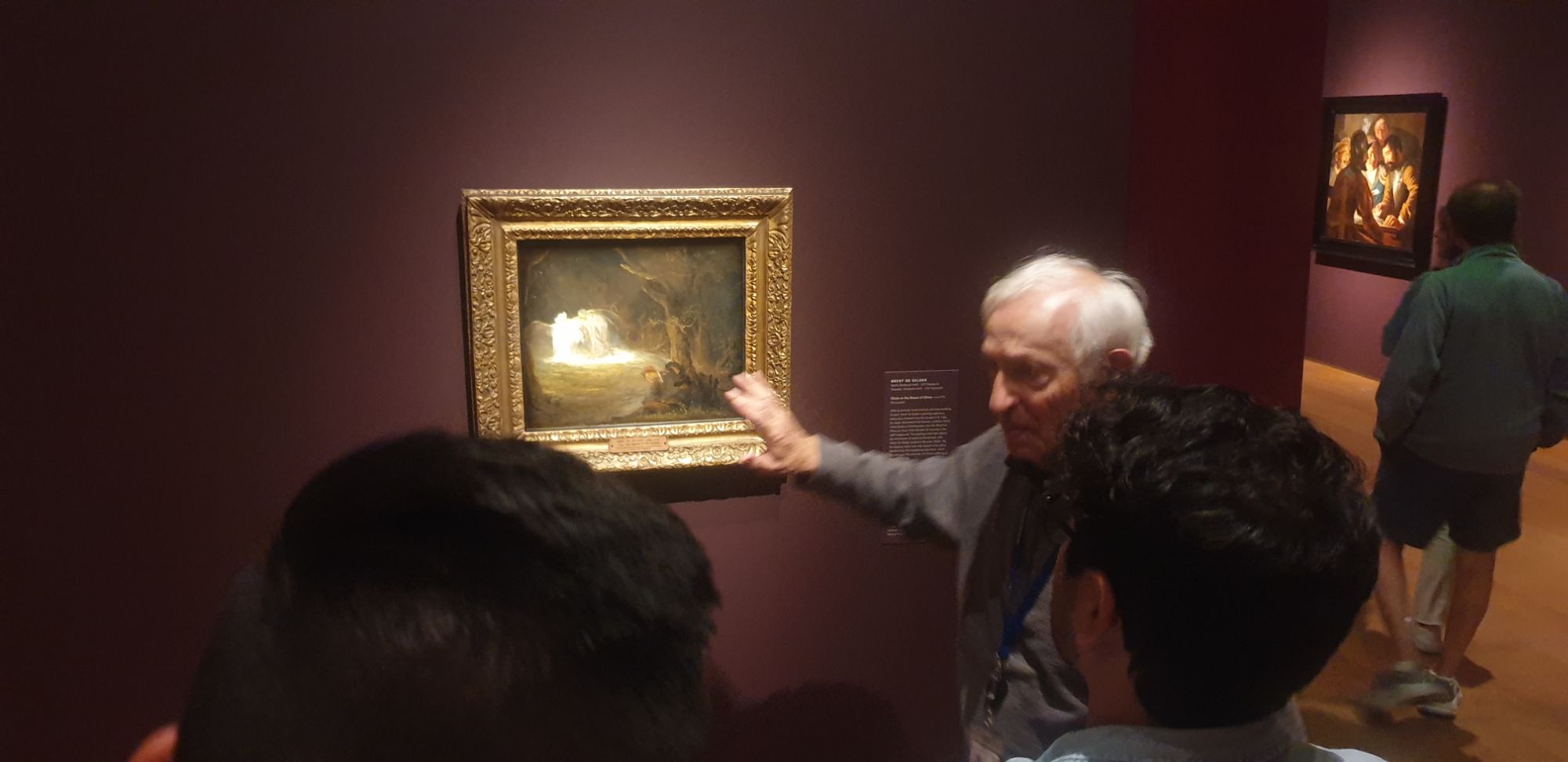
Roman, a sweet retired Polish fellow, was our patient and generous docent. He was knowledgeable and understanding. The students answered all the questions Roman asked about Biblical stories, and we all enjoyed the visit.

If you have the blessing, privilege, and responsibility of being a teacher, find your resources and lean on them. You are welcome.

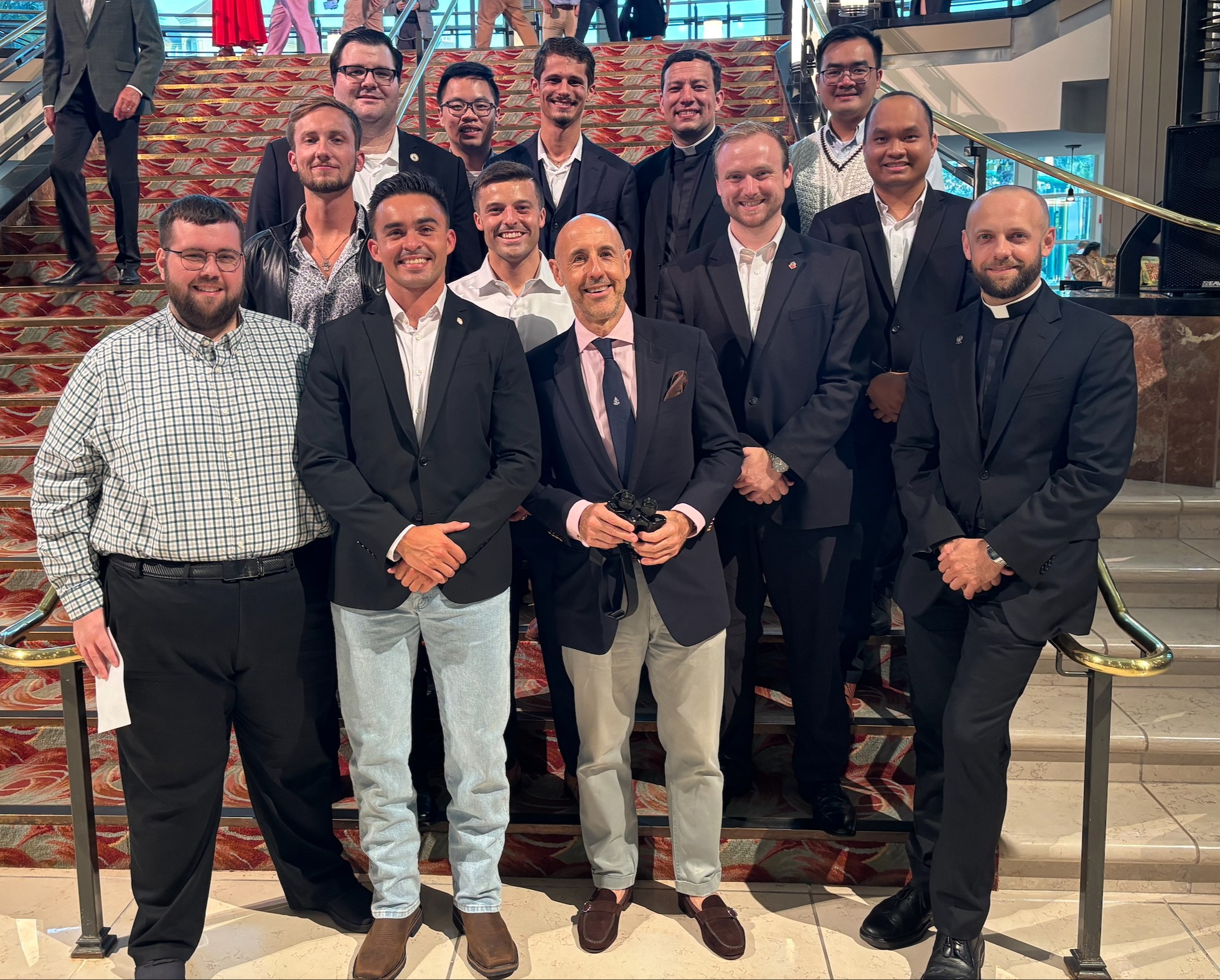
Teaching beyond the classroom; a night at the opera.

If you are a teacher, you are not only teaching your subject matter: you are teaching your behavior, your attitude, your presentation. More importantly, you are teaching your whole field. So, if you are teaching a science, then you are teaching the whole scientific method. In my case, I am not only teaching language, but I am also teaching culture, diversity, and the humanities.

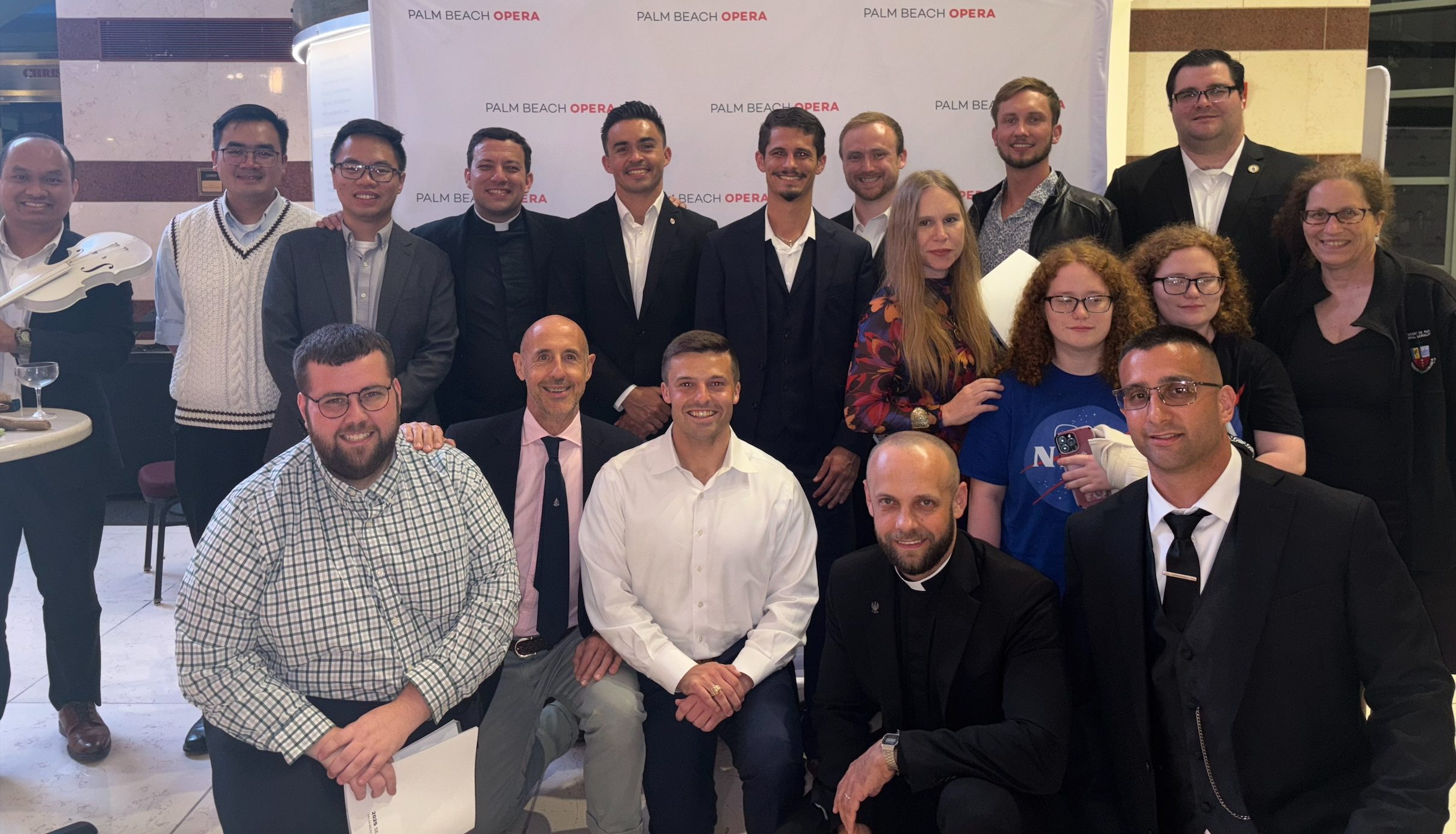
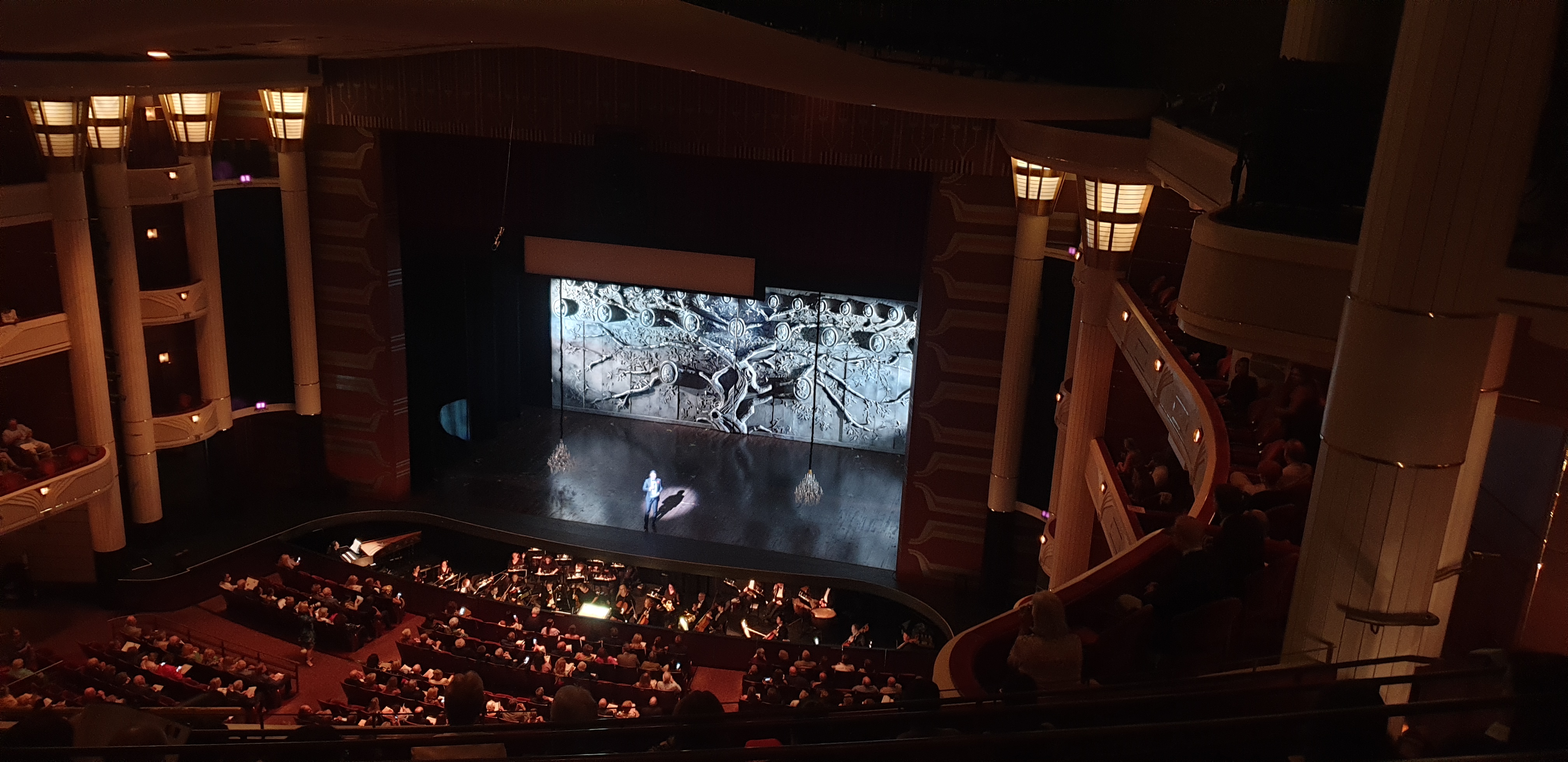
With this excuse, the Philosophy faculty and I recently arranged a field trip to the Palm Beach Opera’s Marriage of Figaro. It was fantastic. For most of the students (if not all), this was their first time at the opera, and they were pleasantly surprised. The key takeaway is that the students appreciate a new art form for them, understanding the beauty of art. Especially an art where the artist is the instrument, so no two can ever be the same!

Unlike, say, The Magic Flute, Mozart does not have any blockbuster songs in this opera, but the whole thing is very melodious and easy to enjoy. The story is funny but moralistic -this is the Enlightenment after all! So the students were never bored; they were able to enjoy the story and the music. Coincidentally, we had just studied the Enlightenment in class, reading Benito Jeronimo Feijoo, so to see the students making connections is extremely rewarding. Mission accomplished.

If you have a chance to have your students make connections outside the classroom, across different fields, let them rip! You are welcome.

Here are two of my favorites, Cecilia Bartoli and Renée Fleming, doing one of the more famous duets: