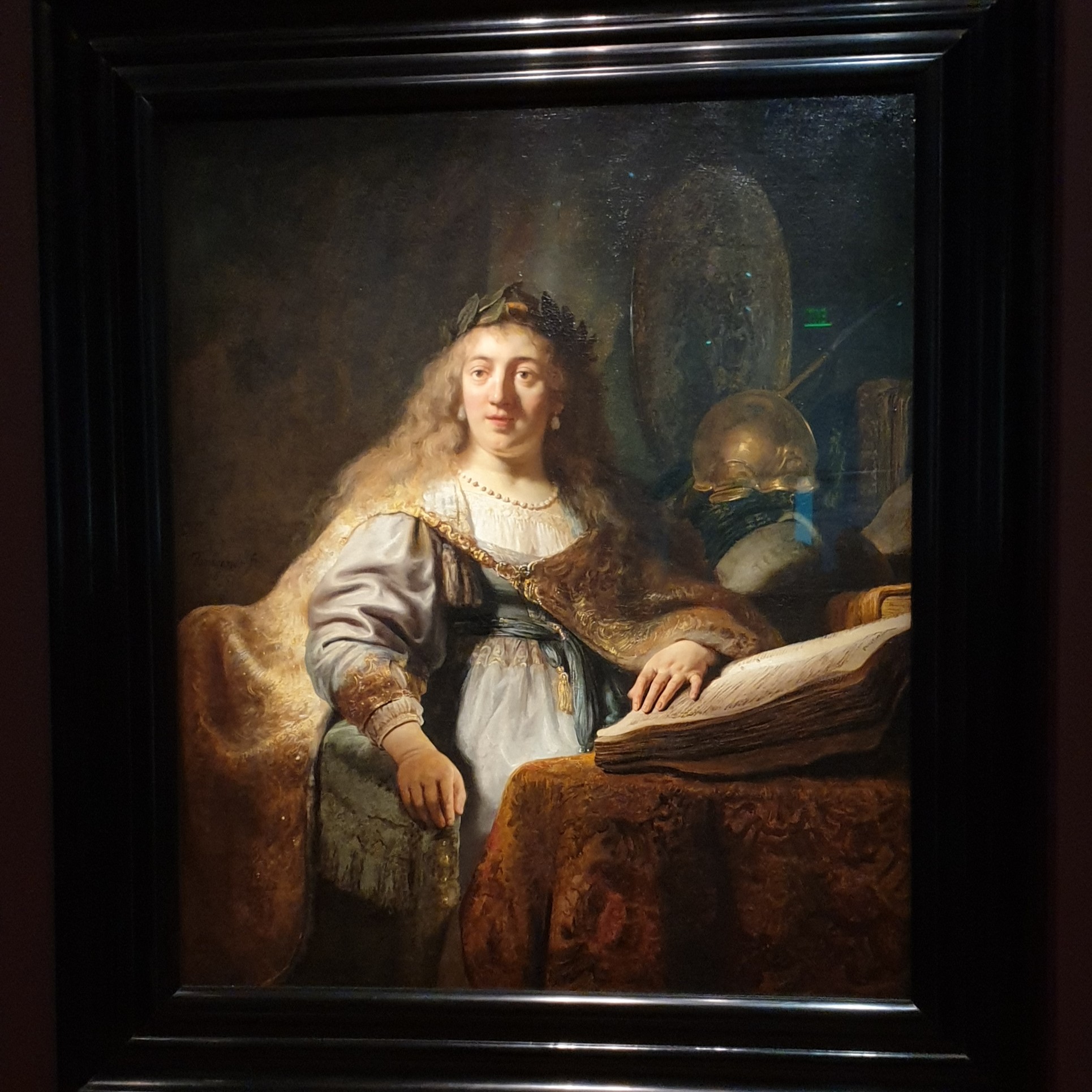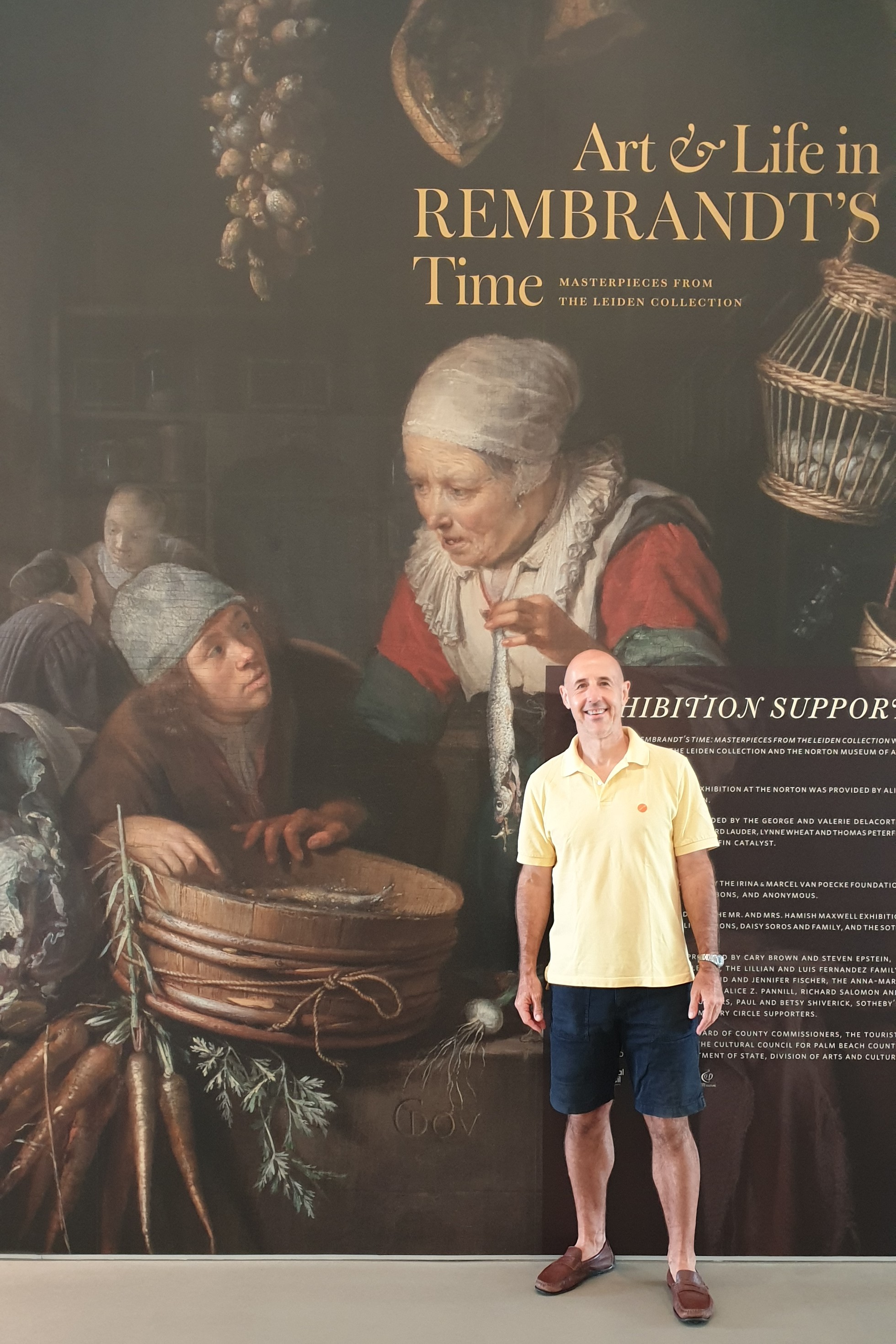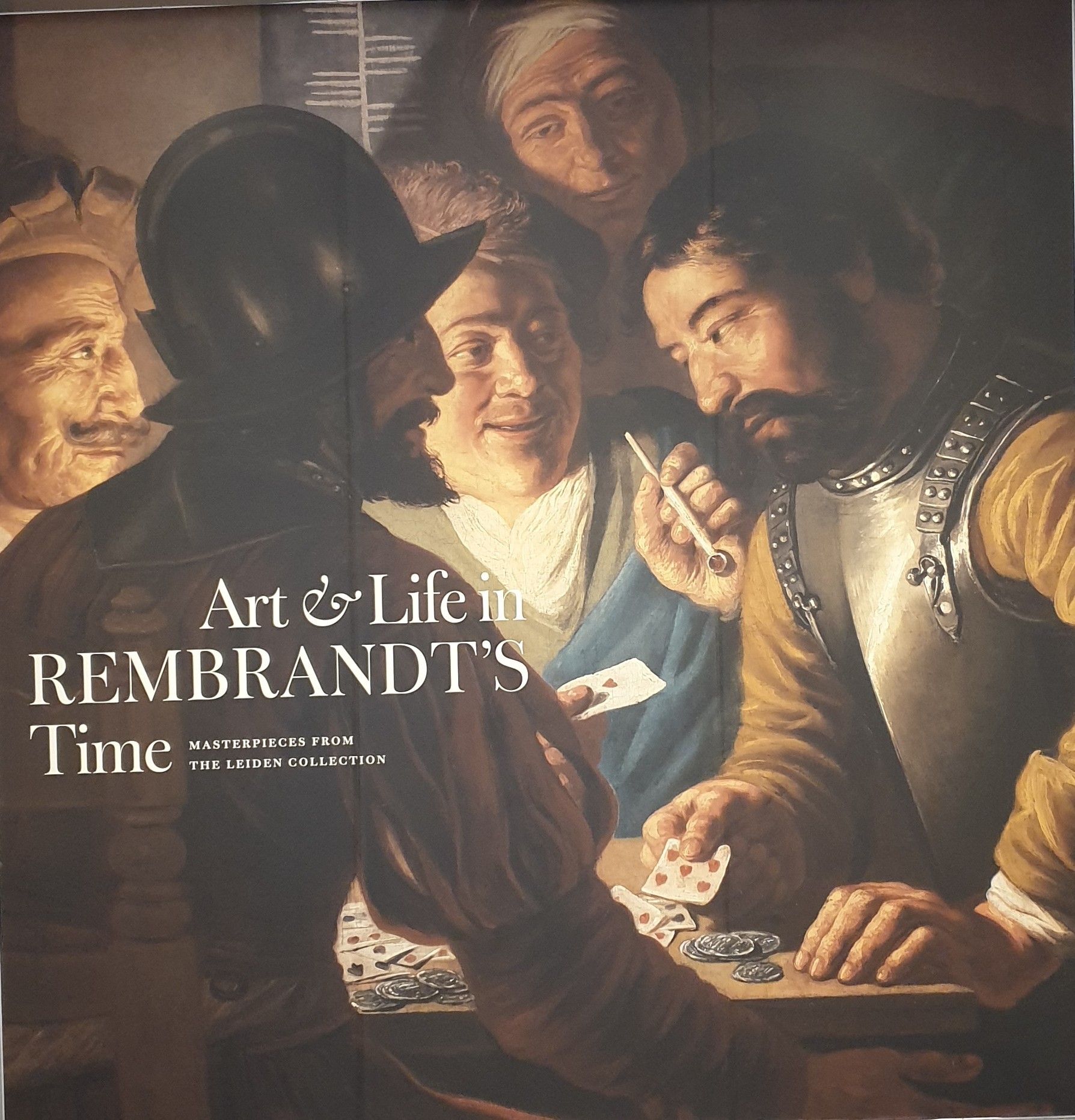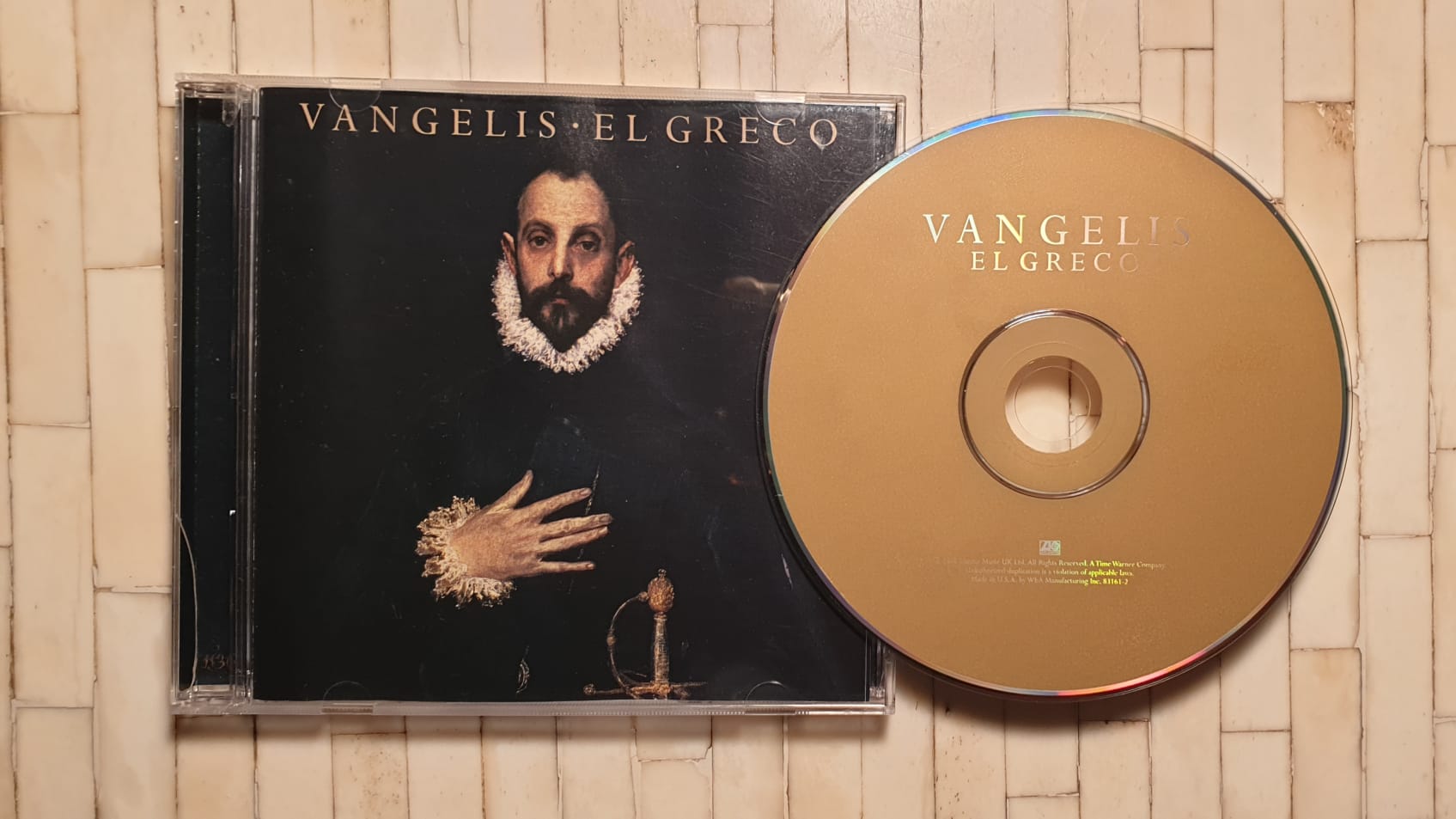
Vangelis – El Greco, and get ready to travel in time and space!

Yes, I enjoy listening to music beyond classical. I have written here about Gospel music and jazz, even pop. Every summer, I create a playlist of pop hits for my nephew and nieces, and I used to record a Jazz playlist for my dad every Christmas.

Occasionally, rarely, I will also listen to contemporary composers like Arvo Pärt. Thrifting the other day —one of my hobbies in this desolate suburbia— I found this CD by Vangelis. I had to give it a listen. While there are many electronic music composers, a few of them had their heyday in the 80s, like Jean Michelle Jarre, Kitaro, or Jean Luc Ponty, Vangelis is probably considered the most serious, possibly because he wrote the music for great films like Blade Runner, and of course, his most famous piece, the theme for Chariots of Fire.
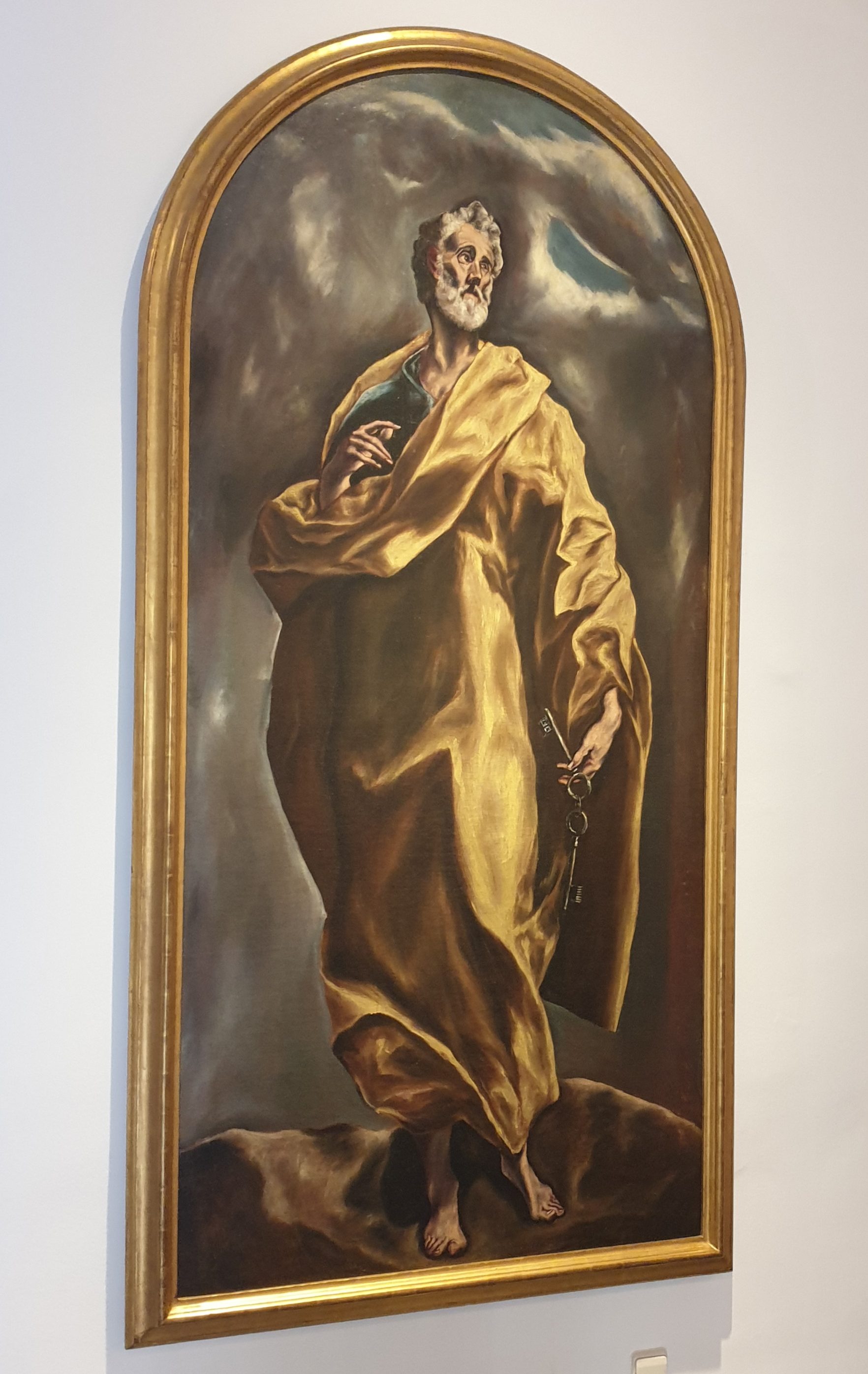
In this record, Vangelis explores his fellow countryman, Domenikos Theotokopoulos, El Greco. Vangelis takes you back to Toledo during the transition from the Renaissance to the Baroque. With heavy, byzantine sounds, bells, and apparently simple layering, Vangelis manages to transport the listener to another city and another era, amazing!

The beauty of this album lies precisely in the journey, the long notes, the reminiscence of old instruments and melodies. When paired with the paintings of El Greco or the ancient narrow streets of Toledo, you become transfixed. You might be in bleak South Florida, but your soul and your senses are in 16th-century Toledo.

Don Quixote’s influence on Existentialist Philosophy Part II – José Ortega y Gasset

One of the most popular posts on this blog is Don Quixote’s Influence on Existentialist Philosophy, which is a bit embarrassing because it is not very good. I wrote it very early on in my master’s, and while the idea, the thesis is good, I did not develop it very deeply nor fully. It is mostly my gut feeling, my intuition that comes through.

I have thought and thought about this since 2008, and more importantly, I have read a lot that I would not have had the time to read for that little essay. I have read more Dostoyevsky, Sartre, Kierkegaard, El Quijote desde Rusia with three brilliant essays by Turgenev, Dostoyevsky, and Merejkowsky, more Unamuno, Graham Greene, and on and on.

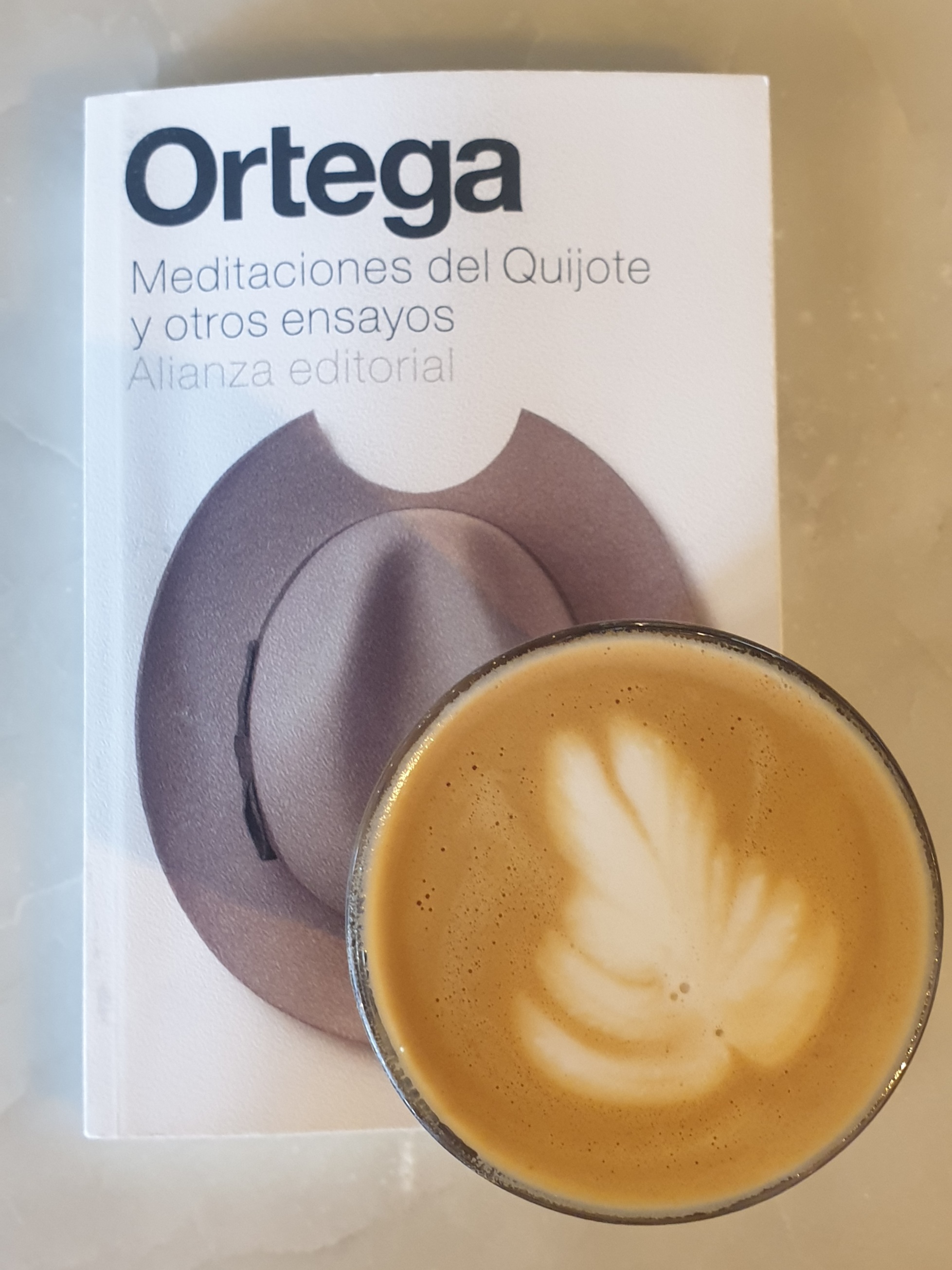
For Christmas, Celia gave me José Ortega y Gasset’s Meditaciones del Quijote y otros ensayos, which I had wanted to read for years.

All this reading confirms the theory that Cervantes crystallizes the thoughts of the preceeding centuries, from the ancient Greeks on Liberty to the early Christians on Free Will, where the Self is swimming in the primordial waters of philosophy, floating around until Cervantes’ electric genius gave abiogenesis form to Don Quixote, consciously creating his fortune, bringing about the concept of existentialism. The textbook example of this is the beginning of chapter VIII. Read it carefully, what does Quijote see? He sees them. What are they? Windmills or giants…

Don Quixote is the proverbial Tetrapod fish walking onto earth. It will be up to Kierkegaard, Dostoyevsky, Nietzsche, Unamuno, and Ortega before Simone de Beauvoir and Jean-Paul Sartre finally come up with the label that puts a nice bow on the Darwinian evolution of thought that delivers Existentialist theory.

Meditaciones has the famous quote “yo soy yo y mi circunstancia, y si no la salvo a ella no me salvo yo”.  So, yes, you are responsible for what you do in life, with life, but you also must deal with the circumstances surrounding your life. But Meditaciones is not what you expect. It is not a direct essay on Ortega’s thoughts on El Quijote -although it is also that- it is that in a meandering, roundabout way. Ortega talks about the Mediterranean culture, compares it to the Germanic culture as he lived in Germany for many years. This is evident when he quotes Nietzsche’s “Live dangerously”, which is, of course, the whole premise of Quijote’s adventures.

As a good philosopher, questioning El Quijote, Ortega ends up asking more questions than answering them. One key observation comes when he compares Cervantes to Shakespeare, something commonly done, as they were, after all, contemporaries. And here is the difference: Shakespeare explains himself, Cervantes not so much. Some of that difference might be due to the difference in genres: Theatre vs the modern novel, but nonetheless, there it is. Another common assumption is the Spanishness of Quijote, which leads Ortega to call Spain the “spiritual promontory of Europe”.

Another of Ortega’s brilliant observations, connections are between two Baroque masterpieces: Quijote and Velazquez’s Meninas, how we can step into each work and see it from the inside. This imaginary stepping into these makes them realistic. That realism is what makes us, and understanding ourselves in that work, that singularity, is what makes us heroes, a full hymn to Existentialism!

So what I wrote 17 years ago, although not the most brilliant, not the best written academic paper, still stands. Cervantes, by creating Don Quijote, is setting the cornerstone of Existentialist philosophy.

Spanish Baroque in Boca Raton

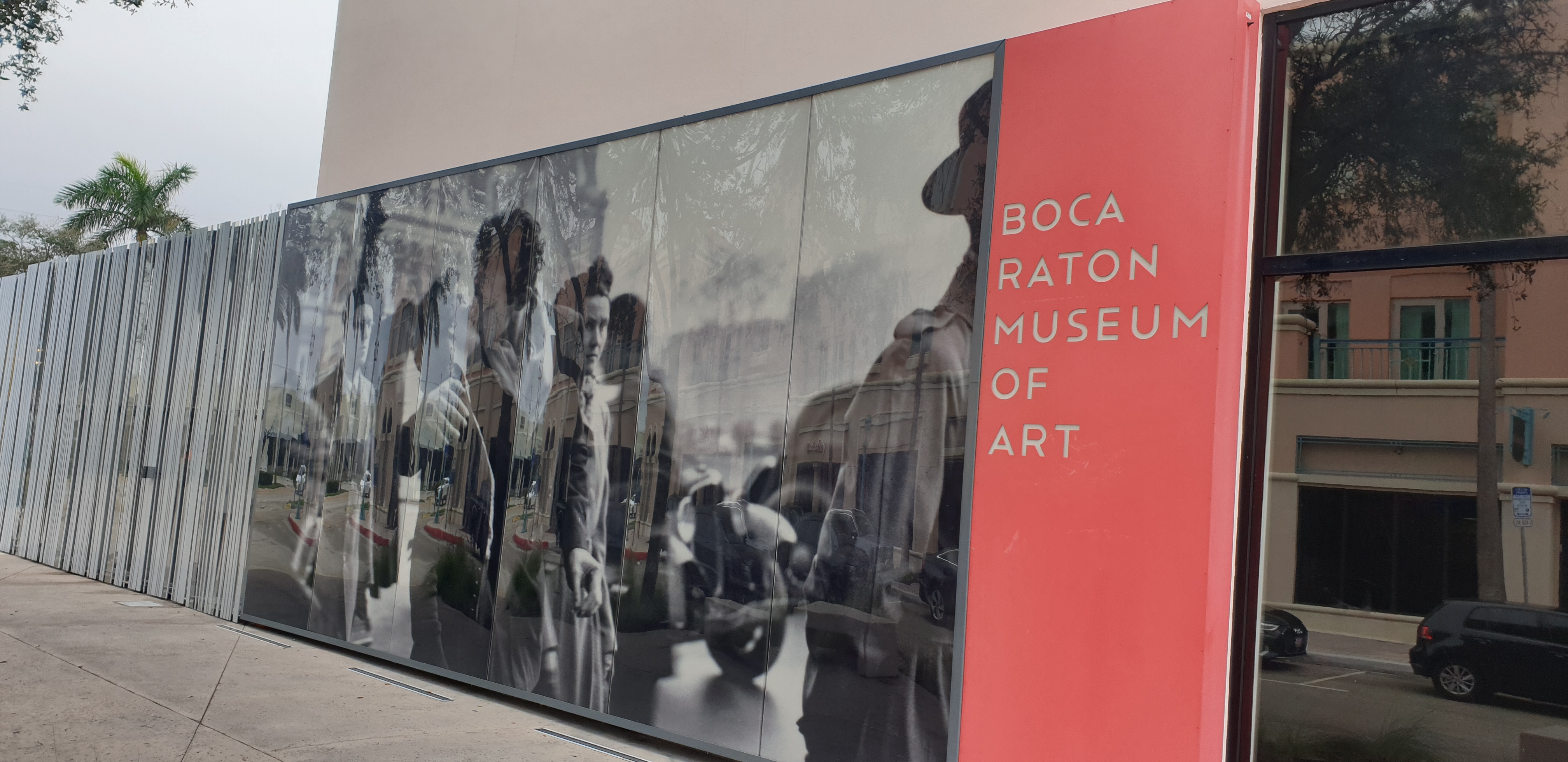
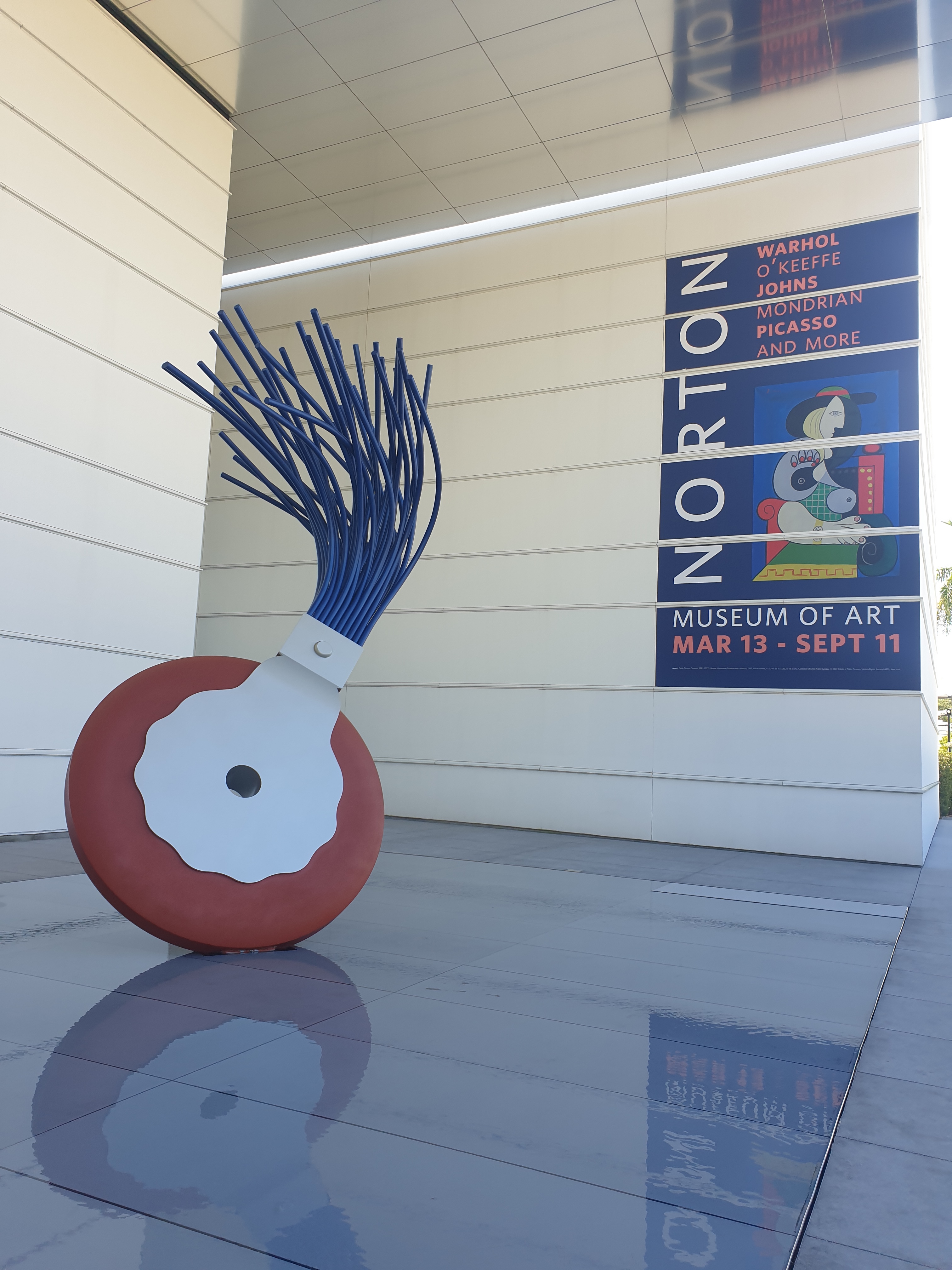
As soon as I found out that the Boca Raton Museum of Art had an exhibit about the Spanish Baroque, I booked a visit for my classes and then went to check it out for myself.

The paintings are courtesy of the Hispanic Society of America in New York, which has organized this exhibit, and which will then travel to a couple more cities.

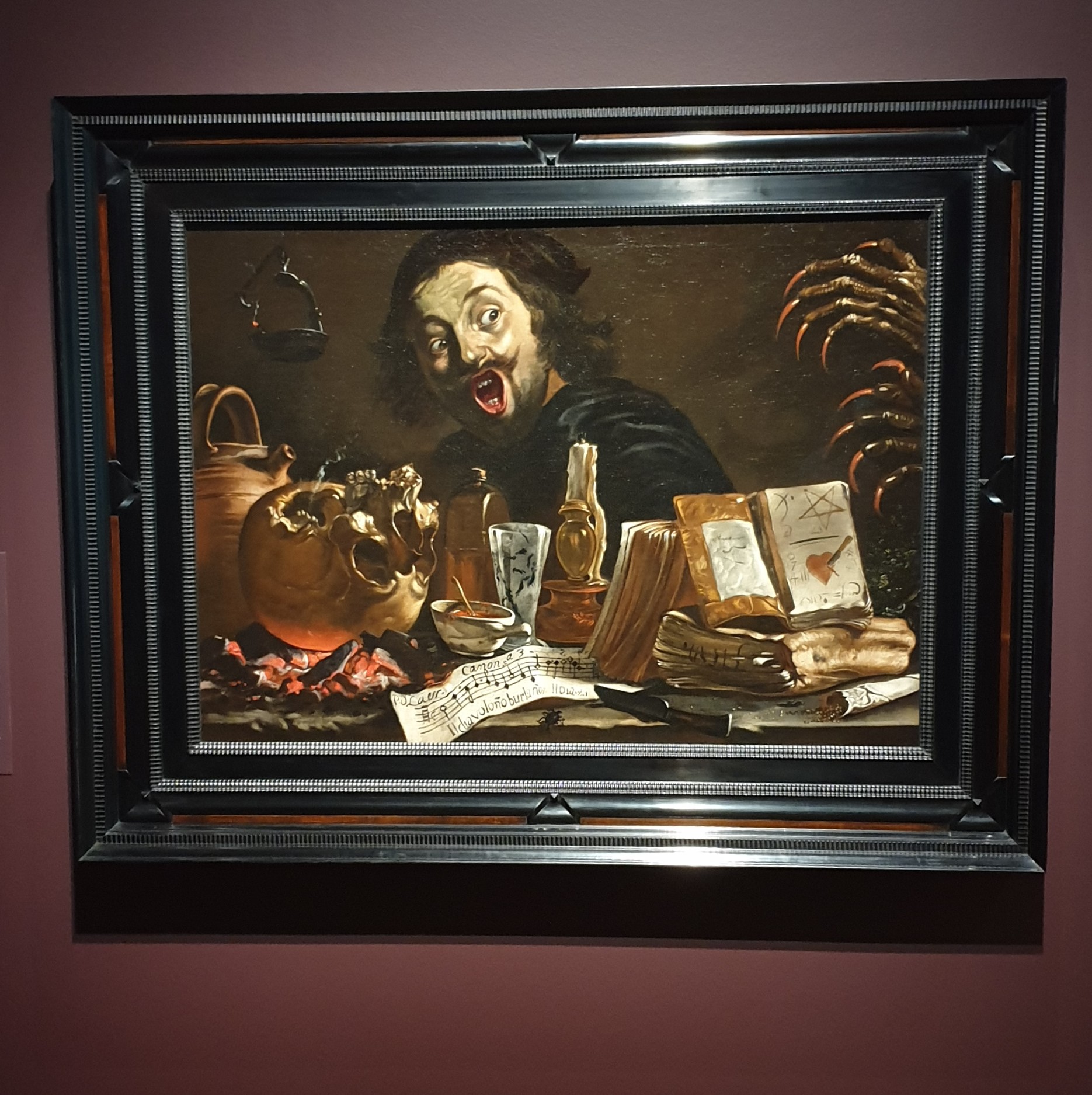
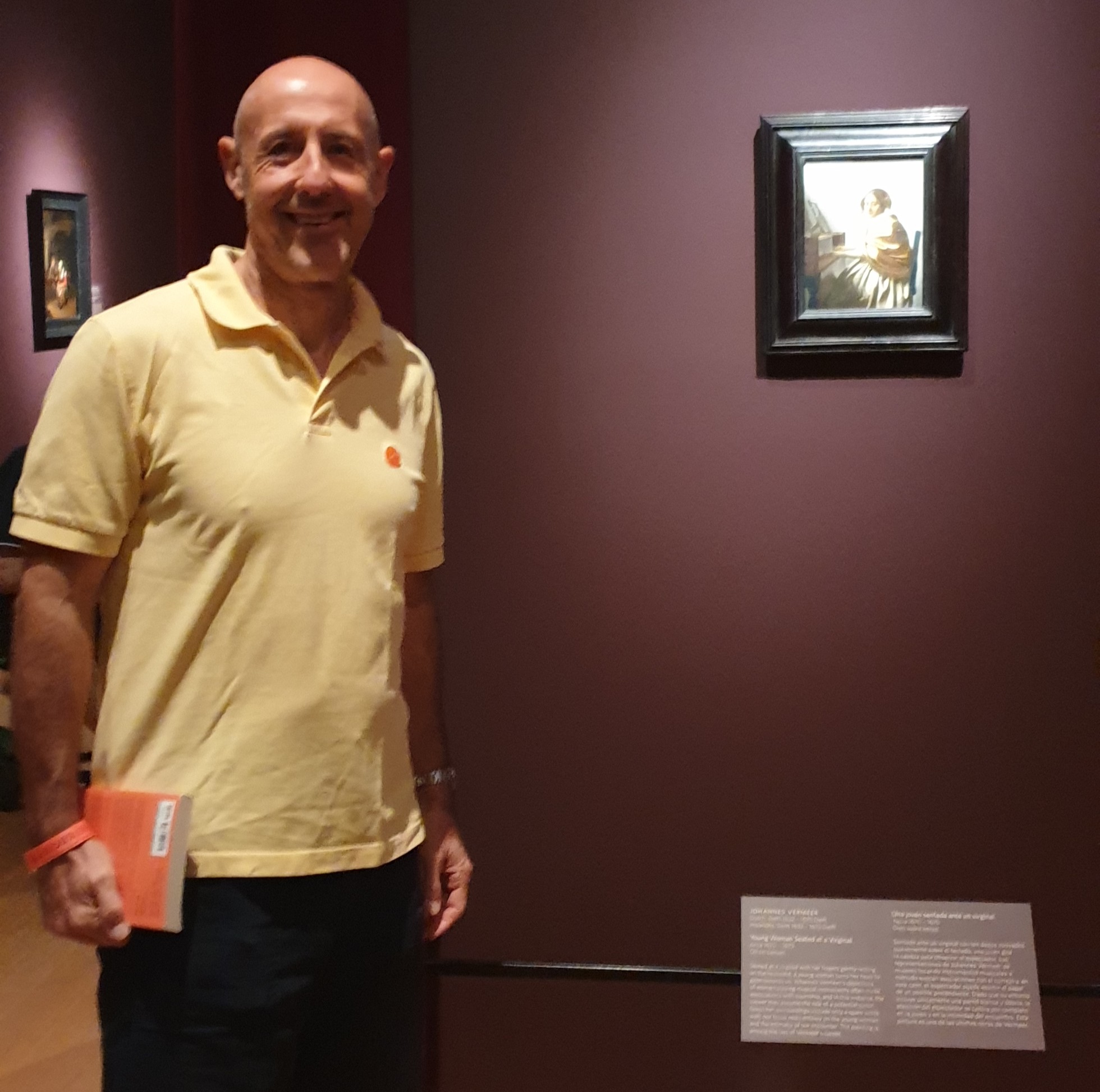
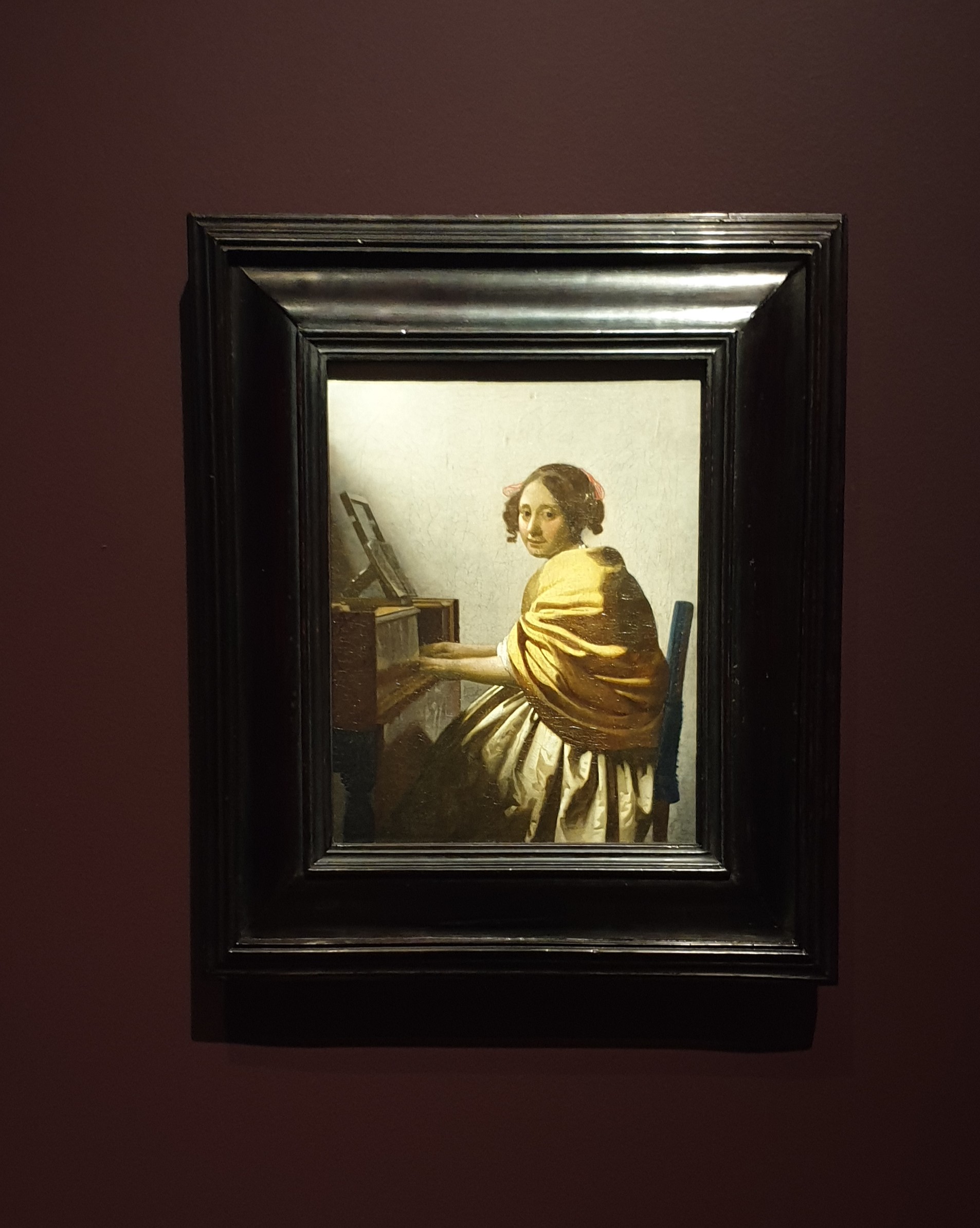
Splendor and Passion: Baroque Spain and Its Empire is a small but very good-quality exhibit. You are welcomed by a local artist’s interpretation of Velazquez’s Meninas, and then you enter to discover paintings by the real Velazquez, Murillo, and el Greco (whom I would put more into late Renaissance than Baroque, but I am nitpicking). If you love the chiaroscuro, if you love Baroque art, this one is for you!

The Boca Raton is a fairly small museum, with most of the collection being 20th C art. But since you are already there, you might as well check it out.

So, if you are in this suburban wasteland that is South Florida, and you need a little injection of beauty, art, and culture, head over to the Boca Raton Museum of Art. You are welcome.

Handel’s Messiah, how to start the holiday season!

Hallelujah, Hallelujah, Halleeeelujaaaaah!!!

You have heard this sung a thousand times, but did you know it comes from Handel’s Messiah?

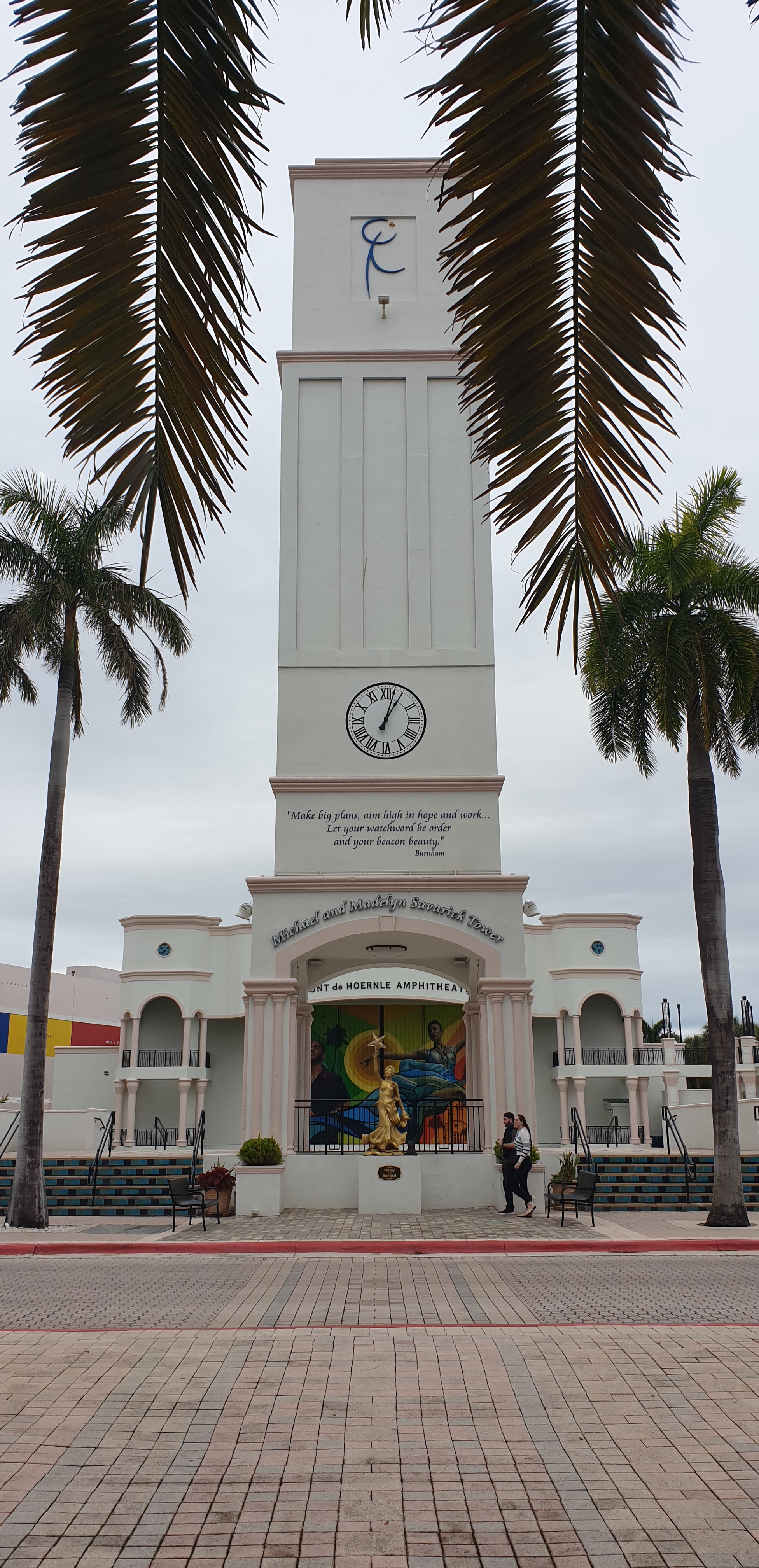
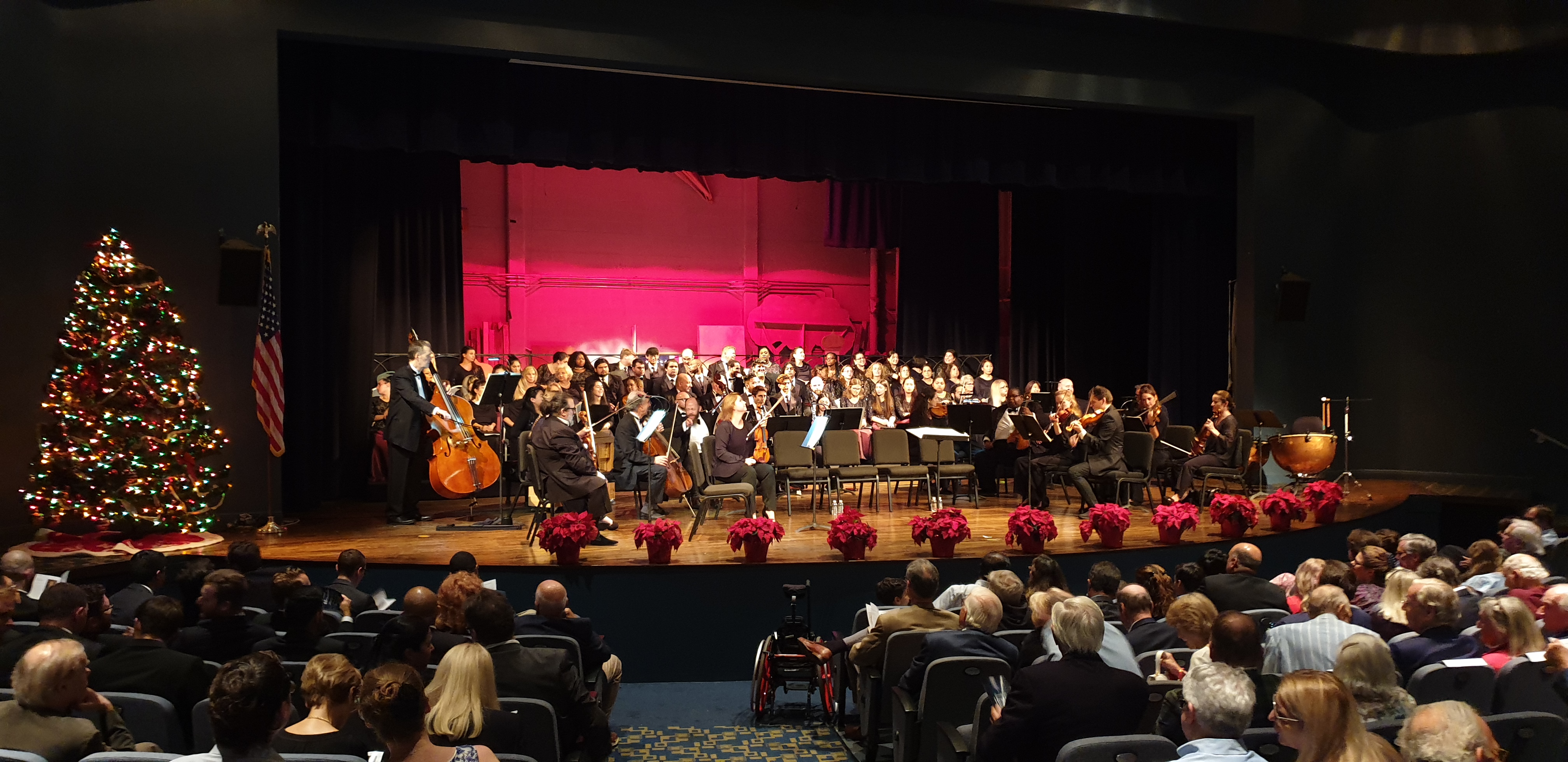
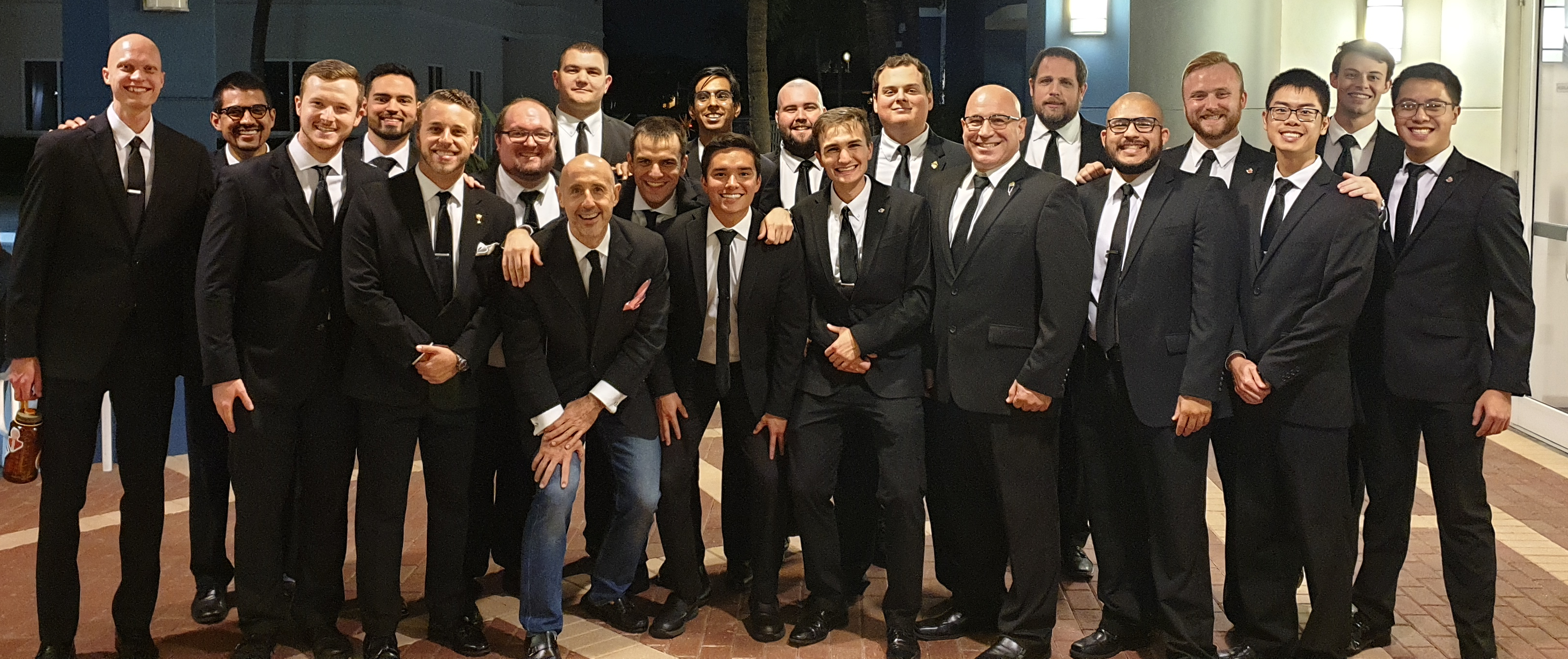
Thanks to a generous donor, I managed to get a ticket to see and hear the Palm Beach Symphony perform Handel’s Messiah, together with a group of students from my school.

Although this was a smaller production than the North Carolina Symphony, or the Naples Symphony, or others I have seen, the music is so amazing that it really does not matter so much. It is also a wonderful way to start the holiday season.

As an Enlightenment freak, I love how Handel pushes his Baroque style to the gates of the Enlightenment, of Classical music. Together with Bach (you can read my musings on him here), they make the Rococo obsolete before it is born, making it possible for Mozart, Haydn or early Beethoven to get a start on Classical music at the end of the 18th C.

In case you have not seen or heard this amazing work here is a YouTube recording. Enjoy. By the way, the Hallelujah is at 1:36…

An Enlightenment dream

The Enlightenment arrived late to Spain; we loved the Baroque so much we stuck with it longer than we should have. After many efforts by many folks like Benito Jerónimo Feijóo, my man Francisco de Isla, and many others, king Carlos III finally changed all that.

One of the worries that had nagged Spanish monarchs since 1492 was that only a fraction of the gold and silver that arrived from the Americas actually made it to Madrid. Sevilla was the main drop off point, so a lot of the wealth stayed there (either legally or less legally). The solution? Build a canal from Sevilla to Madrid so more of the riches could make it to the capital.

In 1781 the plan was made: build a massive dam to feed a canal that would connect the 500 km (300 miles) from Madrid to Sevilla.

The dam was started, but as usual in Spain all sorts of problems arose; there was not enough labor, so soldiers were brought in who were replaced with prisoners… then there were financing issues… the 90 mt (300ft) dam was about halfway done, when a massive storm in 1799 wreaked tremendous damage. So, they just gave up on the whole thing and forgot about it.

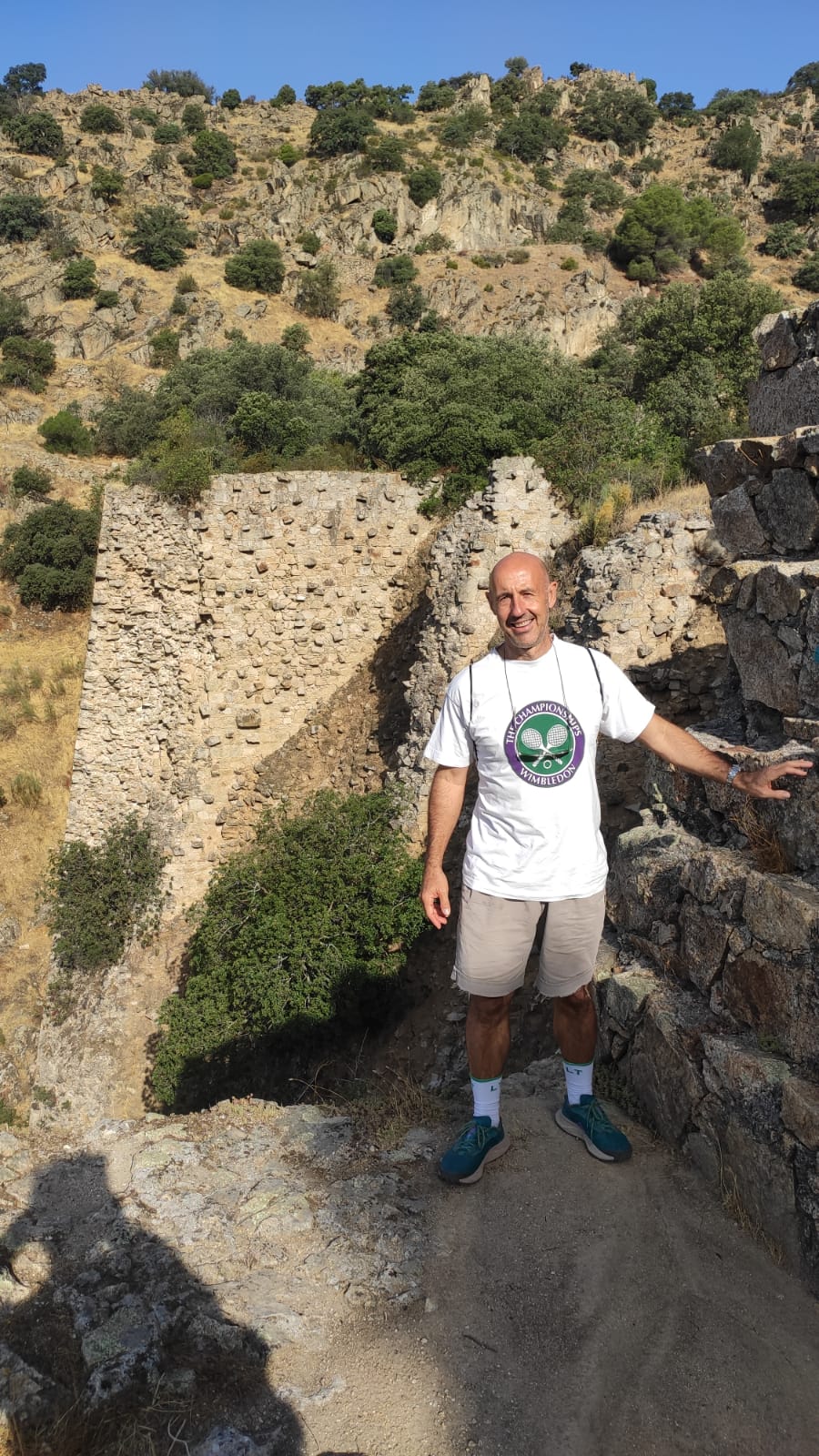
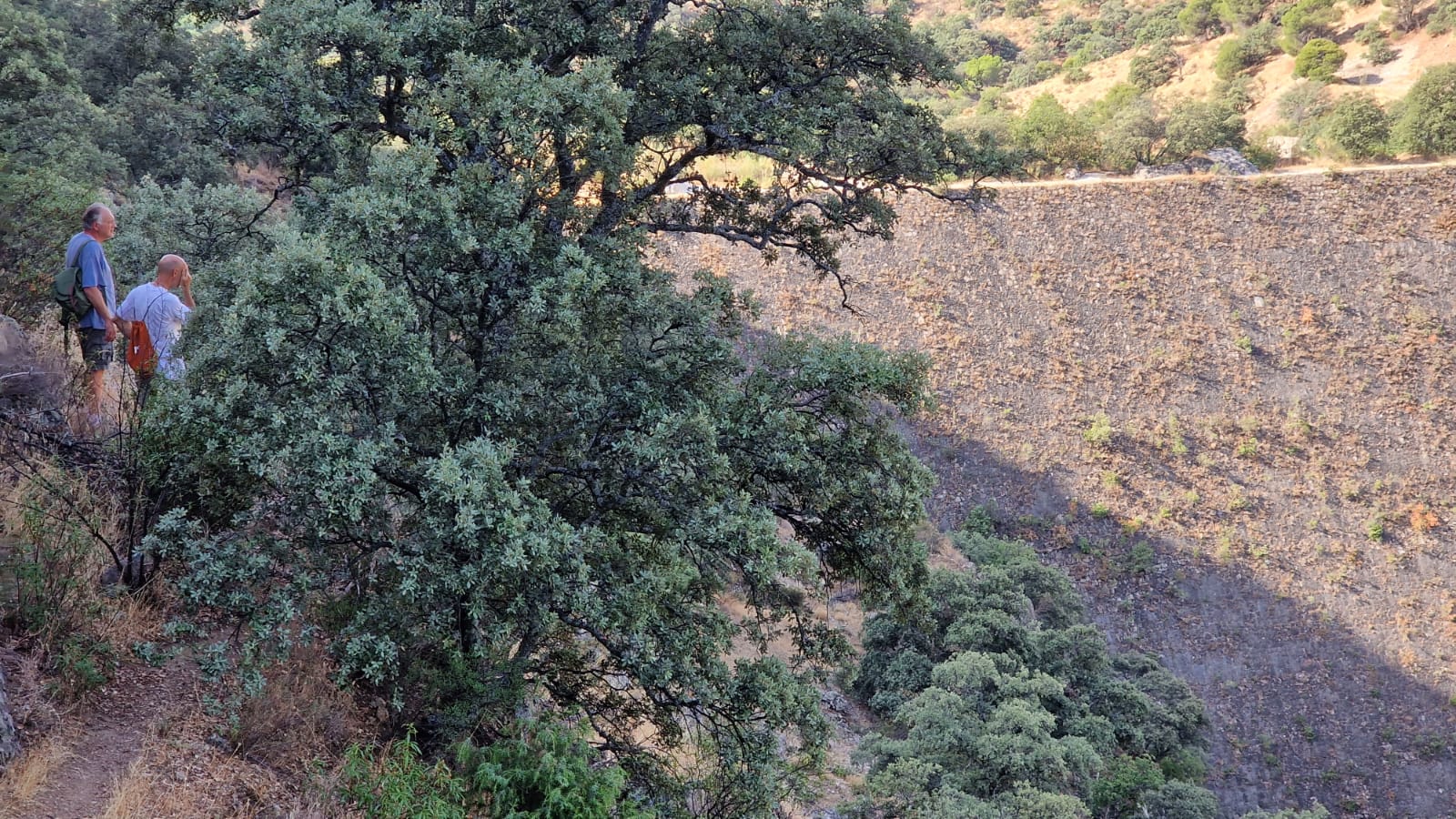
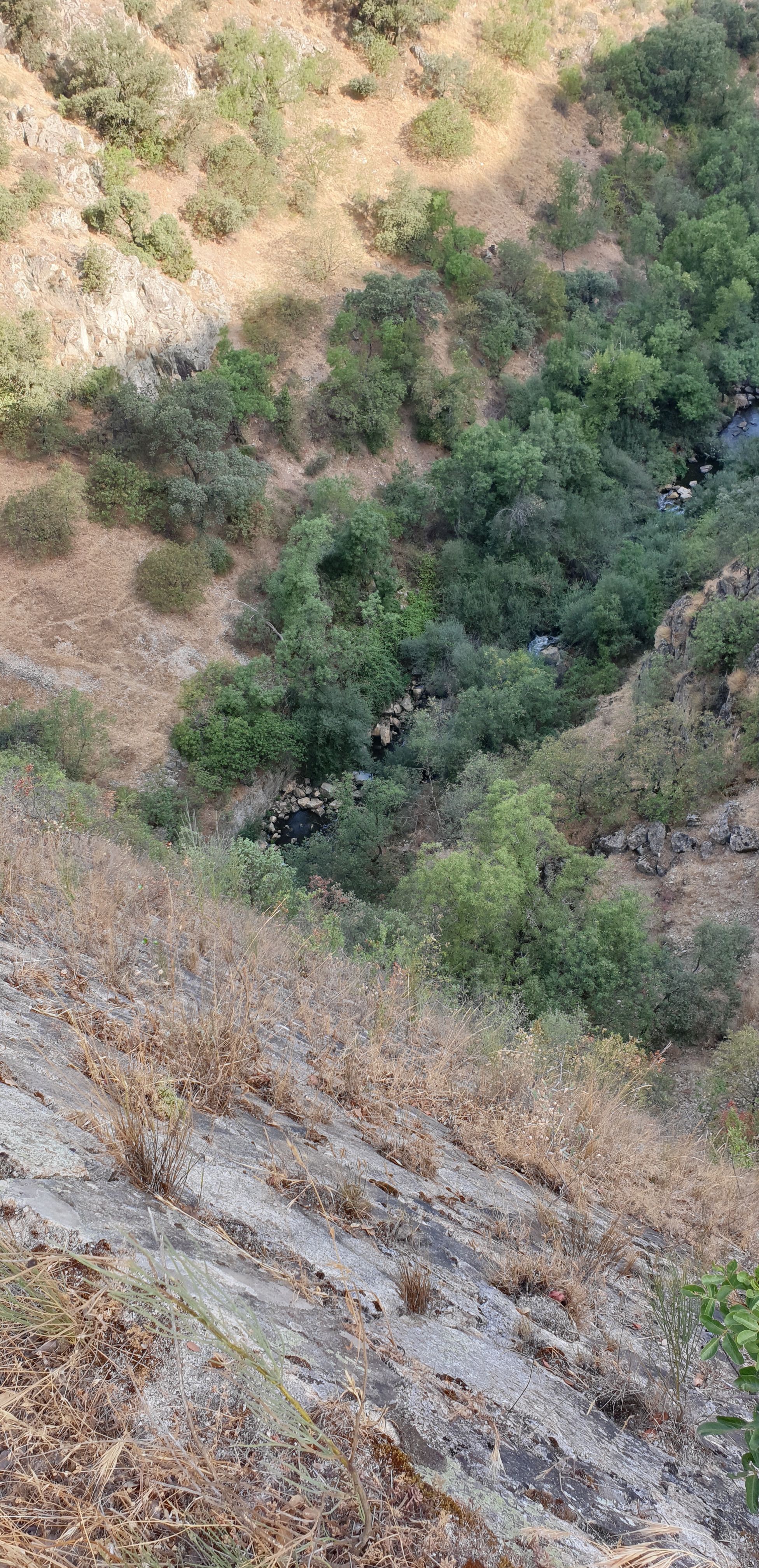
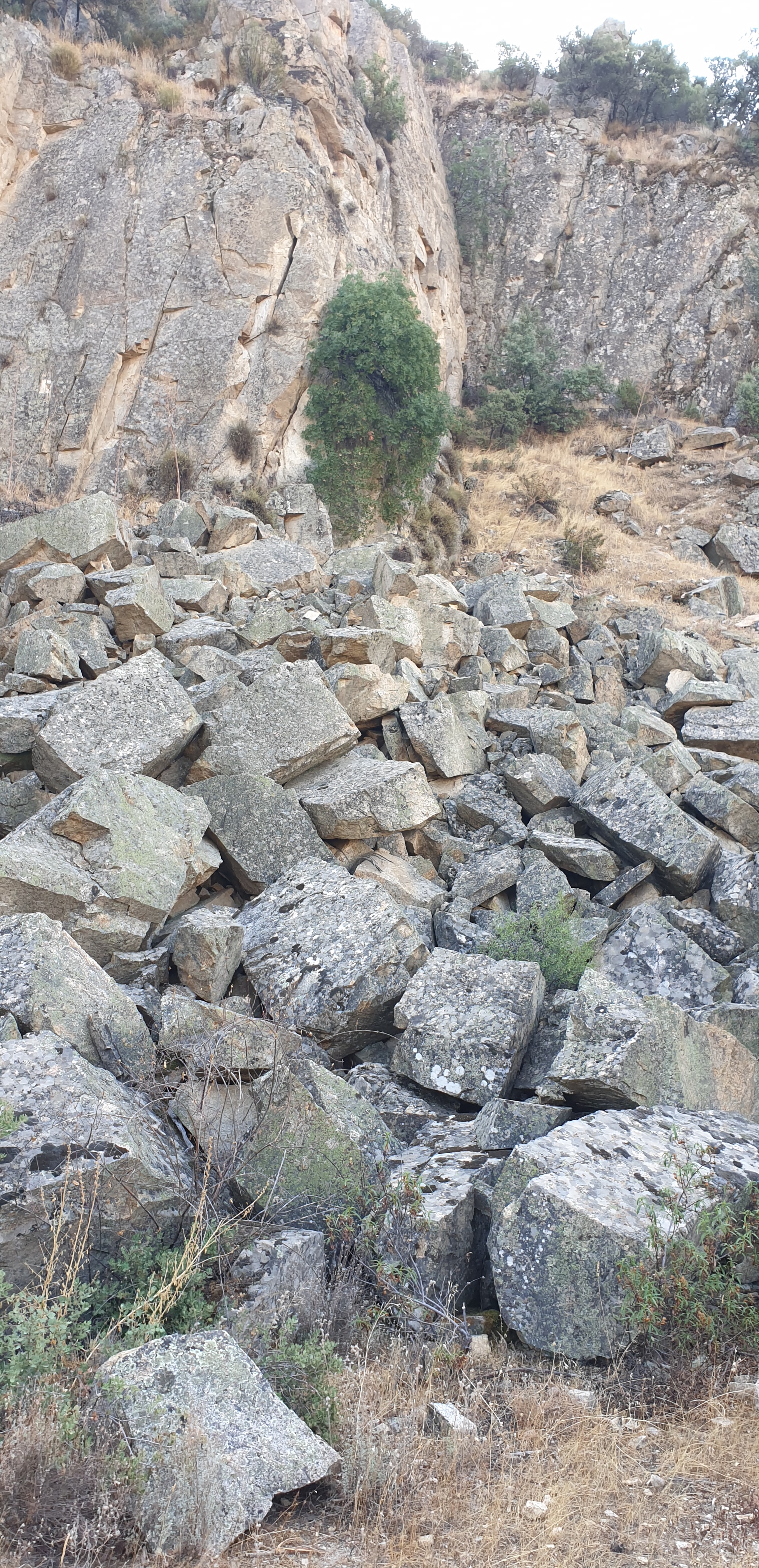
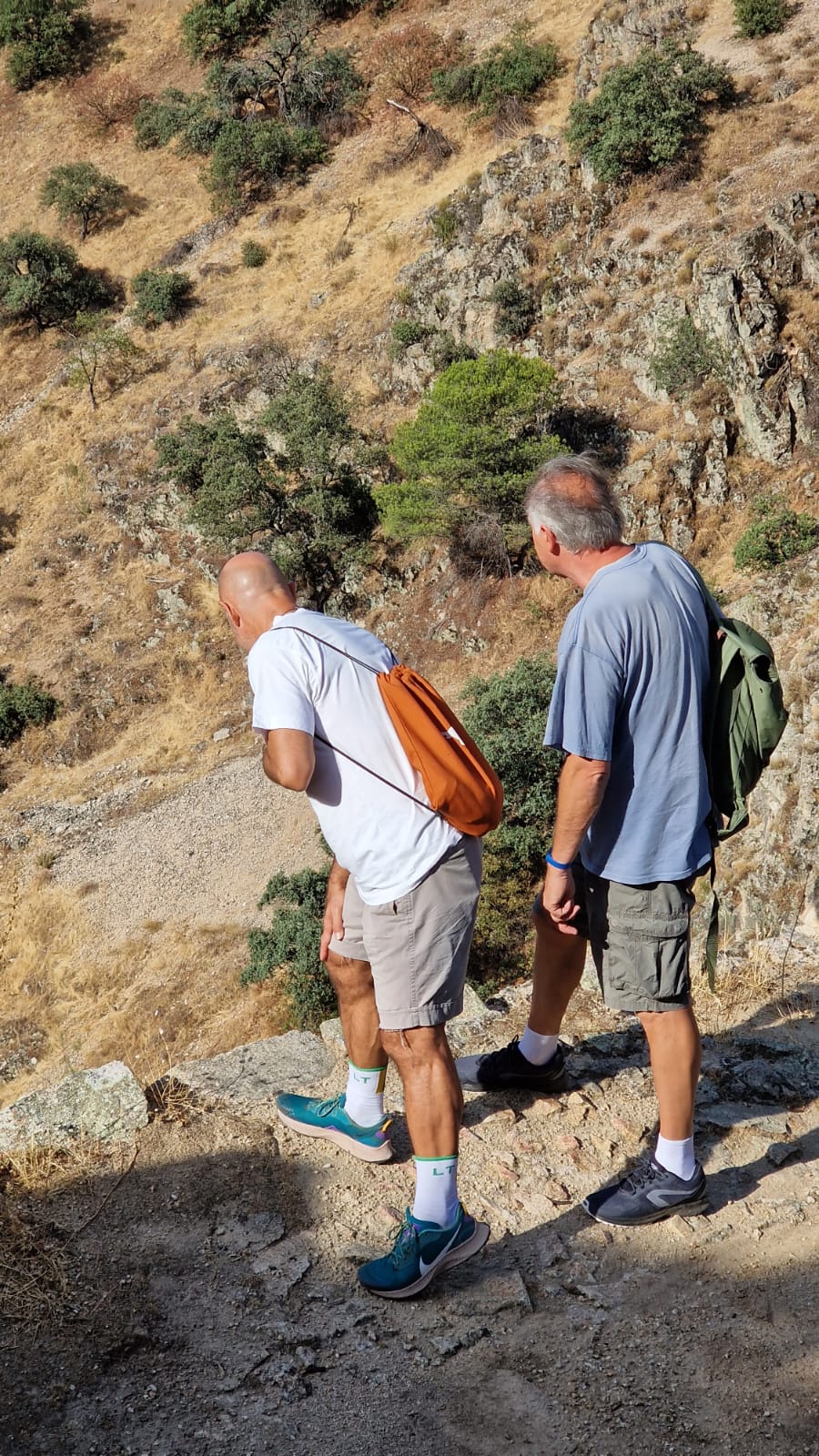
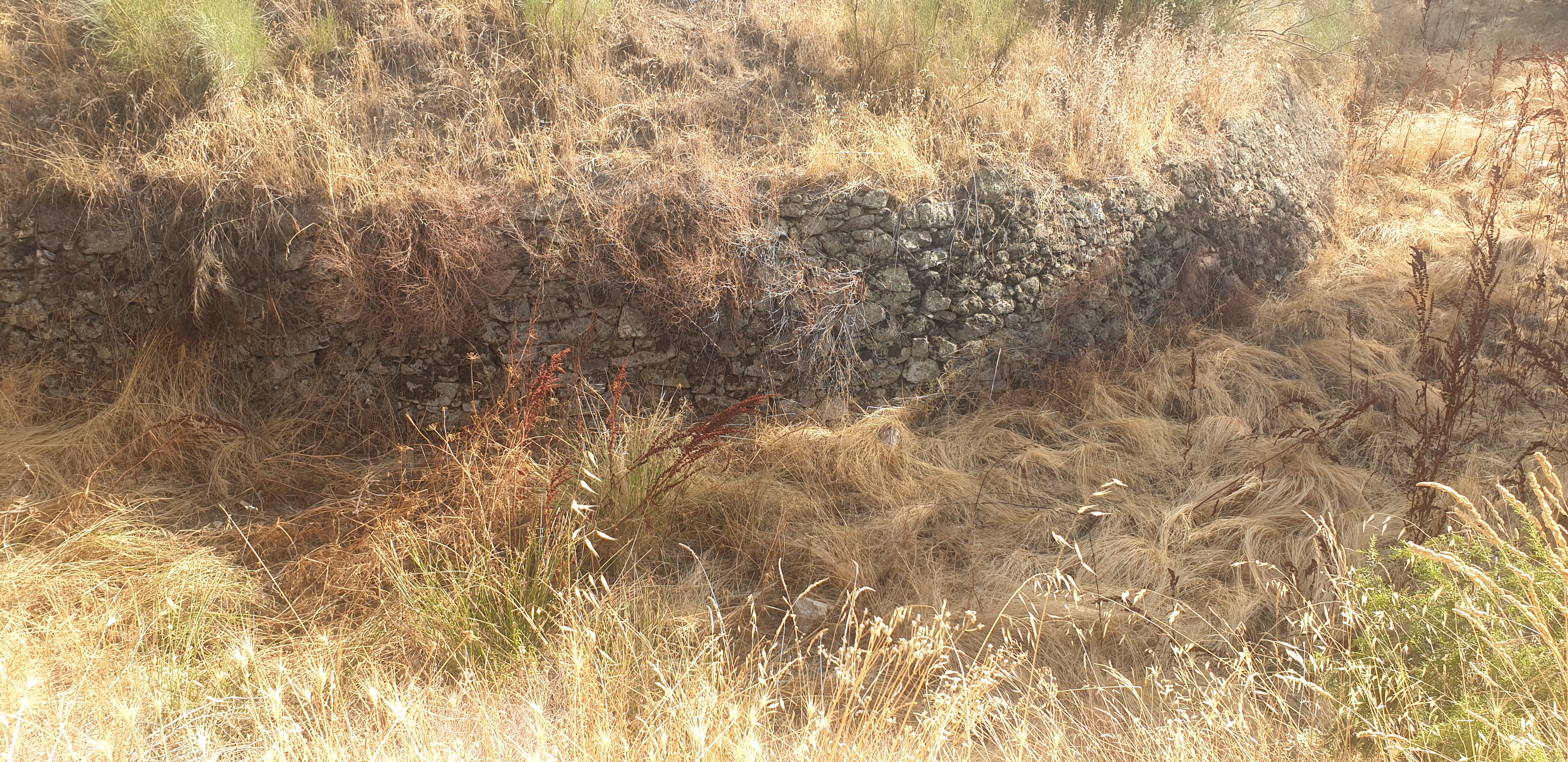
Well, this unfinished abandoned dam, la presa del Gasco is actually 8 km (5 miles) from my mom’s country home as the crow flies, and I finally had a chance to go with my friend Jaime and his brother Jose Mari. The walk, following the never used canal is easy, and once you turn a corner, and you see this behemoth, you are filled with awe at what was the most impressive hydraulic project in 18th C. Europe.

After walking around and checking it out in complete awe, we went to a restored part of the canal nearby where we had another little walk along the canal.

The sheer size of this construction, the perfect fit of the rocks, the ambitious plan, it is all baffling.

As usual in Spain, the local authorities do not want to declare this a heritage site, a protected historical site, a park, nothing, because of building and construction licensing possibilities, i.e.: money and corruption. Disgusting.

This is one excursion worth doing before the whole valley is filled with gaudy houses.

Peering into the void

Sor Juana Inés de la Cruz, a conference

One of the great benefits of being in Madrid for my Summer break is being able to attend all sorts of events that are difficult to find in South Florida.

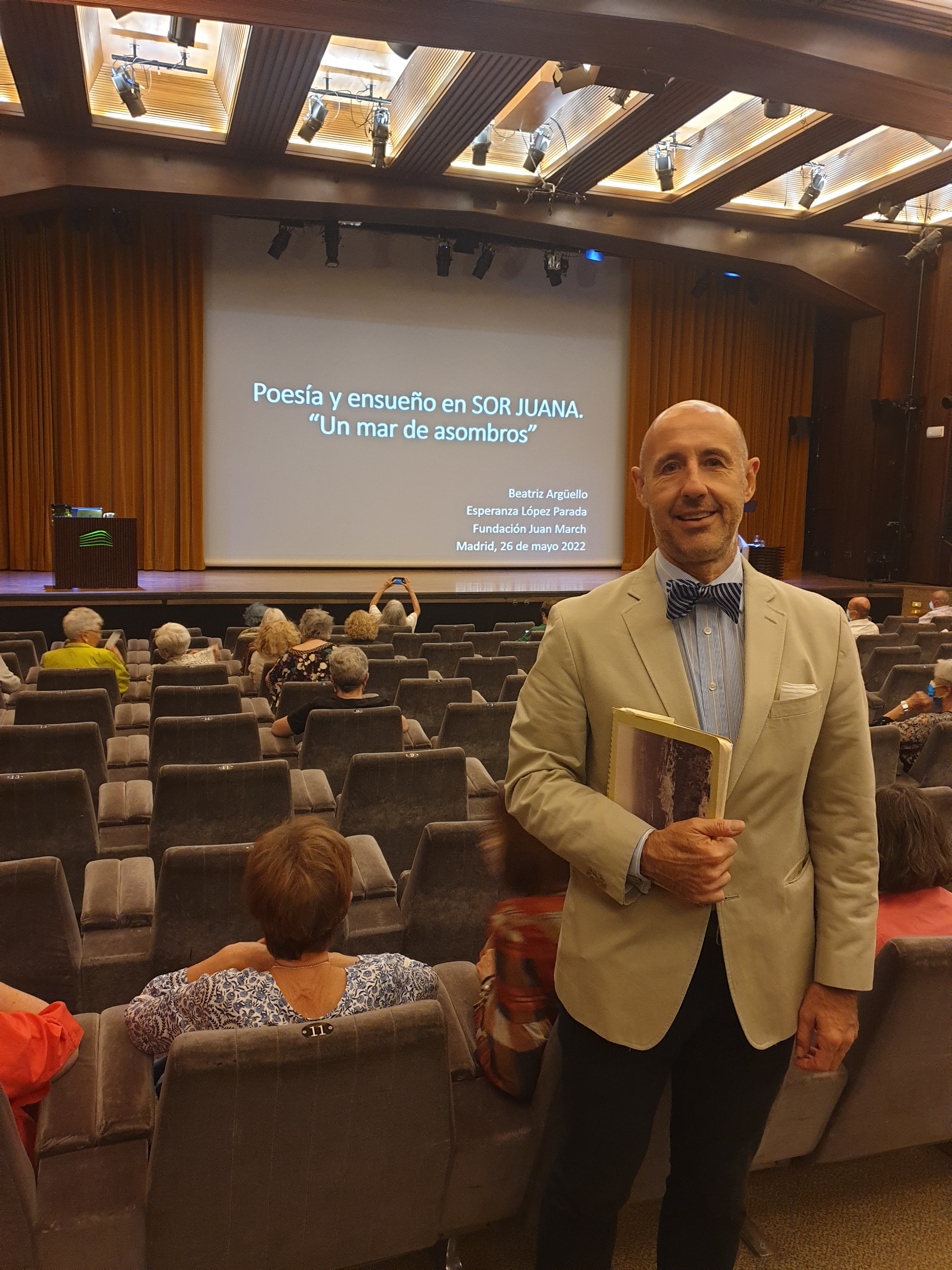
I recently had the pleasure of attending a great series of conferences on Sor Juana Inés de la Cruz, the brilliant Mexican Baroque writer (and musician, architect, scientist, and cook!), whom I studied a bit for my PhD at UNC.

The conference was hosted at the great Fundación Juan March (which I have already mentioned here) and the speaker was Esperanza López Parada, professor of Latin American literature at the Complutense University in Madrid.

The first lecture was on Sor Juana’s time, her life, and her writings in general. It is always interesting to learn new facts and perspectives on someone you have studied.

The second lecture focused on the poem Primero Sueño, and it included actor Beatriz Arguello reading the poem. The commentary and the reading were masterfully interwoven, making for an extremely rewarding experience!

López Parada cited my UNC professor (and PhD Committee Member Rosa Perelmuter, which was very moving for me). We even chatted a bit after the conference, which was a nice little plus.

Here is a video López Parada showed us of the adaptation into song of one of Sor Juana’s most famous poems: Hombres necios.

My favorite painting

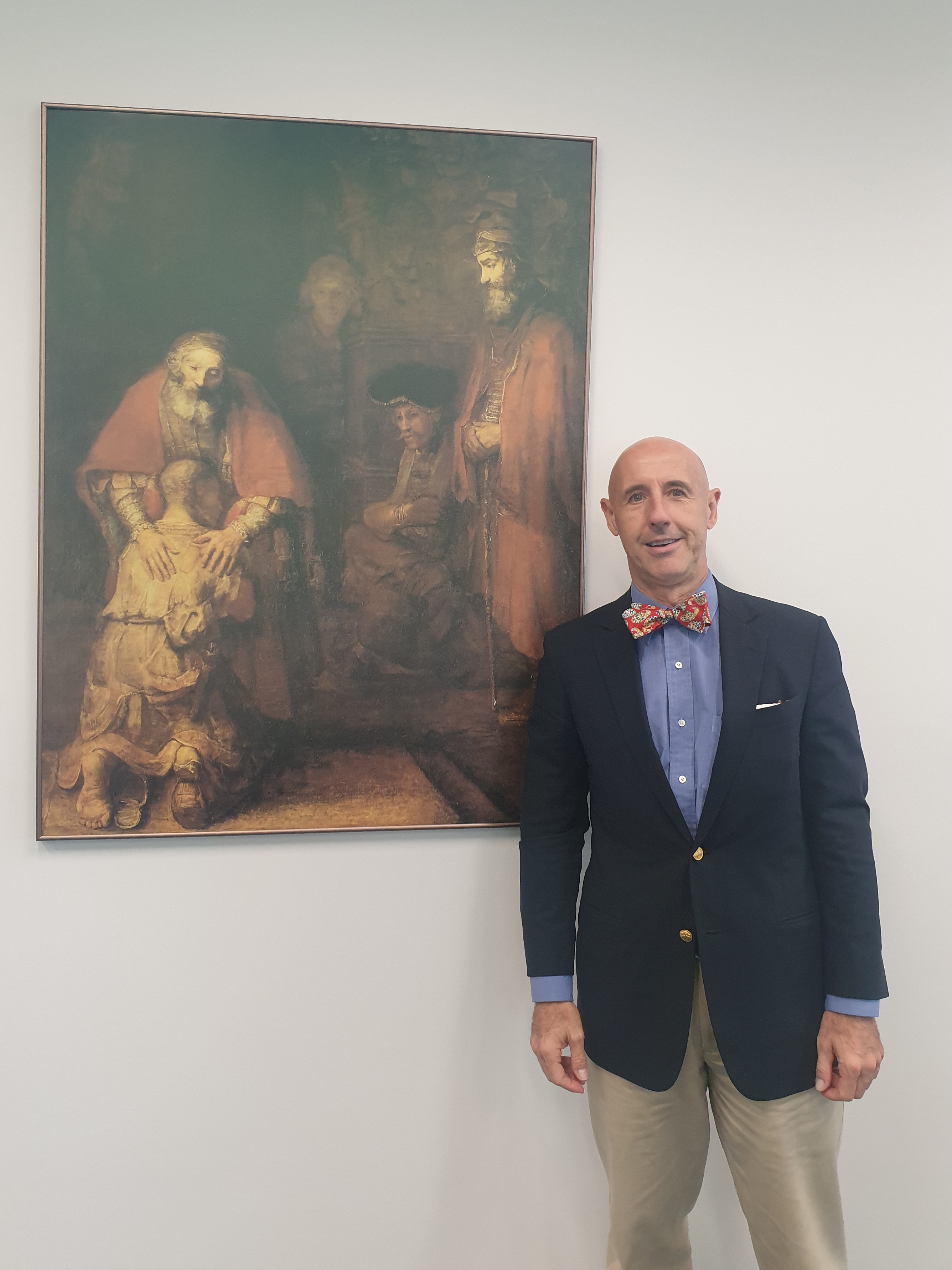
The Prodigal Son, from my friend Irina

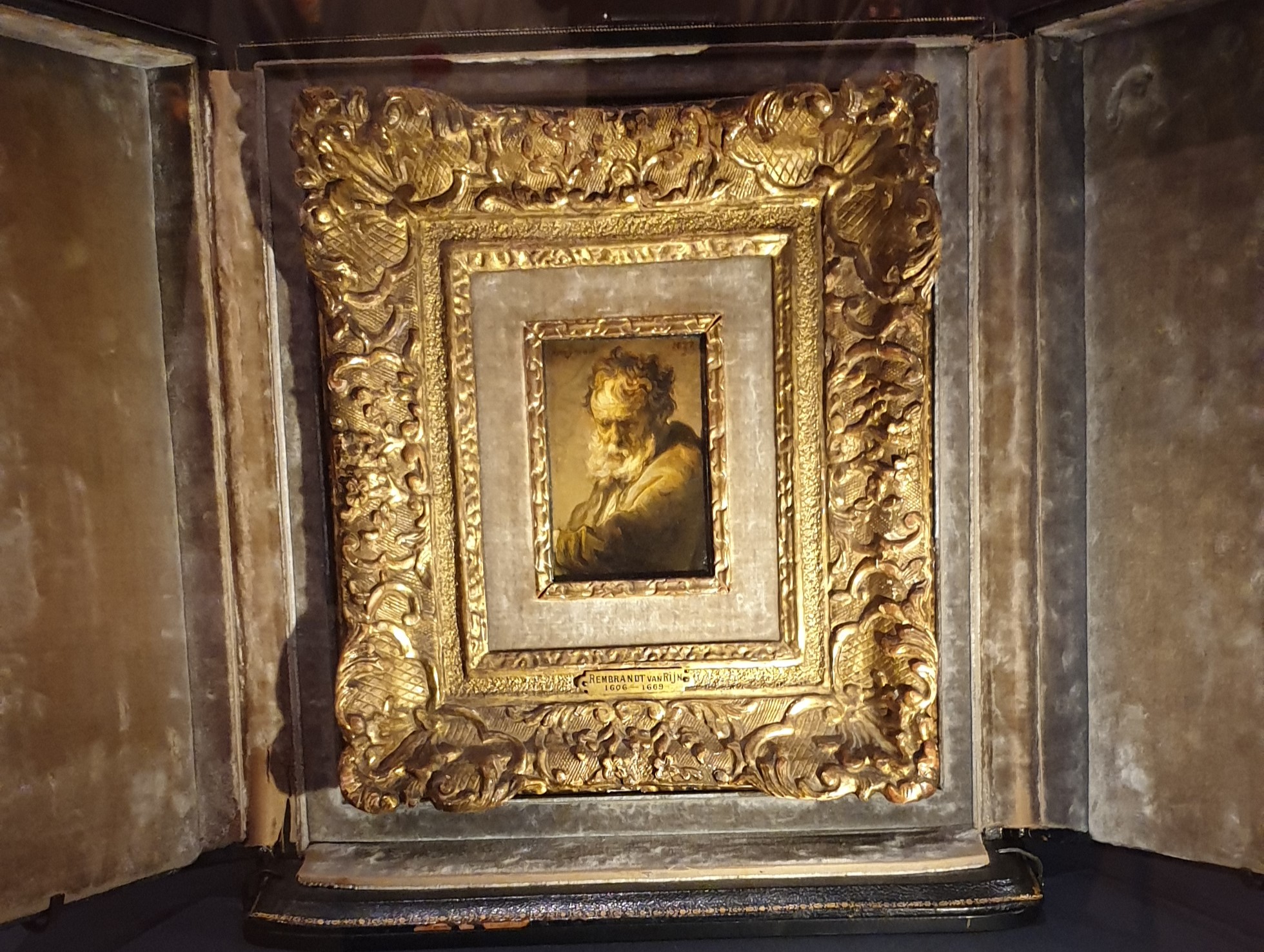
This might sound heretical coming from a Spaniard, but my favorite painting is not by Goya or Velazquez or Picasso or Murillo or Dalí or Miró, it is by Rembrandt (Leiden 1606 – Amsterdam 1669), and it is not even in a Spanish museum.

Unfortunately, I did not realize I was looking at what would be my favorite painting when I saw Rembrandt’s Return of the Prodigal Son when I was seventeen and visiting The Hermitage Museum in St. Petersburg with a handful of school friends. I was probably more concerned with looking at pretty girls or wondering about the evening’s plan with cheap Soviet Vodka -ah yes, the year was 1983, with Leonidas Brezhnev in charge of the Soviet Union!

Not long after, my father gave me a book: The Return of the Prodigal Son: A Meditation on Fathers, Brothers, and Sons by Henri Nouwen and I was deeply moved. I understood the painting and it became my favorite. Nouwen, a priest (1932-1996), threads the parable of the Prodigal Son (Luke 15:11–32) with the painting, covering each detail, each character in Scripture and the painting.

The father’s hands gently placed on the boy’s back, the brother’s jealous, angry stare, the servant, the mother, even another person almost invisible in the background, the son’s broken sandals, the capes, everything has a purpose and a meaning. The painting, painted in Rembrandt’s last years, is as spiritual as they get. It asks for your meditation, it questions our behaviors as sons and daughters. You feel the weight of the father’s hands on your back, their warmth. The painting forgives you.

What was my surprise when I discovered that a poster of the painting hangs in my school’s library, right outside my office! I walk by it many times every day, and every day I am reminded of Rembrandt, of the Prodigal son, and of my trip to Russia many years ago.

Some of my other favorite paintings are Velazquez’s Meninas in the Prado, pretty much anything by Goya, Velazquez´s Inocencio X in the Doria Pamphili Gallery in Rome, every Sorolla painting, I’ve already mentioned Frida Kahlo in this blog, etc., etc., etc., the list goes on and on. But this one wins.

What is your favorite painting? Comment below, I would love to know!

Poster next to my office!

Almodóvar


lasmejorespelculasdepedroalmodvar

I can’t believe that in 182 posts and almost ten years of writing this blog I have never dedicated a post to Pedro Almodóvar (although I have mentioned him a couple of times). Forgive me, and let me change that.

Pedro Almodóvar is indubitably Spain’s best know director. He has won two Oscars (I think that is double what any other Spanish artist has – but don’t believe me 100%), has had a handful of nominations, a bunch of Goyas (Spain’s Oscars), his breakout film Women on the Verge of a Nervous Breakdown was made into a Broadway musical, etc. etc. But more important than his fame or awards is the quality of his films. You see, Almodóvar has an instantly recognizable way of telling a story -and what stories they are! I believe part of his success lies in how Baroque his narratives are, and how they key right into our psyche. Along the story, Almodóvar layers his personal punctuation marks: a colorful palette, a stylish, kitsch decor, perfect locations, and a cast he squeezes the best out of, some of them repeatedly, like Penelope Cruz, Antonio Banderas or Carmen Maura. In that respect he is a bit like Woody Allen -another one of my favorites- in that they really get the most out of the actors, and that, I believe, is the sign of a great director. Then there are his quirks: every movie has a signature song that marks it, his brother Agustín always gets a bit part, so you are always on the lookout for that. This, by the way, is something Hitchcock also did -insert himself in his movies, which I think is what inspired Almodóvar. Finally he sprinkles a touch of post modernism and surrealism here and there, just to keep the viewer on edge.

I do not have a single favorite Almodóvar film, I have a few. Both Volver and Todo sobre mi madre (All About My Mother) stand out. Both of these are staples of my Advanced classes, as many of my students will testify. I just watched Almodóvar’s 21st film (which was what prompted me to write this) Dolor y Gloria (Pain and Glory). It is good, all his films are good, but not the best. So, although it received an Oscar nomination, it was not really up to snuff. I will not divulge any spoilers this time (you are welcome), only to say that it is, or at least it feels, autobiographical. 

Most of Almodóvar’s films take place in and around Madrid, with a few of exceptions. Todo sobre mi madre splits between Madrid and Barcelona, Volver, like the name implies takes us to a village in La Mancha not unlike the one Almodóvar is from, La piel que habito (The Skin I Live In) takes place in the countryside of Toledo, Los abrazos rotos (Broken Embraces) takes a turn in the Canary Islands, and a few other exceptions. Madrid is part of the story, it becomes another character. This is something Woody Allen also does with New York, blending it into the narrative.

Also interesting is to see Almodóvar’s evolution as a filmmaker. His first film Pepi, Lucy, Bom y otras chicas del montón (Pepi, Luci, Bom and Other Girls Like Mom) coincides with the birth of La Movida which was an artistic/cultural reaction to 40 years of dictatorship. La Movida was a radical pendulum swing for Spain, it was an over the top celebration of freedom, and Almodóvar hits the note with a raw, sexual, low budget film that captures the Zeitgeist of the time. His current films on the other hand have the sleek look of the bottomless budget of a Hollywood darling.

If you are already an Almodóvar fan, tell me your favorite film of his -and why- in the comments. If you are a newbie grab one, any one, of his films and enjoy!


Sevilla

It had been over fourteen years since I had been to Sevilla, but I recently managed a three-day getaway to that magic city by the Guadalquivir, and it never disappoints.

The reason for the trip was the various exhibits celebrating the 4th Centenary of native baroque artist Bartolome Murillo’s birth.

Back in 1992 Sevilla hosted the World Fair, called Expo ’92 coinciding with the 5th Centenary of Christopher Columbus departing on his little trip from that city along its navigable river. The Expo was a smashing hit. For it, Spain built its first high-speed train from Madrid, the AVE, which, reaching speeds of 300kph (186mph for those stubborn Imperialists) does Madrid – Seville in a nifty 2.5 hours! So obviously we took the train. Once there we stayed in a gorgeous loft overlooking the Archivo de Indias and the Cathedral with its amazing Arab Minaret turned bell tower, the Giralda.

Sevilla is a walking city, so that is what we did, walk around the park, by the river, along the old streets of the magical Santa Cruz neighbourhood, across the river into the Triana neighbourhood, peeking into the cute patios, checking out old palazzo Casa Pilatos, and the new “setas” designed to give shade to the main square on the hot summer days. Along the way we arrived at the Museo de Bellas Artes which is hosting the main Murillo exhibition. To say it is breathtaking is an understatement. The museum has gathered Murillos from around the world so you can really go deep into Murillo’s craft, style, personality, and nuances. It blew my mind.

But besides Murillo, Seville has amazing food. We stopped at old hangouts like Morales, Las Teresas and el Rinconcillo where I used to go with customers and suppliers, and enjoyed the arab influenced tapas, the bounty of the nearby Atlantic and Mediterranean, and local specialties like garbanzos with spinach or ox tail, all washed down with lovely local white wines and sherries.

Something else that is abundant in Seville is churches. There are churches and convents and monasteries on every block and each one is worth stopping in. It might seem glib to say but most of these temples are Baroque, it can be a bit overwhelming to see such a profusion of decoration: angels and leaves and thingys. It looks like there is no space left without a decoration, and that was precisely the goal, in fact it has a name: horror vacui in latin, meaning fear of emptiness. A main reason for the wealth of baroque art is that Sevilla was the landing port for all the ships coming in from America, so a lot of the silver and gold did not make it out-of-town, if you get what I mean.

If you have been to Sevilla you know one could write for hours about it. If you haven’t been, what are you waiting for?