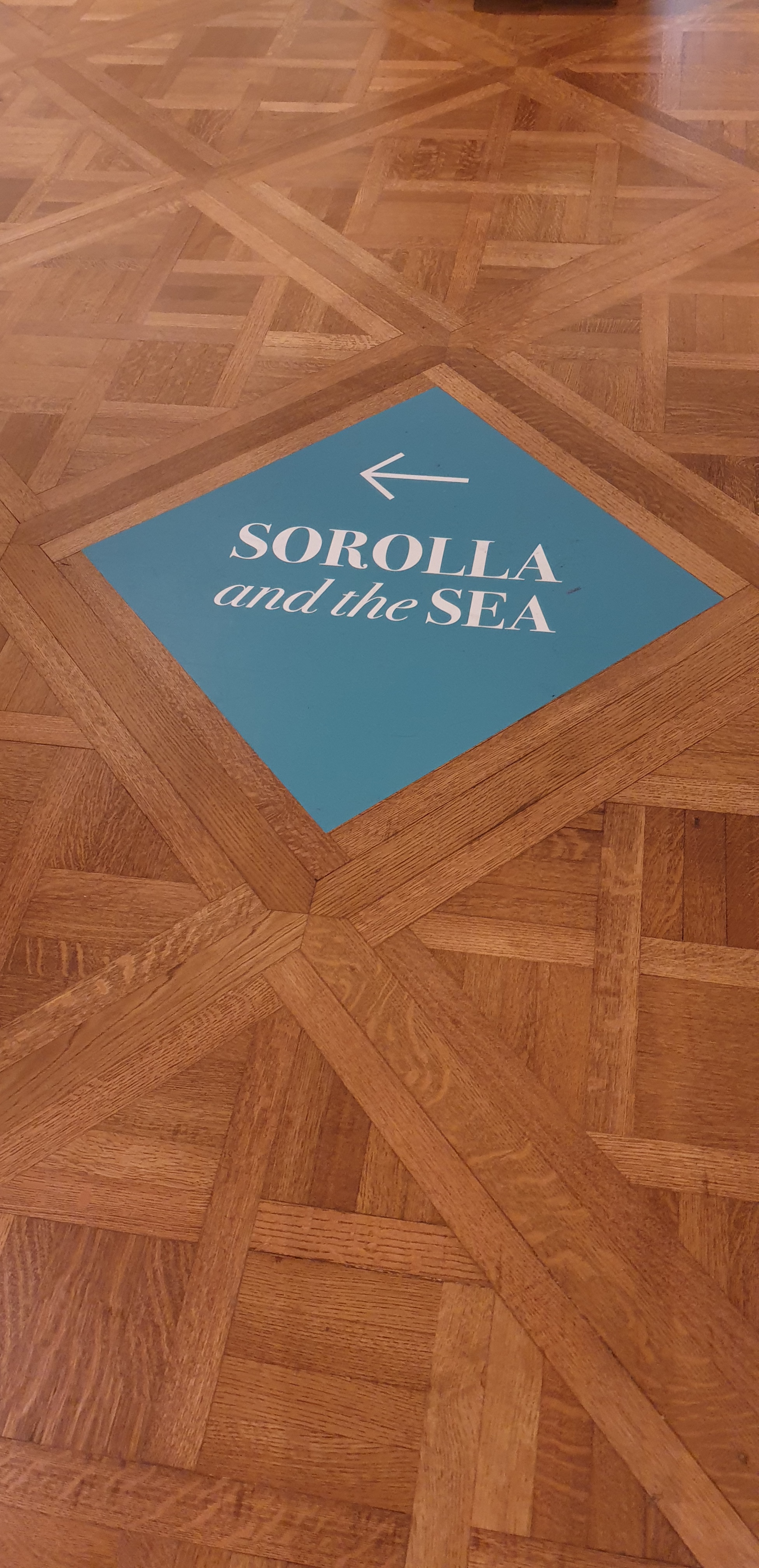
Sorolla and the Sea at the Norton in West Palm Beach

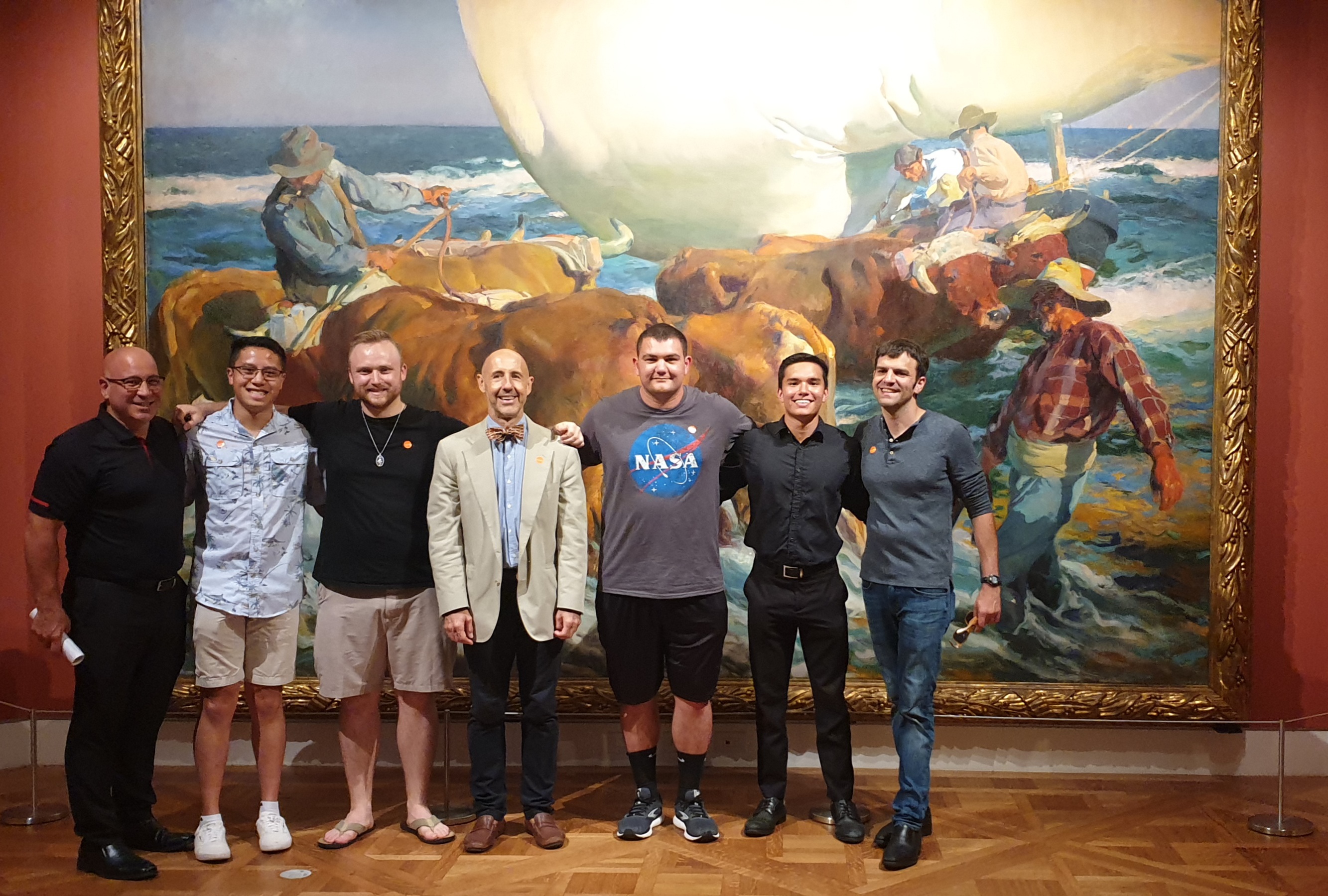
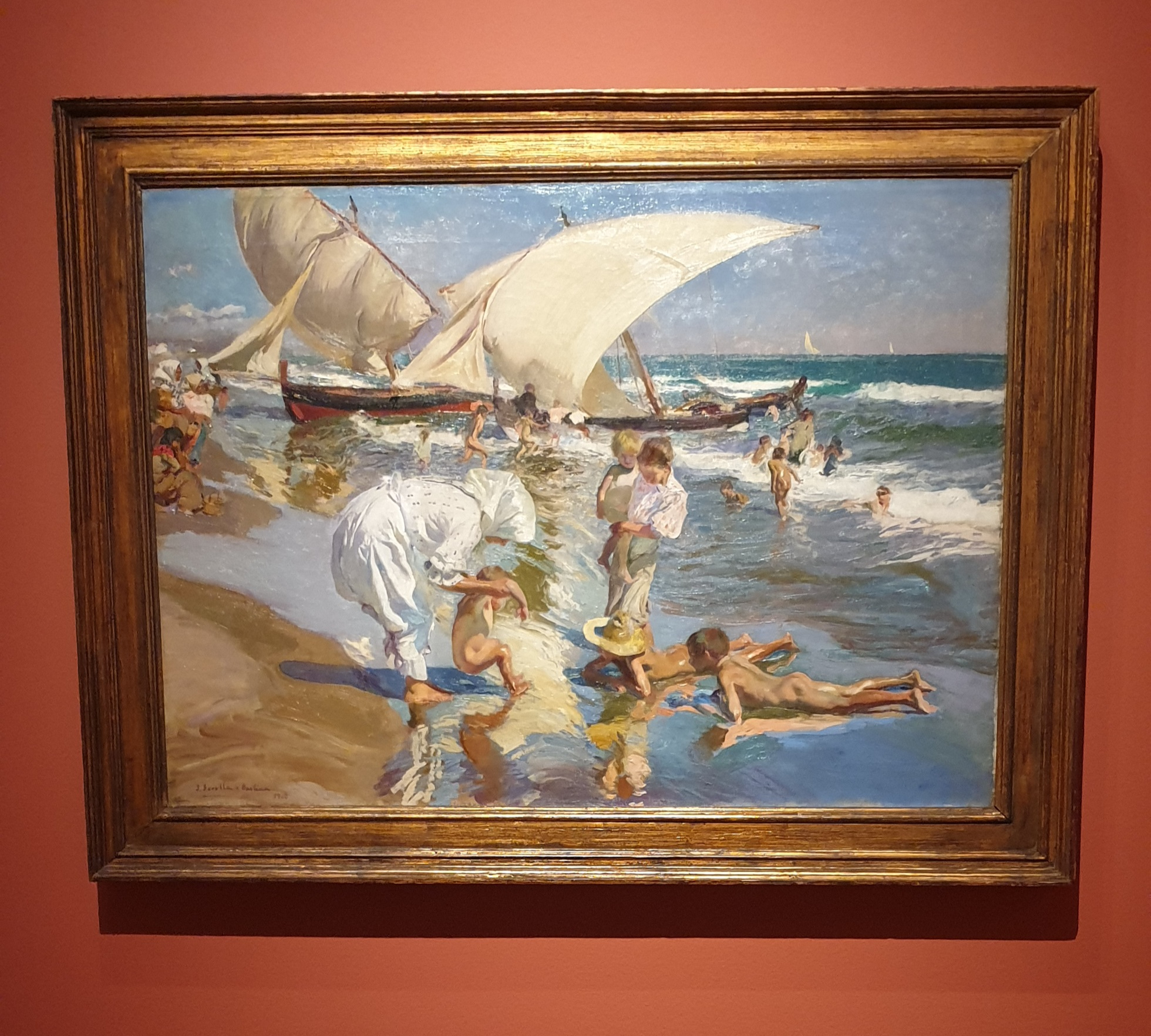
Maybe because the Joaquín Sorolla house and museum is around the corner from my family home in Madrid, Sorolla was the first painter I connected to. Maybe it was his Mediterranean scenes that took me to my own Summers in the Med. Whatever it might have been, Sorolla has a special place in my heart.

When I am in Madrid, I often sneak into the garden of the Sorolla house museum to read, and occasionally I will go inside to visit the paintings like old friends (you can read about that here).

So when I learned the Norton Museum was hosting an exhibition to complement their existing (huge) Sorolla painting, I had to see it.

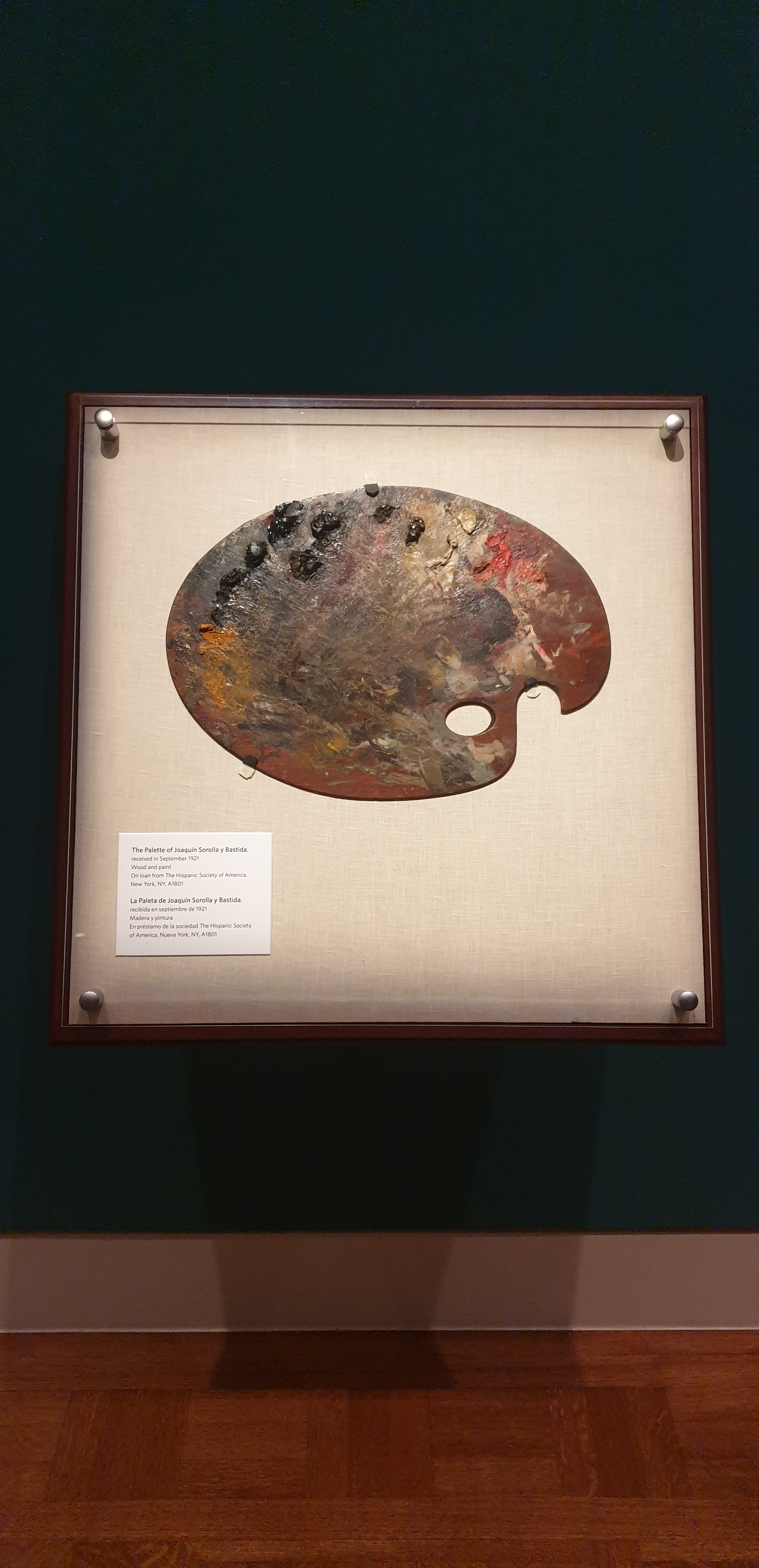
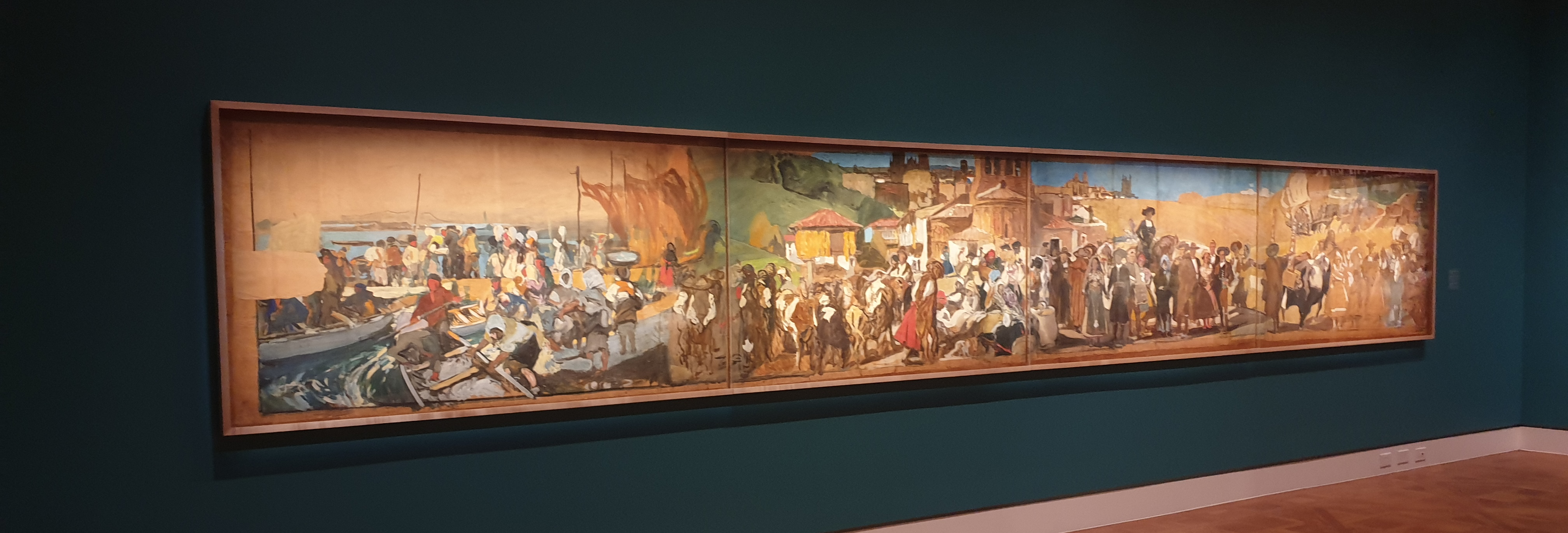
It did not disappoint. Most of the paintings are on loan from the Hispanic Society in New York City which commissioned many paintings from Sorolla. The exhibit includes some drafts of paintings, a bronze sculpture from his dear friend and paisano Benlliure -the marble one is in the garden in Sorolla’s house, even one of Sorolla’s palettes!

Sorolla is known as the painter of light, leaving behind the Impressionists, and creating a space of his own, beyond labels.

If you are in the Palm Beach area you should see it, you are welcome.

Spanish Baroque in Boca Raton

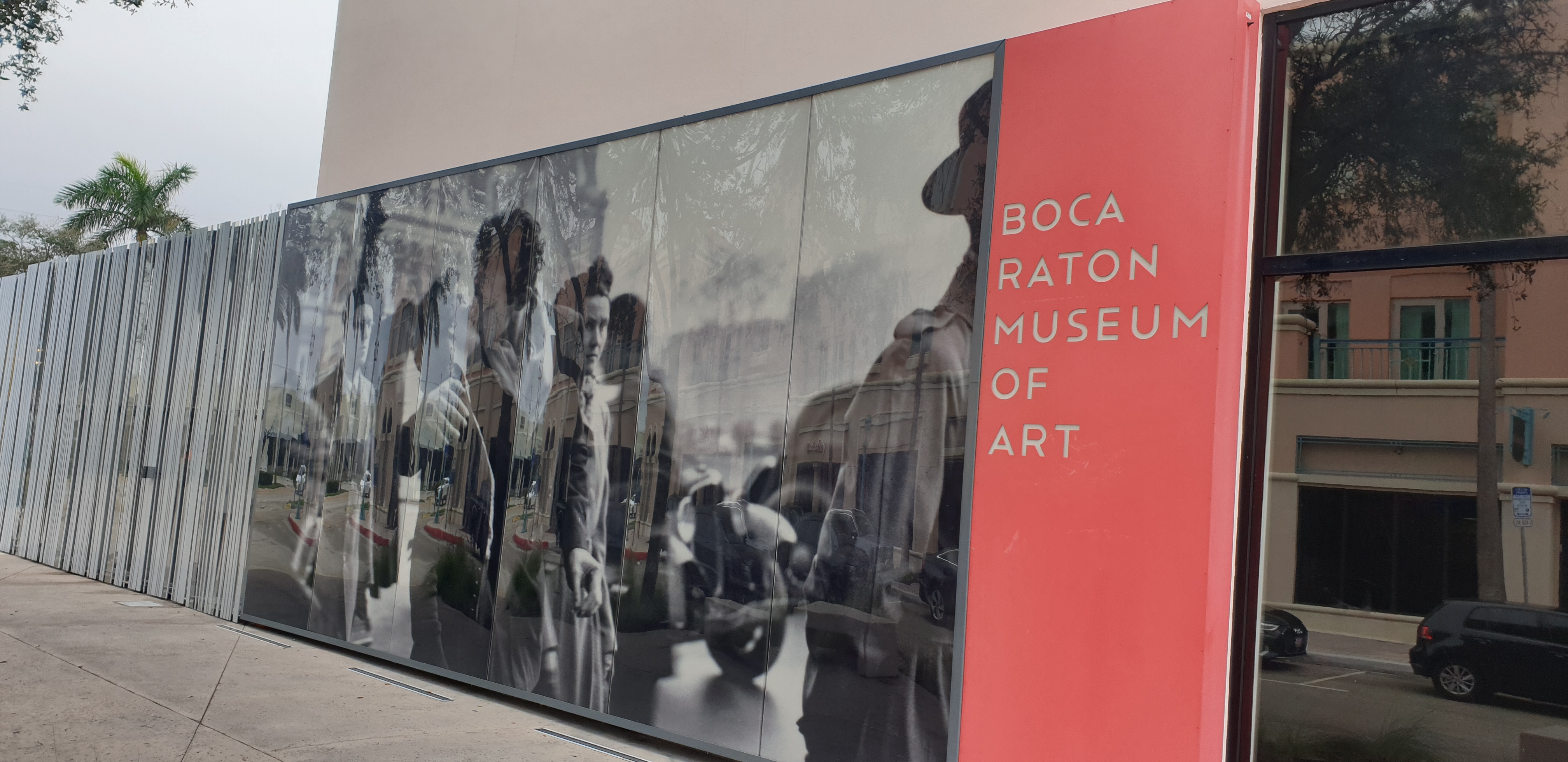
As soon as I found out that the Boca Raton Museum of Art had an exhibit about the Spanish Baroque, I booked a visit for my classes and then went to check it out for myself.

The paintings are courtesy of the Hispanic Society of America in New York, which has organized this exhibit, and which will then travel to a couple more cities.

Splendor and Passion: Baroque Spain and Its Empire is a small but very good-quality exhibit. You are welcomed by a local artist’s interpretation of Velazquez’s Meninas, and then you enter to discover paintings by the real Velazquez, Murillo, and el Greco (whom I would put more into late Renaissance than Baroque, but I am nitpicking). If you love the chiaroscuro, if you love Baroque art, this one is for you!

The Boca Raton is a fairly small museum, with most of the collection being 20th C art. But since you are already there, you might as well check it out.

So, if you are in this suburban wasteland that is South Florida, and you need a little injection of beauty, art, and culture, head over to the Boca Raton Museum of Art. You are welcome.
Musings on modern art.

Confession time: I do not always understand modern art, it does not move me, it does not make me question anything, it does nothing for me -maybe giggle. Having said that, I do not agree with the “I could have done that”, “My toddler could have done that”, “A drunk monkey could have done that” variations. It does take some creativity to come up with the idea to make/paint something.

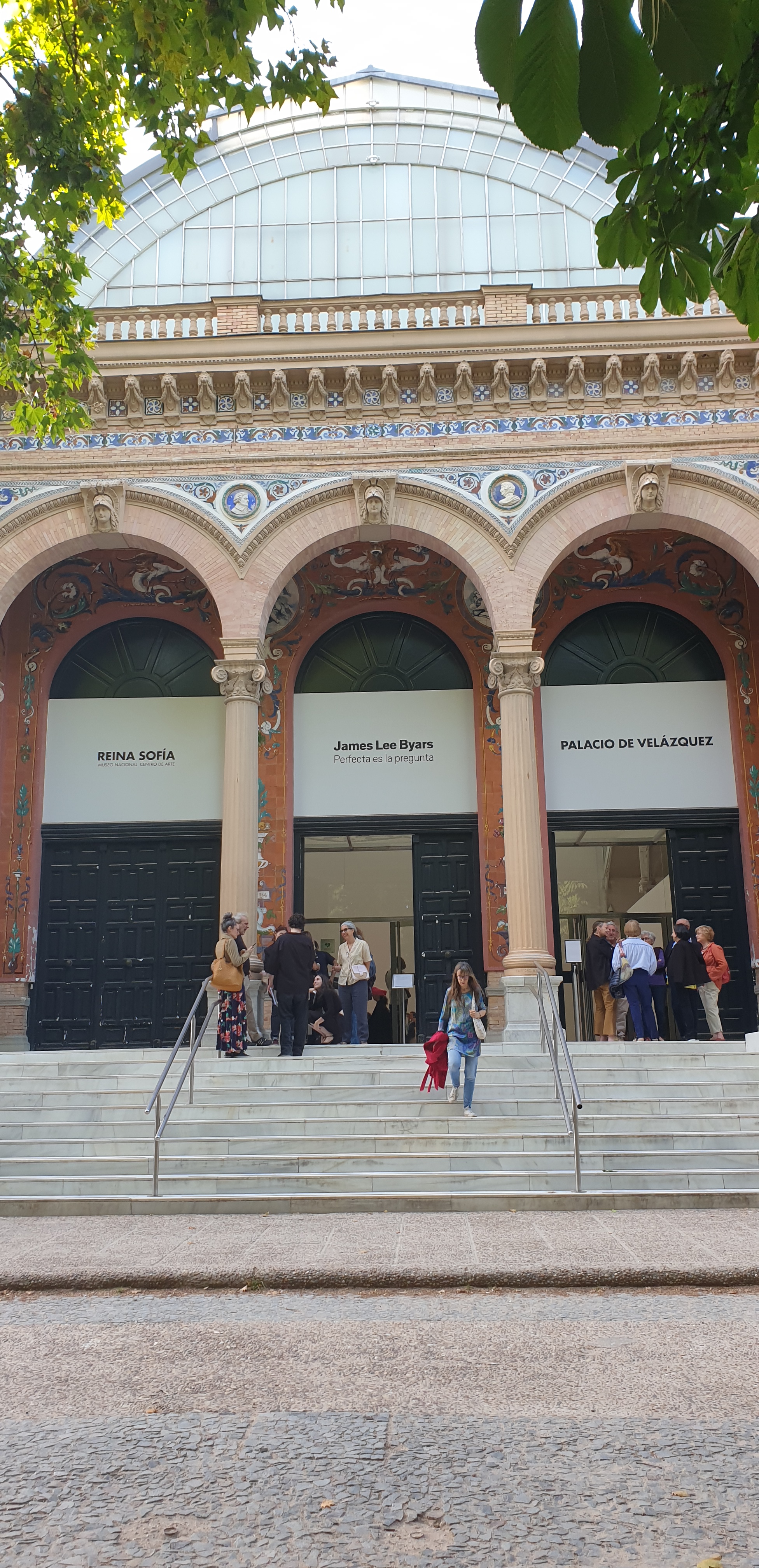
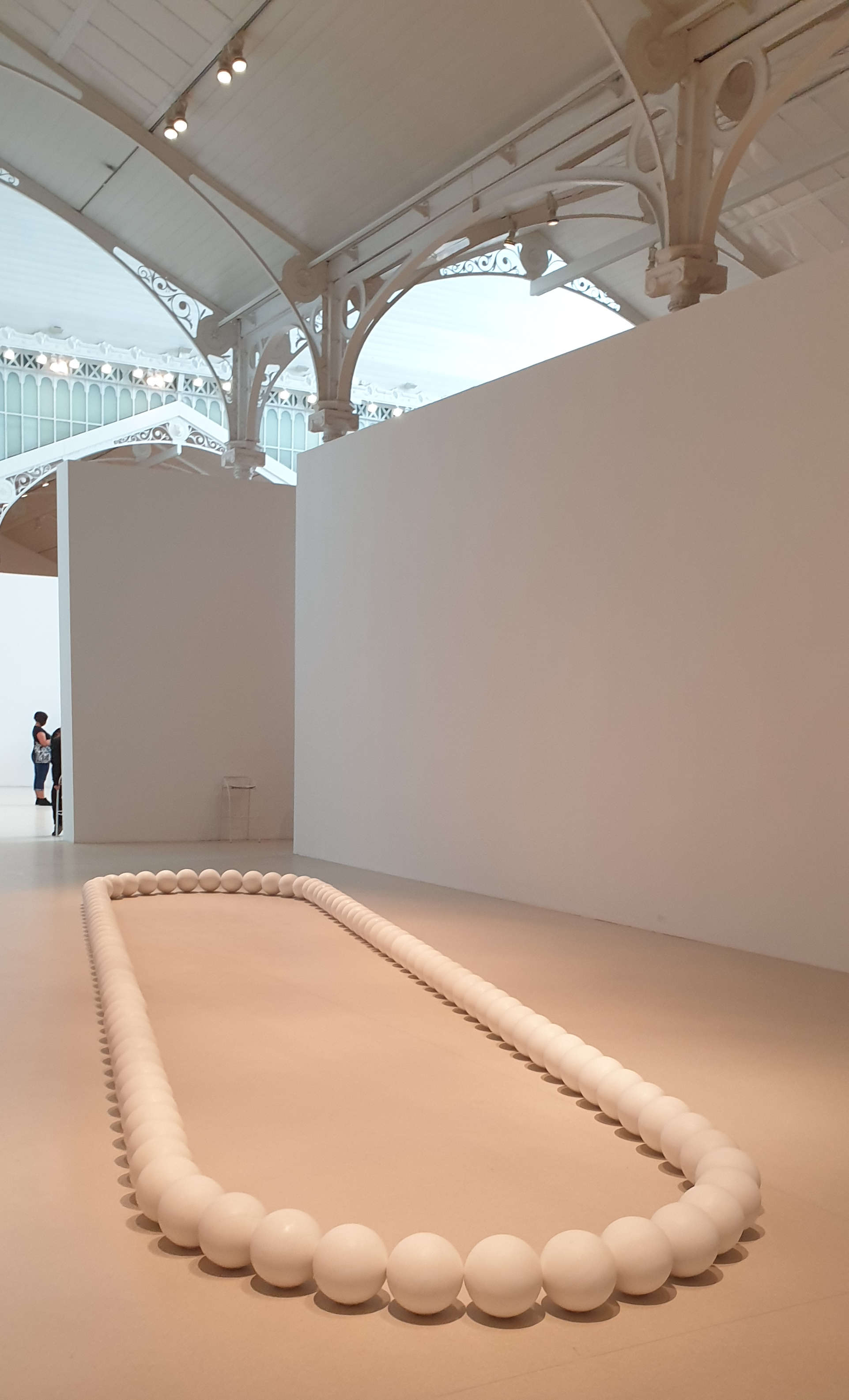
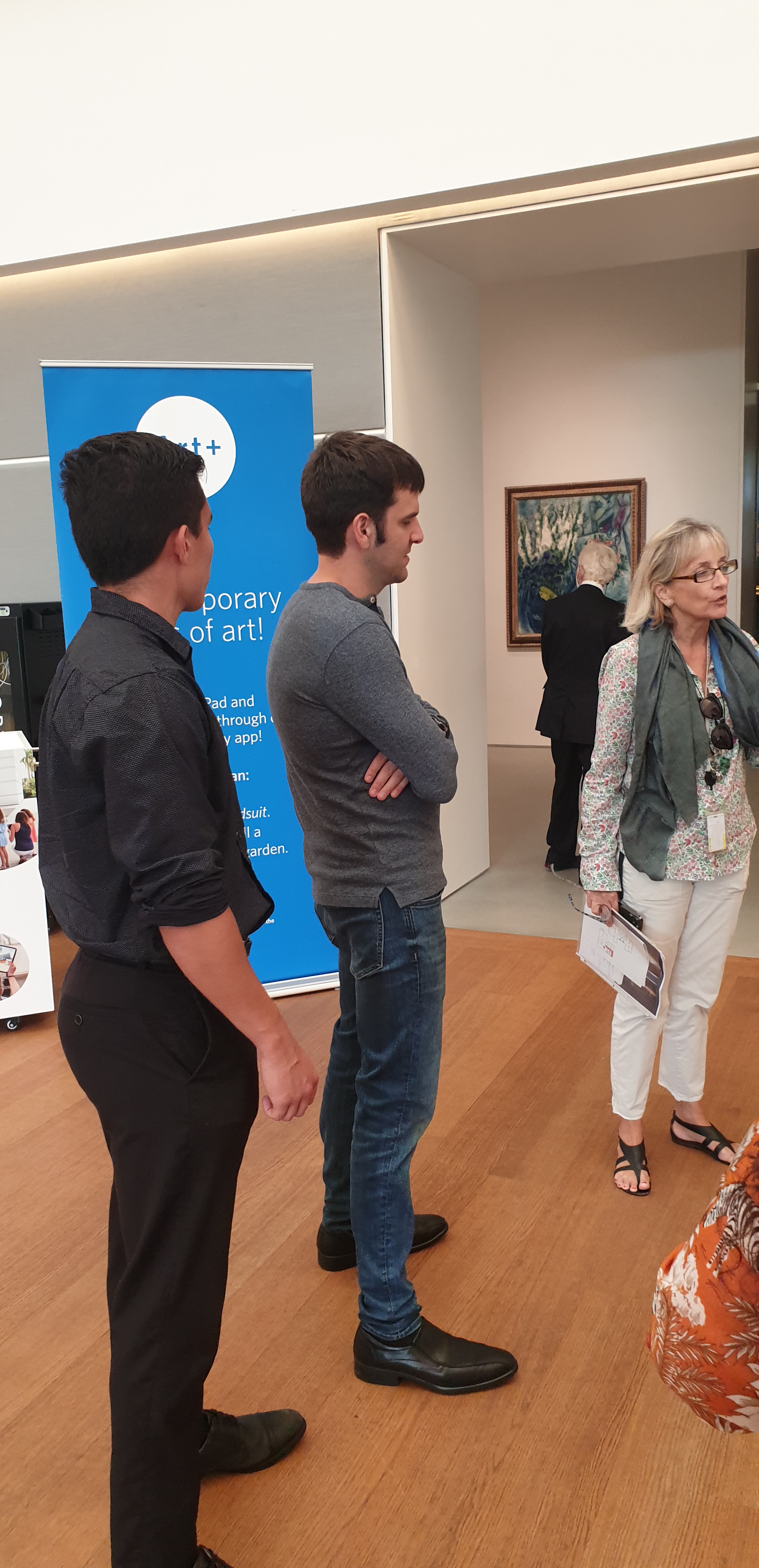
Walking around the Retiro park recently, Celia and I dropped by an exhibition at the beautiful Palacio (or Casa) Velazquez by renown modern artist James Lee Byars. Having just come from seeing the Colecciones Reales a few days earlier (check that our here), the contrast was, to say the least, amusing.

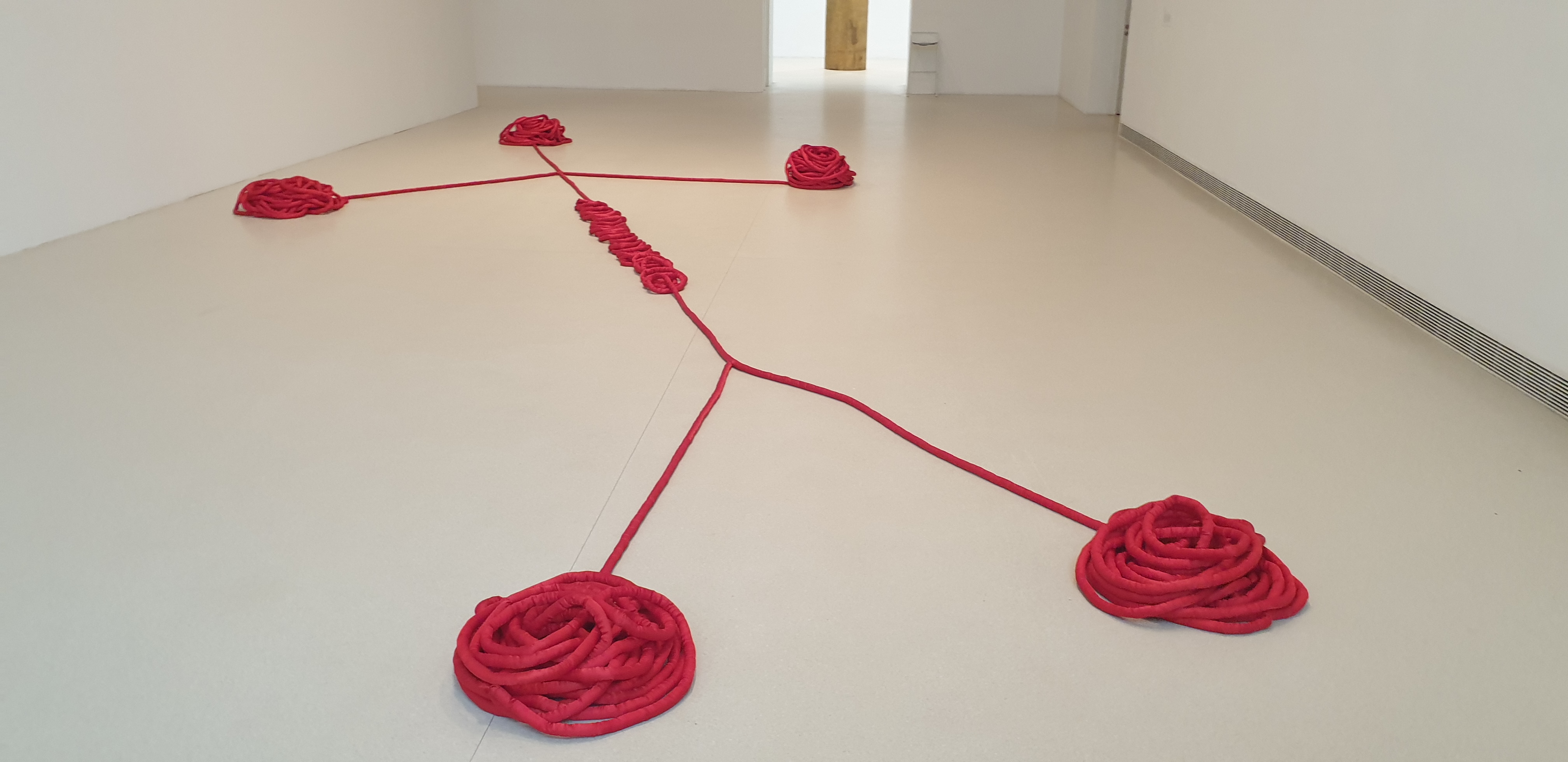
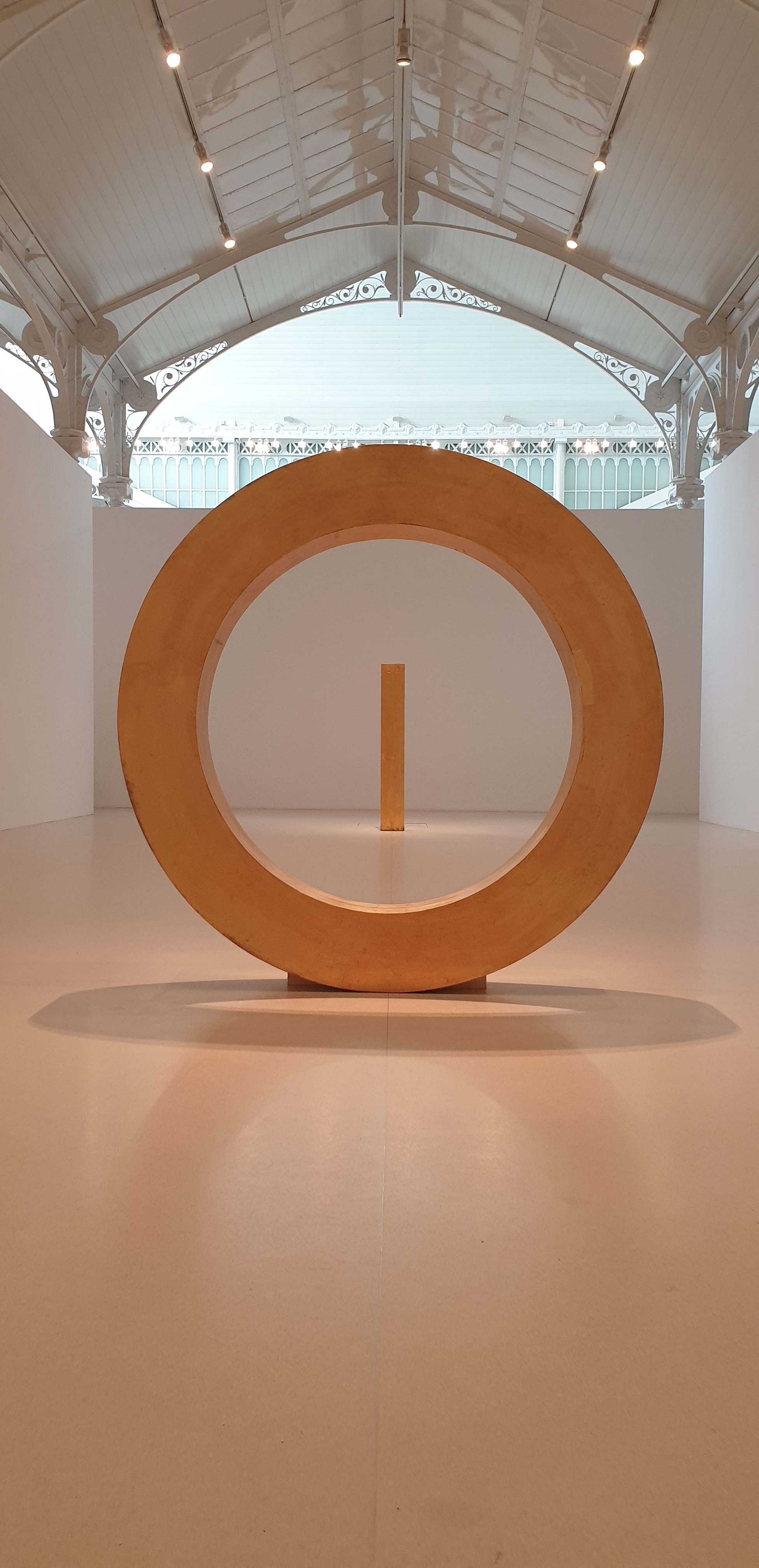
The show included fixed pieces, which ranged from interesting to outright questionable, (half a golden sphere, seriously?). More interesting were performance numbers with people walking around the gallery and performing different activities. I did stop by a fire extinguisher wondering if it was part of the exhibit or part of the emergency equipment of the building.

Did I miss anything? Please enlighten me in the comments below.

Art as meditation, Sphinx Virtuosi

Richard Rohr recently explained in his daily email about the transformative power of art (see below). Although this is something we have known for a long time, I was just thinking the same thing recently.

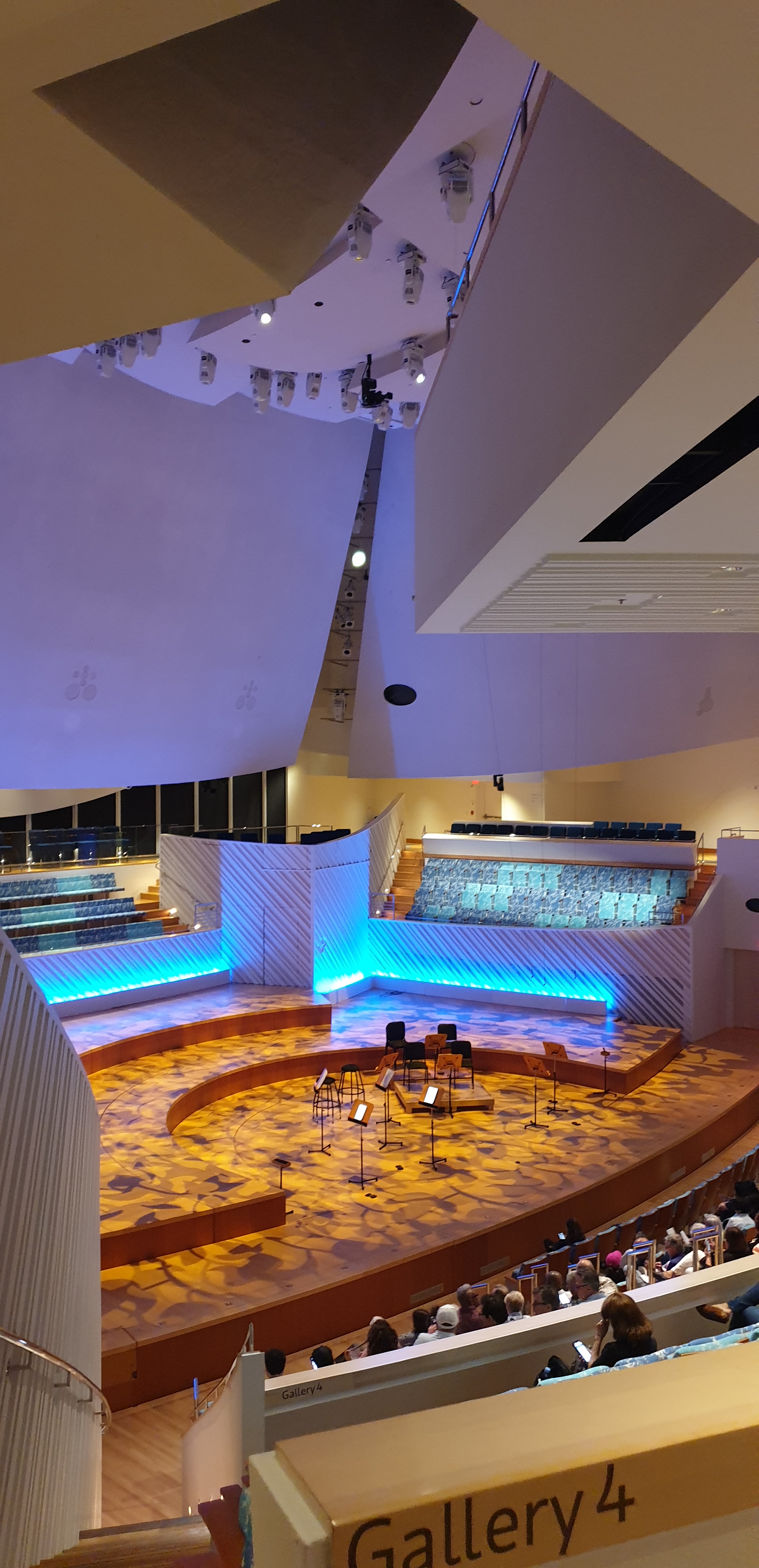
My dear friend, old student, Film Club founder, and overall formidable fellow, Guillermo recently invited me to see him perform with his orchestra, Sphinx Virtuosi, at the New World Center in Miami.

When the art hits, when it envelops you, your attention is focused on the art. You are not thinking about bills, work, what’s for dinner, etc. At that moment, at that point, you are as close to the divine as you are possibly going to be. The beauty of this moment is that it happens without conscious preparation, you just hit the moment, and it is beautiful.

The Sphinx concert featured their amazing musicians, all of which are at the top of their game, with musicians, fellows, from the New World Orchestra in a fluid collaboration. William is not my only old student playing in the Sphinx Virtuosi, Tommy Mesa whom I have mentioned before (here) and Celia Hatton who, like Guillermo, plays the viola, were also my students. Having a drink after the show I met Canadian-Caribbean violinist Maithena Girault.

So go immerse yourself in art, the more you appreciate art, the more chances you are going to have of being transformed by it. It could be a concert, in a museum, any form of art has the power and potential to elevate you. Be open to it.

You are welcome.

Culture in cities, Fundación Juan March; Antes de America.

One of the principal reasons I love cities is their fantastic cultural offering -lots of it free. So, when I am in Madrid, I make the most of it and try to go to as many culturally stimulating events as possible.

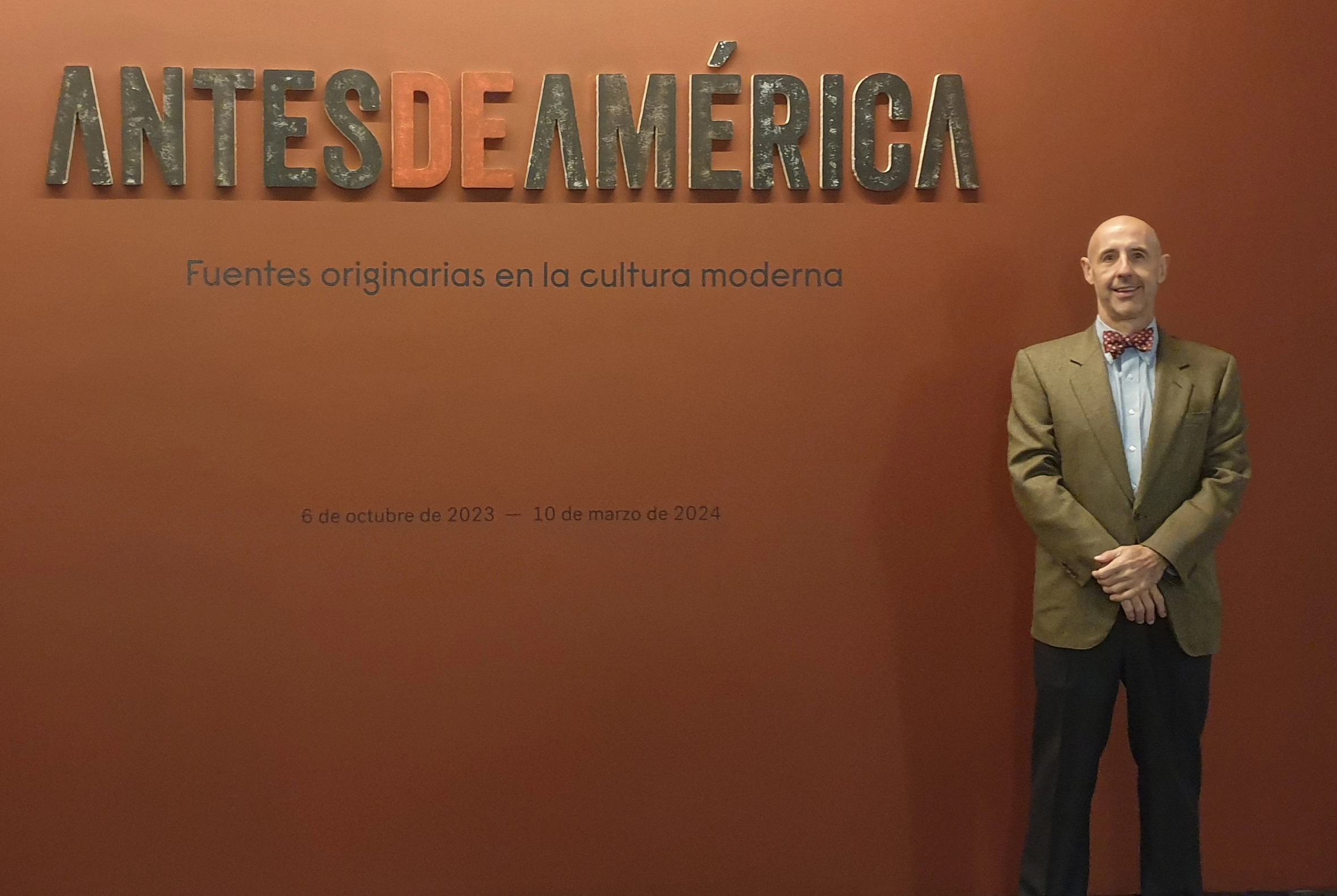
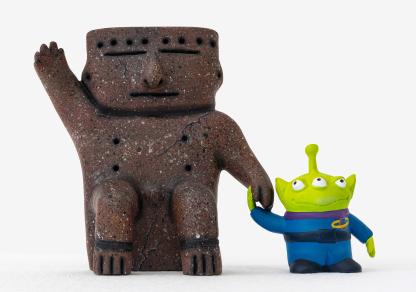
The other day I went with my nephew to the Antes de America exhibit at the phenomenal Fundación Juan March. What this exhibition sets to show is the influence of pre-colonial art on post-colonial art. It was a massive display showing pre-colonial artifacts next to the artifacts it inspired: from furniture to posters, record covers, pottery, all sorts of stuff.

Although the brochure claims the exhibit highlights art from Tierra de Fuego to Alaska, most of the material was Mesoamerican. Admittedly, that is also the region with the richest concentration of cultures -I am guessing because of the weather, but I am not a paleontologist or any kind of scientist, so what do I know?

One of the more important things I learnt from this exhibition was how prevalent ancient American art is in our modern culture. You might see a cool geometric design on a poster for a concert, for example, but in fact it was done hundreds of years ago by a tribe, people, culture that is no longer with us.

With hundreds, maybe thousands of pieces on show, there are bound to be some misses and I did find a couple of choices somewhat questionable. But again, this is not my field of expertise, I am just an old, white guy.

In conclusion, the exhibit is phenomenal in volume and content, if you are in Madrid before March 10, 2024, I highly recommend a visit. The Fundación has a cute little coffee shop in the basement and a cute little library you can borrow books from! And of course, the obligatory gift shop which sells the massive catalogue from the exhibition (yes, I got one!).

West Palm Beach as an oasis of art and culture.

If you pay attention and follow this blog you will notice that the main topics covered are The Camino, academics and education, Literature, art and culture, and then a lot of random thoughts and stuff.

This reflects who I am, of what drives me, what makes me tick. And as such it is -I guess- remarkably reliable. The reason for my passion for art and culture lies in the emotions involved and invoked by art.

Fortunately, a lot of art is now accessible from the comfort of your home: film, books, and so forth. But, a lot of art has to be shared, you have to get out to experience it. I am blessed to live near Palm Beach, which is -I have said this before- an oasis of art and culture in this suburban wasteland that is South Florida.

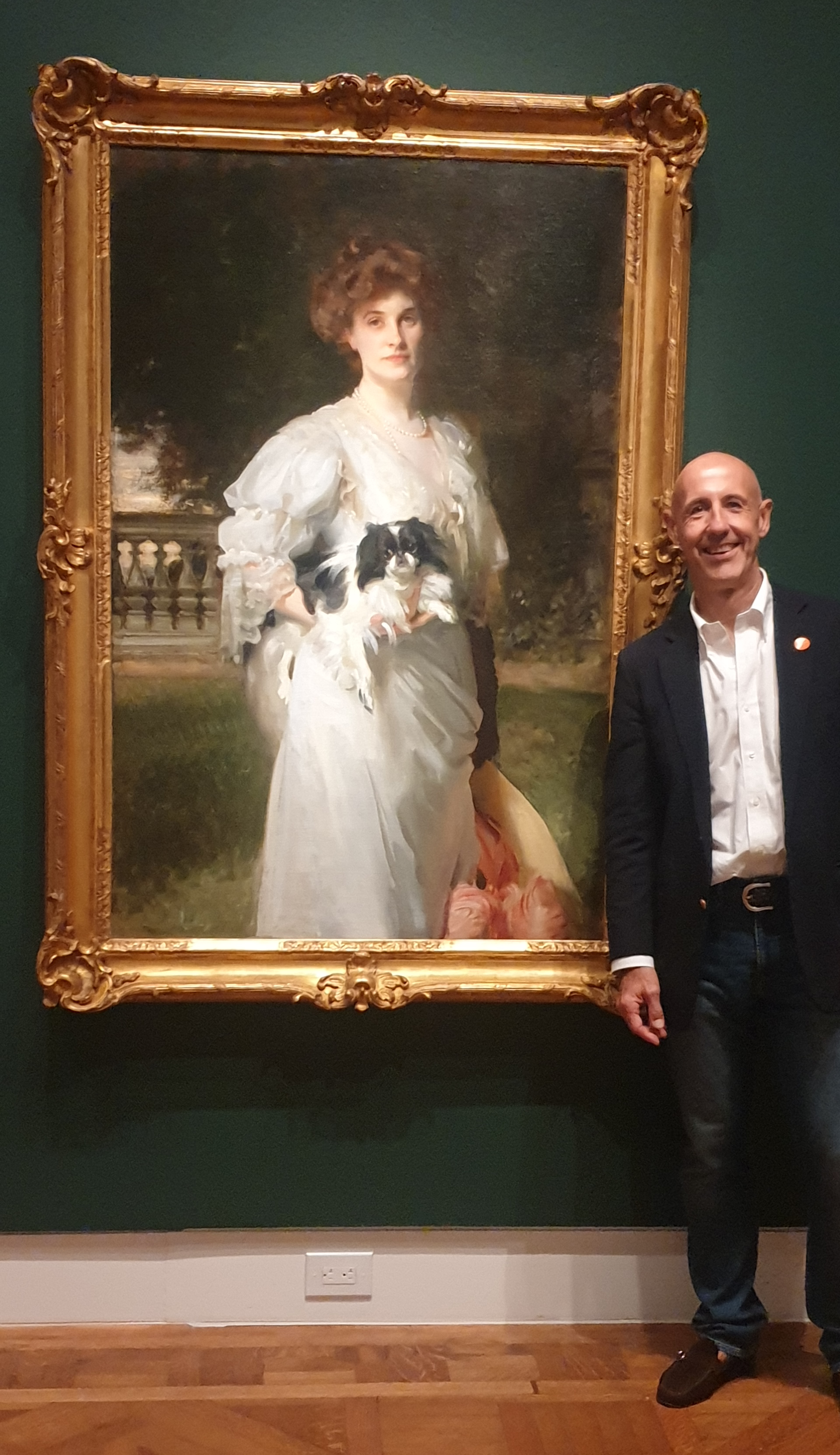
The Norton Museum gets a lot of attention in this blog because it is a jewel of a place which I love. I recently went to see their latest addition: John Singer Sargent’s painting of Amy Phipps Guest. It is a beautiful painting with illumination reminiscent of Sorolla (they were contemporaries and not only did their careers overlap, their technique is eerily similar).

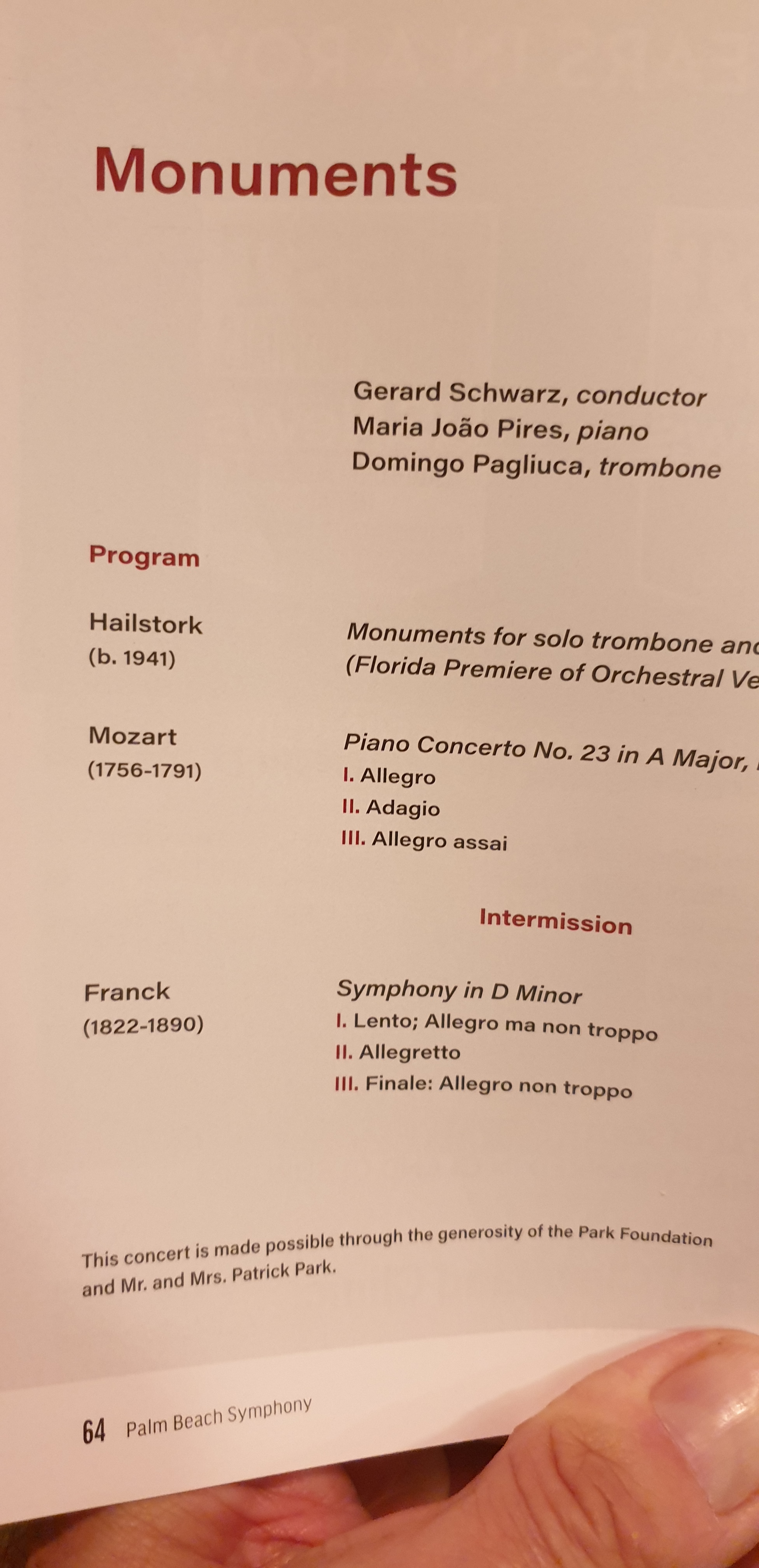
Another cultural treasure of Palm Beach is the Palm Beach Symphony, which I saw perform Handel’s Messiah in December. I recently saw them perform their season finale, at the Kravis Center, their “home”, which included Mozart’s Piano Concerto #23, Franck Symphony in D minor, and Hailstork’s Monuments for solo trombone

In conclusion: thank God for Palm Beach.

A Quiet Abiding: Jacobus Vrel’s Interior with a Sick Woman by a Fireplace

This world is driving us all crazy, it is polarized, violent, in a rush, inconsiderate, uneducated, younameit. But there are a few solutions, a few ways out. One is art. We need more art in our lives. Art makes us slow down, it makes us stop, stop and look, stop and listen, stop and touch, stop and smell, stop and taste.

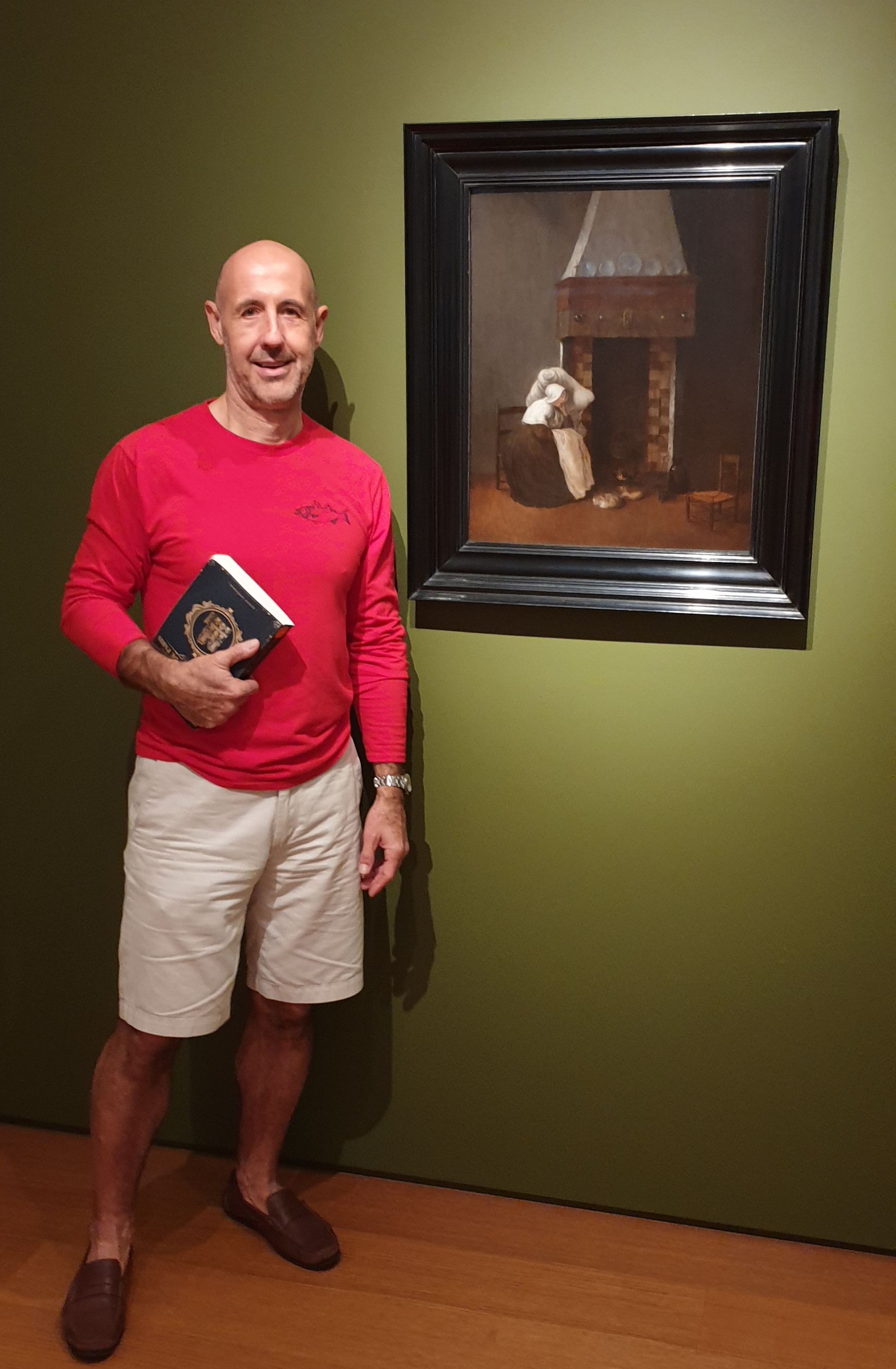
Last Saturday, although I was just coming out of a massive cold, I went to see A Quiet Abiding: Jacobus Vrel’s Interior with a Sick Woman by a Fireplace from the n at my oasis of culture and art: the Norton Museum of Art.

I arrived at the same time as the Chinese Dragon show was about to start in the garden to celebrate the Lunar New Year, but I went straight upstairs to see this painting, which will be on show at the Norton for two years.

Little is known about Vrel other than he barely preceded Vermeer, in fact the painting has an air of Vermeer, but apparently it is the other way around Vermeer has an air of Vrel.

The painting is beautiful, simple, quiet, and alluring. You want to make some tea for the sick old lady, some chicken soup. There is a weak fire in the fireplace, and that flickering flame, a handful of tiny brushstrokes, makes the painting, brings it all together, it is amazing!! A little like the flowers in infanta Margarita Teresa de Austria’s dress in Velazquez’s Meninas.

If you are around Palm Beach up until December 15 2024, do not miss this painting. You are welcome.

Hispanic Heritage celebration at the Norton

The Norton Museum in West Palm Beach is such an oasis of culture for me that I have already written about it five times in this blog. Well, here is the sixth:

Understanding the importance of Hispanic Heritage and Hispanic Heritage month, the Norton organized an open house “Nuestra Cultura” day in celebration. I took advantage of the opportunity and took some students from my classes. We had a blast!

We skipped the piñata making table, the Latin dance lessons, and the food stalls. We checked out the mercado set up in the garden, and what we really dug our teeth into the actual museum. Although the collection is small, it contains top notch art. We walked around discussing different pieces and paintings.

We had a wonderful time, and I enjoyed (finally) being able to share the Norton with my students!

My favorite painting

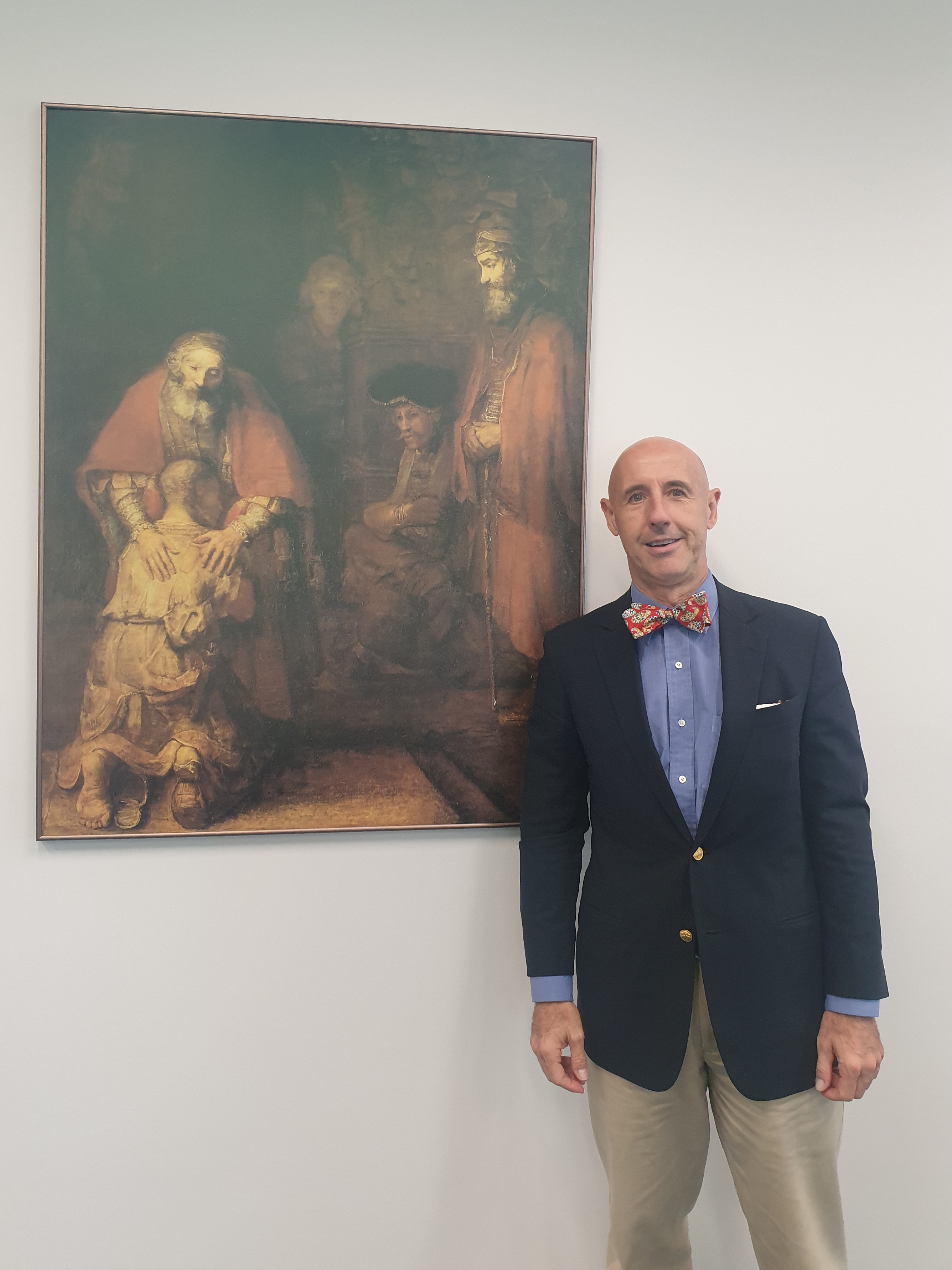
The Prodigal Son, from my friend Irina

This might sound heretical coming from a Spaniard, but my favorite painting is not by Goya or Velazquez or Picasso or Murillo or Dalí or Miró, it is by Rembrandt (Leiden 1606 – Amsterdam 1669), and it is not even in a Spanish museum.

Unfortunately, I did not realize I was looking at what would be my favorite painting when I saw Rembrandt’s Return of the Prodigal Son when I was seventeen and visiting The Hermitage Museum in St. Petersburg with a handful of school friends. I was probably more concerned with looking at pretty girls or wondering about the evening’s plan with cheap Soviet Vodka -ah yes, the year was 1983, with Leonidas Brezhnev in charge of the Soviet Union!

Not long after, my father gave me a book: The Return of the Prodigal Son: A Meditation on Fathers, Brothers, and Sons by Henri Nouwen and I was deeply moved. I understood the painting and it became my favorite. Nouwen, a priest (1932-1996), threads the parable of the Prodigal Son (Luke 15:11–32) with the painting, covering each detail, each character in Scripture and the painting.

The father’s hands gently placed on the boy’s back, the brother’s jealous, angry stare, the servant, the mother, even another person almost invisible in the background, the son’s broken sandals, the capes, everything has a purpose and a meaning. The painting, painted in Rembrandt’s last years, is as spiritual as they get. It asks for your meditation, it questions our behaviors as sons and daughters. You feel the weight of the father’s hands on your back, their warmth. The painting forgives you.

What was my surprise when I discovered that a poster of the painting hangs in my school’s library, right outside my office! I walk by it many times every day, and every day I am reminded of Rembrandt, of the Prodigal son, and of my trip to Russia many years ago.

Some of my other favorite paintings are Velazquez’s Meninas in the Prado, pretty much anything by Goya, Velazquez´s Inocencio X in the Doria Pamphili Gallery in Rome, every Sorolla painting, I’ve already mentioned Frida Kahlo in this blog, etc., etc., etc., the list goes on and on. But this one wins.

What is your favorite painting? Comment below, I would love to know!

Poster next to my office!

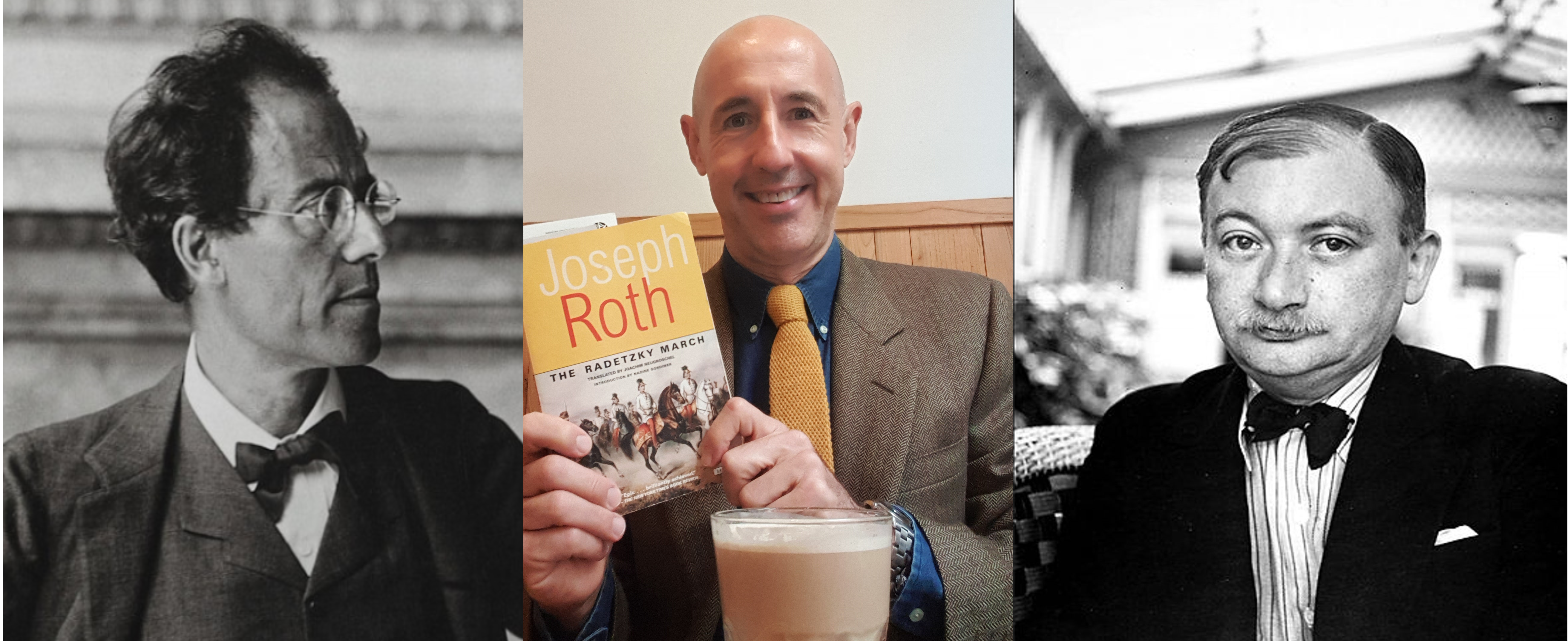
Joseph Roth and Gustav Mahler, brothers separated at birth??

My car is an old VW Golf, it still has a CD player! Not a fancy multi-disk unit, just a single CD at-a-time thing. So I put in a CD and it stays there for months, it is all I listen to. This has been going on for years: Bach’s Goldberg Variations (of course the original Gould recording), Van Morrison’s Born to Sing, no Plan B, the Tous le Matins du Monde soundtrack (which I found in a literal mountain of CDs being sold by some very trashy looking folks in Vermont, which leads me to believe that a, it was stolen or found, or b, I am a bad person who stereotypes people by their looks), Mozart’s Requiem… you get the idea. Well for months I have only listened to Mahler’s symphony No. 5.

Joseph Roth was a turn of the 20th Century German writer. I have read Job, The Story of a Simple Man twice, in 2003 and 2018, The Collected Stories in 2006, and I just finished The Radetzky March.

As I read the book and listened to Mahler, I realized how extraordinarily similar they are in their art. Both artists manage to convey the full spectrum of feelings in a single work, in my example: The Radetzky March and the Symphony No. 5 which is not even considered Mahler’s best work. Of course, his best symphony is a highly debated topic (I would go with No. 2).

This capacity to transmit feelings got me thinking about their similarities, there are a few:

Both lived around the same time Roth 1894 – 1939 and Mahler 1860 – 1911.

Both were Jewish (although Mahler became a Catholic so he could continue working…)

Both lived in Vienna at the turn of the century –although not at the same time- and attended the same university, although neither was originally even Austrian (Mahler was Bohemian, modern day Czech Republic and Roth from Galicia, modern day Poland and Ukraine) but both were in the Austro-Hungarian Empire. This is critical since both artists reflect the fall of the empire in their work.

Of course, at the end of the day each artist’s capacity to make the receptor of the art feel something is based on his or her craft and abilities. But let’s just say that reading and listening (not at the same time) I was transported from happiness to sadness, from victory to defeat, from walking in a field in Spring to avoiding enemy fire. Thank you Mahler and Roth.

Here is the Third movement from Mahler 5. It is directed by my dear friend and old colleague Benjamin Zander, a Mahler scholar!!