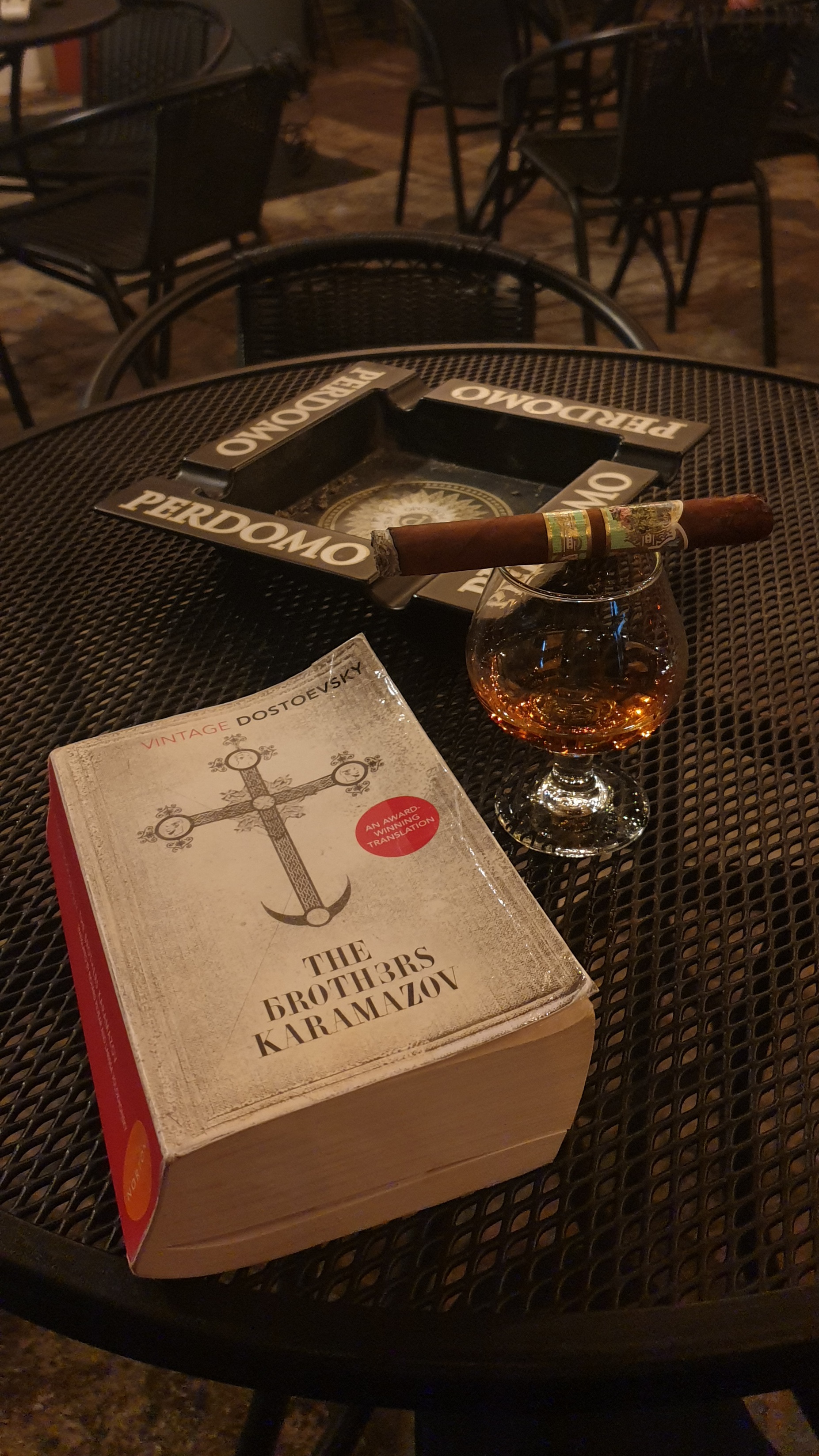
The monk in Rainer Maria Rilke’s Prayer of a Young Poet and Alyosha Karamazov; the same person?

One of the best things about having your own blog is that you can write whatever you want. Even if it is pseudo academic, or as one of my students says: Dr. B’s conspiracy theories. No double-blind peer reviews, no scientific method, no academic prestige to worry about, just my unadulterated thoughts, a hunch. So enjoy:

Why am I fascinated by the turn of the (20th) Century Central and Eastern Europe? I have written about it a couple of times (here and here).

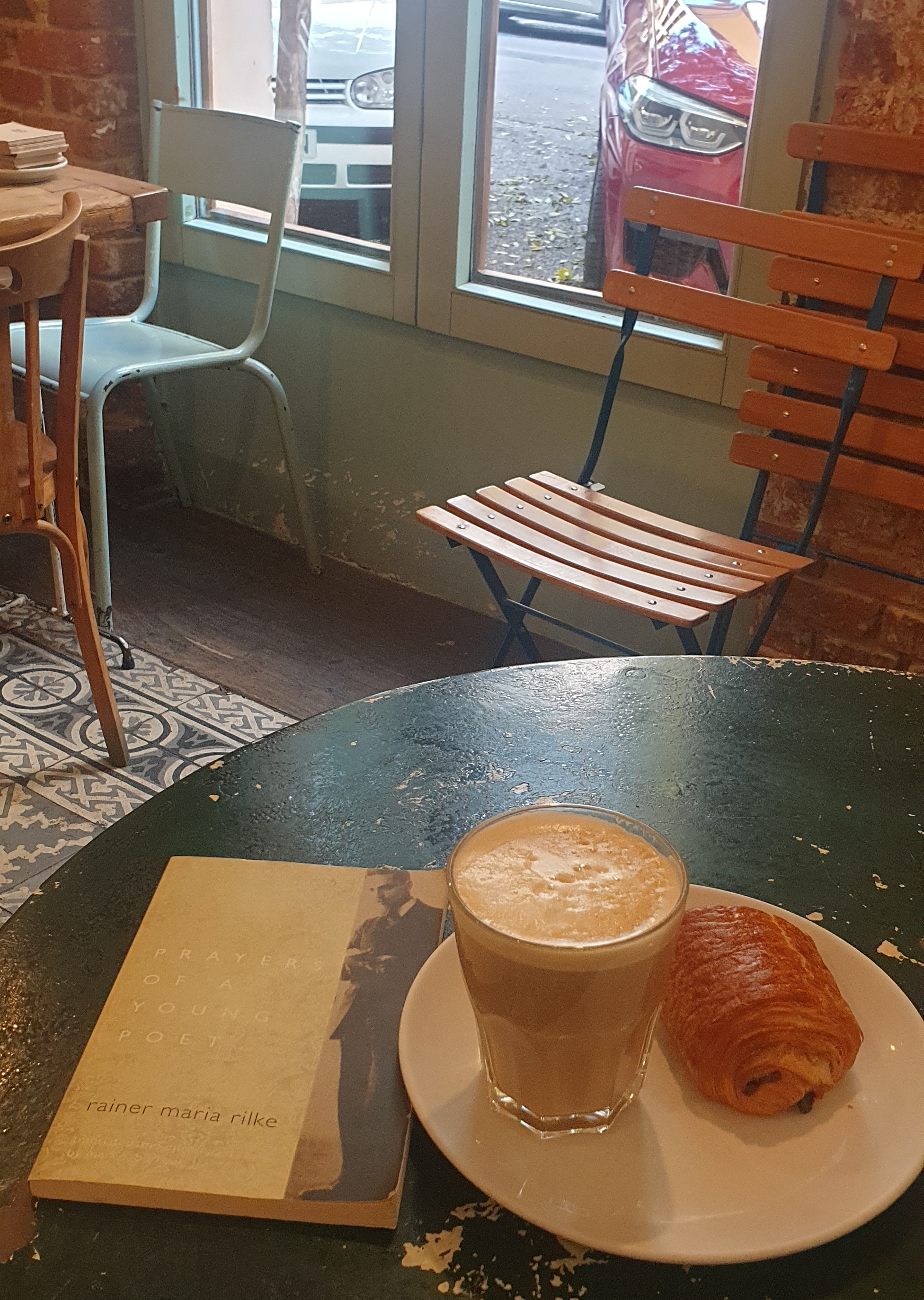
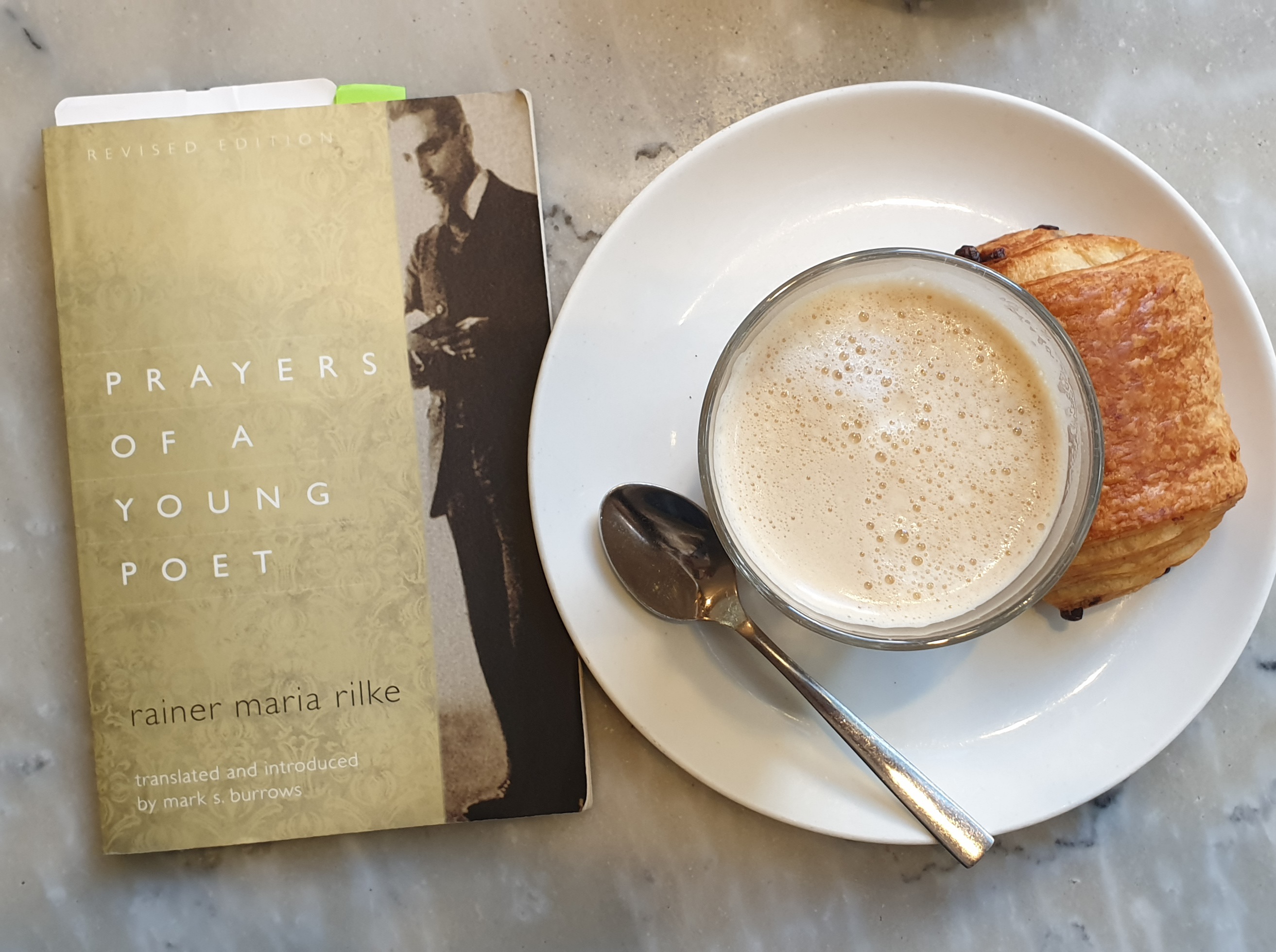
I just finished Rainer Maria Rilke’s Prayers of a Young Poet, and it blew me away!

Rilke authors this 68-poem collection in the voice of a nameless Russian Orthodox monk. The spirituality is palpable. Each poem has a brief footnote denoting where and/or when it was written: “2nd of October, beneath soft evening clouds”, “On the 5th of October, written down in the exhaustion of evening, having returned home after having been out among the people.”

Perhaps due to my ignorance and lack of reading, I kept thinking of Alyosha Karamazov from Dostoyevsky’s novel.

What connects these poems and Alyosha Karamazov is a simple innocence, a pure love of life and humanity in lines like:

“I want to love things in ways no one has yet done.”

or

“The hour bows down and stirs me

with a clear and ringing stroke;

my senses tremble. I feel that I can–

and seize the forming day.”

So, that is my hunch, my thesis. That there is an existential connection between the monk, the narrative author of Prayers of a Young Poet and Alyosha Karamazov, as if he had drafted those poems. But, you say, there are hundreds if not thousands of Russian Orthodox monks and many of them are in literature. My answer to your comment is the first line of this blog post. Also, I am a romantic, can’t you see? And this connection is just beautiful, and delicate, and awesome!

Rilke travelled to Russia and was entranced by their culture, art, and most importantly their rich religious tradition. He also could have read Dostoyevsky’s masterpiece published in 1880, 19 years before the original publication of Prayers in 1899.

Yes, I could go on and on and get all academic, but this is a general interest blog, so there you have it. If you do want me to elaborate on my thoughts, let me know in the comments!!

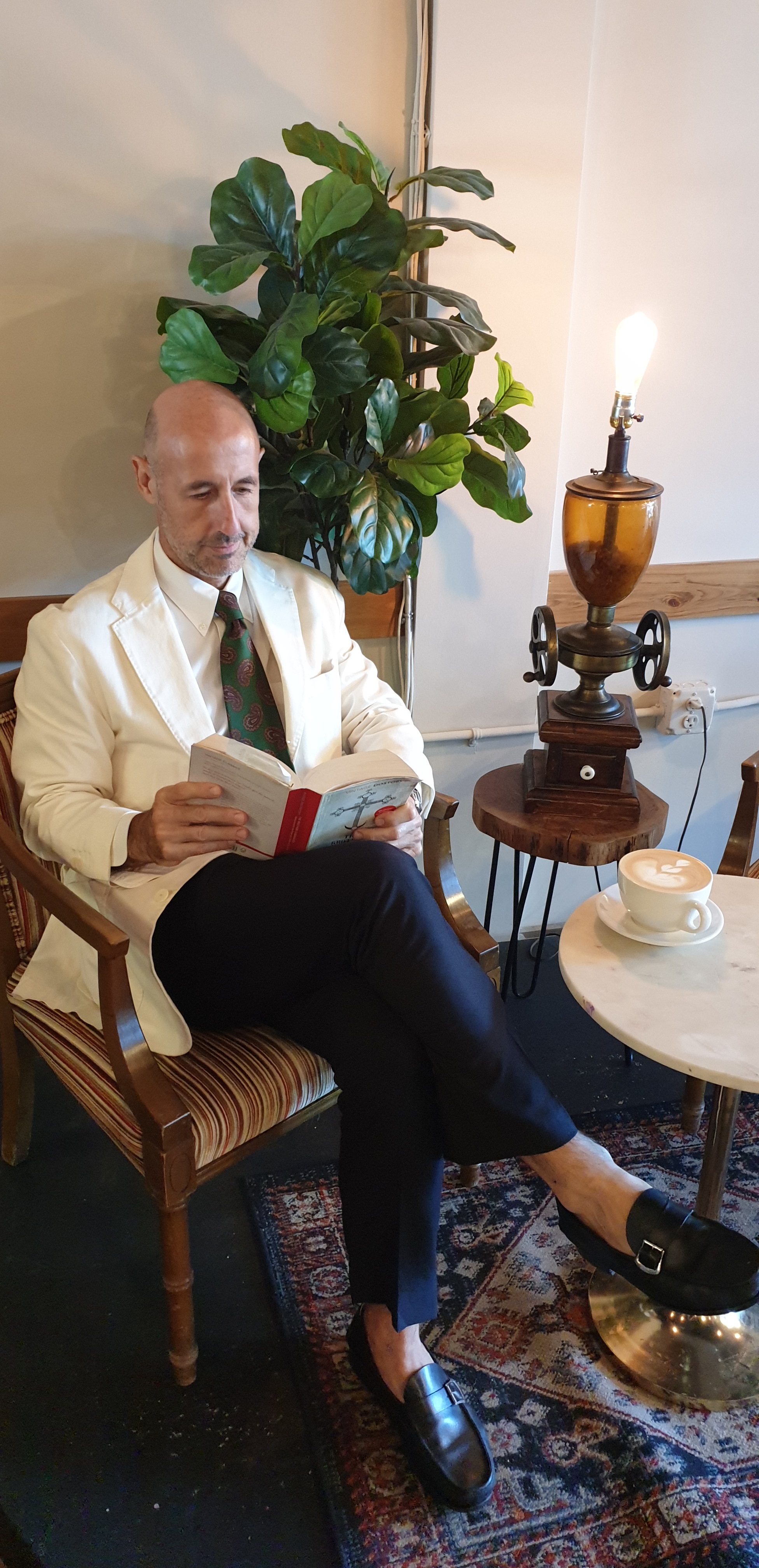
You should read Fyodor Dostoevsky’s The Brothers Karamazov

“Above all, don’t lie to yourself. The man who lies to himself and listens to his own lie comes to a point that he cannot distinguish the truth within him, or around him, and so loses all respect for himself and for others. And having no respect he ceases to love.”

― Fyodor Dostoevsky, The Brothers Karamazov

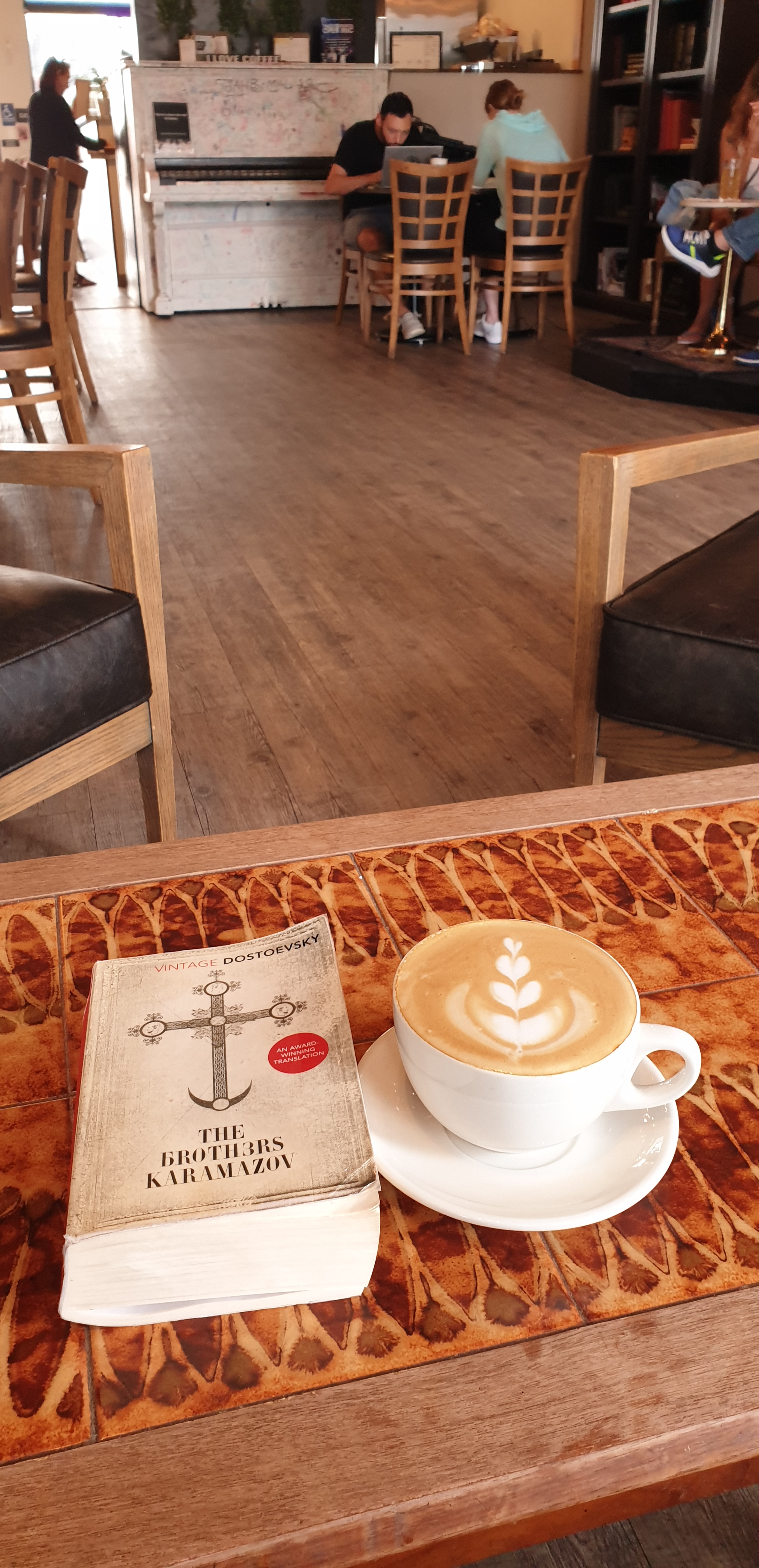
The hype is real, The Brothers Karamazov is one of the best books ever written. For me it goes straight up in my list! It has the perfect combination of human behavior, philosophy, love (and lust), Russia, and much more, all beautifully written and woven together.

No spoilers, the book is about the three Karamazov brothers: Dmitri, Ivan, and Alexei -Alyosha- and their father. There is also a half-brother, two women, servants, and many other characters who give the novel phenomenal depth and texture.

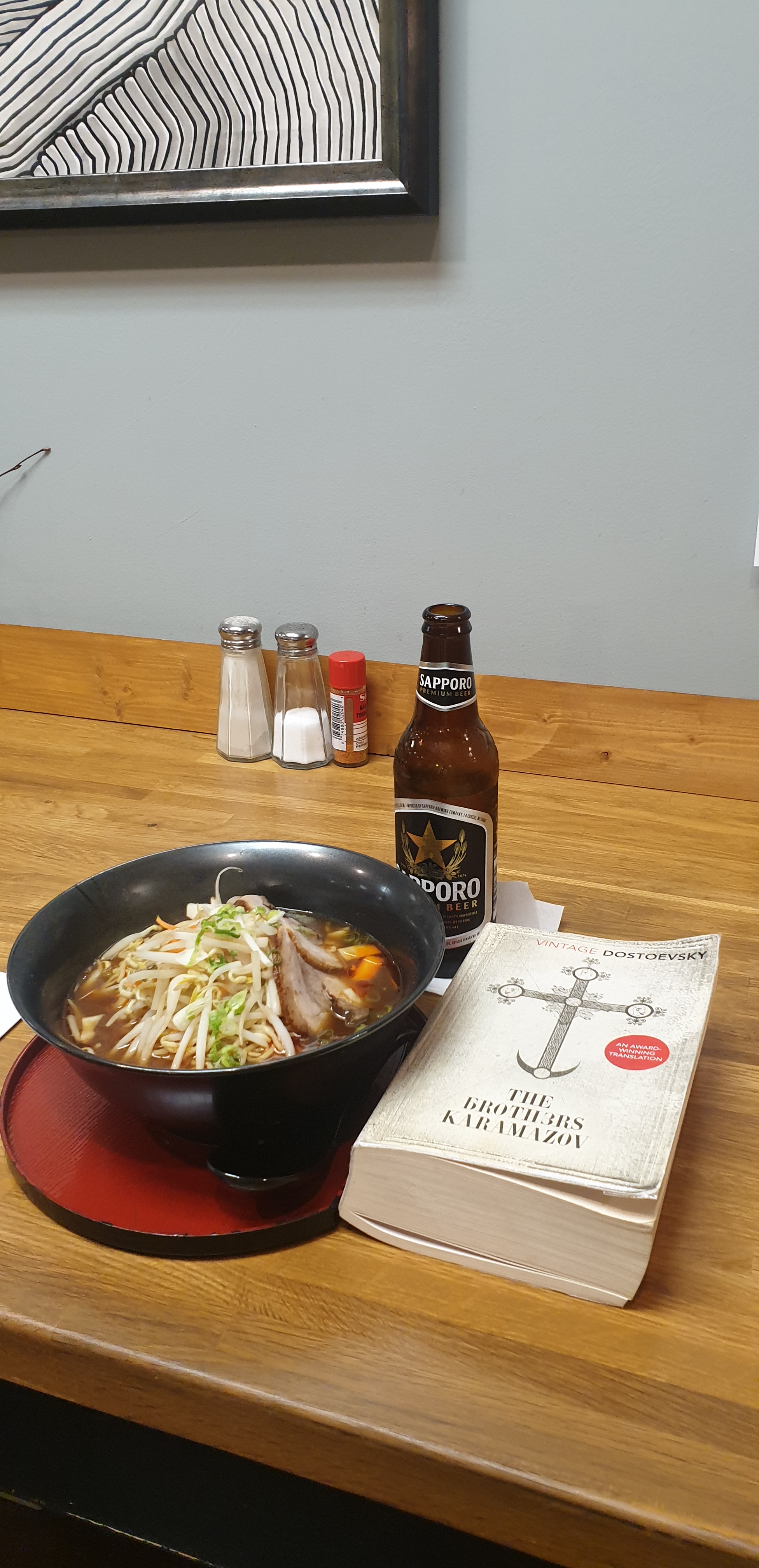
Ah, but it is a really long book! You exclaim. Well, yes, my edition is 776 pages, but look at them as an investment, or look at it as 7 books of 100 pages each, whatever just start reading. It took me four months, and it was time well spent.

My reference, my bar, is set at Don Quixote which was written 300 years before The Brothers Karamazov and for me, is still a better representation of human nature. But back to Dostoevsky:

This novel deals with the human condition from a deep philosophical and theological perspective, in doing so, Dostoevsky presents both sides of arguments. For example, in discussing the existence of God, Dostoevsky presents a profound argument against God with a brilliant story called The Grand Inquisitor and asking the age-old question “If God exists why do children die horrible deaths?” in the chapter “Rebellion”.  On the other hand, the author summons Voltaire’s quote “S’il n’existait pas Dieu, il faudrait l’inventer” (If God didn’t exist, we would have to invent him). Likewise for existentialism. Dostoevsky studies both sides of the argument at length: do we have free will and we exercise it? Or is everything destined to happen? Like Cervantes -and more importantly unlike Nietzsche- Dostoevsky proves that God exists, and that man decides his life. But you have to read all the way to the last word to get there!

“The mystery of human existence lies not in just staying alive, but in finding something to live for.”

― Fyodor Dostoyevsky, The Brothers Karamazov

In his arguments, the author quotes Voltaire, the Book of Job, the Byronic hero, and hundreds of other references. The Devil also makes an appearance in what looks like a clear predecessor of Bulgakov’s Master and Margarita almost a hundred years later.

As far as narrative techniques, Dostoevsky does not only imitate Cervantes, but he also leverages Cervantine techniques: His narrator’s intromissions are constant and hilarious:  at one point saying, “I am not a doctor…”, or “It could all serve as the plot for another story, for a different novel, which I do not even know that I shall ever undertake”. During the critical courtroom scene, arguably the climax of the story he writes: “The whole courtroom rose in turmoil, but I did not stay and listen. I remember only a few exclamations from the porch on the way out.” Very, very Cervantine.

There are a number of interpolated stories, which add to the reader’s understanding of the overall narrative. Some are stand alone and some weave in and out of the narrative, becoming part of the story.

In conclusion The Brothers Karamazov is one of the best novels ever written and you should read it. It will make you a more understanding person.

“What is hell? I maintain that it is the suffering of being unable to love.”

― Fyodor Dostoevsky, The Brothers Karamazov