Benito Jerónimo Feijoo, Cartas eruditas y curiosas, a book review (my first!)

David Gies is an authority in 18th C Spanish Literature, an eminence, arguably the doyen of the field. He was professor at UVA for decades, he founded Dieciocho, the leading academic journal of 18th C Spanish Literature, he was my Dissertation Director’s Dissertation Director, and he is a great, funny, brilliant fellow!

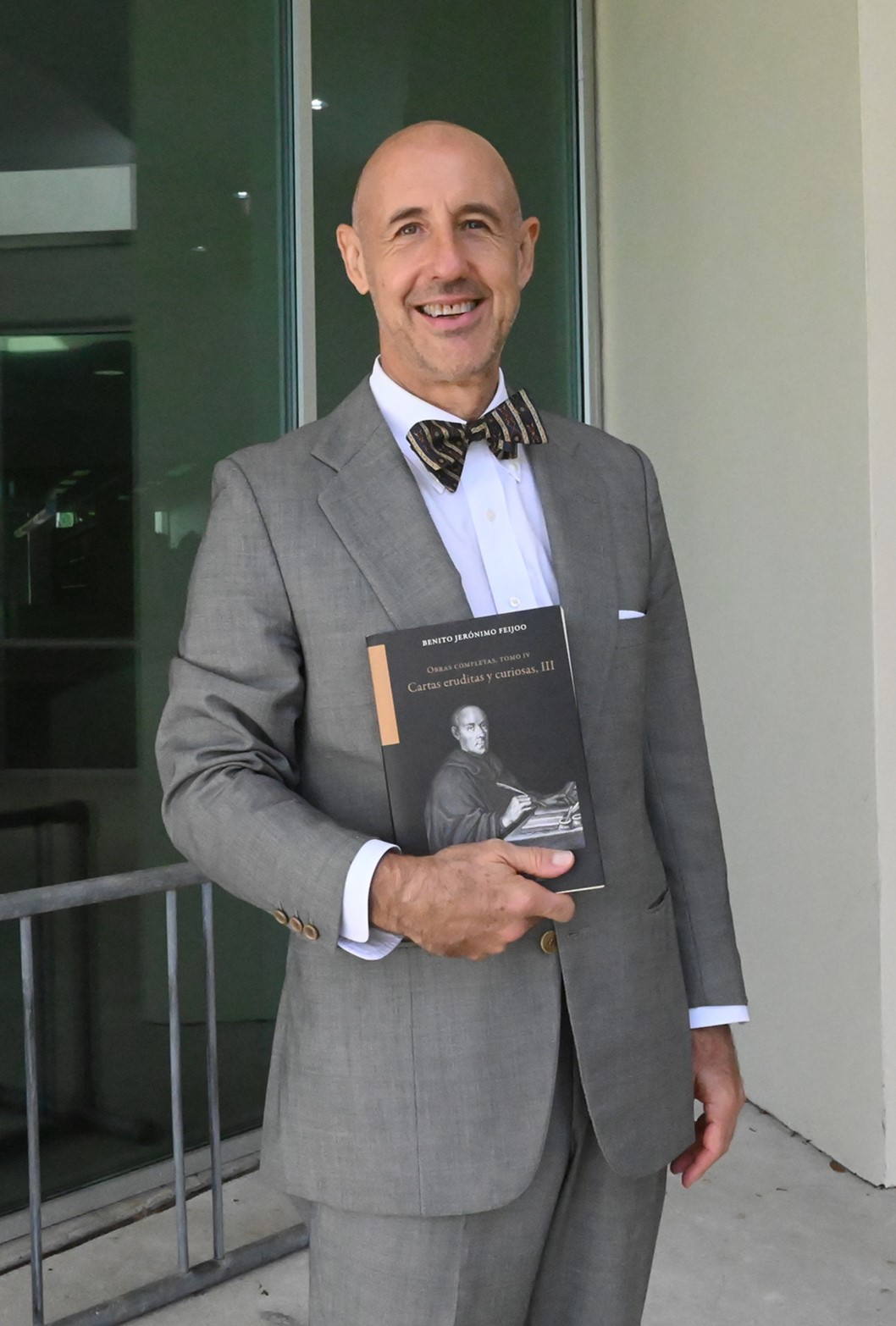
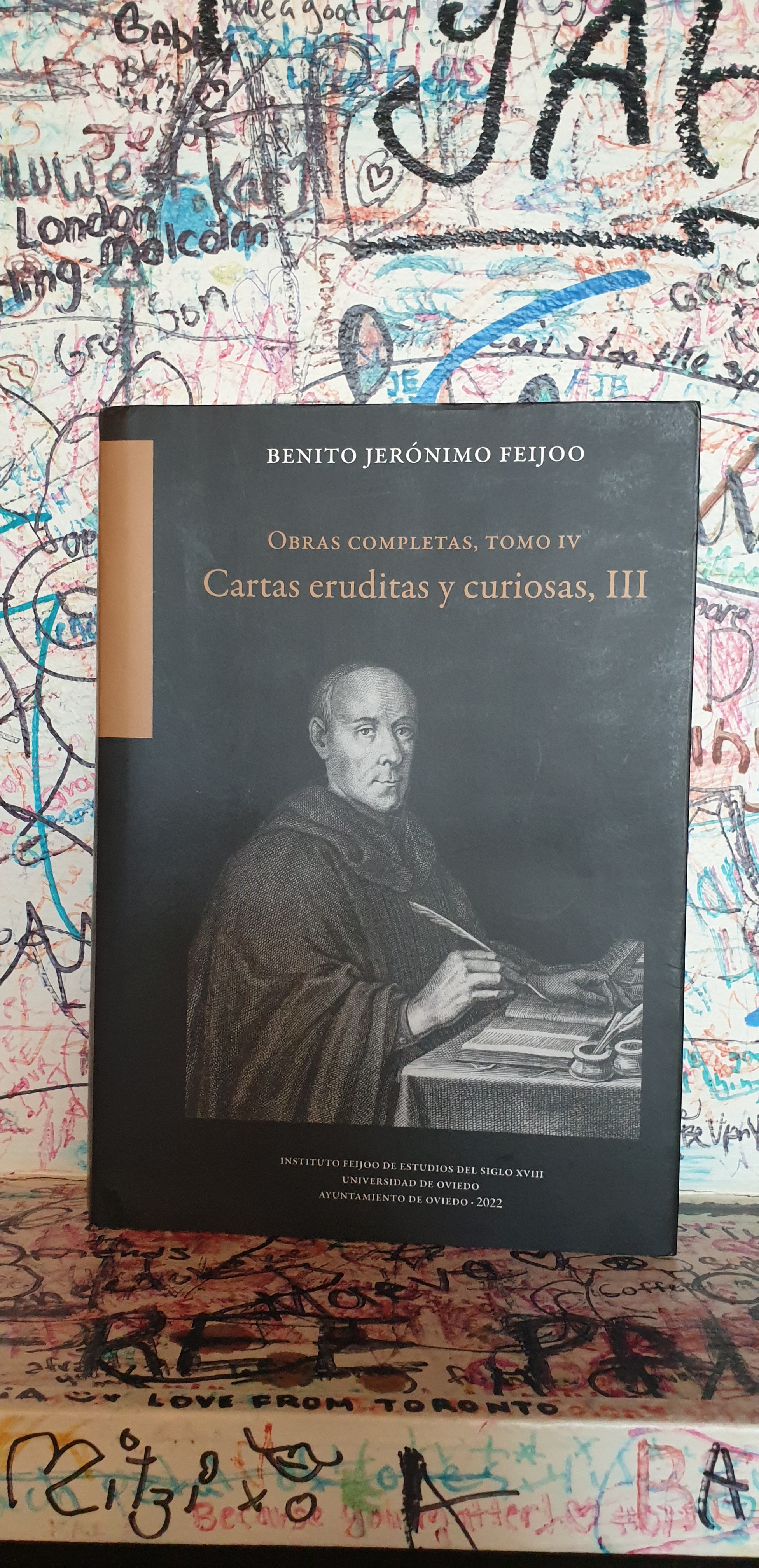
When David Gies asks you to do a book review for Dieciocho, you drop whatever academic project you were working on and you read-and then write-that book review (even if the book has 700 pages).

Benito Jerónimo Feijoo is probably the most important Spanish writer of whom you have never heard of. Starting in the early 18th Century and for the rest of it, Feijoo was the first to break down many of Spain’s dark superstitions, he was the first to write about science and medicine, about all sorts of topics. These essays were published in a collection called the Teatro Crítico Universal and later the Cartas eruditas y curiosas. Feijoo is considered the Spanish Montaigne.

Of course I had read Feijoo for my doctorate, and I enjoyed it, but it was great to revisit his work. Feijoo writes clearly, to the point, and occasionally with humor. More importantly, it is fascinating to understand how revolutionary and groundbreaking Feijoo’s writing was in traditional, conservative 18th C. Spain. In fact, the Inquisition had its eye set of this Benedictine monk, so much so that King Fernando VI had to issue a letter protecting him.

Feijoo has some similarity to my main research interest Francisco de Isla, in that they were both pre ilustrados, advancing and preparing for the Enlightenment to arrive in Spain later in the century.

While I have written many book reviews for this blog, it is not the same as having them published in a leading academic journal…

This was a great project to work on and you can read it here. Hope you like it, let me know in the comments!

Finding a treasure (and I need your help)

In case you did not know this, my field of academic research is Francisco de Isla, an 18th C Spanish Jesuit who wrote Fray Gerundio de Campazas, Spain’s best-selling novel of the century.

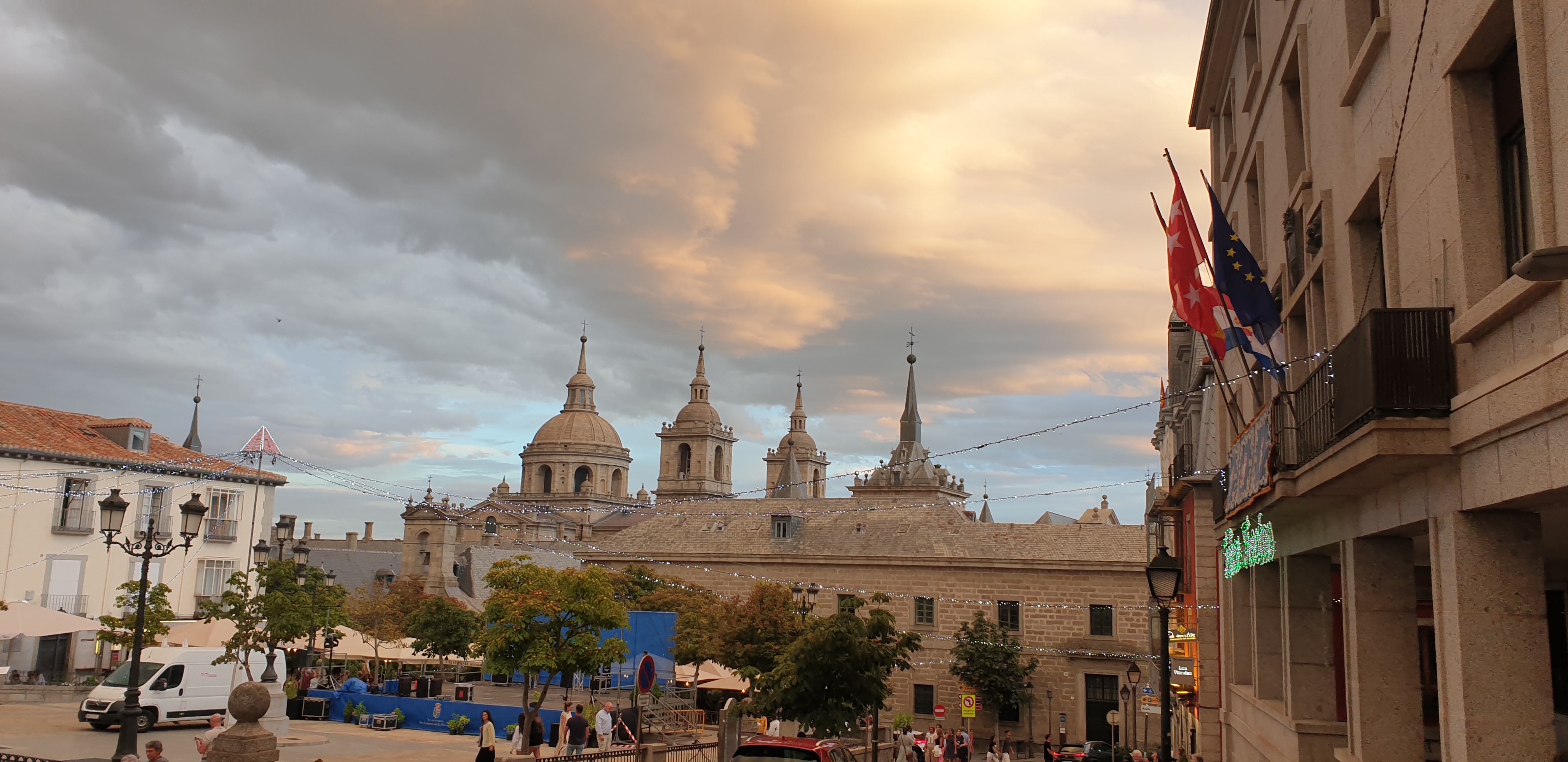
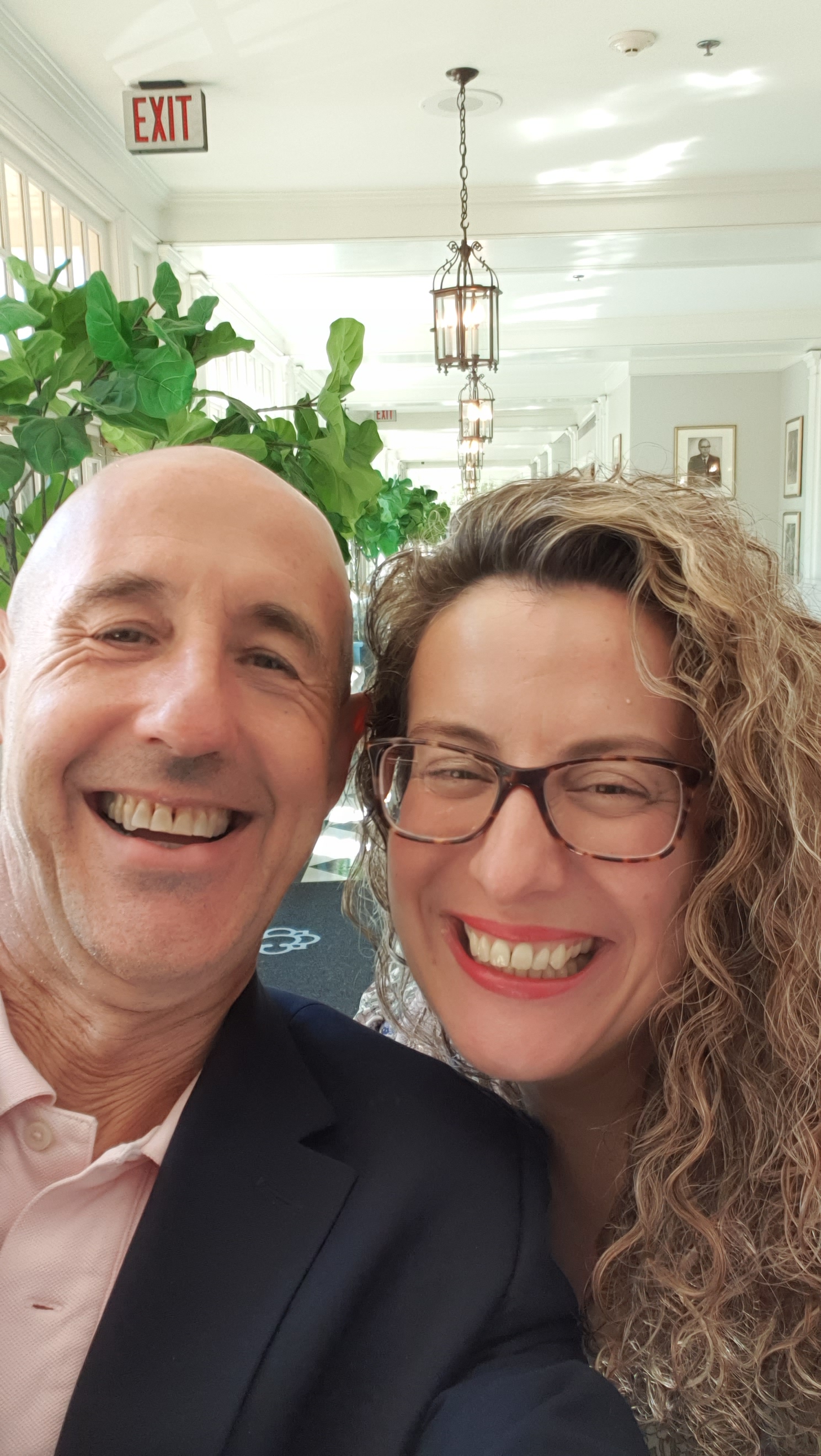
Every Summer for the last few years, my friend Paco and I go to El Escorial to visit their old and antique book fair – and have dinner after. I normally just have a browse and rarely buy anything, as my reading list is already far too long. But this time, I found a gem.

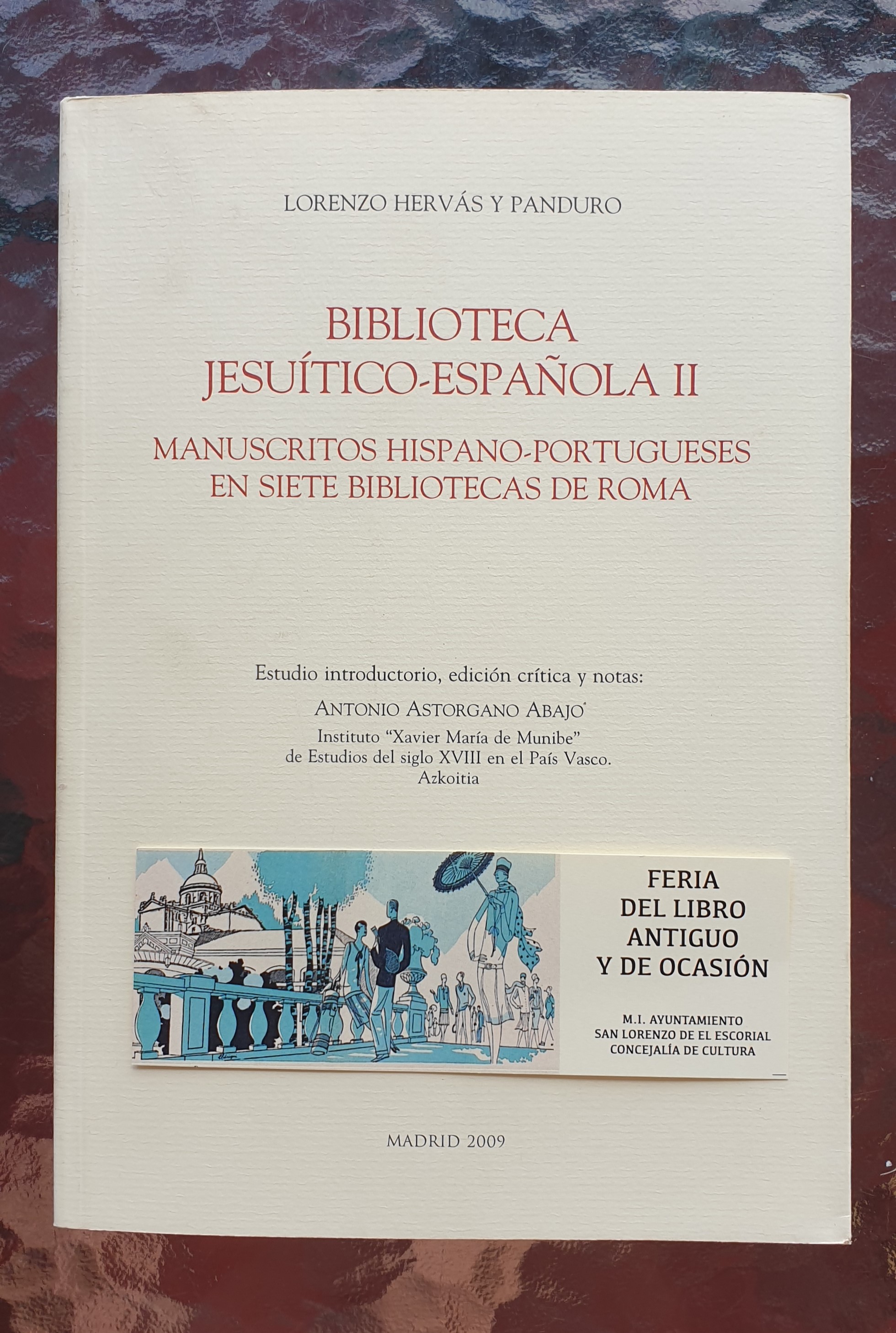
The Biblioteca Jesuítico Española by Lorenzo Hervás y Panduro is basically a bibliography of Spanish and Portuguese manuscripts found in seven Roman libraries and then some. And guess what? It has a bunch of references to our man Isla. Manuscripts found in different libraries in Rome, Toledo, Madrid, even Loyola in the Basque Country. Not bad for 10 Euro!

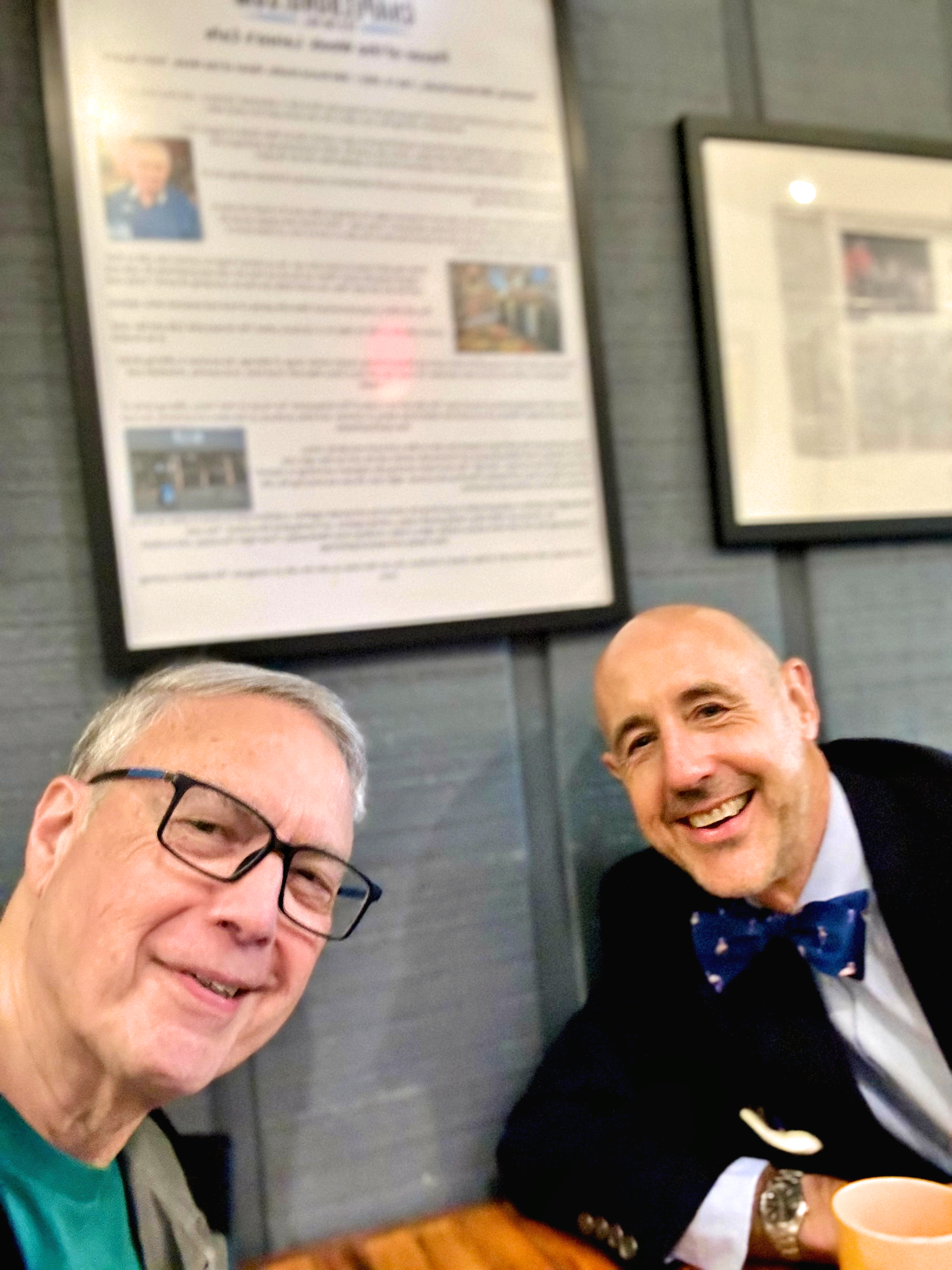
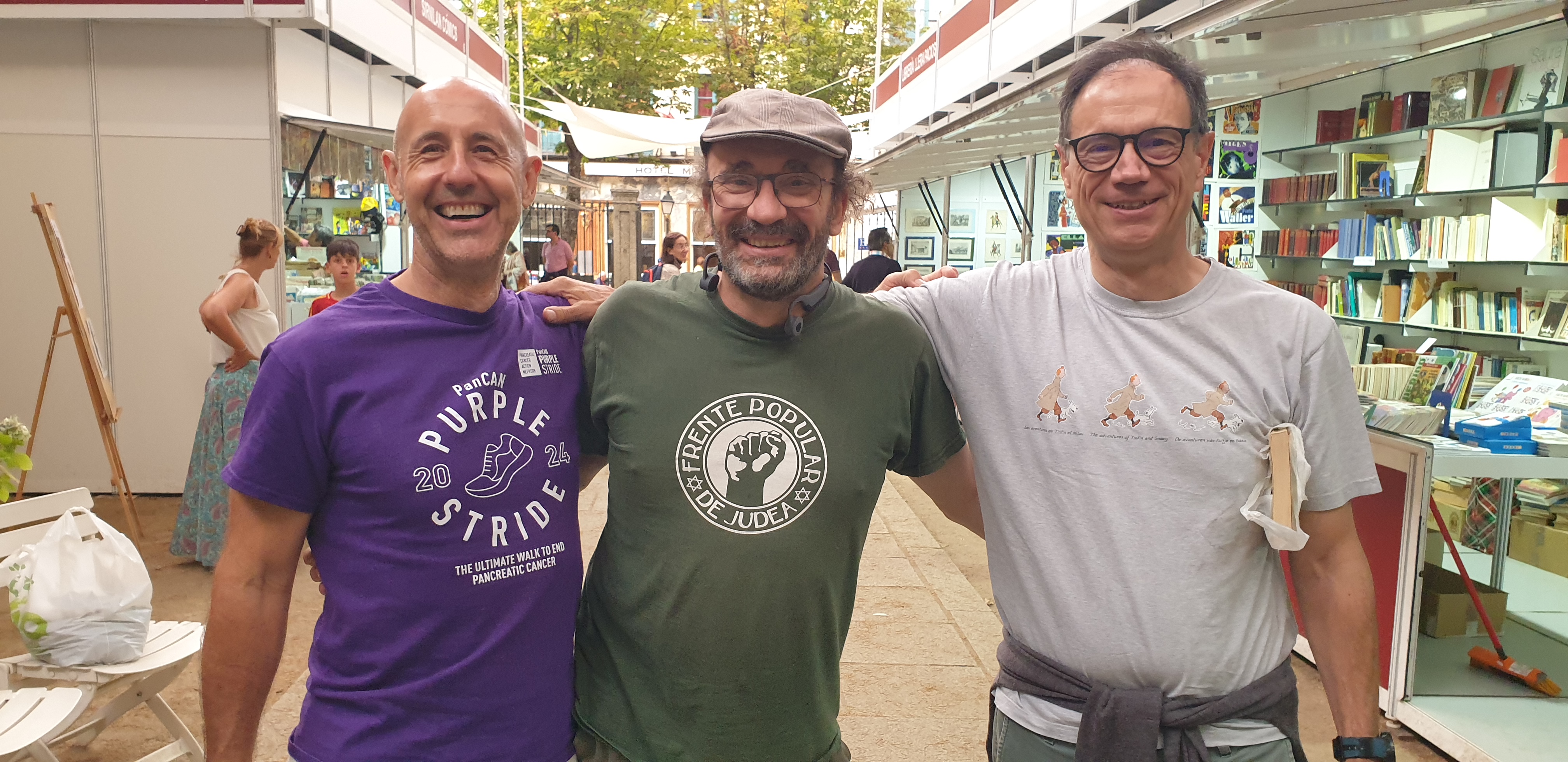
Then something special happened. I noticed the bookseller’s T shirt, referencing Monty Python’s Life of Brian. When I pointed this out to Paco, he knew exactly the shop where the fellow bought the shirt!! So we had to take a photo!

So now I must figure out which libraries I want to investigate their Isla manuscripts. This will be based on if I can find some sort of research grants to go investigate. This is where you come in: do you have any tips on how to look for research grants? Let me know in the comments, please.

Thanks!

On the importance of academia, presenting at conferences, a return to UNC Chapel Hill

Yes, there are a lot of problems with academia, the ivory tower and all that. But at its core, it is still important, necessary, even critical I would say.

It has to do with research, discovery and then sharing that information. I was blessed to be able to participate at this year’s Carolina Conference for Romance Studies, It was great! I had some issues getting to Chapel Hill (but that merits its own post).

Living in 2 season Florida (dry, warm, and wet, and humid) it was fantastic to feel Spring, cool in the morning and evening and warm during the day. I was grateful for Spring! Plus everything was blooming and it was just so beautiful!

My panel was fantastic, well attended, and with great questions. I presented on a little-known 18th C. Spanish book: Los aldeanos críticos. My colleague presented on Galdós, so it was exciting. Other panels I attended were brilliant. During drinks that evening, I had great conversations about Zola with an old classmate and Posthumanism with the conference’s keynote speaker (expect a post on that also).

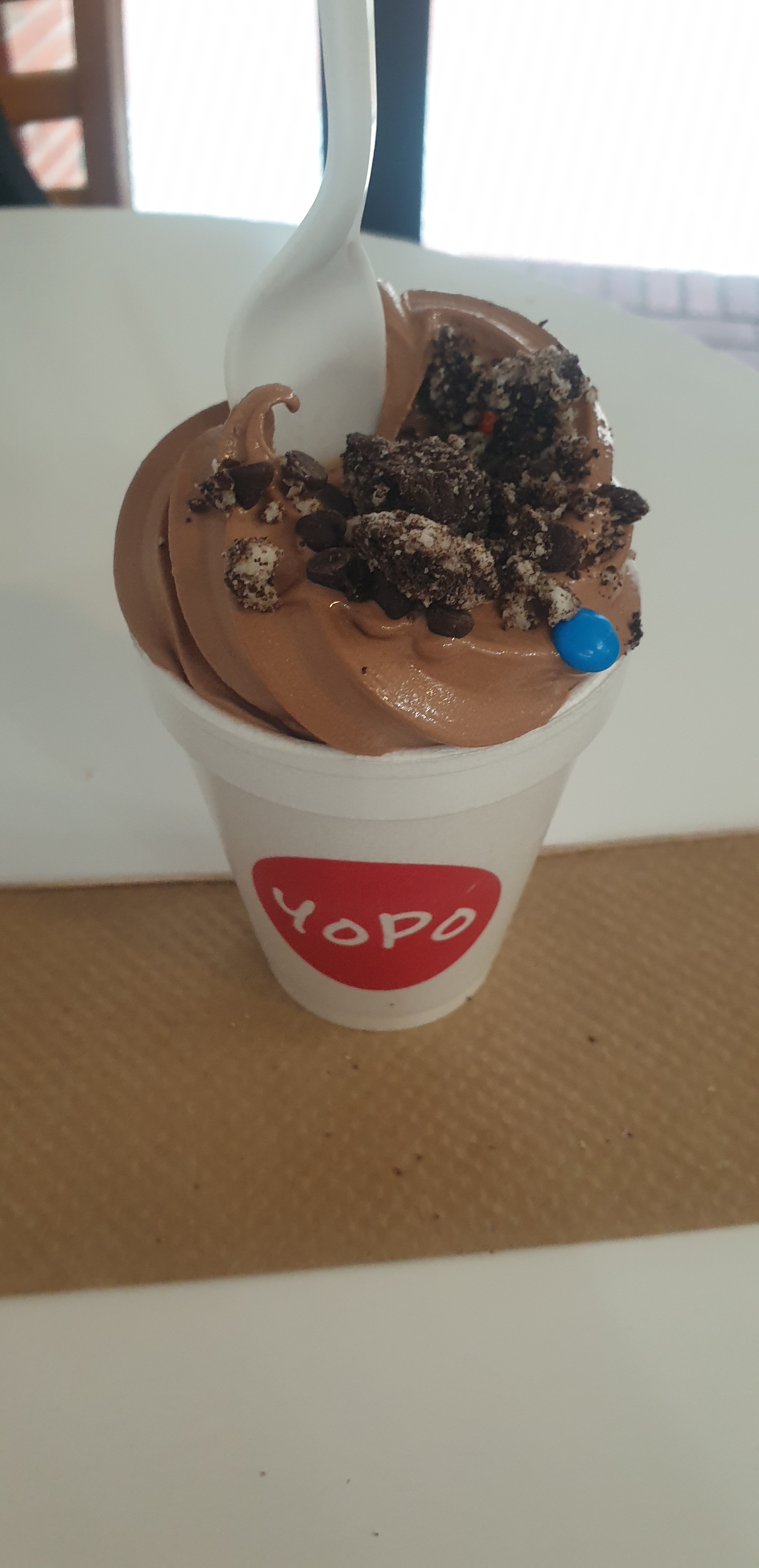
I also managed to see old professors and friends, even to sneak into the Ackland museum and bask in Carducho, Picasso, and all the other artists, to visit old hangouts; YoPo for frozen yogurt, and Zogs for drinks!

So my mission was accomplished, I was incredibly happy and satisfied with it!

Handel’s Messiah, how to start the holiday season!

Hallelujah, Hallelujah, Halleeeelujaaaaah!!!

You have heard this sung a thousand times, but did you know it comes from Handel’s Messiah?

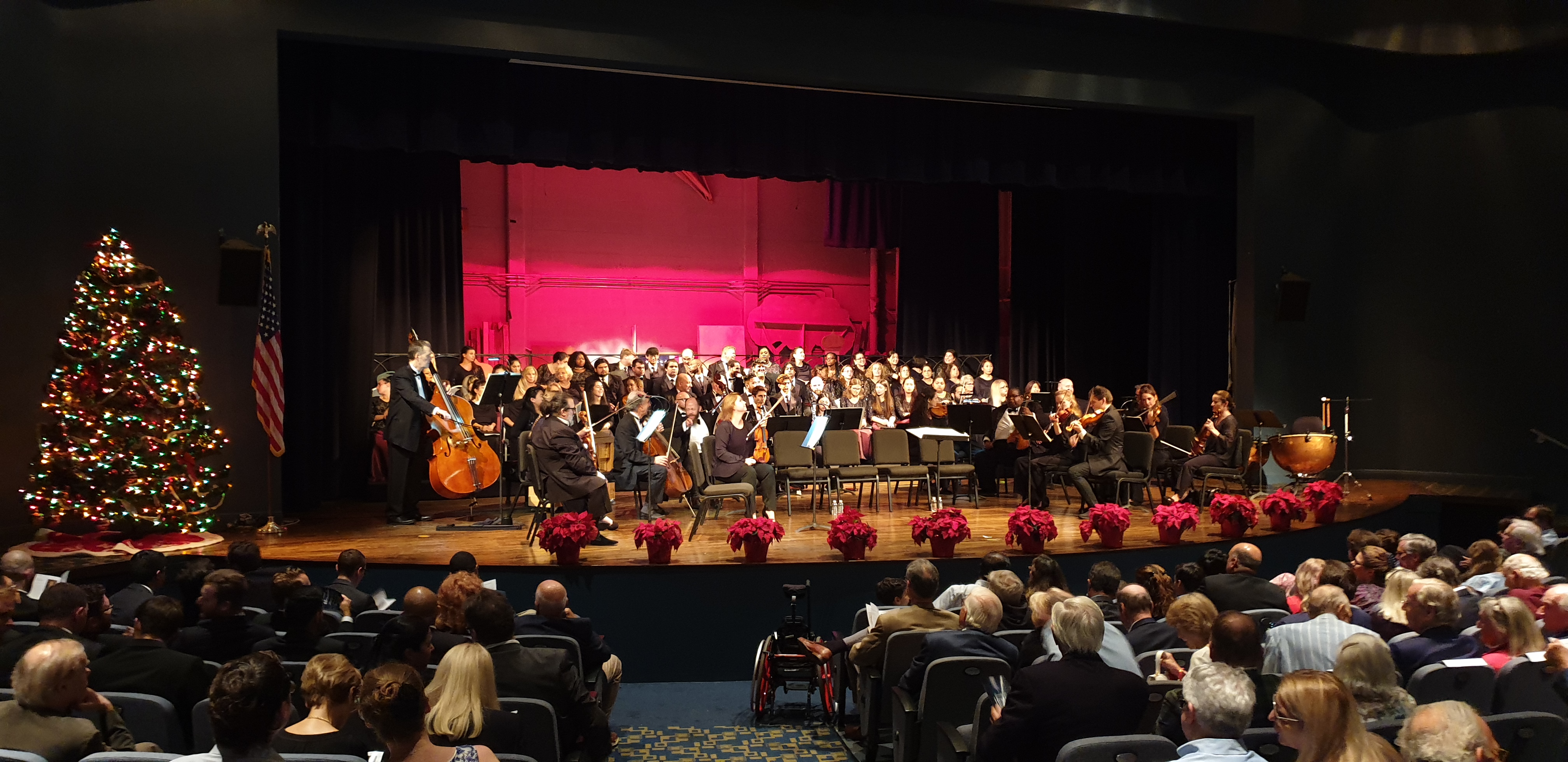
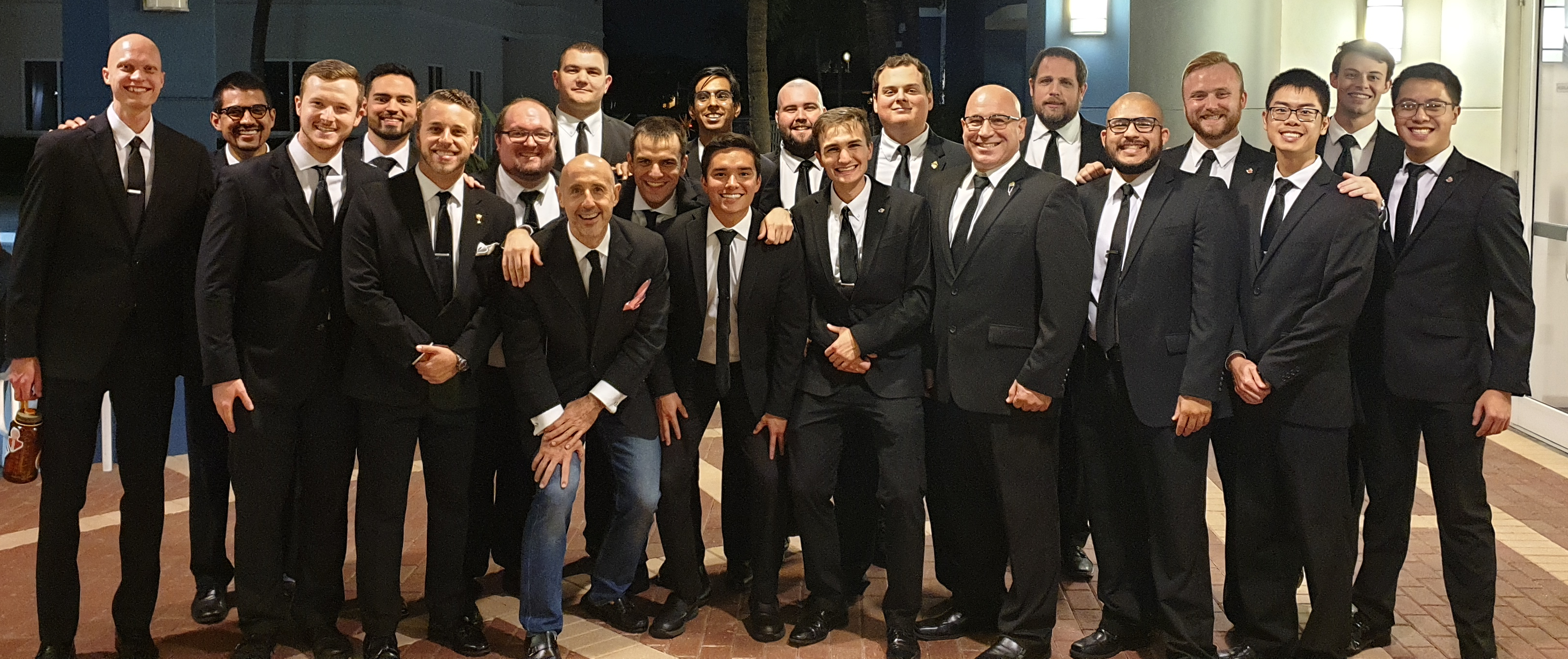
Thanks to a generous donor, I managed to get a ticket to see and hear the Palm Beach Symphony perform Handel’s Messiah, together with a group of students from my school.

Although this was a smaller production than the North Carolina Symphony, or the Naples Symphony, or others I have seen, the music is so amazing that it really does not matter so much. It is also a wonderful way to start the holiday season.

As an Enlightenment freak, I love how Handel pushes his Baroque style to the gates of the Enlightenment, of Classical music. Together with Bach (you can read my musings on him here), they make the Rococo obsolete before it is born, making it possible for Mozart, Haydn or early Beethoven to get a start on Classical music at the end of the 18th C.

In case you have not seen or heard this amazing work here is a YouTube recording. Enjoy. By the way, the Hallelujah is at 1:36…

An Enlightenment dream

The Enlightenment arrived late to Spain; we loved the Baroque so much we stuck with it longer than we should have. After many efforts by many folks like Benito Jerónimo Feijóo, my man Francisco de Isla, and many others, king Carlos III finally changed all that.

One of the worries that had nagged Spanish monarchs since 1492 was that only a fraction of the gold and silver that arrived from the Americas actually made it to Madrid. Sevilla was the main drop off point, so a lot of the wealth stayed there (either legally or less legally). The solution? Build a canal from Sevilla to Madrid so more of the riches could make it to the capital.

In 1781 the plan was made: build a massive dam to feed a canal that would connect the 500 km (300 miles) from Madrid to Sevilla.

The dam was started, but as usual in Spain all sorts of problems arose; there was not enough labor, so soldiers were brought in who were replaced with prisoners… then there were financing issues… the 90 mt (300ft) dam was about halfway done, when a massive storm in 1799 wreaked tremendous damage. So, they just gave up on the whole thing and forgot about it.

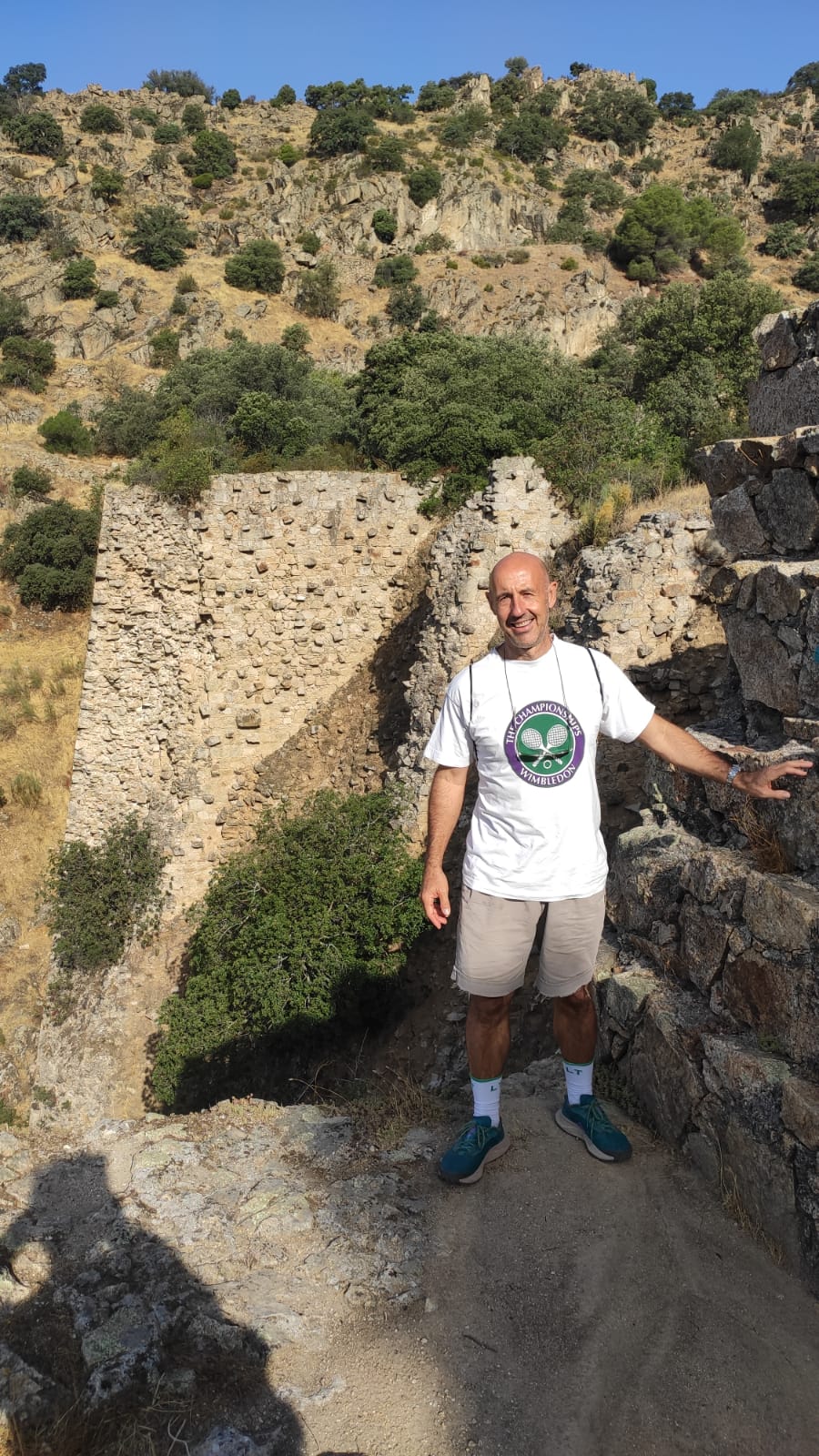
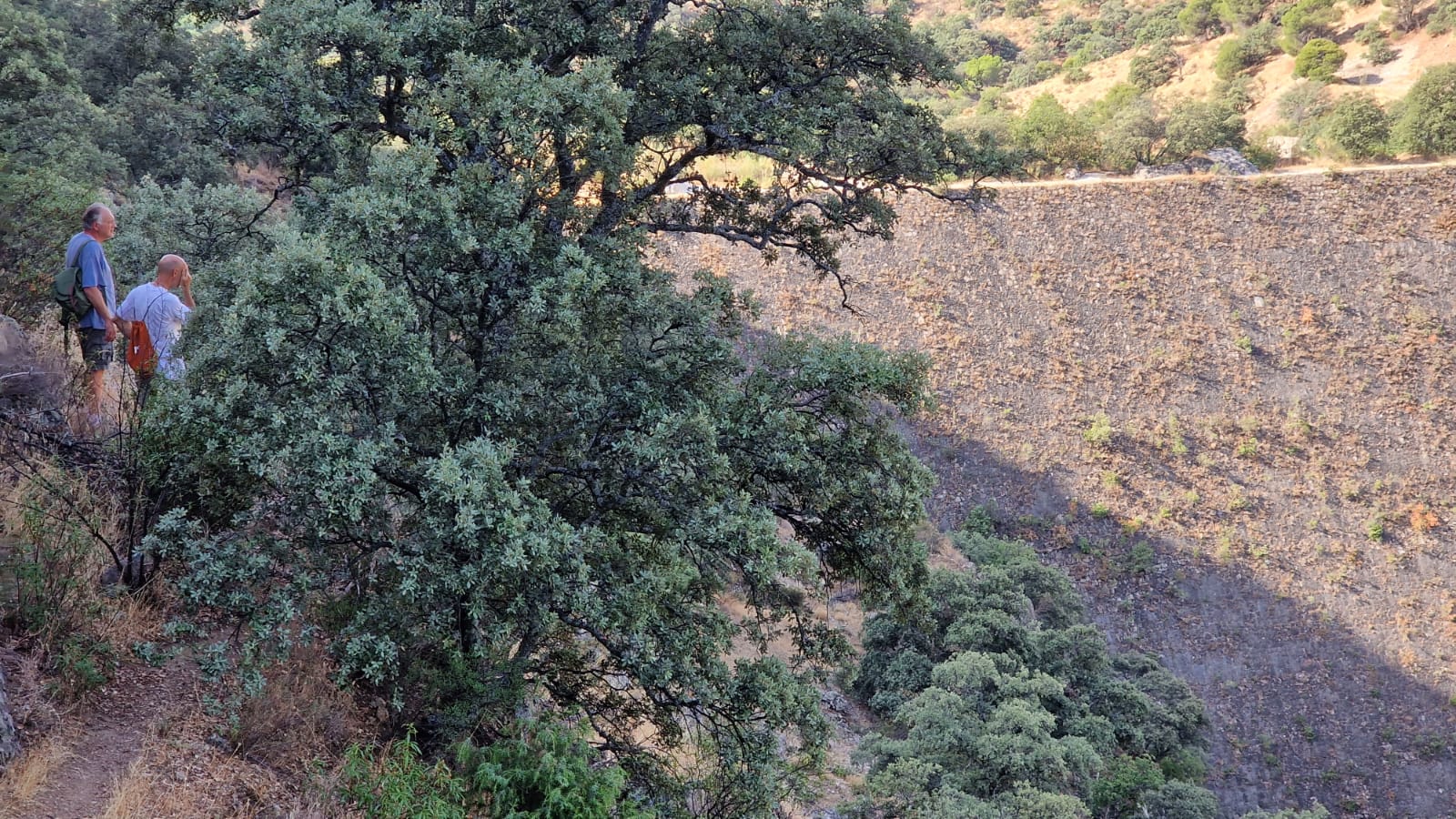
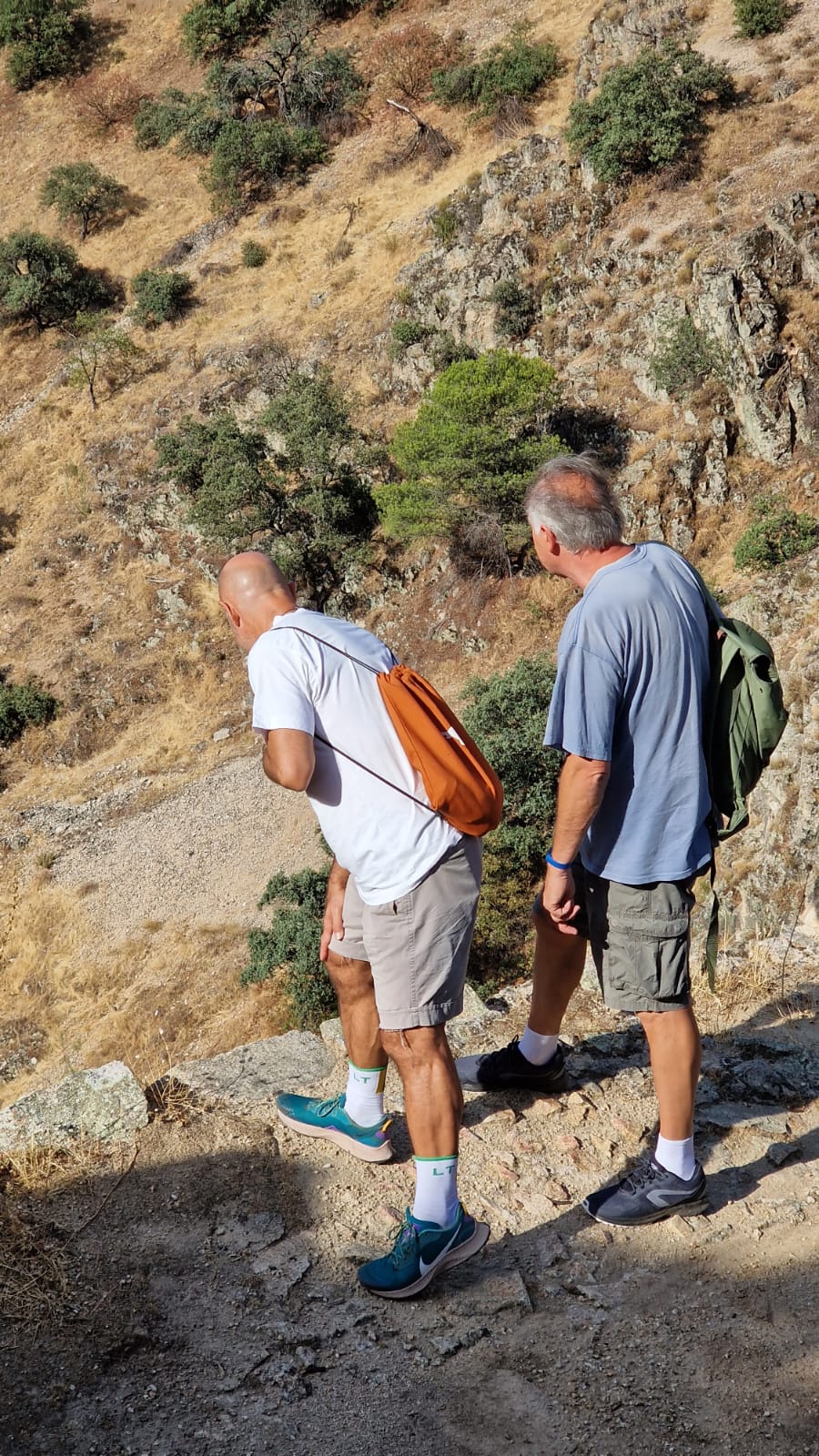
Well, this unfinished abandoned dam, la presa del Gasco is actually 8 km (5 miles) from my mom’s country home as the crow flies, and I finally had a chance to go with my friend Jaime and his brother Jose Mari. The walk, following the never used canal is easy, and once you turn a corner, and you see this behemoth, you are filled with awe at what was the most impressive hydraulic project in 18th C. Europe.

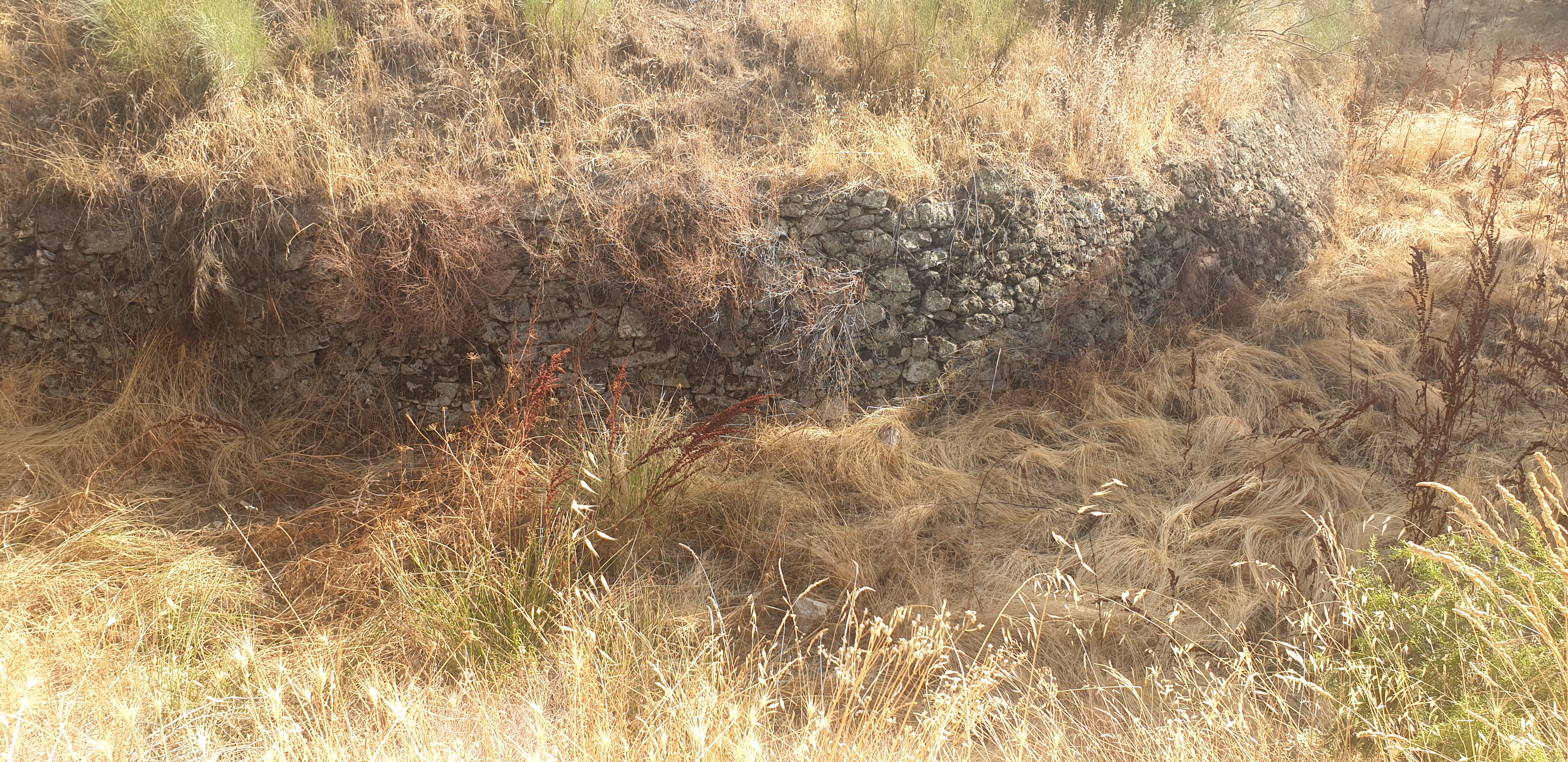
After walking around and checking it out in complete awe, we went to a restored part of the canal nearby where we had another little walk along the canal.

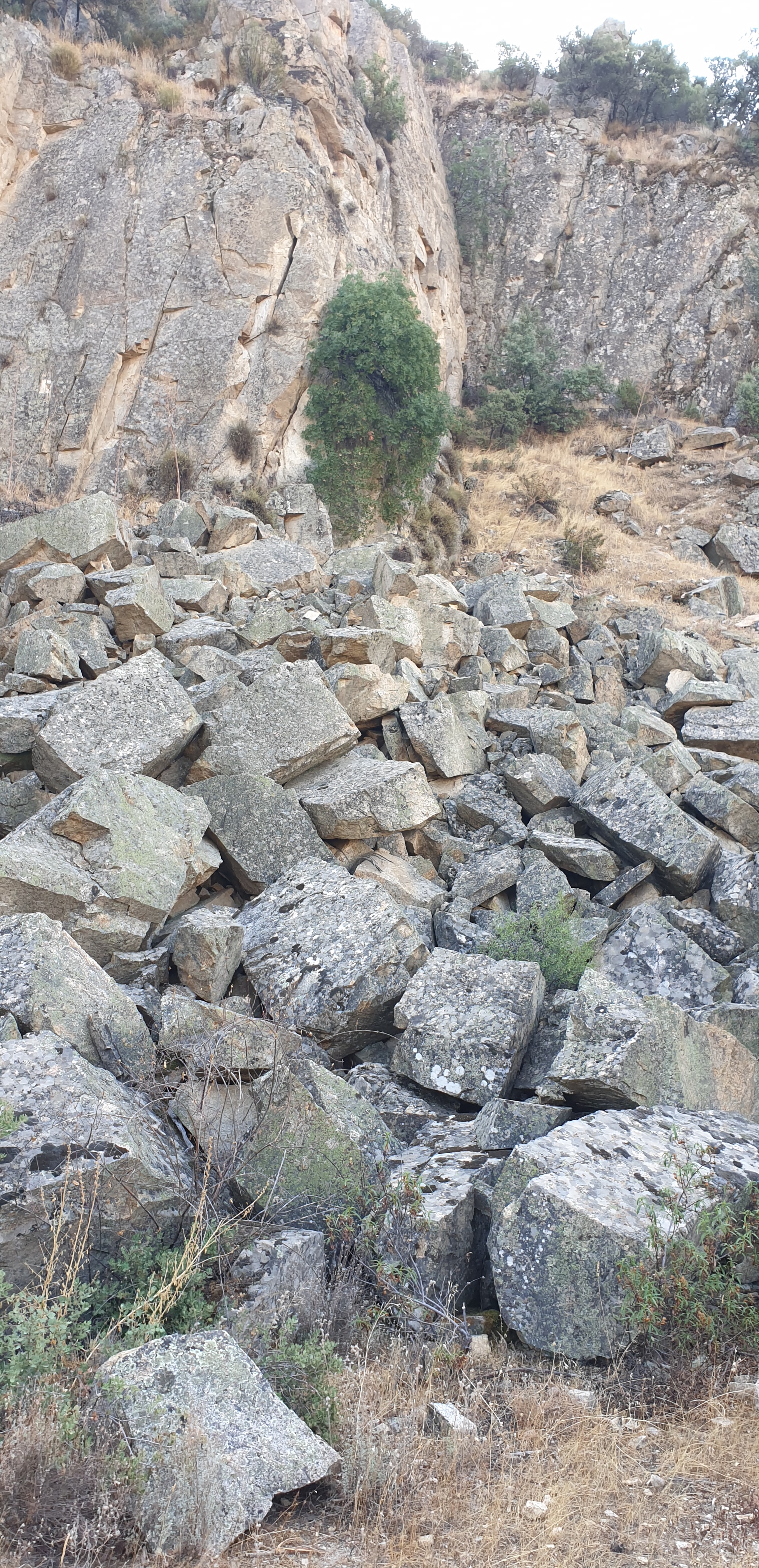
The sheer size of this construction, the perfect fit of the rocks, the ambitious plan, it is all baffling.

As usual in Spain, the local authorities do not want to declare this a heritage site, a protected historical site, a park, nothing, because of building and construction licensing possibilities, i.e.: money and corruption. Disgusting.

This is one excursion worth doing before the whole valley is filled with gaudy houses.

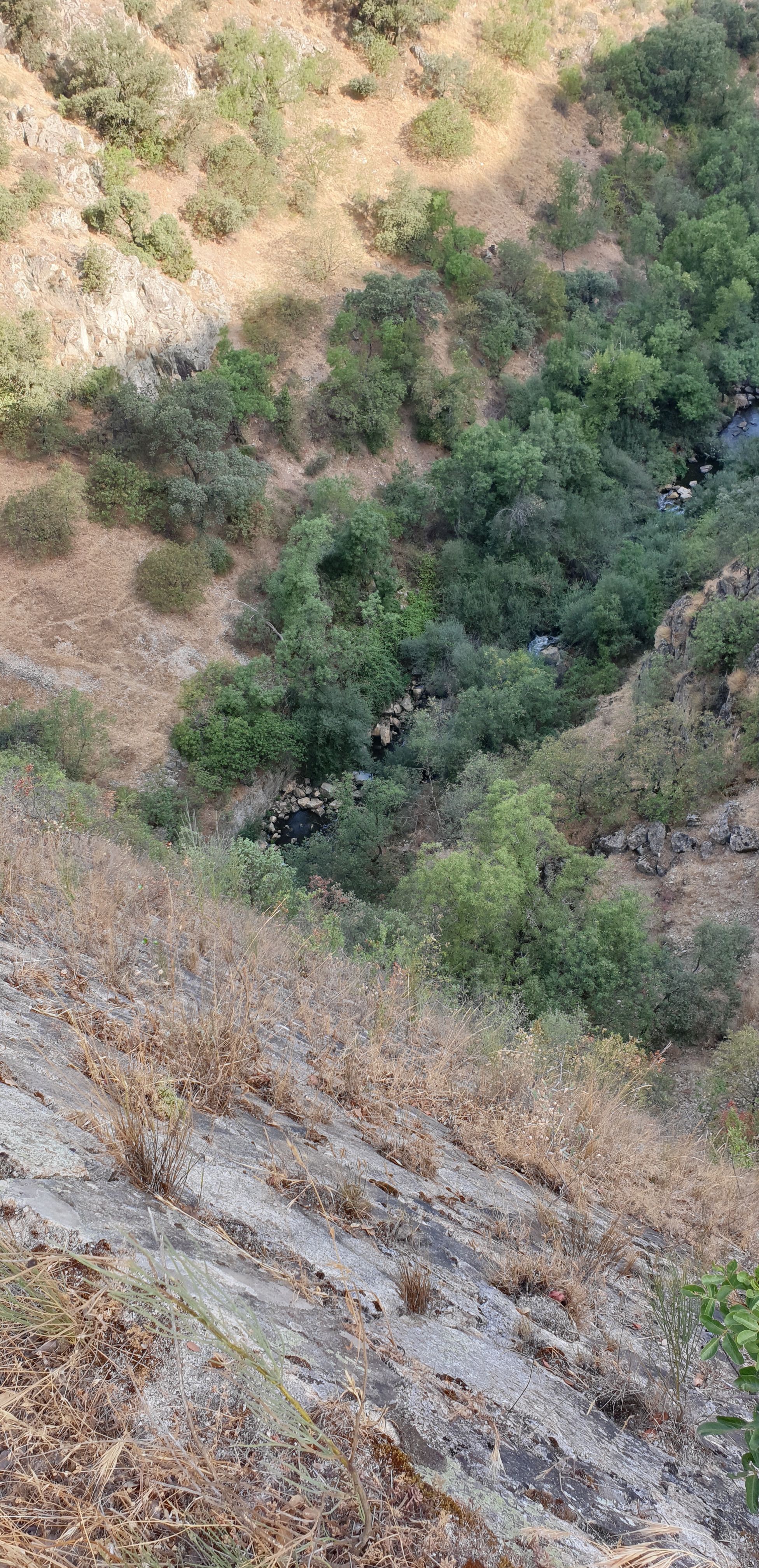
Peering into the void