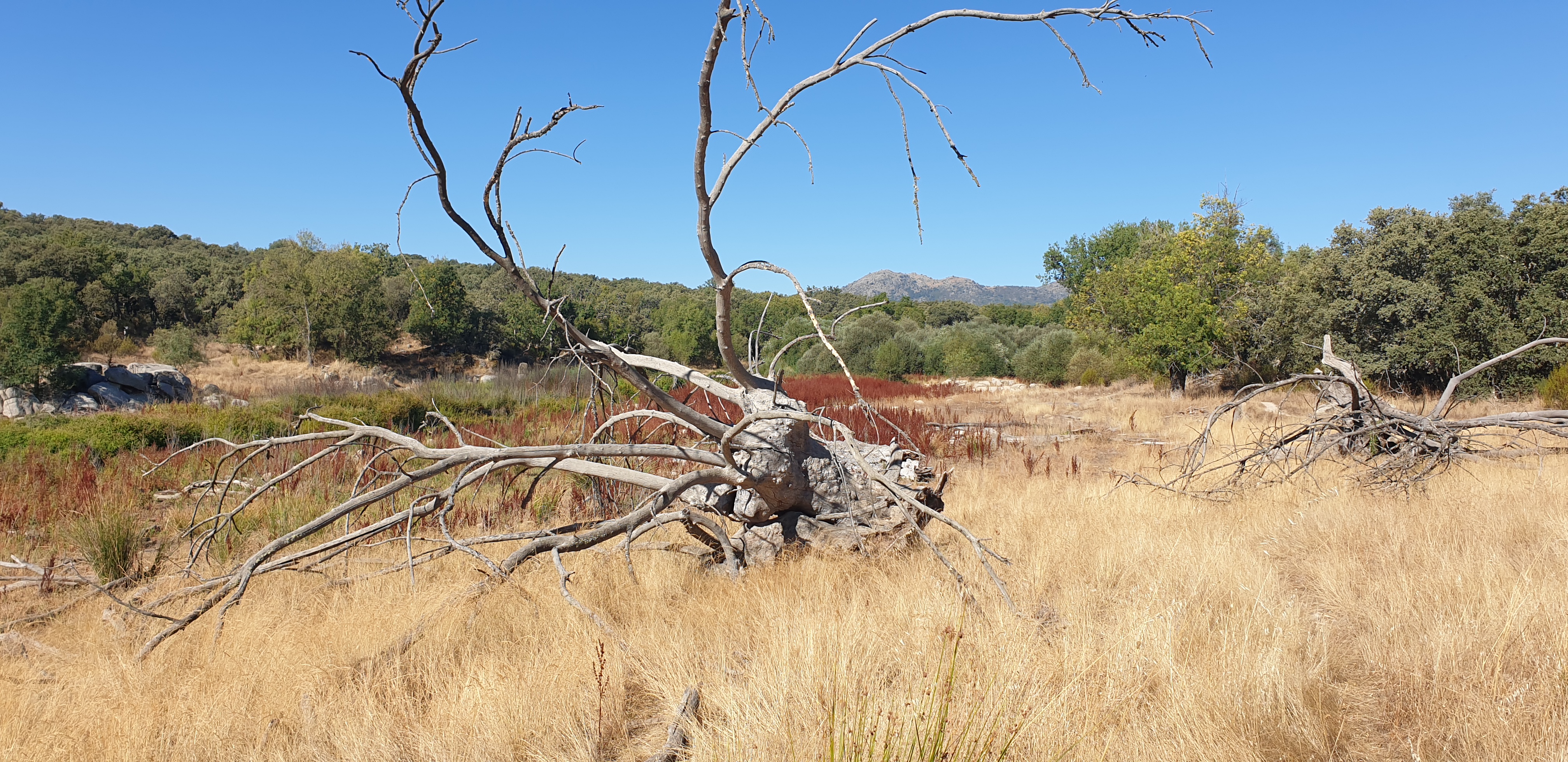
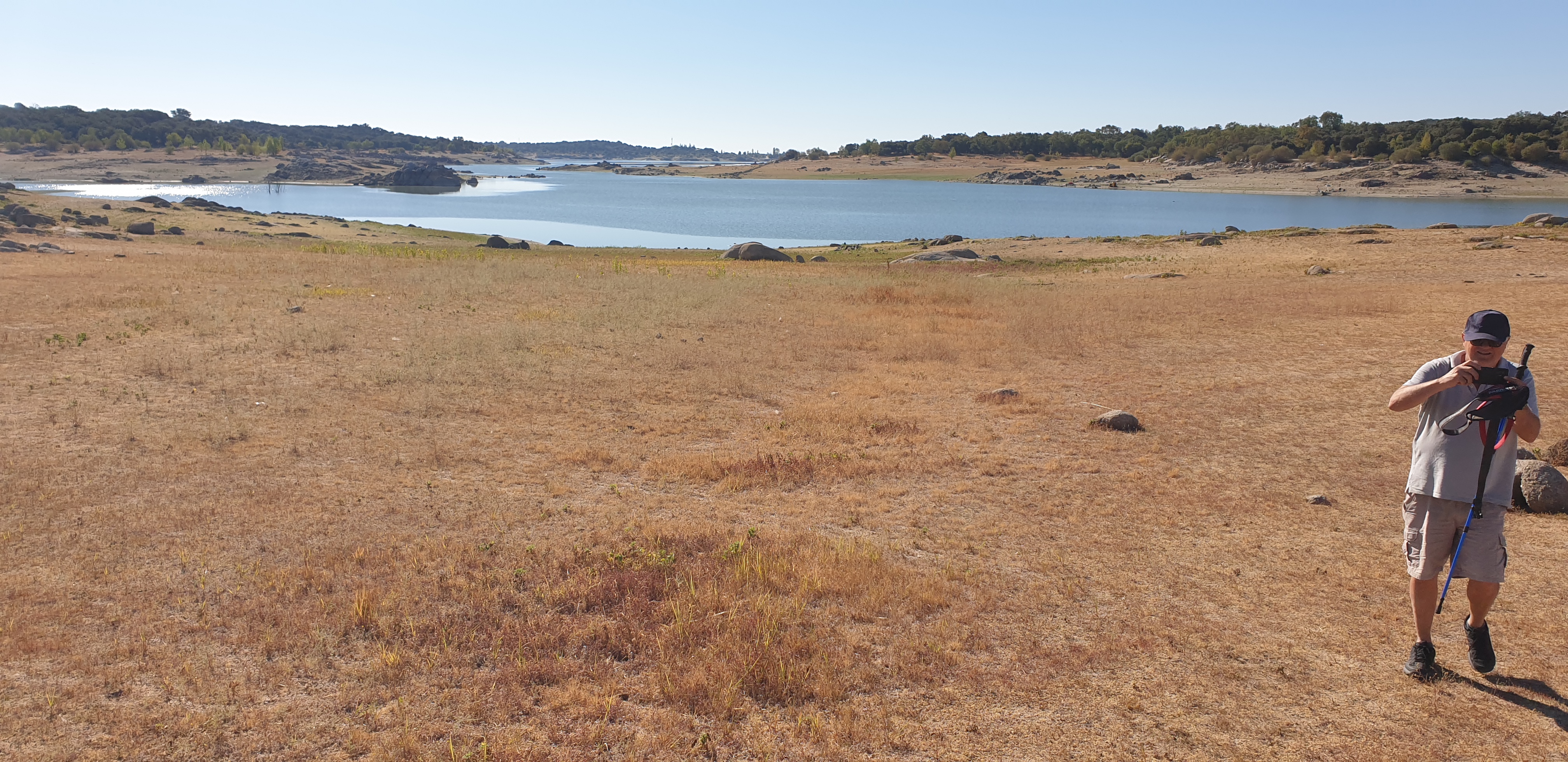
Is there a right or wrong way to walk the Camino?

4 Caminos so far…

Is there a right or wrong way to do the Camino? Spoiler alert: no, everyone does their thing. There is a lot of talk about this, and social media really likes to push extremes. If you go to the Camino pages on any platform, you will see what I am talking about. Pilgrims who walk from St. Jean or further beyond think they are better than folks who start in Sarria, stay in luxury hotels, eat gourmet meals, and have a luggage delivery service. This is obviously not true, but having said that, there is a difference between a pilgrim and a tourist, and that is ok.

Like everything else in life, you are going to get out of the Camino as much as you put into it.

It boils down to how willing you are to have your life changed; how open you are to being changed, and how much you are willing to do to have that experience. I remember the first time I stepped into an albergue and realized I had to share room -and bathroom- with complete strangers, something I had not done since college, a few decades before. That was a first eye opening and humanizing experience, never mind walking for over thirty days with a pack on my back.

The problem arrives when you are on a pilgrimage trail, but you have chosen not to be a pilgrim, or you are not willing to put in the effort to be a pilgrim, or you do not know the difference (I once saw a young lady walking in her bikini carrying only a water bottle, good for her!). There is no such thing as a perfect pilgrim, maybe if the only thing you are carrying is a chunk of old bread and a Bible, according to The Way of a Pilgrim, a 19th-century Russian mystical text (reference Richard Rohr’s Daily Meditation: The Way of a Pilgrim).

Before you start the Camino, ask yourself what your purpose is in walking to Santiago. Do you just want to check off this item on your bucket list, but have no desire for a spiritual journey? That is fine but be aware that you will walk with people who might have a deep spiritual purpose on the Camino. Likewise, pilgrims need to be aware that not everybody on the Camino is there on an inner journey but might just be there for the fun experience, the food, and the thread count on their bedsheets.

The whole purpose of a pilgrimage is letting go of the ego, a lot of that happens through letting go of other stuff… all your clothes -you only need a few, your privacy, a nice bed. It is easy for your ego to think that you are the best pilgrim, or that the only good pilgrims are the ones who stay in your Albergue. For more on this read about the Cosmic Egg here.

At the end of the day, it is all about tolerance. Yes, there is a difference between a pilgrim and a tourist, it is a mindset and attitude issue, but that is all right, we can all share the path.

Here is an interesting chart I found on Researchgate: Tourism – pilgrimage continuum based on spirituality and authenticity by Ivo Jirásek

Thanks to Ivo Jirásek

What is the oldest city in North America?

  1. Jamestown, Virginia.
  2. Colony of Roanoke, North Carolina.
  3. St. Augustine, Florida.
  4. Plymouth Colony, Massachusetts.

Saint Augustine, Florida, 1565, and it is definitely worth the visit. Paradoxically, it is not even in the top 10 most visited places in Florida. Miami is first because of all the tourists that go on cruises from there and Spring Break students. Orlando is second because of a certain mouse (and other attractions). Fort Lauderdale because of more cruises and Spring Break university students… and so on. Apparently, people do not go to Florida to learn about history. But I finally managed an excursion, and I loved it.

After a boring 4-hour drive -Florida has no elevation and most roads are as close to straight as you could imagine. I arrived in North Florida, which has different vegetation and feel from Southern Florida, and its endless suburban sprawl.

I stayed at the 1001 Nights, a Victorian Bed and Breakfast downtown. This old Luddite was a bit troubled that I never spoke to a person when I made my reservation, and when I got there, I had a code for the front door and one for my room door, so I did not see anyone until breakfast the next morning. But the place was really cute, and my room was great! Highly recommended, with a great breakfast included!

After dumping my bag, I did one of my favorite things in the world: I went exploring.

First, the Castillo de San Marcos, later called Fort Marion by the Americans. Obviously as defensive technology improved, so did this castle, so what we see today is the 18th C. Spanish construction, which resembles other Spanish castles like the one in Jaca, the one in Pamplona and San Felipe del Morro in San Juan, Puerto Rico. This whole castle is built of coquina stone -literally seashells crushed and pressed into stone through millennia!

Then I walked to Nuestra Señora de la Leche, the oldest church in the US and the site of the first mass on US soil. The original chapel is not there anymore, but the whole site is a wonderful garden with a supernatural spiritual feel to it, a lovely old Chapel and a mundane modern one.

The old village with all the old Spanish houses has fallen victim to that most vulgar American capitalist disease: tourism i.e.: gaudy shops, bad and overpriced restaurants, $7 ice cream cones, etc. Surprisingly, the narrow streets try hard to maintain their historic dignity despite this transgression. Certain corners fight unbreeched: the Plaza de la Constitución holds its ground, celebrating “La Pepa” Spain’s first Constitution signed in Cadiz in 1812 after kicking out Napoleon. It is a charming square. Right on that square is the Cathedral, where I went to the ordination of two of my students, it has a lovely wooden ceiling!

Yes, there are museums, beaches, breweries, and many other attractions, making St. Augustine a perfect weekend getaway destination. If you like history and don’t mind paying $7 for an ice cream.

Recommendations:

Avoiding tourist traps, I had dinner at Ann O’Malley’s, an old Irish pub just outside St. George Street, the main strip. The sandwich was outstanding, the beer perfect, the staff friendly and professional.

I also had coffee next to the Cathedral at The Kookaburra Downtown, fantastic!

Answers:

A.           Jamestown, Virginia. 1607.

B.           Colony of Roanoke, North Carolina. 1585

D.           Plymouth Colony 1620.

Florida destinations

Miami – 2,759,000 visitors

Orlando – 1,223,000 visitors

Fort Lauderdale – 506,000 visitors

Tampa – 190,000 visitors

West Palm Beach – 169,000 visitors

Naples – 84,000 visitors

Jacksonville – 70,000 visitors

North Port – 56,000 visitors

Cape Coral – 53,000 visitors

Key West – 47,000 visitors

https://www.wfla.com/news/florida/these-are-the-top-10-cities-to-visit-in-florida-report/

The Baker Museum in Naples (Florida)

With money to spend and absolutely no culture to be had (other than Tampa/St. Pete -like the Dali Museum to the North or Miami, the Perez Museum has an important 20th and 21st C art collection to the East), the rich folks of Naples decided to buy culture. Naples, a retirement village for wealthy Midwesterners bought a phenomenal Symphony, and they built Artis Naples as a space to hold the Philharmonic and The Baker Art Museum,

There are many mentions here on the importance of friendship and mentoring, so I will not write about going to Naples (Florida) to visit my old colleague, boss, and friend Edu, and my old student Lukas. But I have never dedicated a post to the Baker Museum in Naples. Voilà:

I recently crossed Florida on the ecological disaster that is Alligator Alley -the highway connecting East and West Florida while cutting the flow of water that is the “River of Grass” that is the Everglades (read about that here).

With a bit of time before meeting Edu, I went back to the Baker Museum, the small but exquisite art museum in Naples.

When I visited there was a great exhibition on Andy Warhol -which is not hard since most of his work were silkscreens which were produced in considerable numbers. Another great exhibit was on the composer George Gershwin and his relationship with artists in other media, mostly photographers and the visual arts including Modigliani. There was a small exhibition on Magritte and his surrealism, and finally, there was art from all the local schools. This last exhibition, on the top floor of the museum was packed with all the children/artists and their parents.

It was great to return to this museum and to get my fix of beauty and art. If you are in Southwest Florida and you have a bit of time to kill, visit the Baker Museum.

The adventures of travel; an example.

The previous post was a generic “get out and travel” post, a motivational (hopefully) message, a reminder of the beauty of travel, of meeting new people, of seeing new things. What I did not talk about was the adventure of travel and the stress and adrenaline involved.

As has been previously reported, I recently presented at a conference in Chapel Hill, North Carolina. To get there, I had to fight with the metaphorical Cyclops, lotus-eaters, and Sea Nymphs…

On paper the trip was easy: West Palm Beach, which has a cute little airport to Charlotte North Carolina – a behemoth airport, the 10th in the nation with 23.1 million passengers per year. From there to Raleigh Durham, another cute provincial airport, from there a taxi/uber to Chapel Hill.

Unfortunately, the equipment (the airplane for you Philistines) in Palm Beach was broken and we spent more than two hours on the ground getting it fixed. People left the plane to make other plans, but I had no options. There were no more flights to Charlotte and no other flights to Raleigh, I had to take my chances… We arrived at midnight at Charlotte, and I sprinted to the car rental area to try to get a car. Some booths were closing, others had long lines, most had no cars available. In all of Charlotte airport there was one, one car available, it was with Avis, it was electric, and it would cost me $270. But there was nothing else I could do. If I stayed in Charlotte to wait for the next day’s flight, I would miss the conference and an appointment at 9:00 the next morning. I had to take the car. I took the car.

I have never really driven an electric car (yes, ok little electric rentals in Madrid, but that does not really count). I buckled into the Hyundai IONIQ 5 SEL, a $50K rig. In theory it had over 200 miles autonomy for a 144-mile drive, plenty. The theory bit is that the autonomy calculation is at the speed limit, hahaha. Ooops. Not that I drove autobahn style, but it was late, I wanted to get some sleep, and I am a Mediterranean driver anyways, so I might have driven a midge over the limit. Watching the battery level and the mileage left was a hairy experience. The battery clicked to red, 9% as I pulled into the hotel parking lot -I was not going to hunt for free street parking at 2:30 in the morning.

Epilogue:

The next morning (after my breakfast meeting with the great Professor (retired) Frank Dominguez) I found a free charging spot at the chamber of commerce. Fortunately, a Tesla owner arrived at the charging post next to mine and explained that I should leave the car there and go live my life while it charged -Hmm, not your usual gas station experience. So I left the car there and headed to the conference. By late morning, the battery was up to 30%, enough to drive to the airport, return the damn car, and take an uber back to the conference…

Safe travels folks!

The Grand Tour, or get out and travel

The Grand Tour is associated with wealthy brits traveling around Italy back in the 19th C., think of Lord Byron, or E. M. Forster’s Room with a View. But long before them, noble Spaniards were doing the Grand Tour, as I recently discovered at a brilliant exhibition at the Biblioteca Nacional in Madrid, titled Palabras de Viajeros.

The Grand Tour eventually morphed into “Euro railing” which was a Summer jaunt through Europe taking advantage of cheap rail tickets. My niece did this last year and there seemed to be more flights than trains and more discos than museums…

Nowadays I do not travel as much as I used to. Mainly because I am now tied to the academic calendar, and when I am not teaching, I enjoy spending time with my family, with Celia, with friends. But I still manage little escapades to Chapel Hill, to Rome, to the Camino. And I am excited to visit St. Augustine soon, look out for that post.

The issue here is not so much an issue of quantity as much as quality. Discovering new foods, talking to locals, walking, walking, walking. And processing, maybe through writing, keeping a diary -for me it is this blog- I do not know if Instagram allows you enough depth to really appreciate your travels, although we always enjoy nice photos.

At any rate, the conclusion is simple: if you can, when you can, go travel.

 Travel is fatal to prejudice, bigotry, and narrow mindedness.

Mark Twain  

Art as meditation, Sphinx Virtuosi

Richard Rohr recently explained in his daily email about the transformative power of art (see below). Although this is something we have known for a long time, I was just thinking the same thing recently.

My dear friend, old student, Film Club founder, and overall formidable fellow, Guillermo recently invited me to see him perform with his orchestra, Sphinx Virtuosi, at the New World Center in Miami.

When the art hits, when it envelops you, your attention is focused on the art. You are not thinking about bills, work, what’s for dinner, etc. At that moment, at that point, you are as close to the divine as you are possibly going to be. The beauty of this moment is that it happens without conscious preparation, you just hit the moment, and it is beautiful.

The Sphinx concert featured their amazing musicians, all of which are at the top of their game, with musicians, fellows, from the New World Orchestra in a fluid collaboration. William is not my only old student playing in the Sphinx Virtuosi, Tommy Mesa whom I have mentioned before (here) and Celia Hatton who, like Guillermo, plays the viola, were also my students. Having a drink after the show I met Canadian-Caribbean violinist Maithena Girault.

So go immerse yourself in art, the more you appreciate art, the more chances you are going to have of being transformed by it. It could be a concert, in a museum, any form of art has the power and potential to elevate you. Be open to it.

You are welcome.

Push yourself beyond your comfort zone, say yes.

John Irving’s A Prayer for Owen Meany is a wonderful book which I read many years ago, (I worked out with John Irving once, but that is for another post). A line stuck with me through the years because I identify with it:

“That looked neat!” my cousin Simon would say; Simon loved to fall – he skied to crash.”

I identify with that line because that is how I ski (skied, there is not much snow in subtropical Florida). If at the end of a ski run, I have not fallen, I have not pushed myself enough. Not that I am a great skier, I am not. Snow is usually and hopefully nice and soft to fall on, so it is a bit easier to push oneself.

All this to say that you should push yourself beyond your comfort zone.

I was recently asked by my students to read at their graduation ceremony.

This is not like when I read at my little neighborhood parish in Madrid on Sunday mornings with max a hundred people in attendance. This was a packed, huge church with about a thousand people, four bishops, and all my colleagues and superiors. Despite much practice, I was nervous.

During my second Camino, before mass at the massive, fortified cathedral of Mondoñedo I was approached by the sacristan who explained how their tradition was to have pilgrims do the readings, never mind that I was wearing flipflops, shorts and a t-shirt (there is no formal attire for the Camino). One cannot -or should not- say no to such a request, so I read. After a long day of walking and meditation, it was an honor to read and I was deeply moved, and it was very emotional (yes, I cried).

So when you get a chance to push yourself out of your comfort zone; skiing or reading in front of many people, or whatever it might be, say yes, it will make you a better, stronger, humbler person.

You are welcome.

On the importance of academia, presenting at conferences, a return to UNC Chapel Hill

Yes, there are a lot of problems with academia, the ivory tower and all that. But at its core, it is still important, necessary, even critical I would say.

It has to do with research, discovery and then sharing that information. I was blessed to be able to participate at this year’s Carolina Conference for Romance Studies, It was great! I had some issues getting to Chapel Hill (but that merits its own post).

Living in 2 season Florida (dry, warm, and wet, and humid) it was fantastic to feel Spring, cool in the morning and evening and warm during the day. I was grateful for Spring! Plus everything was blooming and it was just so beautiful!

My panel was fantastic, well attended, and with great questions. I presented on a little-known 18th C. Spanish book: Los aldeanos críticos. My colleague presented on Galdós, so it was exciting. Other panels I attended were brilliant. During drinks that evening, I had great conversations about Zola with an old classmate and Posthumanism with the conference’s keynote speaker (expect a post on that also).

I also managed to see old professors and friends, even to sneak into the Ackland museum and bask in Carducho, Picasso, and all the other artists, to visit old hangouts; YoPo for frozen yogurt, and Zogs for drinks!

So my mission was accomplished, I was incredibly happy and satisfied with it!

What makes the best gym? The Zoo

I once wrote about the best gym in the world, but it is in Naples Fl, so it is not a viable daily option as an everyday gym. Which prompts the question, which is the best gym?

As usual, I was a bit of a late bloomer into the gym scene, although I have done a lot of sports since childhood, they were mostly outdoors. With age, and Boston winters I “discovered” resistance training as a critical part of one’s fitness journey. Since those winter days of 2010 I have been to many gyms and now have decent criteria for choosing a gym.
The factors to consider when choosing a gym might be:

Convenience, it is easy to get to for you. Ideally you could walk. These were my gyms in Boston (city Sports), Madrid (Metropolitan, Synergym) and Chapel Hill. If it is at all inconvenient that becomes a great excuse not to go… it is too far, there is no parking, etc. etc.

Size is important, you want to be able to mix up your workouts. You need a variety of cardio machines and enough of them to be able to get one when you need one. For example, my apartment building has a gym which is only an elevator ride away (no, there are no stairs to get to it, ironic), but it is rather small and limited, so I have reduced options for workouts.

Ideally it should have staff to help you with anything from helping you with technique to helping you with anything you might need.

It is in this aspect that The Zoo in Boynton Beach shines! Yes, it is only a few minutes away from home and yes it has enough machines and weights and spaces to be able to always do a workout. But it is (as usual) the people who welcome you and make you feel at home that makes the difference. Jennifer is always there with a blinding smile that makes you feel that little bit better to face your workout, she is always quick with advice, wise beyond her years, encouragement or just chit chat to get you motivated. Lorenzo will gladly check your posture or technique, or if you ask him will give you advice on specific workouts -beware of what you ask, or he will kick your ass (in a good way). I have learnt to only ask if I am up to giving that little bit extra to finish off my workout! Since I always do my workouts in the afternoon / evening, I do not usually see Mario, but he wears a permanent smile as he welcomes you and checks you in.

Some gyms offer all the amenities -which do not get me wrong, are nice. The Zoo has golf lessons and physical therapy, but at the end of the day you are going to the gym to work on your fitness and wellness, do not focus on the superficial aspects of your workout.

What makes a good gym for you? let me know in the comments!

The best thing in Miami is not in Miami (not Miami Beach either)

Yes, Little Havana is culturally significant, and South Beach Art Deco district is architecturally interesting, but otherwise, as I have said before, Miami does not have that many redeeming qualities. There are curious little stops like Dr. Jackson’s house, The Barnacle and Coconut Grove, Vizcaya, Coral Gables, Winwood Walls, Miami Design District, Little Haiti, Gesú church, etc. This is understandable, it is a young city founded in 1896 -the first city in America founded by a woman, Julia Tuttle.

But otherwise. anonymous skyscrapers (Zaha Hadid’s 1000 Museum is a notable exception) and overrated and overpriced restaurants do not an interesting city make (Joe’s Stone crab is a historical exception).

But how many rivers have you been on that are 60 miles (97km) wide and over 100 miles (160km) long? That you can walk in (the average depth is about 130cm), that you can see alligators, turtles, snakes, and all sorts of birds? Well, go to the Everglades!

I discovered the Everglades -and its brother park Big Cypress in 2016 and fell in love! It really is an environmental miracle, a very slow-moving river (Florida has no elevation!). I have recently started taking tours of the Everglades. Airboat rides are great fun and I happen to know the best! Run by the legendary Miccosukee family the Tigertails.

So if you are in Miami, of course, visit the city, but make sure you experience the Everglades! You are welcome.

Here is a 7 minute documentary on the current situation of the 3 million acre, largest sub-tropical area in the world, what the Miccosukee call the “River of Grass.”