Don Quixote’s influence on Existentialist Philosophy Part II – José Ortega y Gasset

One of the most popular posts on this blog is Don Quixote’s Influence on Existentialist Philosophy, which is a bit embarrassing because it is not very good. I wrote it very early on in my master’s, and while the idea, the thesis is good, I did not develop it very deeply nor fully. It is mostly my gut feeling, my intuition that comes through.

I have thought and thought about this since 2008, and more importantly, I have read a lot that I would not have had the time to read for that little essay. I have read more Dostoyevsky, Sartre, Kierkegaard, El Quijote desde Rusia with three brilliant essays by Turgenev, Dostoyevsky, and Merejkowsky, more Unamuno, Graham Greene, and on and on.

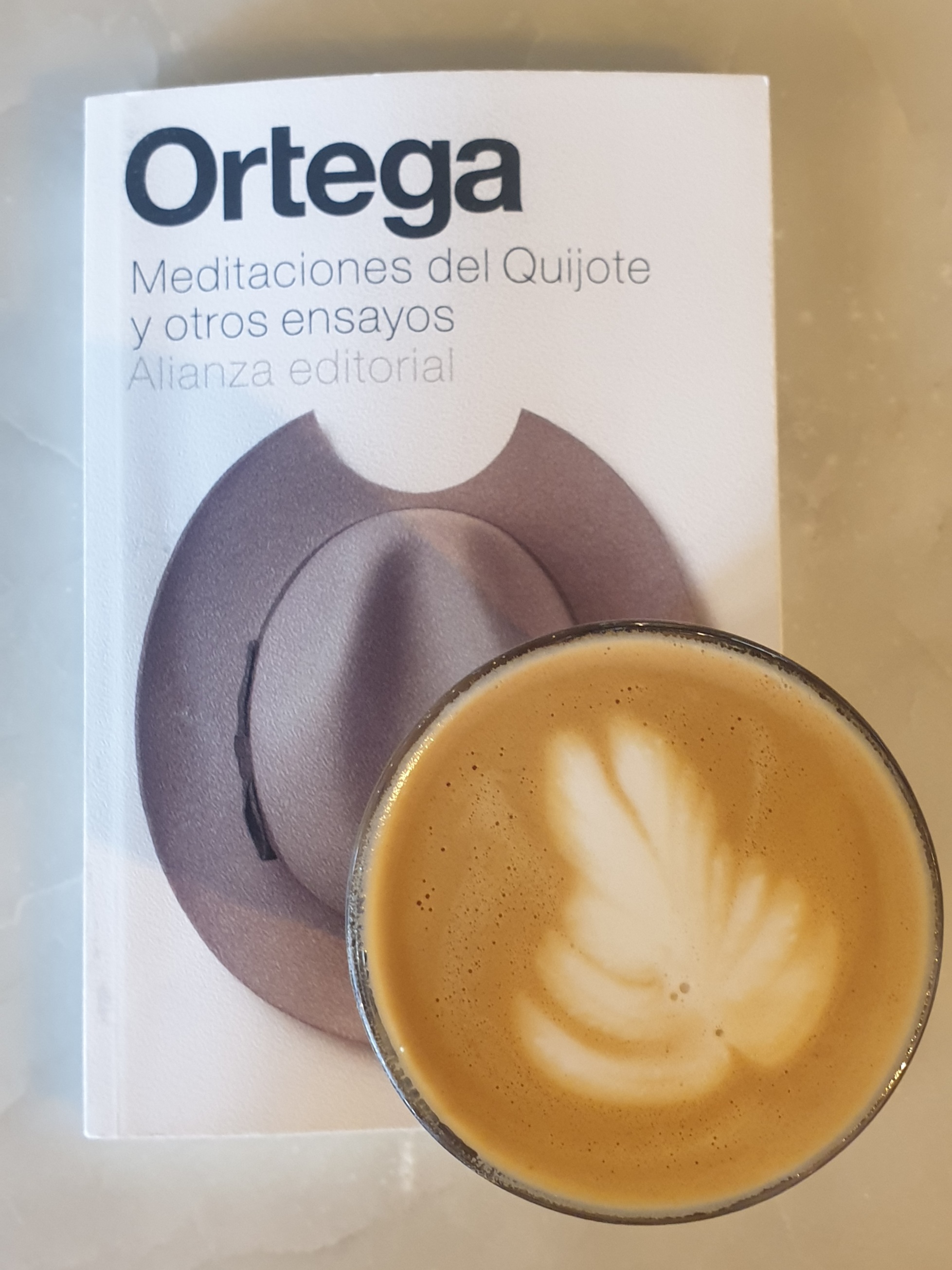
For Christmas, Celia gave me José Ortega y Gasset’s Meditaciones del Quijote y otros ensayos, which I had wanted to read for years.

All this reading confirms the theory that Cervantes crystallizes the thoughts of the preceeding centuries, from the ancient Greeks on Liberty to the early Christians on Free Will, where the Self is swimming in the primordial waters of philosophy, floating around until Cervantes’ electric genius gave abiogenesis form to Don Quixote, consciously creating his fortune, bringing about the concept of existentialism. The textbook example of this is the beginning of chapter VIII. Read it carefully, what does Quijote see? He sees them. What are they? Windmills or giants…

Don Quixote is the proverbial Tetrapod fish walking onto earth. It will be up to Kierkegaard, Dostoyevsky, Nietzsche, Unamuno, and Ortega before Simone de Beauvoir and Jean-Paul Sartre finally come up with the label that puts a nice bow on the Darwinian evolution of thought that delivers Existentialist theory.

Meditaciones has the famous quote “yo soy yo y mi circunstancia, y si no la salvo a ella no me salvo yo”.  So, yes, you are responsible for what you do in life, with life, but you also must deal with the circumstances surrounding your life. But Meditaciones is not what you expect. It is not a direct essay on Ortega’s thoughts on El Quijote -although it is also that- it is that in a meandering, roundabout way. Ortega talks about the Mediterranean culture, compares it to the Germanic culture as he lived in Germany for many years. This is evident when he quotes Nietzsche’s “Live dangerously”, which is, of course, the whole premise of Quijote’s adventures.

As a good philosopher, questioning El Quijote, Ortega ends up asking more questions than answering them. One key observation comes when he compares Cervantes to Shakespeare, something commonly done, as they were, after all, contemporaries. And here is the difference: Shakespeare explains himself, Cervantes not so much. Some of that difference might be due to the difference in genres: Theatre vs the modern novel, but nonetheless, there it is. Another common assumption is the Spanishness of Quijote, which leads Ortega to call Spain the “spiritual promontory of Europe”.

Another of Ortega’s brilliant observations, connections are between two Baroque masterpieces: Quijote and Velazquez’s Meninas, how we can step into each work and see it from the inside. This imaginary stepping into these makes them realistic. That realism is what makes us, and understanding ourselves in that work, that singularity, is what makes us heroes, a full hymn to Existentialism!

So what I wrote 17 years ago, although not the most brilliant, not the best written academic paper, still stands. Cervantes, by creating Don Quijote, is setting the cornerstone of Existentialist philosophy.

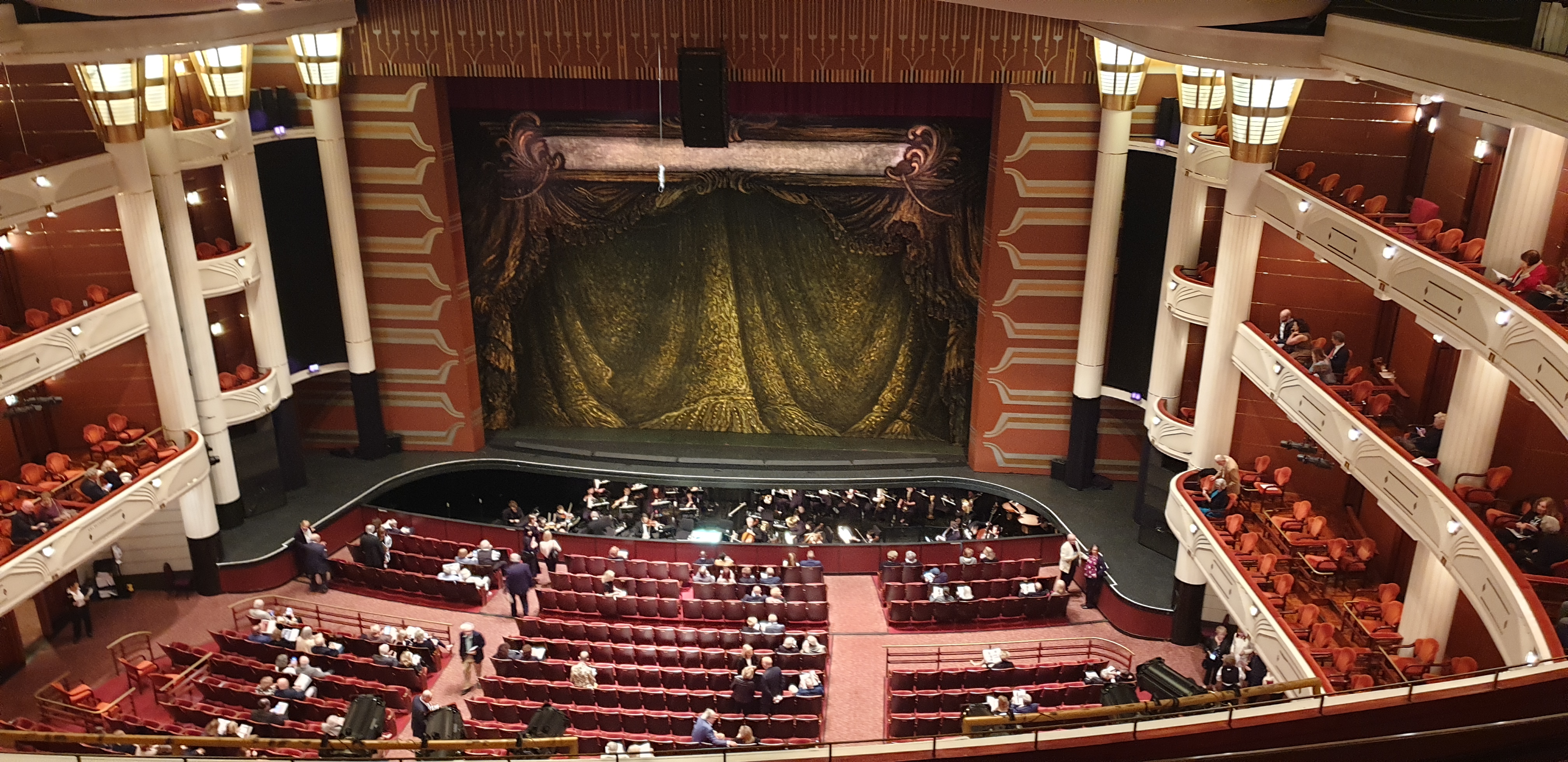
The best opera? The most famous opera? La Traviata at Palm Beach Opera

There are some tunes that you would recognize instantly, even if you have never been to the opera. One of them is the party song at the beginning of La Traviata; it is the subject of viral popup chorales, flash mobs, and opera recitals everywhere.

As children, we did not listen to La Traviata at home. My dad preferred the “epic” operas: Wagner, Aida, Nabucco… He had the vinyl box sets by the big conductors of the time, Karajan, Abbado, and the like.

I had the classical music radio show at the university radio station and would, once in a while, play opera songs. But I became enamored with La Traviata through an 80s film: The Music Teacher, which led me down a wonderful rabbit hole to discover Maria Callas, Renée Fleming, and possibly my favorite Violetta: Kiri Te Kanawa.

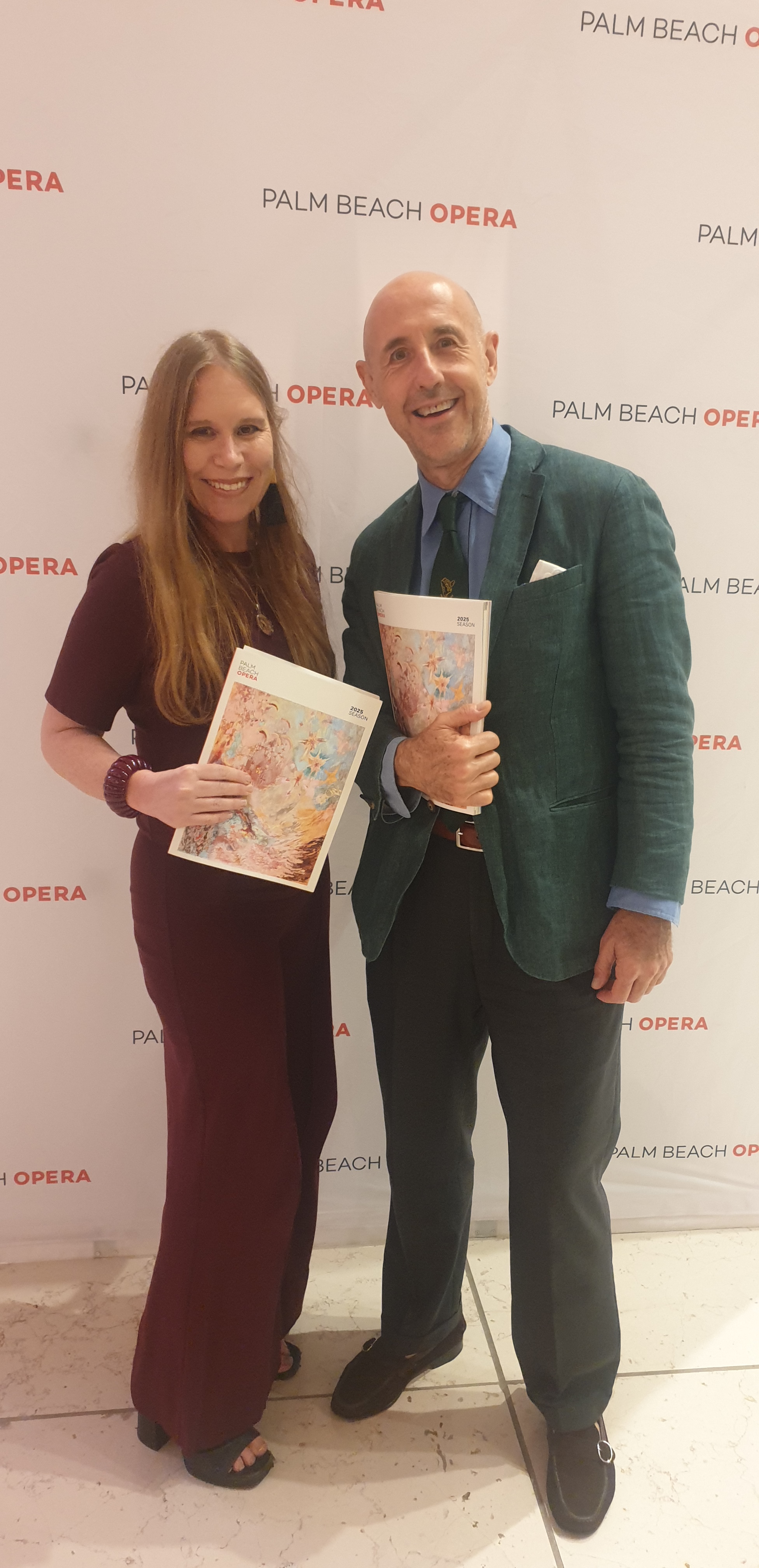
At any rate, I again had the chance to see La Traviata at the Palm Beach Opera last week in the Kravis Center with Caitlin, a work colleague and fellow opera fan.

The production was amazing! Gabriella Reyes, in her pro debut, hit it out of the ballpark, despite taking the current liberty of pushing the Sempre libera finale to E flat above high C notwithstanding that Verdi wrote it in high C, she is forgiven for following the trend. Mario Chang from Guatemala did a perfect job as Alfredo, and unexpectedly Michael Chioldi surprised as Alfredo’s dad, Giorgio Germont, totally channeling his best Gattopardo.

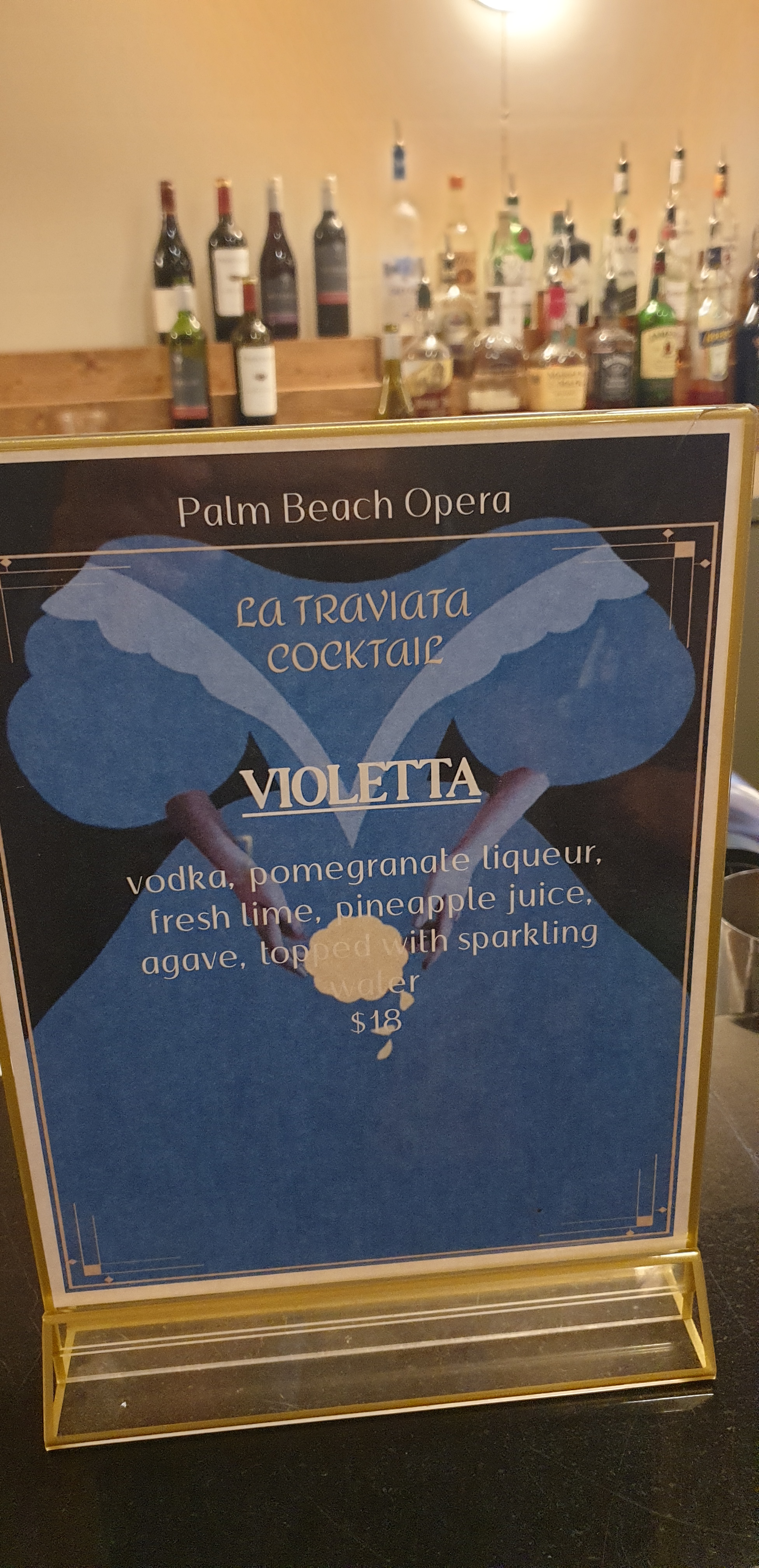
Palm Beach Opera was impressive in their attention to detail: the décor, the photocall, even crafting an apropos cocktail, the Violetta, which I must say, was delicious.

So if you get a chance to see La Traviata, do not hesitate to go. You are welcome.

Reduce, reuse, and recycle; guilty pleasures (I), bargain hunting.

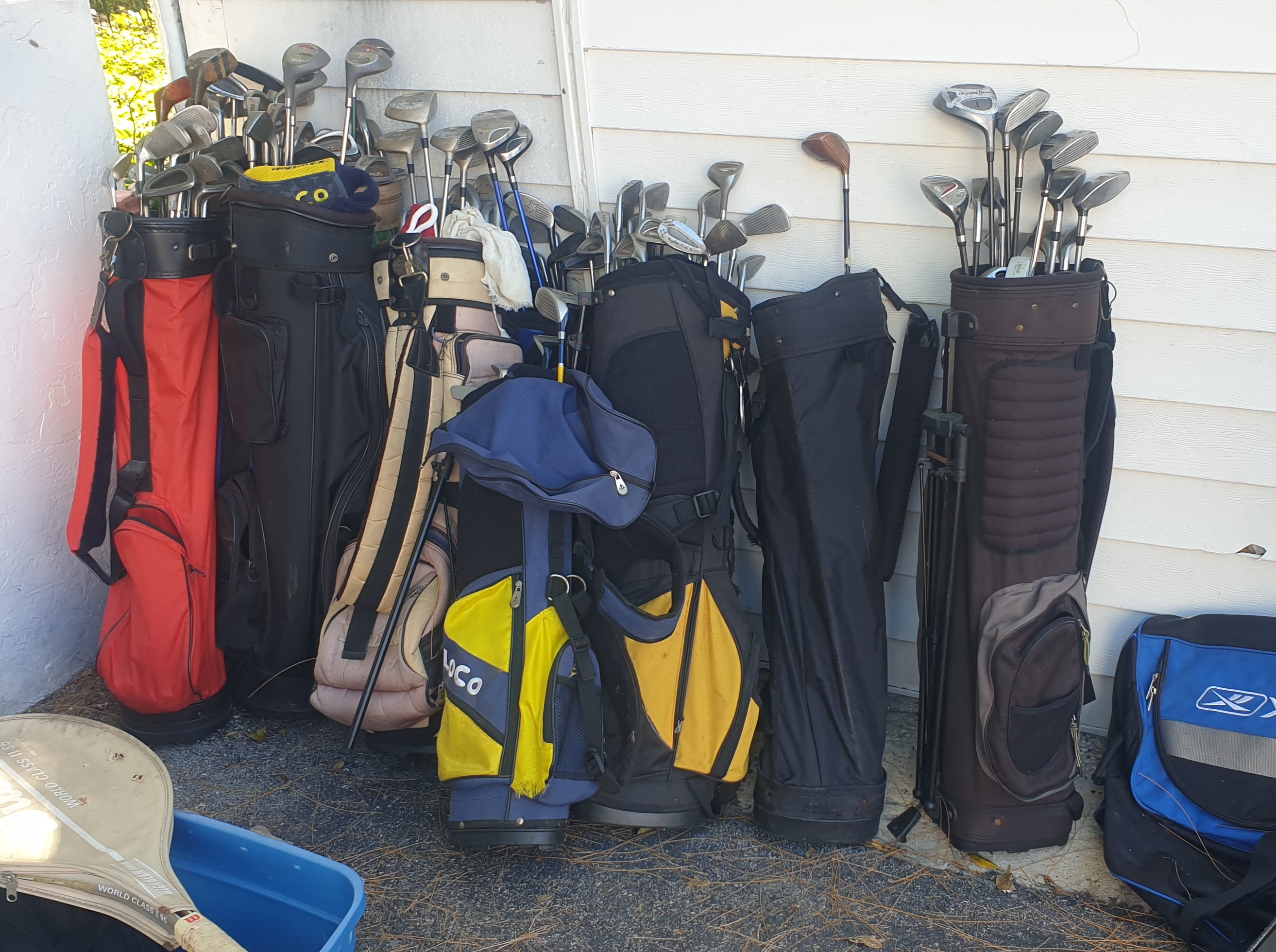
I love rummage sales, garage sales, estate sales, and the potential of finding a gem, a bargain. In fact, most of my home was sourced from such sales and Goodwill, Salvation Army, 2nd-hand stores, all those places where you never know what you will find, and treasures await in hiding.

Yes, I am an idealist who thinks we can still fight climate change (how quaintly naïve), and I am a minimalist (you can read about that here) who believes we only actually need the stuff we use constantly.
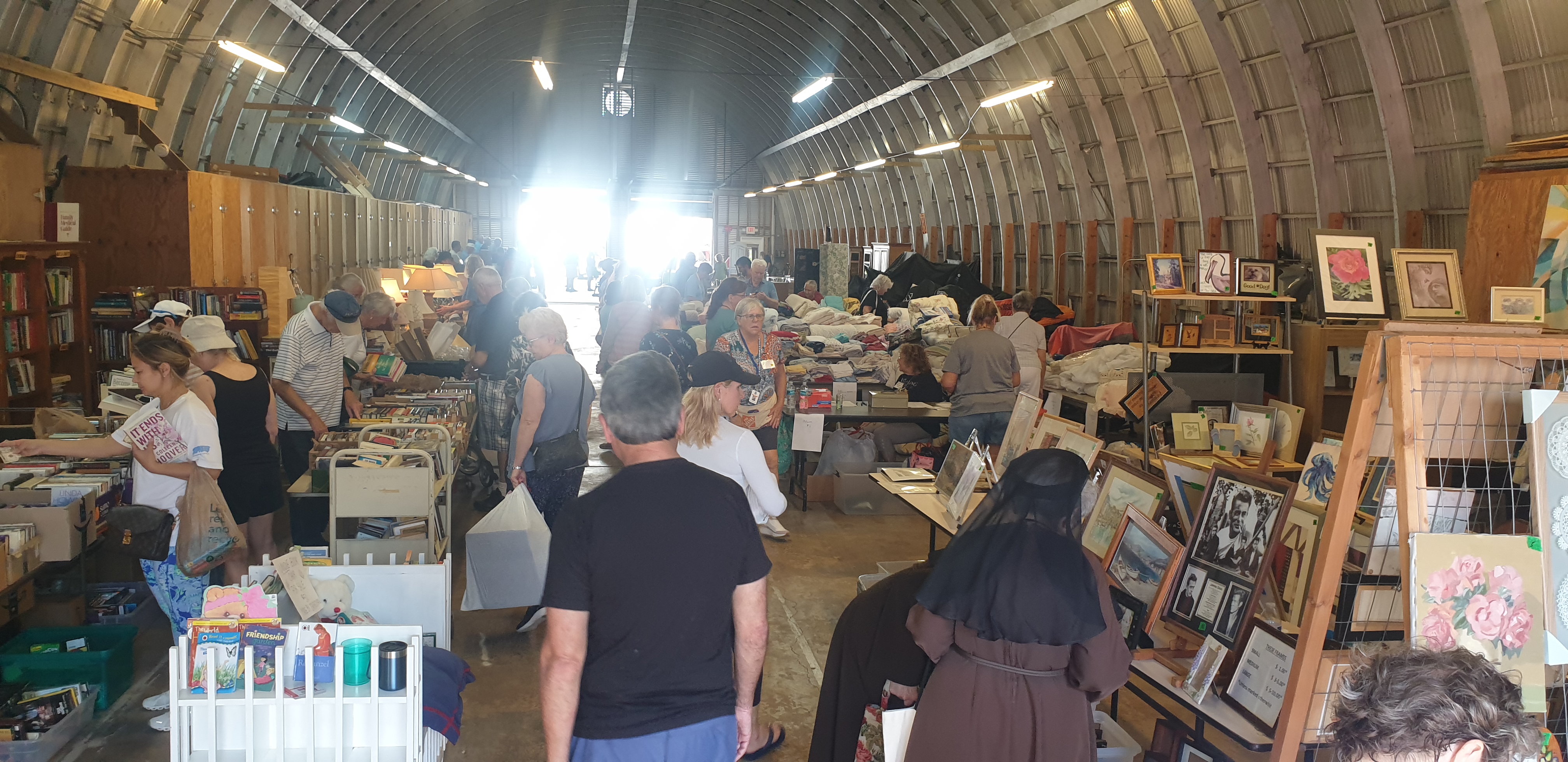
Briny Breezes is an oxymoron—not the name—the name is fine—but the nature of what it is. Briny Breezes is a retirement community on the Intracoastal Canal, on the water. It is a trailer park, not only is each tiny plot of land where the literal tin cans that their homes are sit, but a trailer park with many residents having boats worth more than their homes—paradoxical indeed. But who am I to judge?

At any rate, every year these nice residents organize a huge rummage sale. There is a building dedicated to clothes, kitchen stuff and jewelry, there is a huge warehouse with art, books, appliances, furniture, lamps, et cetera. This year I went with a couple of colleagues from work, and we had a great time.

The hack, the strategy for this kind of shopping is two-fold: know the sizes and dimensions of what you need, if necessary, carry a tape measure, and have patience, what you need will show up at some point. Also, you can always upgrade if you find a superior product and re-donate the one you got before!

Accept and learn from losing.

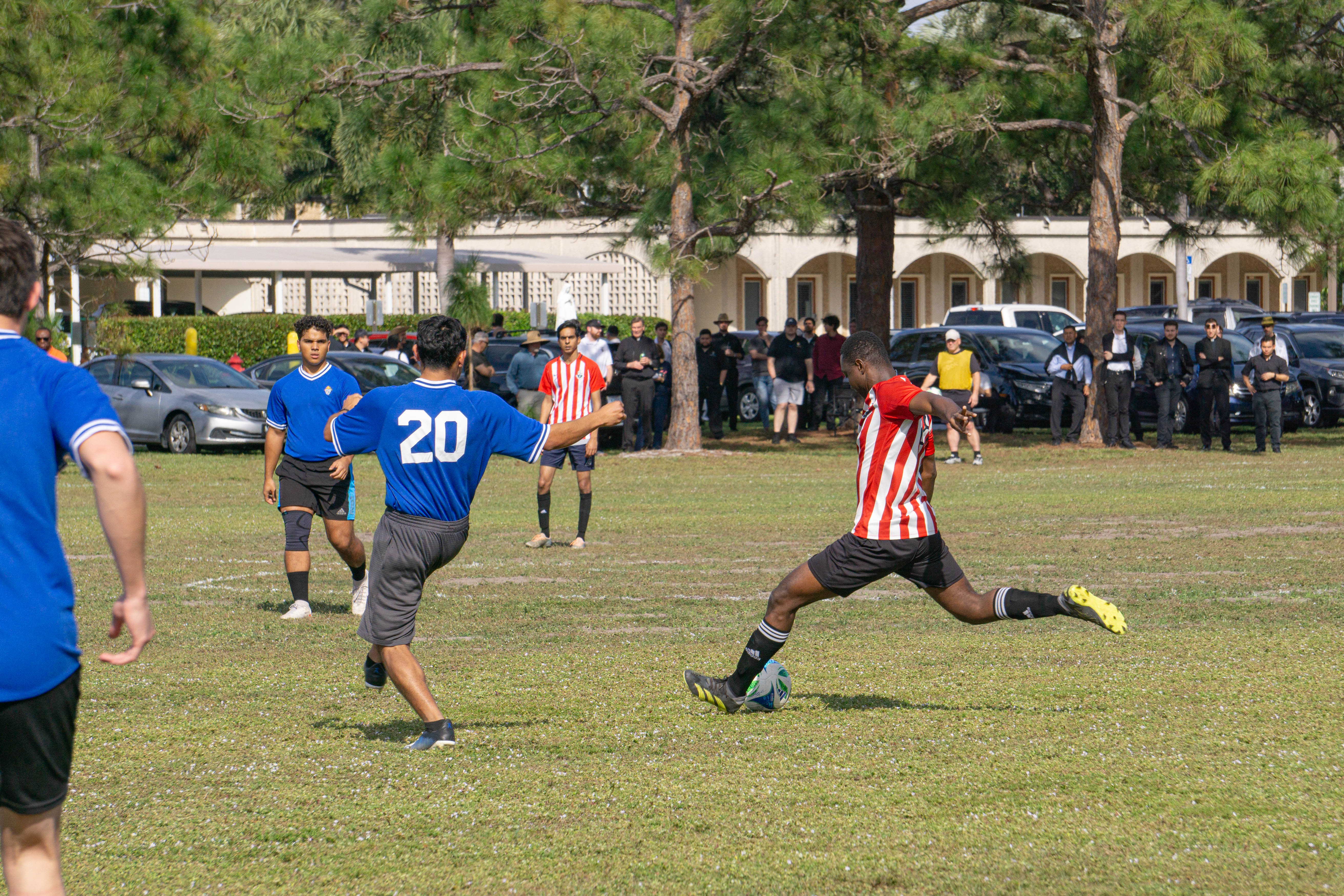
After a two-year winning streak, we knew we were bound to lose at some point, we were hoping it would not be against our archrival.

The beauty of losing is that it makes you dig deeper into yourself to understand what you are made of. It allows you to contemplate life from a different perspective than winning does. I am not breaking new ground here; for example, Pat Conroy wrote about it much better than I did in his My Losing Season, a great read!

There is always some regret: I should have done this or that, should have trained more on this or that. But at the end of the day, it is still just a game, and one of the teams will lose.

Maybe because introspection is not the prettiest thing to do, to dissect a soccer game, the post-mortem, what did we do wrong? What did the other guys do right? When you win, there is no need to go that deep into your reasons for winning, you can celebrate!

Yes, there is more to be learned from losing than from winning, and all that humble pie stuff, it still hurts. Now we must go back to the drawing board, back to training, and back to basics. I can’t wait to start training again. Next season we will win.

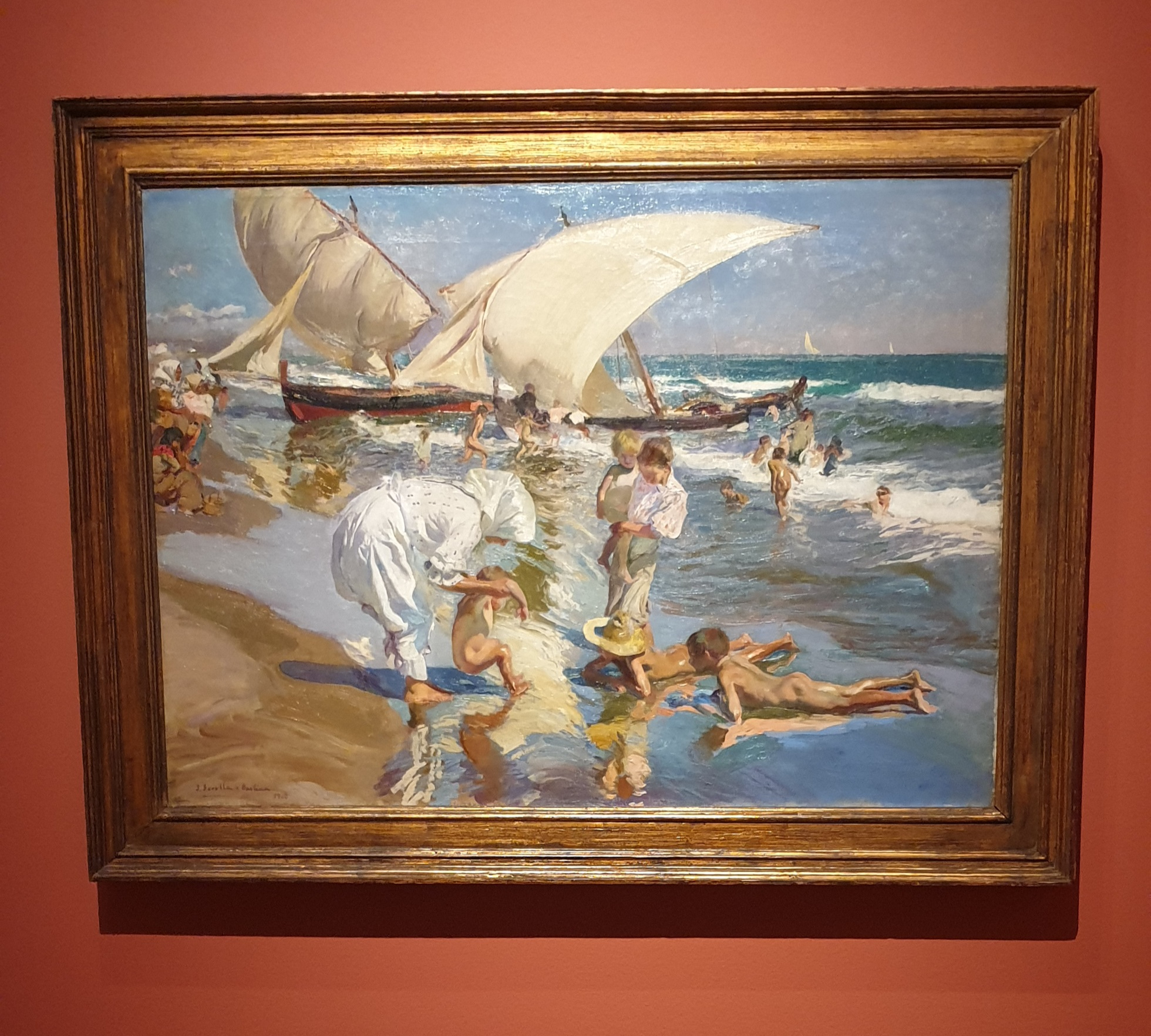
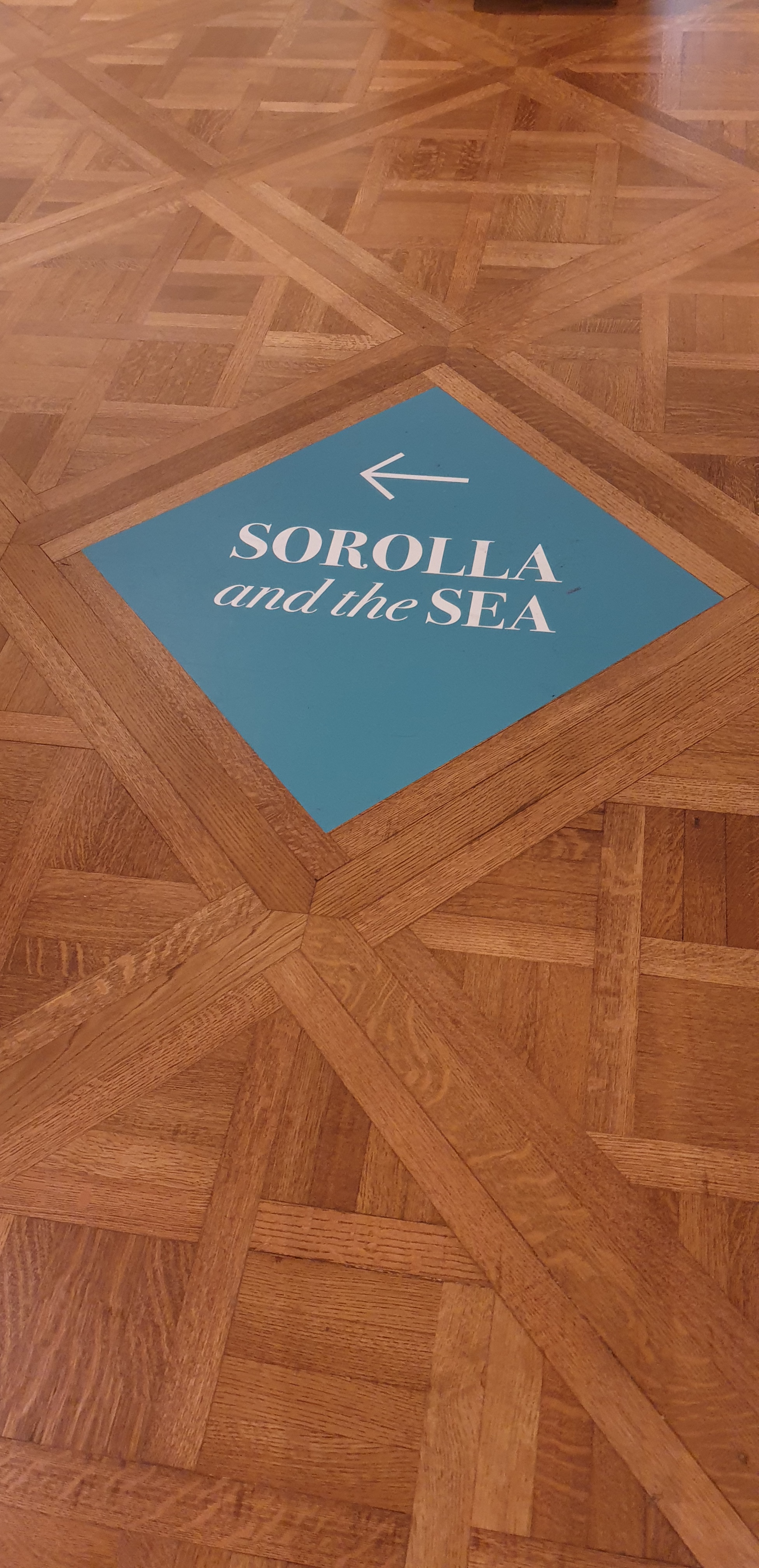
Sorolla and the Sea at the Norton in West Palm Beach

Maybe because the Joaquín Sorolla house and museum is around the corner from my family home in Madrid, Sorolla was the first painter I connected to. Maybe it was his Mediterranean scenes that took me to my own Summers in the Med. Whatever it might have been, Sorolla has a special place in my heart.

When I am in Madrid, I often sneak into the garden of the Sorolla house museum to read, and occasionally I will go inside to visit the paintings like old friends (you can read about that here).

So when I learned the Norton Museum was hosting an exhibition to complement their existing (huge) Sorolla painting, I had to see it.

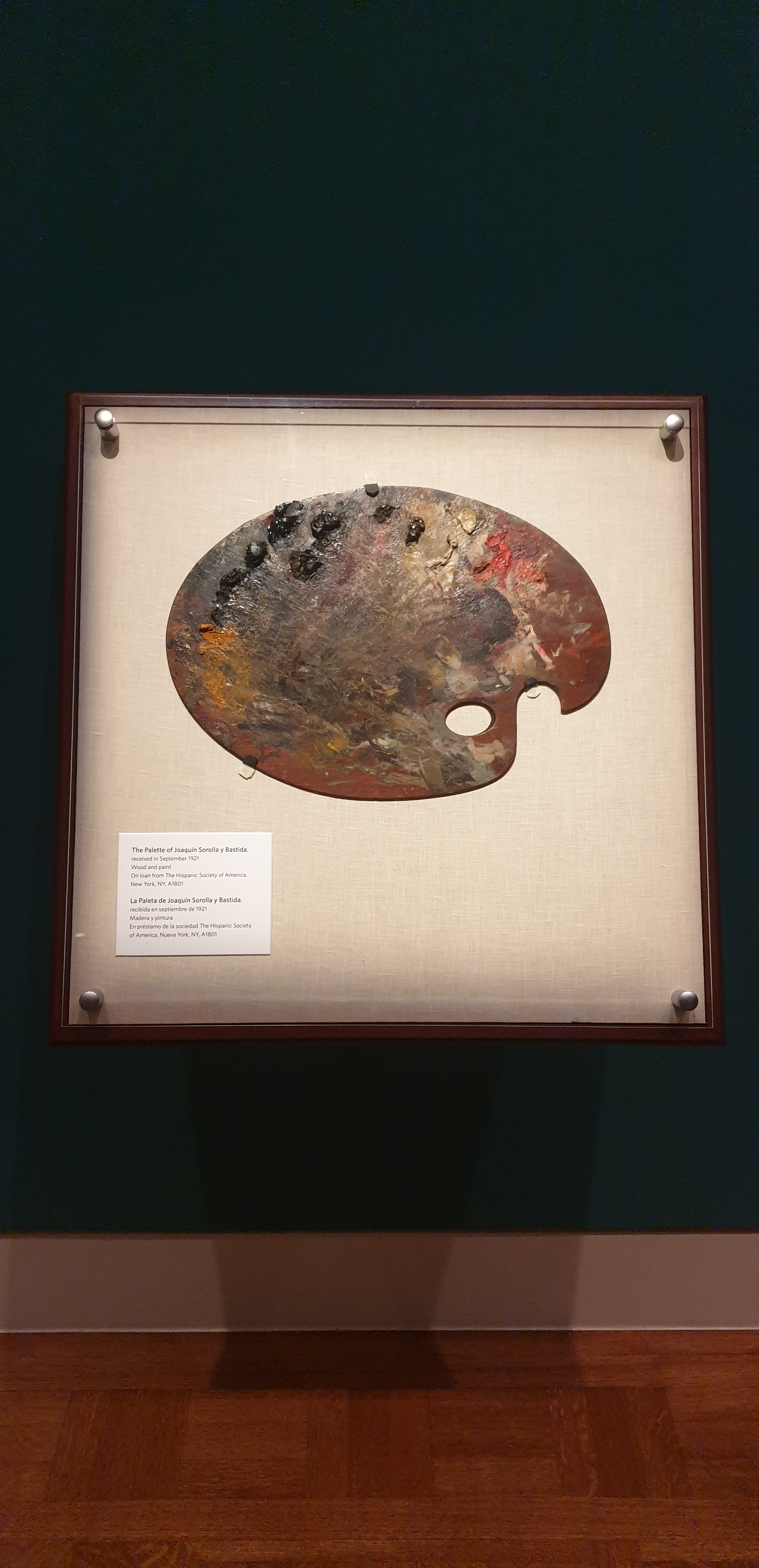
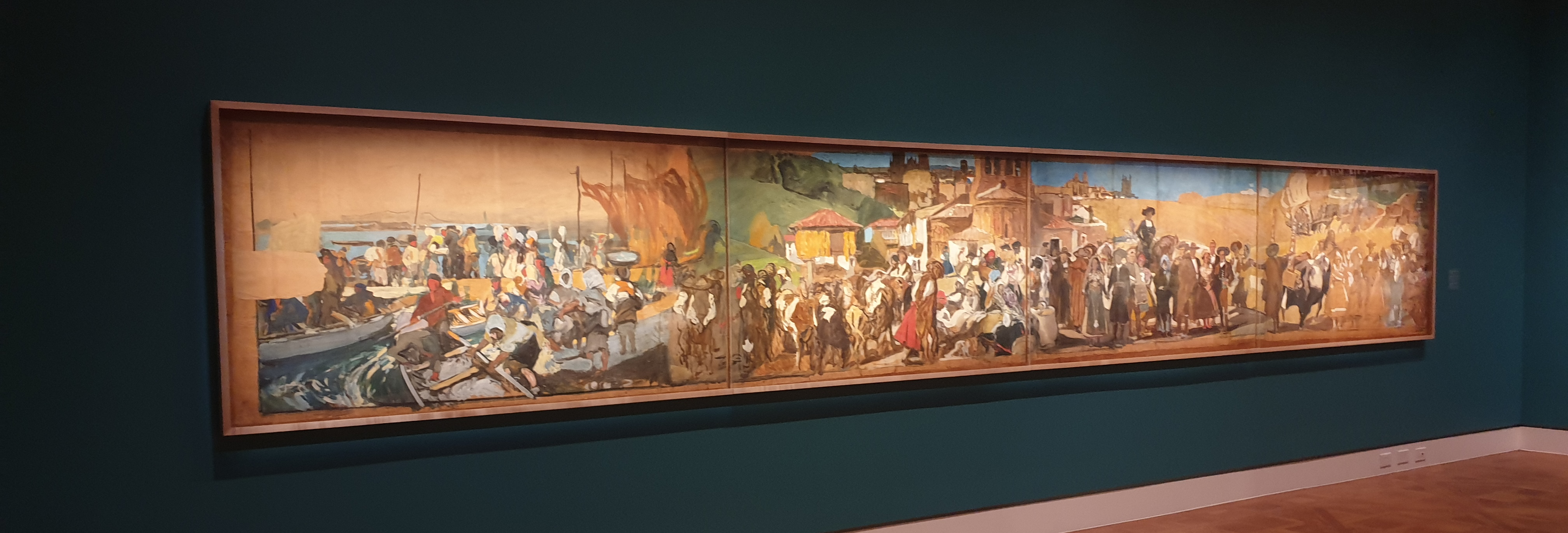
It did not disappoint. Most of the paintings are on loan from the Hispanic Society in New York City which commissioned many paintings from Sorolla. The exhibit includes some drafts of paintings, a bronze sculpture from his dear friend and paisano Benlliure -the marble one is in the garden in Sorolla’s house, even one of Sorolla’s palettes!

Sorolla is known as the painter of light, leaving behind the Impressionists, and creating a space of his own, beyond labels.

If you are in the Palm Beach area you should see it, you are welcome.

Which shoes to wear on the Camino (Part III)(With free Camino shoes spreadsheet!)

Enjoying my Nike Juniper trail shoes

Which shoes should I wear on the Camino? This is arguably the most asked question by folks preparing for the Camino. Everybody who has walked the Camino has an answer and is happy to tell you all about it. But nobody who has walked the Camino has your feet. So you can only answer the question.

Not surprisingly, one of the most viewed posts on my blog tackles precisely this question, you can read it here: Which shoes to wear on the Camino?

But I am nothing if not professional, and I noticed the spreadsheet on that post was from 2022; with the mad advancements in shoe technology and rampant Capitalism, I should do a new one. So I did, voila.

There is little to add to that original post, but I do have some thoughts that I did not elaborate on back then:

Some pilgrims are more prone to blisters and foot issues than others. I am not a specialist, but it might depend on how much training you have done in those shoes, how appropriate those shoes are for your particular circumstances, weight, stride, mileage, etc.

The shoe is only 50% of the equation; your socks are the other 50%. I use mostly wool with no stitching or seams. I still wear some Darn Tough socks from my first Camino in 2017! Then I got some Icebreakers from New Zealand, which are 60% Merino wool. You want the socks to fit properly to eliminate friction between the shoe, the sock, and your feet.

Sam, the first (and only) person to tell me about Camino prep, told me to lather Vaseline on my feet before putting on my socks. It works for me, in 4 full Caminos I have only gotten a couple of blisters, and they were my fault, not the shoes nor the socks…

During my Camino Aragonés, I walked some stages with Juan Gameros, a hardcore Mexican mountain guide (follow him on Insta: juan_gamerosmx). He wore Injinji toe socks, and he swore by them!

So you must find your magical shoe/sock combo that works for you.

In the attached spreadsheet, I only ranked 25 shoes by going to some random Internet rankings. The number of shoes and the number of criteria prove that there are shoes for all types of feet.

I was delighted with the Nike Pegasus Trail 3 from last year (read about it here); So this year Celia gave me a pair of Nike Juniper Trail II. I have already taken them out a couple of times and I can’t wait to walk the Camino this Summer!

Buen Camino

  • The spreadsheet is in Excel format so you can sort, add, or manipulate it as you want, enjoy!

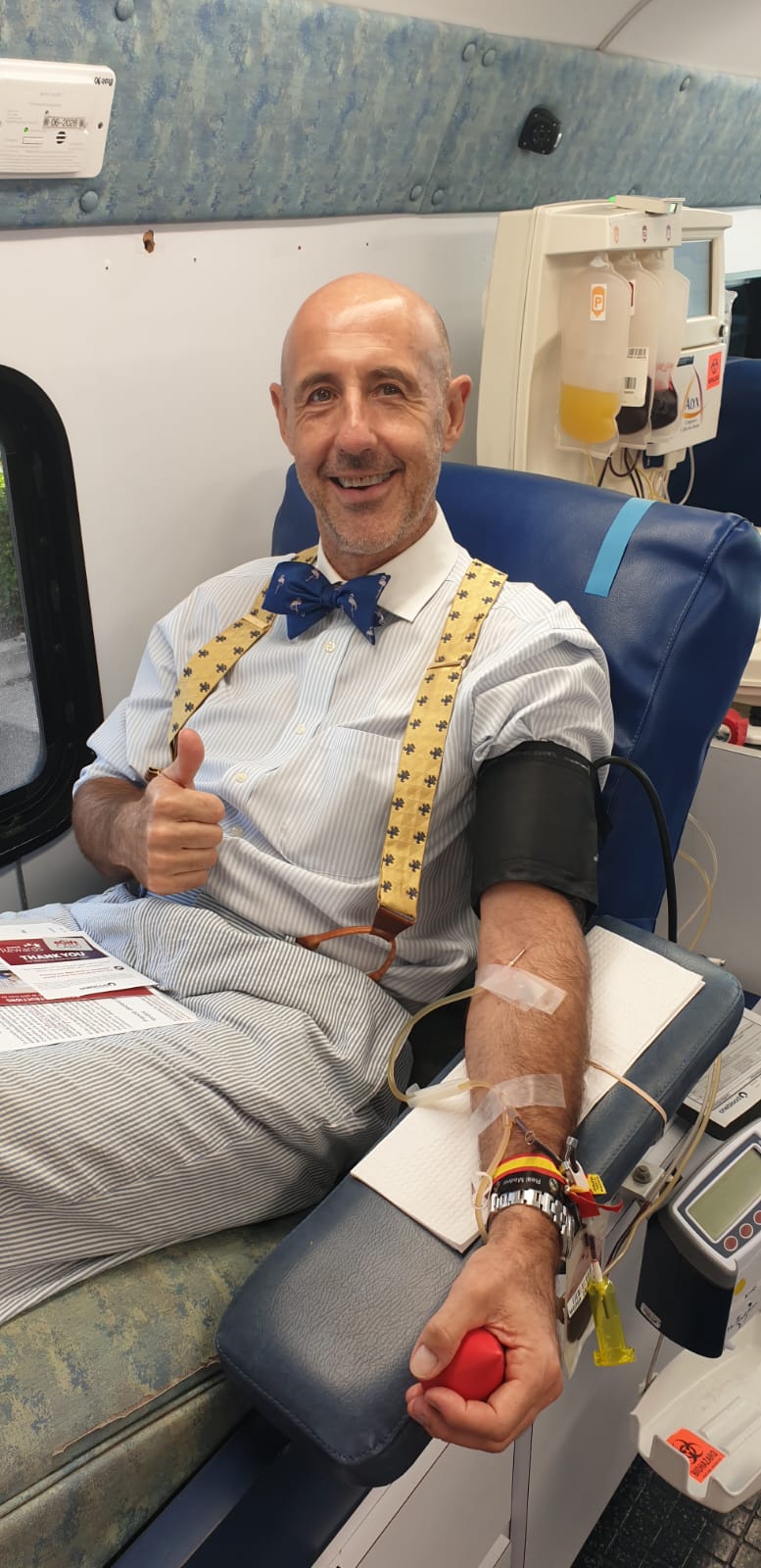
Donate blood (if you can), you have enough to share!

For years I was not able to donate blood, as I had lived in England during the Mad Cow epidemic (Creutzfeldt-Jakob disease if you want to get technical) in the 80s -yes, I am an 80s kid.

This was very frustrating since the health community really did not have enough data and evidence for not allowing people to donate blood, but recently they changed the rule, and we can donate blood again!

Donating blood in Florida is a bit different -yes, Florida is special, and not necessarily in a good way. They have these red busses that go around collecting blood. A couple of times a year they go to our school.

So if your health allows you to do it, find the time to donate blood wherever you might be, someone you will never meet will really appreciate it!

Oh, just make sure that half an hour after you donate you do not go running in 30º humid Florida heat. Someone I know really regretted it and had to walk back a few kilometers…

Spanish Baroque in Boca Raton

As soon as I found out that the Boca Raton Museum of Art had an exhibit about the Spanish Baroque, I booked a visit for my classes and then went to check it out for myself.

The paintings are courtesy of the Hispanic Society of America in New York, which has organized this exhibit, and which will then travel to a couple more cities.

Splendor and Passion: Baroque Spain and Its Empire is a small but very good-quality exhibit. You are welcomed by a local artist’s interpretation of Velazquez’s Meninas, and then you enter to discover paintings by the real Velazquez, Murillo, and el Greco (whom I would put more into late Renaissance than Baroque, but I am nitpicking). If you love the chiaroscuro, if you love Baroque art, this one is for you!

The Boca Raton is a fairly small museum, with most of the collection being 20th C art. But since you are already there, you might as well check it out.

So, if you are in this suburban wasteland that is South Florida, and you need a little injection of beauty, art, and culture, head over to the Boca Raton Museum of Art. You are welcome.

Ávila, a great excursion from Madrid

If you are Catholic, you probably know Ávila from Saint Teresa. Otherwise, you might know this city because of its history, Medieval wall, or its sweets. Avila is a UNESCO World Heritage site and it is less than two hours North of Madrid, and a great and recommended visit.

It had been a long time since I visited this city, but I recently had a getaway with Celia. We took the train from Madrid, which was an adventure, having to change trains in El Escorial. We hit the city running, visiting El Real Monasterio de Santo Tomás straight from the train station. Sto. Tomas has one of the purest Gothic churches in Spain with an altarpiece by Berruguete, possibly the most famous Spanish artisan in this field, it also houses the tomb of the Infante Juan, Ferdinand and Isabella’s teenage son, three beautiful cloisters, etc.

We had the traditional steak for lunch and explored Saint Teresa’s home, now turned into a chapel -although they have kept her original room! We toured the Medieval wall, one of the finest in Europe, the Gothic cathedral, St. Teresa’s convent, all the beautiful little streets, sweet shops, and many palazzos, and squares. Since the visit was during Christmas, we got to see a few amazing Nativity scenes as well.

So, although Toledo and Segovia are better known day trips from Madrid, Ávila is in a remarkably close third position.

The Marginalian by Maria Popova, a blog about a blog, would that be a metablog?

As a blogger myself, I must admit that I do not subscribe to many blogs, newsletters, etc., just a handful:

Although not technically a blog, I get the Center for Action and Contemplation’s Daily Meditation, originally written by Richard Rohr, but as he is getting older, it is now written partly by him but also by the CAC team. Check it our here, and subscribe!

Every week I also get Un salto a Galicia about travel to the northwest corner of Spain, Galicia. (Click here)

But what I want to talk about today is The Marginalian by Maria Popova.

Every week Popova writes brilliantly about how an author talks about certain things. Some recent examples are:

Philosopher R.L. Nettleship on Love, Death, and the Paradox of Personality

The Poetic Physicist Alan Lightman on Music and the Universe

Iris Murdoch on Unselfing, the Symmetry Between Art and Morality, and How We Unblind Ourselves to Each Other’s Realities

Dervla Murphy’s Fierce and Poetic Account of Traversing the World on Two Wheels in the 1960s

Popova combines her own beautiful writing (yes, this hack is jealous) with quotes from the authors featured and gorgeous illustrations. It makes for an enlightening read.

Popova is so inspiring, that I have added her Wednesday email into my reflection time, my mediation, my Lectio Divina, if you will.

If you are not yet subscribed, I cannot recommend it enough. Check it out here.

You are welcome.