The oldest house in Miami

Confession time: Although I hate Miami traffic and expansive development, I must admit that I am discovering more and more redeeming bits about an otherwise unpleasant city. But first, a little history.

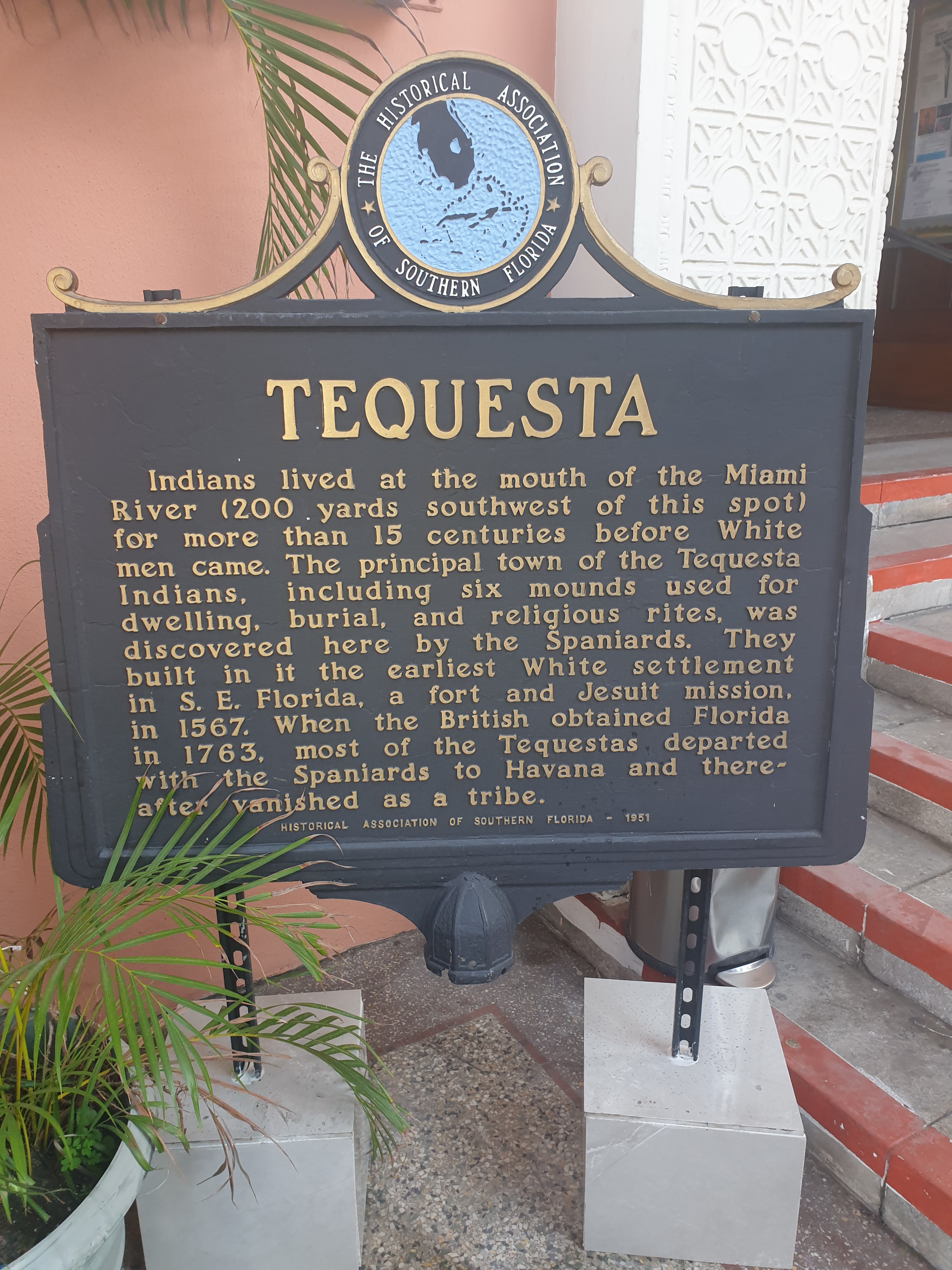
The Tequesta people lived at the mouth of the Msimiyamithiipi river for centuries. The only remains of the Tequesta village is now a dog park… welcome to Miami! The first Europeans to settle in Miami were Spanish Jesuits who set up a mission there in 1567 (although both Jesuits and natives later fled Miami to Cuba when the Brits started to make trouble). Then nothing much happened in the area until Julia Tuttle set up agricultural development in 1880. When Flagler’s railroad arrived in Miami in 1896, the population was a remarkably interesting 444 inhabitants (¿?). Then there was a boom with Collins and Brickell and Fisher building hotels and developing everything in sight, until a massive hurricane in 1926 destroyed pretty much everything, hitting the reset button for Miami, kicking of its Great Depression almost three years before the rest of the country hit it.

Only a few structures remain in Miami from before the hurricane; The Cape Florida Lighthouse from 1825, in Key Biscayne is the oldest building in Miami.

The oldest remaining house in Miami belonged to a yacht designer called Ralph Munroe. His home, called the Barnacle, is fortunately now a Florida State Park, and it is a bit of a jewel and an oasis in the middle of crazy Miami. The Barnacle is right in downtown Coconut Grove, the bohemian, Rive Gauche type of neighborhood of Miami.

The house where Munroe designed and built his beautiful sailing boats sits in a hammock which is a park with native plants and trees right on the water. Also, at that time you were better off travelling around Miami by boat than by land, so most properties were on the water.

The house is a lovely Victorian mini mansion well worth the visit. There is also Munroe’s boathouse down by the water, and a couple of the beautiful boats he designed are in the water!

You are welcome. Let me know your thoughts on this and other Miami jewels in the comments.

I ❤️ Land Rover

Lebron or Jordan? Messi or Cristiano? Ferrari or Porsche? What you might consider the best this or the best that is hardly based on science, it is based on your specific circumstances. My favorite cars are Land Rover, not because they are necessarily the best, but because I was conditioned as a child to love them.

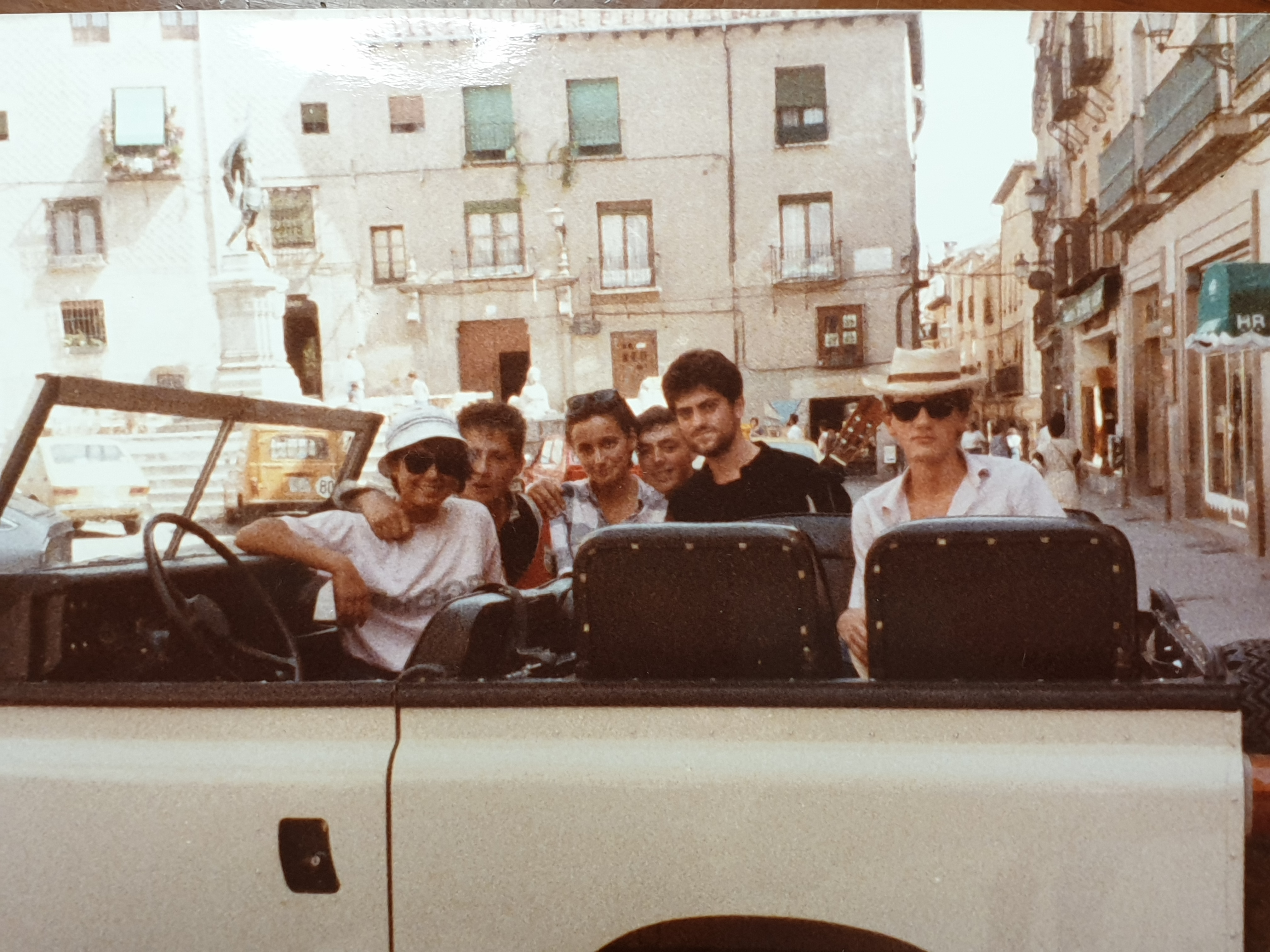
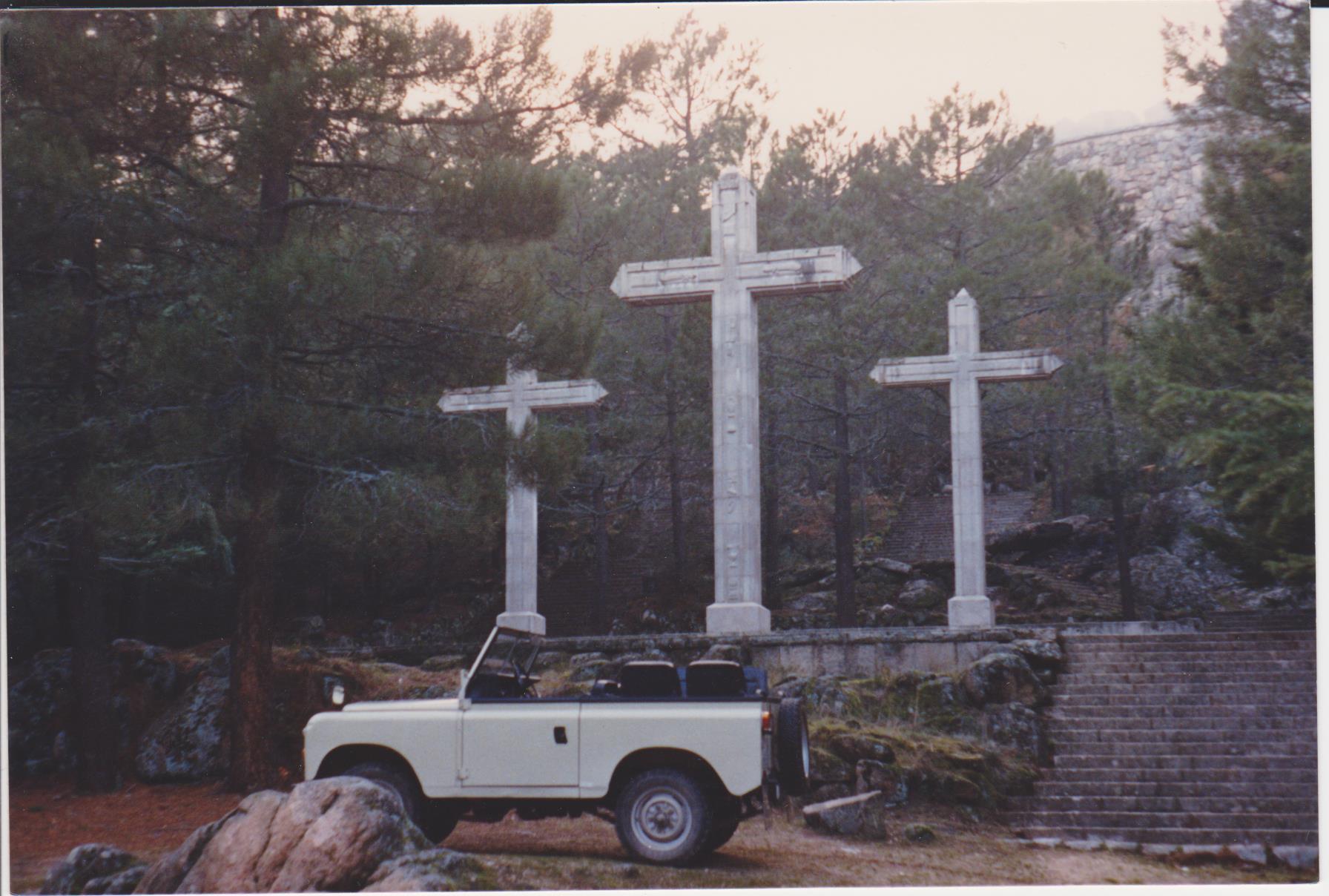
The story goes back to my uncle Antonio. Like his late brother, (my dad), he is a keen motoring enthusiast, and he loved Land Rover. At a point in his life, working for Esso (now Exxon) in Barcelona, he had a fleet of them at his disposal. In fact, my dad bought one of those for a pittance as my first car!

It was a six-cylinder, gasoline engine 88-inch chassis, topless model and I loved it! It was not particularly comfortable and definitely not fast, but boy was it fun!! Then one day my dad sold it.

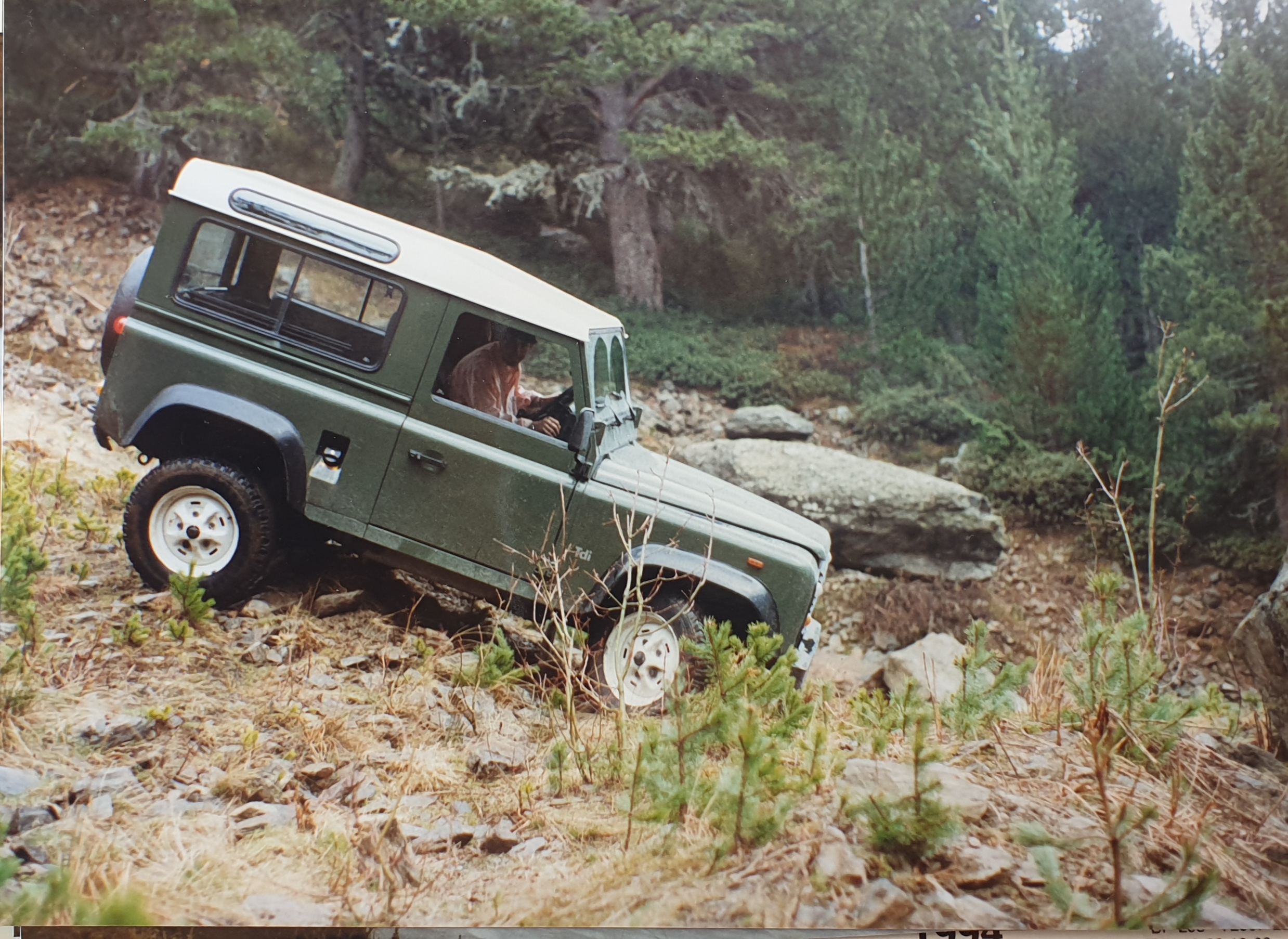
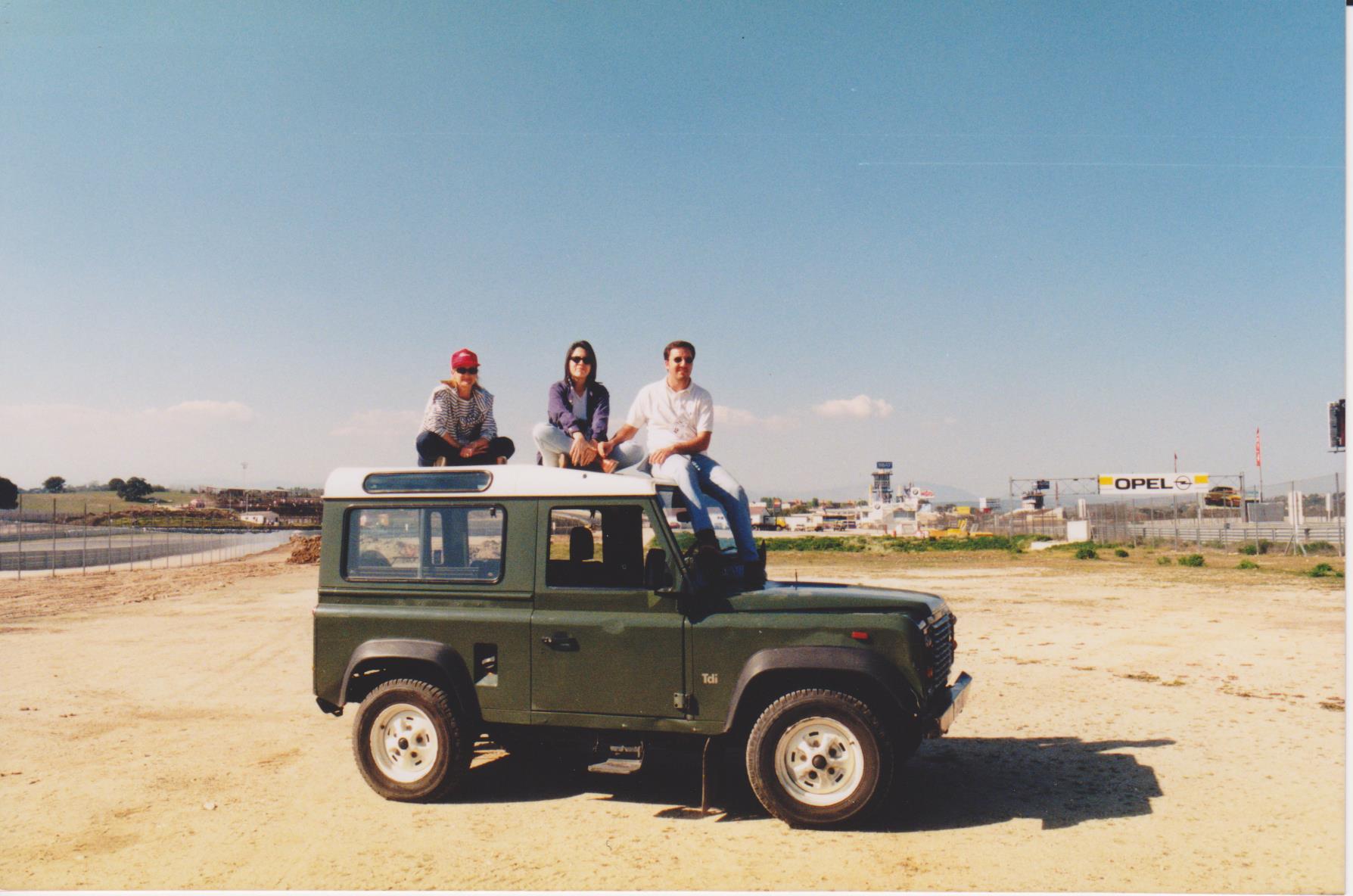
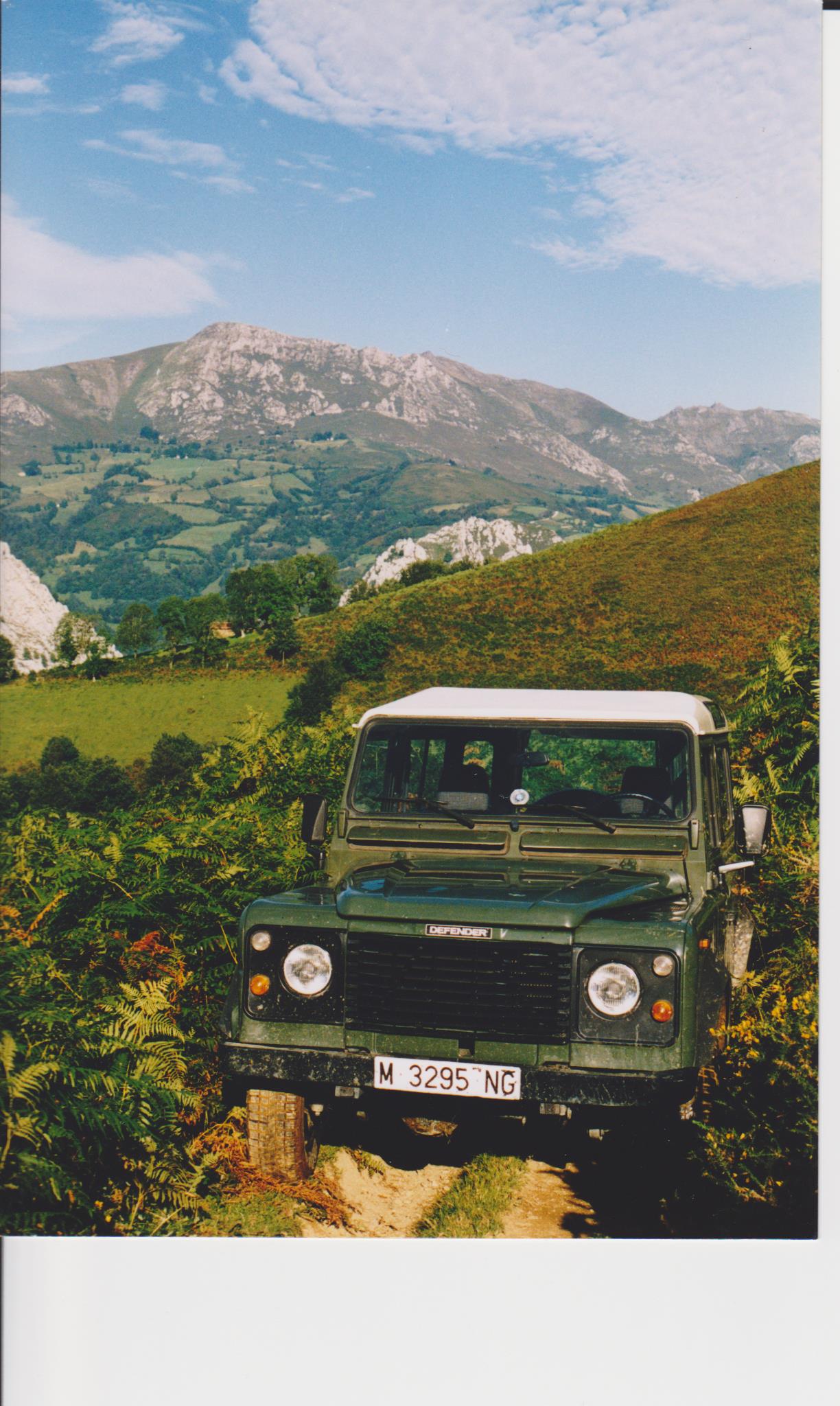
A few years later, when I could afford to buy my own car, it was a Defender 90. I got 10 great years out of it, travelling and off roading all over Spain, until it was stolen from my front door in Madrid, never to be seen again.

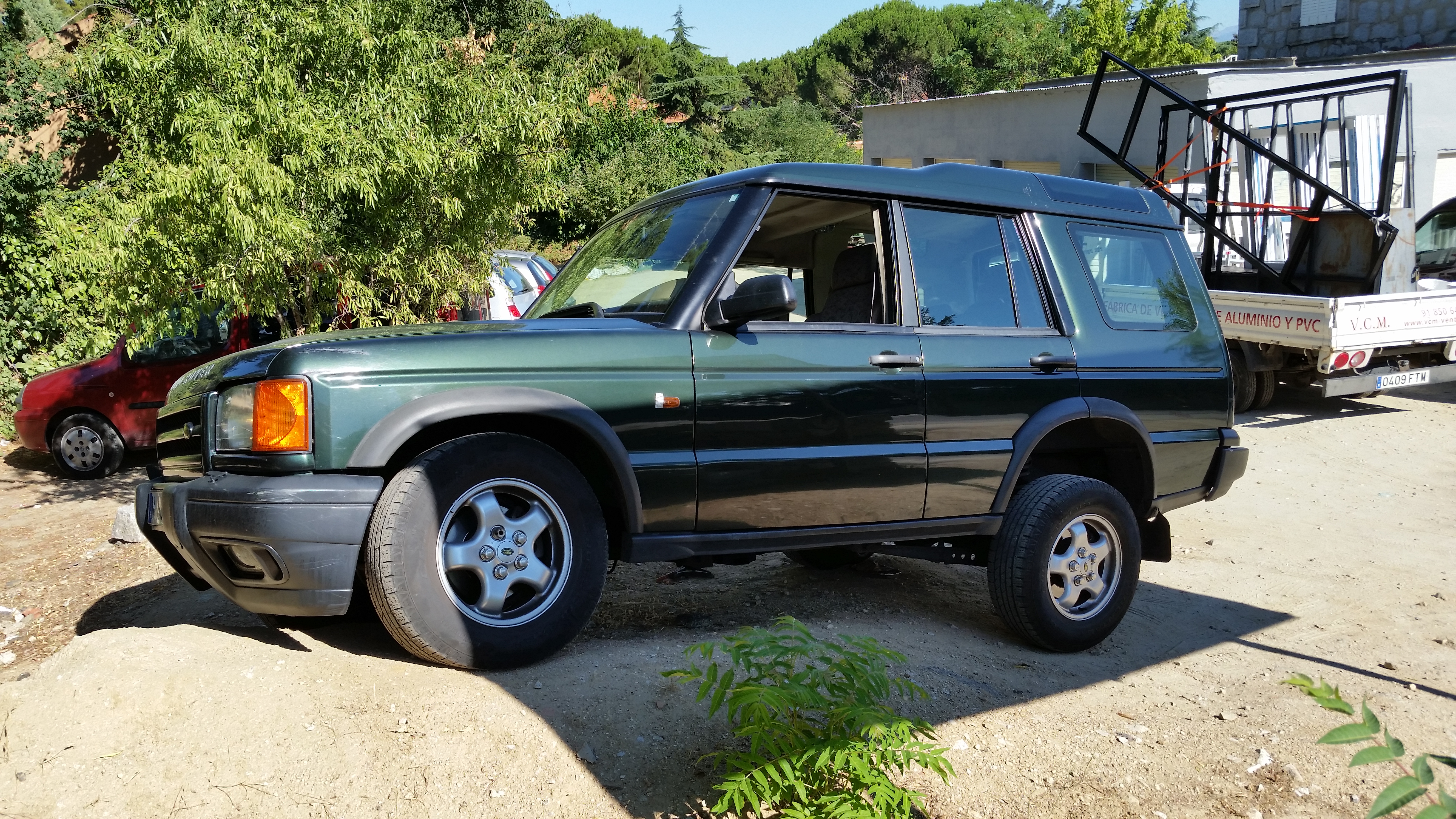
In a bit of a rush, I bought a far more sophisticated Discovery in 1998, which is still serving me well to this day.

Unfortunately, Land Rover, like many other brands, is no longer what it used to be. It is now owned by an Indian industrial conglomerate Tata, and some private equity funds that only care about squeezing every last drop of profit for their shareholders, thus taking production from the hallowed Solihull factory to much cheaper India, for example. So please if you have a post 2008 Land Rover (or Range Rover) do not flex, I am not impressed.

Mahler, Roth, von Hofmannsthal, and Magris, fin de siècle Vienna and the fall of the Austro-Hungarian empire.

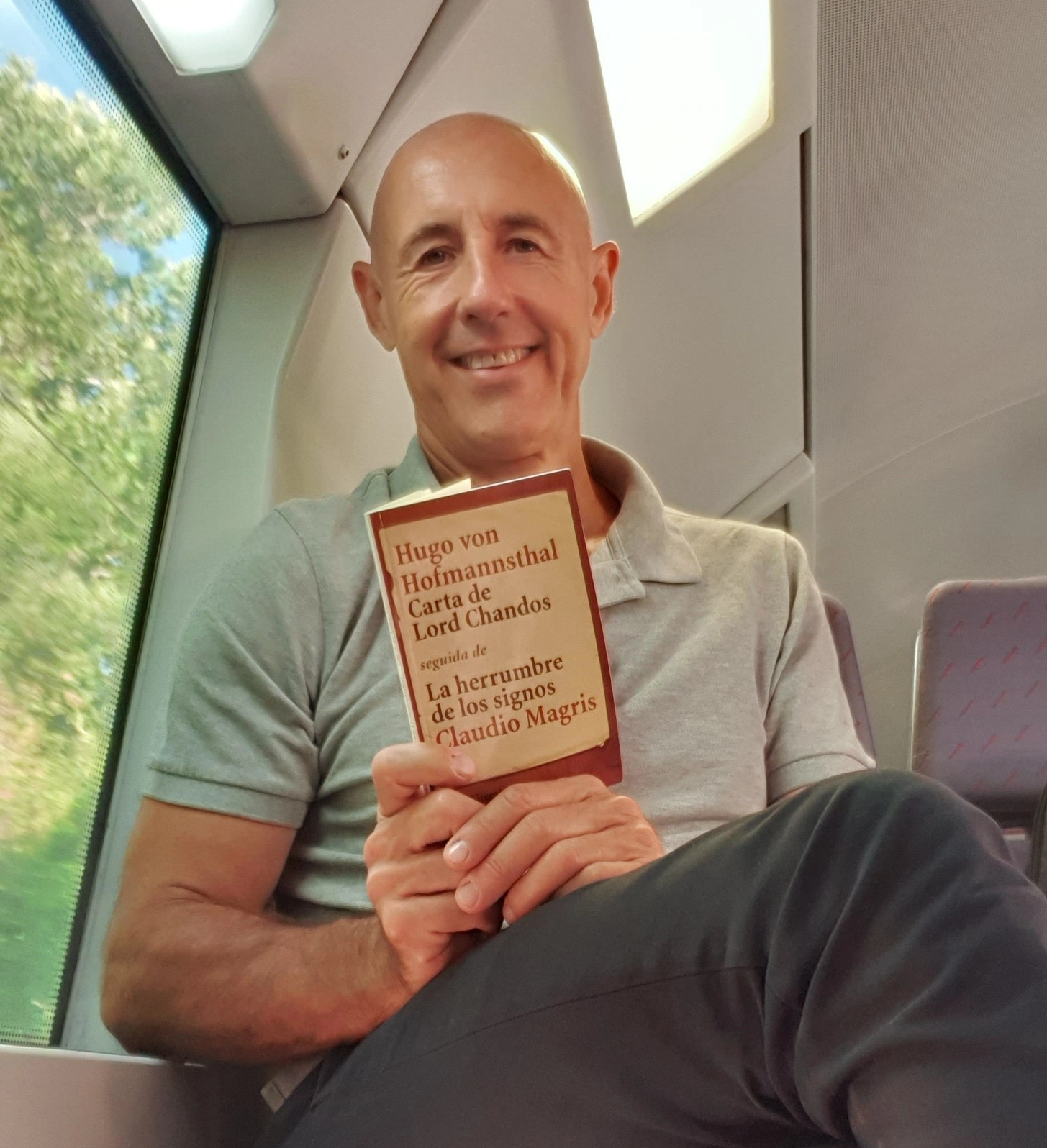
Lord Chandos on a train

A couple of years ago I wrote about Mahler and Joseph Roth and the coincidence that they both lived in the turn of the Century Vienna. It was very much a gut feeling post (you can read it here) since I am not a history scholar, even less an Austro-Hungarian history scholar specializing in the fall of the empire.

What you read on the Camino is very important. I usually choose spiritually enlightening books. (The Book of Job, Gemma Simmonds The Way of Ignatius A Prayer Journey through Lent (she was my sister’s teacher!), Willigis Jager The Wave is the Sea, even a collection of Zen stories!) They also have to be physically light and small due to backpacking requirements. This year under my friend Paco’s recommendation I took an intellectually challenging book: Hugo von Hofmannsthal Ein Brief (Brief des Lord Chandos) – Letter to Lord Chandos followed by Claudio Magris’ analysis of the Letter in La Lettera Di Lord Chandos.
Hofmannsthal’s (fictional) letter from Lord Chandos to Francis Bacon is a short (22 pages) but fascinating essay on language. Magris’ analysis of the letter is a mind-blowing tour de force of fin de siècle Vienna and the fall of the Austro-Hungarian empire and what was to follow in Europe. After a master’s and a PhD in literature, I was surprised to find that this is by far the densest reading I have ever encountered. It is rich, thick -but readable- and chock full of references: Kafka, Wittgenstein, Heidegger, Freud, and Nietzsche (obviously), Borges, Saussure, Kubrick, Eco, Pasolini, Plato, Seneca, and Cicero, Roth, Kierkegaard, Klee, Van Gogh… and a whole bunch of other names I confess I have no clue who they are. But the point is that Magris explains in philosophical and existential detail the fall of the Austro-Hungarian Empire, turn of the Century Vienna and what would follow in postmodern Europe. It was also very rewarding to read a real essay on what I wrote as a hack blog post…

In conclusion, this is a short, small book, perfect for travelling but dense and rich and glorious academic reading! Enjoy, you are welcome!

PS: If you want to read more about Chandos check out this article:

Greaney, Patrick. “On the Chaos in Chandos: Hofmannsthal on Modernity’s Threshold.” MLN 129.3 (2014): 563-573.

The origin story of my writing for public reading

“Origin story” is a modern expression, I guess made popular by expensive superhero film franchises. But it is a useful expression, for example: to explain how I got started writing for people I have never met.

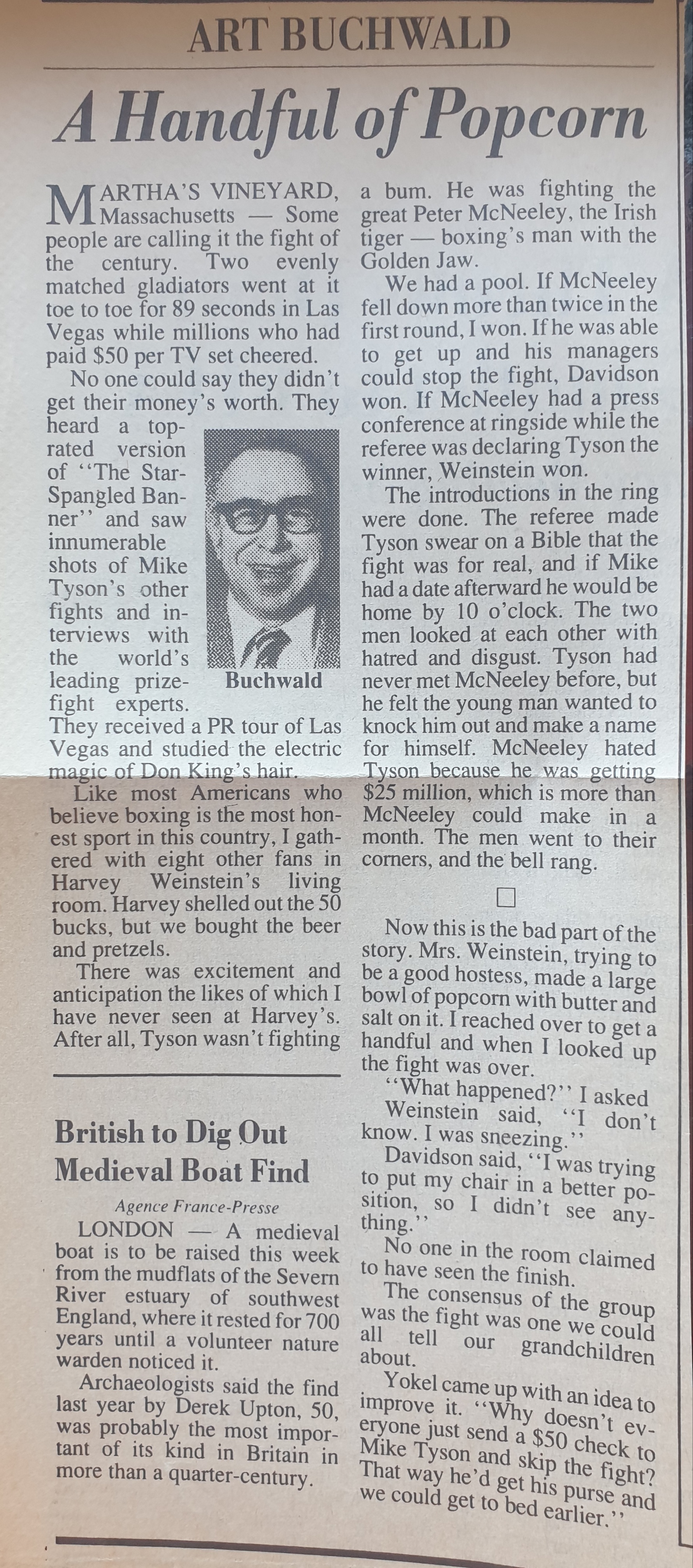
It happened in college, but it started in high school. My dad used to read the International Herald Tribune (which was a joint venture between the New York Times and the Washington Post, it was basically a newspaper for Americans abroad) and he would occasionally bring it home. We also received it at school, where I was a bit of a library rat. I was already getting the reading itch and would read anything lying around. Well, the last pages had some miscellanea: Sports, the funnies, classifieds, and a satire column, penned by Art Buchwald. I loved Art Buchwald, he was hilarious! So much so that I ended up doing my PhD specializing in satire. (You can see an interview with him here)

Fast forward a couple of years and I had some sort of gripe with my university. The solution? Write a letter to the editor in The Vanguard, the school newspaper, the style? Satire, obviously. After that letter came another one, and another one. Eventually the newspaper staff with the great Dave Newcorn as editor, made me a columnist -just like Art Buchwald! What a great moment that was. Yes, it was a small newspaper in a small university, but still, I got to write trying to imitate my Art Buchwald. And I´m still trying to write like him. Thanks Dave!

Oh you can read a random selection of articles I found here. Be merciful, it was the 80s and I had no clue what I was doing -not that I do now, either…

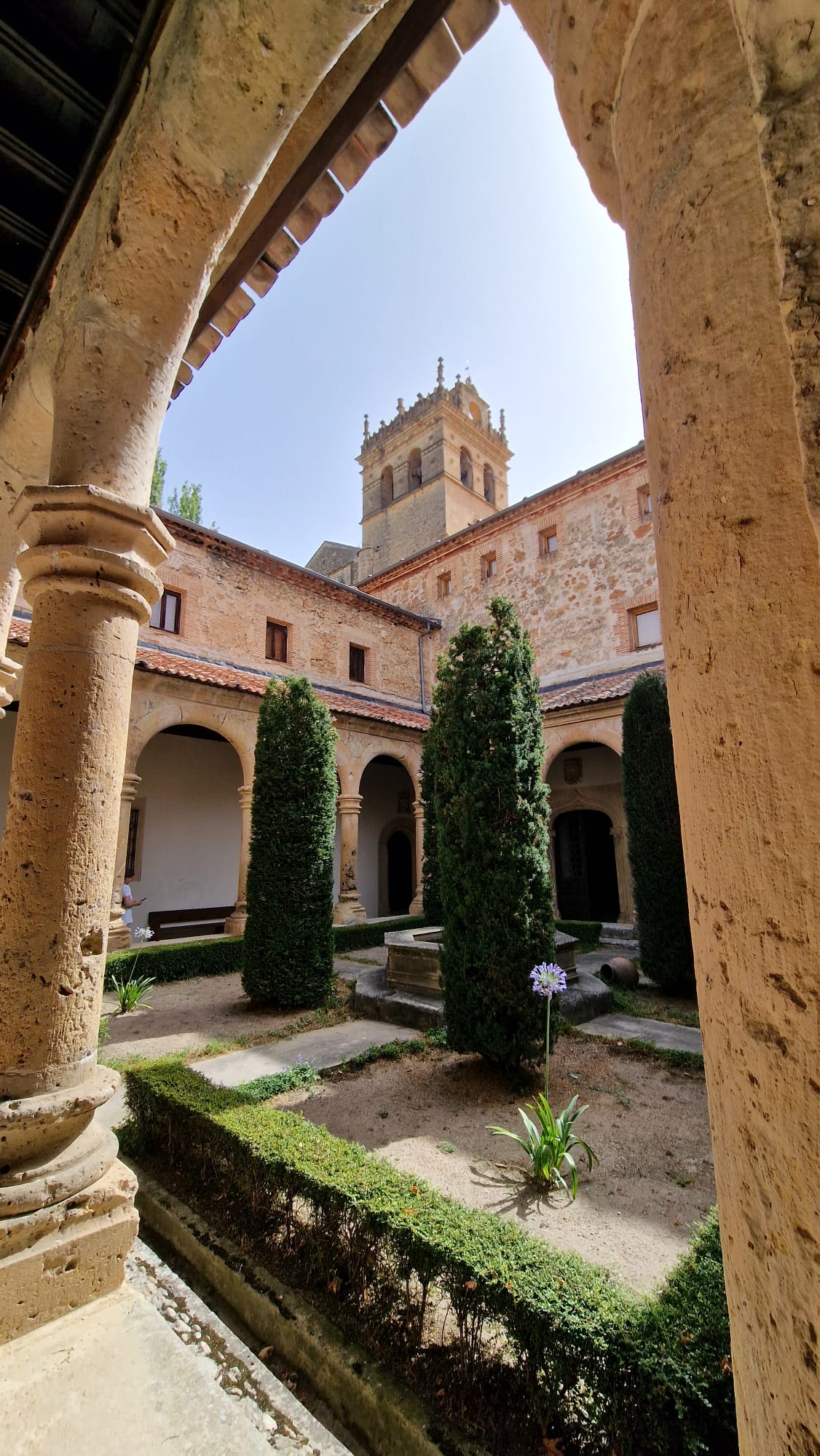
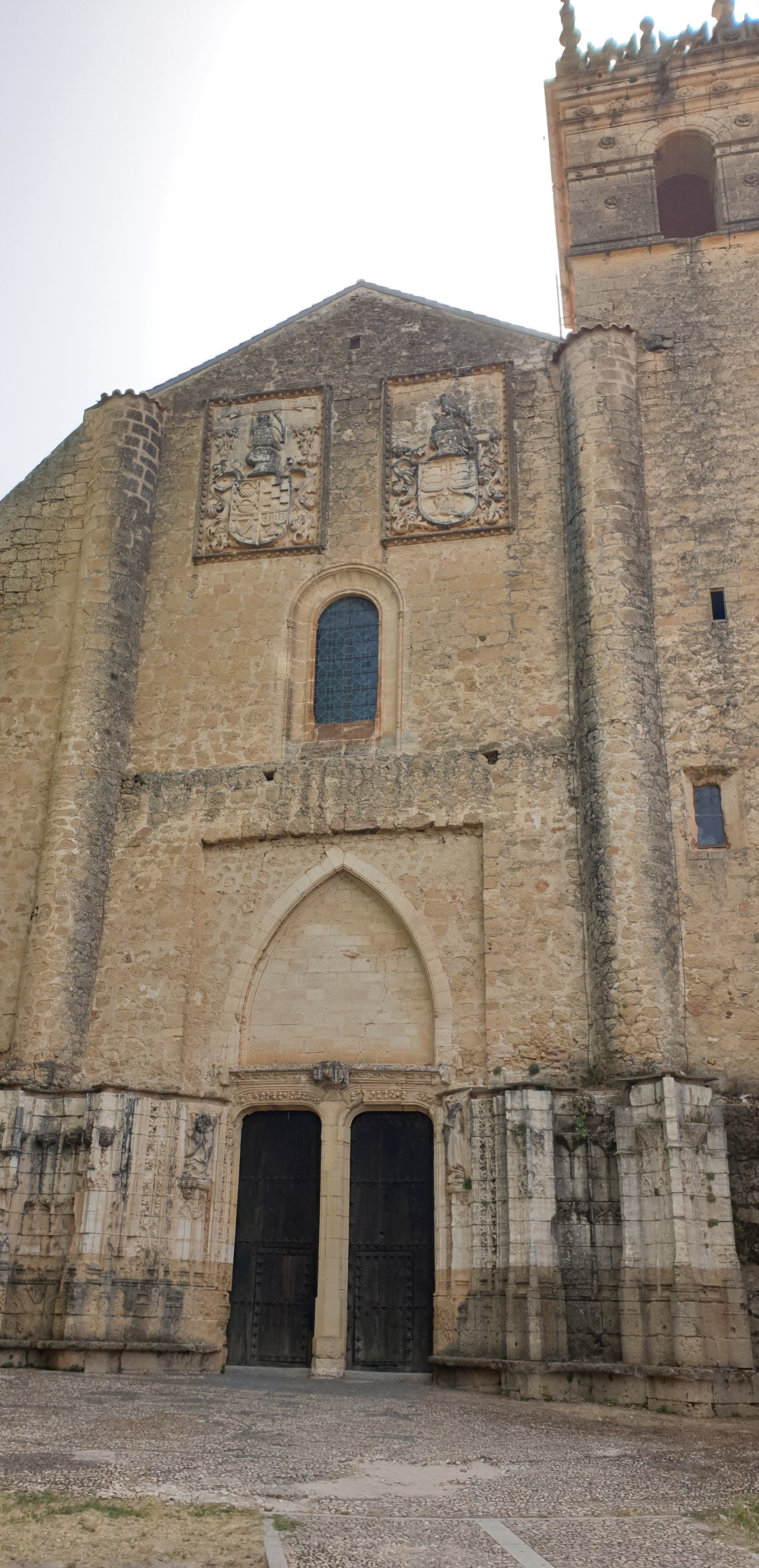
The last (Hieronymite) Monastery, Santa María del Parral

Besides the actual friendship, one of the very enriching advantages of one of your best friends being a fine art restorer is when he invites you to visit him at work. Jaime invited me to check out a Medieval bridge in Toledo and the Alfonso XII monument in Madrid (read about those visits here and here), amongst others over the years.

Recently Jaime invited me -and his brother with his two daughters- to visit him as he restores a Gothic altarpiece in Segovia.

Santa María del Parral is just outside Segovia’s city walls, across the river from the cathedral and the castle, a 45-minute (if you pay the Euro 10 toll) highway drive from my mom’s country house. It houses the last six monks of the Hieronymite order, which was once a powerful order favored by the royal family, and with monasteries all over Spain and Portugal.

The Monastery and its church did not disappoint. Despite having been abandoned for years after the government shut it down (together will all other convents and monasteries in the ill advised desamortización de Mendizabal), the gorgeous late gothic nave still stands and most of the monastery has been beautifully restored.

Besides the jaw dropping architecture, the monastery is fed by a really profound water source that provides the monks -and the multicolored carps in the pond- with the best fresh water I have ever tasted! It has all the minerals to satiate your thirst, unlike the thinner mountain water.

Since the Hieronymites are a very contemplative order, understandably we could only visit the “outside” cloister which is beautiful -and has a fountain of that delicious water, in fact, the monastery has never been hooked up to Segovia’s public water system.

Yes, the monastery does have rooms for (male) retreats, but you know I am committed to the Benedictine monks at El Paular!

After the visit, we had a nice lunch at a nearby restaurant before heading back over the mountains home.

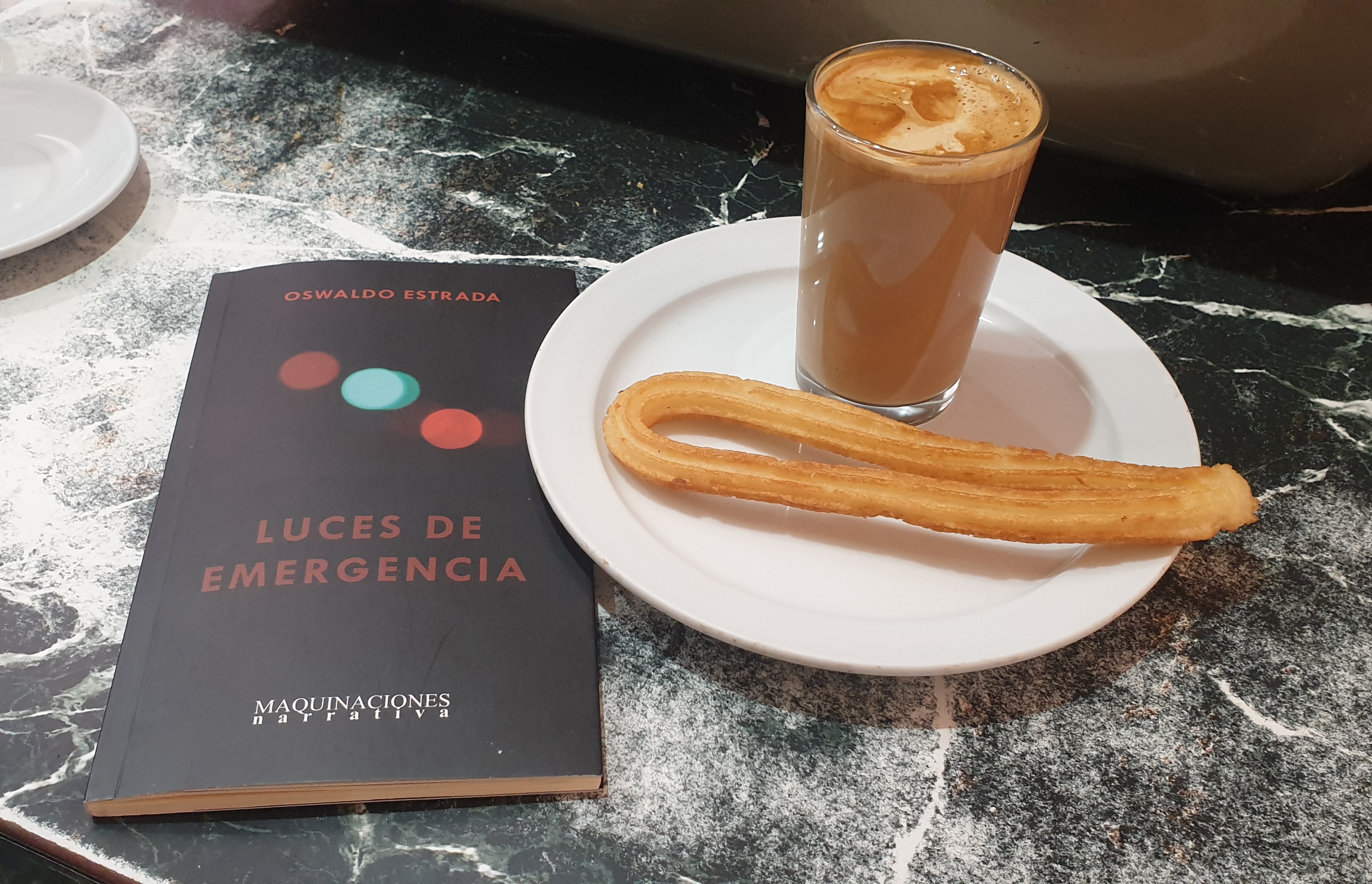
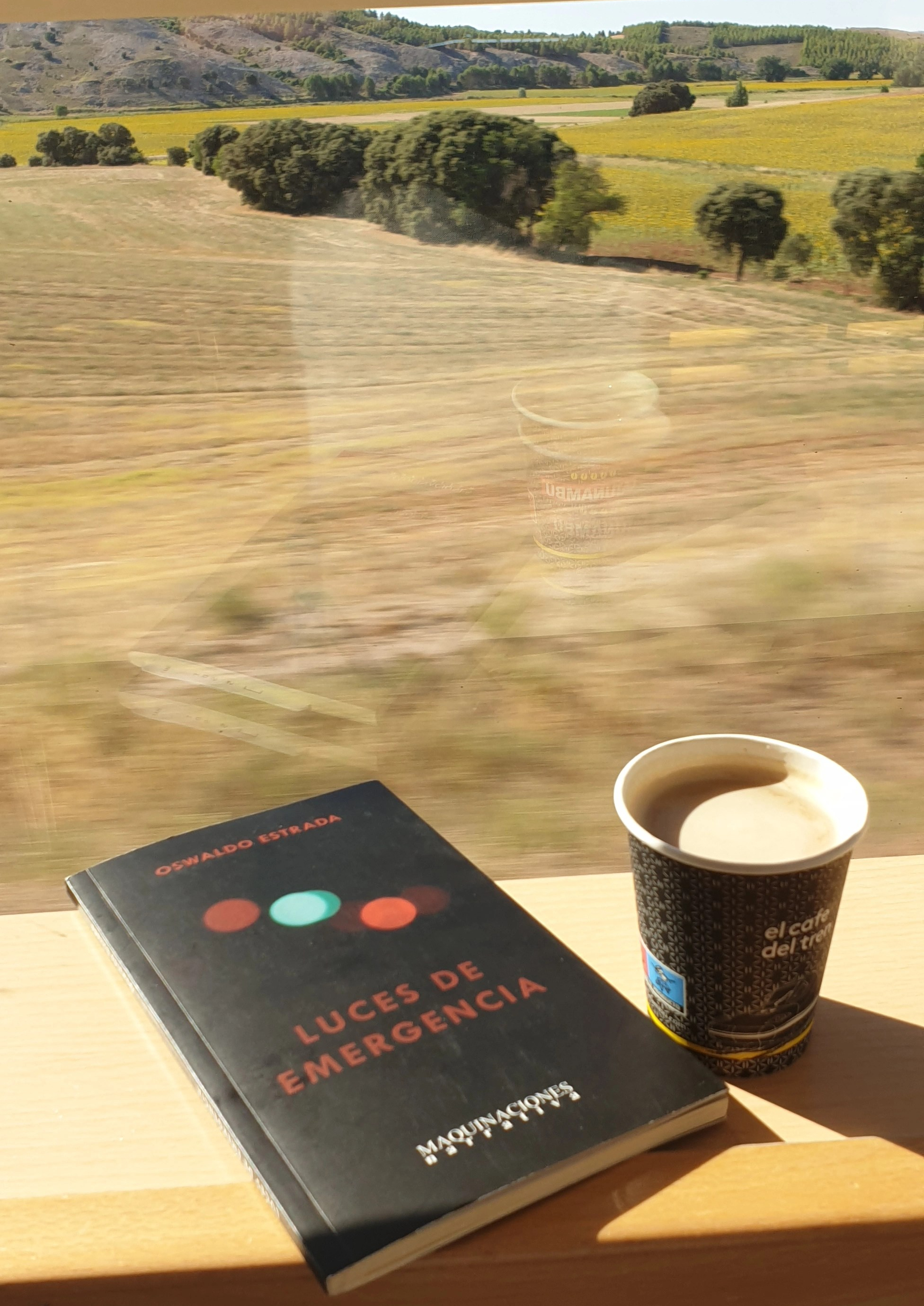
Punch drunk on Oswaldo Estrada’s “Luces de emergencia”

Luces de emergencia with a churro

When you sip a drink, a glass of wine, a scotch, you enjoy the flavors and complexities, the layers and textures, you return to it again and discover new subtleties, you explore the color and smell, every sip brings new nuances.

Reading Oswaldo Estrada’s Luces de emergencia is more like downing a shot: you feel the explosion of flavor in your mouth, the burning of your throat, and then a punch to your stomach. Do this eleven times and you feel like you have been eleven rounds with Joe Frazier.

As you go deeper and deeper into the stories you feel like you are eavesdropping on very private, personal stories, you feel embarrassed because you should not be listening to them. And then you start another one, hooked on the adrenaline of learning secret gossip. It is exhilarating, you want to talk to the characters, grab some by the shoulders and give them a good shake, hug others, sit and listen to others, console others. Get ready for an emotional roller coaster.

Not surprising, Luces won the International Latino Book Awards in 2020.

Luces de emergencia

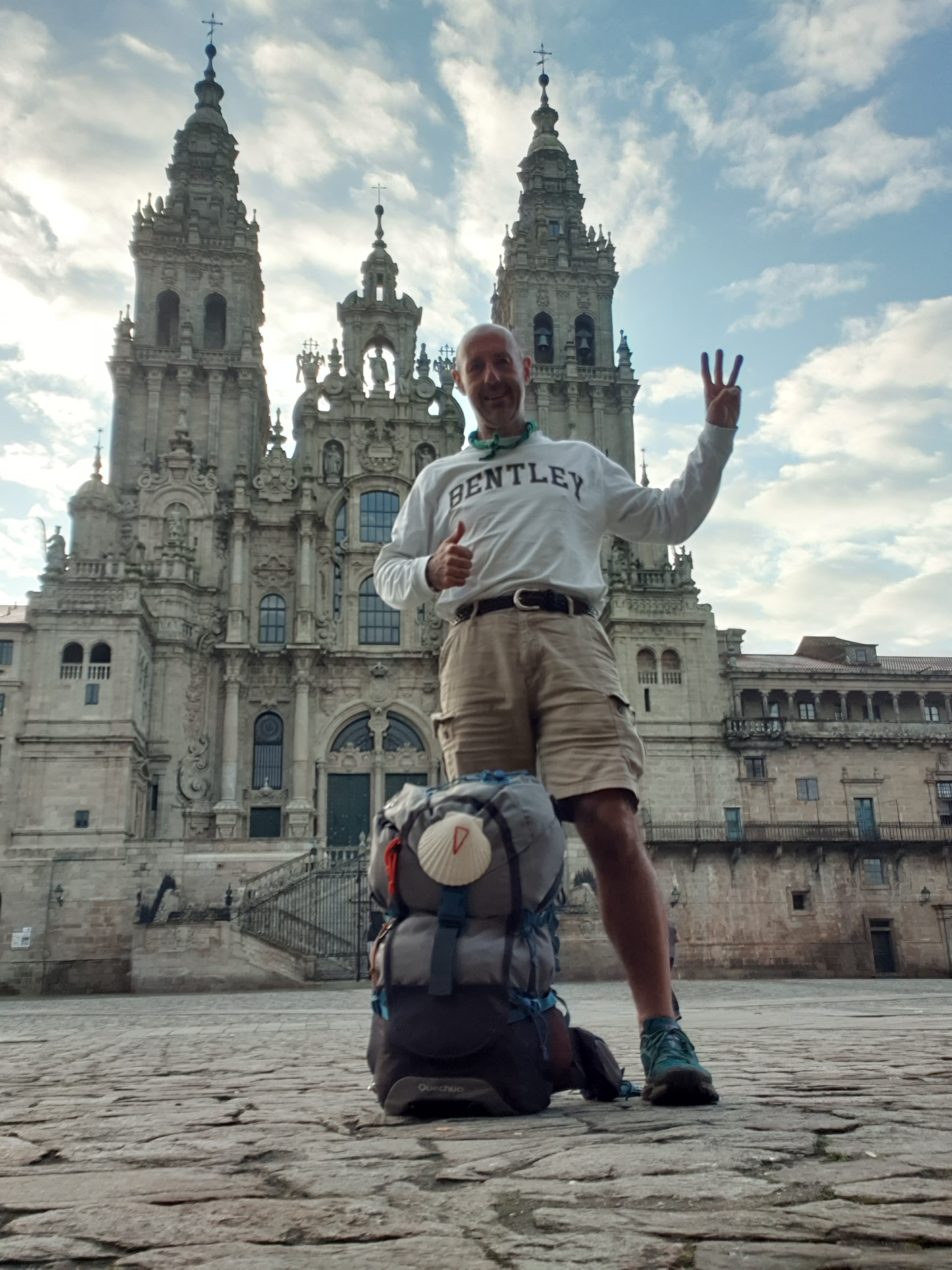
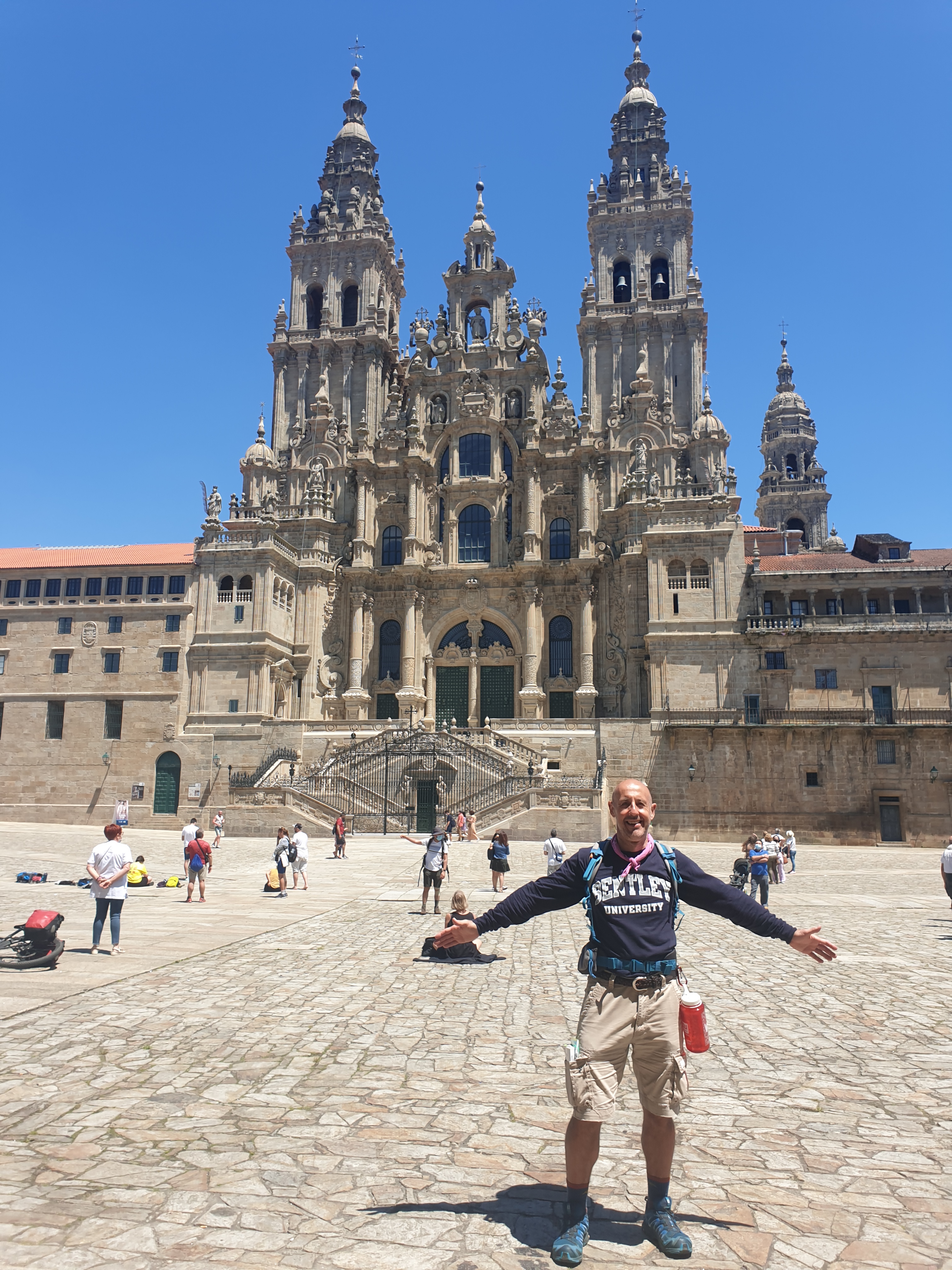
Which Camino: Francés, Norte, Primitivo or Aragonés?

Having just finished my 4th Camino, the Aragonés, here is a bit of a comparison between the Francés, Norte, Primitivo and Aragonés to build on my previous analysis of the Francés and Norte (click here for that post):

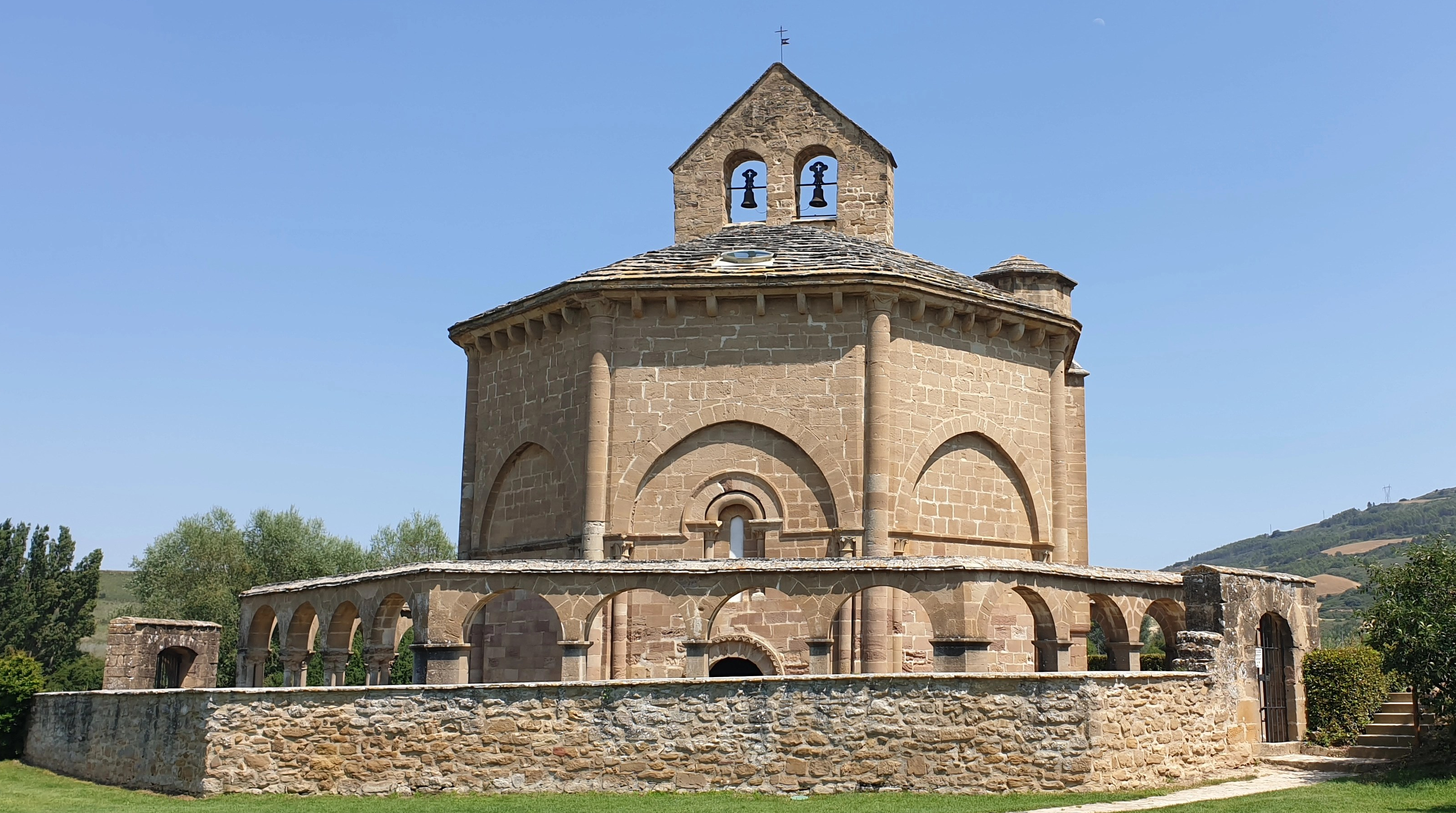
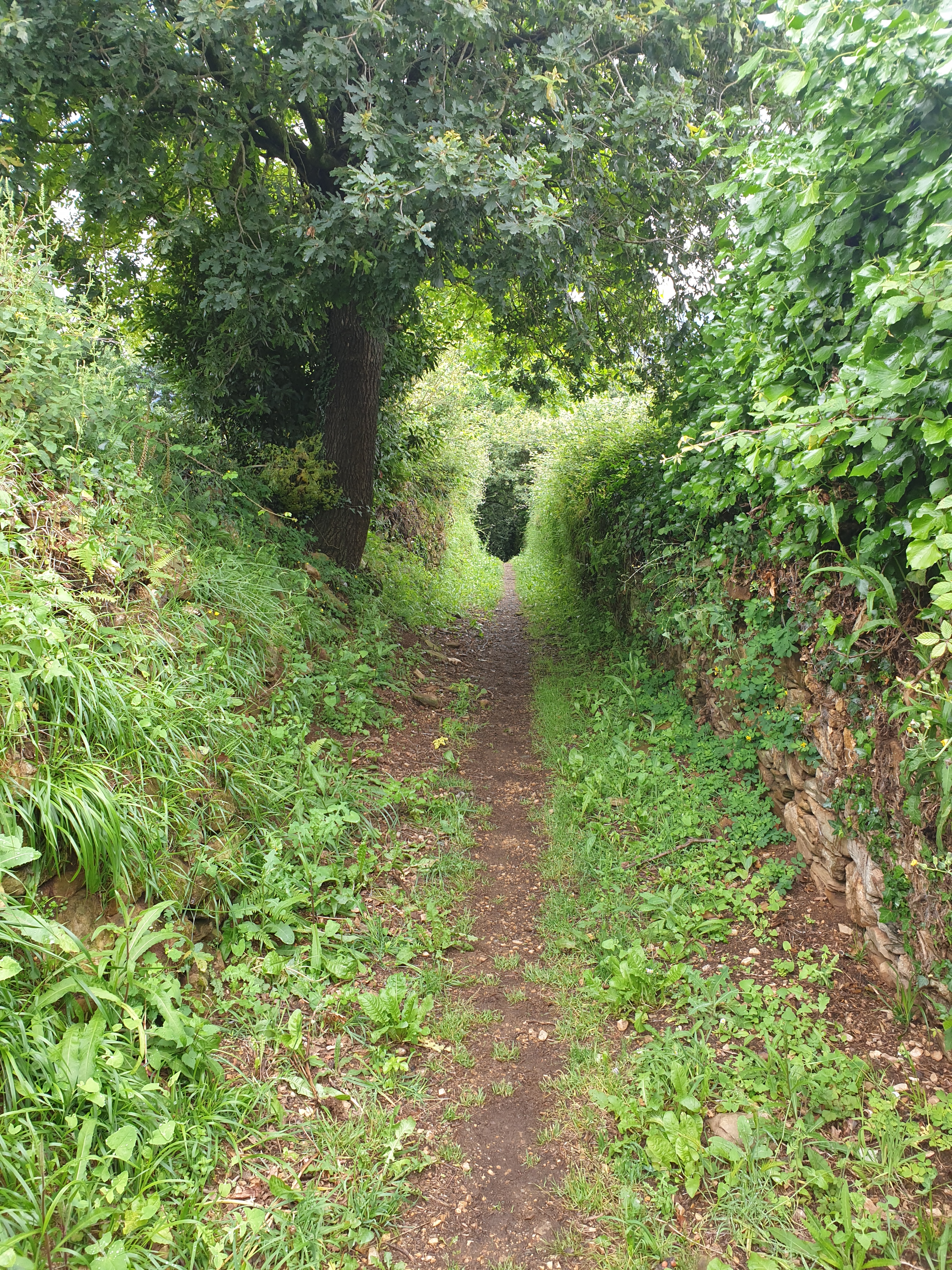
I loved the Aragonés! It is wild and beautiful, we were very few pilgrims on the trail -about a dozen or so, most days I did not bump into any pilgrims! There are very few albergues and they are stage distance apart (with few exceptions), so we were the same pilgrims every evening at the end of the stage.

At around 7 days before it joins the Francés at Puente la Reina, it is a bit short. That is the worst thing about the Aragonés.

My all time favorite so far is the Primitivo due to the rugged beauty and the three days right in the middle which are quite hilly and “uncivilized.” It lacks the “spiritual” component of the Francés but makes up for it in natural beauty. At around a dozen days from Oviedo to Santiago it is a perfect “full” Camino.

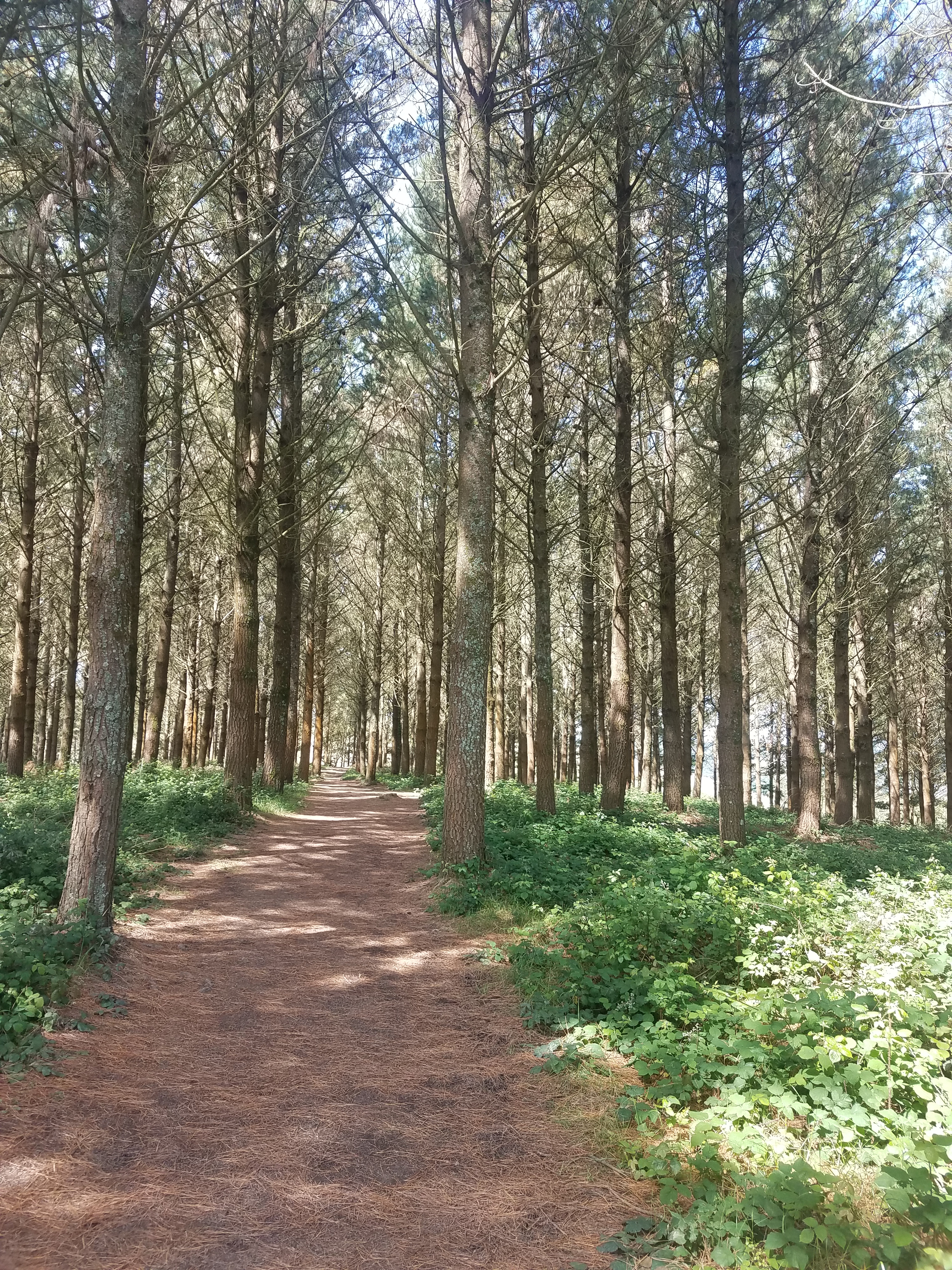
The Norte is canonically the most beautiful: beautiful beach, beautiful forest, San Sebastian, beautiful beach, beautiful forest, Bilbao, beautiful beach, beautiful forest, Santander, Gijón… you get the idea. Plus, the food. While popular, this route still has far fewer pilgrims than the Francés.

The Francés is like Classic Coke: the most popular, the best known, the oldest (not really, just in modern terms, it was the first one to be rehabilitated in the 80s), and it is the most spiritual: most churches are open -unlike other Caminos, the change of orography makes this Camino “feel” longer. And the cities, with their Gothic cathedrals are impressive: Pamplona, Burgos, and León.

So, my ranking for now is: 1, Primitivo, 2, Aragonés, 3, Norte, and 4, Francés. Of course, you could start your Camino with the Aragonés and then hook up with the Francés, but you would miss crossing the Pyrenees, and the Navarra hills to Pamplona. On the other hand, by then the early crowds will be a bit more spread out…

Yes silly, of course I am thinking of next year’s Camino, but you will have to stay tuned to this blog for more!

Monet, the Mediterranean, the cradle of Western civilization, and Mallorca

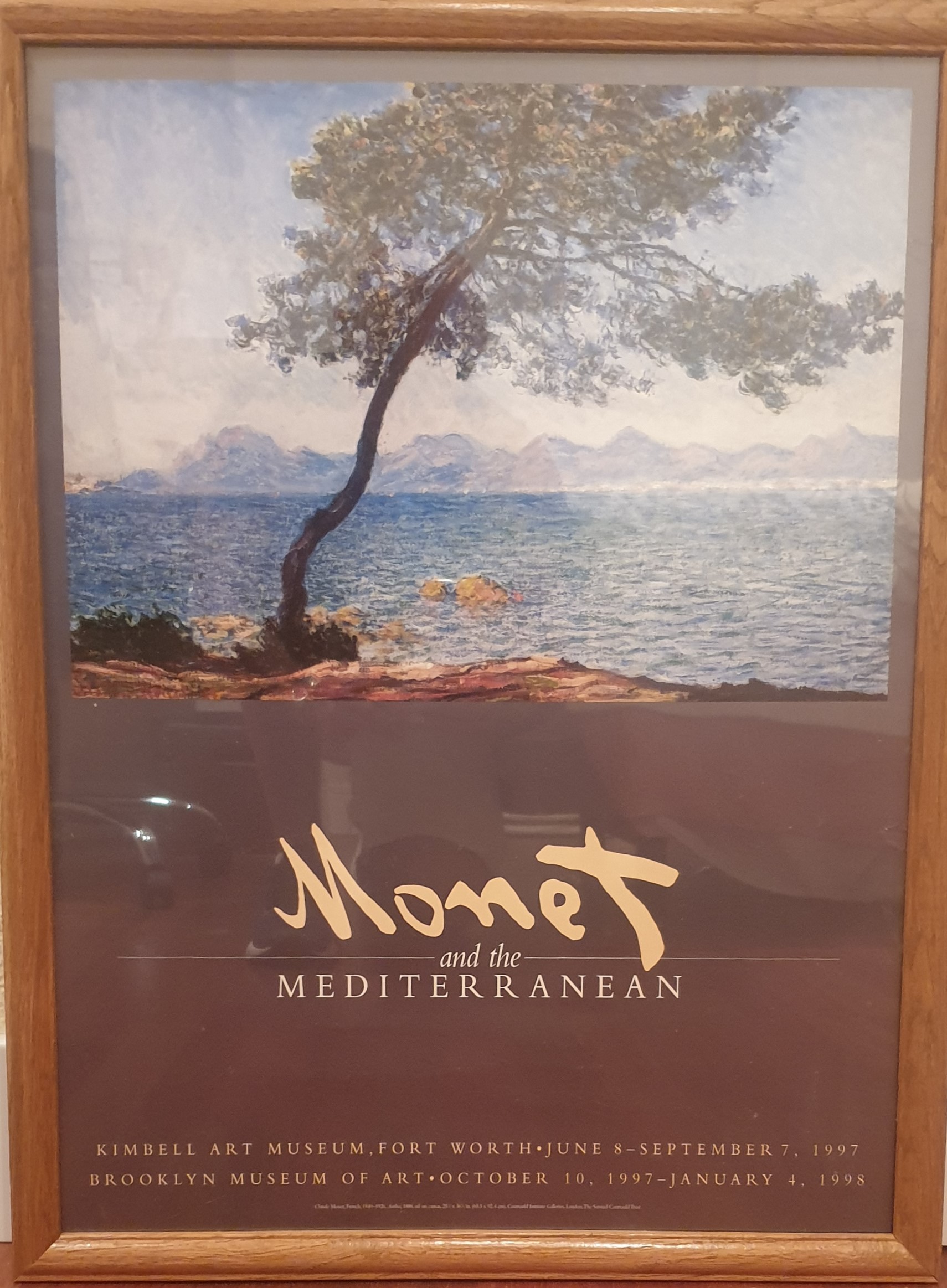
Years ago, it must have been in a thrift shop in Chapel Hill I bought a “Monet and the Mediterranean” Exhibition poster; a windswept pine tree overlooking the sea. I loved it because it reminded me of the Mediterranean. I could smell the pine trees and the sea, I could hear the deafening song of the cicadas, feel the heat on my body, and taste the thousand flavors that unite this Mare nostrum.

Why is this region the cradle of Western civilization? Why is this diet considered the best in the world – olive oil, a little wine, veggies, and fish? Why is the Mediterranean lifestyle so admired and aspired to? In short, why is this region so special?

I am not a specialist, not an expert, in fact I have no clue, although I do have some theories: Ancient Babylonian culture lacked the convenience of an ocean, so slowly a migration occurred -think of Abraham- to the West, to the Med, et voilà! The rest is history, you are welcome.

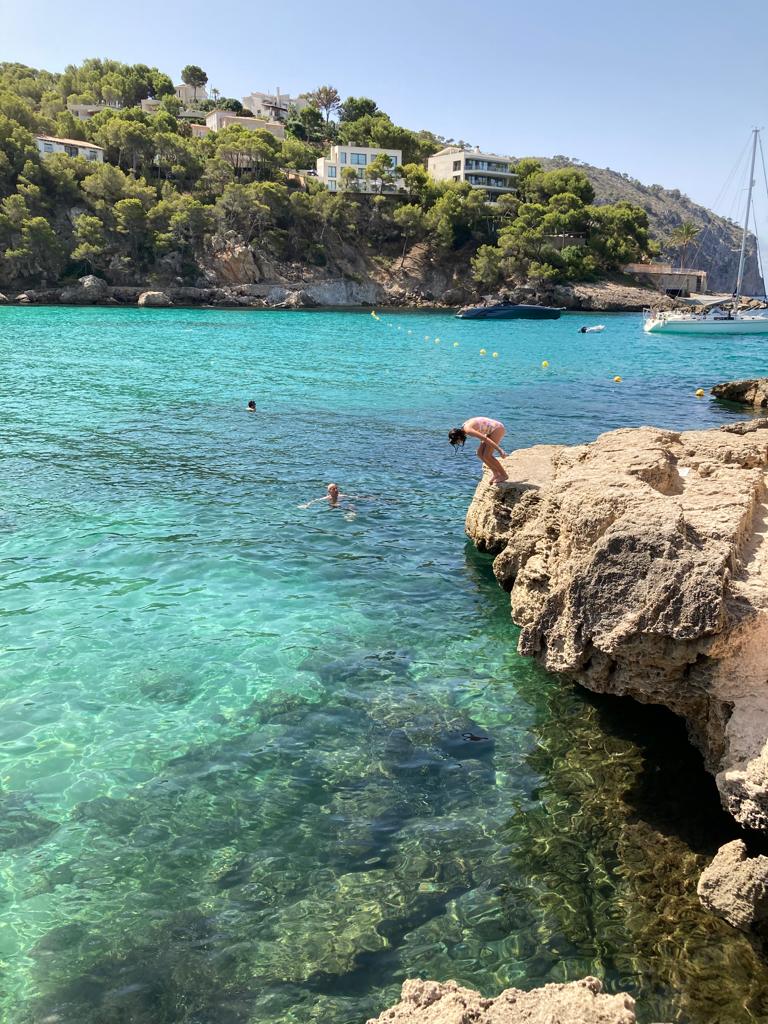
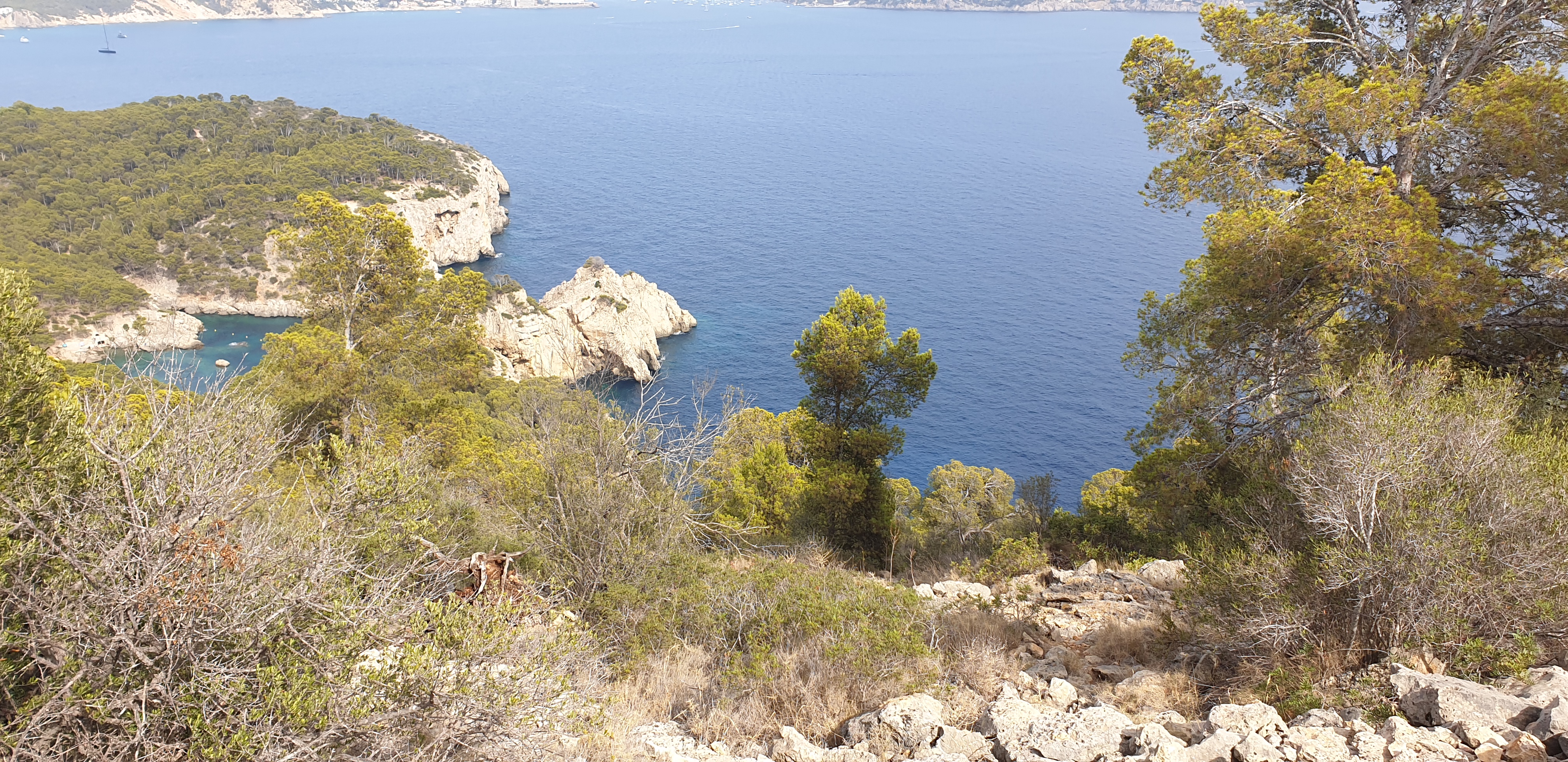
Going back to the Mediterranean every year is a blessing and a pleasure for me. I feel at home in Mallorca or Greece, in Valencia or anyplace united by these waters. This year mom invited us again to spend a few days in her favorite spot, Camp de Mar, a small “cala” inlet where we have been going for decades! It did not disappoint amazing food, great swims in the ocean with my nephew and nieces, runs in the pine trees, overall, another memorable holiday.

In search of the Woolly mammoth

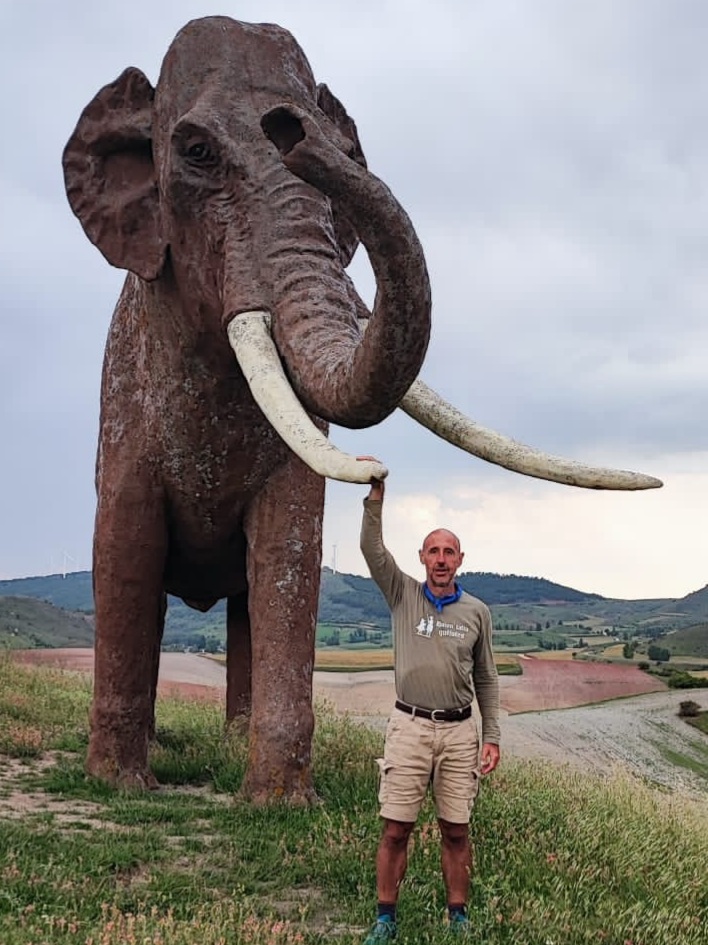
So, the other day I was in the middle of the desolate province of Soria with my dear friend Jaime, as one does, and we decided to explore the Yacimiento y Museo Paleontológico de Ambrona in search of Wolly mammoth bones.

Who knows what the middle of the province of Soria looked like in the Pleistocene, but back in the 19th Century some Belgian dude conducting channeling work for a nearby train station discovered the first bones. Amateur anthropologist and wealthy empresario the Marqués de Cerralbo took an interest and started the first serious expedition. There were a few other expeditions and eventually a small museum was created.

Jaime and I arrived late and the museum was closed, but we did get to see the Woolly mammoth replica and to walk around to conduct our own -fruitless- search for mammoth bones. Fortunately, we visited during the longest days of the year so we could walk around a bit. After our expedition we decided to celebrate with dinner in not too far Medinaceli, which is a beautiful village!!

Camino Hack #752

After six Caminos I am willing to share one of my favorite hacks, which I have talked about in passing in my Camino chronicles but have never written a full post on.

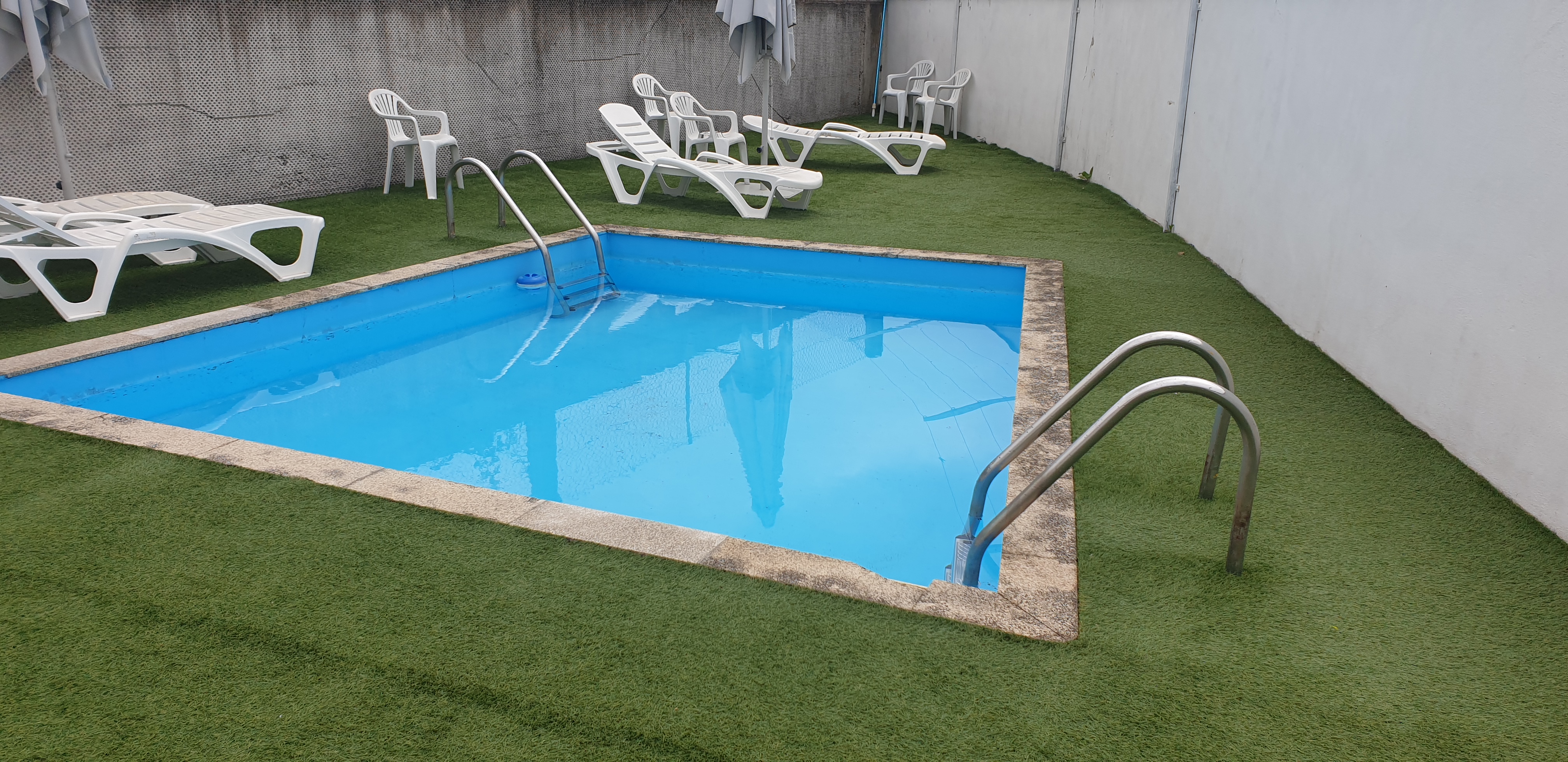
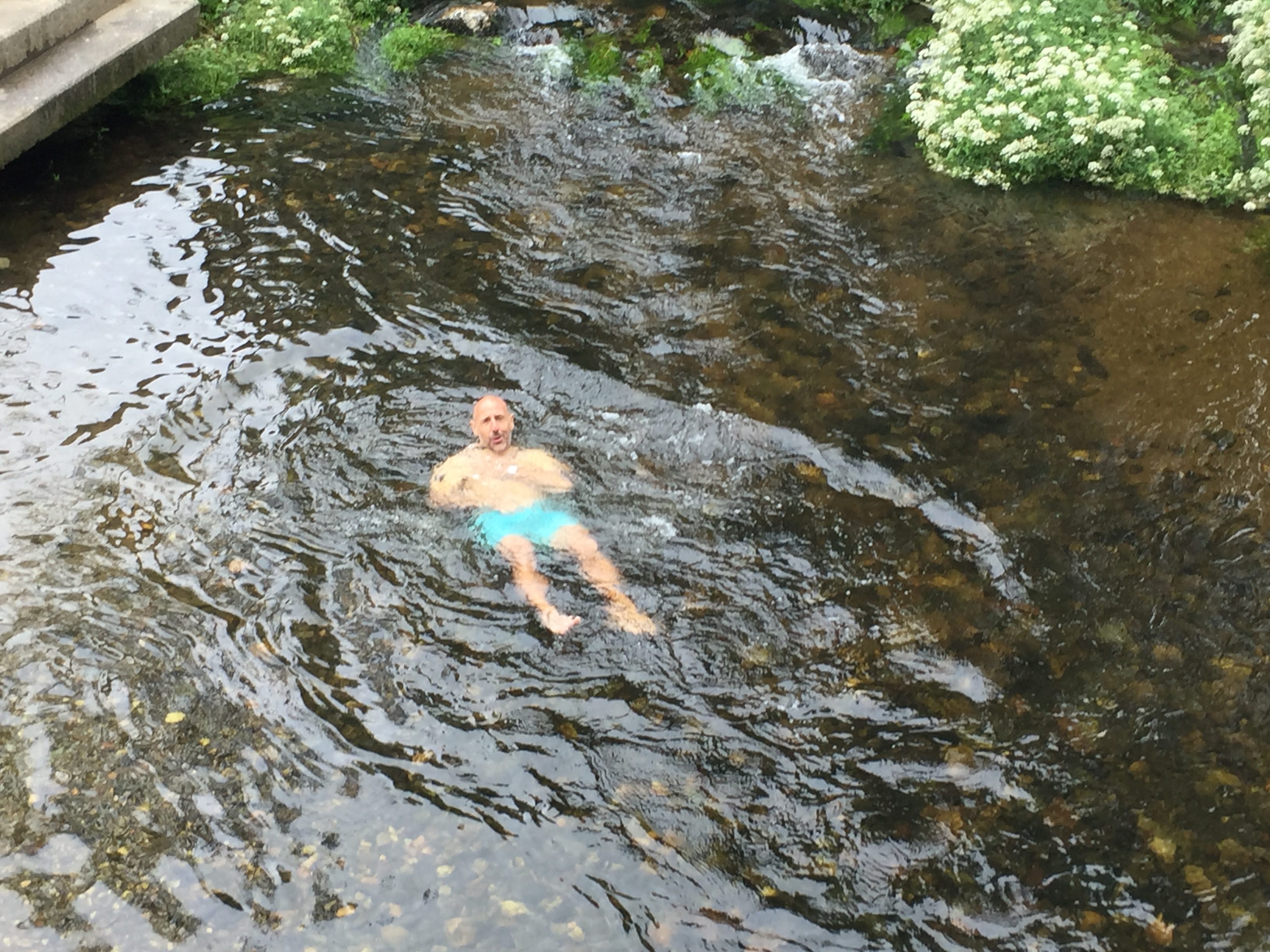
After a day of hiking with a heavy backpack, one of the best -and fastest- ways of reducing, indeed eliminating, bodily inflammation is a good dip in cold water. So, when I get to the albergue I always ask the hospitalero about available local dips: streams, pools, rivers.

Sometimes there is a little stream running near the albergue where all you can do is dip your legs, on the Camino del Norte you occasionally have the privilege of stopping on the beach, and some towns and villages have rivers and streams where you can have a chilly dip.

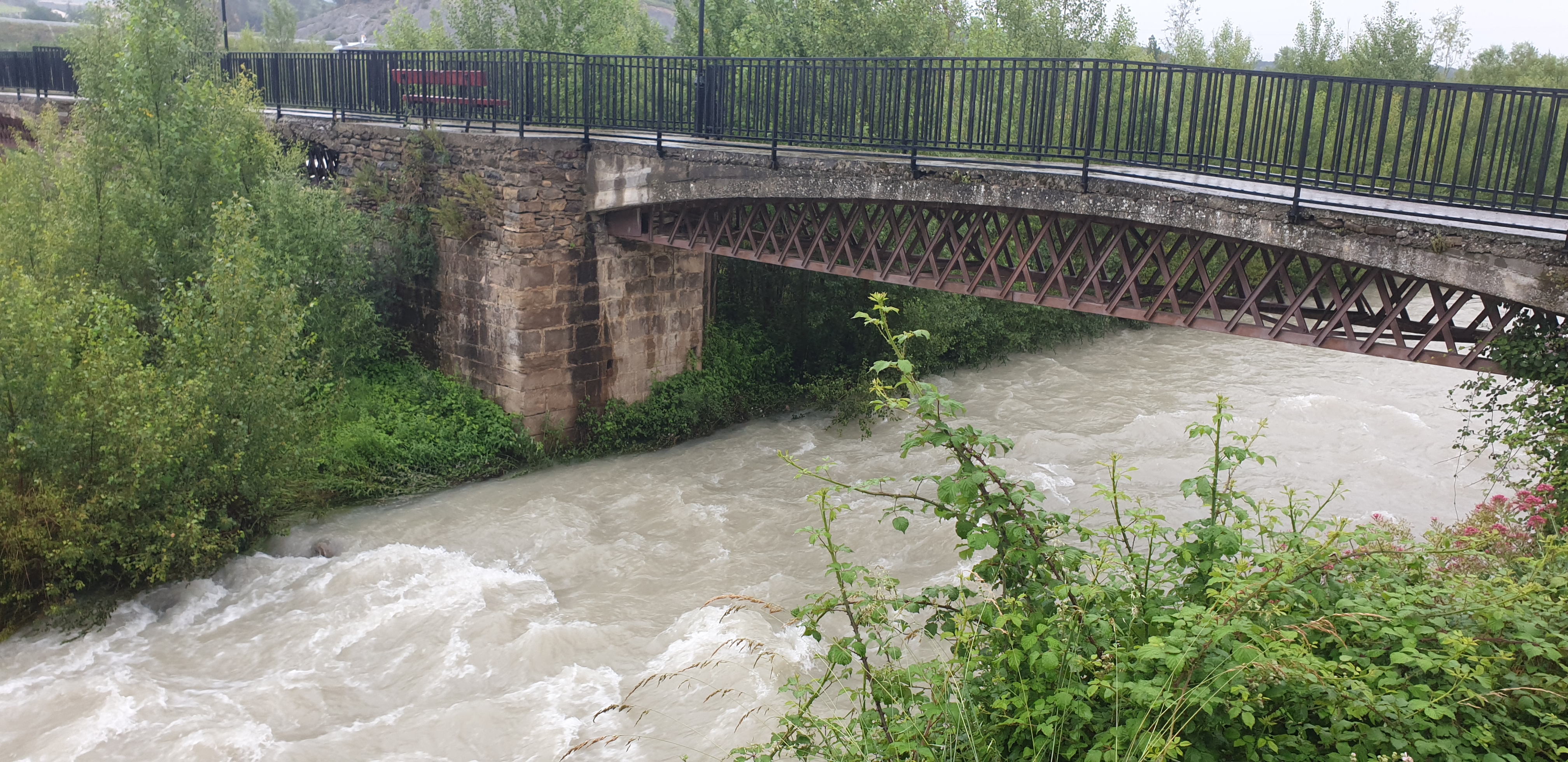
On my recent Camino Aragonés, the Aragón River was flowing exceptionally big, fast, and muddy due to the recent rains, so I was unable to dip in Sangüesa. Fortunately, Jaca, Sangüesa, and Monreal all had amazing and inviting municipal pools waiting for me! Even though they were not the TikTok trendy Wim Hof ice baths, they still were refreshing and cool and offered a great opportunity to stretch and cool down.

Special mention goes to the Jaca facility where for 7 Euro I got the Olympic pool, plus Swedish sauna, steam bath, jacuzzi, water jets, etc. Amazing, the best 7 Euros I have spent on the Camino!

So next time you go on the Camino, pack a swimsuit. You are welcome.