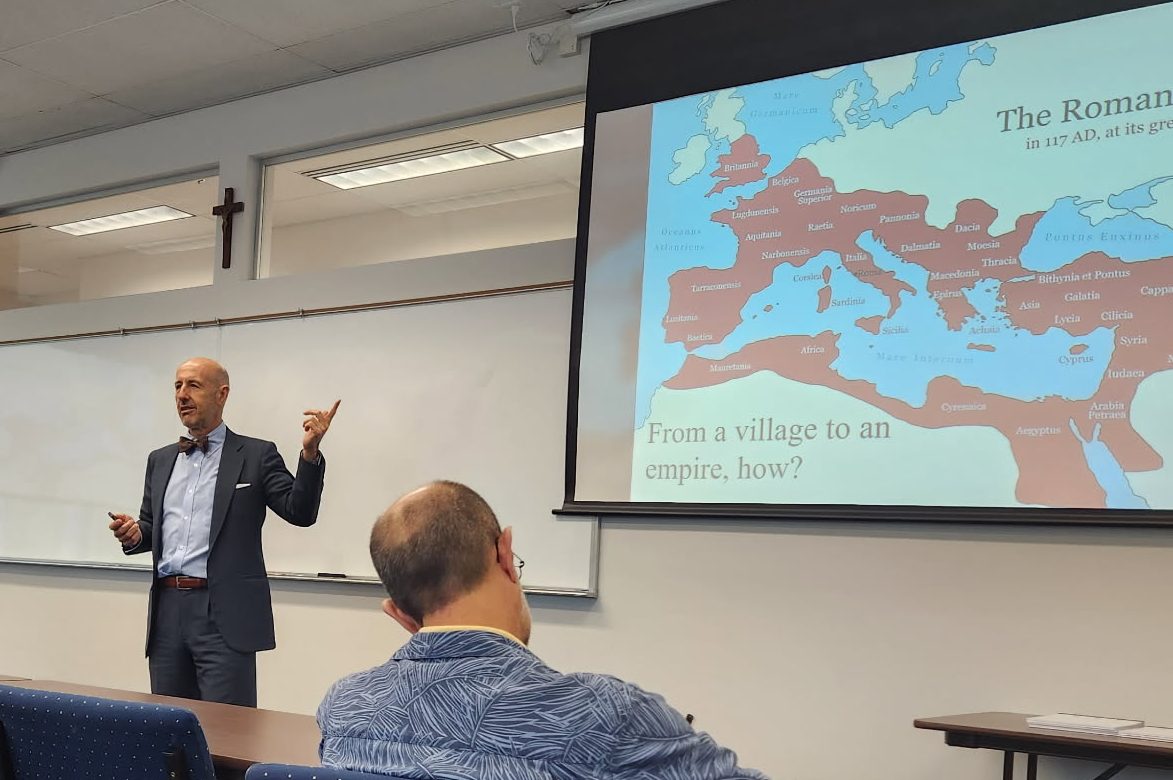
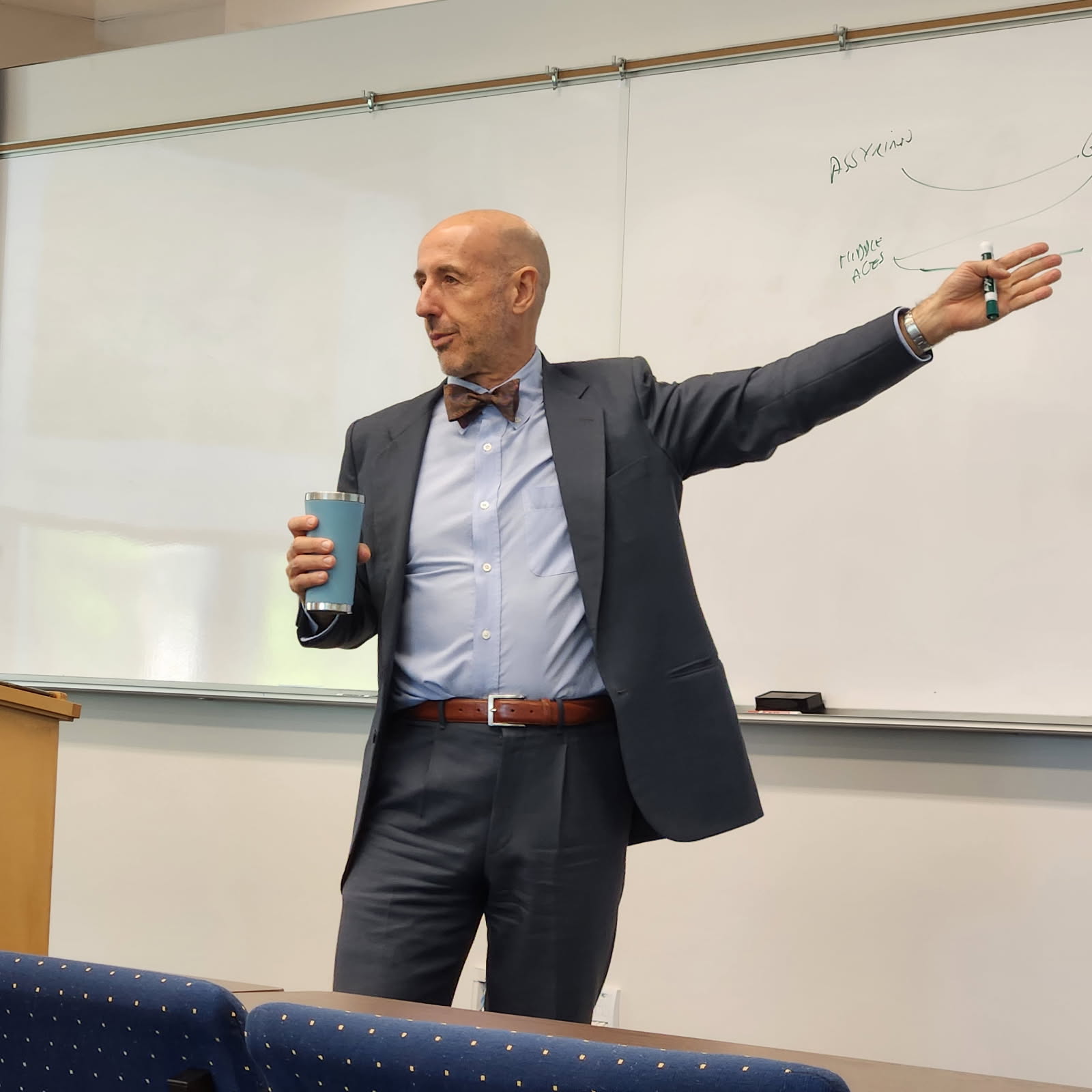
Dunning–Kruger Effect, a lecture on Art History

It is a Thursday morning in Florida, while a whopper snowstorm is expected to wallop the rest of the US. Flights are already getting cancelled in anticipation of the storm. Your school is hosting a nationwide conference on Monday morning. As you casually chat with the event coordinator, she is stressed out because she had to reschedule the keynote speaker’s flight to Monday afternoon. She asks you to fill in on Monday morning to give a two-hour lecture on Art History. Of course, you say yes.

Yes, I have been giving tours of Madrid since I was in university; tours of Boston and Miami came later. Yes, I have been going to the Prado museum since I was a child and have spent many hours in other museums since then, especially the Boston Museum of Fine Arts, the Ackland Museum in Chapel Hill, the Baker in Naples, and nowadays the Norton. Yes, I have read and continue to read about art, art history, and history, and have attended many lectures, etc. Yes, we talk a lot about art history in my literature classes, but no, I am not an art historian, just an amateur, a lover of art and art history.

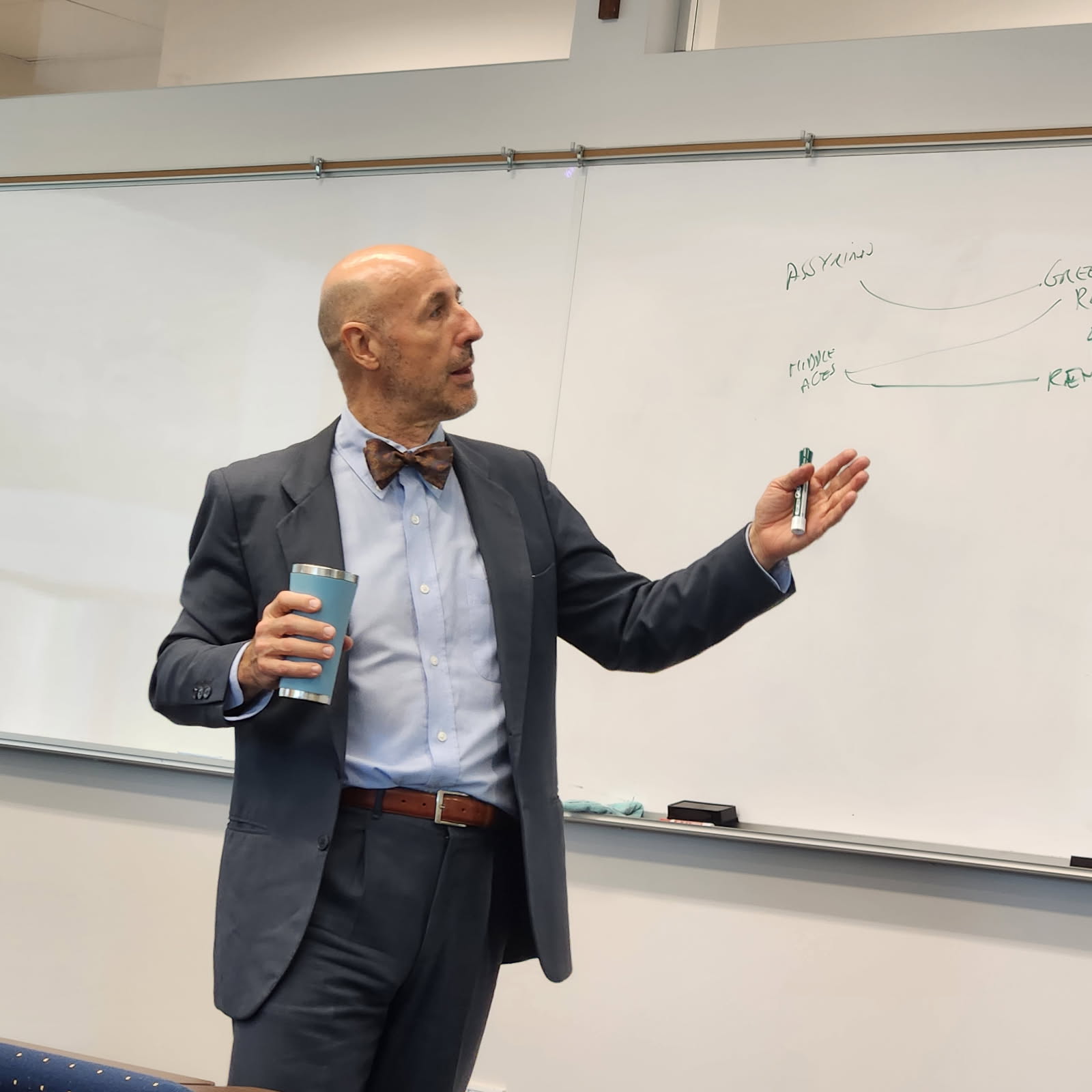
I spent the weekend preparing a two-hour lecture. Starting in Mesopotamia with the Assyrians, Ancient Greece and Rome (same sentence, very different material), the Middle Ages (Pre-Romanesque, Romanesque, and Gothic), the Renaissance, Baroque, Rococo, Neoclassic, Romantic, Realism, Impressionism, Post-Impressionism, and Surrealism, then we ran out of time.

This was exhausting, the preparation and the delivery. After the conference, I was wasted. Good thing I had a quiz scheduled for my class; I would not have done a good job teaching!

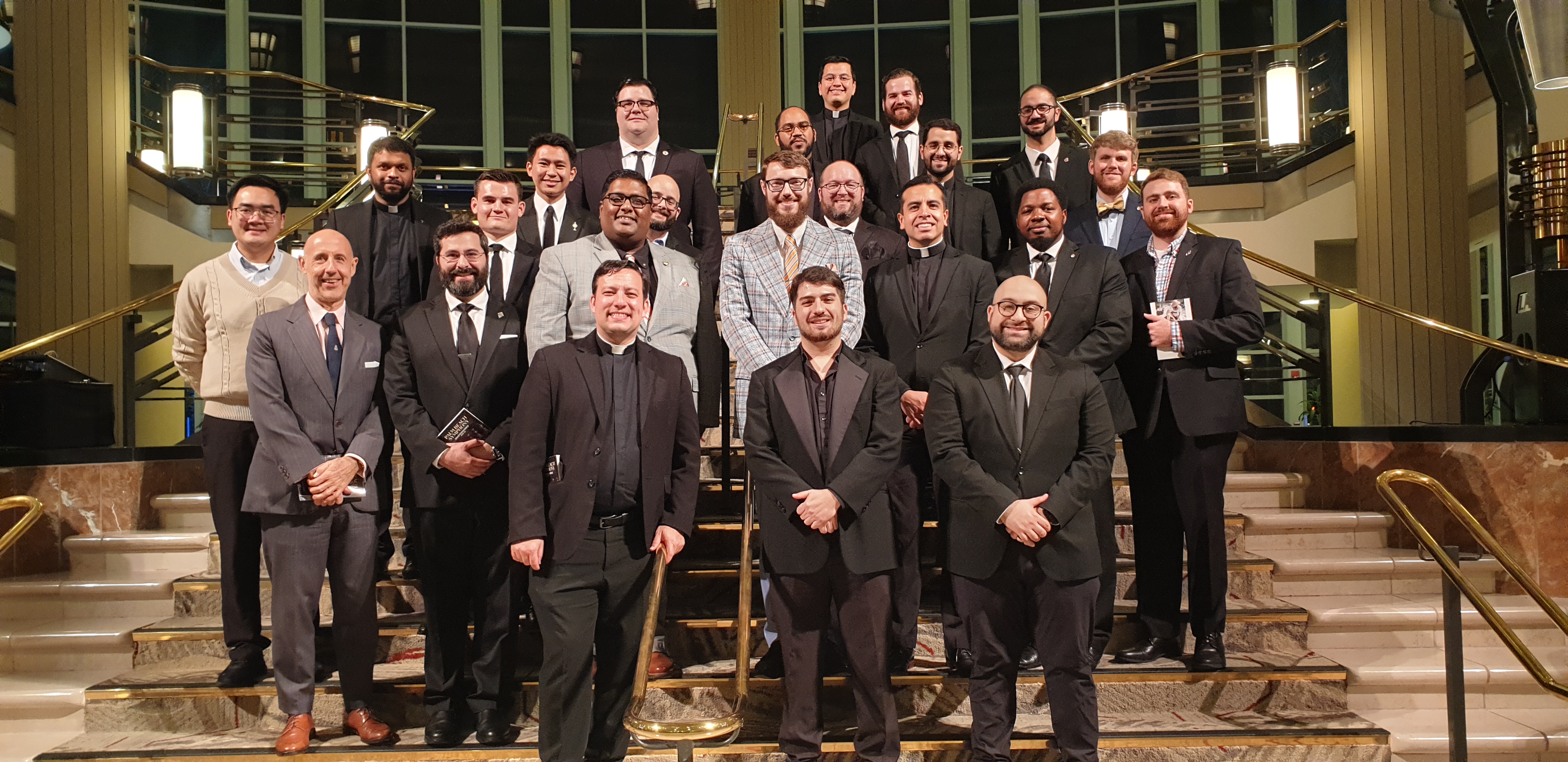
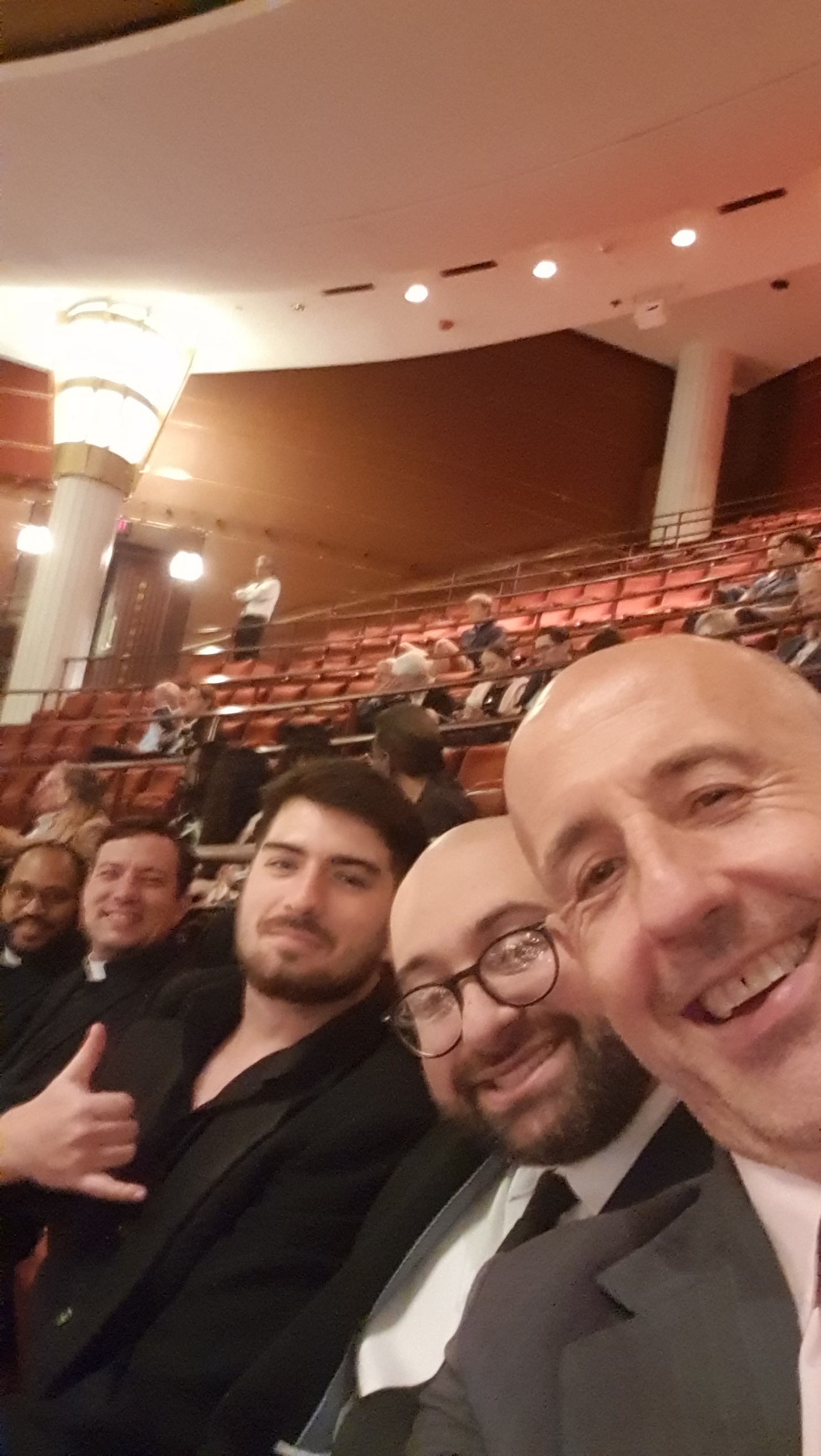
The audience, a group of Catholic priests from across the country, was very generous and inquisitive; they asked insightful questions and seemed interested.

This is a full–on Dunning–Kruger Effect case. I know enough to know that I know nothing. I have a very superficial knowledge of Art History, but enough to look like I know what I am talking about, I don’t.

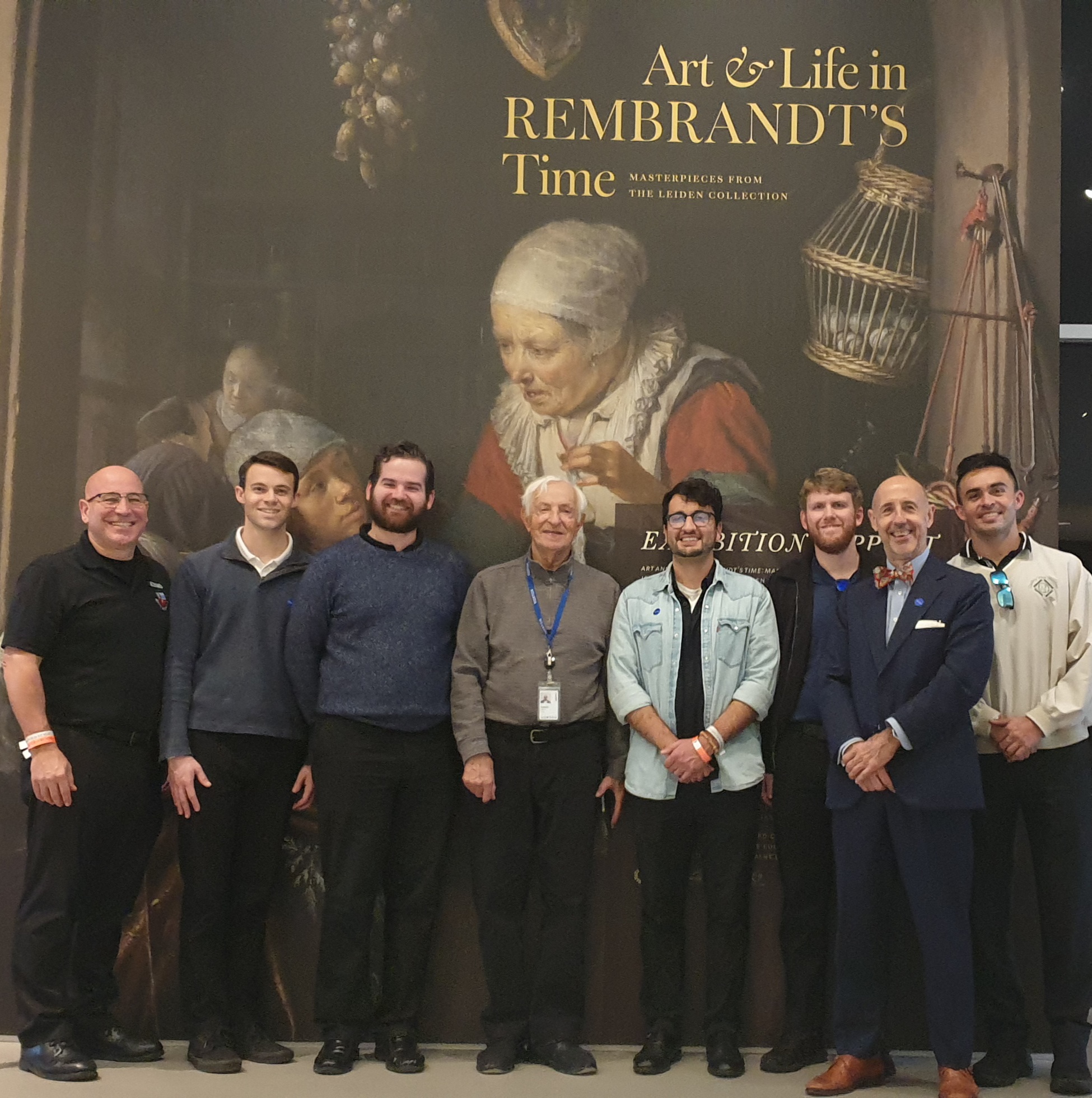
Identify and leverage your resources. A trip to see the Dutch Masters.

I write a lot about teaching hacks and do this, and do that, but at the end of the day, you can summarize my hacks and advice into one: recognize and identify your resources and then leverage them.

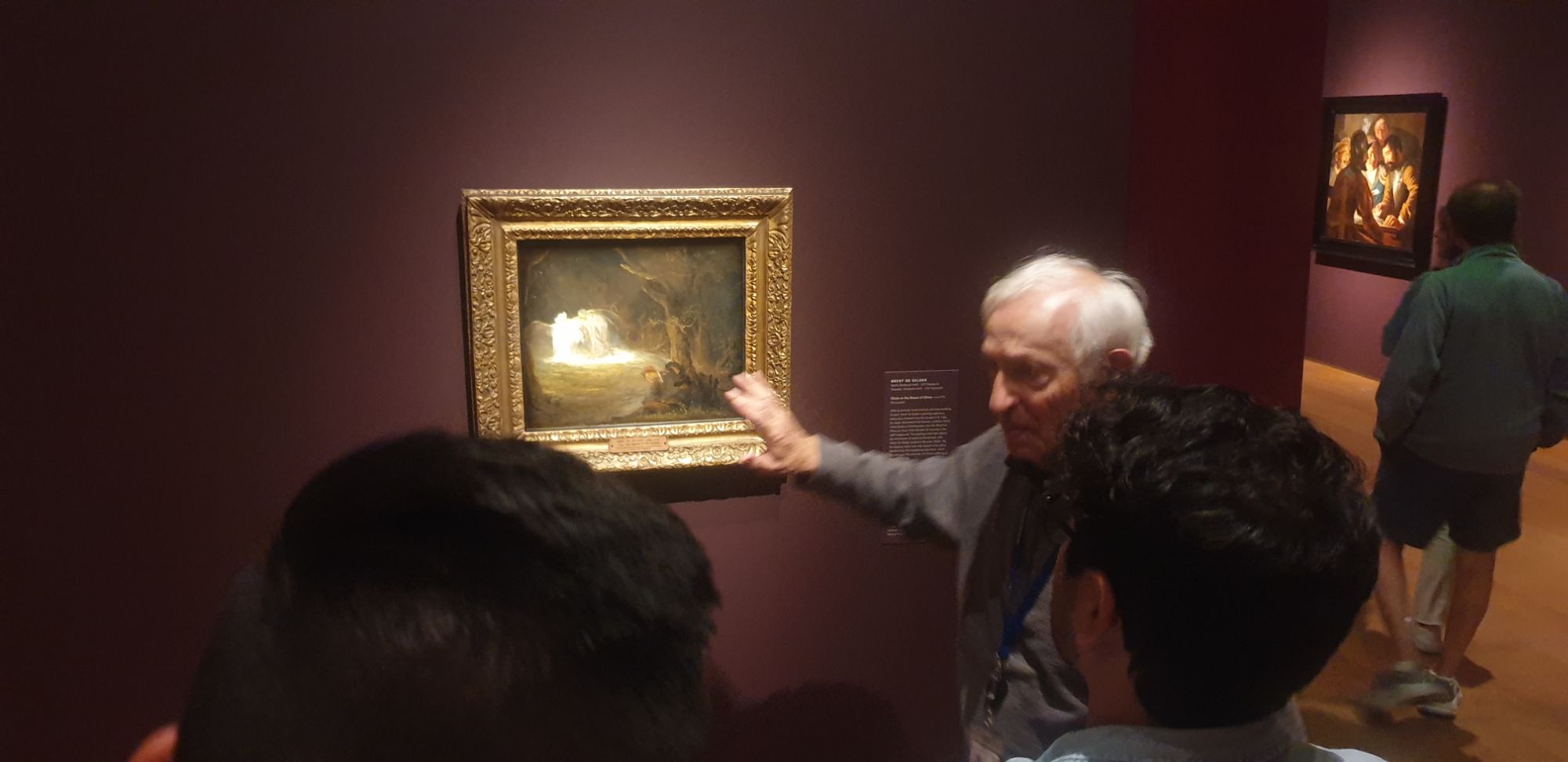
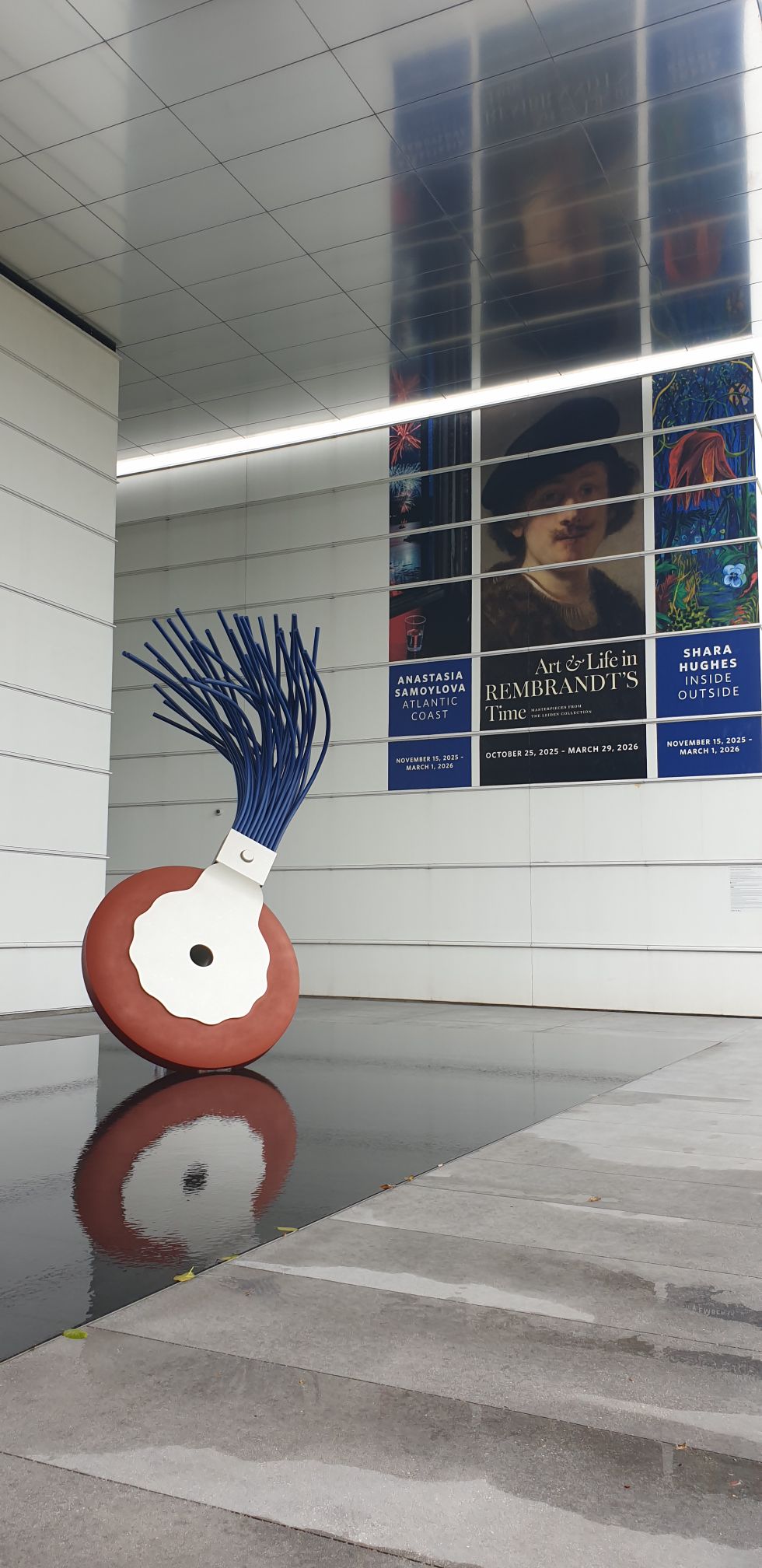
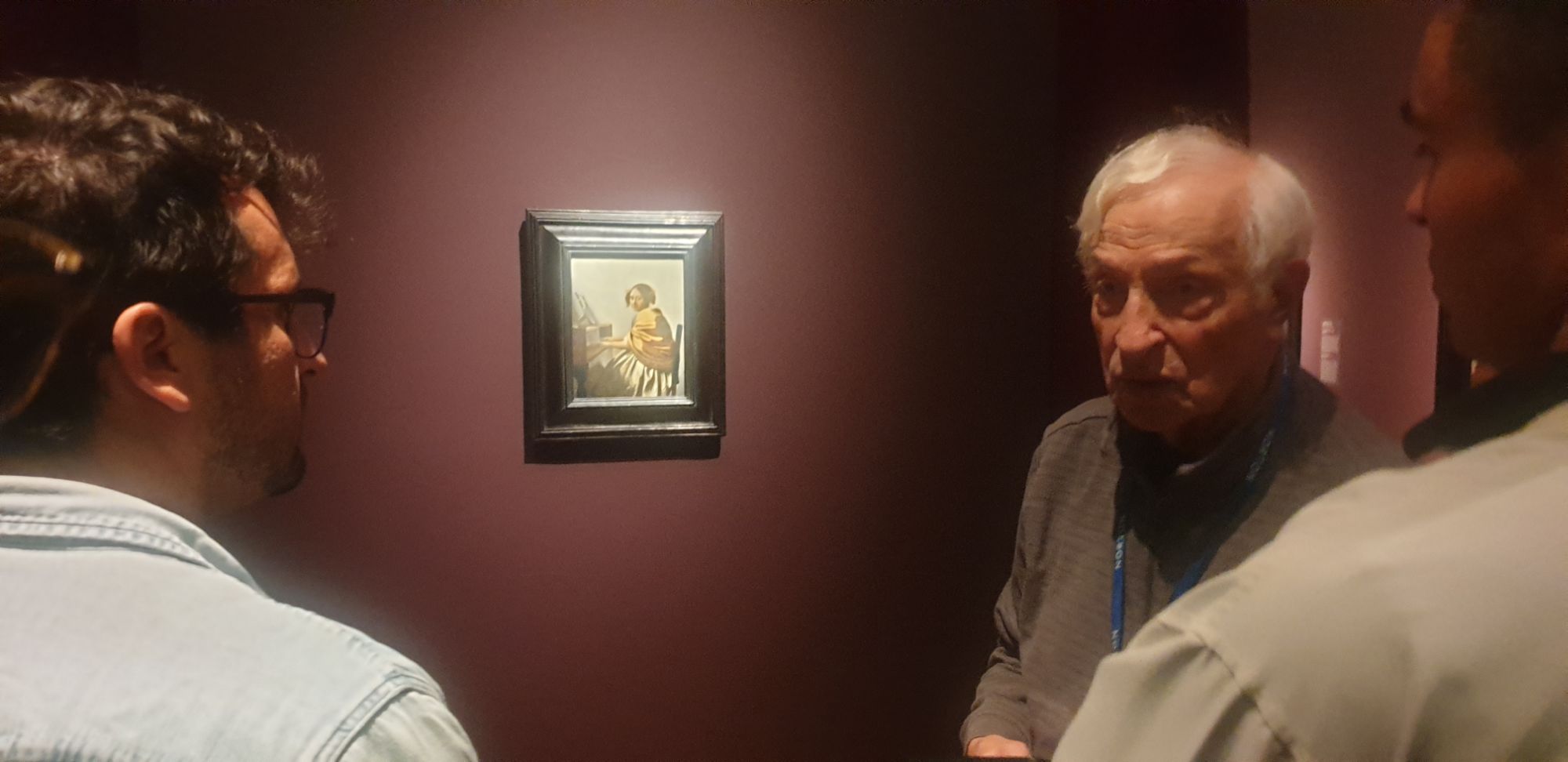
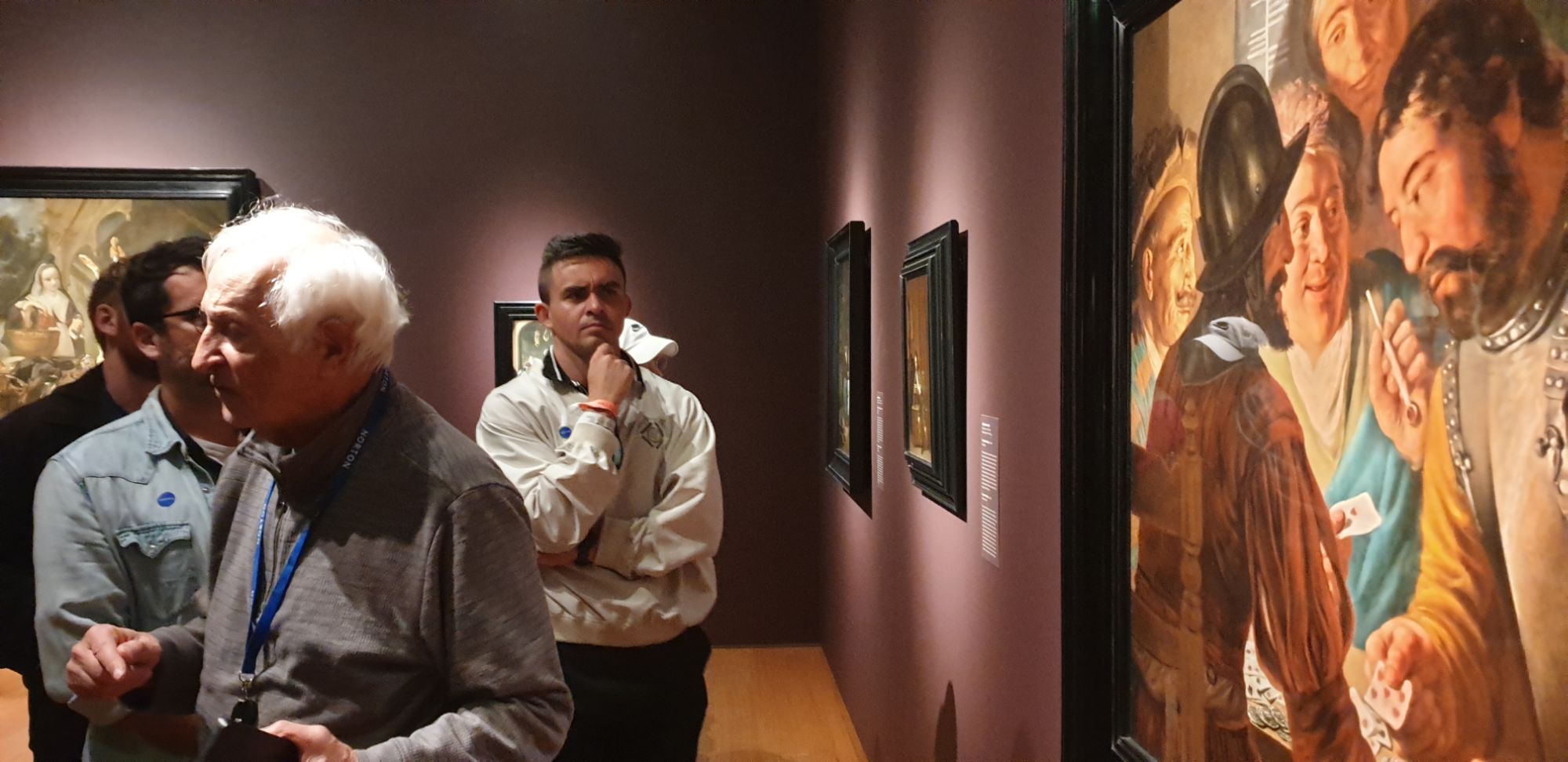
If you read this blog, you know I recently loved the exhibit of the Dutch Masters at the Norton Museum. The Dutch Masters beautifully portray the chiaroscuro, tenebrism, emotion, color, and realism that characterize the Baroque. Since we are currently studying the Baroque in our Advanced Spanish class, this exhibit was a perfect excursion for us to better understand this movement, period, literature, and art.

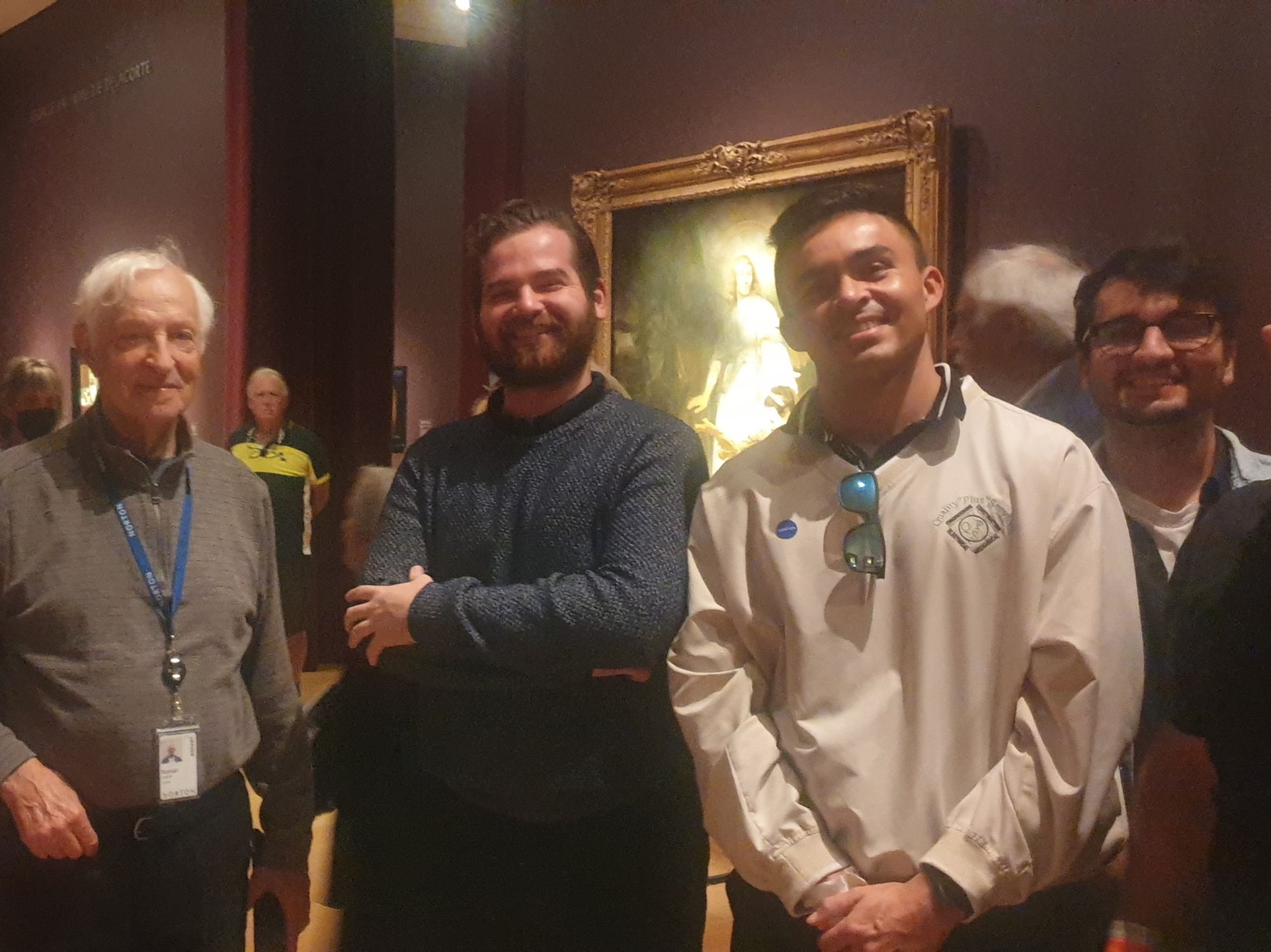
After clearing all the permissions and bureaucratic hurdles, off we went to the Norton in West Palm Beach and loved it!

Roman, a sweet retired Polish fellow, was our patient and generous docent. He was knowledgeable and understanding. The students answered all the questions Roman asked about Biblical stories, and we all enjoyed the visit.

If you have the blessing, privilege, and responsibility of being a teacher, find your resources and lean on them. You are welcome.

The secret key to teaching.

Books, conferences, and every tool imaginable have been used to teach teaching. I have even expounded and pontificated on education for years. Yes, you must master your subject matter, and yes, you have to know your way around a classroom, and so on. But there is really only one secret, one measure of your success.

Are you instilling a sense of wonder? Are you creating lifelong learners?

The first step, the first question might be: are you instilled with a sense of wonder? Are you a lifelong learner?

The road to this Shangri-La is not a straight one, and because we all have different approaches, different stories, and backgrounds, the road is different for every one of us.

There was an experiment at the University of Kansas in the 70s. The Integrated Humanities Program (IHP), also known as the Pearson Integrated Humanities Program, was a program at the University of Kansas in the 1970s. The program was dedicated to the instilling of wonder in and pursuit of truth with underclassmen. It was led by three faculty: Dr. Dennis Quinn, Dr. John Senior, and Dr. Frank Nelick. (According to Wikipedia)

This experiment did not last long, as apparently a large number of students converted to Catholicism, which seems interesting.

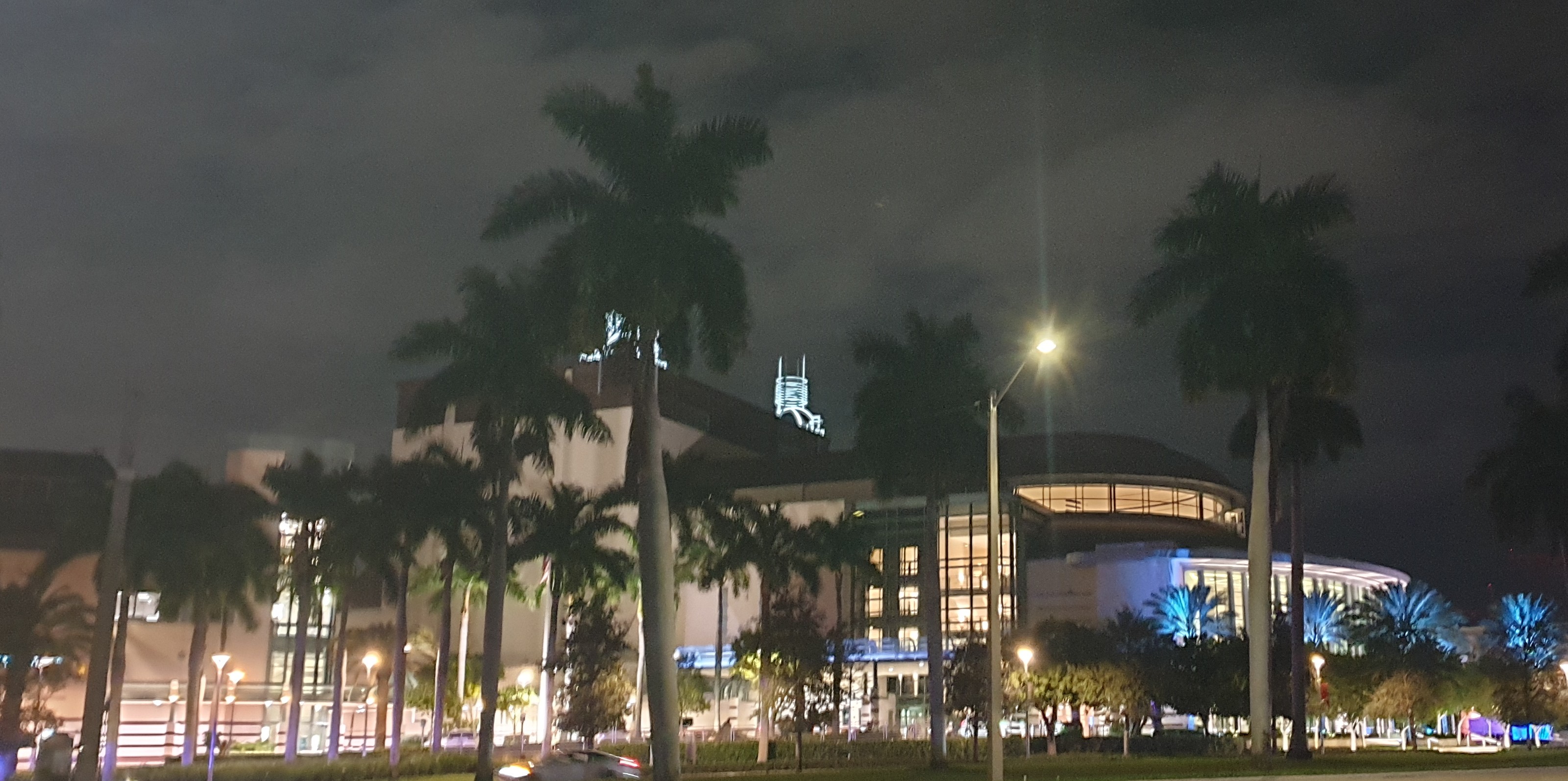
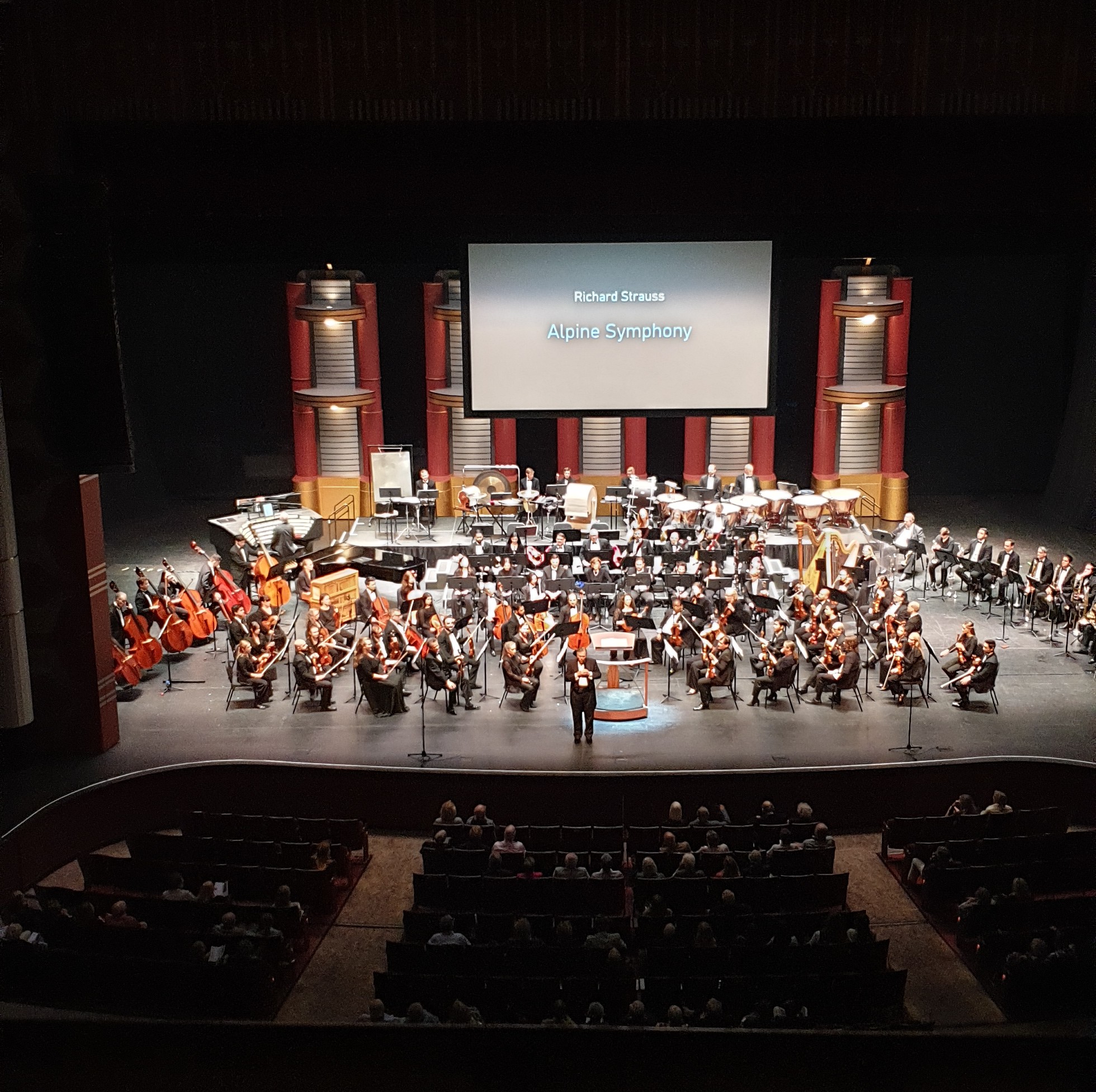
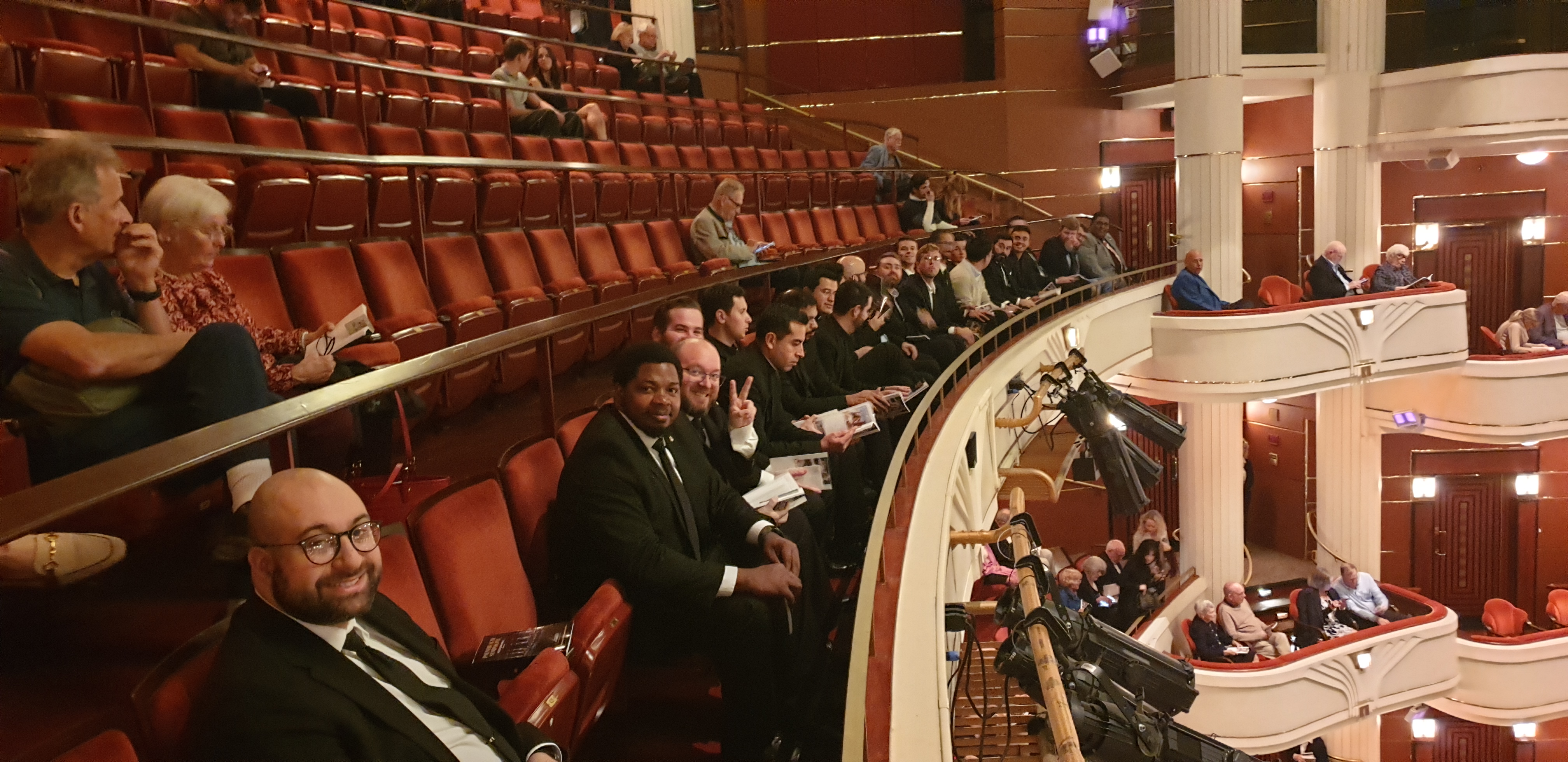
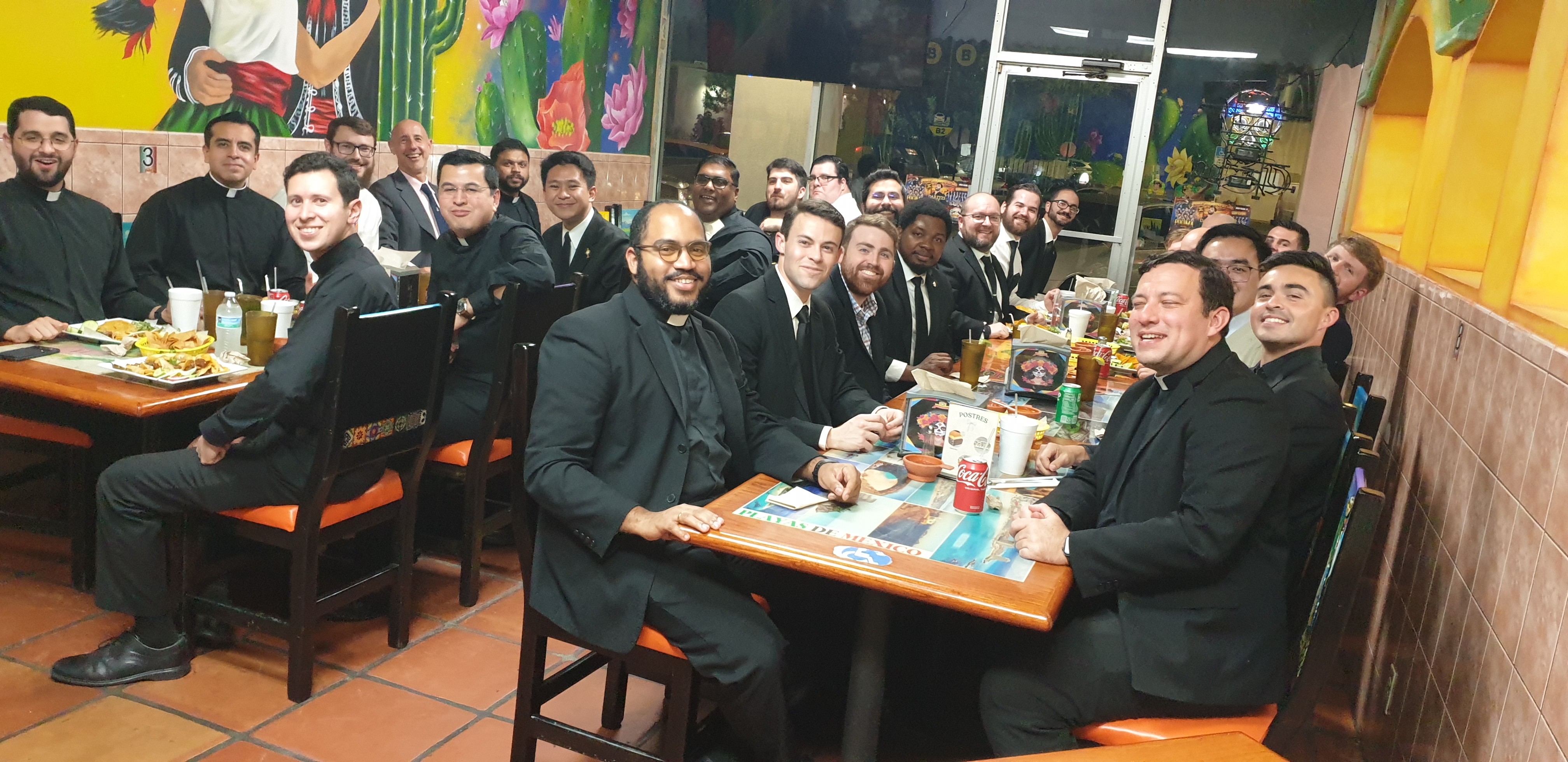
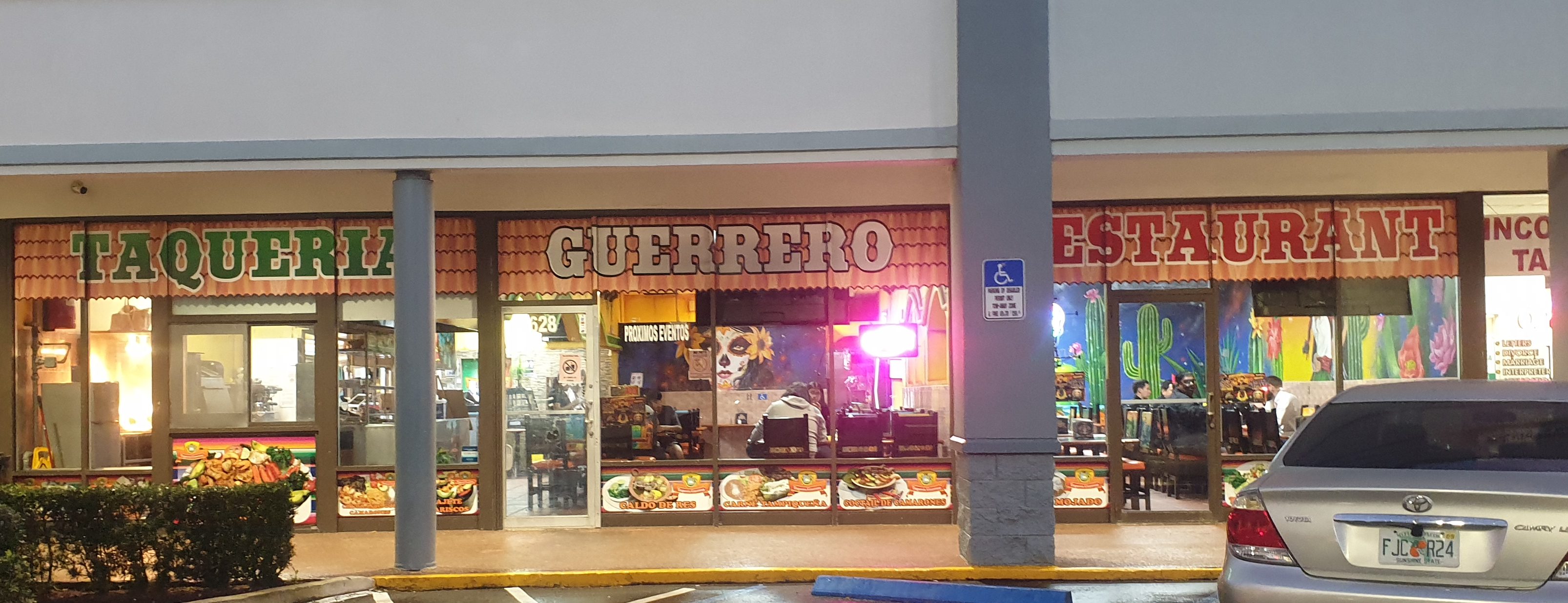
At any rate, one tool I love to bring a sense of wonder is to take students outside the sterile classroom walls. We recently had the opportunity to see and hear the Palm Beach Symphony and cellist Alisa Weilerstein play Shostakovich’s Cello Concerto No. 1 and Richard Strauss’ sweeping Alpine Symphony. We also celebrated Taco Tuesday before the concert at the amazing Taqueria Guerrero!

We will never know if we are succeeding in our mission of bringing a sense of wonder to our students, if we are making lifelong learners, but I know I took my students one step closer with this experience.

Follow up on the Humanism (and post and trans Humanism) post; Luis Correa-Diaz and Rosalía.

One of the fun things of running an eclectic blog like this one is that you never know what the response is going to be like to each post. Surprisingly, my recent post on Humanism got a lively riposte.

One of the more remarkable reactions came from poet and friend Luis Correa-Diaz, who actually wrote a poem inspired by the blog post (attached), wow! And thanks!

At about the same time, Rosalía released her last album. What is the connection? You ask. Well, Rosalia has made it a point to explain that there is no AI in this work; it is all real instruments, which has led to the expression of Hyper Humanism. Which leads me to ask, isn’t all Humanism Hyper Humanism?

Oh and to connect all these dots Luis Correa-Diaz also wrote a poem about Rosalia’s work! (Check it out here)

Oh, my opinion? Good for Rosalía, but I think it is easy to overrate someone in the 21st Century…

Classic Rock & Roll; have I become a groupie?

Call me a relic, call me what you will.

Say I’m old-fashioned, say I’m over the hill.

Today’s music ain’t got the same soul.

I like that old-time rock and roll.

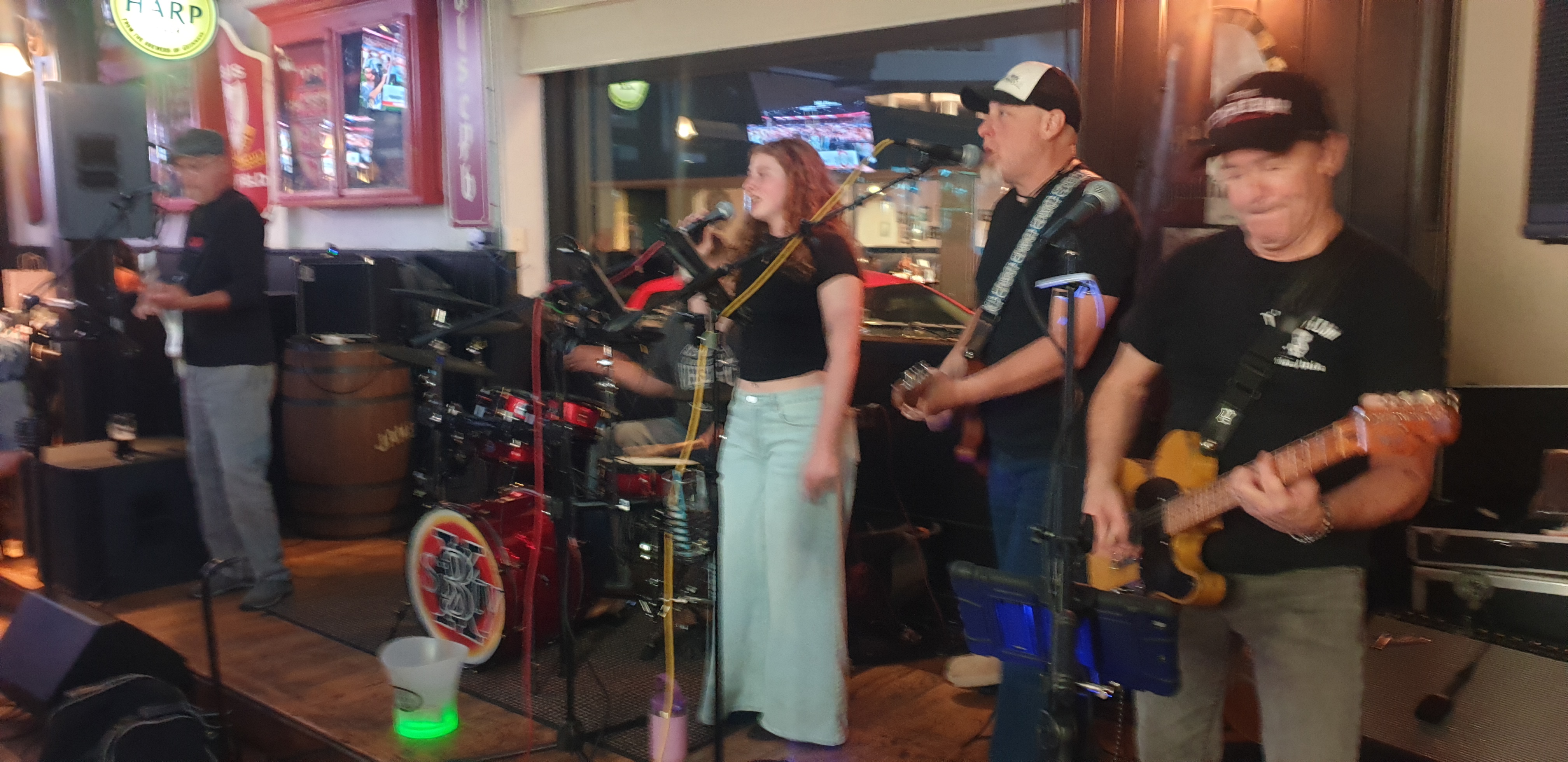
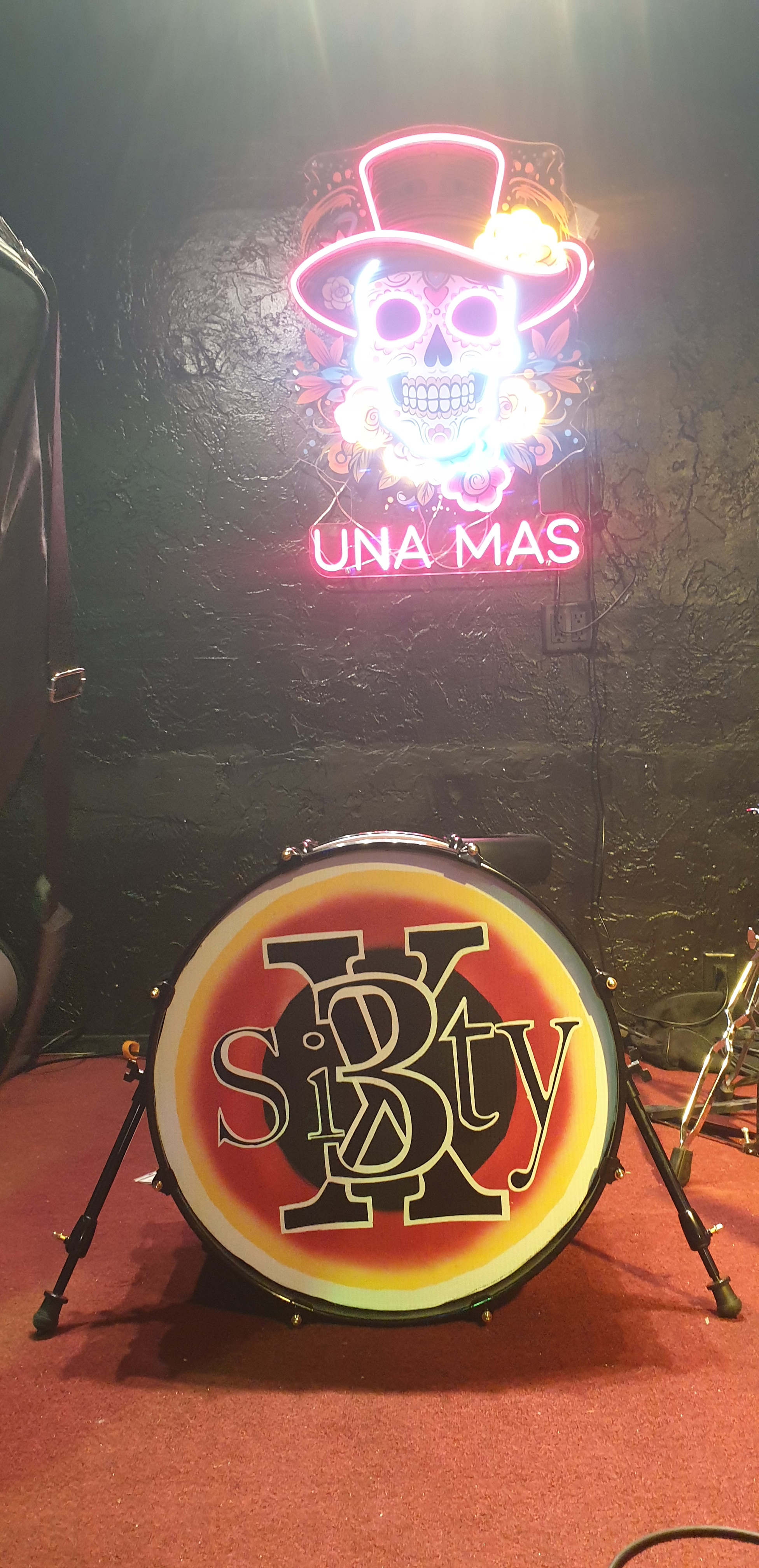
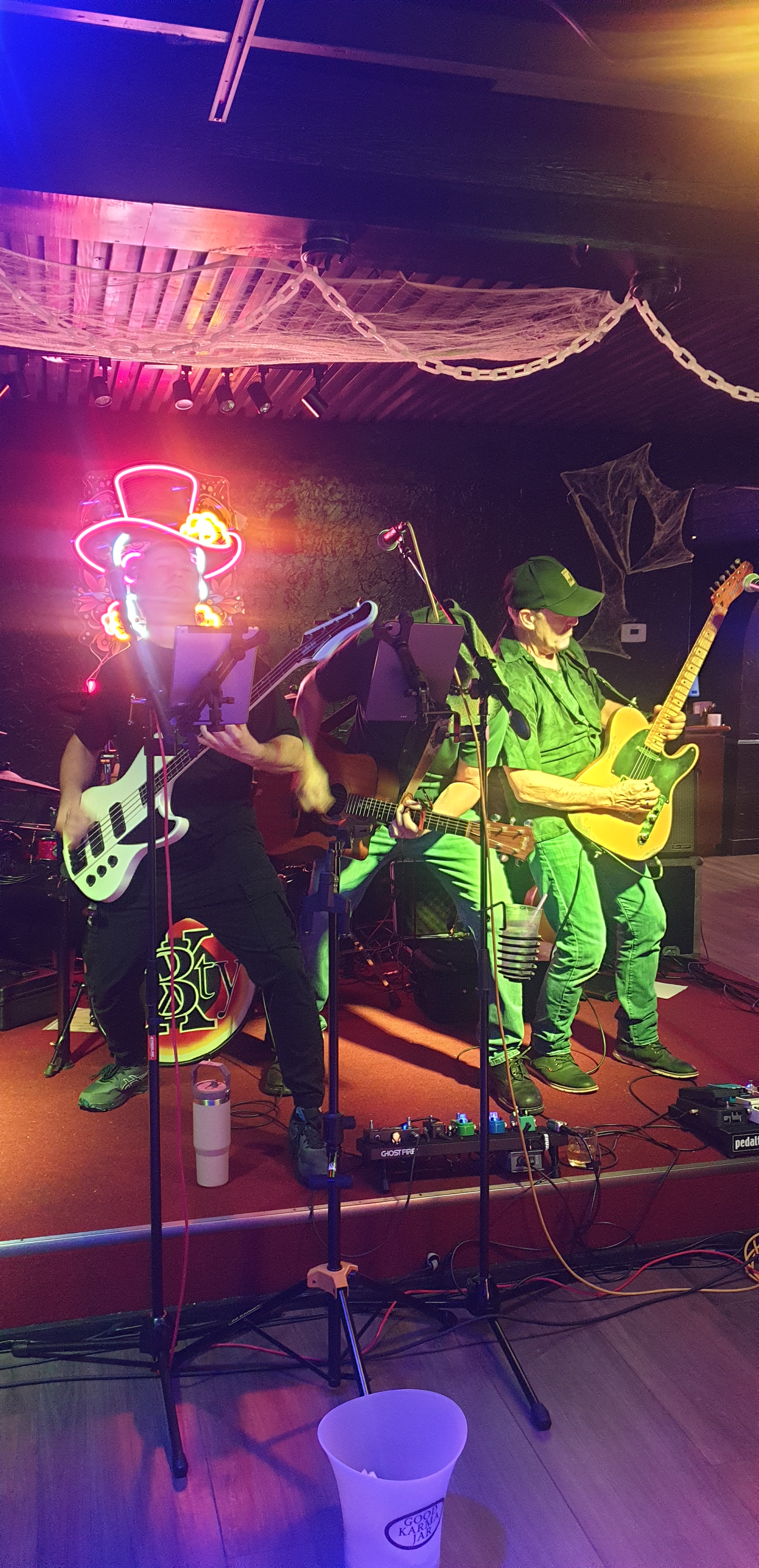
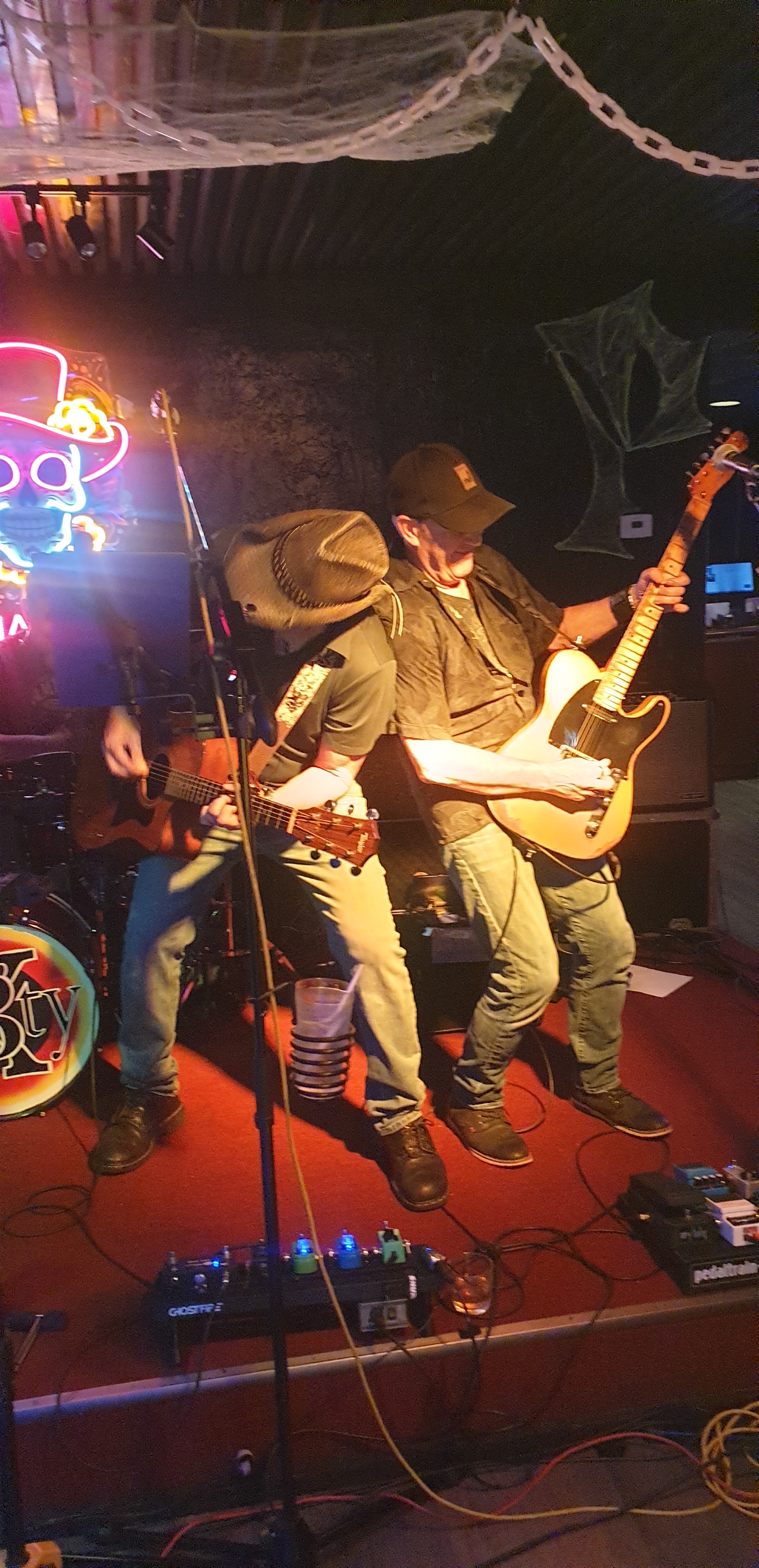
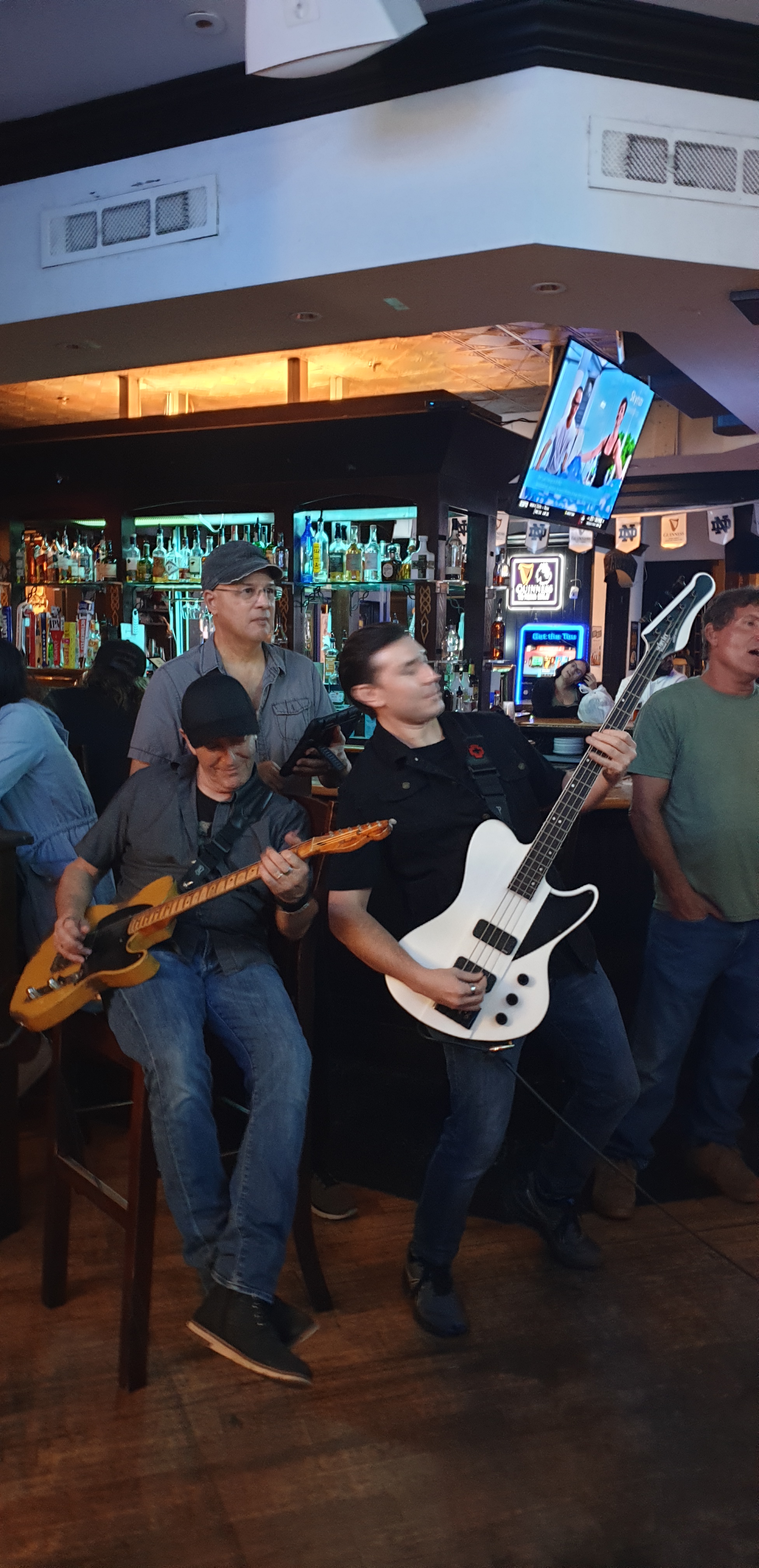
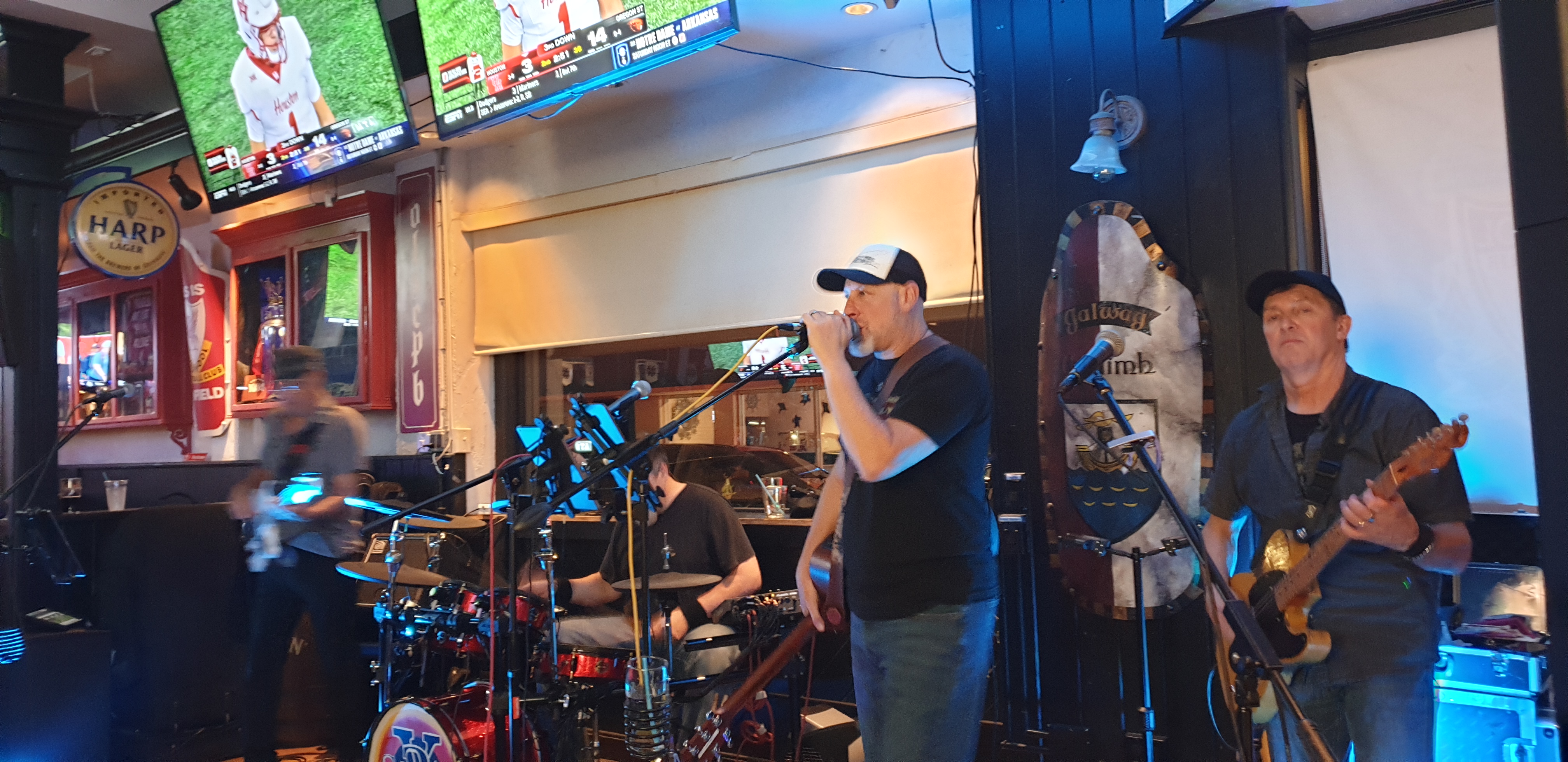
There is a reason Classic Rock has that name. At this point, there is a canon for pop and rock music: songs that everybody knows by heart and that are played constantly on the radio. In South Florida, with its large population of retired baby boomers, many cover and tribute bands play classic rock. The husband of one of my colleagues is a drummer with one of those bands: 3sixty. Every time they play locally, I enjoy seeing them. This means that I have seen them play many times over the last five years. By now, I am friends with all the musicians.

Every guild, job, and hobby has its own lingo, vocabulary, and labels. The world of Rock and Roll is no different. According to AI, here is some Rock & Roll vocab:

Gig: A job or performance engagement.

Demo: A sample recording sent to producers.

Groupie: A fan who follows a band around.

Hook: A catchy, memorable melody.

Jam session: Musicians playing together spontaneously.

Roadie: Folks who help set up the concerts

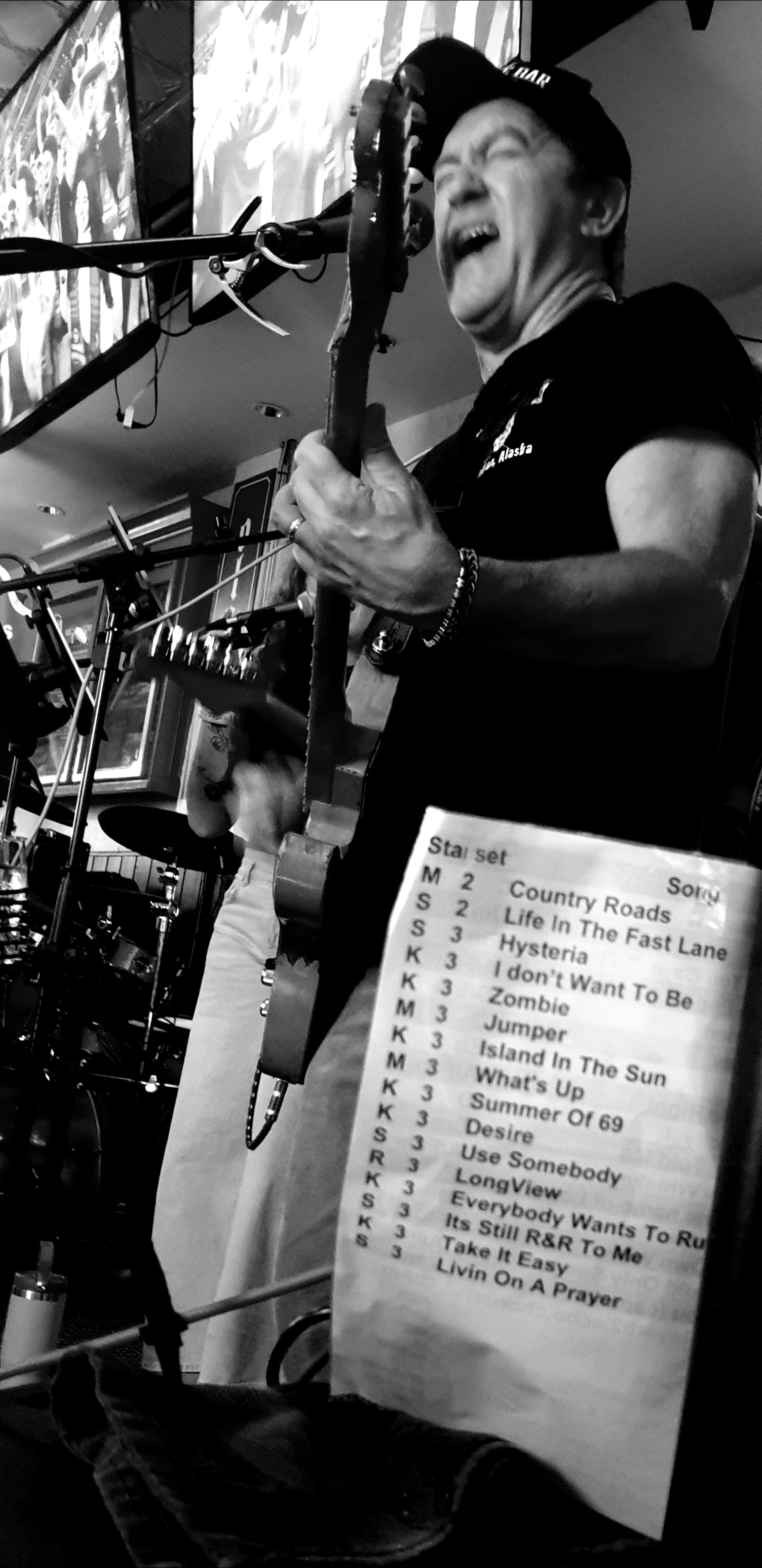
Set list: The list of songs a band will perform.

So, although I do not follow 3Sixty around outside of my area, I am afraid I have become a bit of a groupie. I know the set list fairly well, the musicians’ quirks on stage, even their “inside” communications!

Let me tell you, although these guys have day jobs (one of them is a doctor!), they have a very professional approach to their band and their playing. This is not some drunken hobby band; these guys take their music seriously, and it shows!

So, if you are in South Florida and you get a chance to see 3Sixty, see them. You are welcome.