



On the importance of discipline and practice. Our Fall soccer game

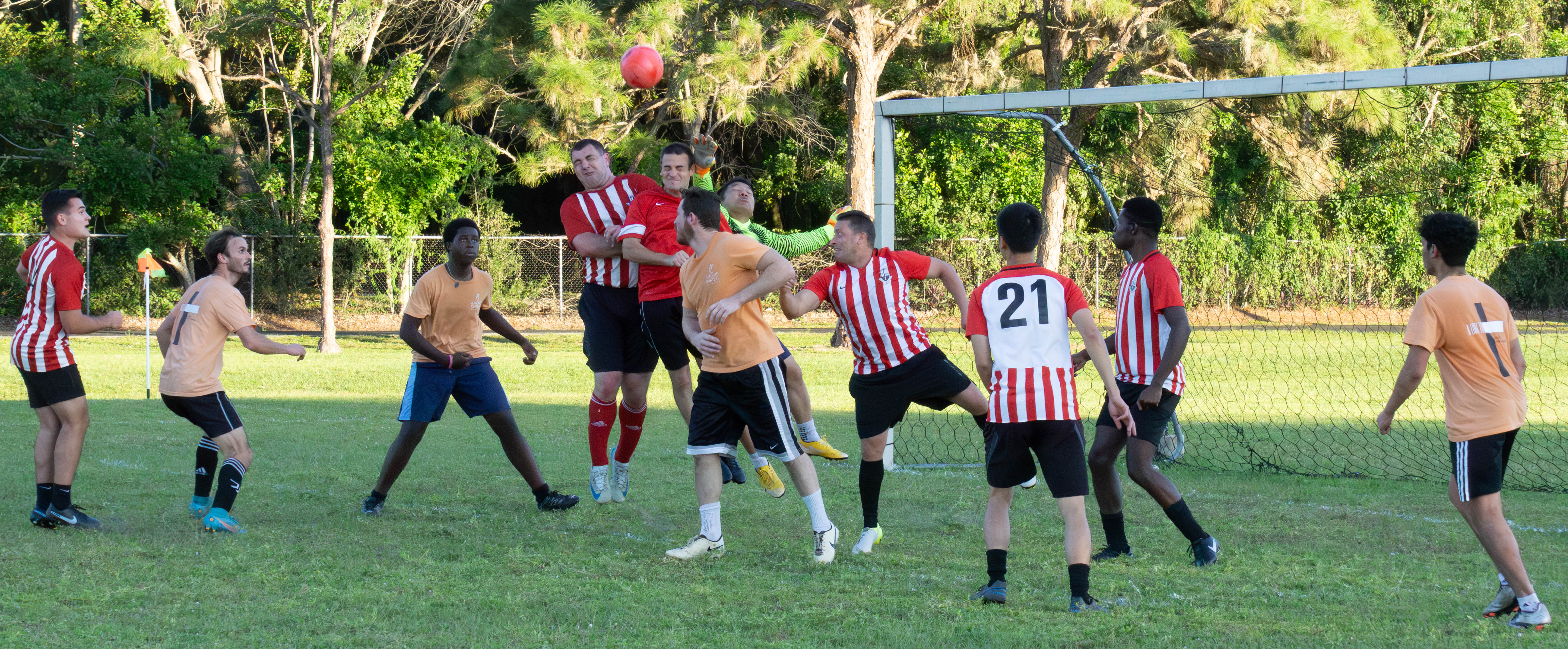
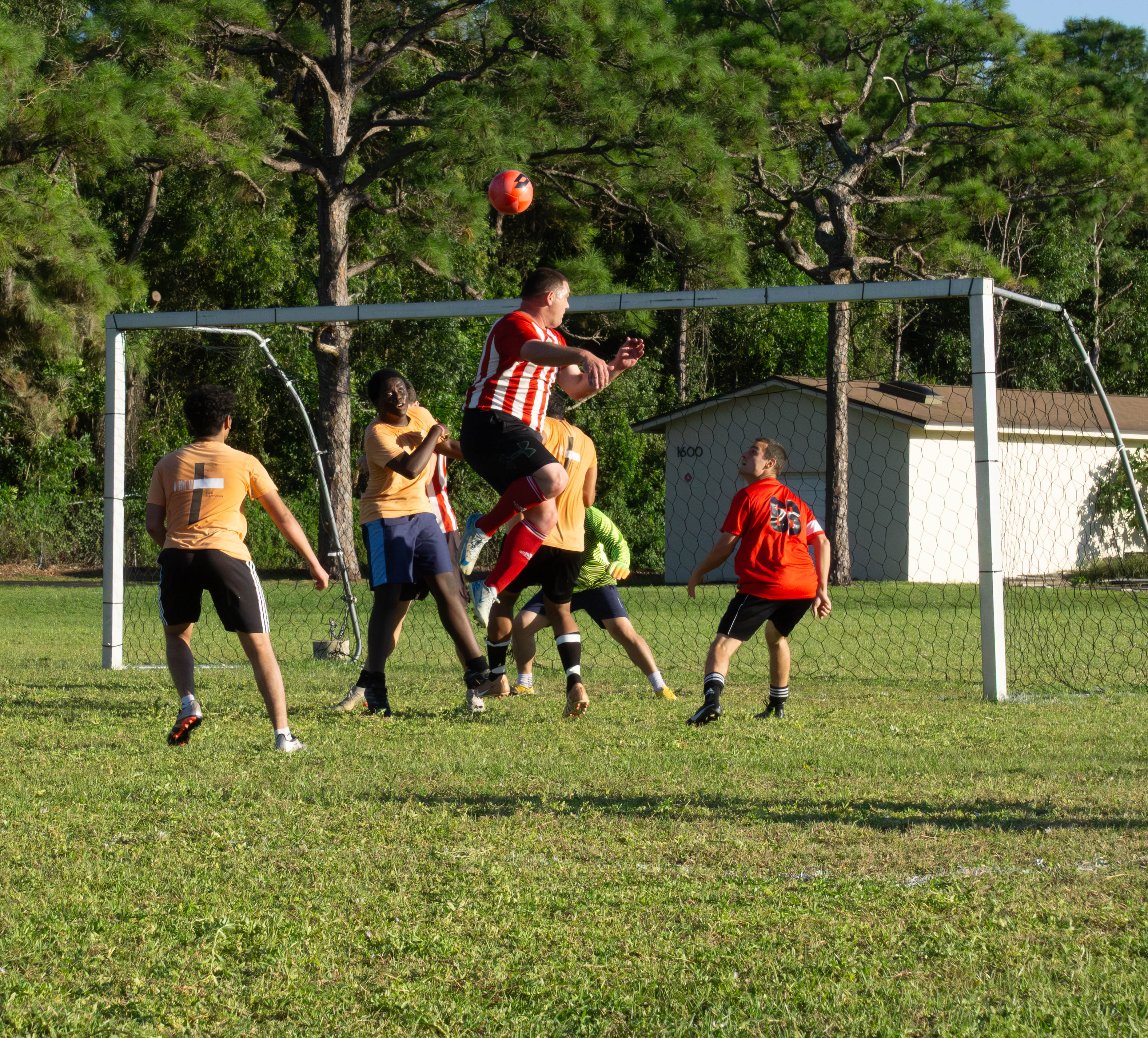
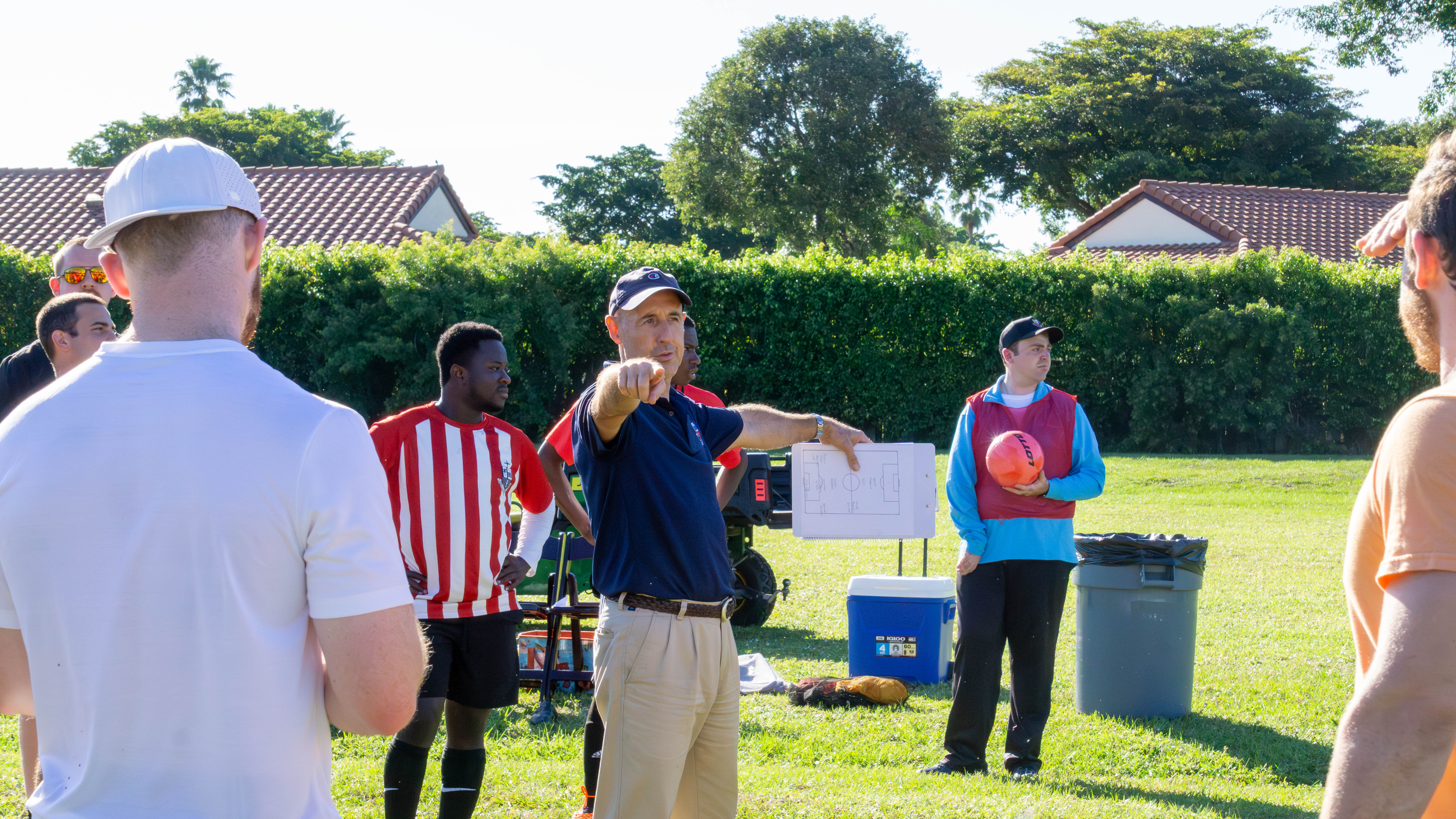
A couple of times a year, I write about soccer. This coincides with my school team’s games. This year, our game in Miami was cancelled due to lightning, and the Palm Beach Young Adult tournament was also cancelled due to scheduling issues. Fortunately, we finally had a chance to play against a local group, the Amori Christi campus of the Jesus Youth.

After twenty years of coaching, I mostly value two things in soccer nowadays: the discipline you bring to practice and the player’s psychology. Today, let’s focus on discipline.

We have all seen great players who have wasted their careers to partying. While we do not play in any competitive conference, you can still see the players who commit to improving and those who just want to have fun.

At the end of the day, discipline in whatever you decide to do in life will set you free from the slavery of your worst self, the “I don’t feel like studying/practicing/showering/etc, worst self. So start slow, but be mindful and purposeful to develop routines that will improve your soccer game or whatever craft you wish to improve at. You are welcome

The takeaway for me this year is the importance of staying focused, of constant practice, to prepare for a game, the game, every game, is important. The men did not disappoint, earning a resounding win (8-2), but the score is not important; the preparation, the mindset, and showing up are what I appreciate.

Rembrandt and the Dutch Masters at the Norton Museum

Years ago, I heard that the three most influential artists in history were Velázquez, Goya, and Rembrandt. I am not an artist, so I cannot opine, but it does make a lot of sense. Velázquez and Goya —I am fairly familiar with them, since I spend a lot of time at the Prado Museum (which only has one Rembrandt). Rembrandt and the Dutch Masters are fascinating, but I am less familiar (although I did spend time at the Rijksmuseum back in the Mesozoic era).

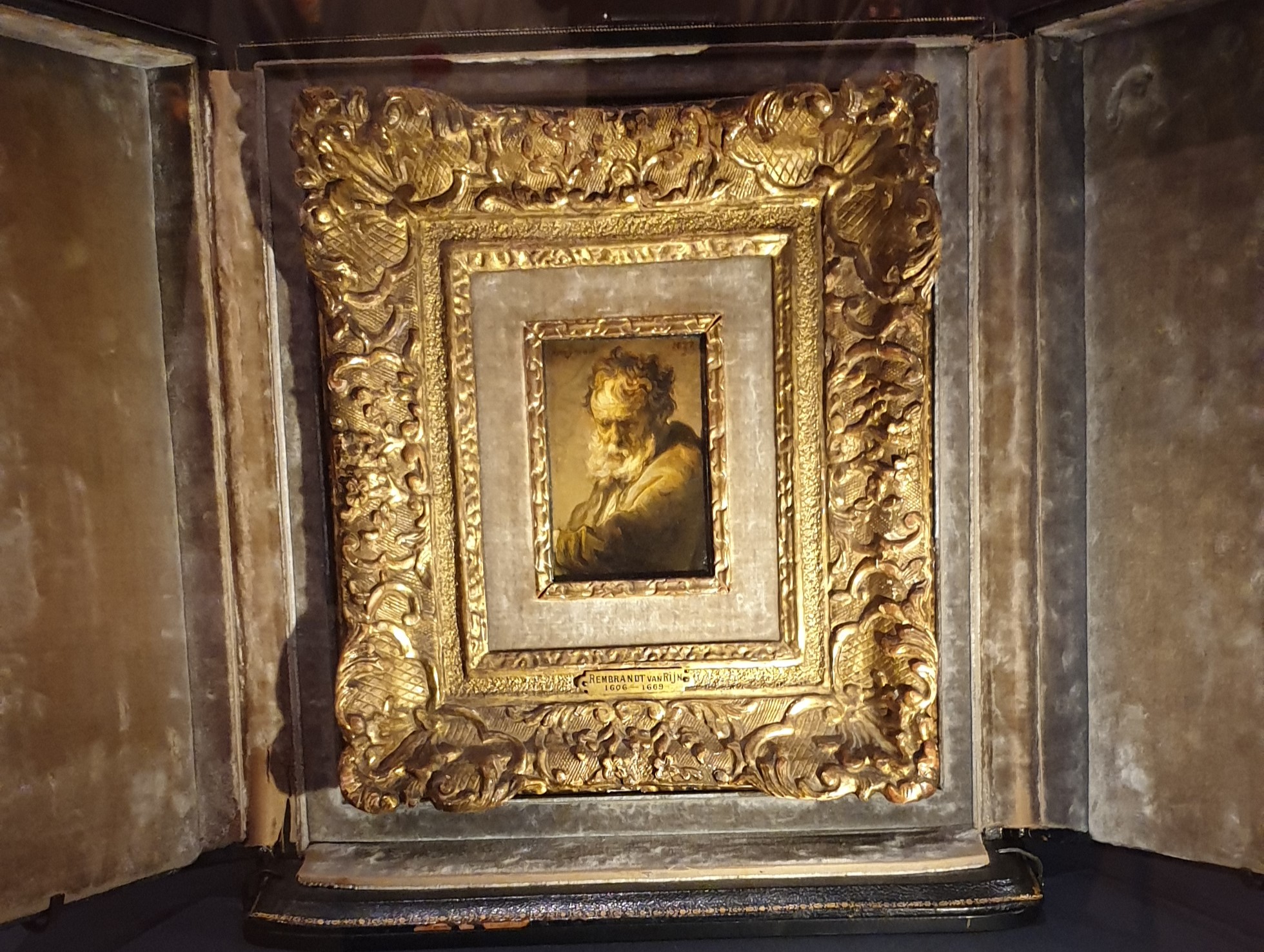
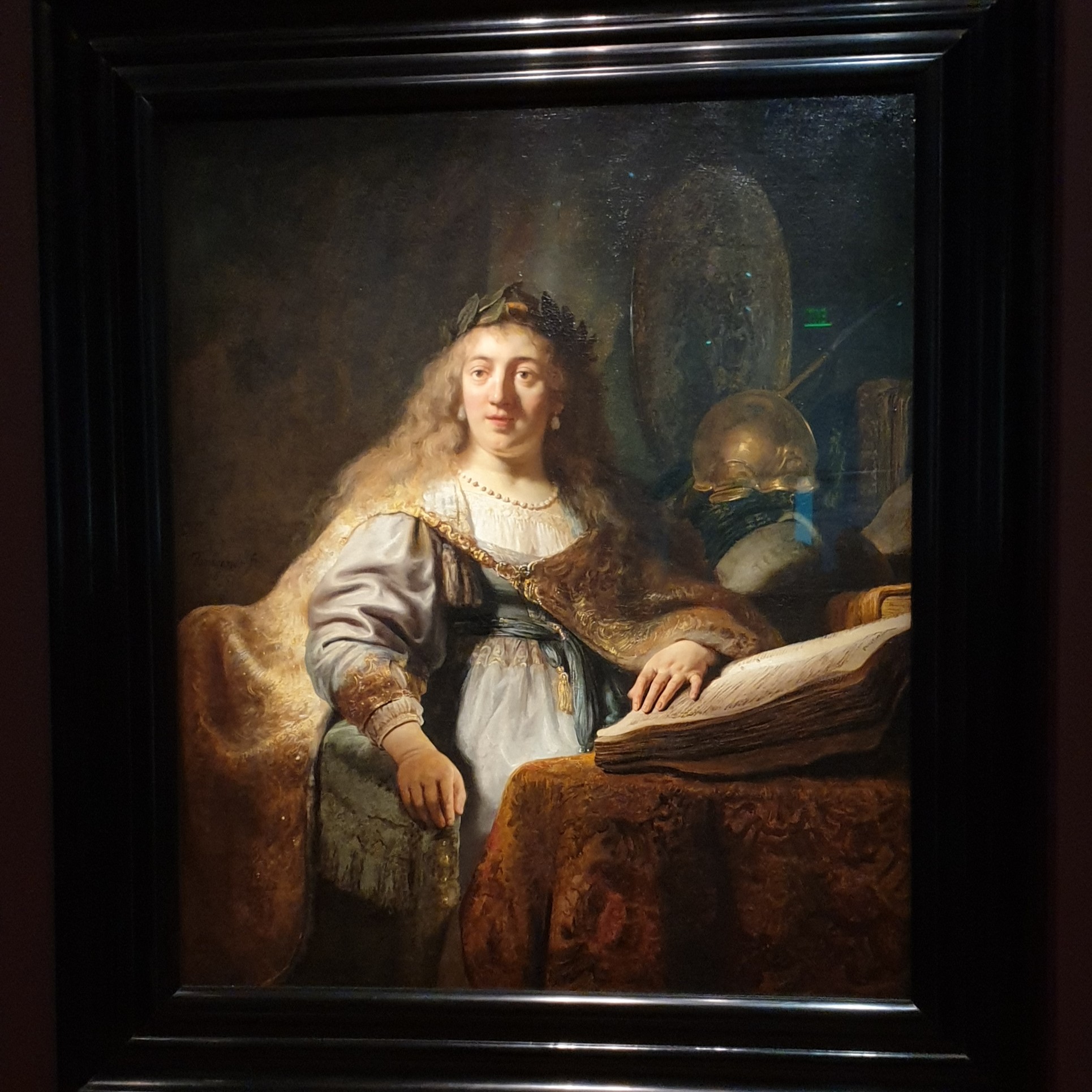
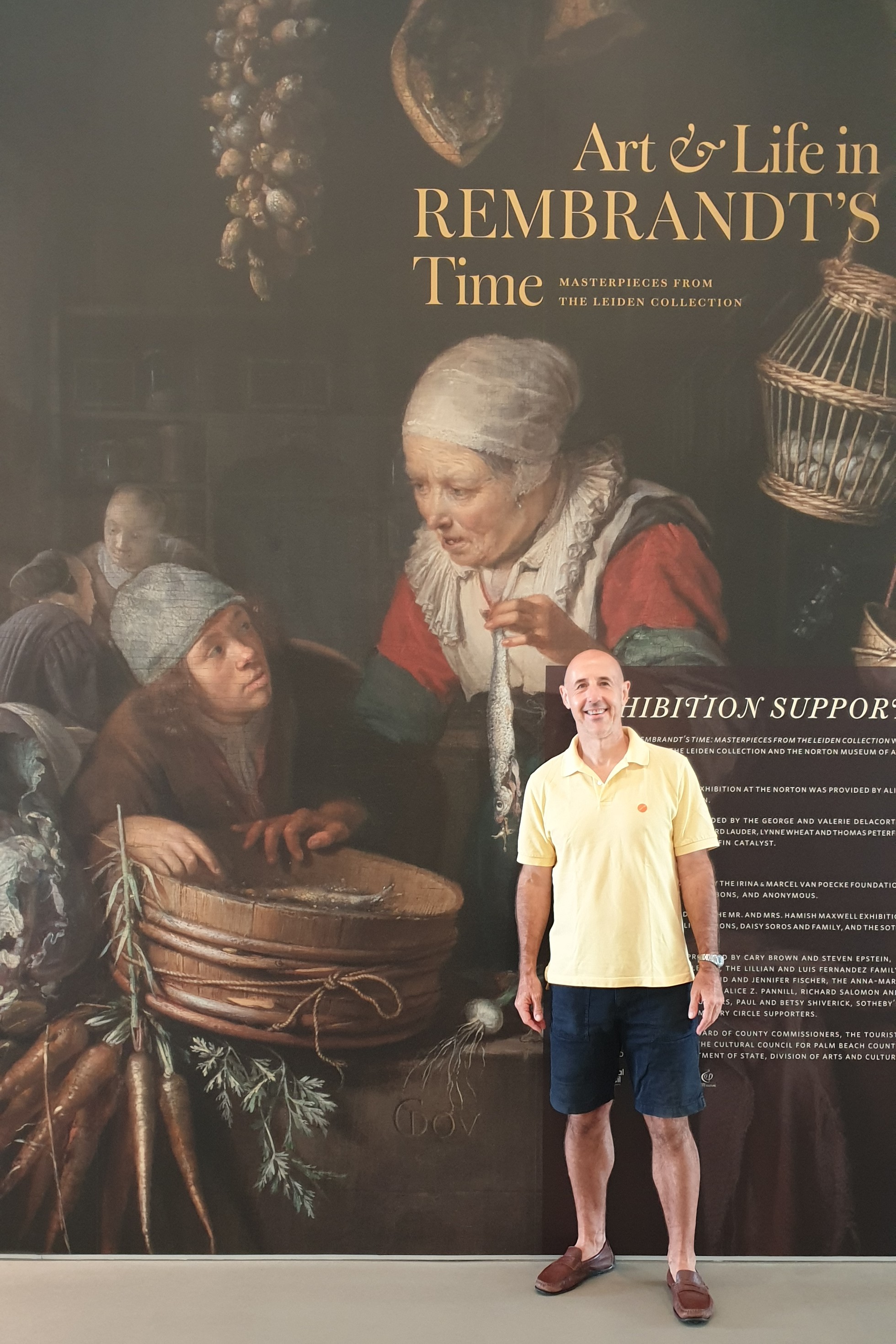
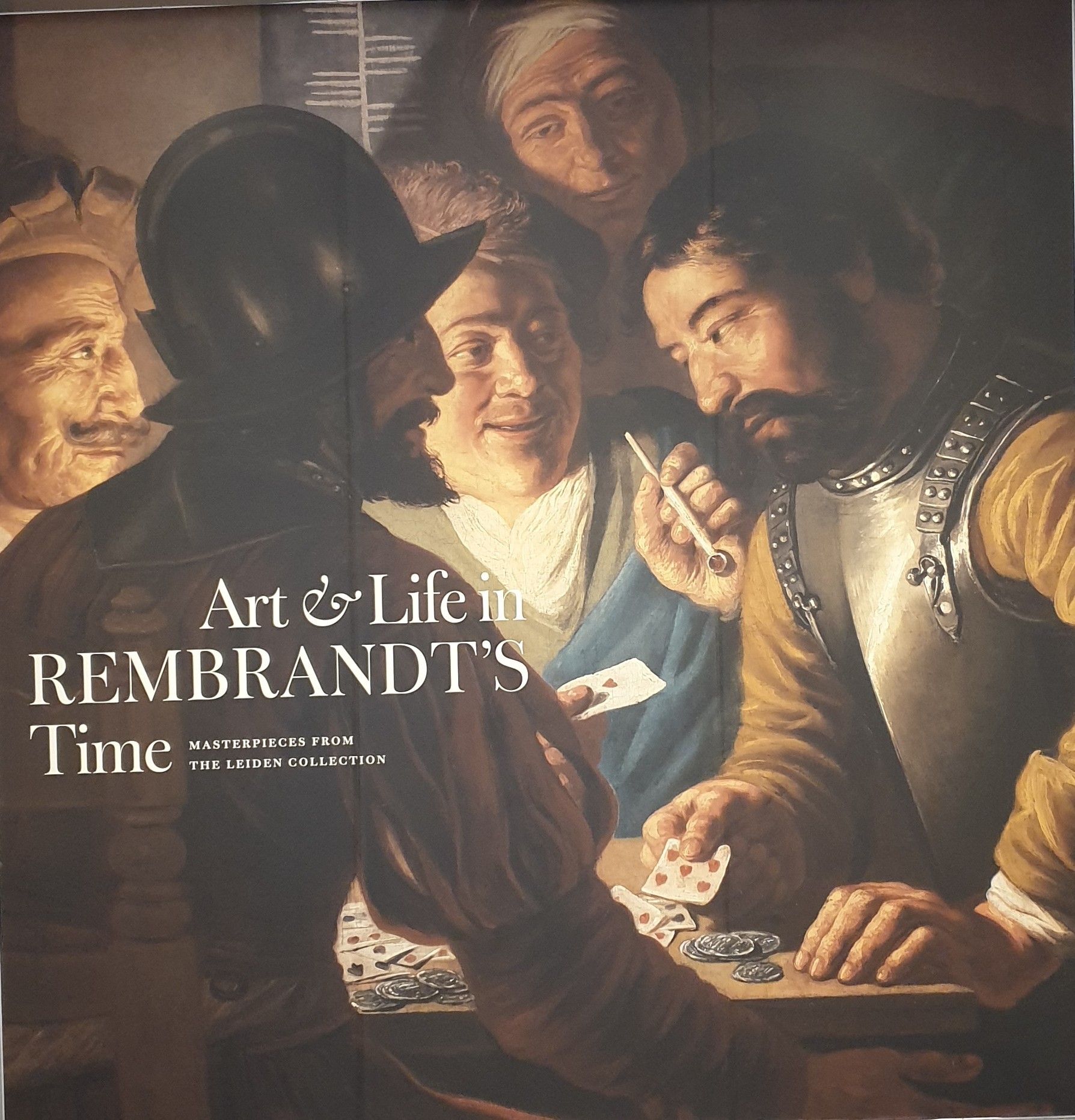
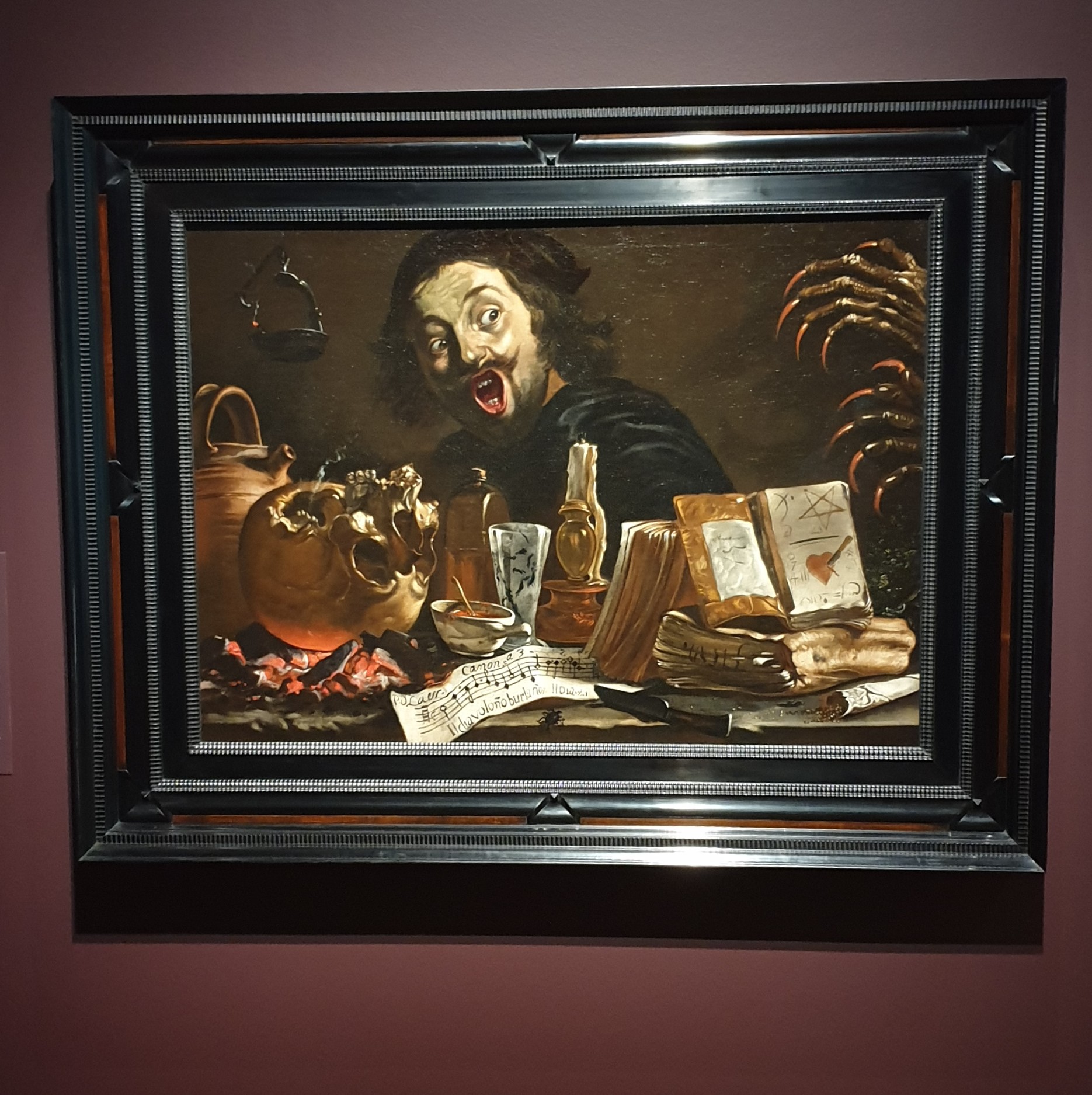
The Norton Museum has just opened a phenomenal exhibit on Rembrandt and the Dutch Masters from the largest private collection, The Leiden, and I have already seen it twice and hope to see it a few more times. I have already scheduled a visit for one of my classes!

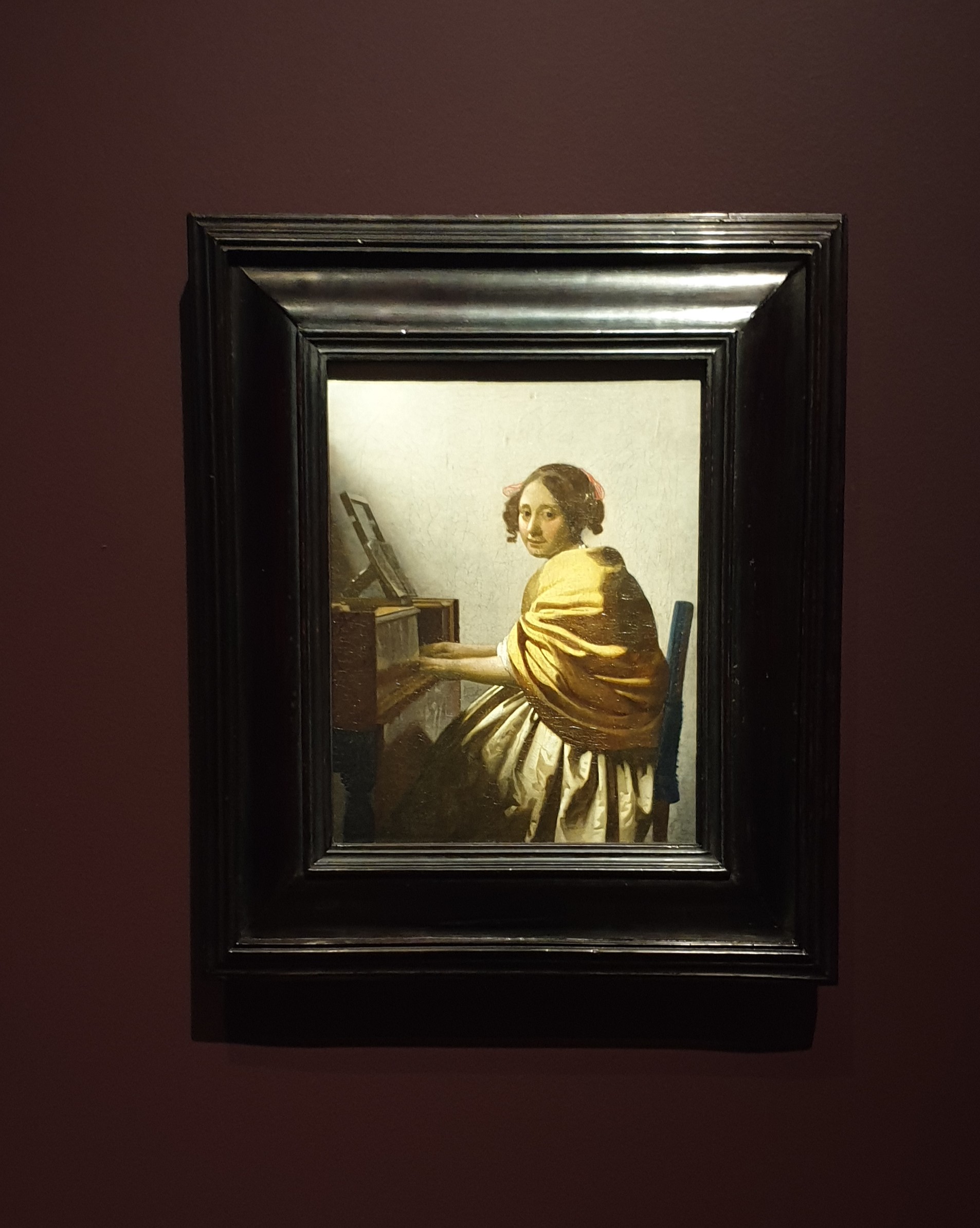
The exhibit is phenomenal; it includes many Rembrandts, various other Dutch Masters, and, as a bonus, a Vermeer!

The works are mostly from the 17th century, although there are a handful from the 18th. So, Dutch Baroque, which is a bit different from the rest of European Baroque, especially Italian and Spanish, but still plays with the chiaroscuro. Jesus at the Mount of Olives is a great example of that technique.

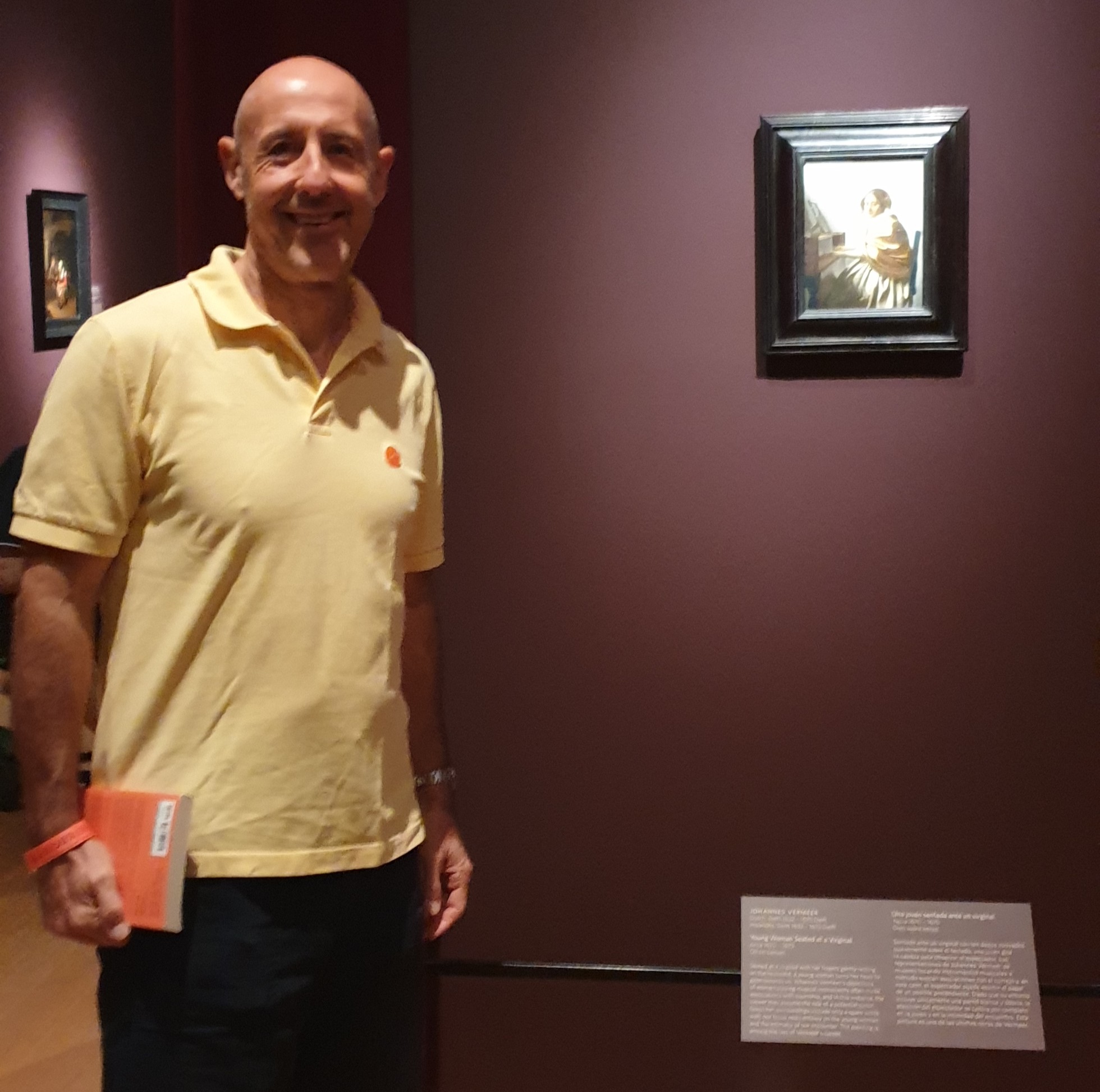
Yes, the Vermeer is my favorite; it is just a girl, a piano, and a chair, but it does so much more than any of the other paintings. It is tiny, but the girl’s gaze, her hair with its almost transparent bow, her dress, two tiny pearls on her neck, the trademark light pouring from a high window. I have written before about the victory of minimalism, but this might take the cake!

So if you are in South Florida before March 29, reserve your ticket and see this exhibition. You are welcome.

Teaching Hack #429: Get a guest speaker to present in your class.

Whenever possible, if you find the right person at the right time, get a guest speaker.

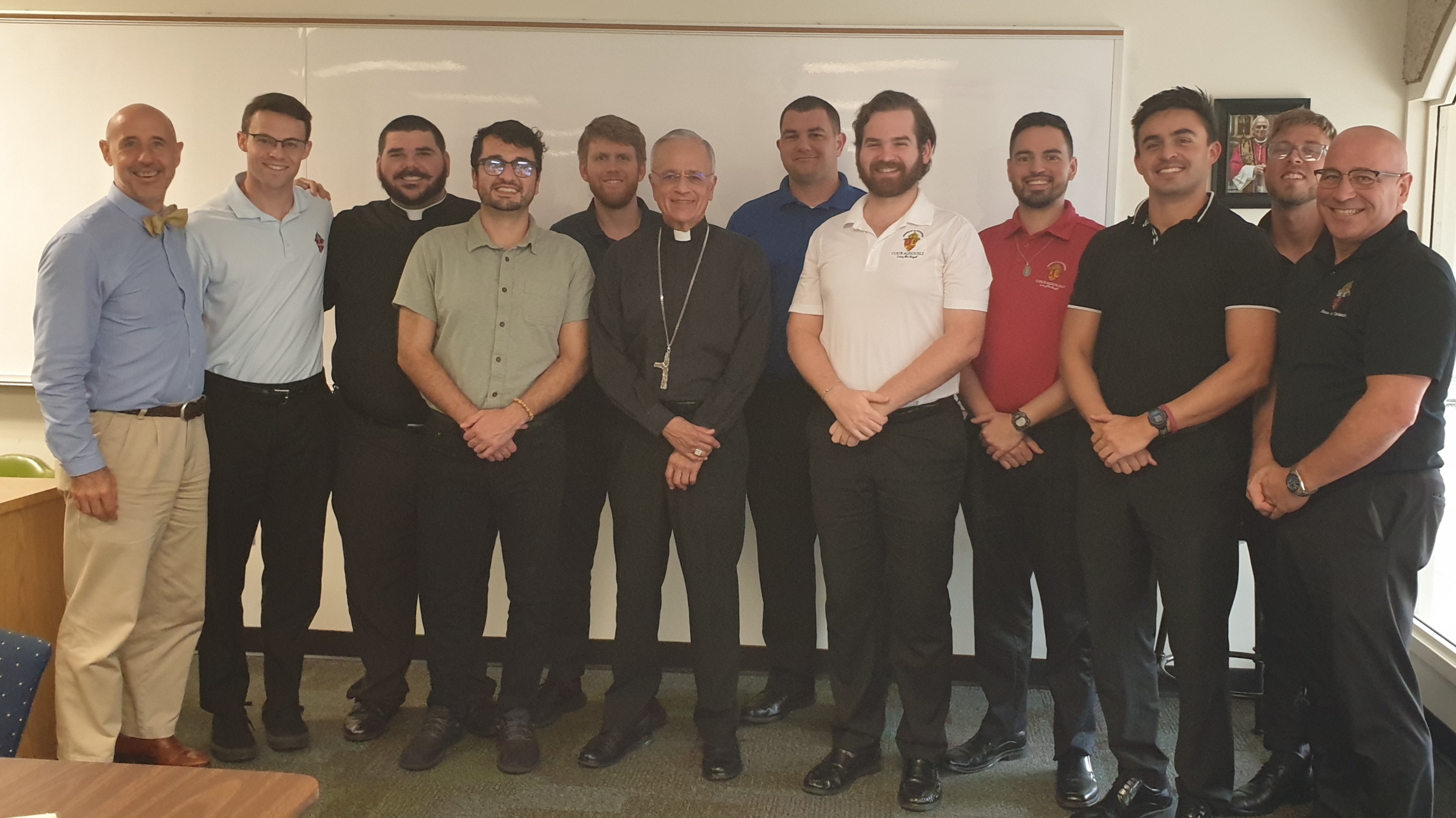
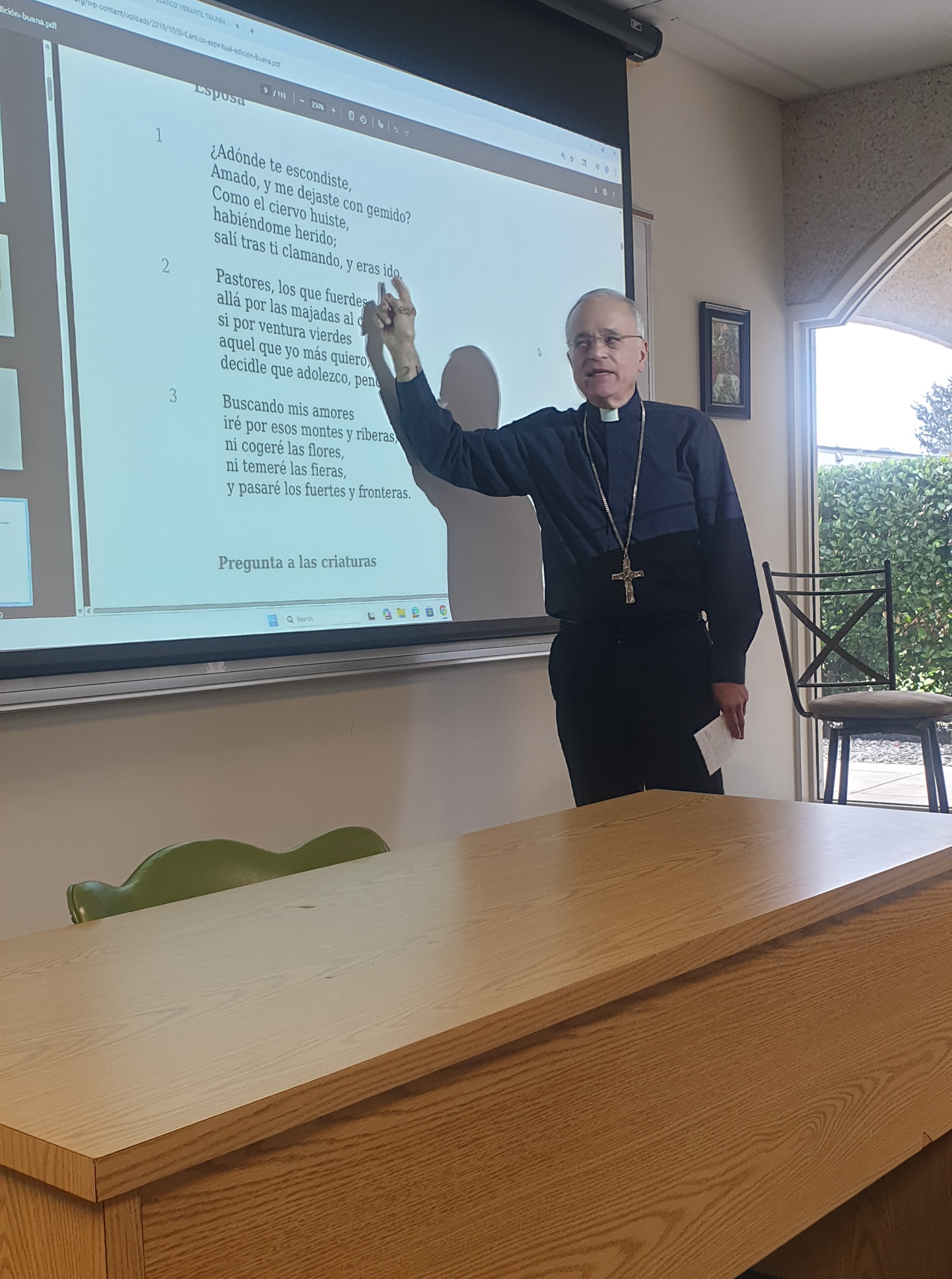
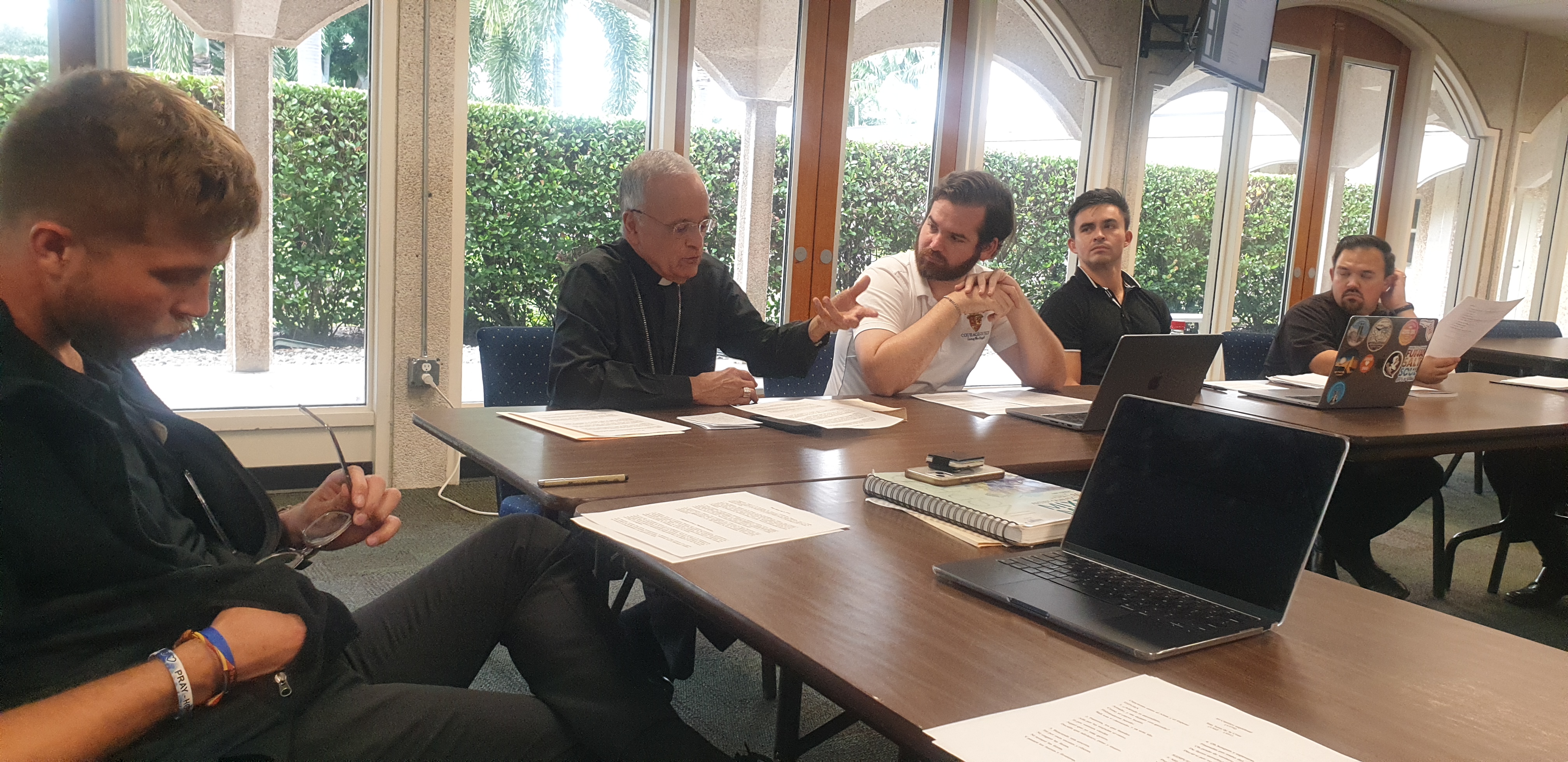
Bishop Silvio Báez @silviojosebaez of Managua is a Carmelite who just happens to work at my school. After much discussion and persuasion, I finally convinced him to attend my Spanish Art and Literature class to talk about St. John of the Cross. We arranged, organized, and scheduled, and he exceeded expectations. Bishop Báez brought his old St. John book, tattered and torn, from when he was a seminarian!

We only had time to explore the first 5 stanzas of the Spiritual Canticle, and he showed us how the writing leads directly to spirituality. Of course, St. John is the master of lyric poetry, and Bishop Baez knew exactly how to tease out St. John’s technique, method, and tricks to transport the reader to a deep spiritual realm. Bravo!

Of course, for the students, it is a new, different voice —an authority on the subject— presenting new material.

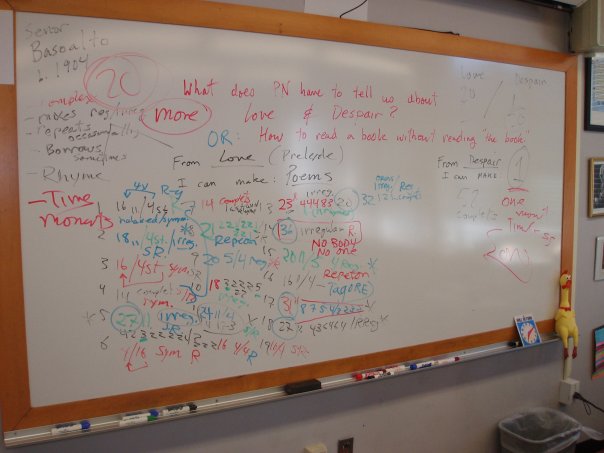
Over the years, I have managed to get the Spanish Consul in Boston and his Education Attaché to come chat. Poet Daniel Bosch explained how the very structure of Pablo Neruda’s Veinte Poemas de Amor is in itself a poem. At UNC, I met the owner of a local restaurant who spoke excellent Spanish, so I invited her to my Spanish for Business class.

On the other hand, if you can talk about a subject with some authority, then it is only fair for you to give back by being a guest speaker. I have been a guest speaker a couple of times: once on bullfighting, a couple of times on entrepreneurship, and a couple of times on public speaking.

So if the stars align and you can pull it off, get a guest speaker; your students will appreciate it.

The amazing pianist I did not know: Vladimir Ashkenazy – With free giveaway!

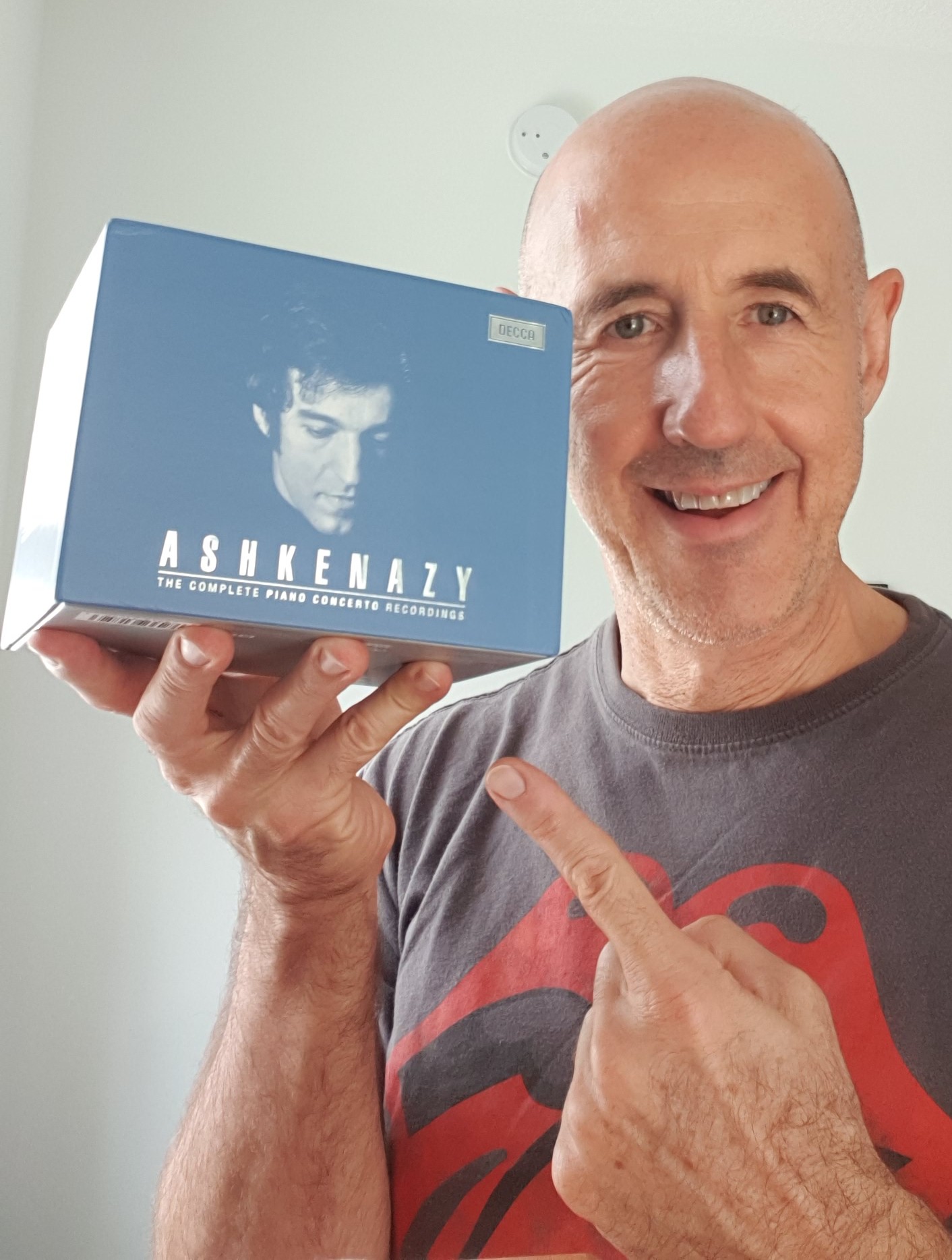
Ashkenazy 46 cd (plus book and 2 dvds) boxed set

Although classical music might be showing signs of an increase in popularity, the overall trend seems to be decreasing. This brings me to today’s paradox: Due to social media, “rock star” classical musicians are more popular than their counterparts of decades ago (with obvious exceptions: Callas, Pavarotti, Segovia, et al.). Nowadays, Joshua Bell, Gustavo Dudamel (dude had a TV series, Mozart in the Jungle, based on him!), Lang Lang, Yo-Yo Ma, etc. (they each have around a million followers on Instagram!)

So the question would be: in equal circumstances (ceteris paribus) and access to YouTube, TikTok, Netflix, etc., how would a ranking of classical musicians look? And how would modern musicians stack up against pre-social media ones?

All this, because maybe (probably) I am an ignoramus and did not know Russian turned Icelandic pianist Vladimir Ashkenazy until recently. A dear colleague who just retired is a classical music connoisseur. He is also terribly generous and constantly regaled me with CDs that he was cleaning out.

One such gift was the boxed set (with book and DVDs) of Ashkenazy’s collected piano recordings. Obviously, it is not all the works ever written for piano, but it is 46 CDs including:

Rachmaninov, Tchaikovsky, Bach, Brahms, Mozart, Schumann, Prokofiev, Beethoven, Scriabin, Previn, Chopin, Bartók, Glazunov, Franck

A couple of the works are repeated, albeit at different stages of Ashkenazy’s life, so if you have a fine ear, you can evaluate his evolution.

Listening to this whole body of work has taken me about 2 years, since I only have a CD player in my (old) car (see about minimalism here). And I replayed every CD multiple times!

This was a beautiful journey for me, learning about the magic of the piano, how different composers worked with the piano, etc. My favorite? The usual suspects: Mozart, Beethoven, Bach, Brahms… My least favorite: Previn.

So now that I have enjoyed listening to this phenomenal collection, it is time for me to give it away. If you live in South Florida and you want to pick it up, we can arrange it. If you pay the shipping costs, I will be happy to ship it wherever you want me to. First-come first-served. This is very rare and is not available easily.