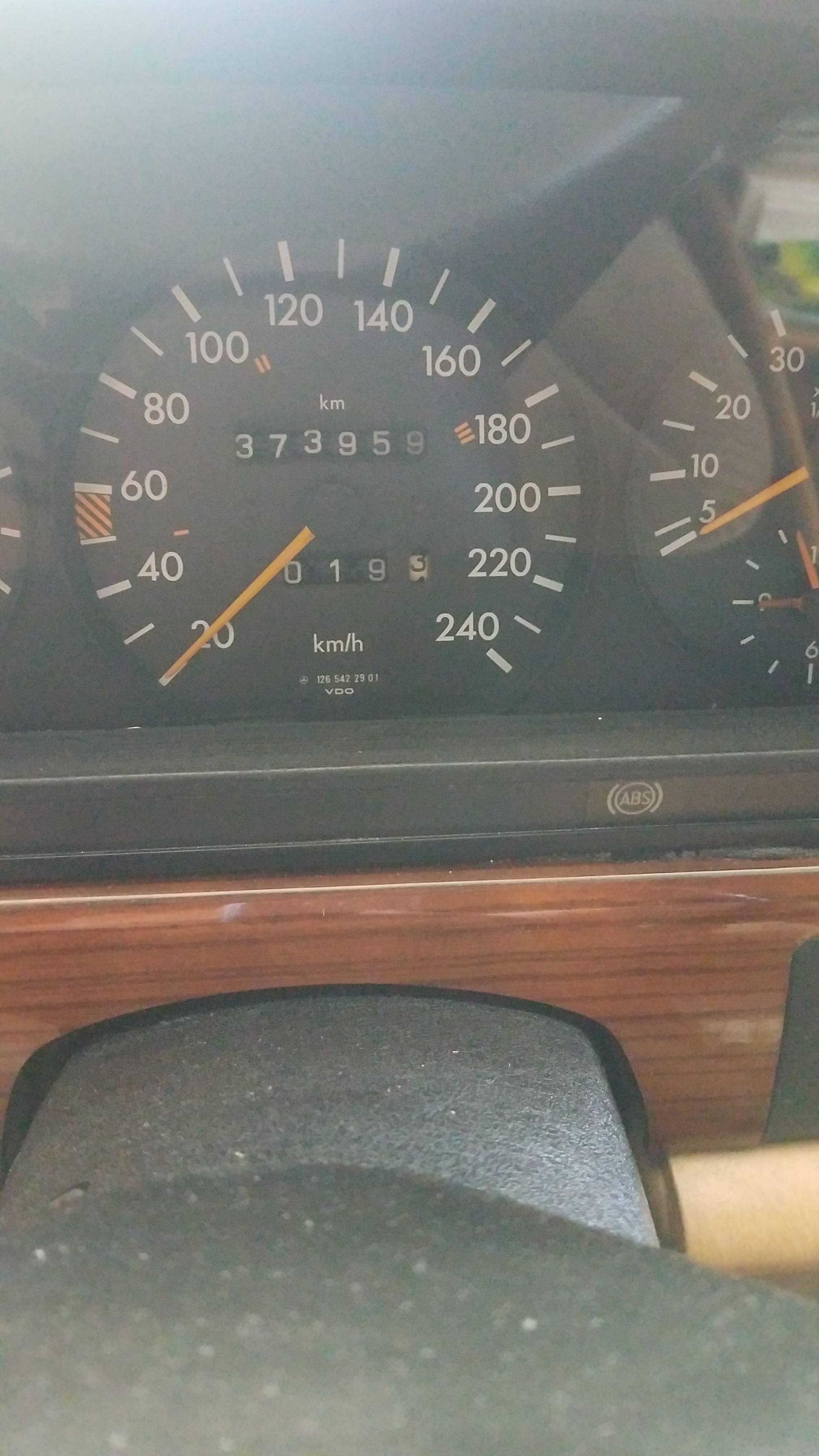
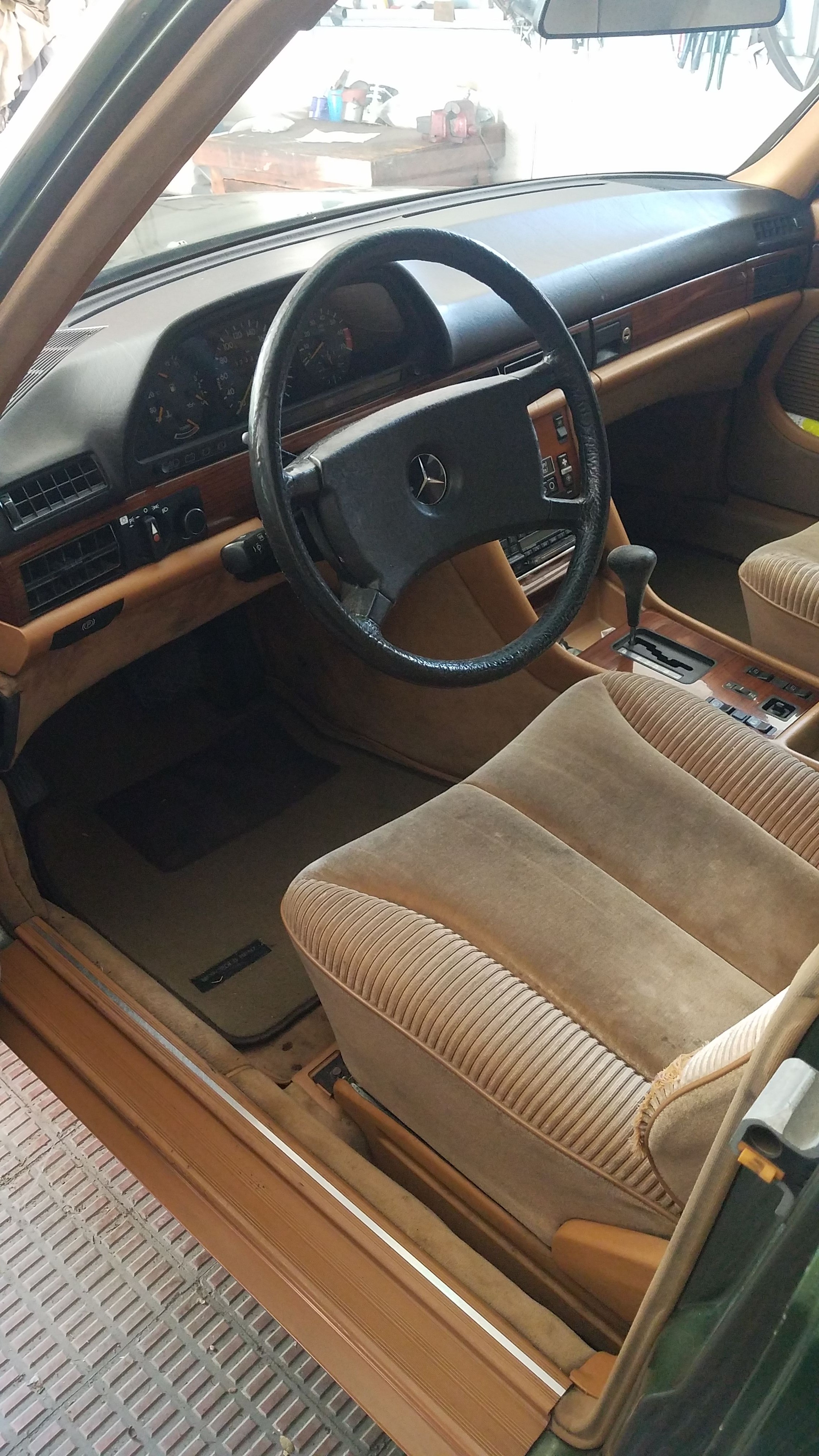
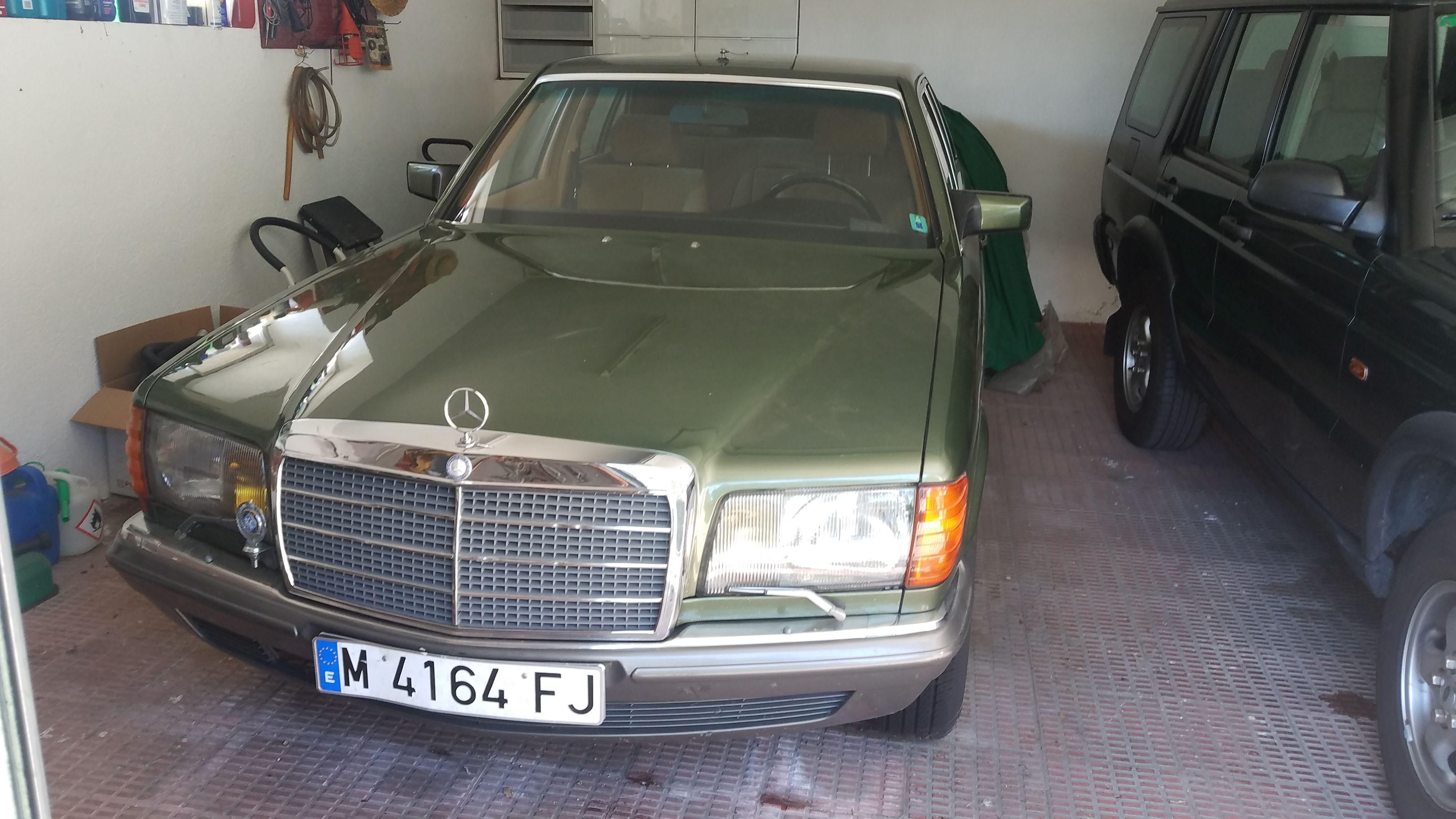
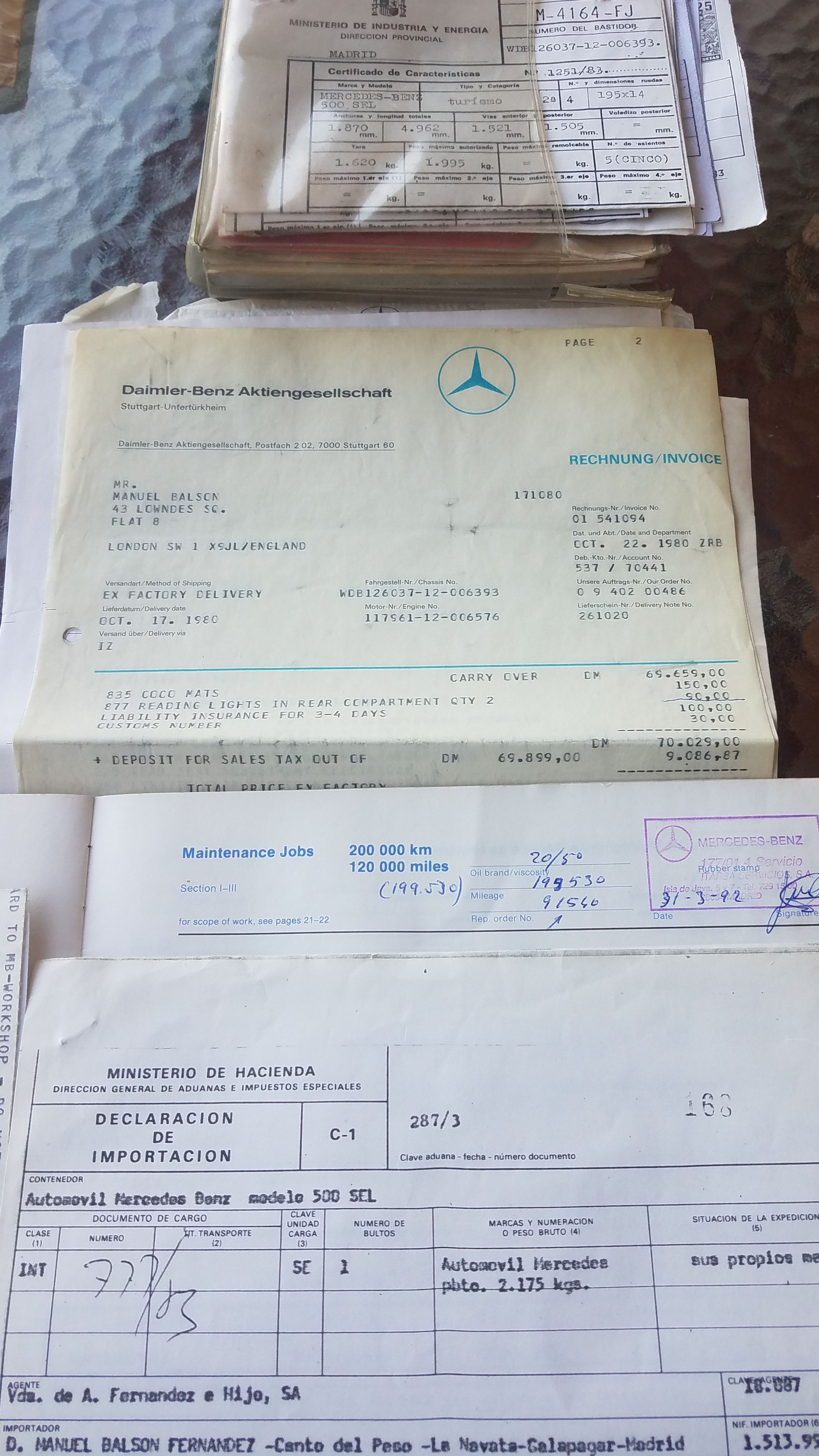
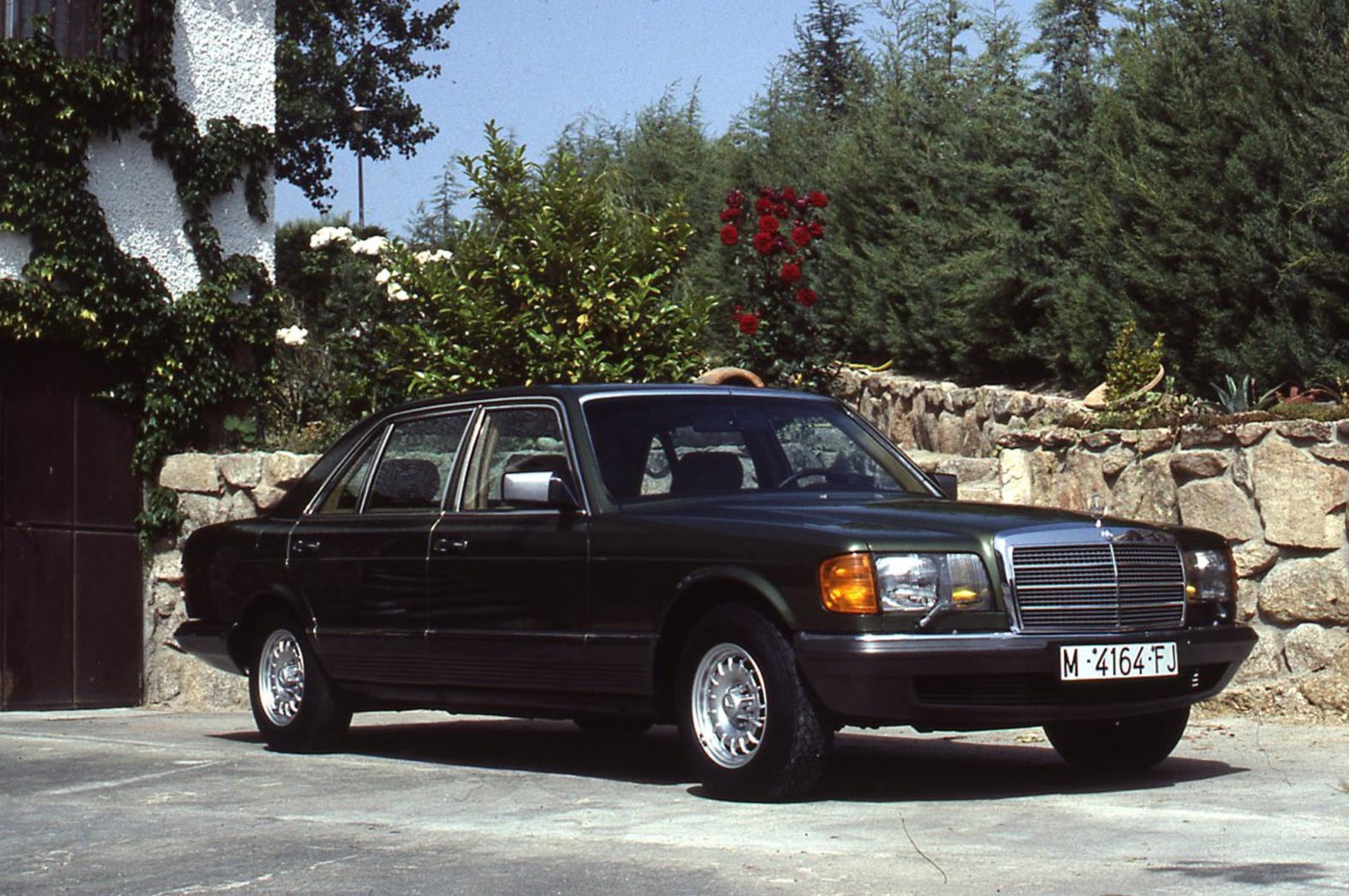
Vendemos el Bismarck, el Merche, el coche de mi padre.

Aunque a mi padre le gustaban los ordenadores (Apple), pasear por el Retiro, comer (y beber) bien, lo que más le gustaba eran los coches. Así que, en 1980, en la feria del automóvil de Frankfurt compró un Mercedes 500 SEL —que todavía no había salido al mercado. Unos meses más tarde, en 1981, lo recogió en la fábrica de Sindelfingen.

El Mercedes 500 SEL fue el mejor coche del mundo en su época: suspensión neumática, motor V8 de aleación, el primer coche con ABS, etc., etc. Mi padre nos dejó en 2015.

No puedo decir las veces que ese coche cruzó España y Europa. Viajes a Londres a visitar a mi hermana, viajes a Ginebra a visitar a mi otra hermana, viajes a Andalucía o a Euskadi a visitar amigos. ¡Cualquier excusa era buena para hacer un viaje de cientos o miles de kilómetros!

El Mercedes está en venta. Está dado de baja temporal en Tráfico, y lleva levantado del suelo, parado en el garaje desde 2012. ¡Si te interesa, contacta en comentarios!

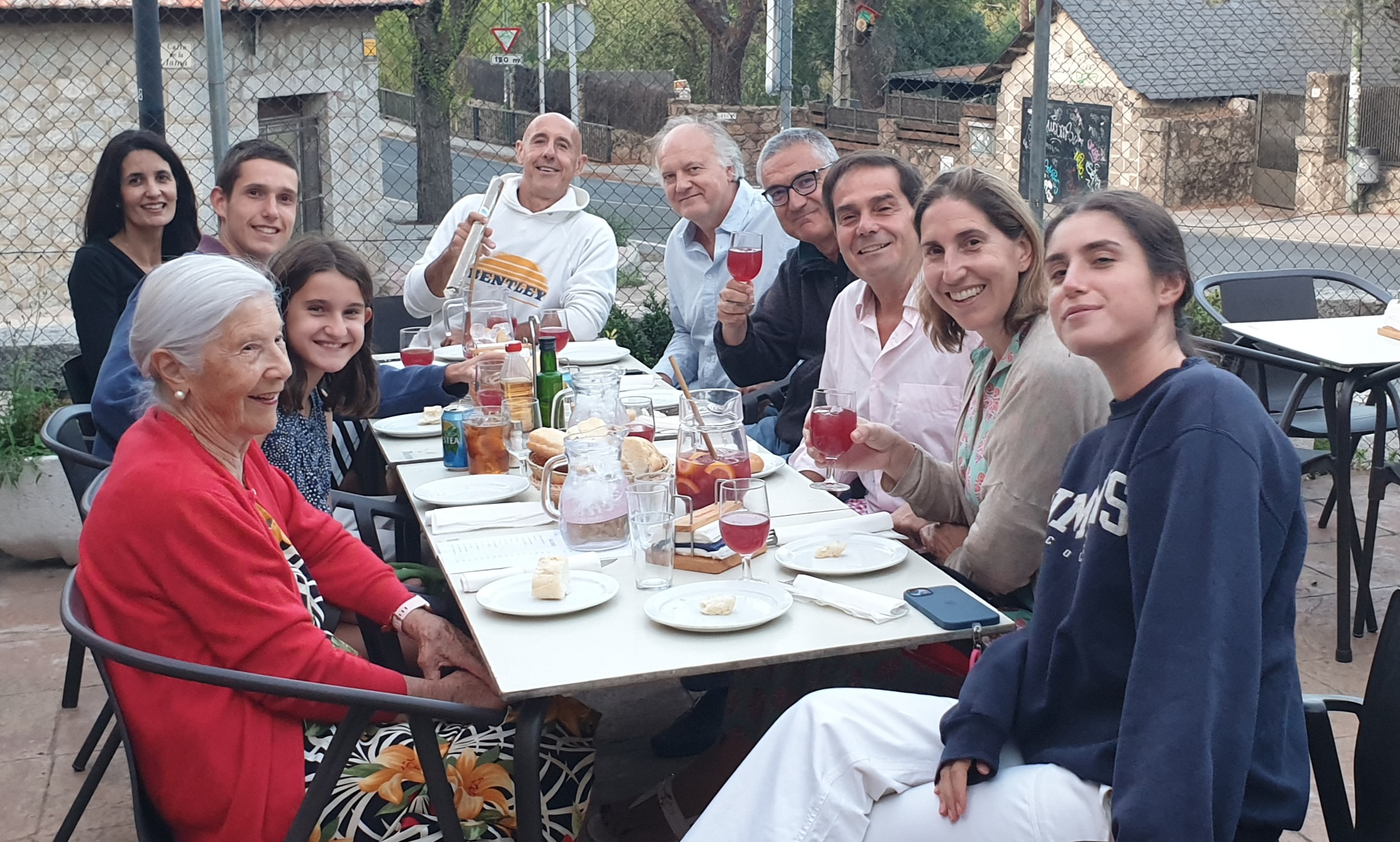
The best barbacoa in the Sierra de Guadarrama, Marcelino.

When writing reviews for this blog, I sometimes struggle with sharing too much about a place I love. Not that I am making any place TikTok famous, blogging is not TikTok after all, and my readership, while loyal, is not exactly viral; nevertheless, one still has a bit of pride in thinking that they can influence some readers to follow one’s recommendations.

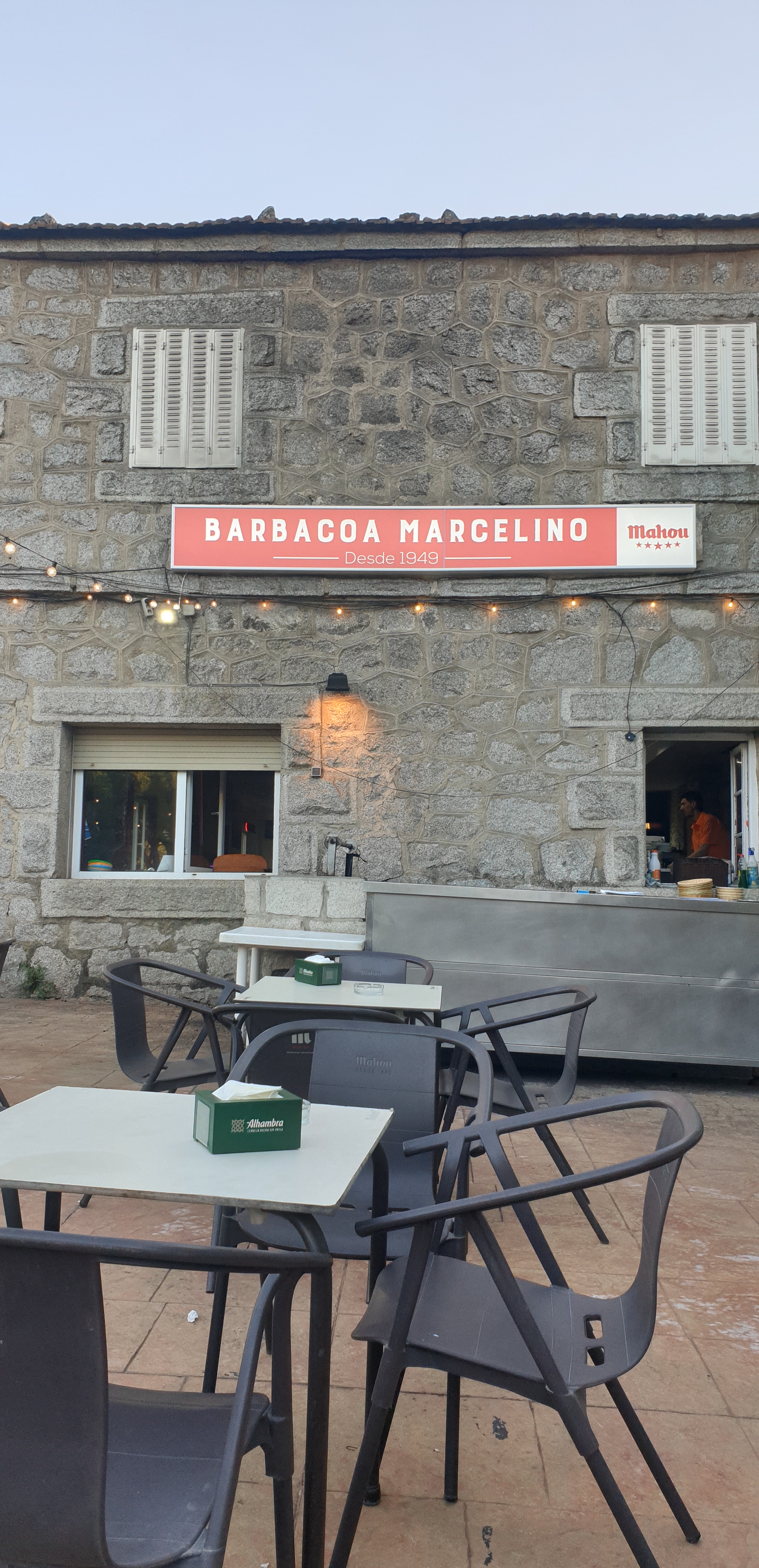
This is the case with Bar Restaurante Marcelino in the tiny village of La Navata, North of Madrid. Marcelino, which has been around for ages, is the best barbacoa in the Sierra de Guadarrama. You can find fancier places, regional, and international foods, and more famous places, or with better views, but none have the combination that makes Marcelino so special.

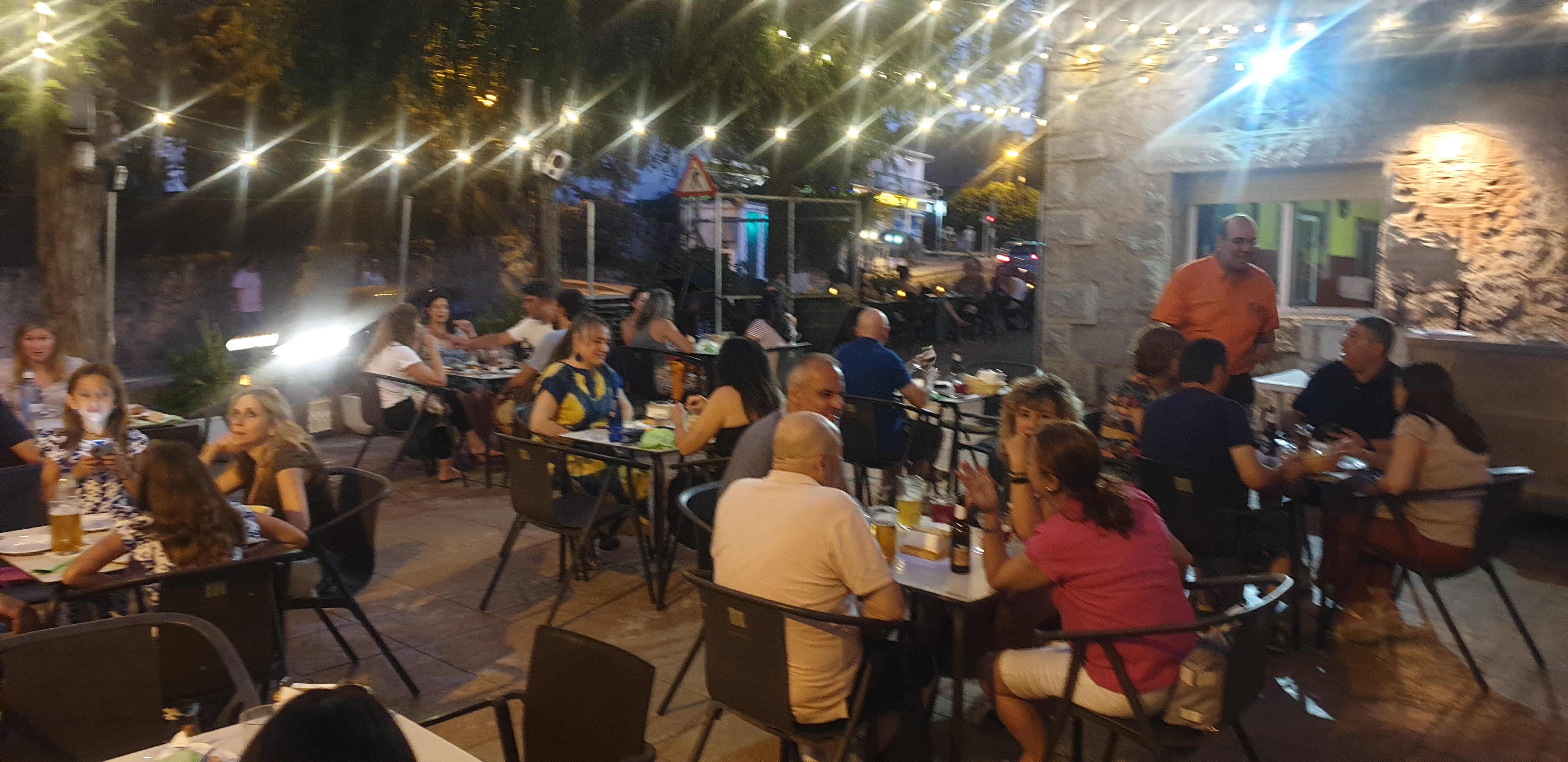
Marcelino is housed in the original 1949 granite building, which was the preferred construction method in this area of the Sierra de Guadarrama. It has a huge “terraza,” an outdoor area split into two areas: the regular café, and the Barbacoa for the evenings.

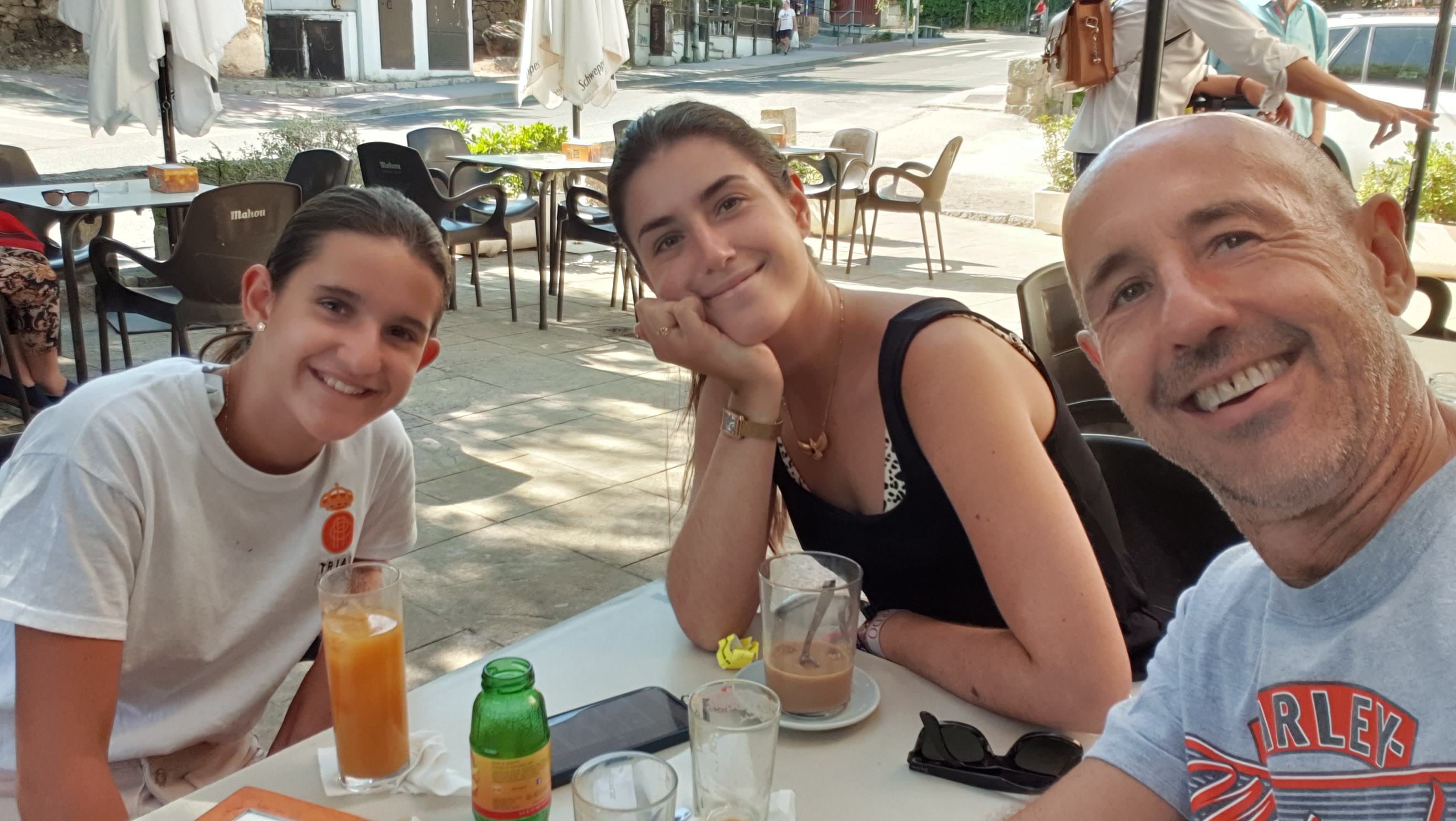
While I am on vacation at my mom’s house during the summer, I walk down the hill every day for my coffee —and if I am lucky, a churro. Some days in the afternoon, I walk down with Celia for an afternoon snack. But the real highlight is the Barbacoa at night.

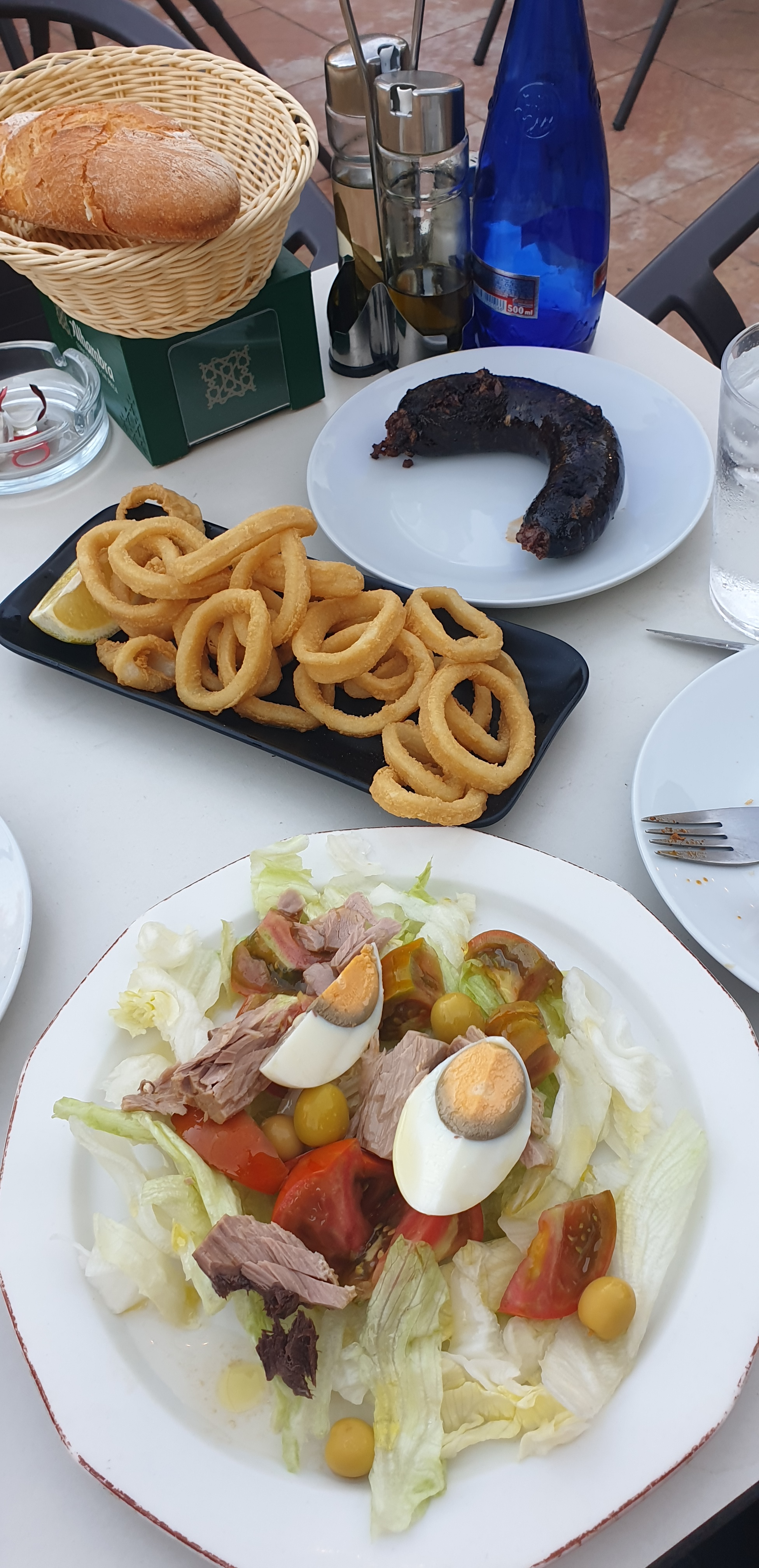
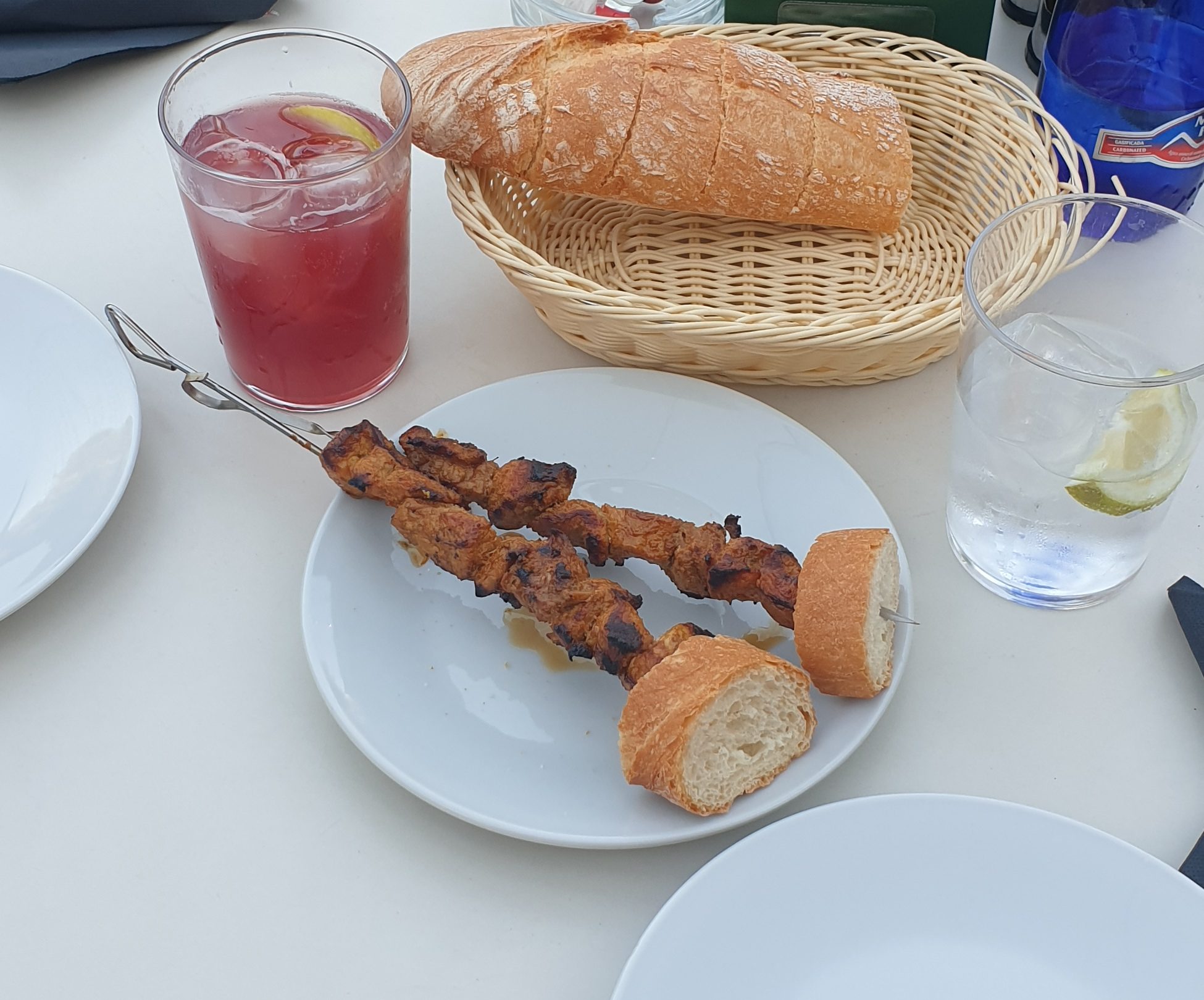
We are talking old school —with old school service, open air, oak charcoal, with the best available meats on the market (I know because we share the same butcher, but that is for another blog post). Chorizo, morcilla (black or blood sausage), Pinchos morunos (kebabs), lamb chops, etc.…

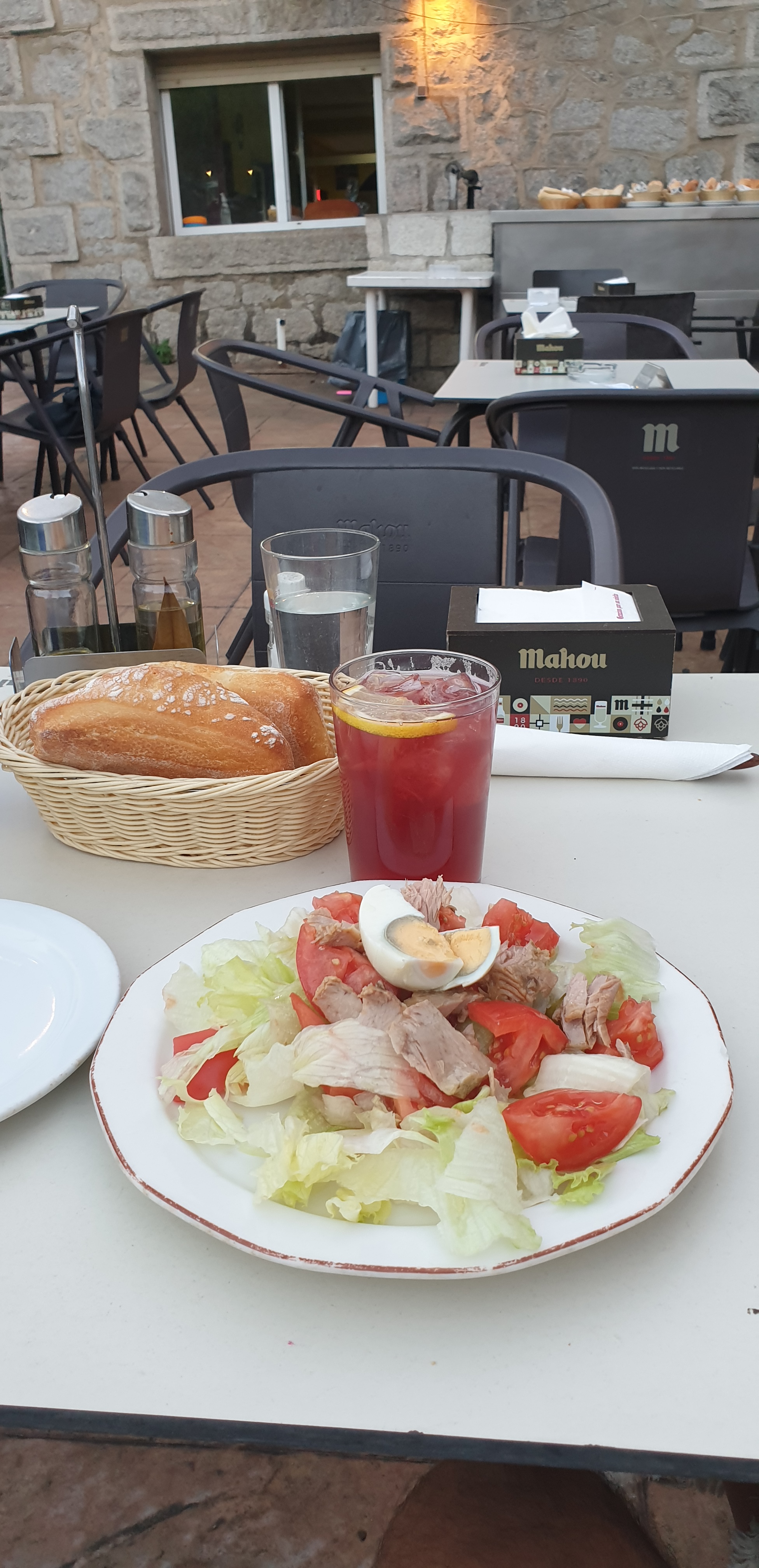
The vibe is relaxed, although you do need to make reservations. Enjoy a sangría, a Tinto de Verano, or a cold beer, get some appetizers, and enjoy the best barbacoa in the Sierra! You are welcome.

Let’s talk about it.

As the great Frank Sinatra would say, “Regrets, I’ve had a few.” One of them is not talking enough, not conversing enough, not listening enough. Communication, and especially effective communication, is critical for relationships, work, and life in general.

Conversation, from the early stages of a relationship, professional, personal, romantic, you name it, is vital and decisive, and as that relationship progresses through time, you must keep it going, keep it fresh, ask questions, and listen, listen, listen.

It was not until college that my favorite management professor, Aaron Nurick at Bentley College taught me to listen – he has been a mentor ever since! Still, I am far from being a great conversationalist or listener; normally, my ADHD kicks in, and I must focus and listen.

For the last seven years, I have taught at the university level, which means that my conversations with students are adult conversations (conversations with high school students are also rewarding, but the maturity difference makes for somewhat unbalanced discussions).

Your responsibility in keeping up your end of a conversation is not what is commonly called the “gift of gab,” which might be good to “break the ice,” but is rarely useful beyond that, but rather, as Socrates would say: knowing yourself enough to know how to steer a conversation. Know your strengths and weaknesses on your most personal level, which means knowing yourself. Counterintuitively, that will happen from being alone and spending time getting to know yourself.

So practice your conversational skills, your active listening skills, and you will be a richer person for it. You are welcome.

“The most fruitful and natural exercise for our minds is, in my opinion, conversation.”

― Michel de Montaigne, The Essays: A Selection

Paolo Veronese at the Prado Museum

Back in a previous lifetime, I used to collaborate with a polymer extrusion company (sexy, I know) located just outside Florence. For work purposes, of course, I used to visit them every year, spending a week in Florence. Because of this, I am quite familiar with the Florentine Renaissance and less so, I must admit, the Venetian Renaissance.

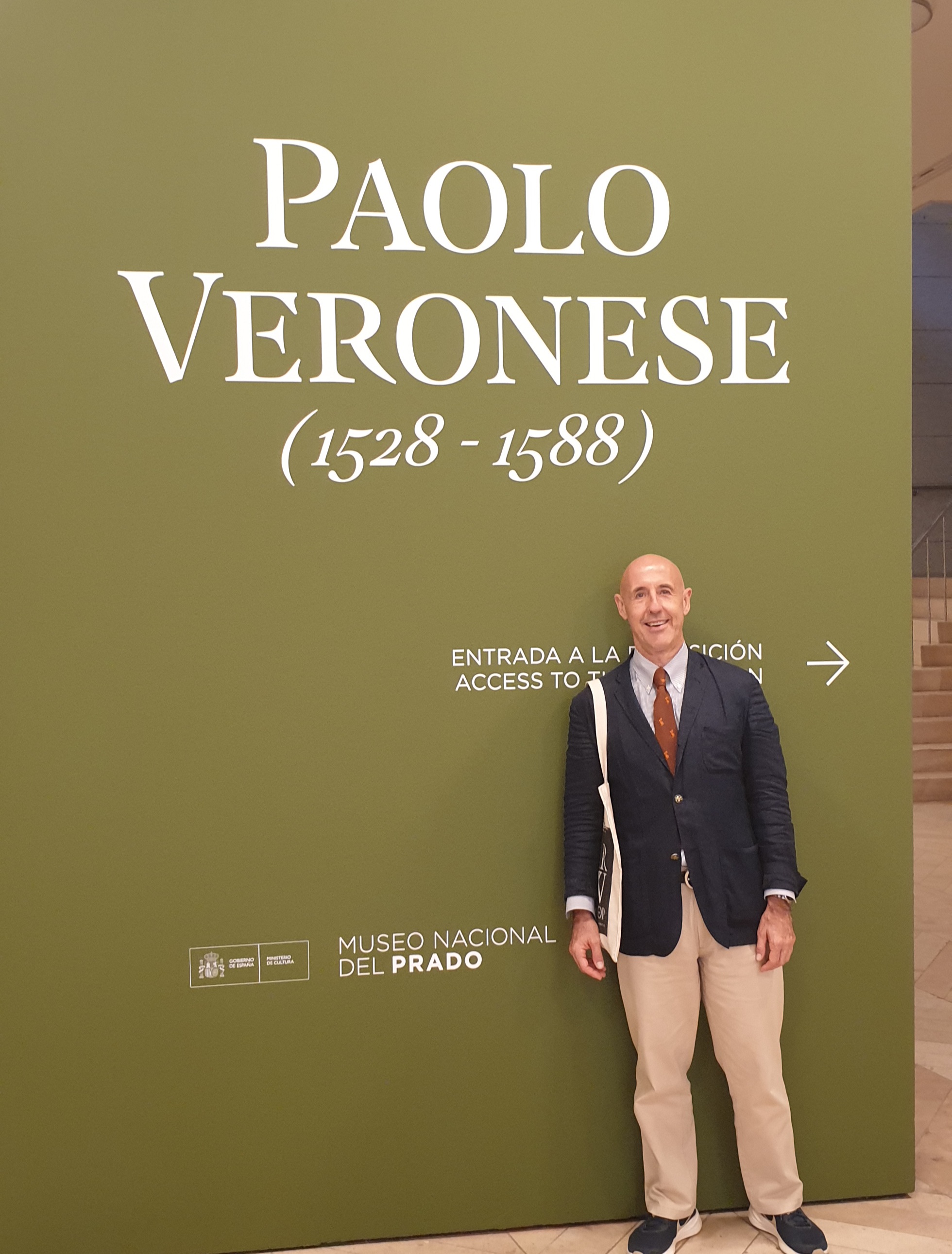
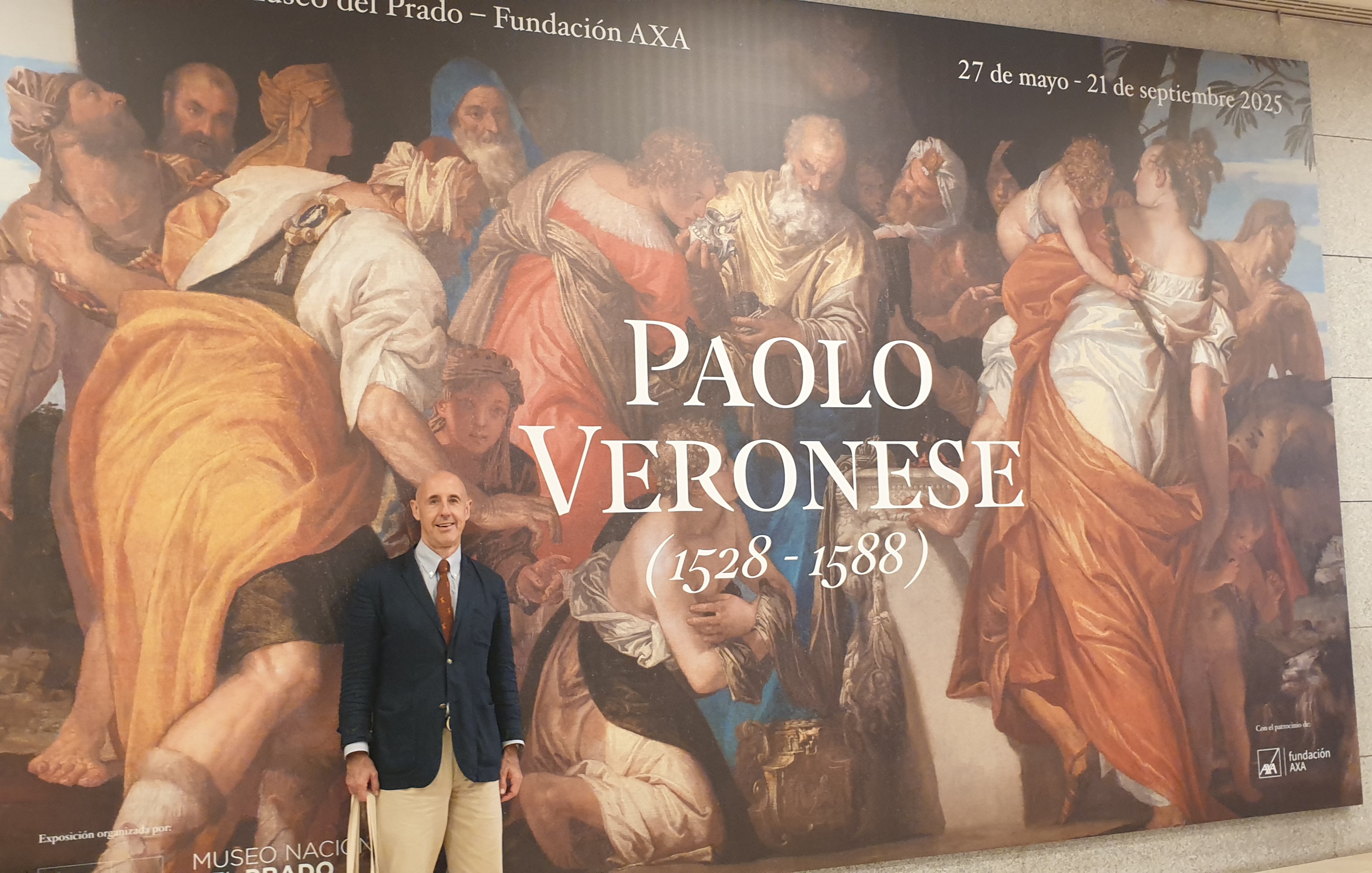
Fortunately, I recently had the opportunity to (partly) fix this by going with my sister to an amazing Paolo Veronese (1528-1588) exhibit at the Prado.

I was blown away!! There are over a hundred paintings from the Louvre, the Metropolitan Museum, the National Gallery in London, the Galleria degli Uffizi, the Kunsthistorisches Museum of Vienna, and, of course, the Prado.

When you mention the Renaissance, the first thing you think of, in painting, is perspective, depth; this is something Veronese has mastered. More importantly, I found the details, and even more importantly, the narrative capacity of the paintings —the ability to tell a story, really special. From a technical or art history perspective, the Renaissance started in Florence, giving them the edge, but Venice soon countered with brighter colors, as a young El Greco would learn. However, all this makes little difference, for a non-specialist like me, I just freaked out at the beauty.

This being the Renaissance, most paintings are of Biblical or Greek mythology stories, making it relatively easy to situate oneself.

So if you are in Madrid until September 29, see the Veronese exhibit at the Prado. You are welcome.

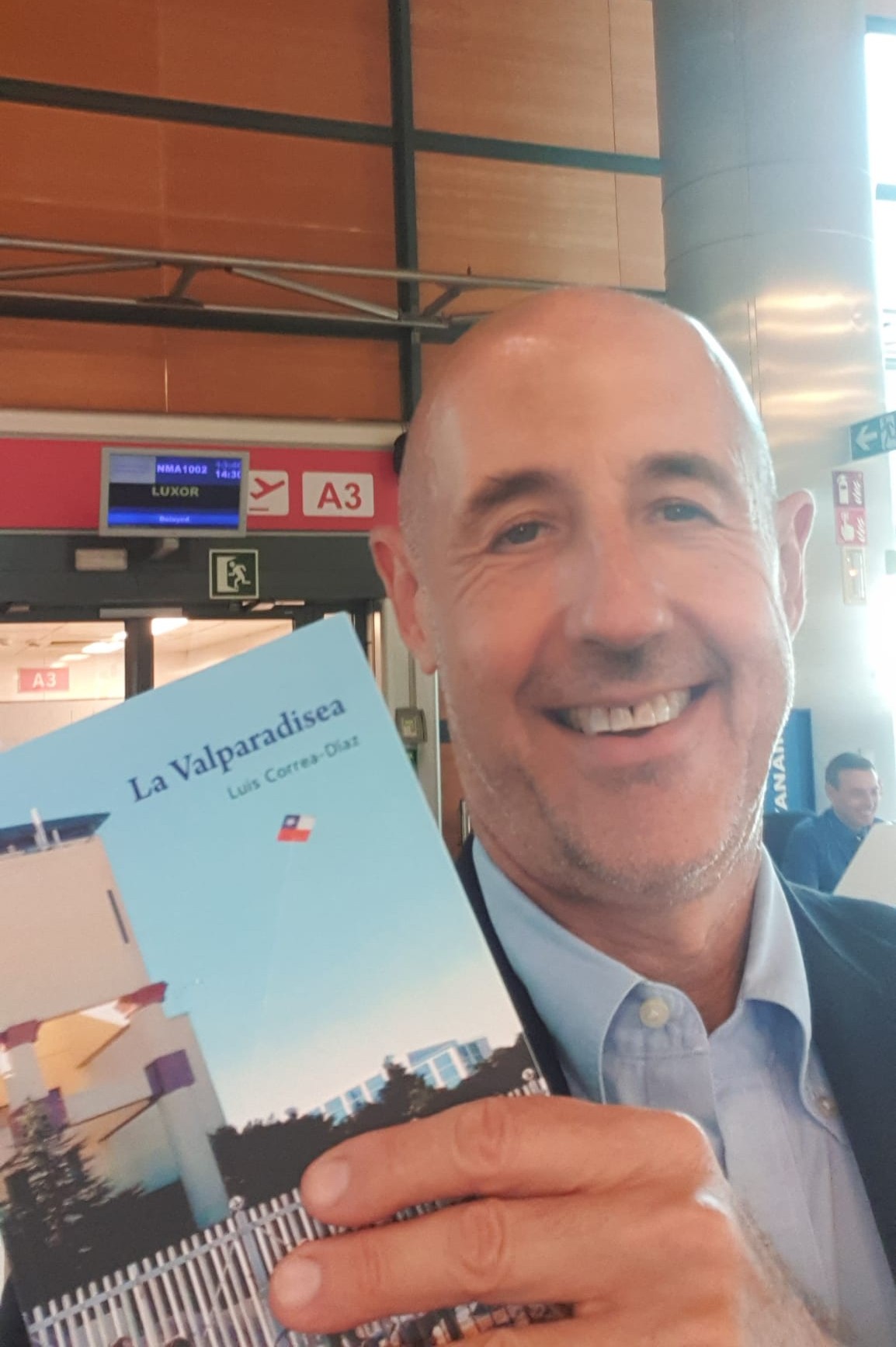
La Valparadisea Luis Correa-Diaz

La Valparadisea LCD

Hay tres tomas de Valparaíso en la película Los diarios de la motocicleta: La primera en la oficina de correos donde Ernesto Guevara, el futuro Ché, recoge una carta de su novia, cortando con él. La segunda es un trayecto en el funicular donde no hay siquiera diálogo entre Guevara y su amigo Granado. Y la tercera es en la playa, donde Guevara acepta que no le queda otra que seguir su aventura. Esto es todo lo que sé, o lo que sabía de Valparaíso hasta que empecé a leer los poemas de Luis Correa-Díaz. En su última entrega, La Valparadisea (Altazor, 2025) Correa-Díaz nos invita a una excursión en dron —droncito— y recoge los corazones rotos como el de Guevara, los trayectos en el funicular, sin diálogo, y las meditaciones en la playa.

Con Correa-Díaz siempre hay más. Sus líneas están llenas de referencias: Jorge Manrique junto a Starbucks, la Nueva Trova Cubana junto a Hieronymus Bosch, al Papa junto a Herzog y todo ello en las calles, plazas, cafés y urbanizaciones de Valparaíso.

Pero lo importante no son las calles ni los edificios, sino la gente que llena los poemas de LCD: Amigos, libreros, familiares, transeúntes, otros poetas, músicos, tenderos, camareros, la gente que hace una ciudad, que le dan el color, la textura, la profundidad y la memoria a los sitios.

La memoria y su hermana la melancolía son el tejido que colorea el tapiz que es La Valparadisea. Los recuerdos de Correa-Díaz, los recuerdos de nuestros hogares que tenemos los que vivimos en el exilio —aunque sea elegido.