The Marginalian by Maria Popova, a blog about a blog, would that be a metablog?

As a blogger myself, I must admit that I do not subscribe to many blogs, newsletters, etc., just a handful:

Although not technically a blog, I get the Center for Action and Contemplation’s Daily Meditation, originally written by Richard Rohr, but as he is getting older, it is now written partly by him but also by the CAC team. Check it our here, and subscribe!

Every week I also get Un salto a Galicia about travel to the northwest corner of Spain, Galicia. (Click here)

But what I want to talk about today is The Marginalian by Maria Popova.

Every week Popova writes brilliantly about how an author talks about certain things. Some recent examples are:

Philosopher R.L. Nettleship on Love, Death, and the Paradox of Personality

The Poetic Physicist Alan Lightman on Music and the Universe

Iris Murdoch on Unselfing, the Symmetry Between Art and Morality, and How We Unblind Ourselves to Each Other’s Realities

Dervla Murphy’s Fierce and Poetic Account of Traversing the World on Two Wheels in the 1960s

Popova combines her own beautiful writing (yes, this hack is jealous) with quotes from the authors featured and gorgeous illustrations. It makes for an enlightening read.

Popova is so inspiring, that I have added her Wednesday email into my reflection time, my mediation, my Lectio Divina, if you will.

If you are not yet subscribed, I cannot recommend it enough. Check it out here.

You are welcome.

How often do you think of the Roman Empire?

How often do you think of the Roman Empire? This was a silly viral question/meme that became quite the sensation last year on the interweb.

I must confess that maybe because of my work in the field of Literature and Culture, I end up thinking of the Roman Empire quite frequently.

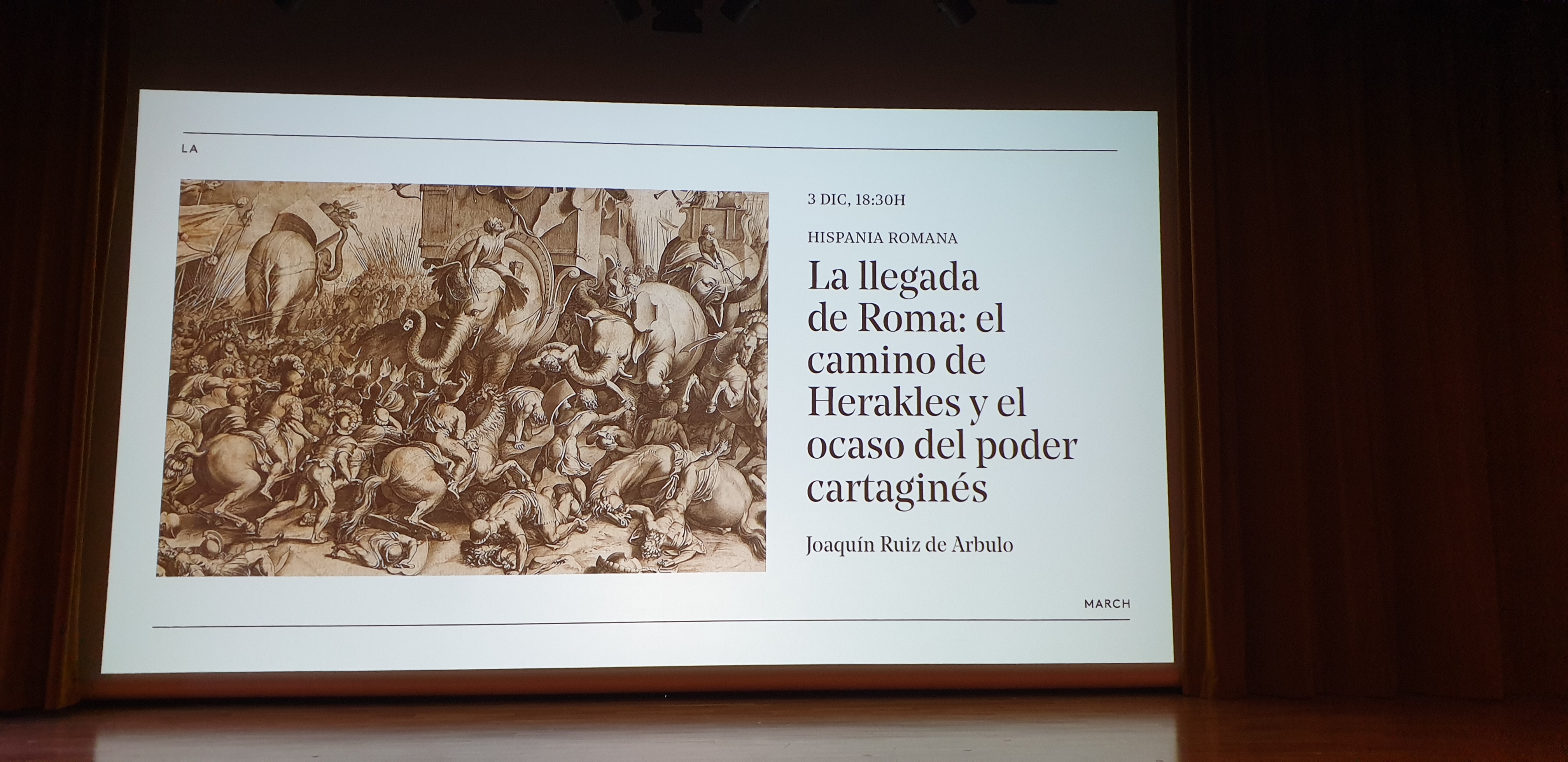
One such occasion was a couple of weeks ago when I had the opportunity to listen to a conference by Universitat Rovira i Virgili professor of Classical Archaeology Joaquín Ruiz de Arbulo at the Fundación Juan March. His conference La llegada de Roma: el camino de Herakles y el ocaso del poder cartaginés about the arrival of Romans to the Spanish península was fantastic.

Ruiz de Arbulo explained that by the time the Romans arrived in Spain, there were already Celts, Phoenicians, Carthaginians, Greeks and Massaliotes, which was a Greek tribe from modern day Marseille. Despite being a leading academic in his field, Ruiz de Arbulo spoke clearly and simply, listening to him was mesmerizing. He had a great Power Point explaining how tuna fished in Cadiz was dried and sold in Egypt, and how stuff from the Eastern Mediterranean ended up on Spanish shores long before the Romans even got here, how traders and sailors had a temple in Rome, etc.

In conclusion: I do think about the Roman Empire a fair bit. How about you? Let me know in the comments -and no, I am not going to try to bring back that old internet meme, although it might make my blog a bit more popular!

A night at the theatre: Luces de Bohemia

One of my favorite plays, although I came to it rather late in life, is Ramón del Valle-Inclán’s Luces de Bohemia. (I wrote a short review of it here, although I found an error in my review: the concept of Esperpento defines chaotic Spain, not the world, as I wrote in my review).

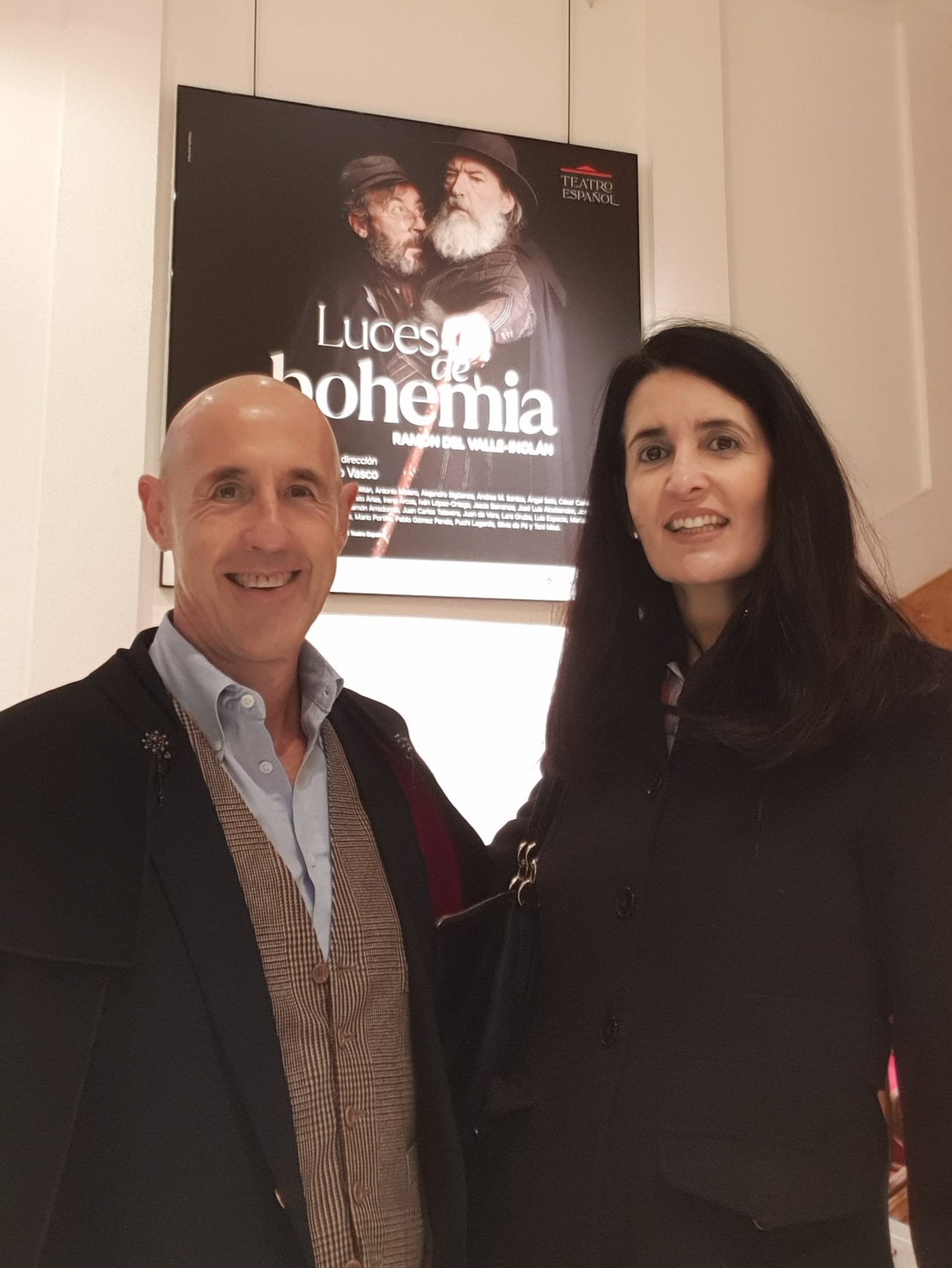
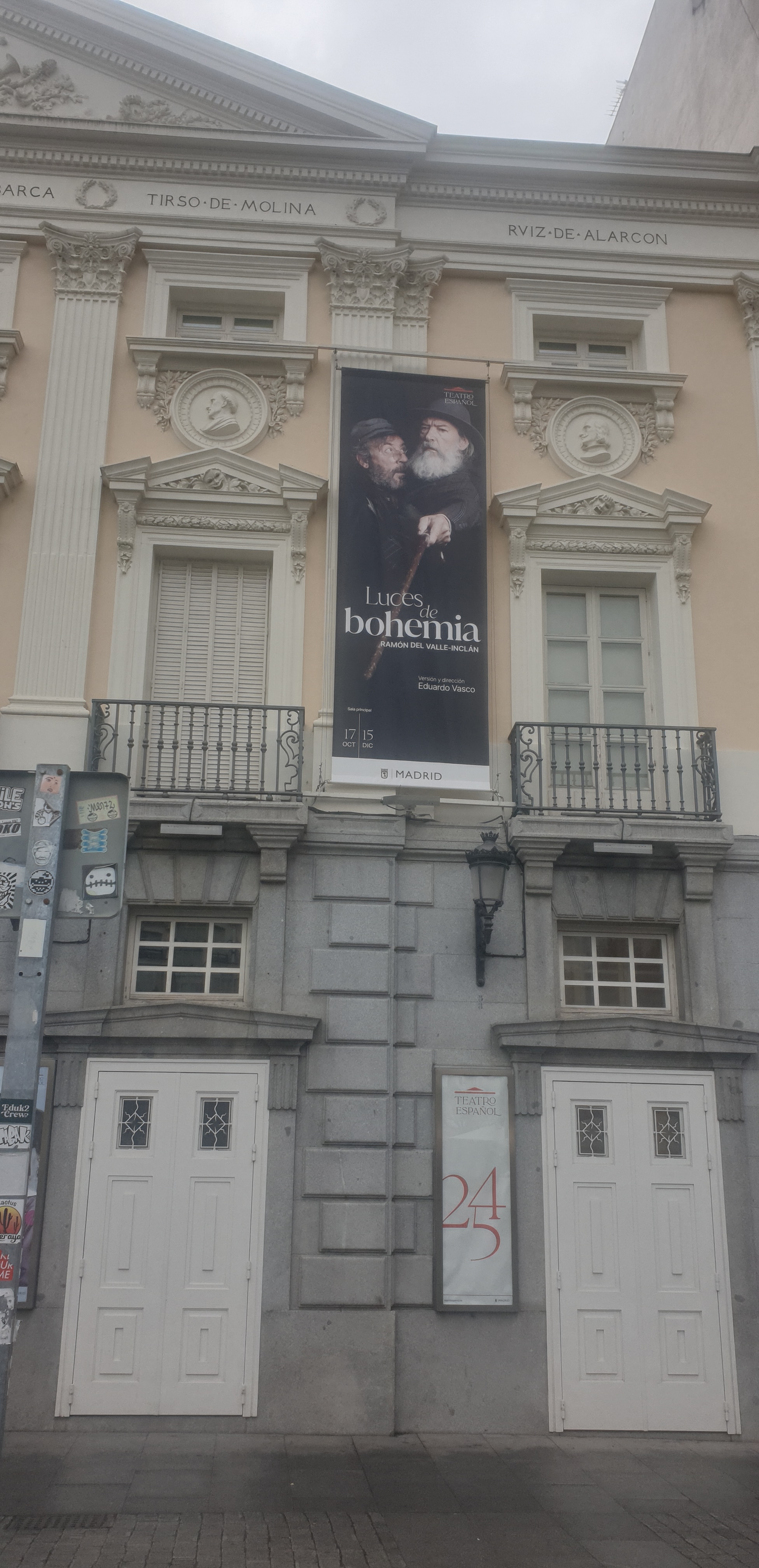
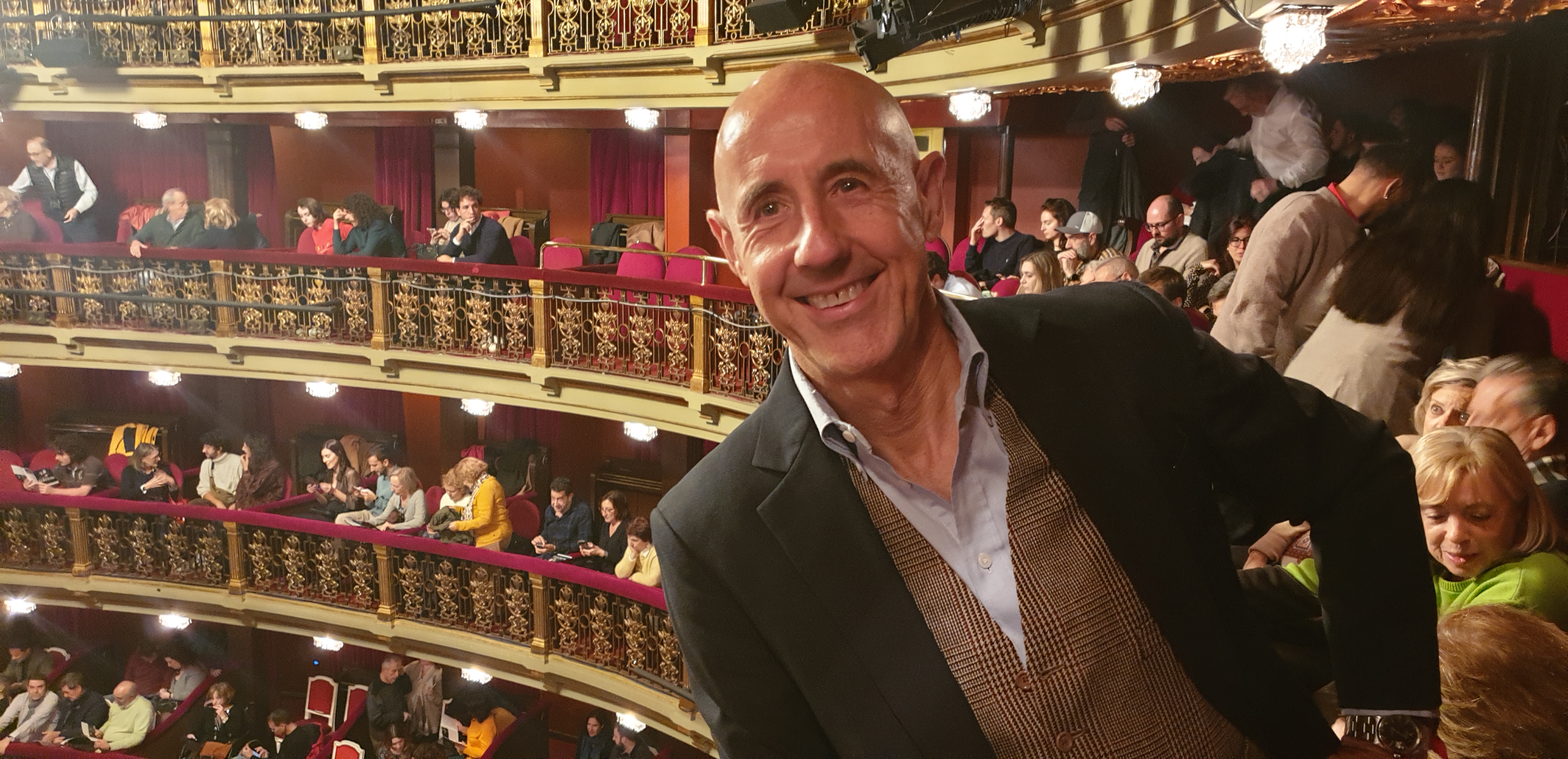
At any rate when I saw it was showing at the oldest working theatre in the world, the Teatro Español in Madrid (you can read about it here), I immediately bought tickets for Celia and I.

The play was wonderful, the lead, Max Estrella was exquisitely performed by Ginés García Millán. The stage was well set, minimalist obviously, but with good taste and enough elements to add texture and depth. It even had a live band, something rare in Spanish theatre in general. The play, although tragic, perfectly describes today’s Spain despite it being written a hundred years ago.

If you have never been to the Teatro Español, it is in a little square, right smack in the middle of downtown Madrid. A Saturday night in Christmas time, with all the tourists, domestic and international, it was literally unwalkable, everybody with their cameras taking photos of the Christmas lights… If you are thinking of coming to Madrid this Christmas, don’t, unless you get tickets to see Luces de Bohemia.

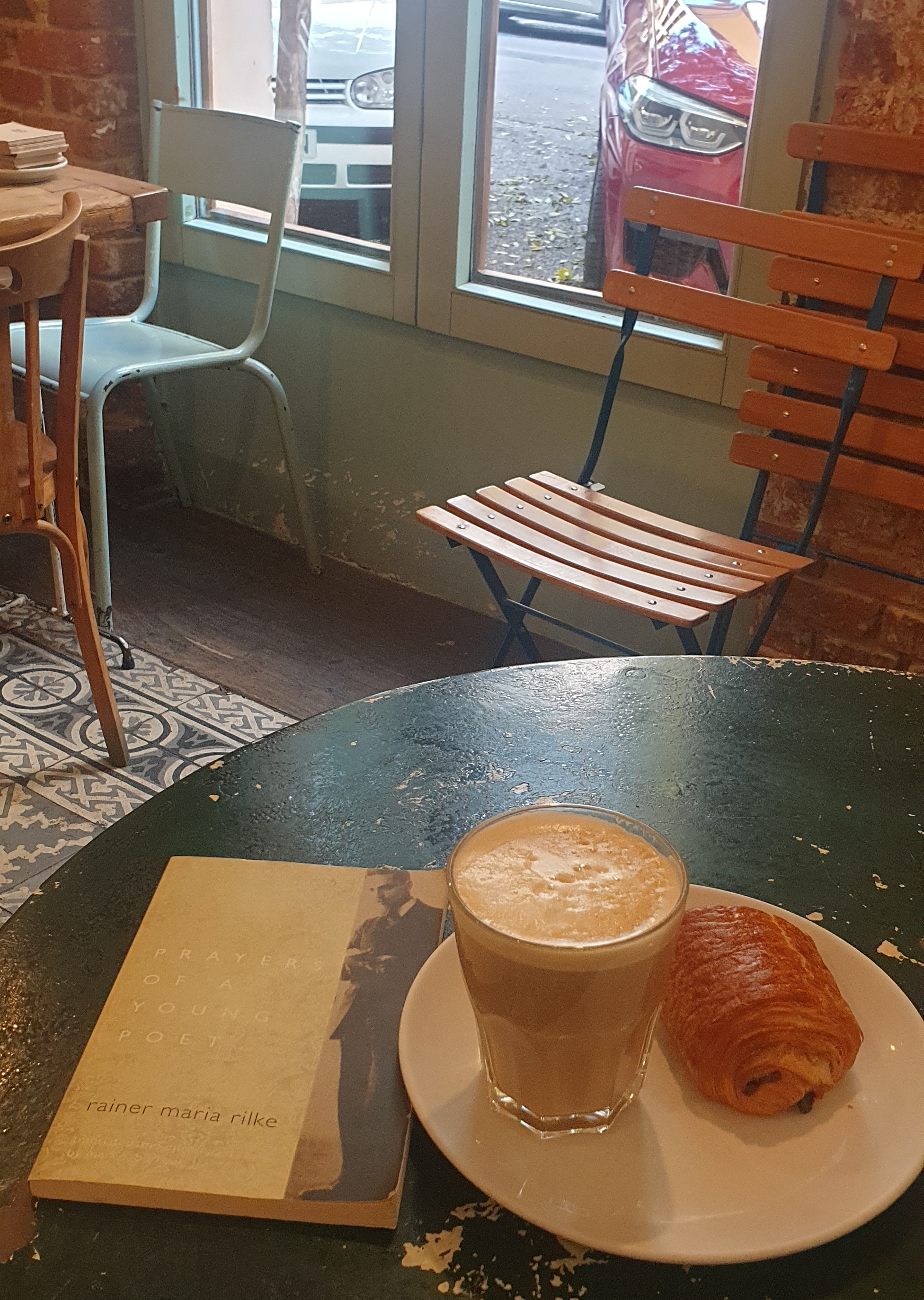
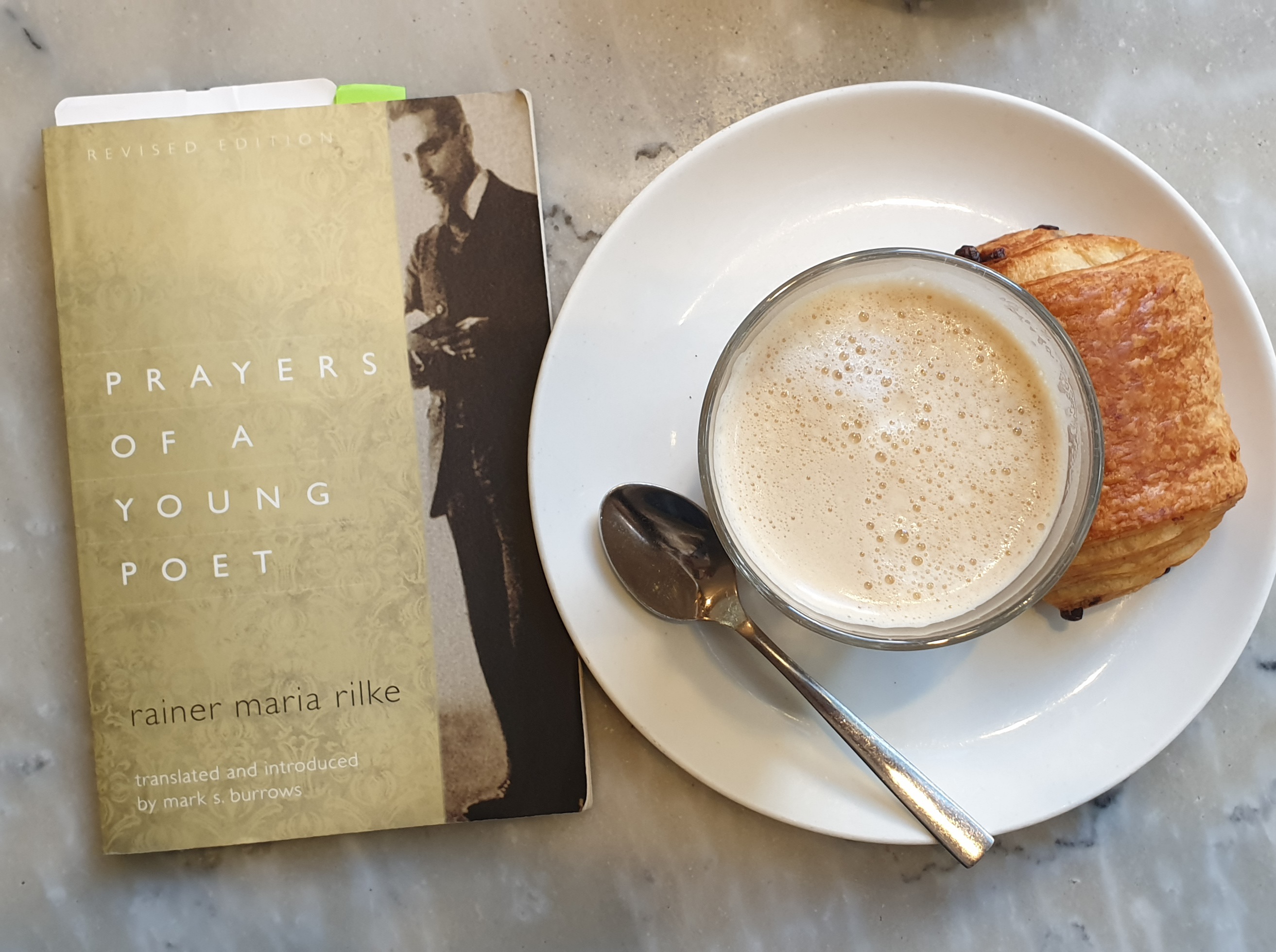
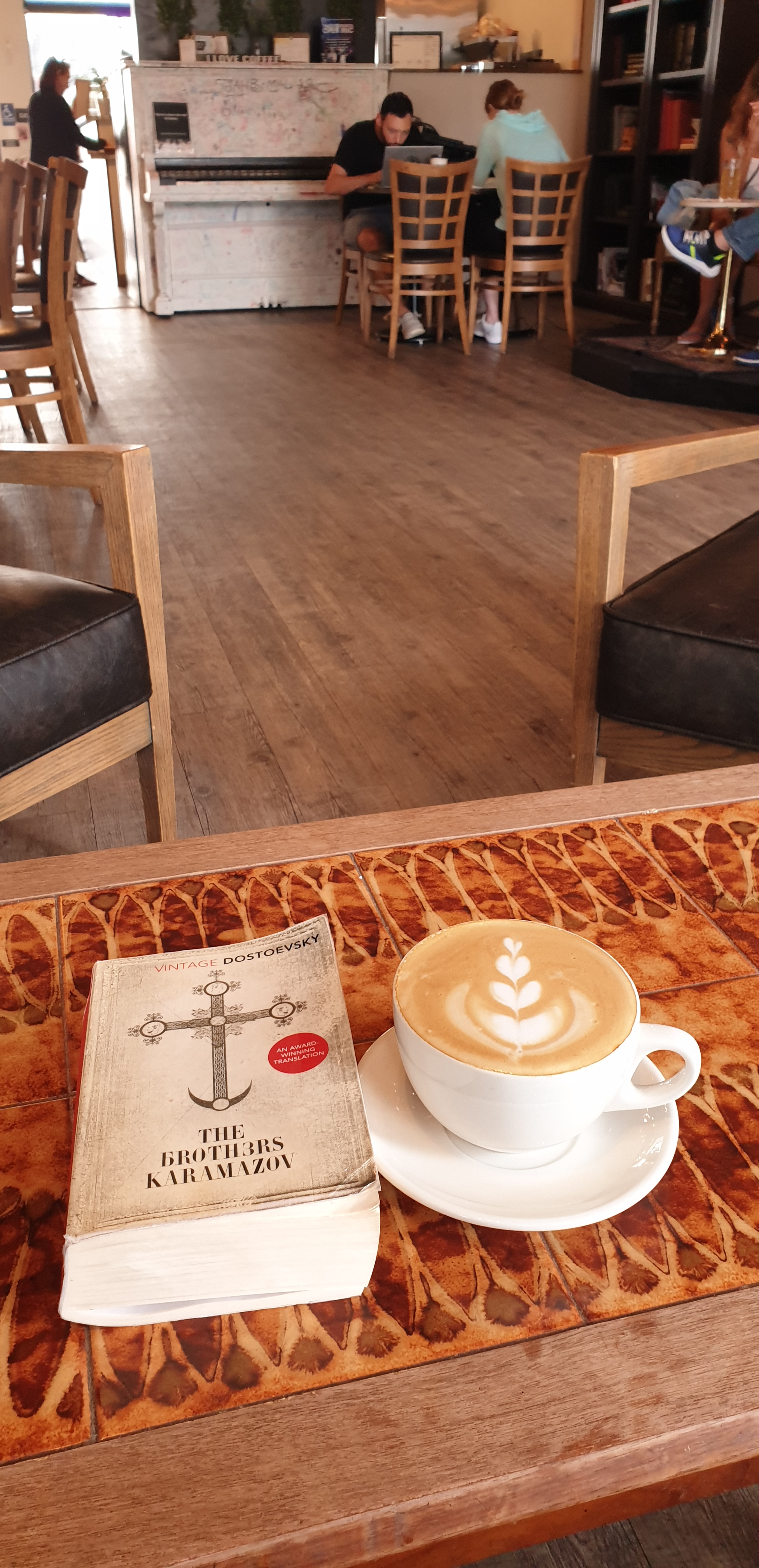
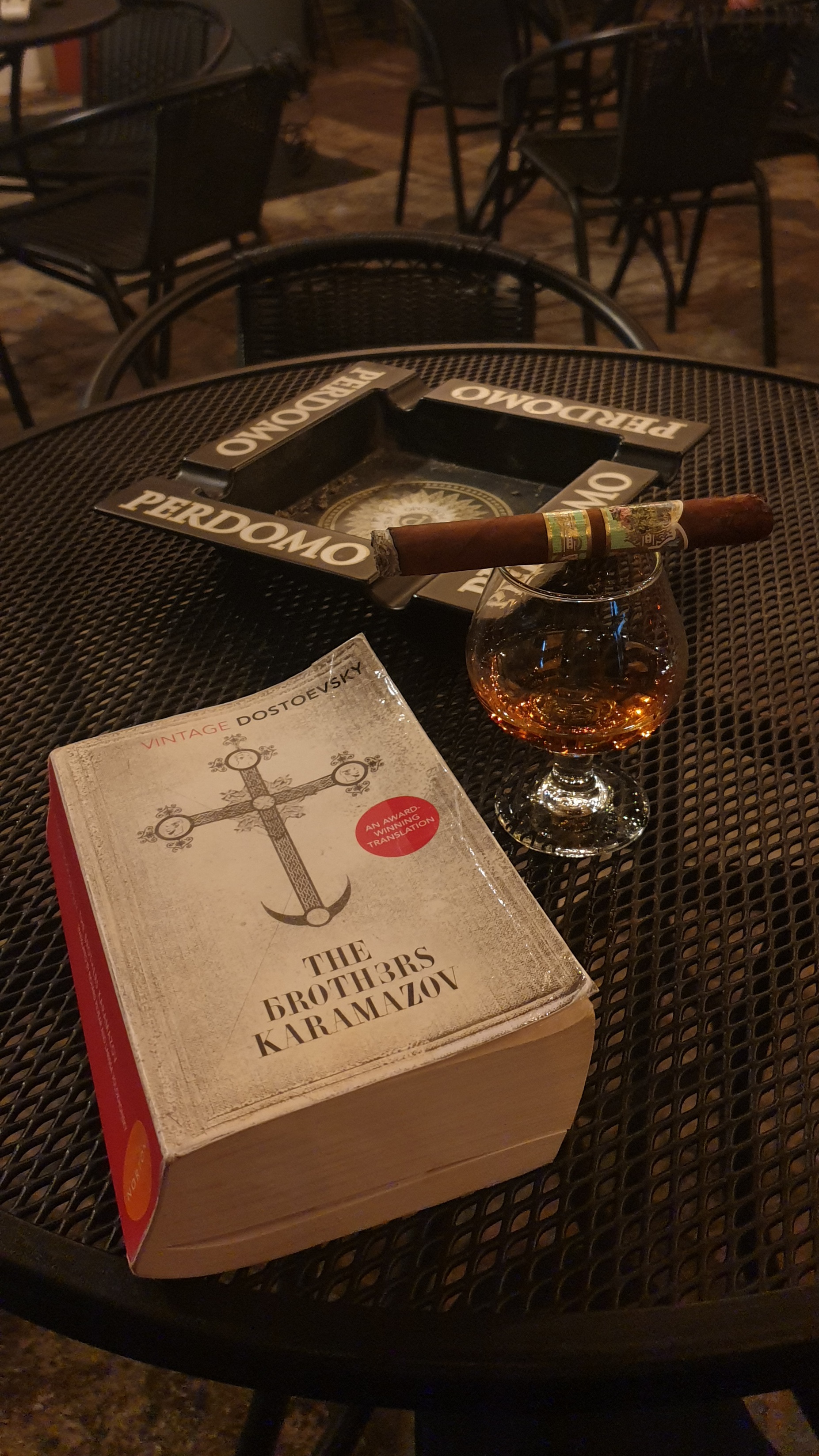
The monk in Rainer Maria Rilke’s Prayer of a Young Poet and Alyosha Karamazov; the same person?

One of the best things about having your own blog is that you can write whatever you want. Even if it is pseudo academic, or as one of my students says: Dr. B’s conspiracy theories. No double-blind peer reviews, no scientific method, no academic prestige to worry about, just my unadulterated thoughts, a hunch. So enjoy:

Why am I fascinated by the turn of the (20th) Century Central and Eastern Europe? I have written about it a couple of times (here and here).

I just finished Rainer Maria Rilke’s Prayers of a Young Poet, and it blew me away!

Rilke authors this 68-poem collection in the voice of a nameless Russian Orthodox monk. The spirituality is palpable. Each poem has a brief footnote denoting where and/or when it was written: “2nd of October, beneath soft evening clouds”, “On the 5th of October, written down in the exhaustion of evening, having returned home after having been out among the people.”

Perhaps due to my ignorance and lack of reading, I kept thinking of Alyosha Karamazov from Dostoyevsky’s novel.

What connects these poems and Alyosha Karamazov is a simple innocence, a pure love of life and humanity in lines like:

“I want to love things in ways no one has yet done.”

or

“The hour bows down and stirs me

with a clear and ringing stroke;

my senses tremble. I feel that I can–

and seize the forming day.”

So, that is my hunch, my thesis. That there is an existential connection between the monk, the narrative author of Prayers of a Young Poet and Alyosha Karamazov, as if he had drafted those poems. But, you say, there are hundreds if not thousands of Russian Orthodox monks and many of them are in literature. My answer to your comment is the first line of this blog post. Also, I am a romantic, can’t you see? And this connection is just beautiful, and delicate, and awesome!

Rilke travelled to Russia and was entranced by their culture, art, and most importantly their rich religious tradition. He also could have read Dostoyevsky’s masterpiece published in 1880, 19 years before the original publication of Prayers in 1899.

Yes, I could go on and on and get all academic, but this is a general interest blog, so there you have it. If you do want me to elaborate on my thoughts, let me know in the comments!!

On parties, galas in particular.

In the world of parties, fundraising galas have a special place, and I love them.

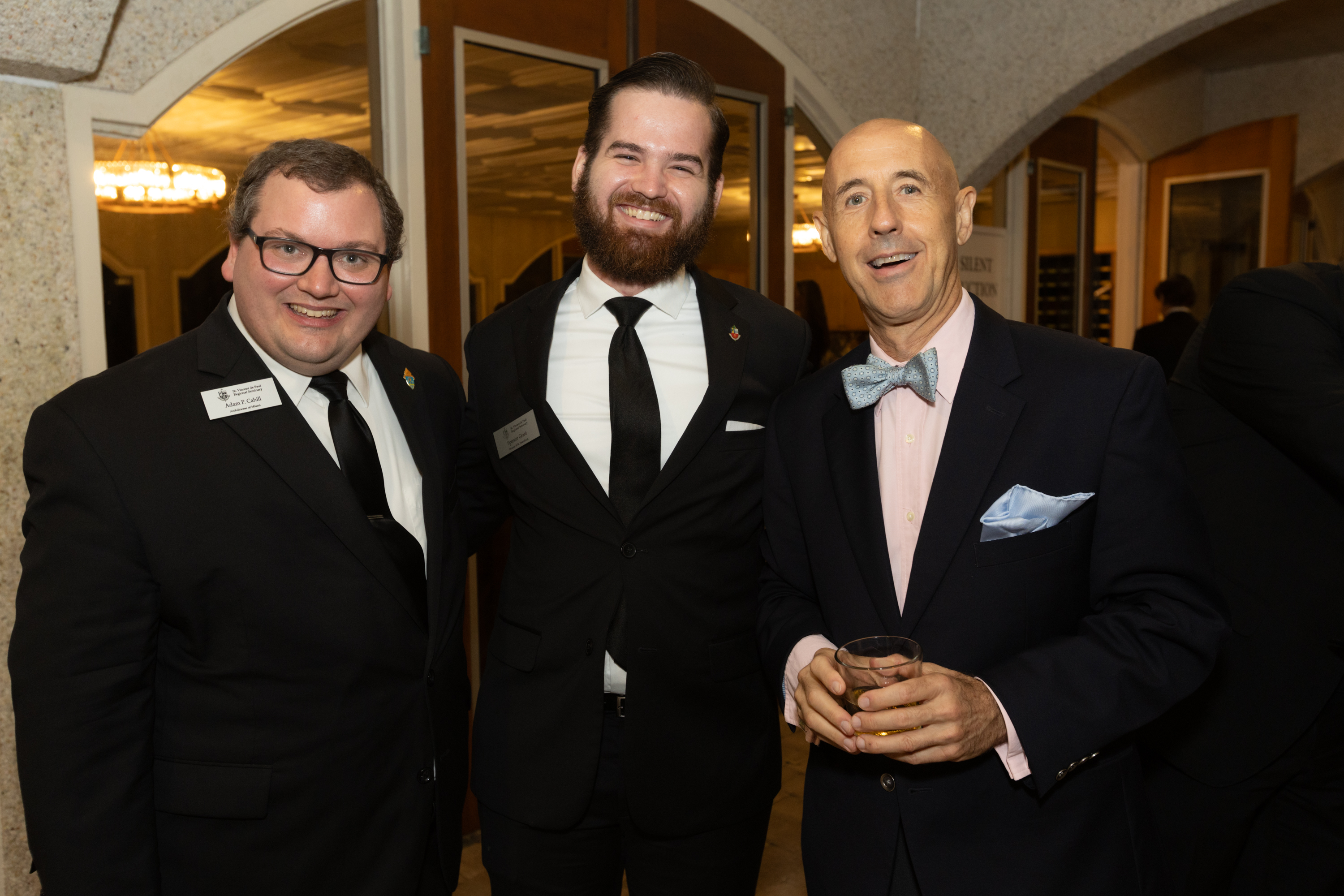
When I volunteered at the Ronald McDonald House of Chapel Hill, I worked at the gala, but at St. Vincent de Paul I have had the privilege of being an invitee!

So what makes a fundraising gala different? Consider the purpose: to raise money for your institution. That is going to make your guest list interesting i.e.: rich. Second, you are going to have other events within the party: an auction, a silent auction, and of course, the basic building block of parties: food, drink, music, possibly dancing; in our case a wonderful mass with ten bishops!

What I love the most about these parties is the socializing, the connections, the conversations, the banter, the joking, the good, positive vibe.

One of my few friends in the suburban wasteland that is South Florida I met at our gala five years ago and we are super friends! Plus a few acquaintances, and people that you only meet that one time, but have a nice conversation with.

It is a privilege for me to attend these galas and I love going and meeting people and chatting with different folks. The fact that the event is run by our students, and I get to chit chat and joke with them makes it even more fun!