
Museo Arqueológico Nacional MAN

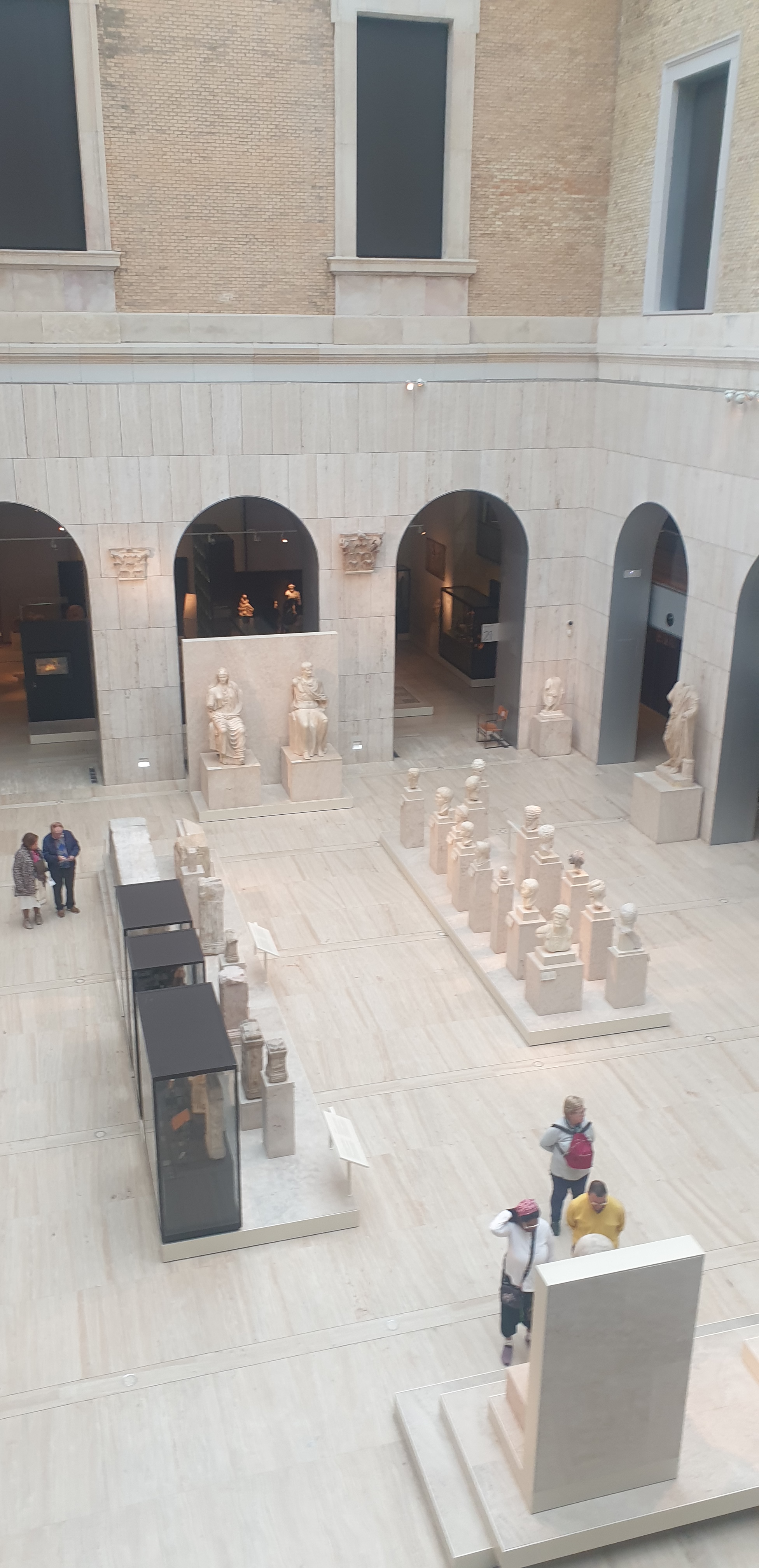
When one of your best friends is a noted fine antique art restorer and he invites you to walk around the Museo Arqueológico Nacional, something you had not done since you were a schoolboy, you drop everything and go!

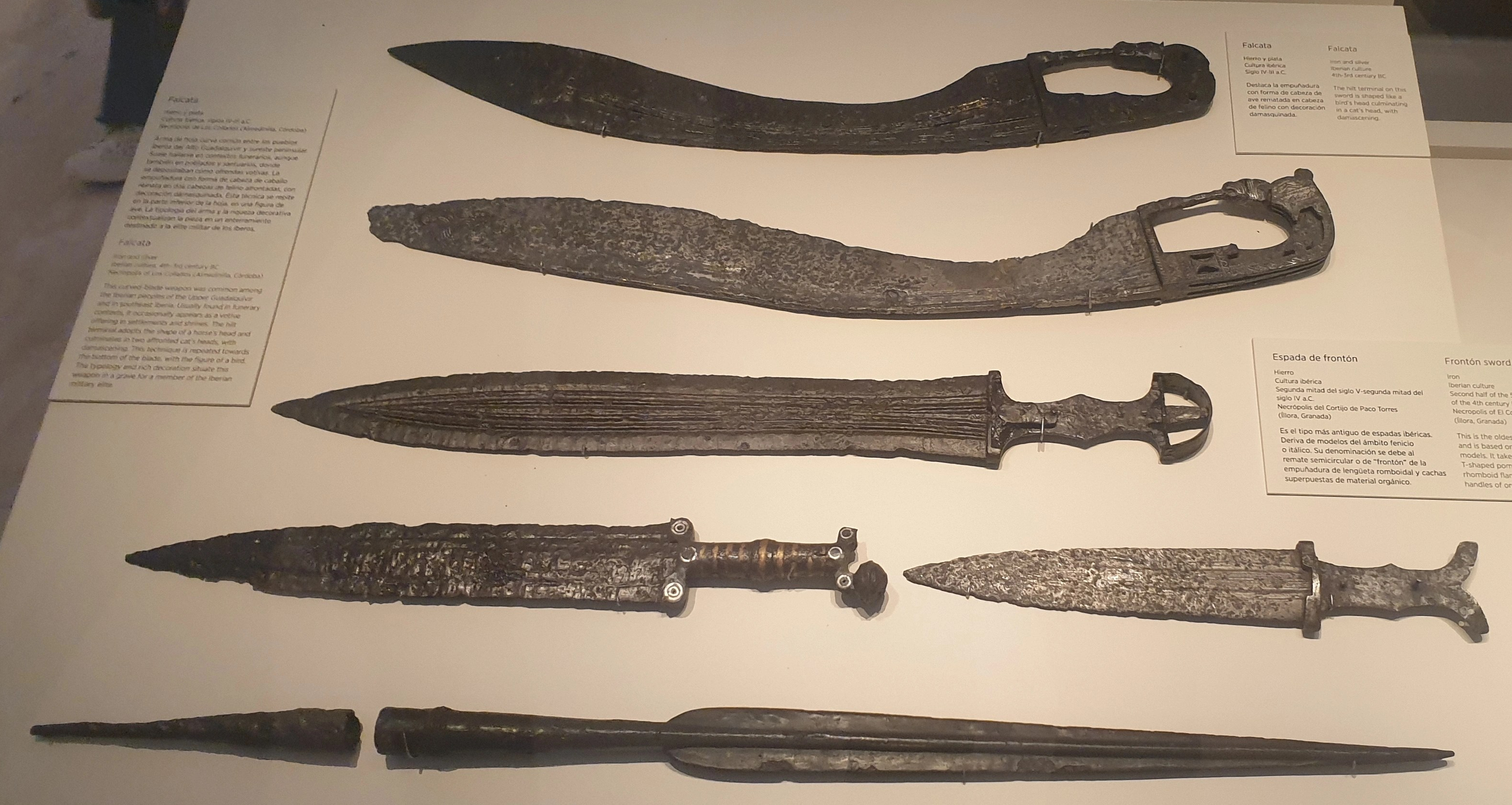
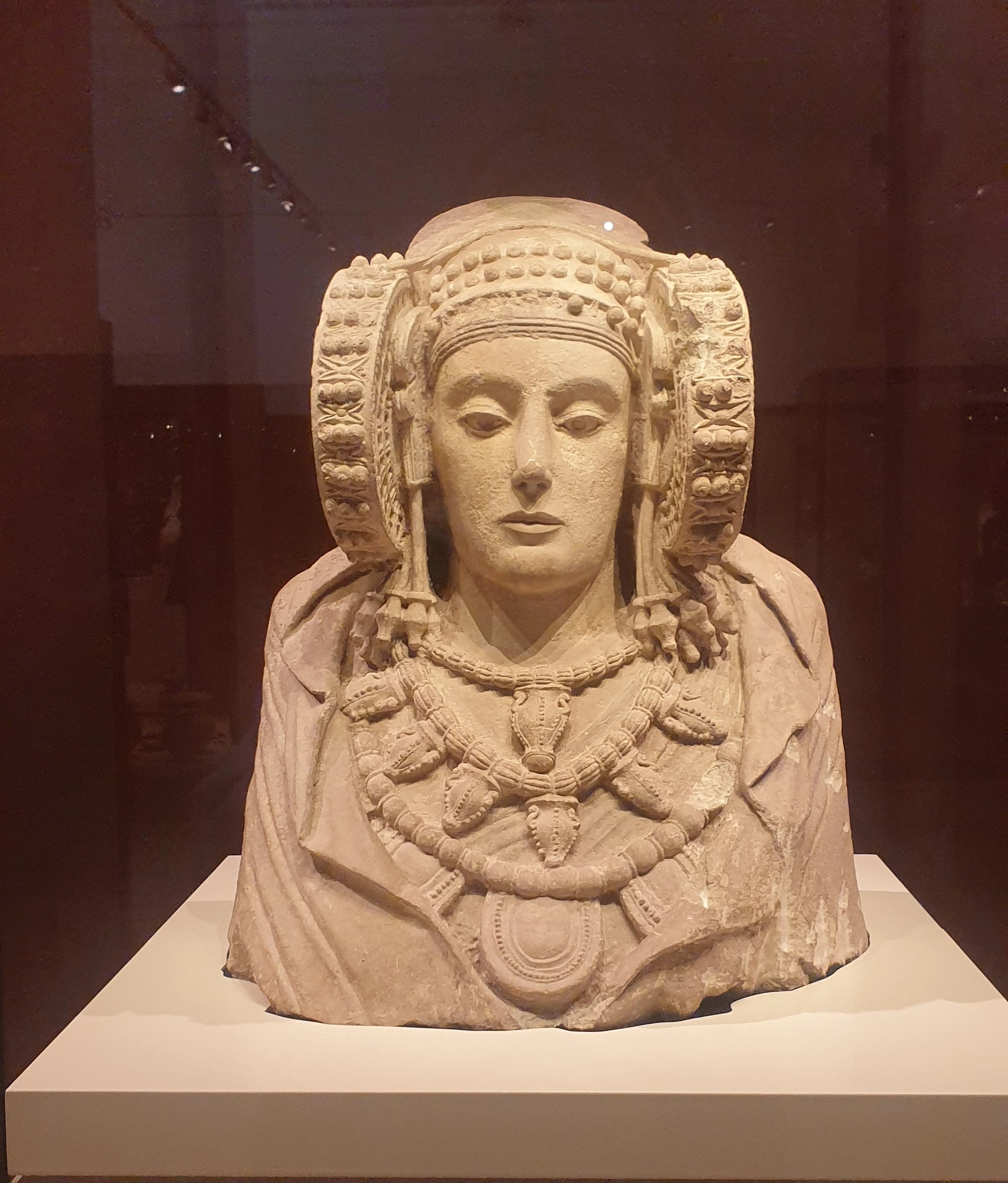
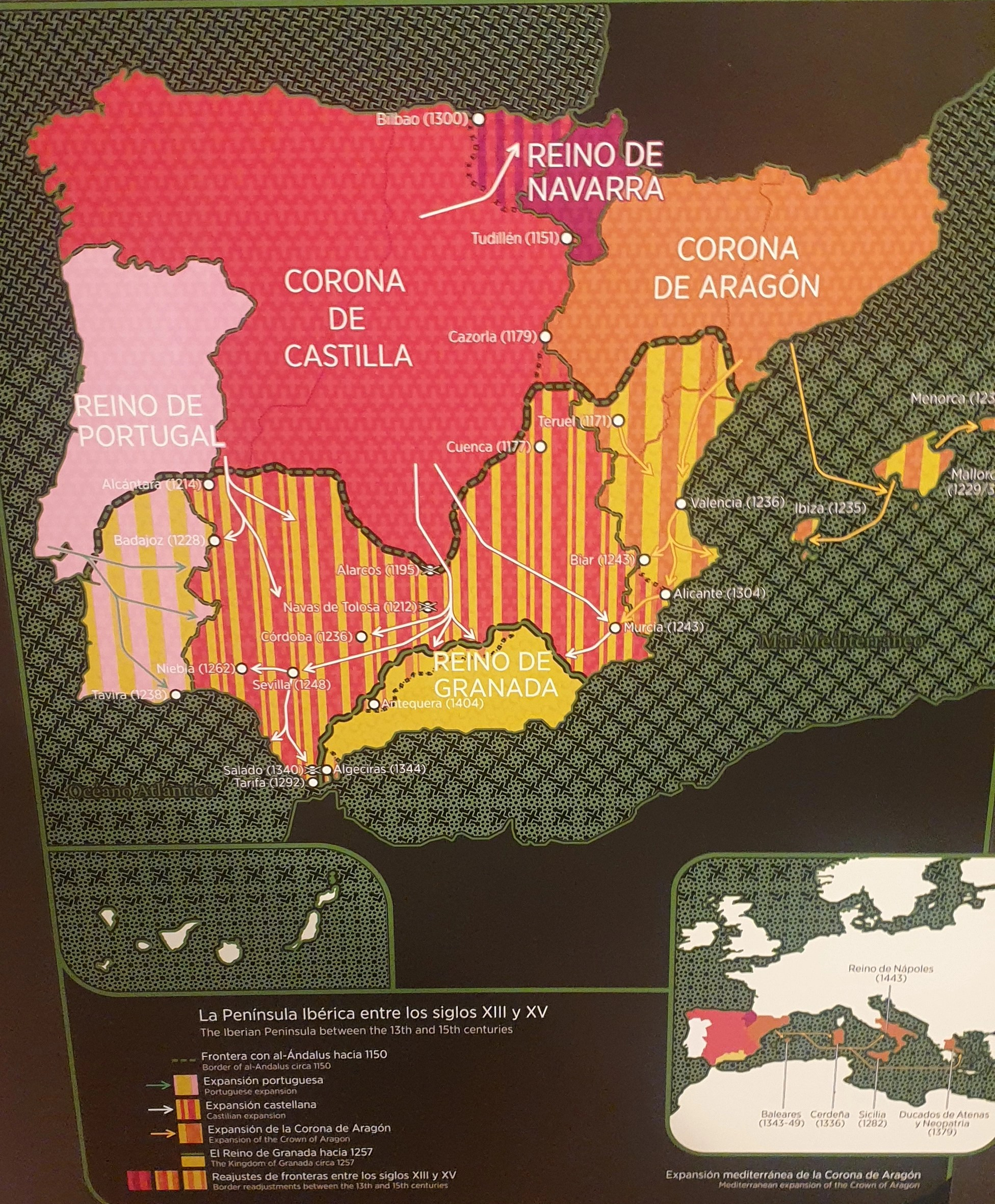
First, what a wonderful job they have done renovating it! The museum shares building with the National Library -One side Library, one side Museum. In it you will find everything from prehistoric bones to early 19th C artifacts. Of course, the main exhibits are from Spain’s first inhabitants, the íberos, with their rich sculptures, like the Dama de Elche -the museum’s undisputed jewel, and their falcata swords feared by the Romans… (Jaime restored a bunch of these curved swords and told me everything about them).

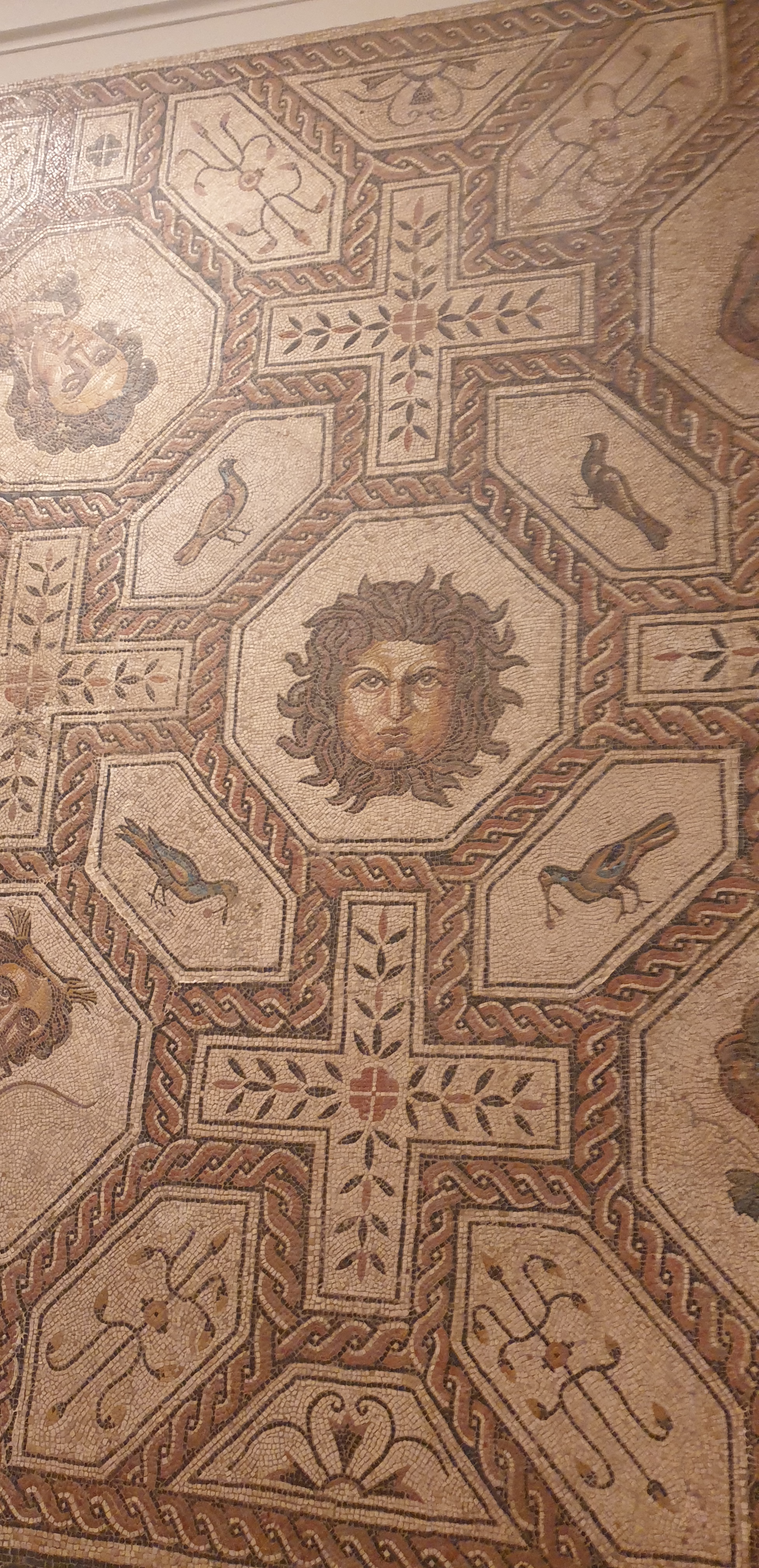
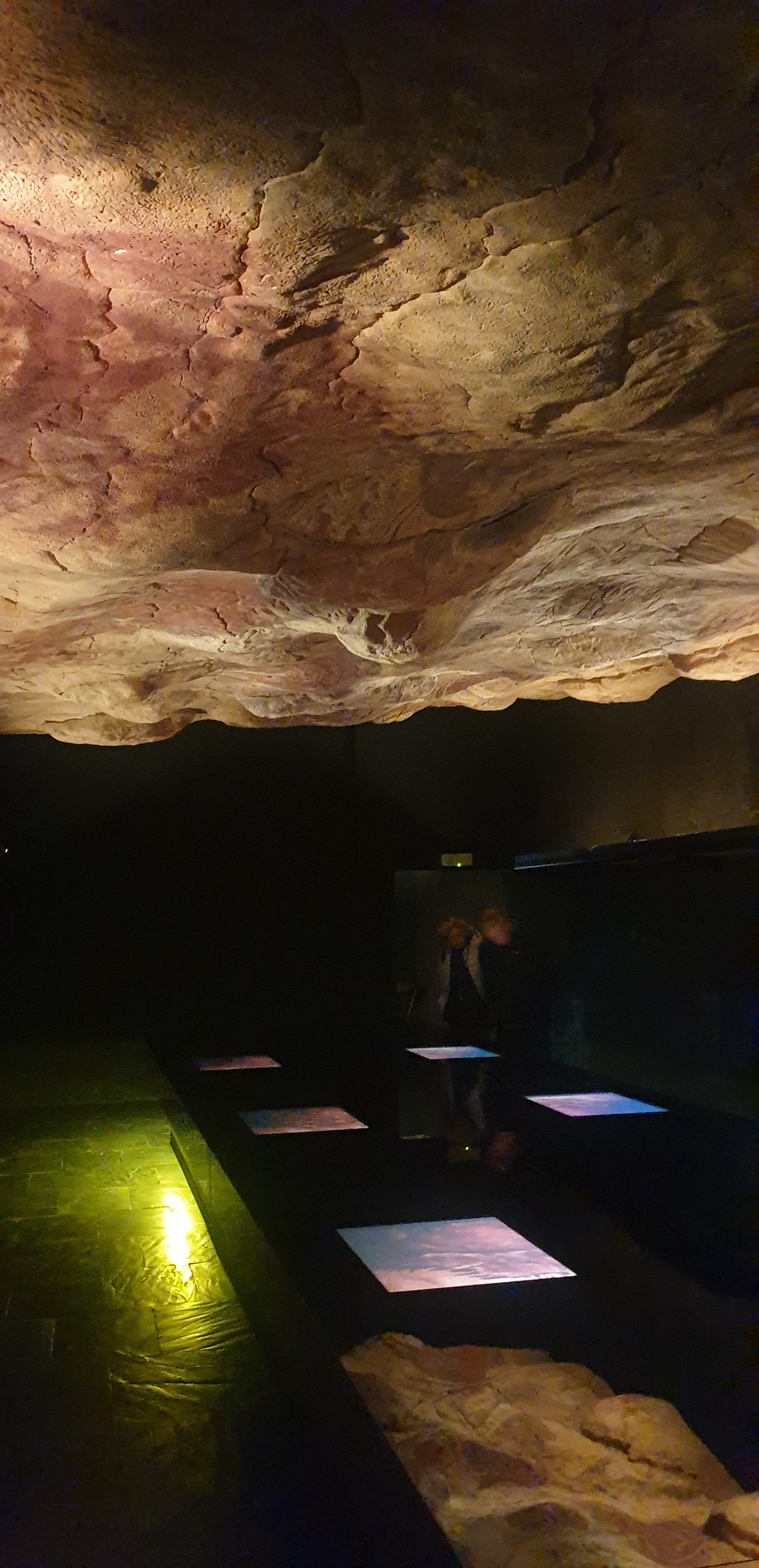
The room of Roman mosaics is mind blowing, the Greek room, the Romanesque room also, and on and on. The whole museum is jaw dropping! And if that was not enough, under the garden, they have recreated the Altamira caves with their prehistoric paintings, it is literally a cave with the painting on the walls and ceilings.

Jaime even introduced me to some of his colleagues and showed me the labs and workshops, even the library where he works when he collaborates with them.

So, if you are in Madrid, do not miss the Museo Arqueológico Nacional, also, it is on Calle Serrano, a main shopping street so you can kill two birds with one stone!!

You are welcome!

The Streets of New Orleans, The New Orleans Gospel Stars, gospel music as a meditation.

It was love at first sight. The streets, the feel, the vibe, I stayed at a dingy little hotel in the French Quarter, the Andrew Jackson, my room stank of weed, every morning I had breakfast at the Clover Grill Diner before heading to work. In the mid-90s I went to New Orleans two years in a row for a conference. I do not remember much about the conferences, but New Orleans stayed in my heart. But I was not new to New Orleans, for years I had listened to its music, its magical, powerful, beautiful music which my dad loved and played constantly. As a result of this, I got hooked on the New Orleans sound, listening to Branford and Wynton Marsalis, Harry Connick Jr., Jon Batiste and so many more.

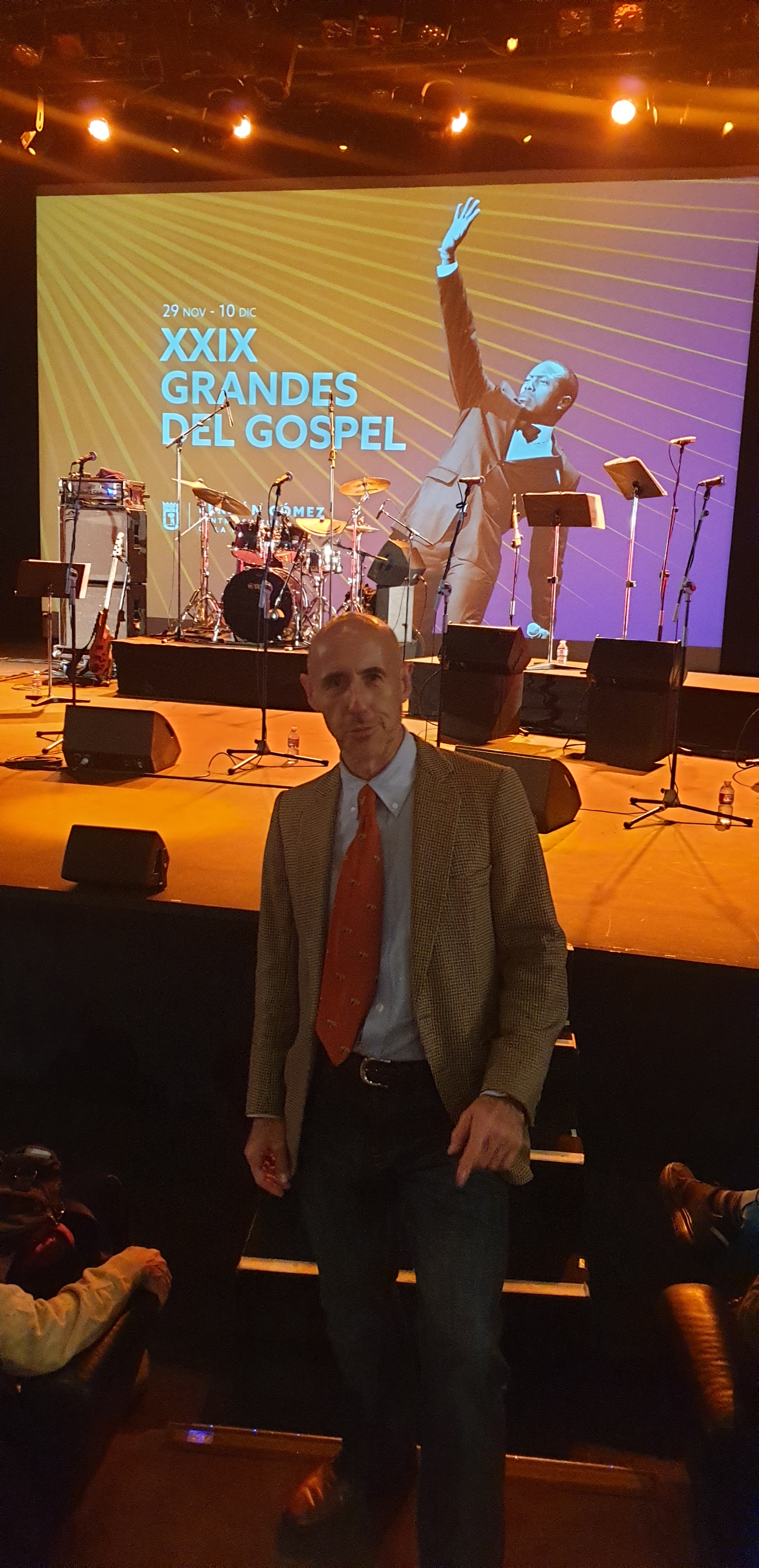
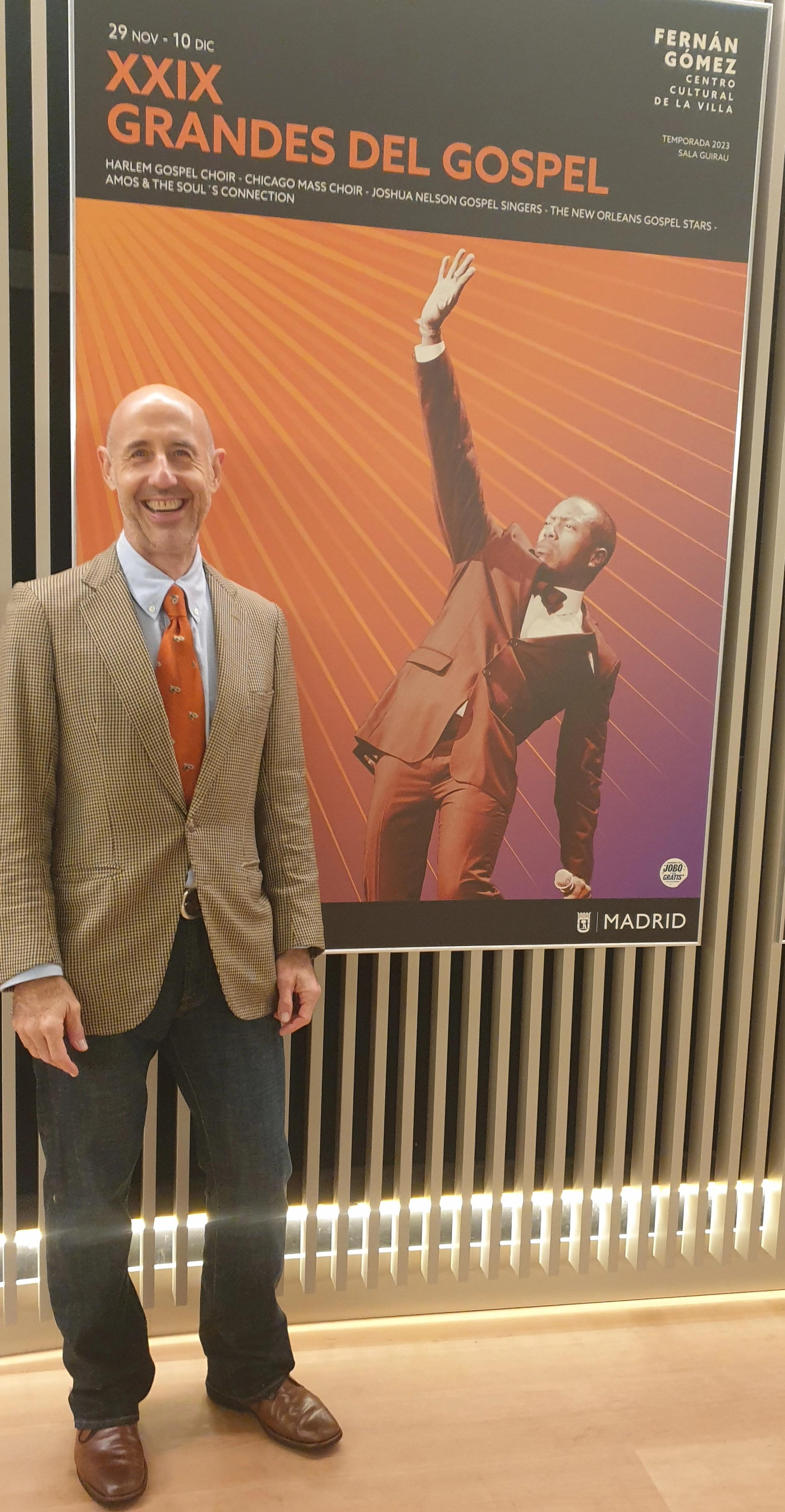
The other day I saw a poster for a Gospel Choir concert in Madrid, and Celia and I immediately invited my niece and my nephew to the concert.

It was a blast! The brass marched into the hall playing a beautiful version of “Just a Closer Walk with Thee” which I know and love from Van Morrison’s version, then the rest of the band walked in and ignited the crowd with their rhythm and energy. “What a Wonderful World” was nice, but nobody can come close to Louis Armstrong on that one. At the end we got the classic: “Oh Happy Day.” For the grand finale: “When the Saints Come Marching in.” The normally conservative Madrid crowd was all standing and dancing! What a show!

Richard Rohr writes in his daily reflection about this music:

worship in the Black church can create a communal contemplative experience

CAC faculty member Barbara Holmes

My niece and nephew enjoyed it. I loved traveling back to my dear New Orleans, as I had not been there since the start of this blog in 2011 (check it out here) when I applied for my PhD in Tulane.

Here is a clip of the amazing New Orleans Gospel Stars, enjoy:

Culture in cities, Fundación Juan March; Antes de America.

One of the principal reasons I love cities is their fantastic cultural offering -lots of it free. So, when I am in Madrid, I make the most of it and try to go to as many culturally stimulating events as possible.

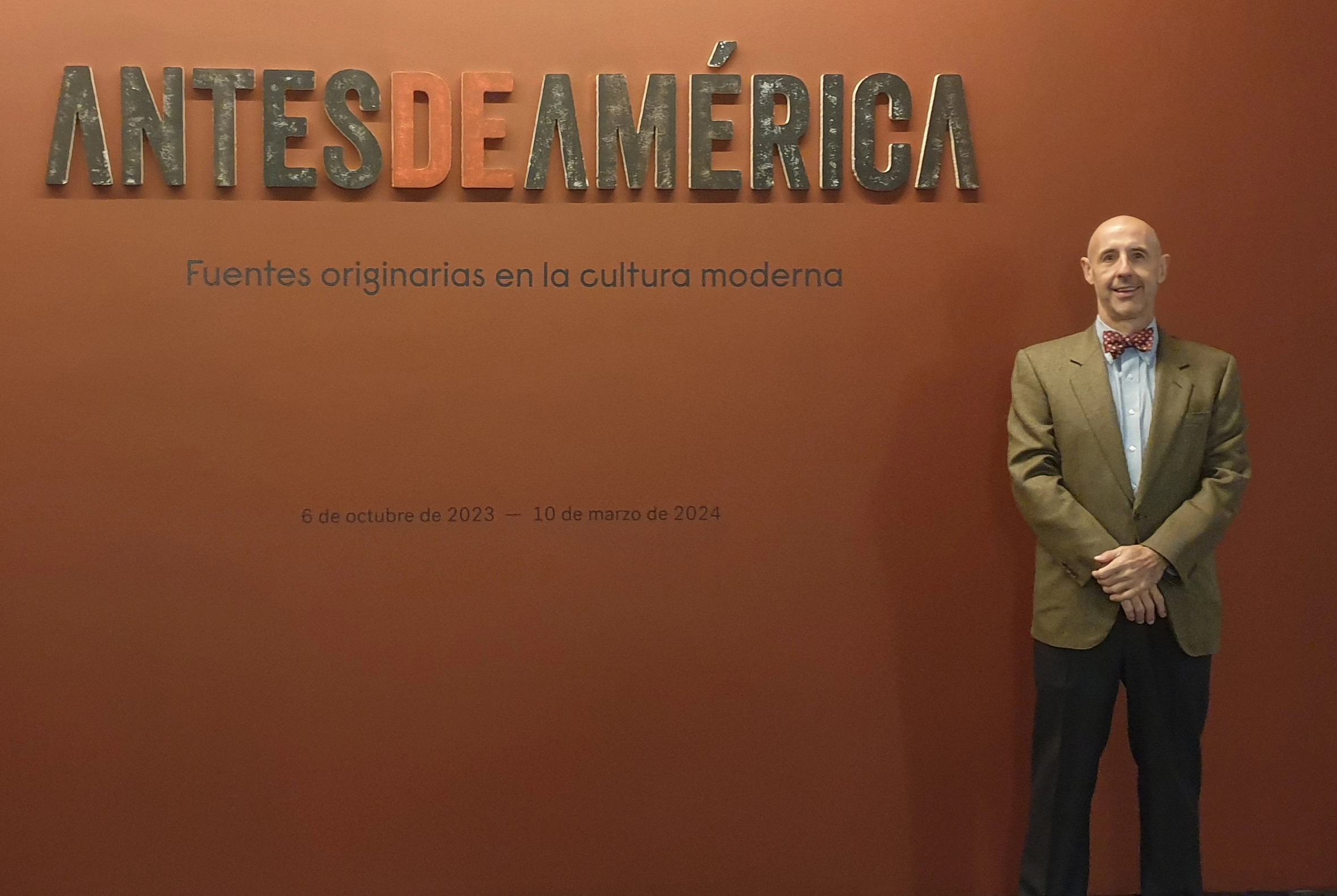
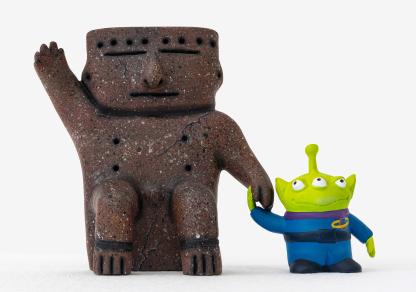
The other day I went with my nephew to the Antes de America exhibit at the phenomenal Fundación Juan March. What this exhibition sets to show is the influence of pre-colonial art on post-colonial art. It was a massive display showing pre-colonial artifacts next to the artifacts it inspired: from furniture to posters, record covers, pottery, all sorts of stuff.

Although the brochure claims the exhibit highlights art from Tierra de Fuego to Alaska, most of the material was Mesoamerican. Admittedly, that is also the region with the richest concentration of cultures -I am guessing because of the weather, but I am not a paleontologist or any kind of scientist, so what do I know?

One of the more important things I learnt from this exhibition was how prevalent ancient American art is in our modern culture. You might see a cool geometric design on a poster for a concert, for example, but in fact it was done hundreds of years ago by a tribe, people, culture that is no longer with us.

With hundreds, maybe thousands of pieces on show, there are bound to be some misses and I did find a couple of choices somewhat questionable. But again, this is not my field of expertise, I am just an old, white guy.

In conclusion, the exhibit is phenomenal in volume and content, if you are in Madrid before March 10, 2024, I highly recommend a visit. The Fundación has a cute little coffee shop in the basement and a cute little library you can borrow books from! And of course, the obligatory gift shop which sells the massive catalogue from the exhibition (yes, I got one!).

Seven Samurai vs The Magnificent Seven a cultural perspective

Unless you want to see hundreds of articles comparing these two films, do not type this into your interweb search engine. As usual, I want to give it a bit of a twist and look at the cultural angles of these two films beyond the obvious.

Or maybe not so obvious; yes, here is a Japanese and the Western remake that ensued, but what I found interesting was the approach from each filmmaker’s culture.

Kurosawa is meticulous in his approach to his film, showcasing Japanese traditional arts and crafts, even down to calligraphy, flag making, or traditional rice planting! The film underlines Japanese social strata particularly the difference between the farmers and the Samurai class. Coincidentally, we recently saw Jiro Dreams of Sushi in Film Club, and despite the many differences: 2011 documentary vs 1954 fiction, Seven Samurai reflects Japanese artistry and attention to detail, much like sushi making is.

The Magnificent Seven does not have the cultural weight to pull, so it focusses more on the ethical issues of good and bad and on character development, it is Hollywood after all. But the filmmaking compared to Kurosawa is sloppy, even careless. The film is basically pulled off by Yul Brynner, Steve McQueen and Charles Bronson’s magnetic charisma added to James Coburn to round off a magnificent cast.

Of course, the first big difference is that Samurai is almost three and a half hours long compared to the more normal two hours of The Magnificent Seven, so the cutting corners is evidently evident.

Another main difference is that the weapons used in Samurai are swords and spears with only a minor use of a couple of muskets whereas Magnificent revolves around revolvers and rifles, which changes the dynamic of the conflict and the engagement.

Overall, Seven Samurai is a work of art, a masterpiece of cinema, whereas Magnificent Seven is just another Western.