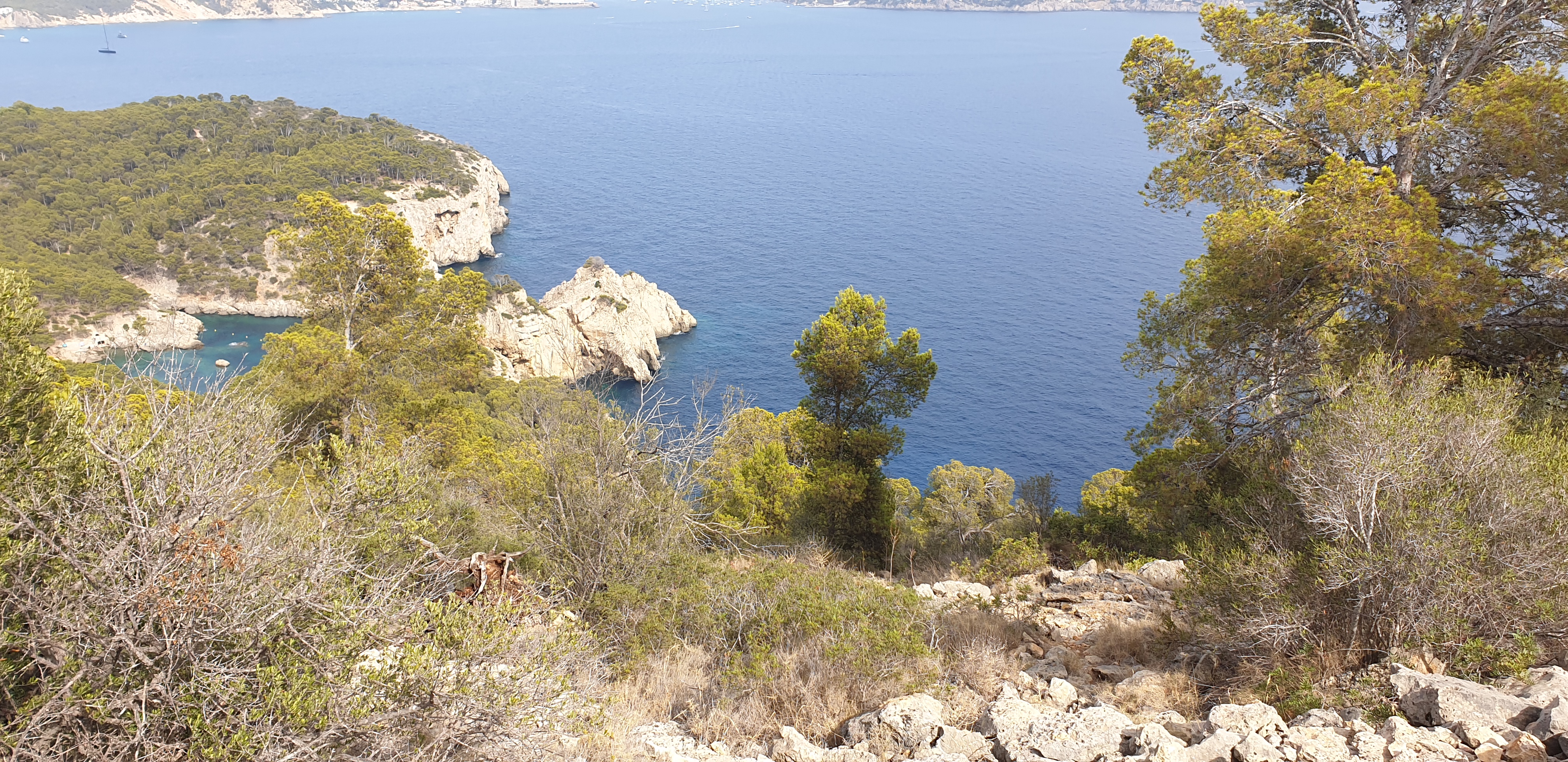
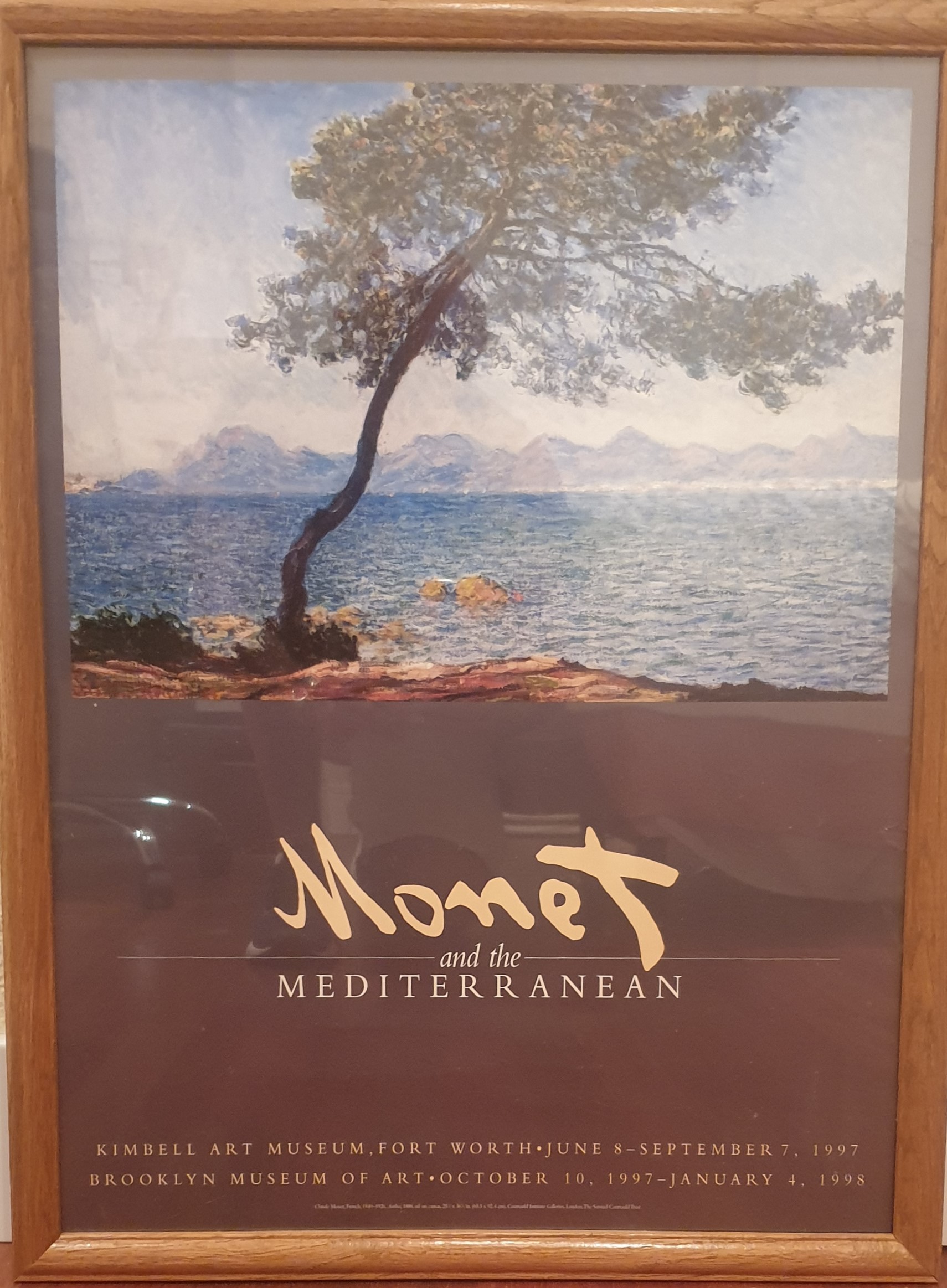
Years ago, it must have been in a thrift shop in Chapel Hill I bought a “Monet and the Mediterranean” Exhibition poster; a windswept pine tree overlooking the sea. I loved it because it reminded me of the Mediterranean. I could smell the pine trees and the sea, I could hear the deafening song of the cicadas, feel the heat on my body, and taste the thousand flavors that unite this Mare nostrum.
Why is this region the cradle of Western civilization? Why is this diet considered the best in the world – olive oil, a little wine, veggies, and fish? Why is the Mediterranean lifestyle so admired and aspired to? In short, why is this region so special?
I am not a specialist, not an expert, in fact I have no clue, although I do have some theories: Ancient Babylonian culture lacked the convenience of an ocean, so slowly a migration occurred -think of Abraham- to the West, to the Med, et voilà! The rest is history, you are welcome.
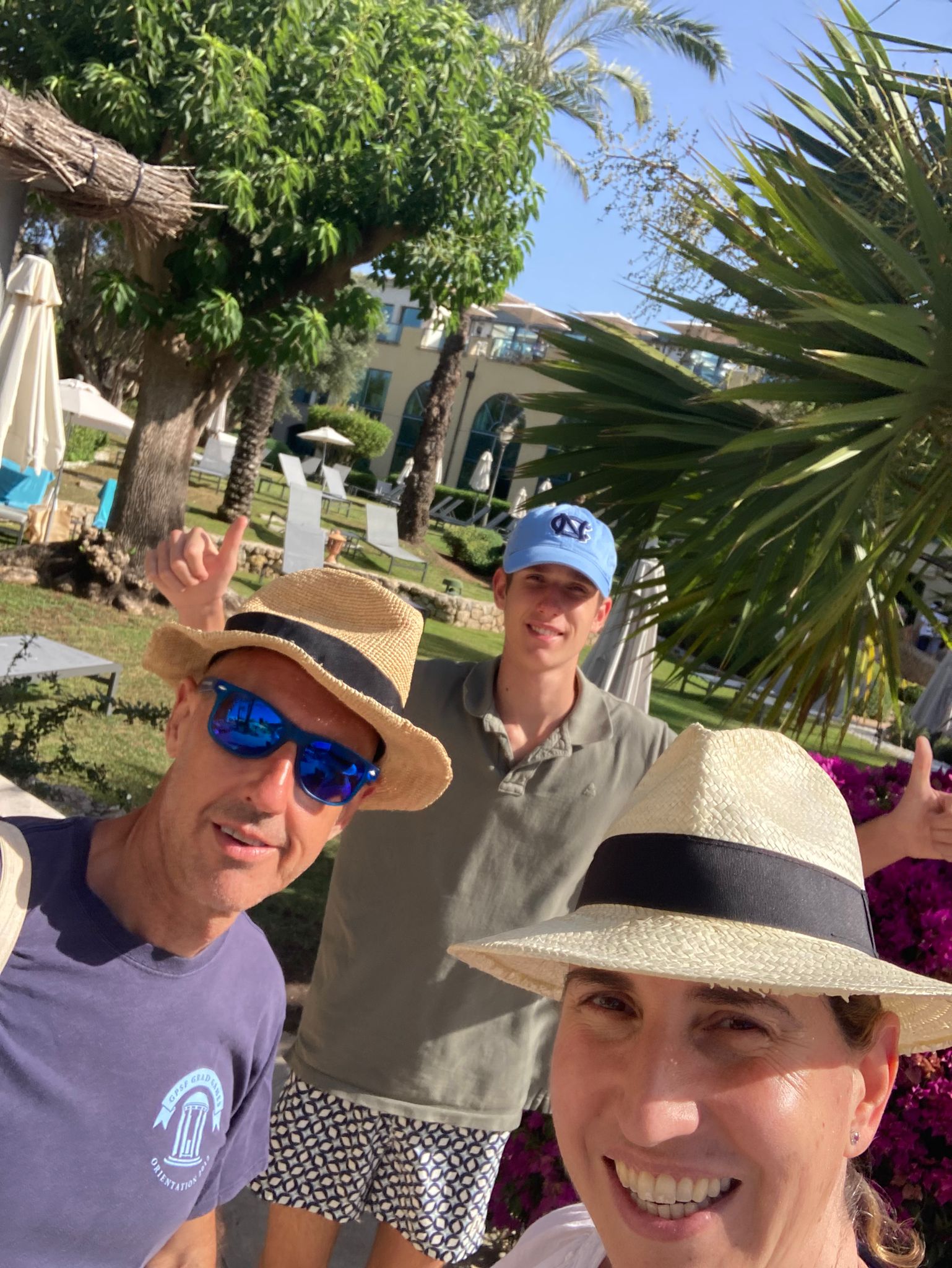
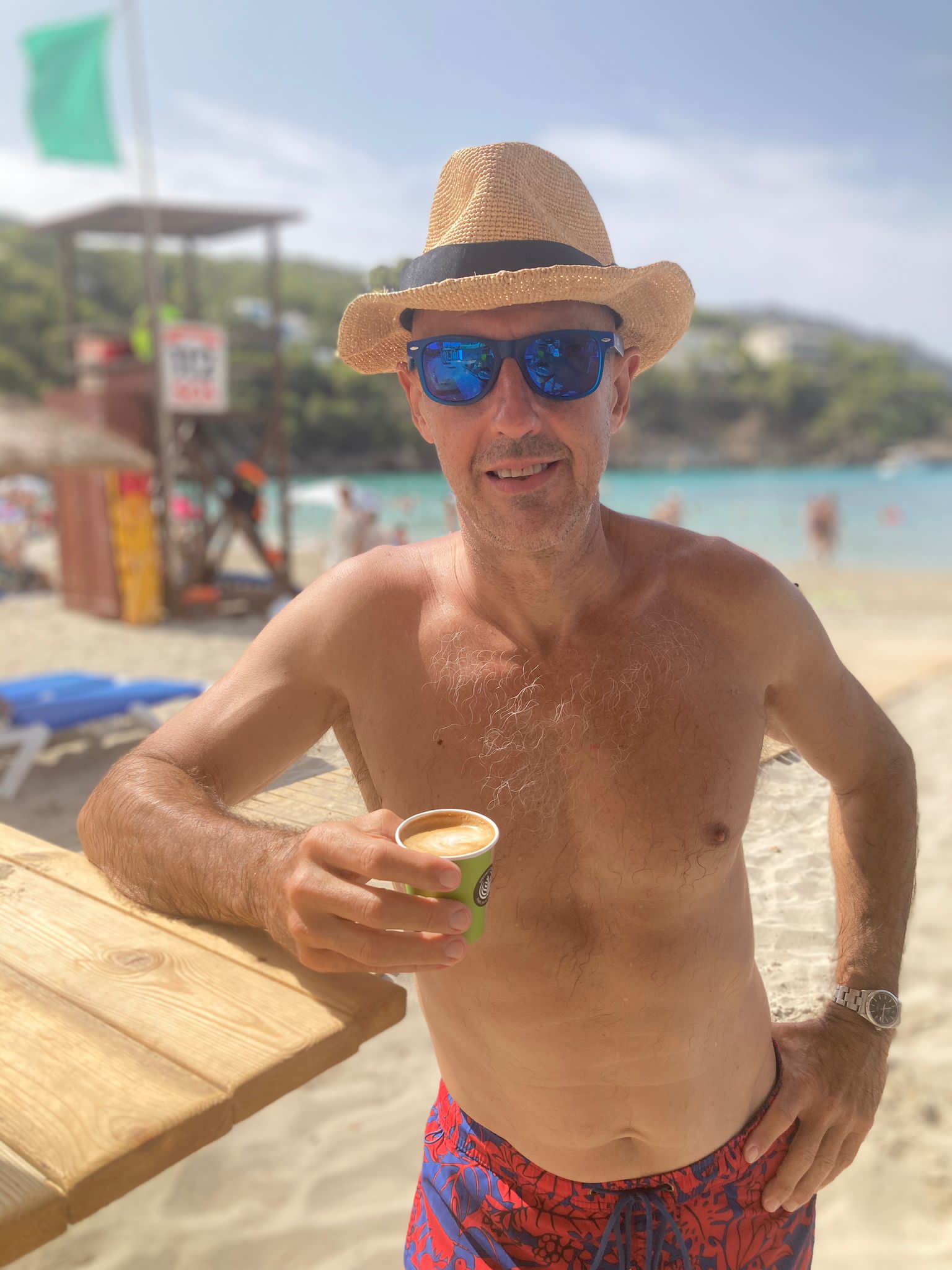
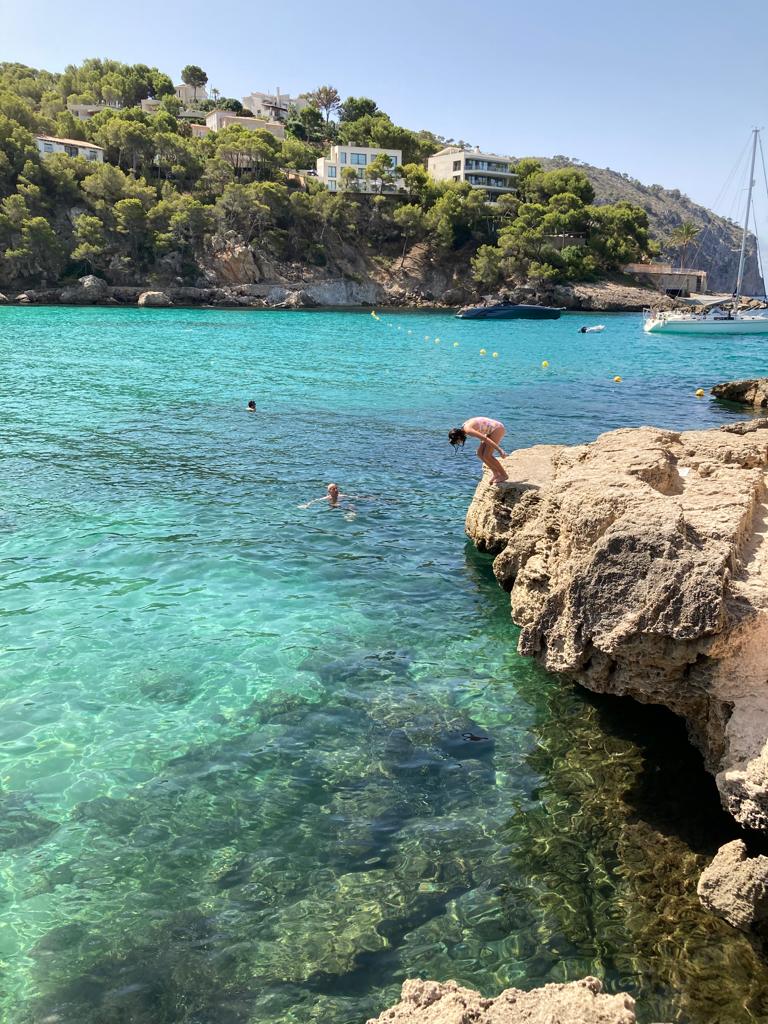
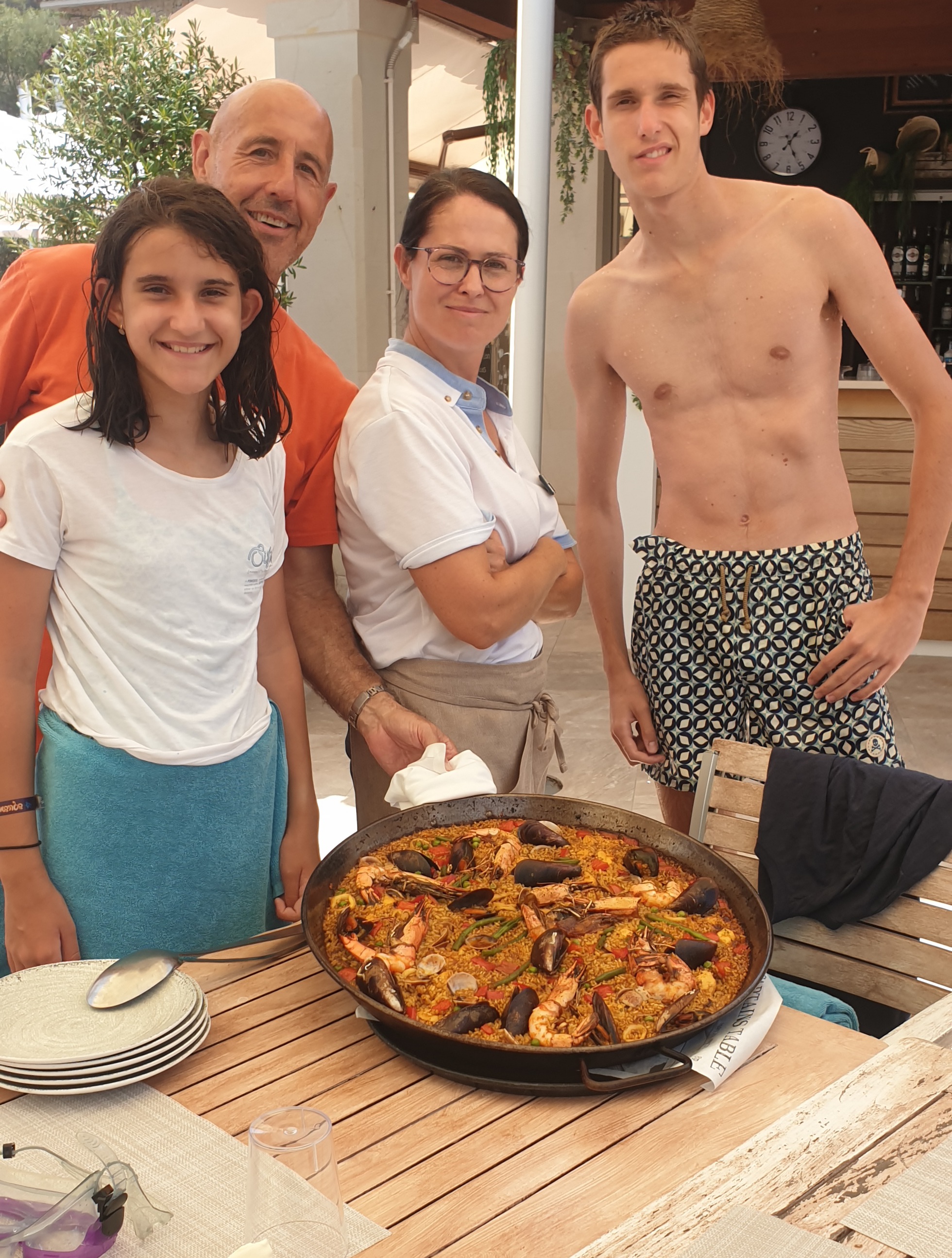
Going back to the Mediterranean every year is a blessing and a pleasure for me. I feel at home in Mallorca or Greece, in Valencia or anyplace united by these waters. This year mom invited us again to spend a few days in her favorite spot, Camp de Mar, a small “cala” inlet where we have been going for decades! It did not disappoint amazing food, great swims in the ocean with my nephew and nieces, runs in the pine trees, overall, another memorable holiday.
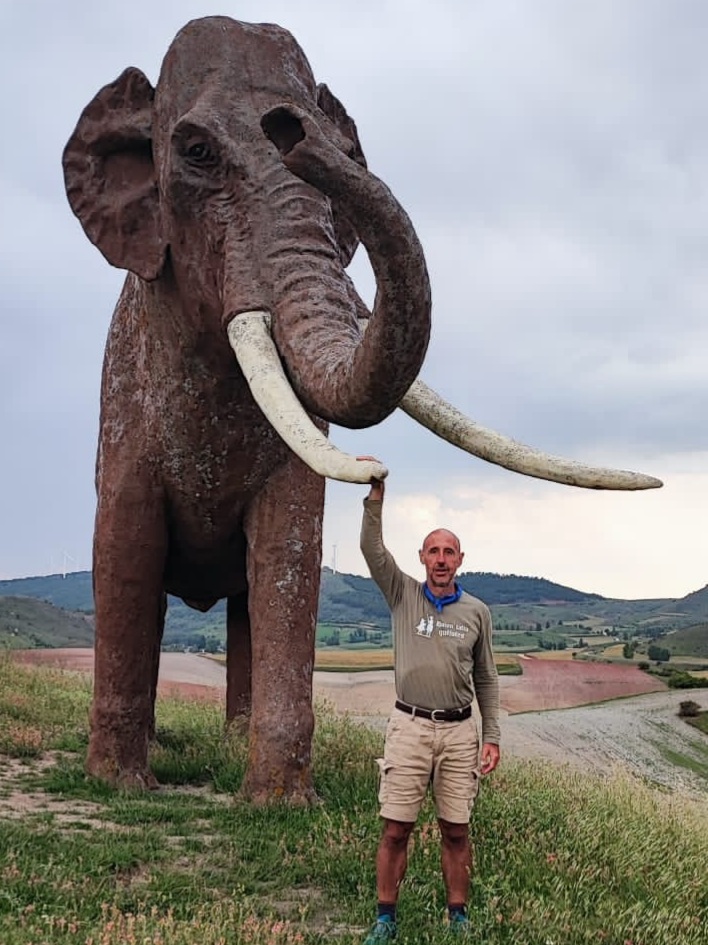
So, the other day I was in the middle of the desolate province of Soria with my dear friend Jaime, as one does, and we decided to explore the Yacimiento y Museo Paleontológico de Ambrona in search of Wolly mammoth bones.
Who knows what the middle of the province of Soria looked like in the Pleistocene, but back in the 19th Century some Belgian dude conducting channeling work for a nearby train station discovered the first bones. Amateur anthropologist and wealthy empresario the Marqués de Cerralbo took an interest and started the first serious expedition. There were a few other expeditions and eventually a small museum was created.
Jaime and I arrived late and the museum was closed, but we did get to see the Woolly mammoth replica and to walk around to conduct our own -fruitless- search for mammoth bones. Fortunately, we visited during the longest days of the year so we could walk around a bit. After our expedition we decided to celebrate with dinner in not too far Medinaceli, which is a beautiful village!!
After six Caminos I am willing to share one of my favorite hacks, which I have talked about in passing in my Camino chronicles but have never written a full post on.
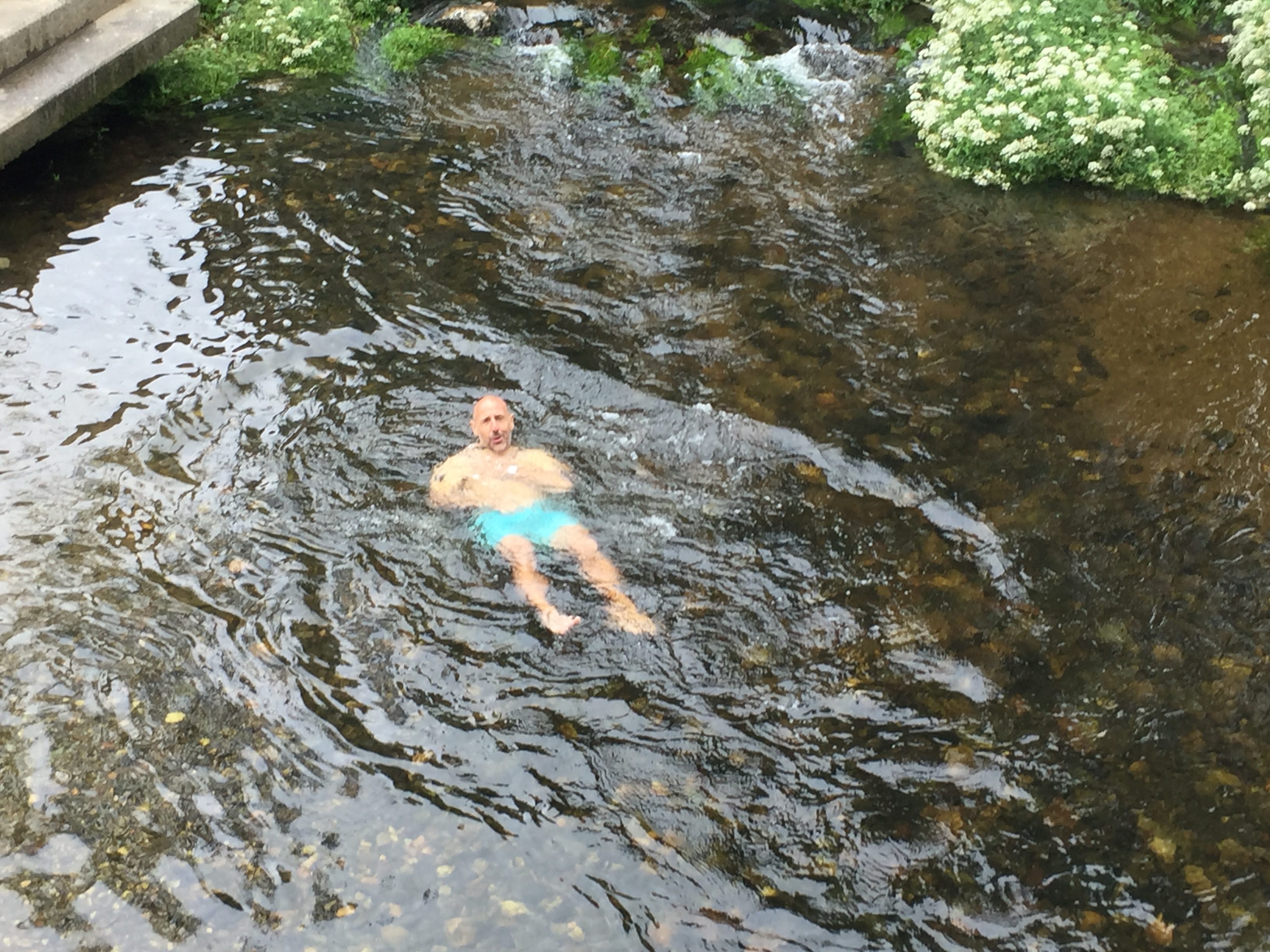
After a day of hiking with a heavy backpack, one of the best -and fastest- ways of reducing, indeed eliminating, bodily inflammation is a good dip in cold water. So, when I get to the albergue I always ask the hospitalero about available local dips: streams, pools, rivers.
Sometimes there is a little stream running near the albergue where all you can do is dip your legs, on the Camino del Norte you occasionally have the privilege of stopping on the beach, and some towns and villages have rivers and streams where you can have a chilly dip.
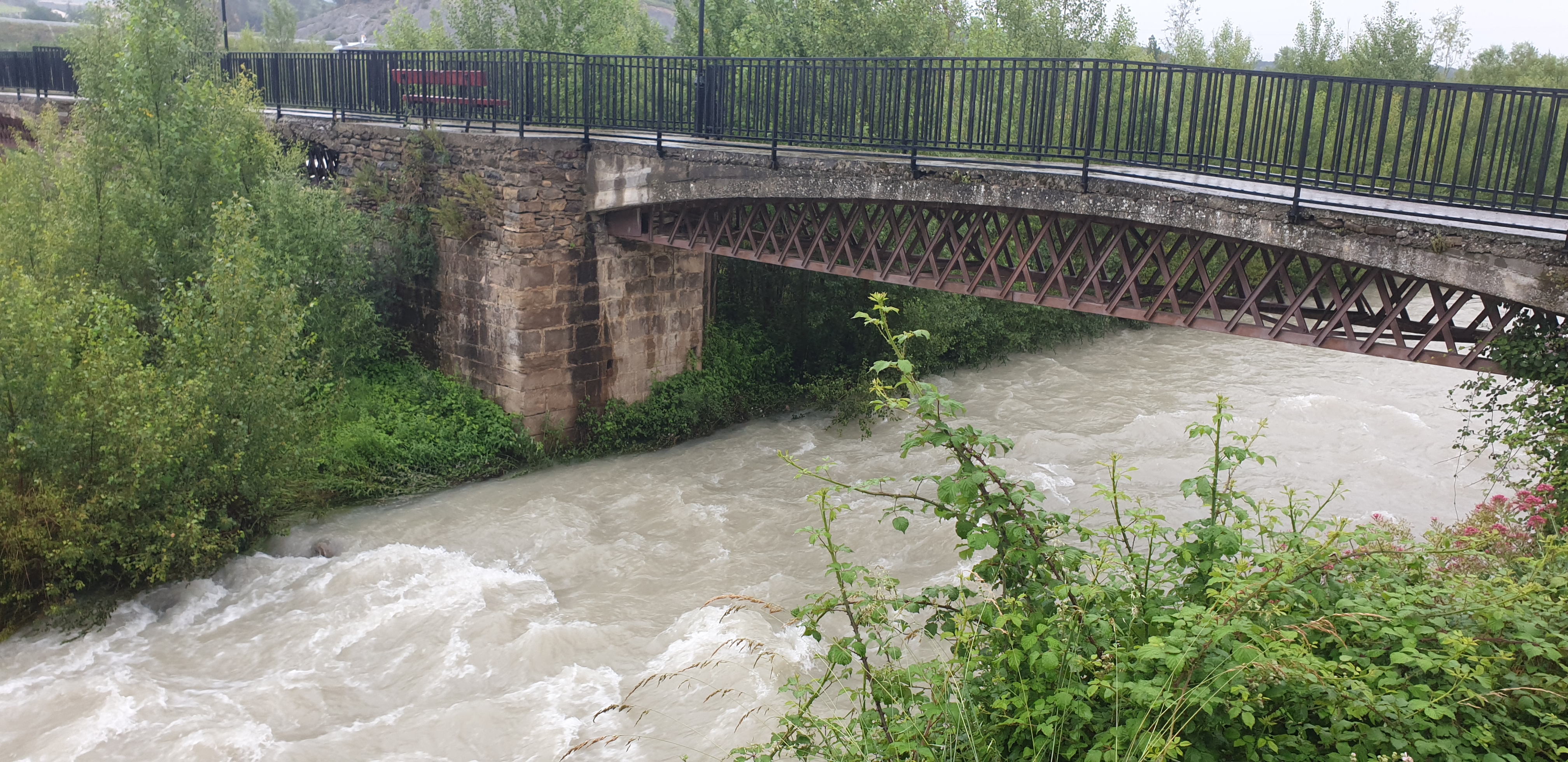
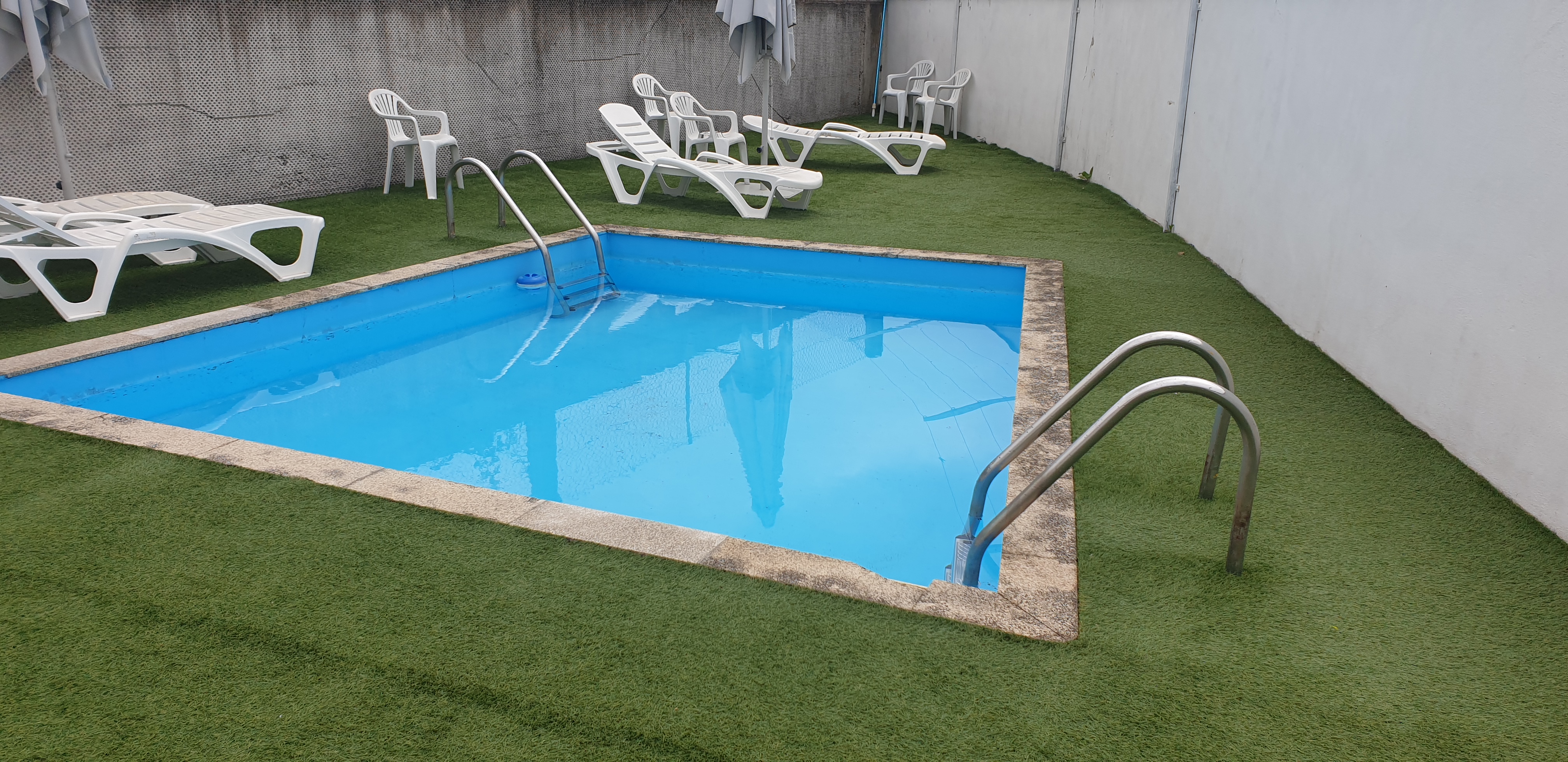
On my recent Camino Aragonés, the Aragón River was flowing exceptionally big, fast, and muddy due to the recent rains, so I was unable to dip in Sangüesa. Fortunately, Jaca, Sangüesa, and Monreal all had amazing and inviting municipal pools waiting for me! Even though they were not the TikTok trendy Wim Hof ice baths, they still were refreshing and cool and offered a great opportunity to stretch and cool down.
Special mention goes to the Jaca facility where for 7 Euro I got the Olympic pool, plus Swedish sauna, steam bath, jacuzzi, water jets, etc. Amazing, the best 7 Euros I have spent on the Camino!
So next time you go on the Camino, pack a swimsuit. You are welcome.
Last year’s Camino Primitivo Albergue Review was quite well received and is in my top 10 posts this year, so I have decided to do the same with the albergues on the Camino Aragonés which I just finished. Like I did last year I will then post the reviews on Google Maps to share the knowledge.
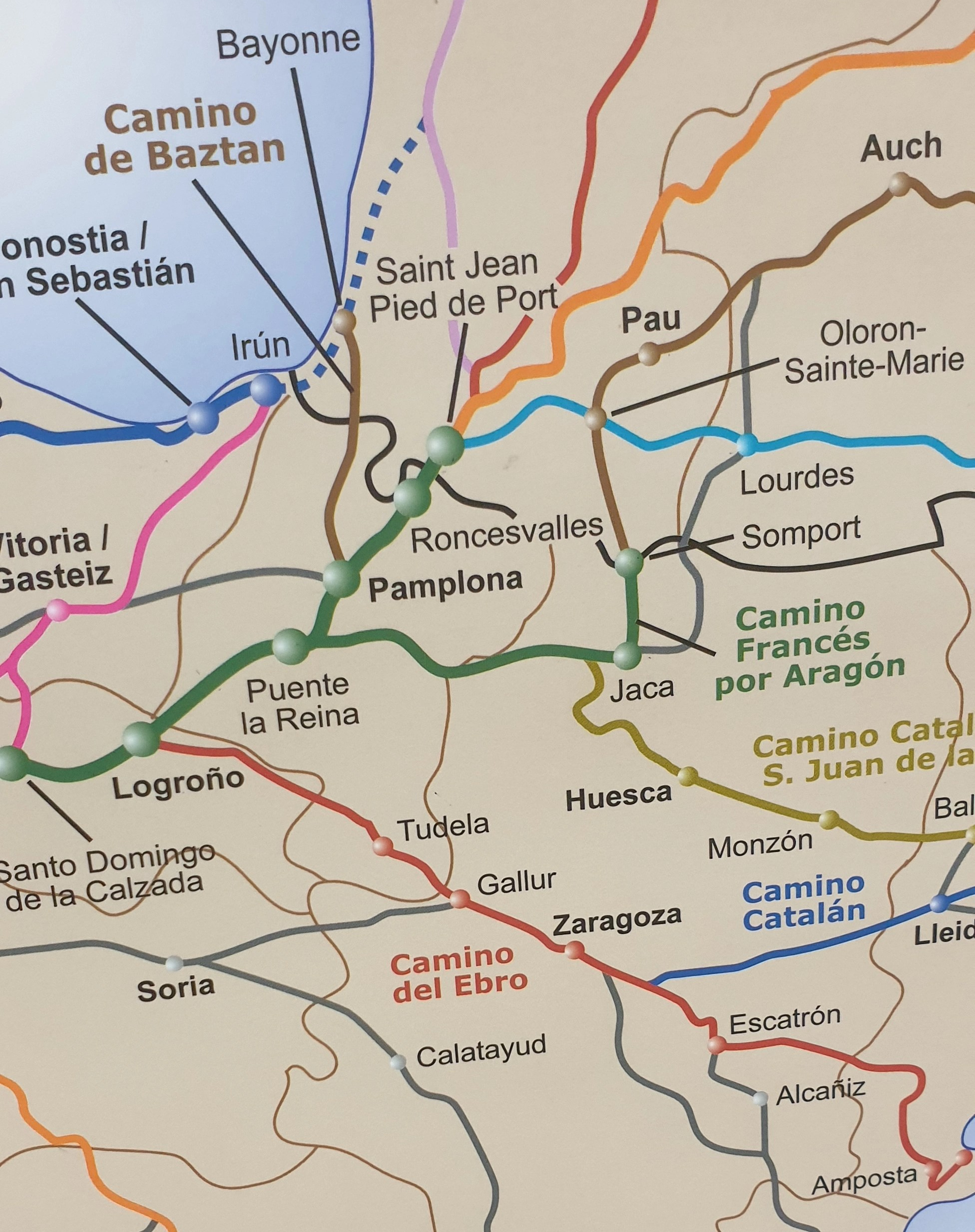
Notice the Camino Francés por Aragón
Somport – Albergue Aysa 2,5/5 stars
This is a tricky one. It does double duty as a high mountain refuge and for pilgrims. It sits feet, yards away from the French Border, and that is all you will find there besides a road maintenance shed and the closed down Customs building. The views are amazing, and it is the “unofficial” start of the Camino Aragonés, so you do not have much of a choice. Having said that, Pedro and his son Marc are not the most hospitable hospitaliers. Pedro had another pilgrim and I wait half an hour in a hallway while he prepared breakfasts; he could have invited us to at least sit down with a cup of coffee, or -and this might be pushing it- prepare our breakfast and then continue preparing everybody else’s breakfast since they all arrived much later. It is also a bit on the expensive side at Euro 27… supply and demand I guess when you are the only albergue at the top of the mountain….
Jaca – Municipal Albergue 4.5/5 stars
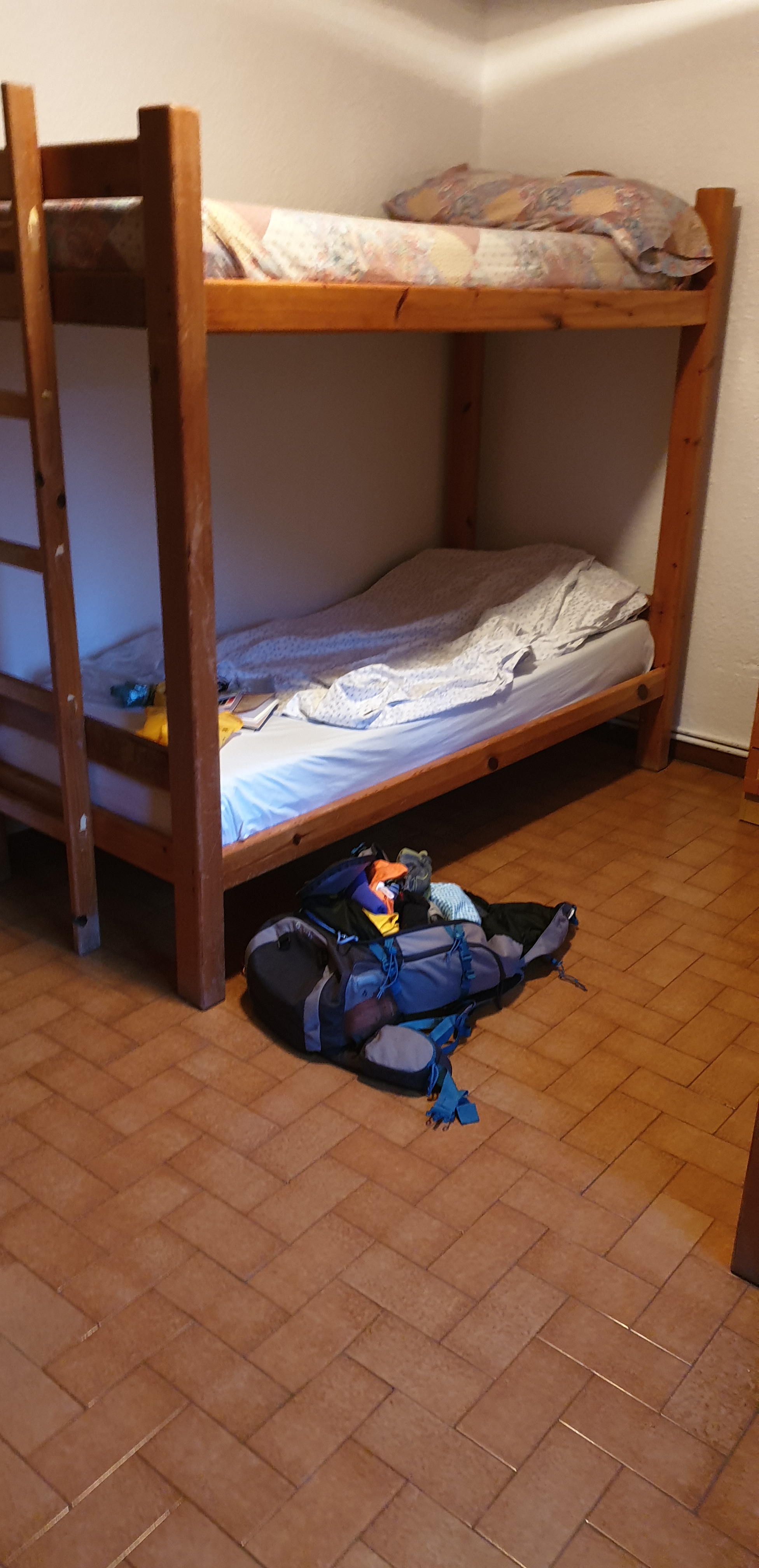
Marisol is a sweetheart hospitalier! The albergue checks all the boxes for a correct. large, urban albergue: right downtown, clean, good bathrooms, ample kitchen, and dining room, it even has a cute little garden. And the aforementioned Marisol knows everything about Jaca! A couple of pluses are no bunk beds, yeay! The beds are paired up with a night table in between and you can store your pack under the bed (this is a bit cumbersome since you have to move the mattress and lift the board to access the space, nobody I saw used this feature). The only thing missing from this albergue was a washer/drier, which in an urban, public albergue is expected, the only thing missing for the full five stars! 11 Euro.
Arrés – Municipal albergue managed by volunteers. 5 stars
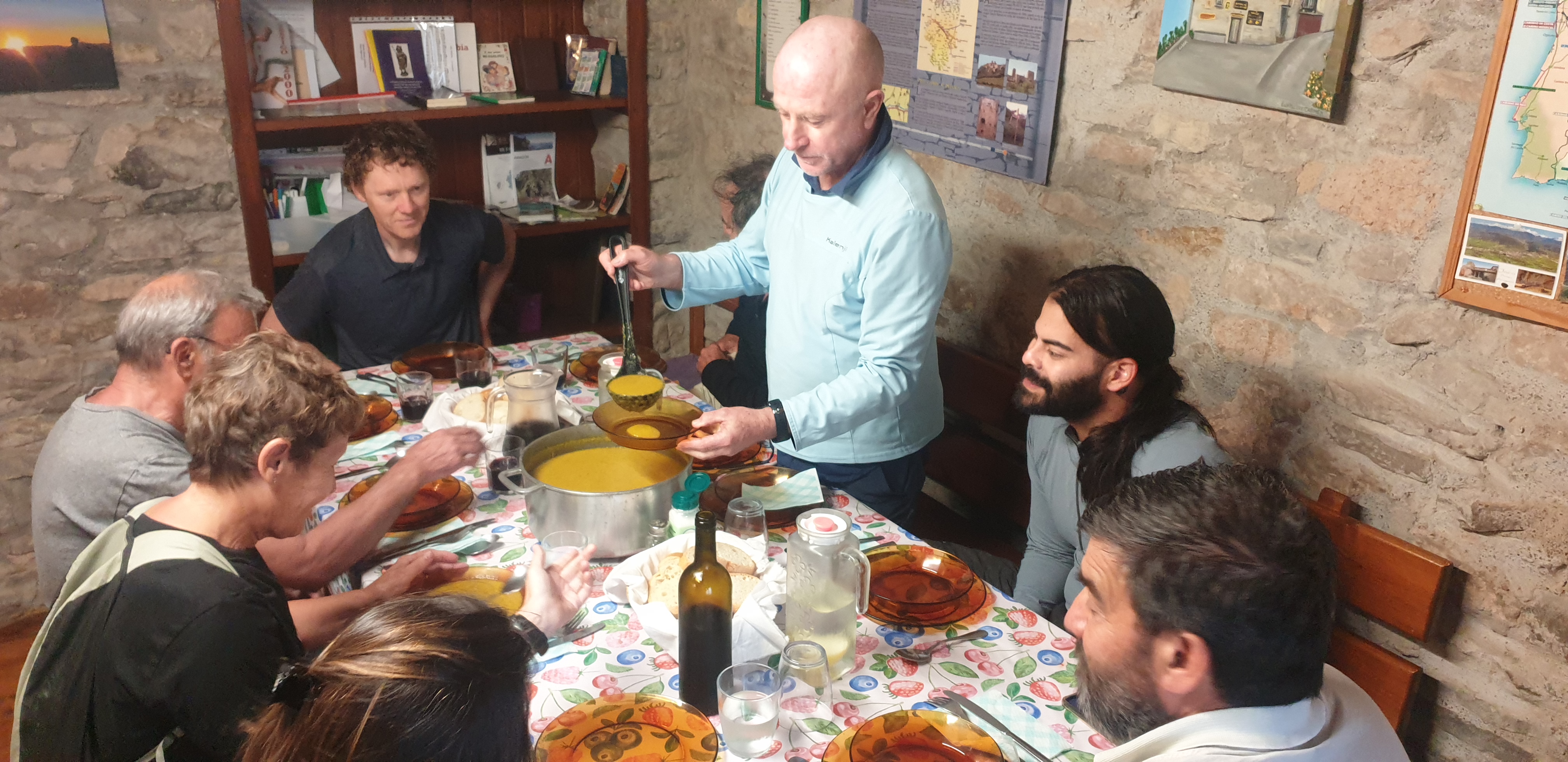
After a beautiful but looong climb you will suddenly hit this tiny, ancient, stone village. The albergue is the first building you will see; it is housed in an ancient stone building, carved into the stone -in fact, the toilets on the bottom floor have exposed rock! I was lucky to have Ray El Peregrino as the volunteer hospitalier, this guy is a rock star pilgrim who has walked every Camino!! And he cooked a great dinner: Hearty vegetable soup and tortilla española packed with onion, peppers, and chorizo. The albergue is fairly basic, but that is expected in a tiny, medieval village in the middle of nowhere. The hospitalier gives the pilgrims a tour of the tiny church before the community style dinner. Oh, and it is a “donativo” albergue, meaning that you put into the box what you can/want (the going rate for municipal albergues is around Euro 11, so that is about how much you should give, if you can, a little bit more if you consider that dinner and breakfast are included).
Ruesta – 3 stars
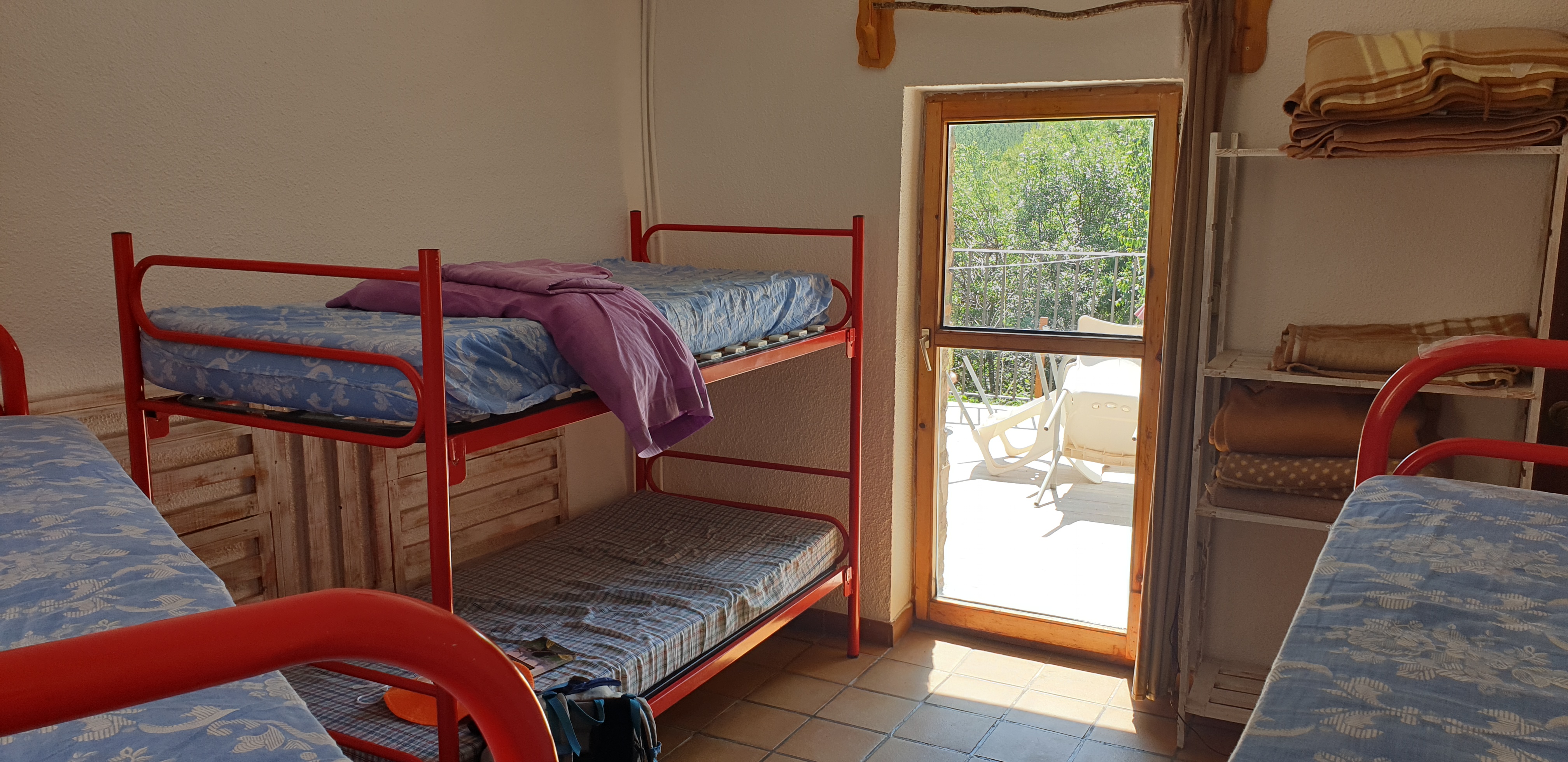
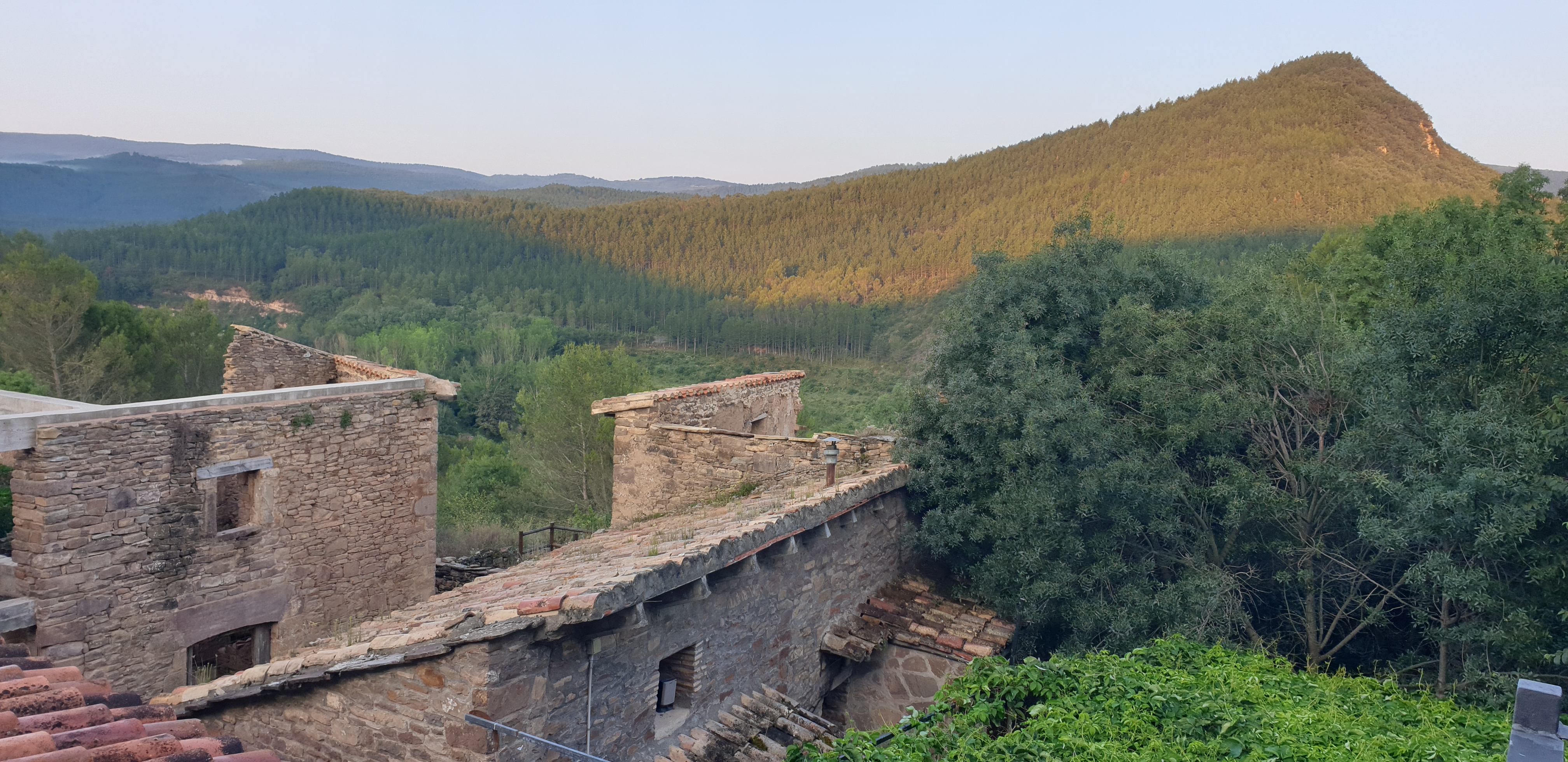
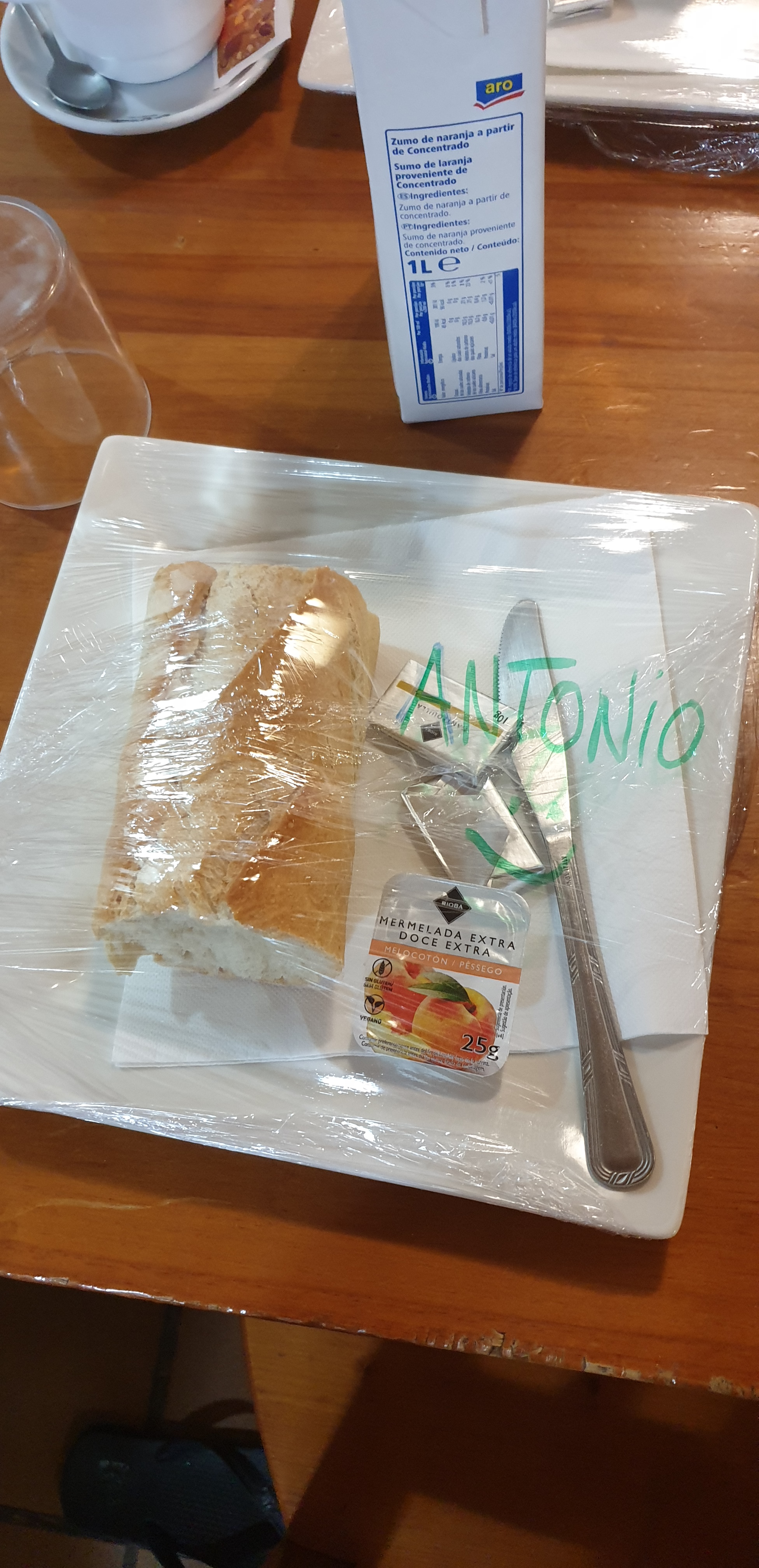
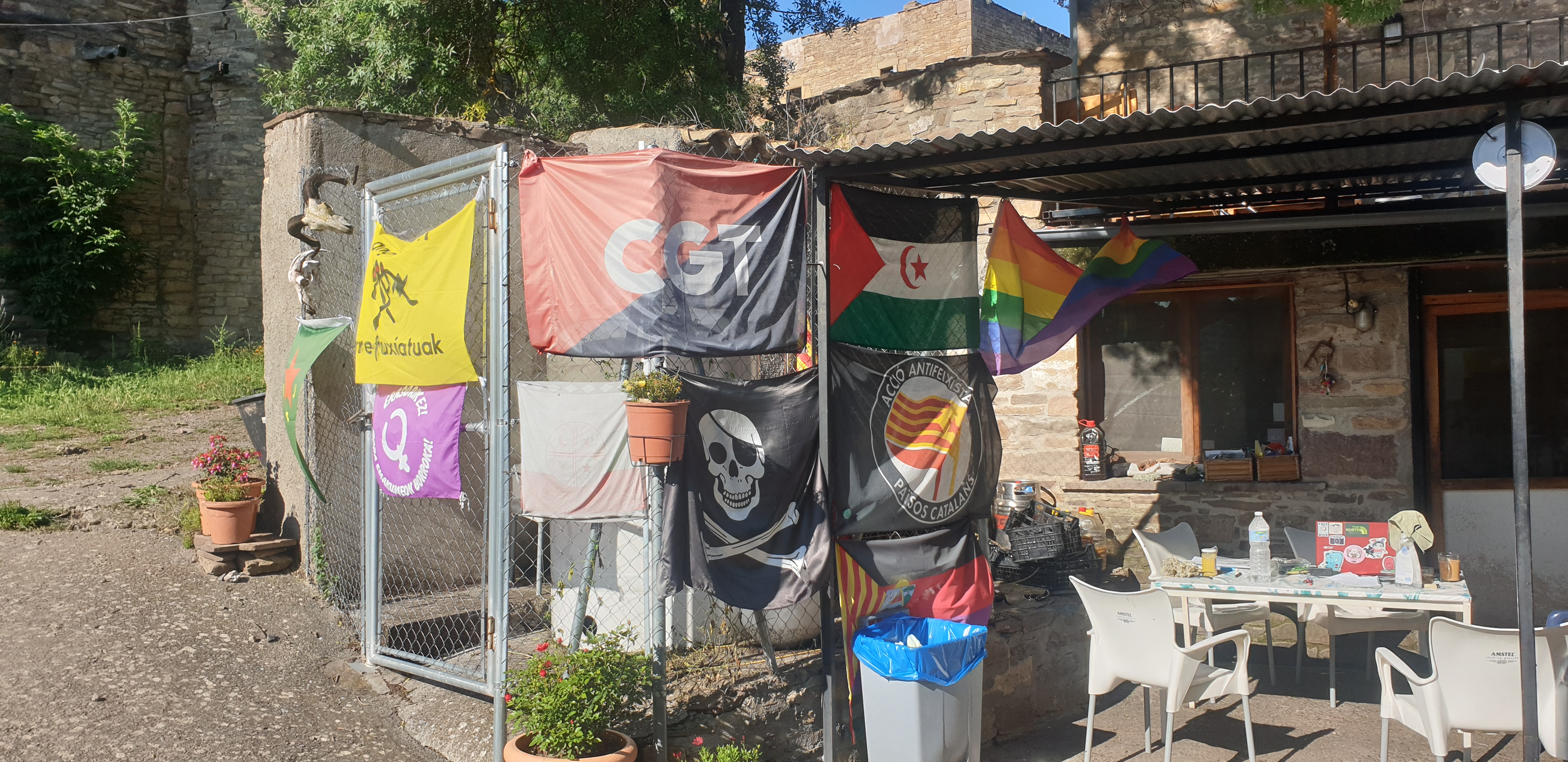
Ok, this is a good one: In the 1960s the government built a dam, flooding the fields where the good people of Ruesta earned their living from, so they were forced to leave, abandoning a beautiful medieval stone village. In 1988, the local government leased the village to the trade union federation CGT (Confederación General de Trabajadores), a bit of an anarcho-syndicalist trade union, with the condition that they rebuild, and eventually repopulate the village. So, guess who runs the local albergue? You guessed it the folks from the CGT, who, regardless of your political viewpoints, are really nice and sweet. I had a large room with an even bigger balcony where I was able to tie my rope and sun dry all my clothes! Dinner was community style with two options for appetizer and entrée (I had vegetarian lentils and the chicken, both delicious) and a few options for dessert. The one black spot was breakfast: a shrink-wrapped piece of bread with a patty of jam and one of butter, a coffee -probably made the night before and covered with a saucer, and the cheapest available tetra-brik orange juice. For Euro 4, breakfast could have included some cold cuts, etc.
Sanguesa – Municipal Albergue 5 stars
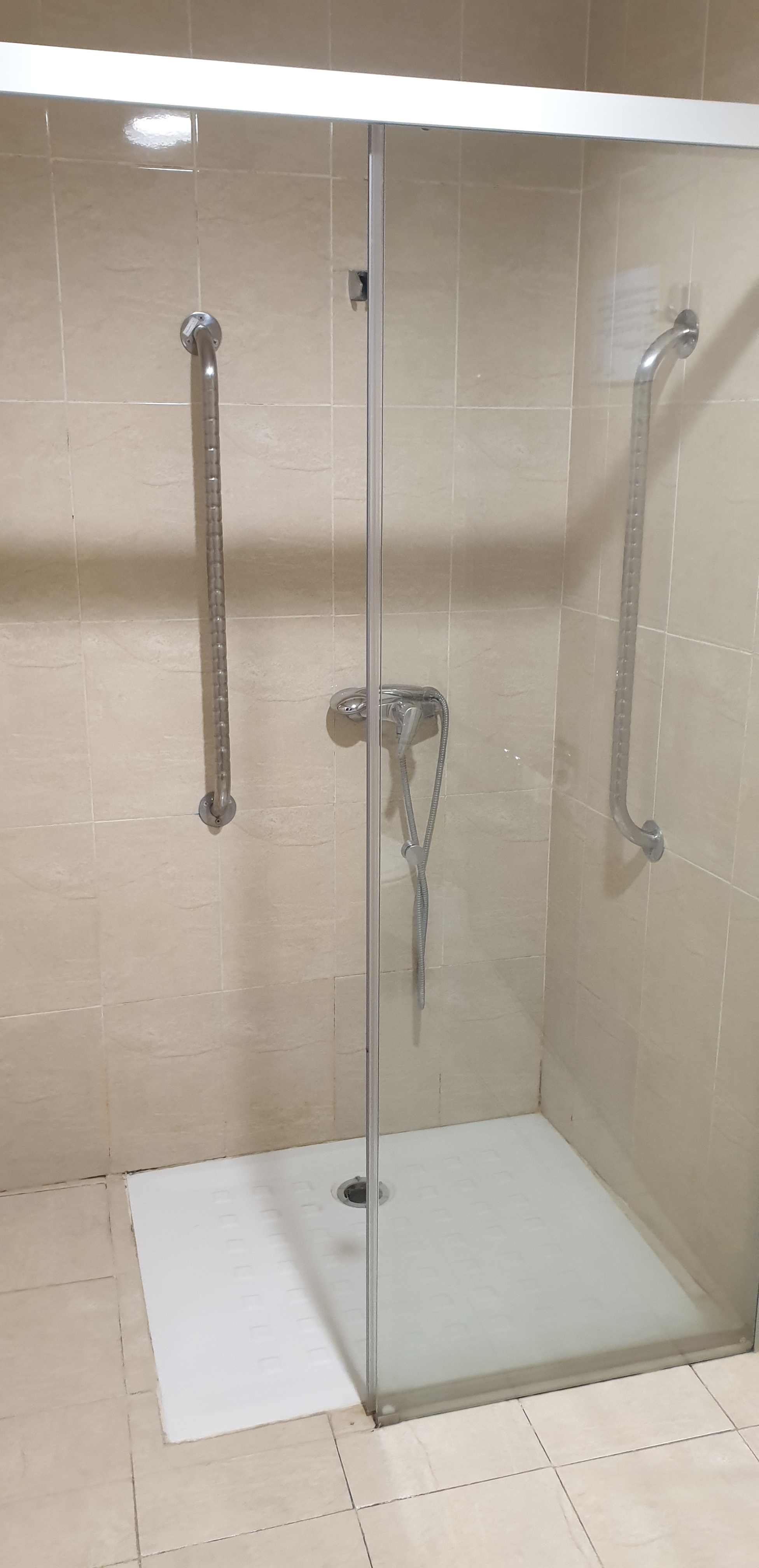
This is a no-nonsense, basic but correct albergue, and the first with a washer/drier! Maybe because the Navarra government cares just a bit more of their pilgrims than the Aragón one (let’s see if they get the hint…). This albergue, while small with 14 beds and (only two of them are bunks) is right downtown, has amazing showers, and a solid kitchen. The only problem is that there are more pilgrims than keys (probably because pilgrims inadvertently take them) so we had to always be knocking on the door, or asking pilgrims if they had a key!
Monreal – Private 4,5 stars (you have to be at the albergue at 5pm for your paperwork)
High up on a hill, and with a killer set of stone stairs to kill you off before you get to the door of this albergue, it is a perfectly lovely place. Renovated by the local trade school, it has exposed wooden beams. Aura the hospitalier is nice and generous with her advice and local knowledge, she also owns one of the two local bars/cafés. Unfortunately, the albergue is owned by an investment company in Pamplona so Aura is only there for a while each day to collect the cash and take a photo of your id.
Honorable mention:
Albergue Restaurante de Artieda
We stopped for our midday snack here and what a beauty this place is: hanging on the edge of the hill overlooking the Pyrenees. It is a private albergue with the best sandwich I remember having in a long time!

















 Antonioyrocinante's Blog